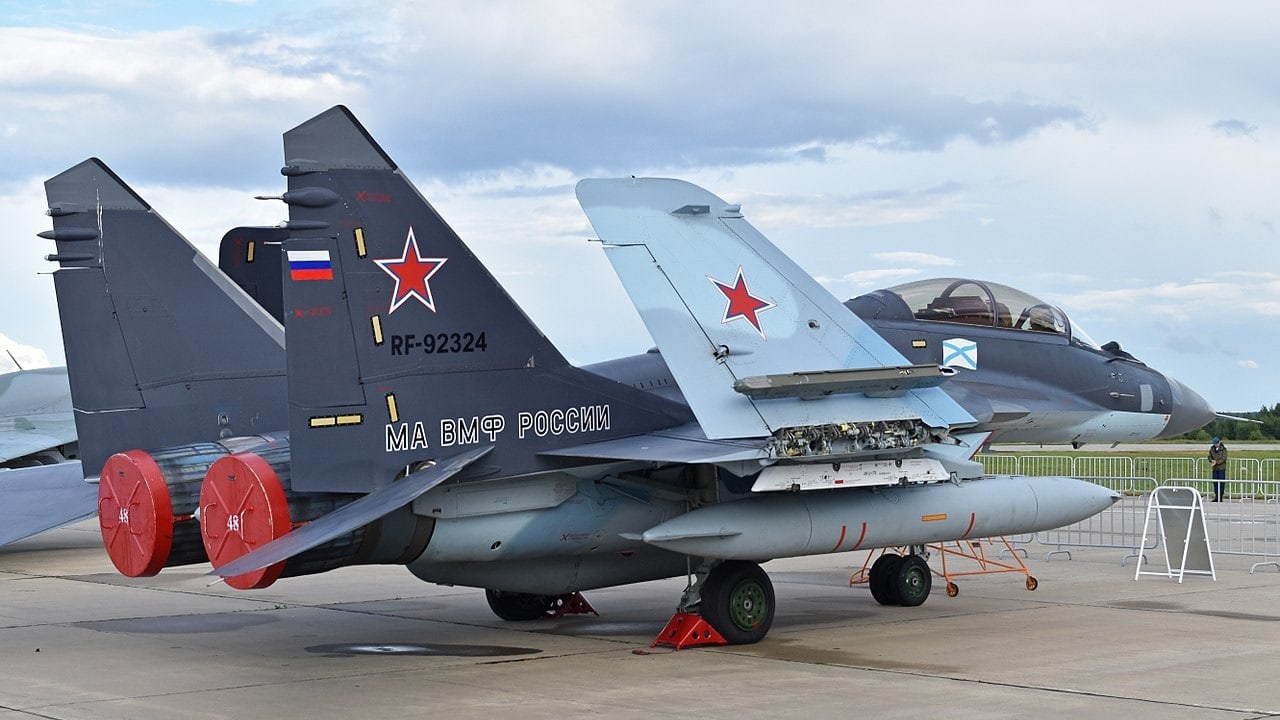
The MiG-29K Was Built for the Admiral Kuznetsov — Russia’s Only Aircraft Carrier Has Spent More Time in Port Than at Sea
Built by the Soviet Union as a carrier-based version of the MiG-29, the MiG-29K is a powerhouse. Like many concepts from the late Soviet era, it was designed for a type of naval warfare that the Soviets never fully developed, but the Russians kept adding capabilities to the MiG-29K.
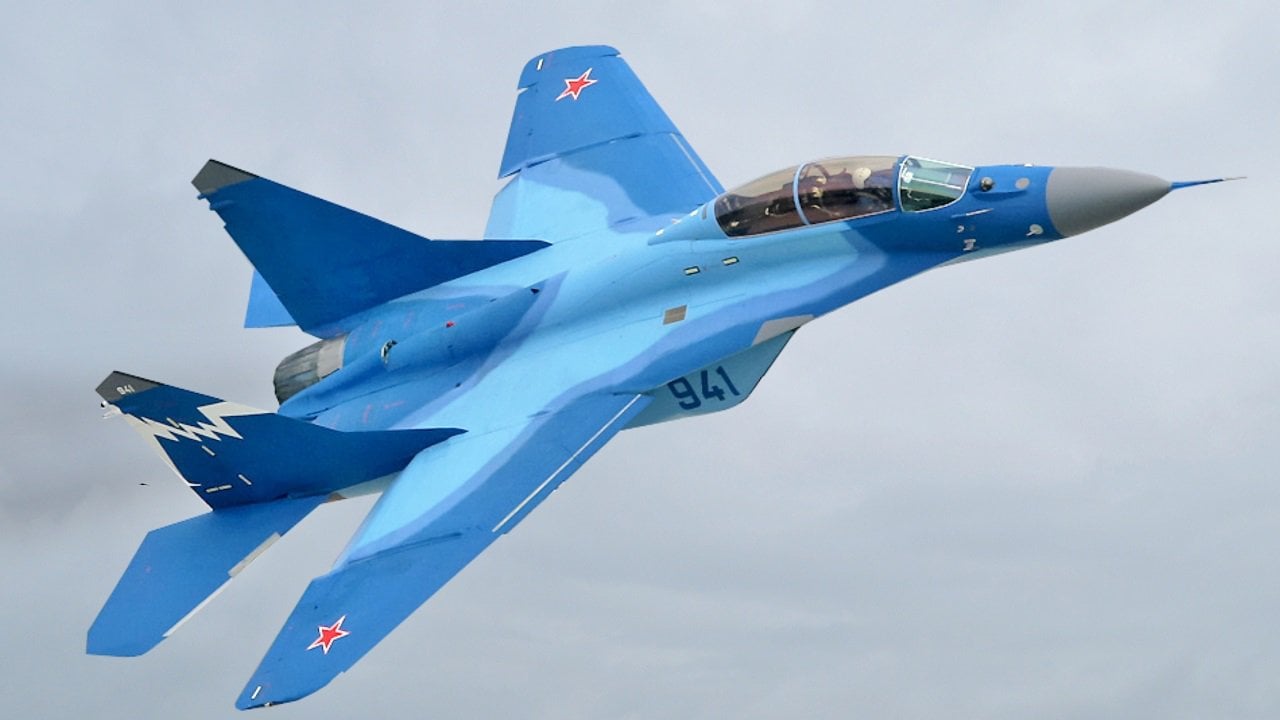
MiG-29K. Image Credit: Creative Commons.
MiG-29K’s Capabilities
Today, it is an aging system. However, it was built for a time when the late Soviet Union was trying to become a serious naval power, marked by the construction of the USSR’s (failed) Admiral Kuznetsov aircraft carrier.
The MiG-29K is powered by twin RD-33MK engines, which deliver about 7% more thrust than standard versions, allowing it to reach a maximum speed of roughly Mach 2. It can carry approximately 10,000 pounds of payload on eight hardpoints, supporting a wide range of weaponry, including air-to-air missiles like the R-73, R-77, and R-27. Designed for its original naval role, the MiG-29K is also capable of deploying potent anti-ship missiles such as the Kh-31 and Kh-35. Furthermore, it is equipped with precision-guided munitions and rockets.
It’s important to view Russia’s MiG-29K not just as a naval dogfighter. The aircraft was designed as a small strike platform capable of defending the Admiral Kuznetsov carrier and executing deep strikes against enemy ships with anti-ship missiles.
The MiG-29Ks come equipped with several modern features despite being an older system. Russian engineers have installed multirole radars and paired it with a digital cockpit.
The plane has an Infrared Search and Track (IRST) system; it can conduct electronic warfare (EW), and while not stealthy, it has a reduced radar signature to give it some stealth qualities. The MiG-29Ks can also be refueled midair. More interestingly, the MiG-29Ks can serve as miniature midair refuelers themselves, as they have been given a “Buddy Refueling” capability.
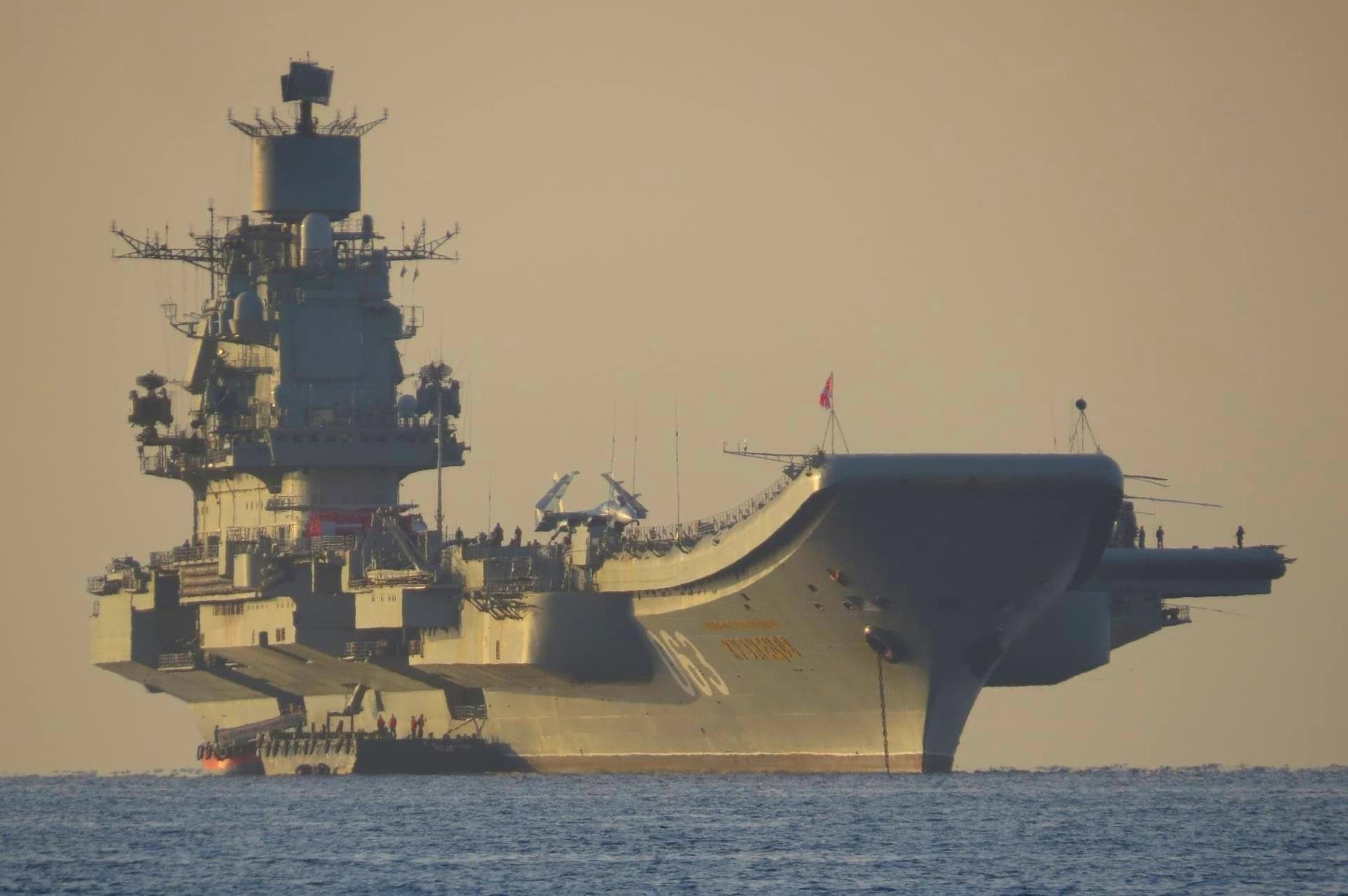
Aircraft Carrier Admiral Kuznetsov. Image Credit: Creative Commons.
Thanks to these key features of the MiG-29K, the Russians have helped ensure that this aircraft remains relevant on today’s battlefield. The Russians, at least on paper, have a Fourth-Generation-Plus fighter with their MiG-29K.
The MiG-29K has Legendary Problems
Nevertheless, the MiG-29K has many issues. A system exported to its Russian partner, India, these planes have struggled with low readiness rates, with 40-50% of units operational.
There are reports of engine failures and oil leaks, and these planes tend to produce excessive smoke (not ideal for maintaining low visibility). This results in higher-than-expected maintenance burdens and costs.
The airframe cracking issue is especially concerning because, as a plane designed to take off from and land on aircraft carriers, the MiG-29K’s airframe is already reinforced. Therefore, if the MiG-29K’s airframe is cracking, it indicates the plane is experiencing severe stresses that could endanger its safety.
Since the Ukraine War and the sanctions imposed on the Russians have been so burdensome, unintended issues with spare parts and logistics have emerged in the MiG-29K supply chain.
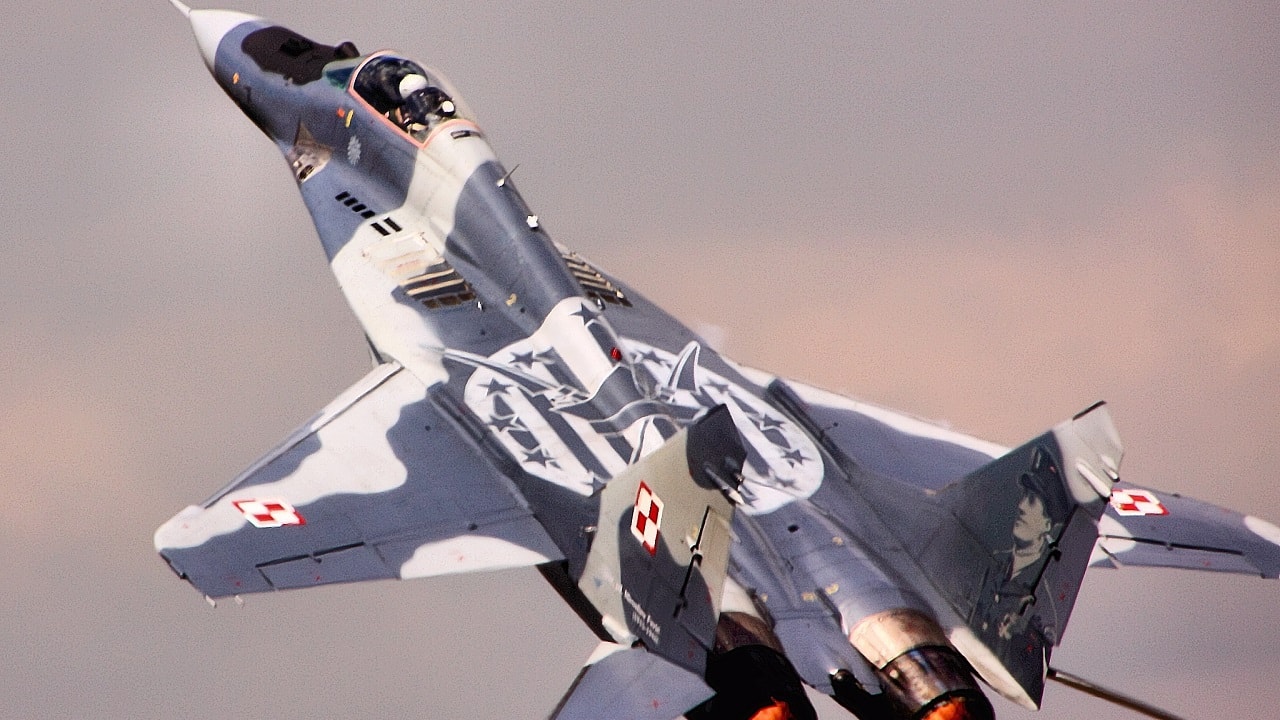
Polish Air Force MiG-29 at the 2013 Royal International Air Tattoo.
These maintenance problems have worsened due to a lack of spare parts and slower supply chains, grounding multiple planes and contributing to the low readiness rates mentioned earlier.
The Indian Experience with the MiG-29K
India has around 40-45 of these aircraft in their fleet, and the MiG-29Ks in the Indian Air Force (IAF), as noted above, have been a nightmare for the IAF.
Behind the scenes, a debate has emerged between Indian and Russian officials about whether the readiness issues with the MiG-29K fleet in India are entirely Russia’s fault.
Some speculate that Russian supply problems aren’t helping, but the Indians might also be falling short in properly maintaining the MiG-29Ks.
This was an argument made by the French leadership last year when the IAF’s collection of Dassault Rafales underperformed during their four-day conflict with neighboring Pakistan.
The Indians claimed the French sold them subpar systems.
The French suggested that the Indians weren’t properly maintaining these systems or training their pilots and maintenance crews to care for and operate the warplanes.
While the dispute with the French was more noticeable, the Indians are unhappy that they paid high prices for the MiG-29K and that they aren’t functioning as intended.
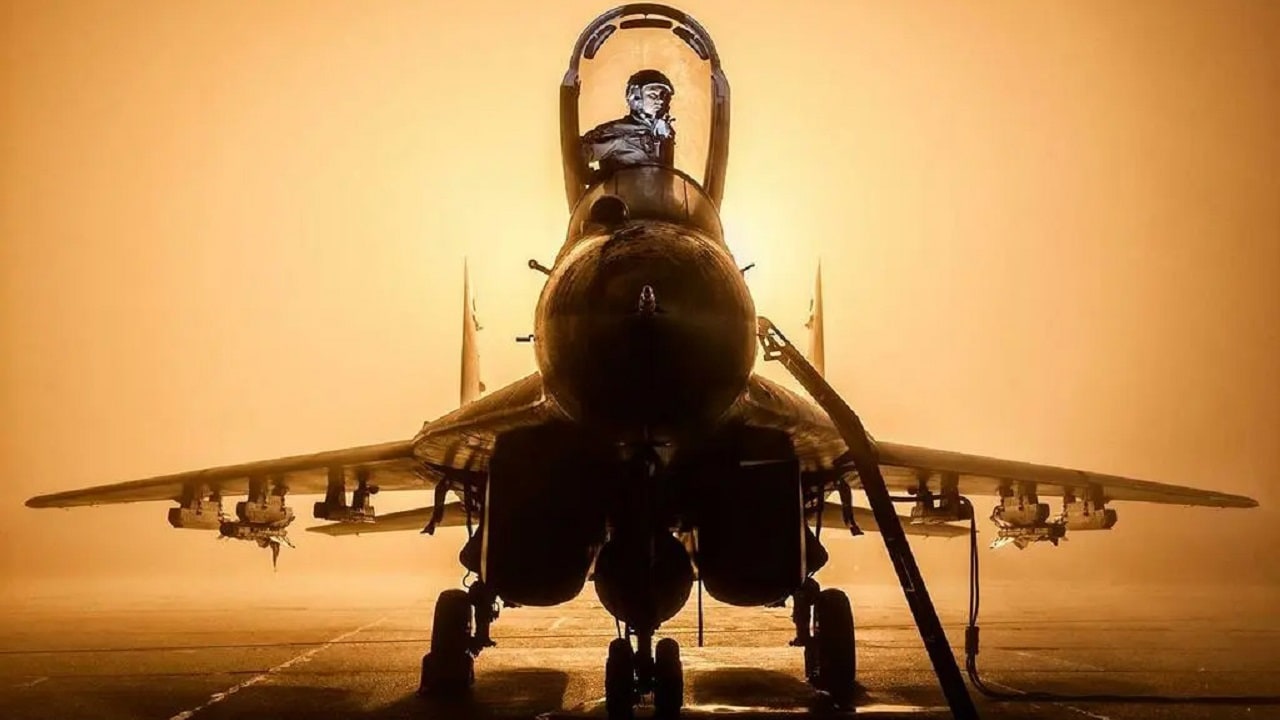
MiG-29 fighter. Image Credit: Creative Commons.
Russia Doesn’t Use the MiG-29K Properly
Meanwhile, the Russian Air Force has very few MiG-29Ks, which limits their usefulness for Russia. Additionally, Russia is using the MiG-29Ks in ways they were not originally designed for.
These planes were intended to be carrier-based fighters.
Because Russia has only one troubled carrier, the Admiral Kuznetsov, Moscow chose to deploy the MiG-29Ks from land rather than from the carrier itself (since the carrier has spent more time in port than at sea). As a result, the MiG-29K is being misused by the Russians.

Admiral Kuznetsov. Image Credit: Creative Commons.
The main downside of the MiG-29K is that Russia never developed a true carrier force as Soviet leaders in the late 1970s and 1980s had envisioned.
A Deeply Flawed Fighter
In essence, the fighter functions as a transitional platform between Russia’s Fourth-Generation fighter series and the fifth-generation models, such as the Su-57 Felon. It possesses decent capabilities and has powerful engines, yet it does not truly qualify as a next-generation aircraft.
The fighter resides in an awkward middle ground: it might not be outdated, but it’s not advanced enough to warrant further investment from Russia.
Russia’s MiG-29K is a powerful but deeply flawed fighter. It is fast, heavily armed, and versatile. However, the plane is extremely unreliable, maintenance-heavy, and strategically underused. As a result, the aircraft is a failure at the strategic level.
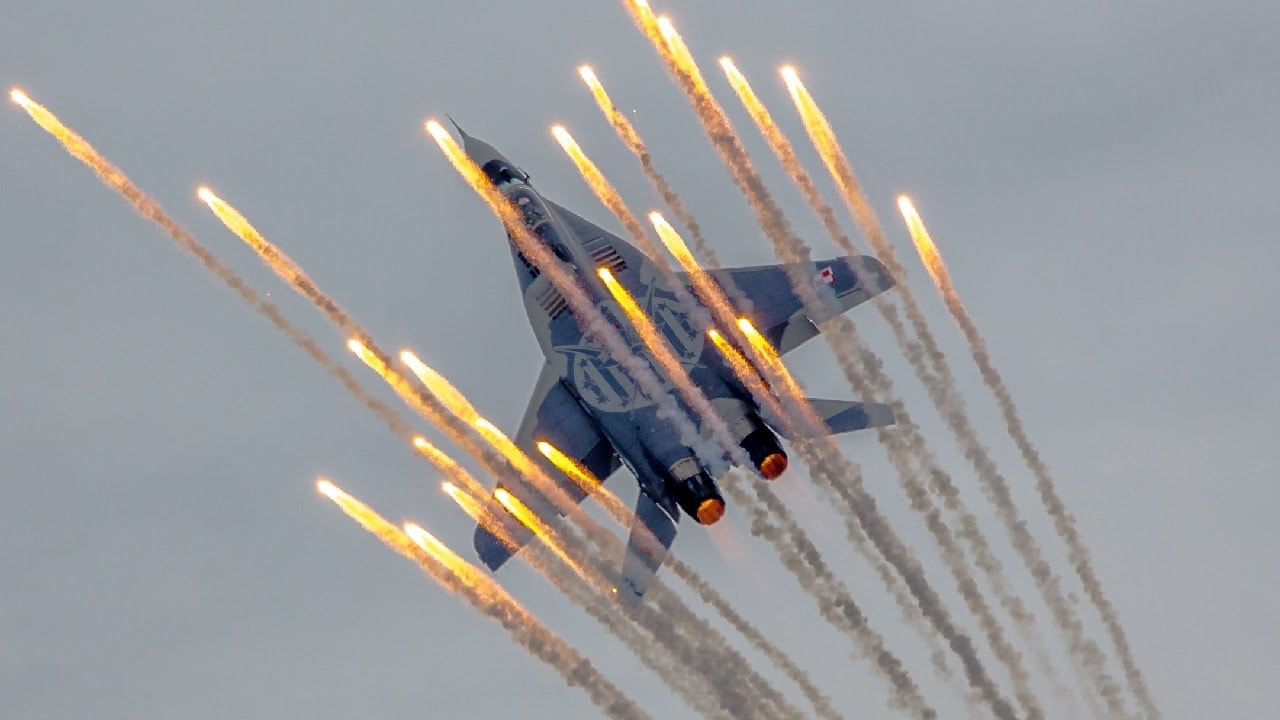
MiG-29. Image Credit: Creative Commons.
The MiG-29K isn’t weak, though. It simply doesn’t perform as well as it could because the underlying systems meant to support the plane are weak—these systems include aircraft carriers (which Russia lacks), logistics (which are strained), and sustainment.
About the Author: Brandon J. Weichert
Brandon J. Weichert is the Senior National Security Editor at 19FortyFive.com. Recently, Weichert became the editor of the “NatSec Guy” section at Emerald. TV. He was previously the senior national security editor at The National Interest. Weichert is the host of The National Security Hour on iHeartRadio, where he discusses national security policy every Wednesday at 8 pm Eastern. He hosts a companion show on Rumble entitled “National Security Talk.” Weichert consults regularly with various government institutions and private organizations on geopolitical issues. His writings have appeared in numerous publications, among them Popular Mechanics, National Review, MSN, and The American Spectator. And his books include Winning Space: How America Remains a Superpower, Biohacked: China’s Race to Control Life, and The Shadow War: Iran’s Quest for Supremacy. Weichert’s newest book, A Disaster of Our Own Making: How the West Lost Ukraine, is available for purchase wherever books are sold. He can be followed via Twitter/X @WeTheBrandon.