
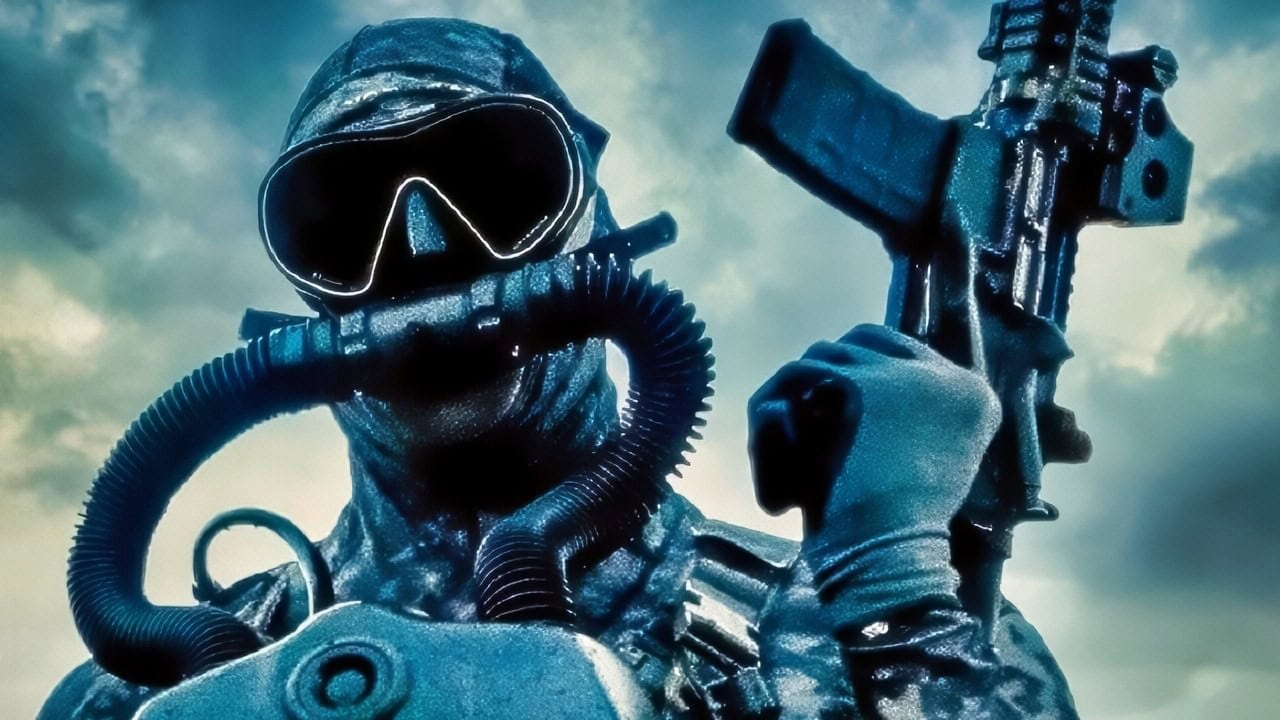
SEAL Team 6: Iran Time? The special operations raid that captured Maduro was one of the most spectacular missions in recent military history. Using the same forces to raid Iran’s nuclear sites and physically destroy or steal 440 kilograms of enriched uranium sounds like the obvious next step — until you game out what it actually requires.
Send SEAL Team Six to Iran?
The United States has the best Special Operations Forces in the world. Ranging from Tier One Operators such as Delta Force and SEAL Team Six to U.S. Army Special Forces and Rangers, these personnel are exquisitely trained and capable of executing some of the most complex missions in the world.
It Worked Against Maduro
Take the recent raid to abduct Venezuelan President Nicolas Maduro; he was captured in exhilarating fashion. The raid was a “jackpot” mission that displayed some of the best teamwork in special operations history.
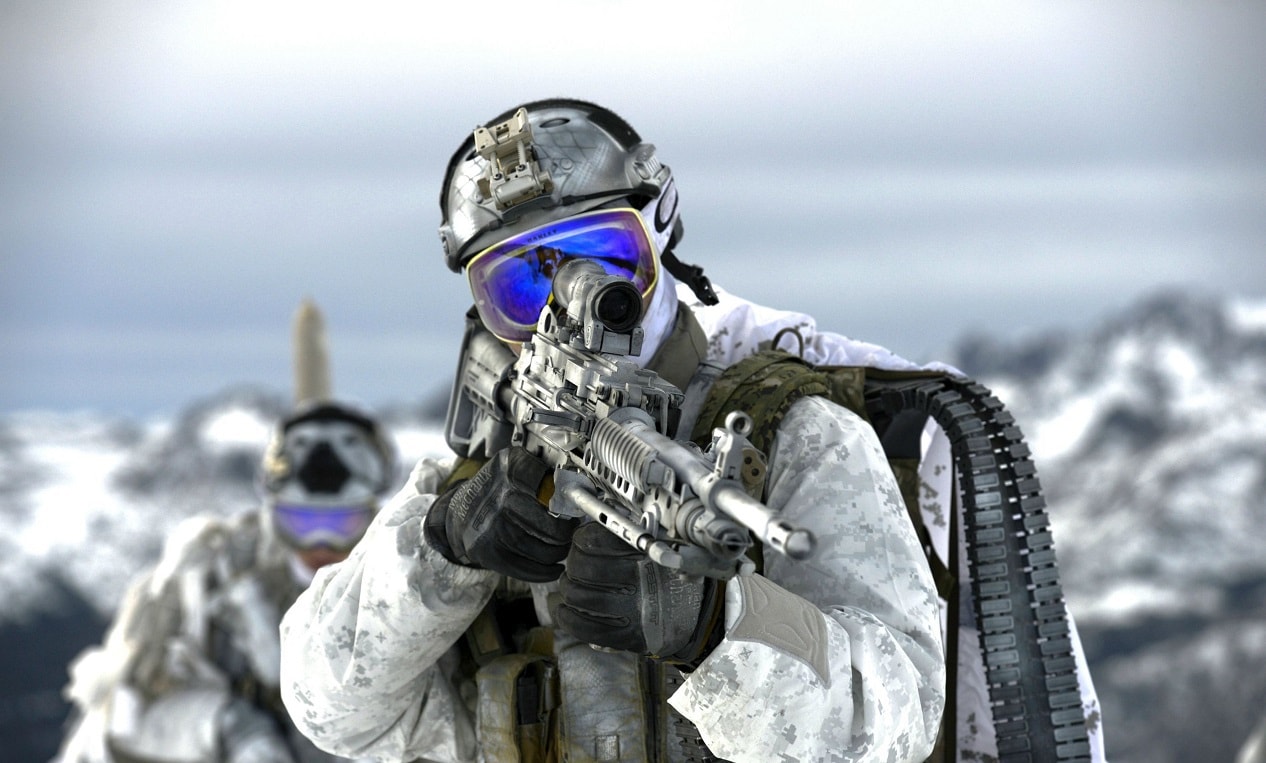
US Navy SEALs. Image Credit: Creative Commons.
A Long-shot Raid
Could the Americans use special ops again as a military option to destroy or remove Iranian nuclear material? Such a mission would be a risky, difficult raid. It could pay off but would require meticulous planning and flawless execution; it may not work out in the end.
How Much Nuclear Material Is Involved?
Iran is estimated to have 440 kilograms of 60-percent-enriched uranium. It is not clear whether this is stored in a single facility or in several. One main storage area could be the Isfahan Nuclear Technology Center.
Prepping the Complexes
A special operations raid would first require the U.S. Air Force to attack Isfahan with bunker-busting massive ordnance penetrators. That could prompt the Iranians to believe a ground attack is imminent, but the strikes instead would prepare the battlefield for a special-operations mission.
How Do We Know How Well the Attacks Have Worked?
After Operation Midnight Hammer last year, it was not clear if U.S. bunker-busting bombs were completely effective in their attacks against Iranian nuclear infrastructure at Natanz and Fordow. Battle damage assessment for underground centers is difficult, and while the Trump administration declared complete annihilation of the Iranian nuclear sites, some may have survived the bombing.
The massive ordnance penetrators may have just sealed off the nuclear sites without destroying the nuclear material, allowing the Iranians to dig out of the wreckage eventually.

(June 5, 2007) – U.S. Navy SEALs (Sea, Air, Land) perform a live fire exercise for the Secretary of the Navy (SECNAV) The Honorable Dr. Donald C. Winter at the Naval Amphibious Base Little Creek’s shooting facility. U.S. Navy photo by LCDR Keith Williams.
Let Special Ops Take Over
One option would be to use special operations forces to infiltrate the area and physically blow up fissile material. Eyes on the ground would make sure the area was devastated by explosives.
A Large Fleet of Aircraft
An air raid would be the most difficult option. It would require a large fleet of aircraft, including MC-130Js, Little Birds, F-35s, and F-22s. The air operations would require constant coordination to fly so far into Iranian airspace.
Then the Special Operations Forces—likely SEAL Team Six and Delta Force, along with Army Ranger quick reaction teams from Joint Special Operations Command—would descend on the nuclear site to set up explosives around the facility and destroy it once and for all.
Do More Damage
To do any of this, the Americans would have to somehow break through an already damaged underground complex and destroy it further. Rehearsals for such a raid would be difficult; there is really no training center that could replicate what U.S. operators would face in Iran. Tier One operators often build replica facilities to practice raids before they green-light a mission.
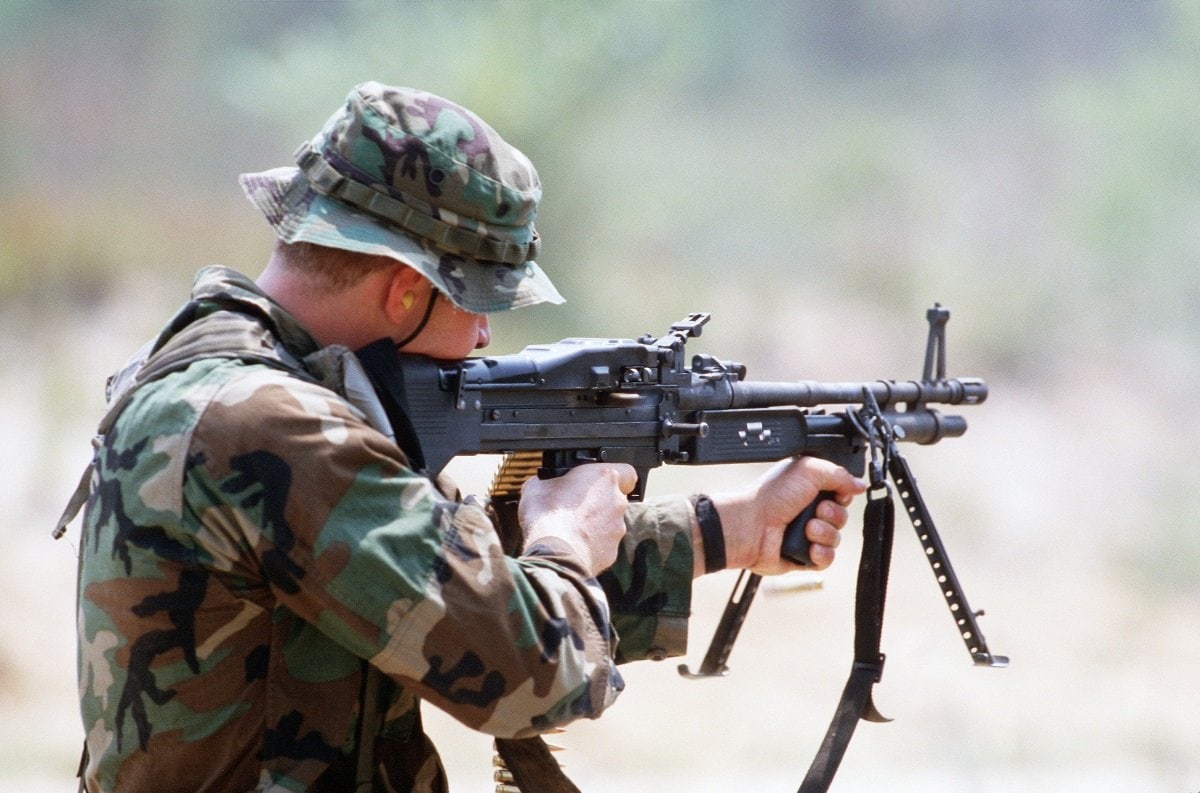
A Sea-Air-Land (SEAL) team member fires an M60 lightweight machine gun from the shoulder during a field training exercise.
Aerial Refueling Would Be Needed
Combat search-and-rescue would be difficult during such a raid. Helicopters and MC-130Js would need to be refueled to fly deep into Iran. No mission could be executed without search and rescue aircraft and U.S. Air Force pararescue medics to deal with casualties.
The Threat of Shoulder-fired Missiles
Making it to the nuclear site would not be easy. The Iranians, despite many of their air defenses being destroyed, have been using shoulder-fired anti-aircraft missiles. These “Stinger”-like weapons have shot down one U.S. Air Force F-15E Strike Eagle and nearly hit a U.S. Navy F/A-18 E/F Super Hornet.
Iran Could Strike Back
How long could special ops teams remain on target before Iranian troops counterattacked? There may not be enough time to destroy everything before Islamic Revolutionary Guard Corps personnel arrive on the scene.
Anti-Radiation Protective Gear
Entering a nuclear site would be dangerous. U.S. operators would need protective suits to face nuclear, biological, and chemical threats. These can be difficult to work in, and the required respirator may restrict movement. Operators may not be 100 percent effective when working with anti-radiation suits.
Separate Nuclear Engineering Specialists Are Needed
The United States would need a way to verify that all fissile material was either captured or destroyed. Battle damage assessment would be hard to execute. The mission would require nuclear engineering specialists to be included on the team.

SEAL Team Six. Image Credit: Creative Commons.
Steal Fissile Material
Another option for special operations forces would be to somehow gather the enriched uranium and transport it out of the tunnels. Operators could pack the material on MC-130Js and haul it away.
This would require even more anti-radiation protective gear and an airplane capable of doing the job without being contaminated.
This may be an impossible mission. If I were advising the president, I would not recommend a special operations raid. It would be too risky, with a low probability of success. Special operators are not trained to handle nuclear material.
It would be difficult to conduct a damage assessment. The infiltration and exfiltration of personnel may prove nearly impossible. Aircraft would need to fly deep into enemy territory and avoid surviving air defense systems. Let’s put this mission on the back burner and look at other options.
About the Author: Brent M. Eastwood, PhD
Author of now over 3,500 articles on defense issues, Brent M. Eastwood, PhD, is the author of Don’t Turn Your Back On the World: A Conservative Foreign Policy and Humans, Machines, and Data: Future Trends in Warfare, plus two other books. Brent was the founder and CEO of a tech firm that predicted world events using artificial intelligence. He served as a legislative fellow for US Senator Tim Scott and advised the senator on defense and foreign policy issues. He has taught at American University, George Washington University, and George Mason University. Brent is a former US Army Infantry officer. He can be followed on X @BMEastwood.