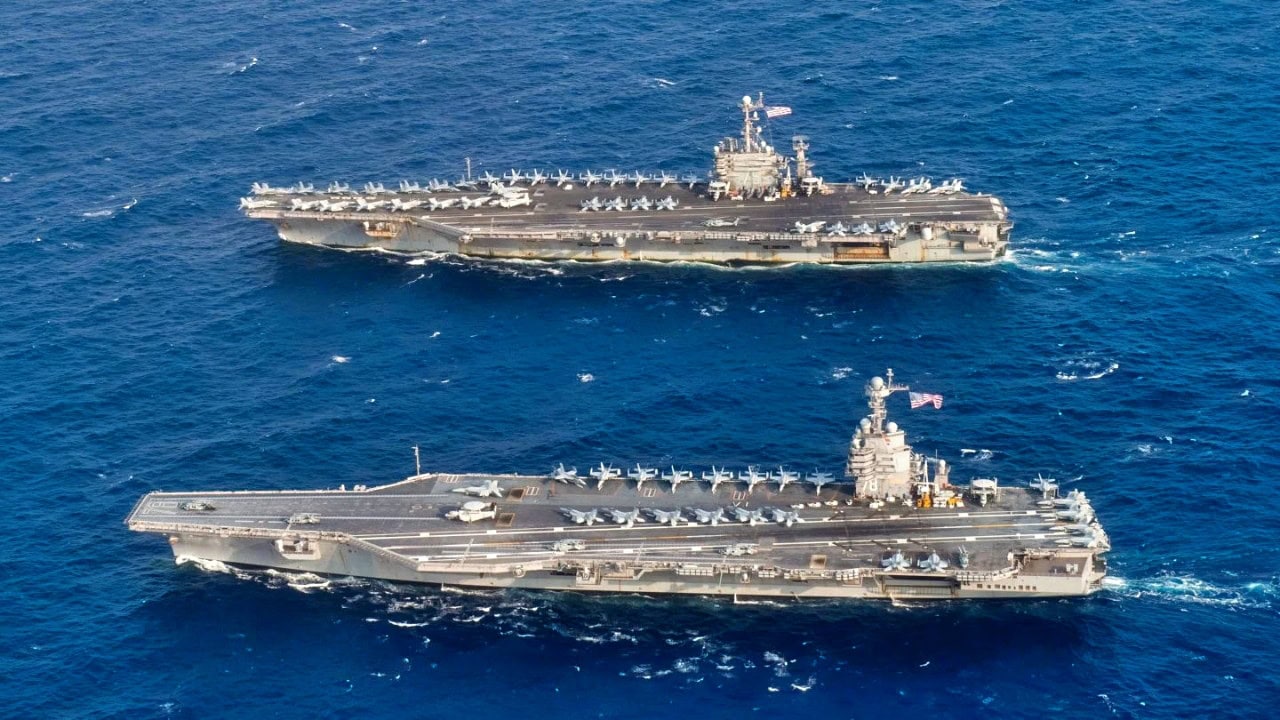
Mid-Life Carrier Refueling and Overhaul for U.S. Navy aircraft carriers increasingly takes longer than anticipated, and ship maintenance and repair efforts regularly collide with shipyard capacity and materials availability. Many variables contribute to this long-standing problem, including skilled labor, available materials, and the shipyard’s capacity to execute the necessary repairs.
One of the most regularly cited significant factors is the periodic shortage of skilled labor.
Ship repair is a highly specialized field requiring experienced welders, electricians, pipefitters, and engineers.
Interestingly, industry leaders say shipbuilding capacity is available, but it needs consistent funding and greater “push” from the Navy and Congressional decision-makers.
The Real U.S. Navy Aircraft Carrier Problem
“The aircraft carrier industrial base proudly supports over 56,000 jobs across 45 states. The most critical factor in the health of that industrial base is stable and predictable funding. Our most recent survey data shows that less than 10% of aircraft carrier suppliers are currently operating at full capacity. With a clear and consistent demand signal, we can unlock this capacity and leverage a domestic industrial base that is 100% committed to delivering America’s maritime dominance,” Lisa Papini, CEO, Aircraft Carrier Industrial Base Coalition, told 19FortyFive in an interview.
Supply Chain Challenge and USS Gerald R. Ford
Supply chain challenges further complicate repair efforts. Naval vessels depend on a vast network of parts suppliers, many of which produce highly specialized components in small quantities. In some cases, parts are no longer manufactured, requiring custom fabrication.
Global supply chain disruptions—whether caused by pandemics, geopolitical tensions, or economic shifts—can delay the delivery of critical materials. Even minor delays can cascade into major schedule overruns, as repair work often follows a strict sequence where one task cannot begin until another is completed.
The increasing complexity of ship-integrated weapons systems, computing, and networking also contributes to the growing difficulty of repairs.
Today’s ships are far more technologically advanced than those of previous generations, incorporating sophisticated combat systems such as Aegis Radar and integrated electronics such as the Electromagnetic Aircraft Launch System (EMALS) on Ford-class carriers.
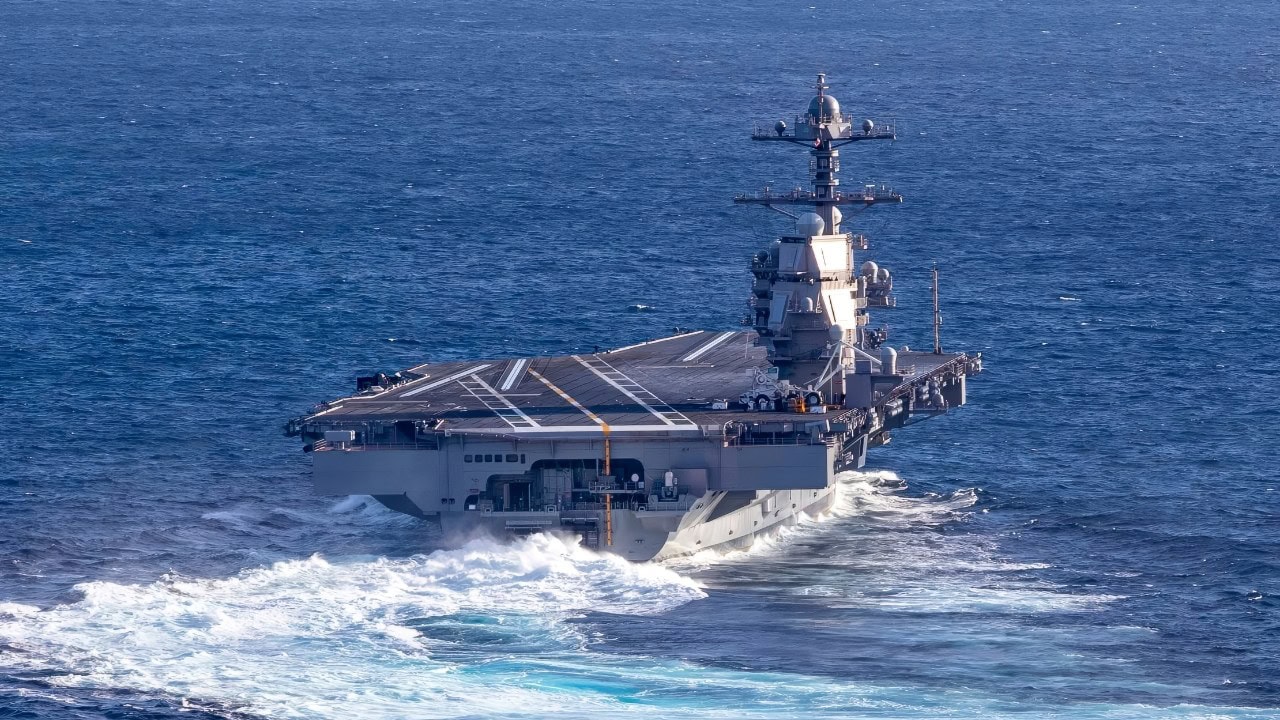
ATLANTIC OCEAN (Oct. 29, 2019) USS Gerald R. Ford (CVN 78) conducts high-speed turns in the Atlantic Ocean. Ford is at sea conducting sea trials following the in port portion of its 15 month post-shakedown availability. (U.S. Navy photo by Mass Communication Specialist 3rd Class Connor Loessin)
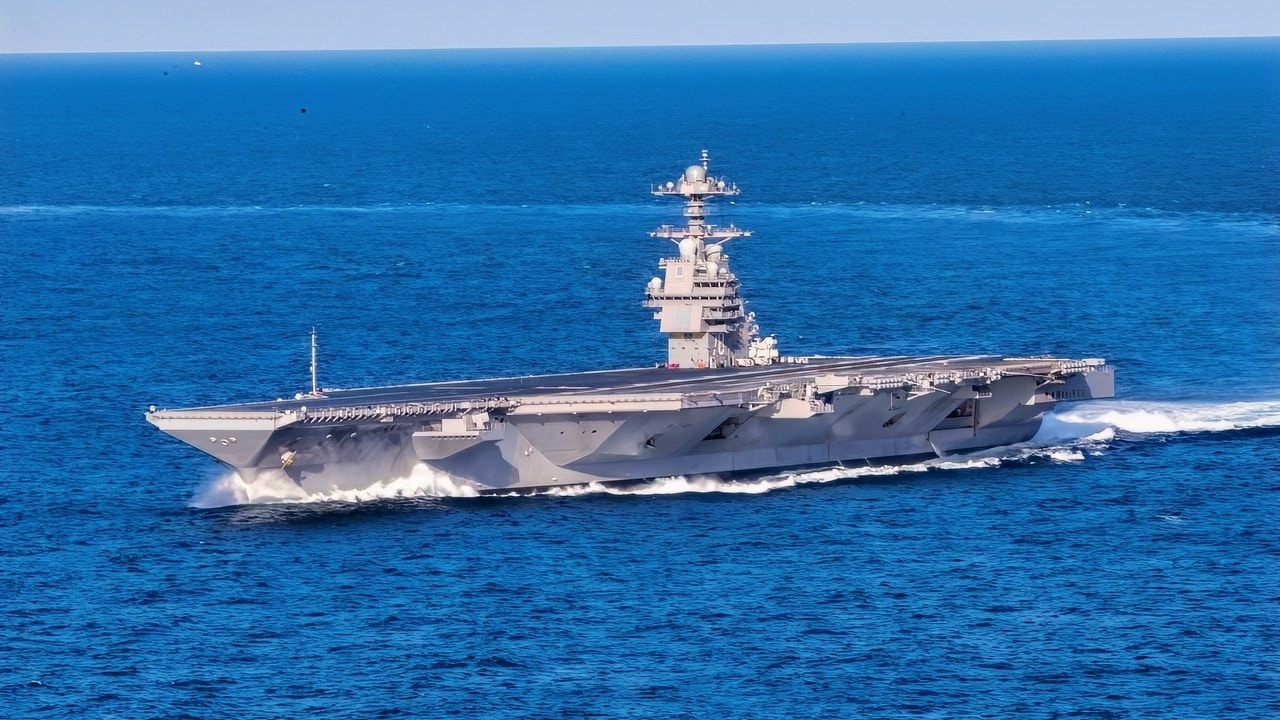
ATLANTIC OCEAN (Oct. 29, 2019) USS Gerald R. Ford (CVN 78) conducts high-speed turns in the Atlantic Ocean. Ford is at sea conducting sea trials following the in port portion of its 15 month post-shakedown availability. (U.S. Navy photo by Mass Communication Specialist 3rd Class Connor Loessin)
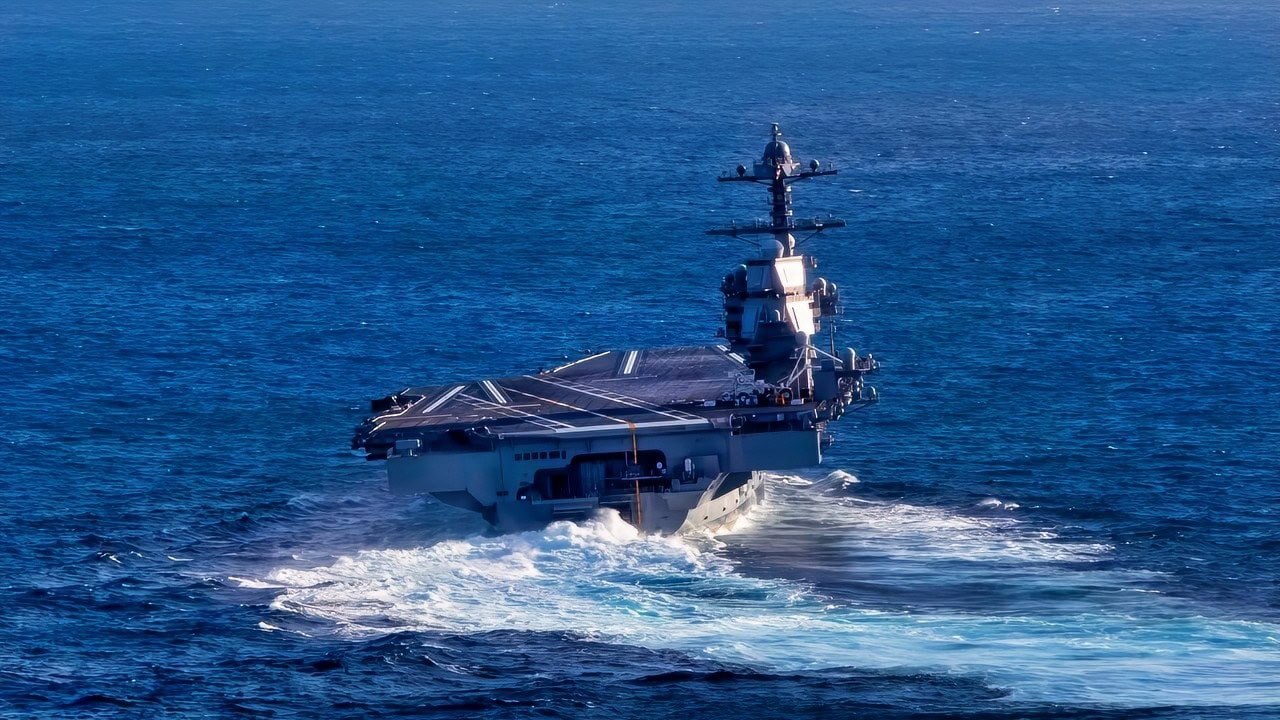
ATLANTIC OCEAN (Oct. 29, 2019) USS Gerald R. Ford (CVN 78) conducts high-speed turns in the Atlantic Ocean. Ford is at sea conducting sea trials following the in port portion of its 15 month post-shakedown availability.(U.S. Navy photo by Mass Communication Specialist 3rd Class Connor Loessin)
While these technological advancements enhance capability, they can also make maintenance and repair more difficult.
As a result, even routine maintenance can become time-consuming, perhaps one reason the USS Ford may be inoperable for as long as two years due to repairs, according to some estimates.
Operational tempo is yet another element of this complex predicament, as the Navy continues to sustain a massive forward presence and has increased operations worldwide.
For instance, carriers are being ordered to the Middle East, yet two carriers naturally remain in the Pacific at the same time.
The Navy has been tasked with maintaining a near-constant global presence, which means ships are deployed frequently and for extended periods.
This high usage accelerates wear and tear, increasing the need for maintenance while simultaneously reducing the time available to perform such repairs. When ships fall behind on scheduled maintenance, problems can worsen, making shipyard repairs even more complicated.
This creates a cycle in which delays in one area can exacerbate issues in another, given the interdependence and multifaceted nature of the U.S. Navy’s shipyards.
Steady Funding
Funding uncertainty also contributes to the problem, as budget specifics often spark extended debates among members of Congress.
In particular, budgets for maintenance and infrastructure are often subject to lengthy political negotiations and competing influences.
This has been the case for many years, as U.S. Navy shipbuilders have consistently advocated for “block buys” of amphibs and carriers, deals in which several multi-year shipbuilding endeavors are acquired, planned, and funded at one time.
For example, Papini said the recent Congressional decision to fund advanced procurement for CVN 82, the next Ford-class carrier, will help bring consistency.
“We are incredibly grateful for the CVN 82 advance procurement funding and advance construction authority provided in FY26. As the FY26 funding is placed on contract, it will help rejuvenate production lines and inject much-needed stability into the aircraft carrier industrial base,” Papini said.
Budget Approval Delays
By contrast, when Congress winds up passing continuing resolutions and delays budget approvals, this naturally disrupts planning and prevents shipyards from executing long-term improvements.
Inconsistent funding makes it difficult to sustain workforce growth, invest in modernization, and maintain a steady flow of repair work.
“Consistent, predictable, and stable funding is the most critical factor for the health of the aircraft carrier industrial base.
Whether it’s through block buys or other long-term contractual mechanisms, what our suppliers need most is a clear demand signal that allows them to plan for the future, invest in their facilities, and develop their workforce,” Papini said.
This “demand” signal Papini described is of great significance because, when funding is unclear, supply chains are interrupted and become less stable. Workers “leave” to find stable employment for their skills elsewhere.
About the Author: Kris Osborn
Kris Osborn is the President of Warrior Maven – Center for Military Modernization. Osborn previously served at the Pentagon as a highly qualified expert in the Office of the Assistant Secretary of the Army—Acquisition, Logistics & Technology. Osborn has also worked as an anchor and on-air military specialist at national TV networks. He has appeared as a guest military expert on Fox News, MSNBC, The Military Channel, and The History Channel. He also has a Masters Degree in Comparative Literature from Columbia University.