
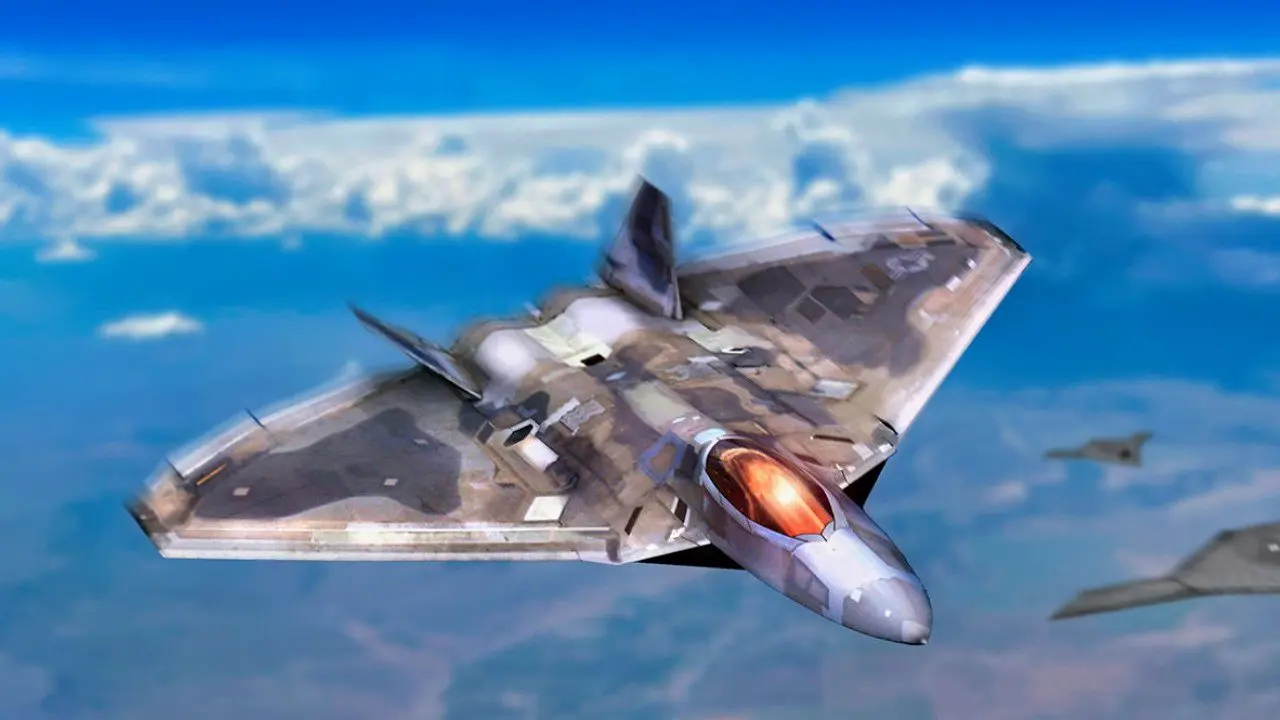
The F-47 NGAD Stealth Fighter Might Not Be Built In the Numbers Needed
The debate over the F-47 keeps getting stuck on the wrong question. Everyone wants to talk about whether it will be the most capable fighter ever built. It probably will be, but that’s not the problem.
The problem for the F-47 is numbers. Roughly 200 aircraft are planned—a figure that tracks the F-22 fleet it’s replacing and fits neatly inside a tight budget.
On paper, it looks defensible. In practice, it reflects assumptions about future war that should have been retired years ago.
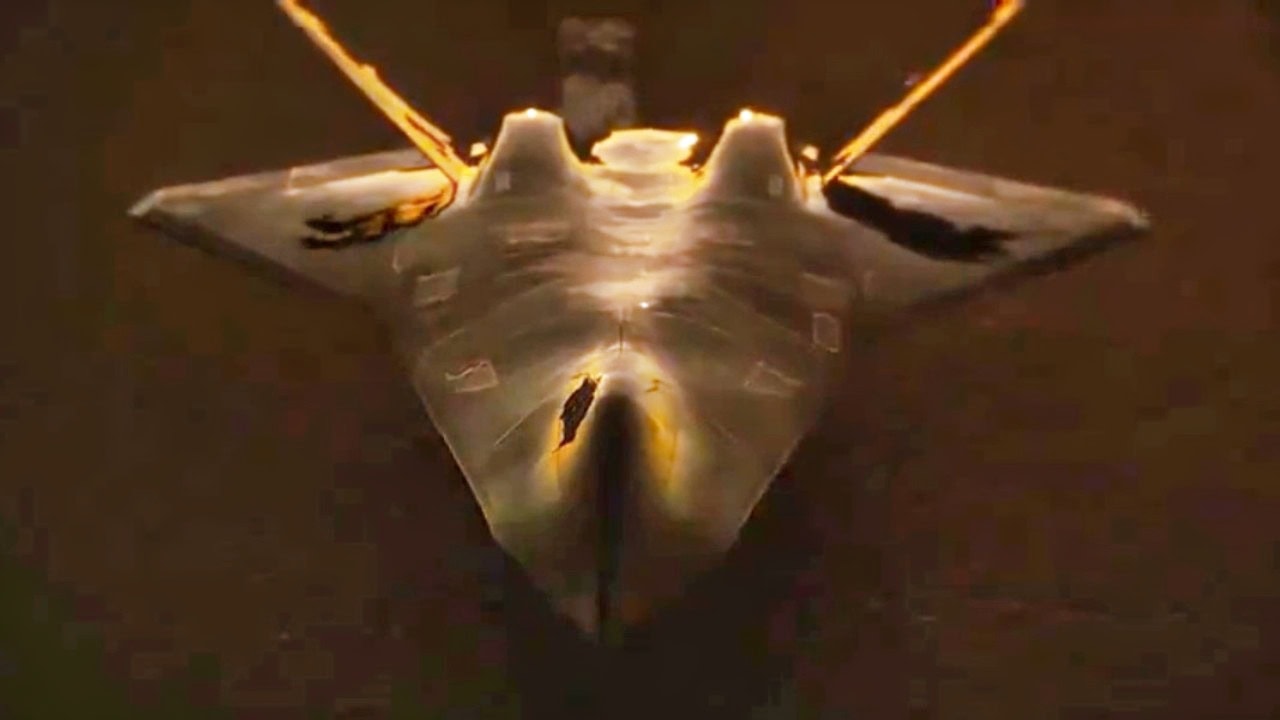
F-47 Fighter from Boeing. Image Credit: U.S. Air Force Screenshot.
We’ve Forgotten What Attrition Looks Like
Two decades of low-loss air operations have warped the planning baseline in ways that don’t get acknowledged often enough. When your aircraft almost never get shot down, what is considered a reasonable fleet size starts to drift downward. Loss rates become a theoretical concern rather than a planning input. The institutional memory of what sustained air combat actually costs—in airframes, in tempo, in options—fades.
The Russia-Ukraine War hasn’t settled every debate about modern air warfare, but it has settled this one: attrition is back.
Both sides in the war have lost aircraft at rates that would have looked alarming in a pre-2022 tabletop exercise, and neither possessed anything close to a peer-level integrated air defense network by Chinese standards.
If relatively modest systems can generate that kind of loss, the calculus over the Taiwan Strait is considerably grimmer.
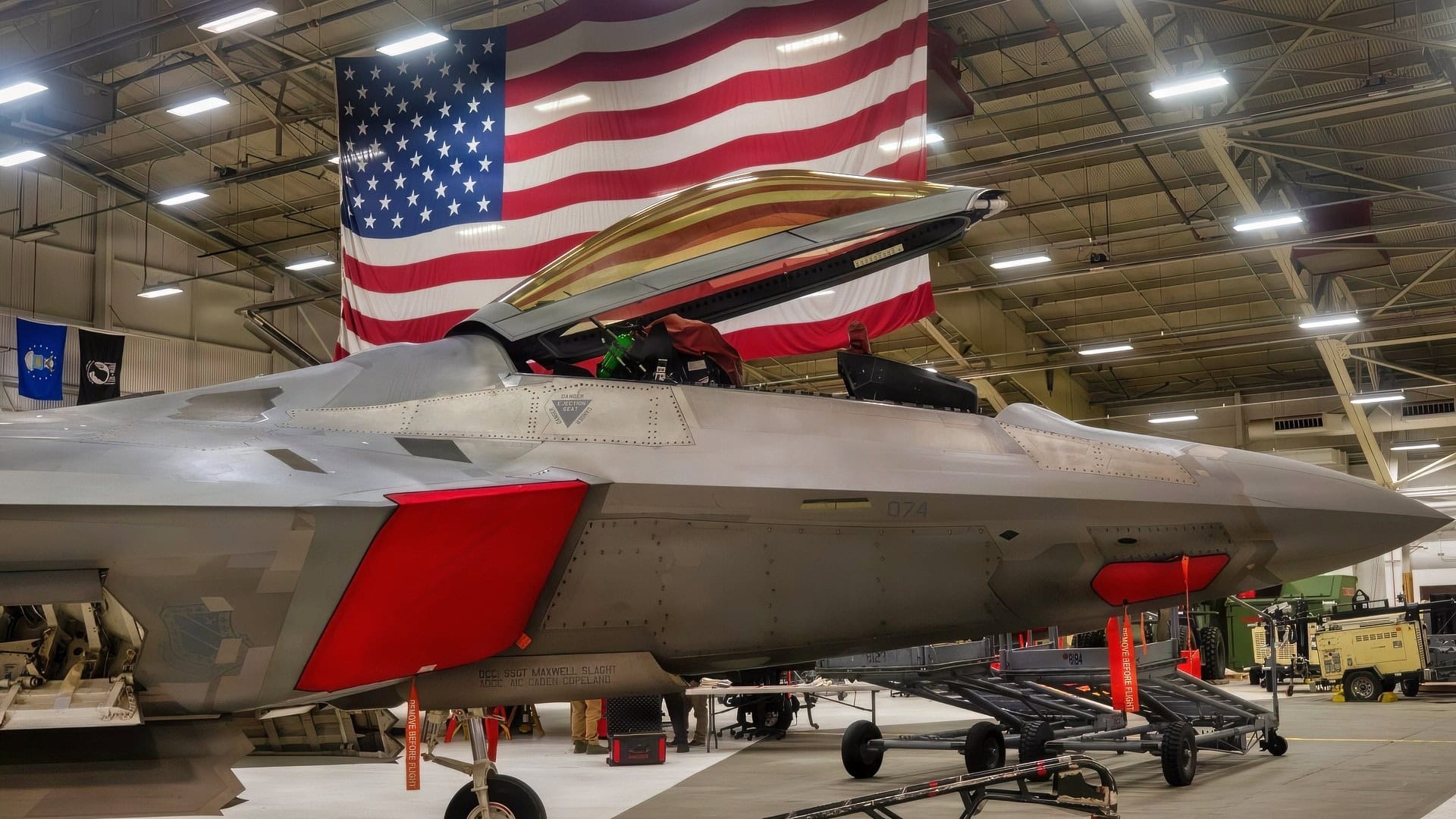
An F-22A Raptor sits in a hangar during a load competition on Joint Base Elmendorf-Richardson, Alaska, Jan. 23, 2026. Load competitions test Airmen’s ability to safely and efficiently build munitions, strengthening readiness for real-world taskings. (U.S. Air Force photo by Airman 1st Class Theodore Gowdy)
A peer fight in the Indo-Pacific will not be permissive. It will be dense and contested from the first day, with bases under pressure, tankers at risk, and adversary sensors tracking everything that flies. Large numbers of aircraft will be lost. Not in some single catastrophic engagement, but week by week, in the grinding way that hollows out a force before anyone in Washington has agreed to call it a crisis.
At that pace, 200 aircraft doesn’t leave you much room.
Geography Compounds the F-47Problem
The Indo-Pacific is unforgiving for sortie math.
Guam sits roughly 1,800 miles from Taiwan. Okinawa is closer but increasingly vulnerable and politically complicated as a sustained basing option. Even from the most forward-positioned U.S. installations, aircraft are burning range and time before they ever reach a threat environment.
They spend more time in transit, burn more on enablers, and depend on a tanker fleet that is itself a target. Dispersed basing—which the Air Force rightly pursues to reduce vulnerability—makes maintenance harder and logistics more complex.
A fleet that looks adequate on a spreadsheet can start to feel thin once you run the numbers against operating distances and loss assumptions. You need more aircraft to generate the same pressure.
Day One Is Not the Only Day That Matters
Most of the public discussion about next-generation fighters still revolves around penetration, suppression, and the initial shaping of the battlespace. Those are real requirements. But a force sized for entry operations is not necessarily a force sized for a war that stretches past its opening week.
The industrial reality makes this worse, and the F-22 program is the cautionary tale nobody seems to want to revisit.
The Air Force originally planned to buy more than 700 F-22s. Congress and successive Pentagon leaderships chipped away at that number for years, and the line closed in 2011 at 187 aircraft—a decision that was sold as fiscally responsible and has since been recognized as strategically costly. That production line is gone, and there is no restarting it. The next time a similar debate unfolds over the F-47, the people arguing for a smaller buy should be required to explain what happens when they’re wrong—because the answer, as the F-22 demonstrated, is that you live with it permanently.
Advanced aircraft aren’t manufactured quickly under any circumstances, and they certainly aren’t surged during a conflict on any timeline that matters. Whatever a force has when the shooting starts is, for practical purposes, what it will have for most of the fight.
That puts enormous weight on the initial procurement decision—one that Washington routinely treats as reversible when it isn’t.
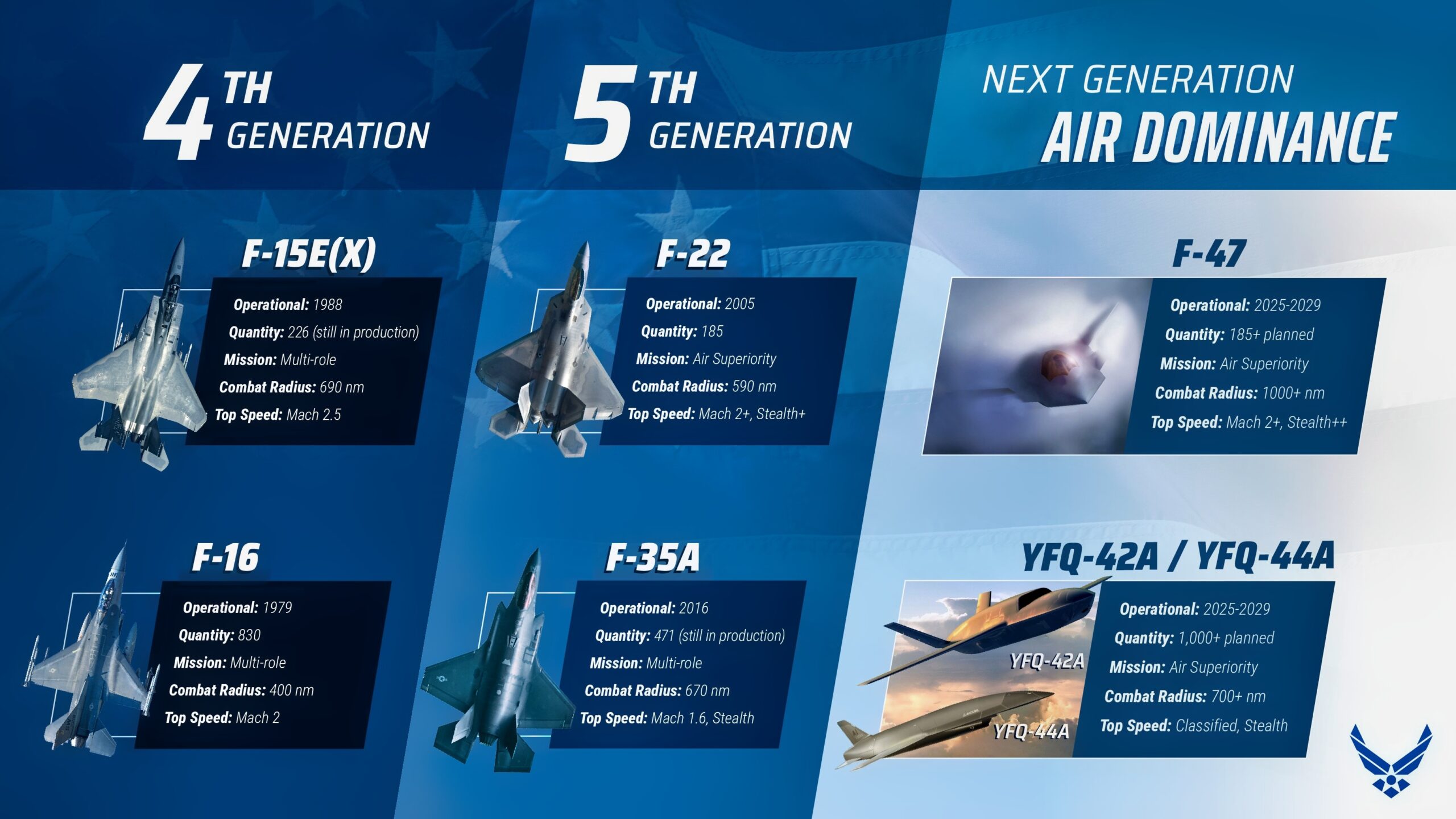
F-47 Infographic. Image Credit: U.S. Air Force
Unmanned Systems Aren’t a Get-Out-of-Jail Card
The instinct to point at collaborative combat aircraft (CCA) and autonomous wingmen as the answer to this capacity problem is understandable. The Air Force selected General Atomics and Anduril for its first CCA increment last year.
But first increment means early stage, and early stage means the hard problems haven’t been answered under operational conditions yet. Counting on CCAs to compensate for a manned fleet that is too small is a risk dressed up as a solution.
What the Number Actually Says
A fleet of roughly 200 F-47s isn’t just a procurement figure. It speaks to a theory of war in which high-end conflict stays short, losses stay contained, and technological edge continues to substitute for mass. That theory might describe how the next war opens. History offers limited confidence that it describes how wars end.
If attrition comes back as a feature of great power conflict—and the evidence that it will is growing—then a force that starts thin doesn’t fail dramatically. It erodes. Flexibility disappears. Options that existed in week one aren’t available in week six. By the time the shortage becomes undeniable, it’s too late to fix it.
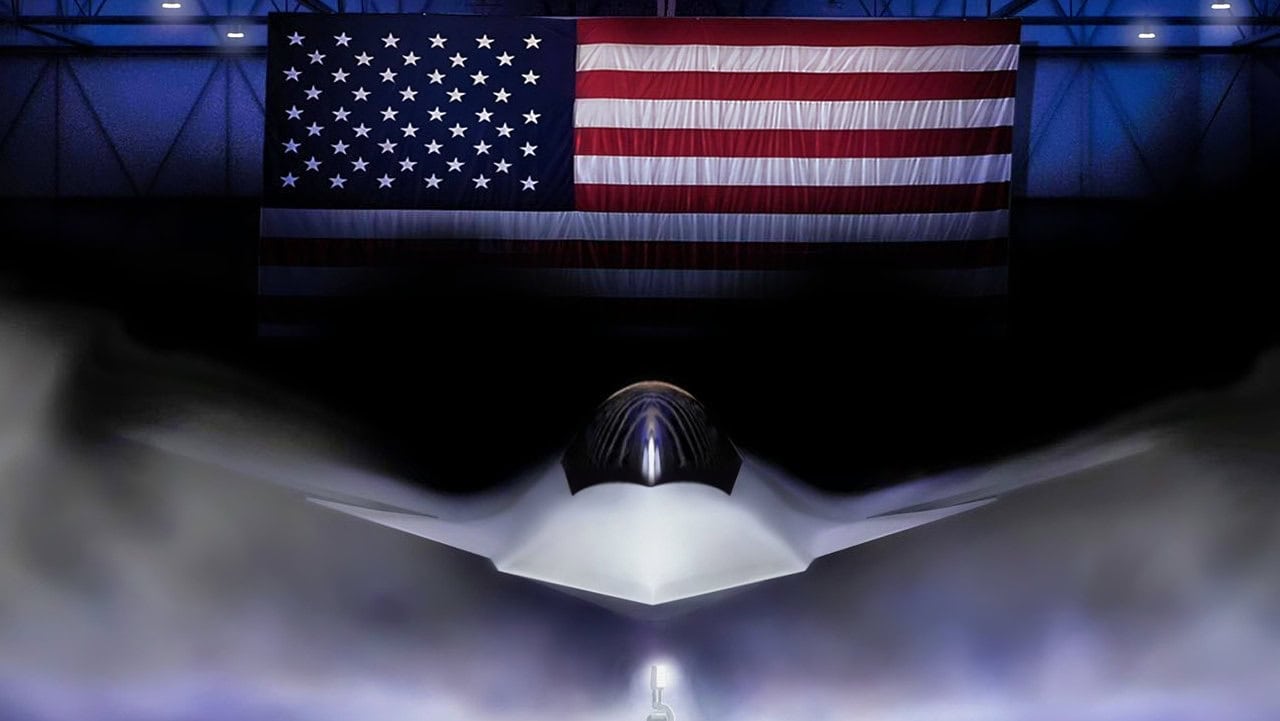
F-47 Fighter from U.S. Air Force.
The F-47 is the right aircraft for the threat environment the United States is finally acknowledging.
The question is whether anyone in the building is willing to make the harder case for how many of them the United States actually needs.
MORE – The X-43A Can Hit Mach 9.6, and NASA Canceled It
MORE – Repeat After Me: The Aircraft Carrier Is Obsolete
About the Author: Dr. Andrew Latham
Andrew Latham is a professor of international relations and political theory at Macalester College in Saint Paul, MN. You can follow him on X: @aakatham. He writes a daily column for 19FortyFive.com.