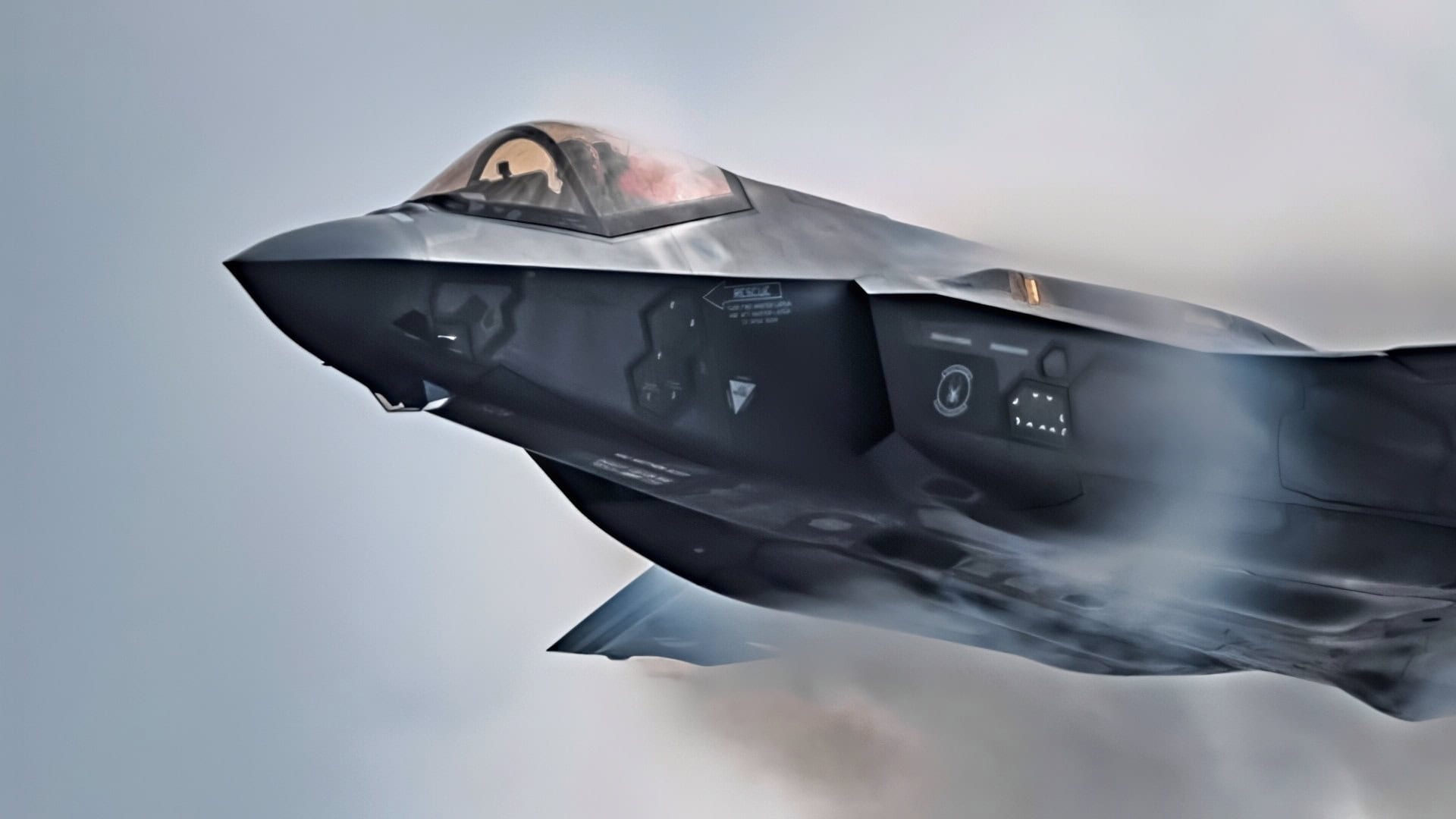
India is not currently in talks to acquire the F-35, but the question of whether it should buy the aircraft has only grown more prominent since Donald Trump publicly signaled that Washington would be open to supplying New Delhi with the jet. The offer, while informal, immediately elevated the discussion beyond speculation.
For the United States, extending the possibility of the Lockheed Martin F-35 Lightning II is interesting and signifies an effort to deepen defense ties with a key Indo-Pacific partner amid rising competition with China. But for India, the calculation is different. The Indian Air Force continues to face squadron shortfalls and a widening capability gap against regional adversaries, underscoring the appeal of a fifth-generation fighter. But the F-35 is not a conventional procurement decision. It is a tightly controlled, U.S.-managed system that offers operational advantages but imposes long-term strategic constraints.
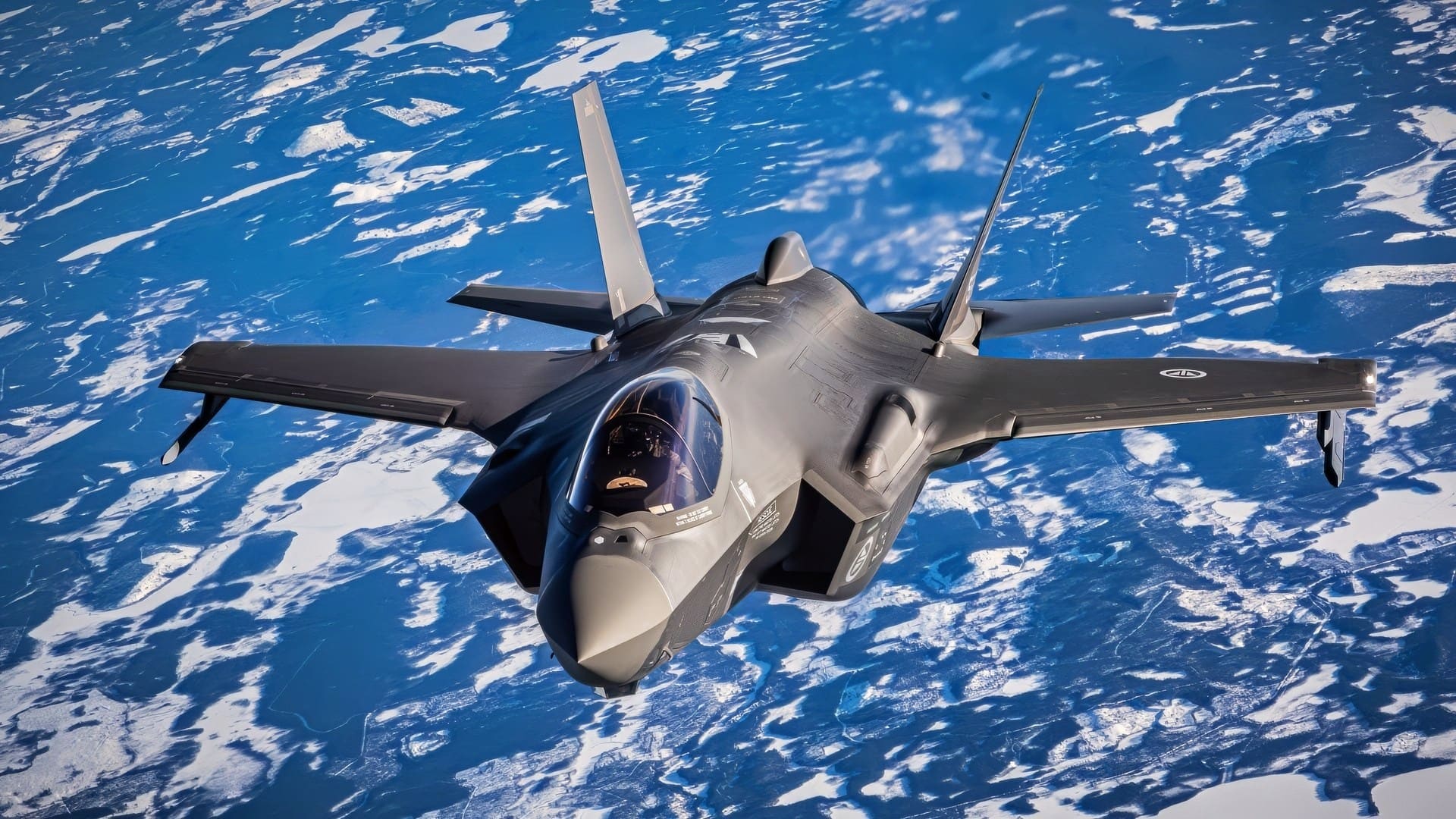
A Norwegian F-35 Lightning II closes the gap to receive fuel from a KC-135 Stratotanker assigned to the 101st Air Refueling Wing during Nordic Response 24, March 11, 2024. The MAINEiacs are staged at RAF Mildenhall, England, to take part in the Norwegian-led exercise taking place in Norway, Sweden and Finland. Exercises like NR24 solidify operational and tactical relationships; synchronizing tactics, techniques and procedures; and strengthen bonds among U.S., Norwegian and Allied and partner forces.
And any potential route to a purchase would need to proceed through U.S. government-to-government channels, not standard commercial ones. This is not simply red tape, but an important safeguard.
The U.S. Foreign Military Sales system exists precisely because Washington treats platforms like the F-35 as strategic assets, not just export products.
New Delhi’s Worries
Indian officials have been expressing skepticism for months. Last March, Air Chief Marshal A.P. Singh explained that there was no full U.S. offer yet and that India had not yet formally examined the aircraft.
A few months later, Defense Minister Kirti Vardhan Singh told the Indian Parliament that any formal talks on the matter were yet to take place.
While this does not amount to an outright rejection, it does put the brakes on some of the chatter following President Donald Trump’s previous public claim that the U.S. was open to “ultimately providing” India with the jet.
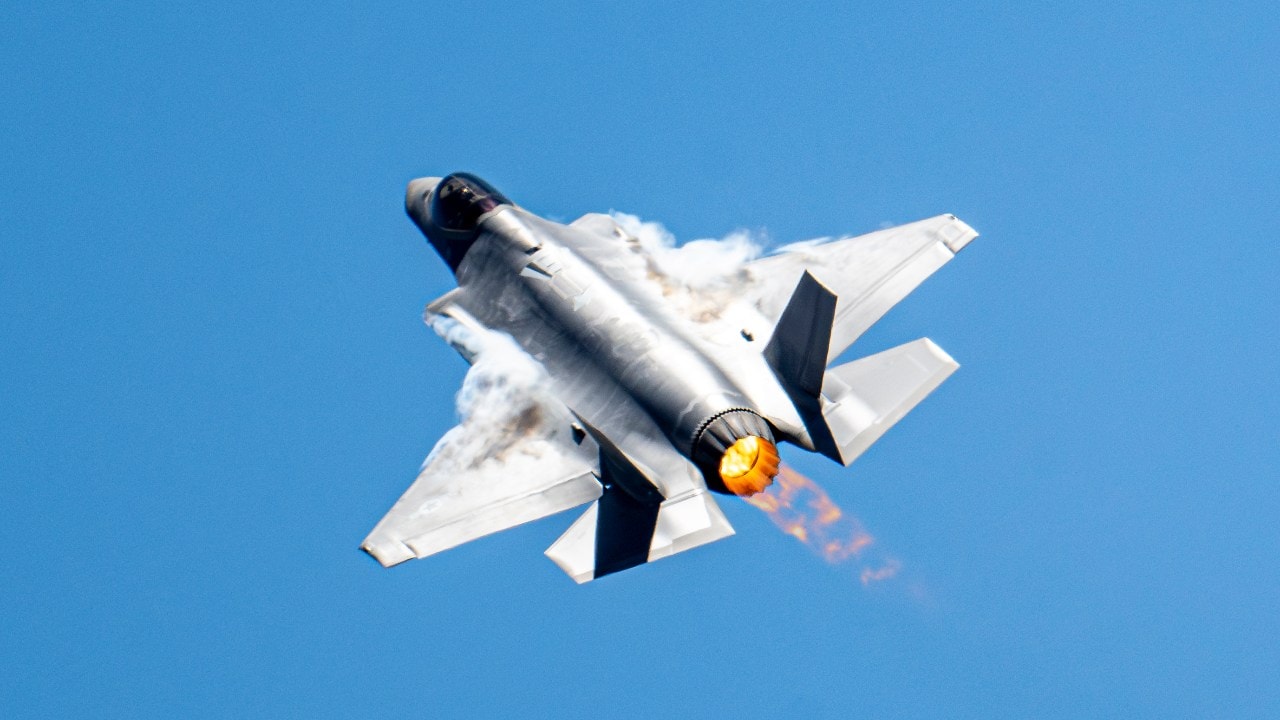
U.S. Air Force Maj. Melanie “Mach” Kluesner, pilot of the F-35A Demonstration Team, performs aerial maneuvers at the Wings and Eagles Airshow at Kingsley Field, Oregon, on July 19, 2025. The demonstration team travels across the country to showcase the power and precision of the world’s most advanced 5th-generation fighter jet. (U.S. Air Force photo by Senior Airman Nicholas Rupiper)
There is a pronounced chasm between public words and the private realities at play.
The F-35 is not like the F-16 or even the Rafale, both of which can be discussed in relatively conventional terms of unit cost, offsets, and industrial participation.
The American stealth fighter is the superior jet in combat, but it requires a much more restrictive ecosystem to function. The slick jet’s software data environment and mission systems are reliant on American security and control. Would this sit well with politicians in New Delhi, who are expected to uphold autonomy?
A Risk to India’s Unique Position?
Post-imperial India’s broader defense policy has always been averse to taking sides, and during the Cold War, it pursued a deliberate policy of “non-alignment“. Aatmanirbhar Bharat’s famous “Make in India” concept, which still guides the Modi administration, prompted the nation to focus on domestic manufacturing and sovereign capabilities rather than deepen its dependence on foreign systems.
The F-35 would mark a big move in the other direction at a time of growing global chaos.
Lockheed Martin itself has long described the aircraft as part of a global enterprise, while the Pentagon’s logistics and sustainment framework makes clear how closely the program is managed through U.S.-controlled channels. For countries comfortable with that bargain, the trade-off may be worth it. India has never sounded fully convinced.
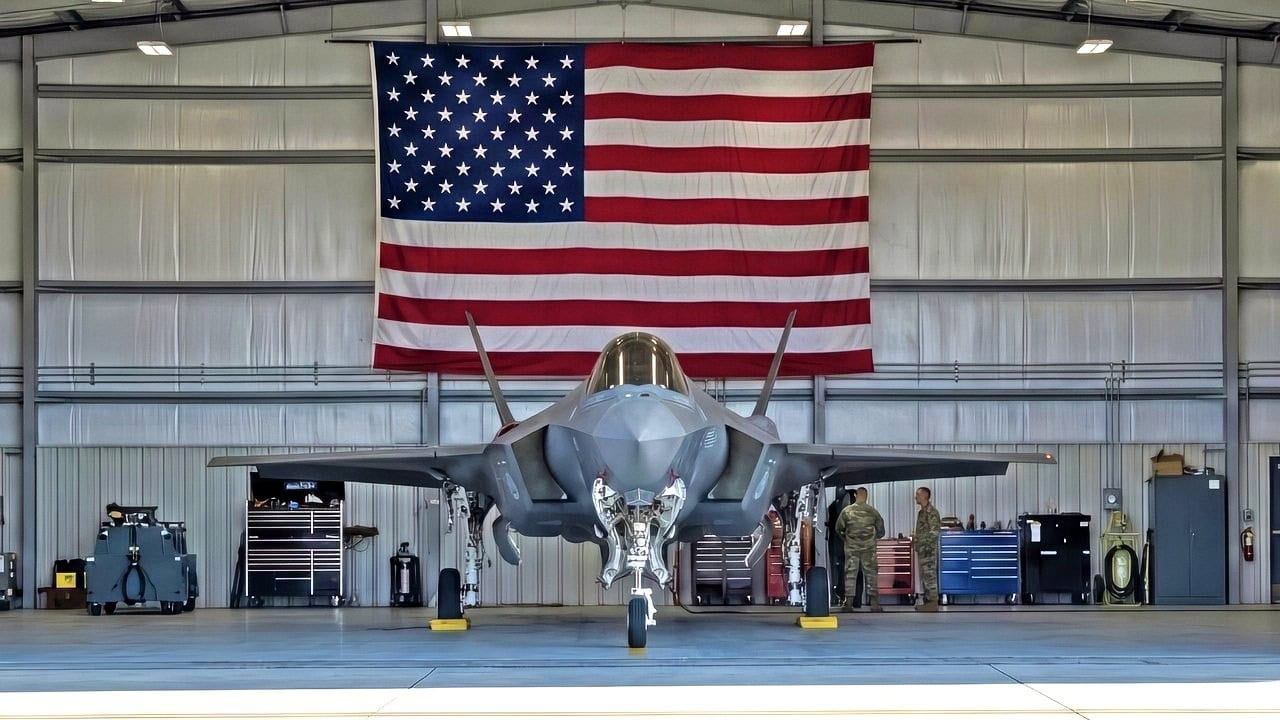
F-35 in the Hanger. Image Credit: Nano Banana Pro.
Lockheed Martin spent years trying to lower the F-35’s cost per flying hour, to little success.
India has already juggled complex modernization demands, squadron shortfalls and competing procurement priorities. Buying even a limited fleet of F-35s would be far from an easy fix, and could risk becoming an expensive new dependency layered on top of an already mixed inventory.
India Still Uses Russian Jets
That mixed inventory is another complication, given that India already operates a large number of Russian-origin aircraft, such as the Su-30MKI, which it is currently upgrading.
It also operates French Dassault Rafales, and continues to back the Tejas and the future AMCA stealth fighter.
The Indian Air Force has been struggling with numbers for years, hovering around 31 fighter squadrons, well below its sanctioned strength of 42. On paper, that makes the appeal of any advanced foreign fighter obvious.
In practice, it also means India cannot afford a procurement choice that crowds out its domestic programs or creates fresh interoperability headaches.
The alternative options are hardly simple.
Russia has once again tried to tempt India with the Su-57, reportedly offering deeper technology transfer and local production than the United States would ever contemplate for the F-35.
But is India really ready to produce these jets? France is obviously a more straightforward partner, given that Dassault and Tata have already supported Rafale fuselage manufacturing in India.
The F-35 clearly offers capability and prestige, but that does not mean it answers all of India’s needs. Until Washington is willing to offer more of the latter — and there is little evidence it is — India is likely to keep the aircraft at arm’s length, however often it reappears in headlines.
About the Author: Georgia Gilholy
Georgia Gilholy is a journalist based in the United Kingdom who has been published in Newsweek, The Times of Israel, and the Spectator. Gilholy writes about international politics, culture, and education. You can follow her on X: @llggeorgia.