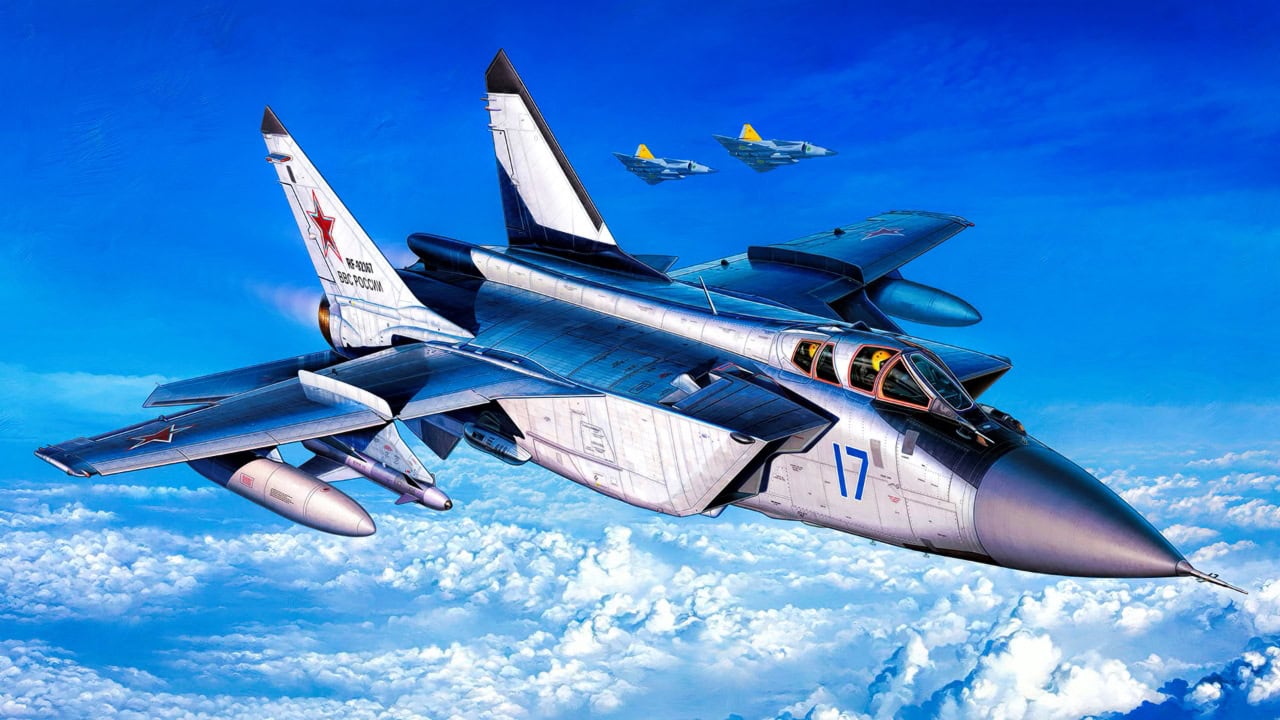
Russia’s MiG-31 Can Hit over Mach 3 and Now Fires Hypersonic Missiles
Russia’s MiG-31 is one of the most iconic warplanes in the world.
The Russians recently made it more powerful by turning it into a high-speed missile truck capable of attacking from extreme ranges.
The MiG-31’s evolution is part of the revolution in beyond-visual-range (BVR) warfare that has come to define the modern battlefield, and the Russians ensured that the MiG-31 is a plan able to dominate in that kind of combat.
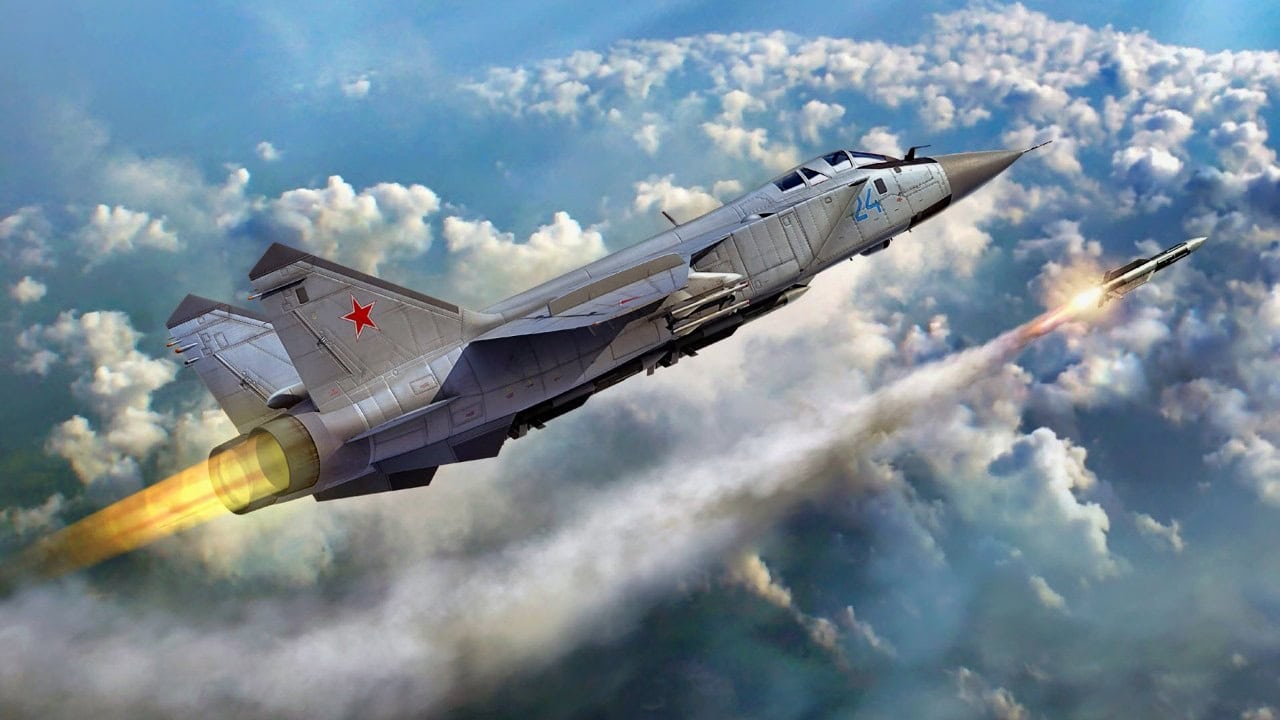
MiG-31 from Russian Air Force. Image Credit: Creative Commons.
The MiG-31 is a Beast
Russia’s MiG-31 is the fastest combat aircraft ever built.
It can reach speeds of around Mach 3.
Designed during the Cold War to intercept Western bombers, cruise missiles, and high-speed threats at long range, the MiG-31 was already a frightening adversary.
The Russians then introduced the MiG-31K variant, which can carry Russia’s new Kinzhal hypersonic missile.
This upgrade transforms the aircraft from a Cold War-era defensive interceptor into a highly effective offensive strike platform.
It has already been used successfully in the ongoing Ukraine War, during which Western air defenses help protect Ukraine’s airspace, forcing Russia to deploy systems capable of striking from beyond their reach.
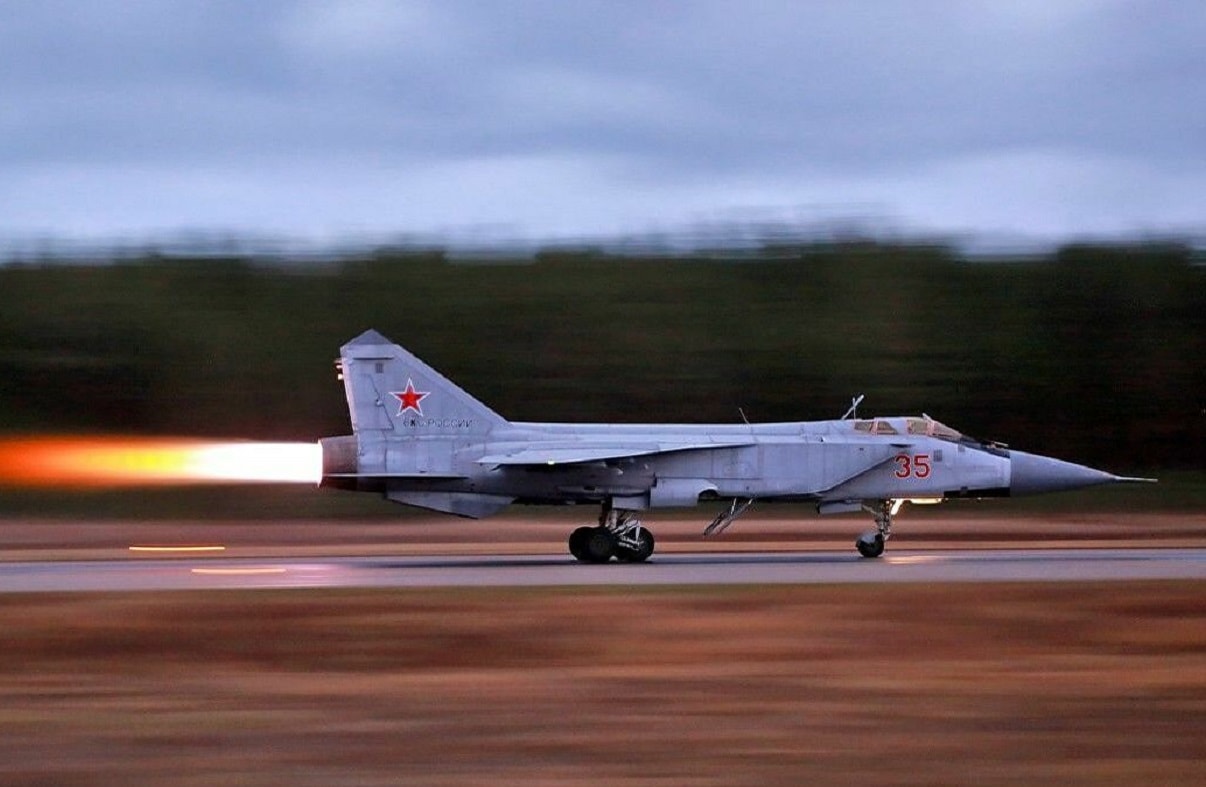
MiG-31. Image: Russian state media.
Understanding the Hypersonic Threat
Sandboxx explains that there are two types of hypersonic weapons: boost-glide vehicles (HGVs) and hypersonic cruise missiles.
The Kinzhal is a hypersonic cruise missile—a platform against which the West currently has no specific defenses, much like Western militaries do not yet have their own hypersonic weapons.
What makes the MiG-31K so frightening is that the Kinzhal it can fire is, as the term “hypersonic” suggests, extremely fast. It is also highly maneuverable.
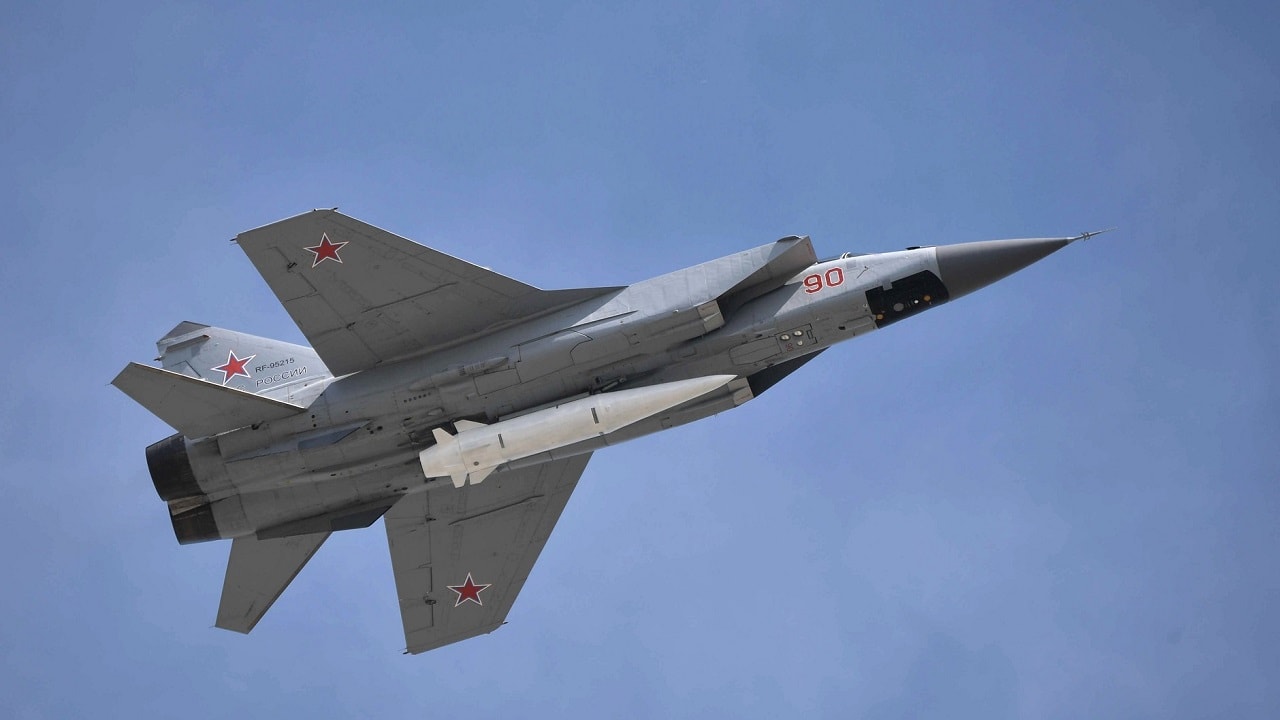
A Kh-47M2 Kinzhal ALBM being carried by a Mikoyan MiG-31K interceptor.
As they approach their targets, hypersonic weapons can change trajectory mid-flight, making it even more difficult for existing air defenses to shoot them down. At the speeds the Kinzhal can travel, even its kinetic energy can destroy targets.
How Good is the Kinzhal?
As Sandboxx highlights, not all hypersonic weapons are created equal. The hypersonic glide vehicles are truly next-level.
Many have speculated that the Kinzhal, while deadly, might be more like a modified ballistic missile than a true maneuverable HGV. Still, the Kinzhal system launched by a MiG-31K launch is a powerful combination that has challenged defenders in the Ukraine War. With the Kinzhal, the lethality of the old Soviet-era MiG-31 is significantly increased.
Fired from the long ranges the MiG-31 was already designed to attain, the Kinzhal becomes devastating to the Ukrainians tasked with defending against it. The Kinzhal has about a 1,250-mile range of its own. It can reach speeds of up to Mach 10 and can be armed with either a conventional or nuclear warhead.
When deployed from the MiG-31K, the Kinzhal can penetrate air defenses from great range within minutes.
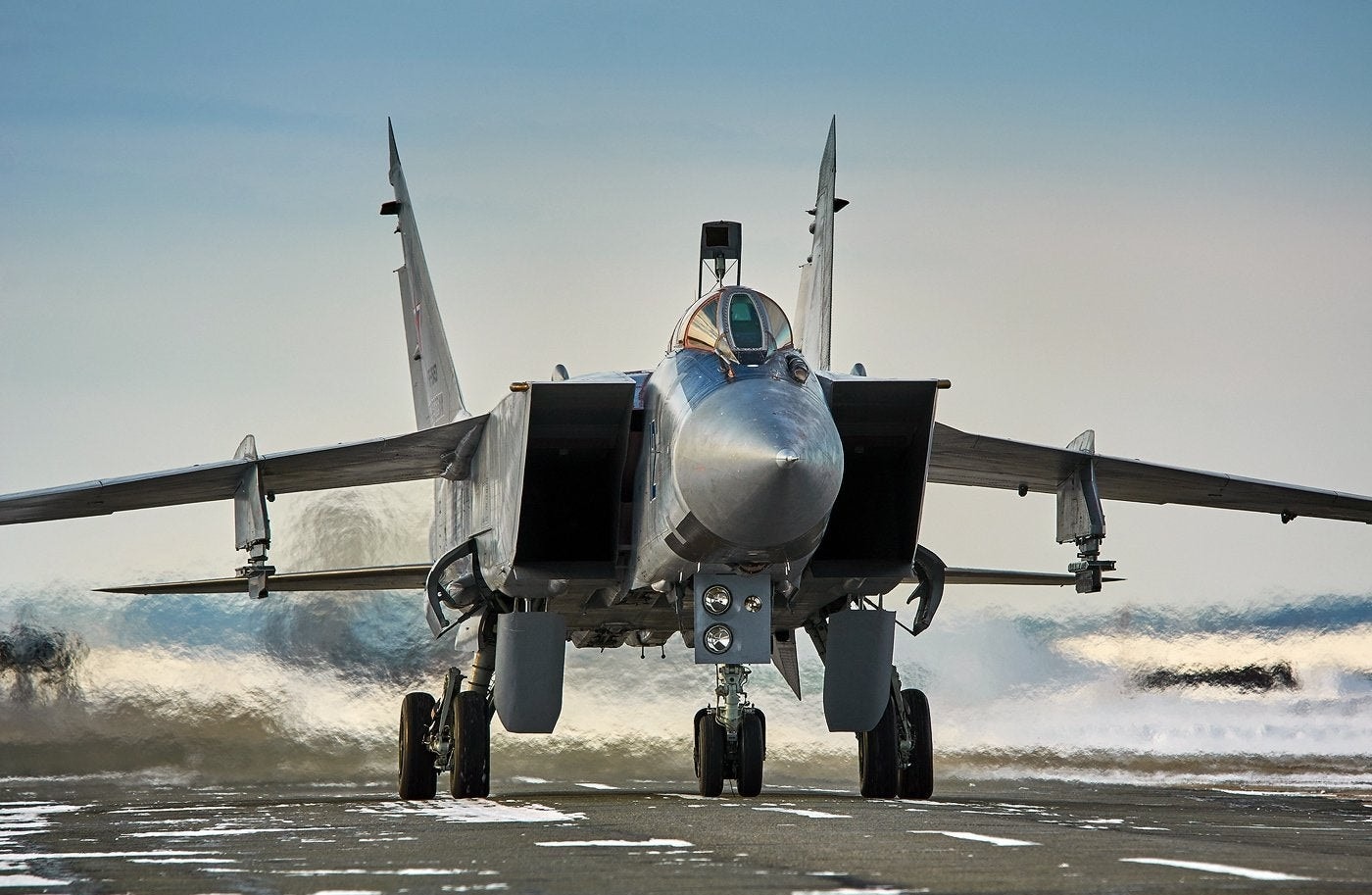
MiG-31. Image Credit: Creative Commons.
Turning the MiG-31 from Defender to Attacker
Russian military scientists speculate that the MiG-31 can shoot down incoming hypersonic missiles—and indeed, Moscow has explored this idea in tests using ultra-long-range missiles.
The Missile Defense Advocacy Alliance reports that the Russians tested multi-warhead interceptors fired from the MiG-31 that are designed to knock down hypersonic threats.
Fortunately for Russia, the West still lacks hypersonic weapons. However, that could change soon, and despite Russia’s lead in the category, there is little evidence that either Russia or the United States has developed effective countermeasures against hypersonic weapons.
That’s because hypersonic weapons travel too fast—they are defined as platforms that reach at least Mach 5. They are unpredictable in their trajectory, meaning modern air defenses can’t simply point and shoot at them.
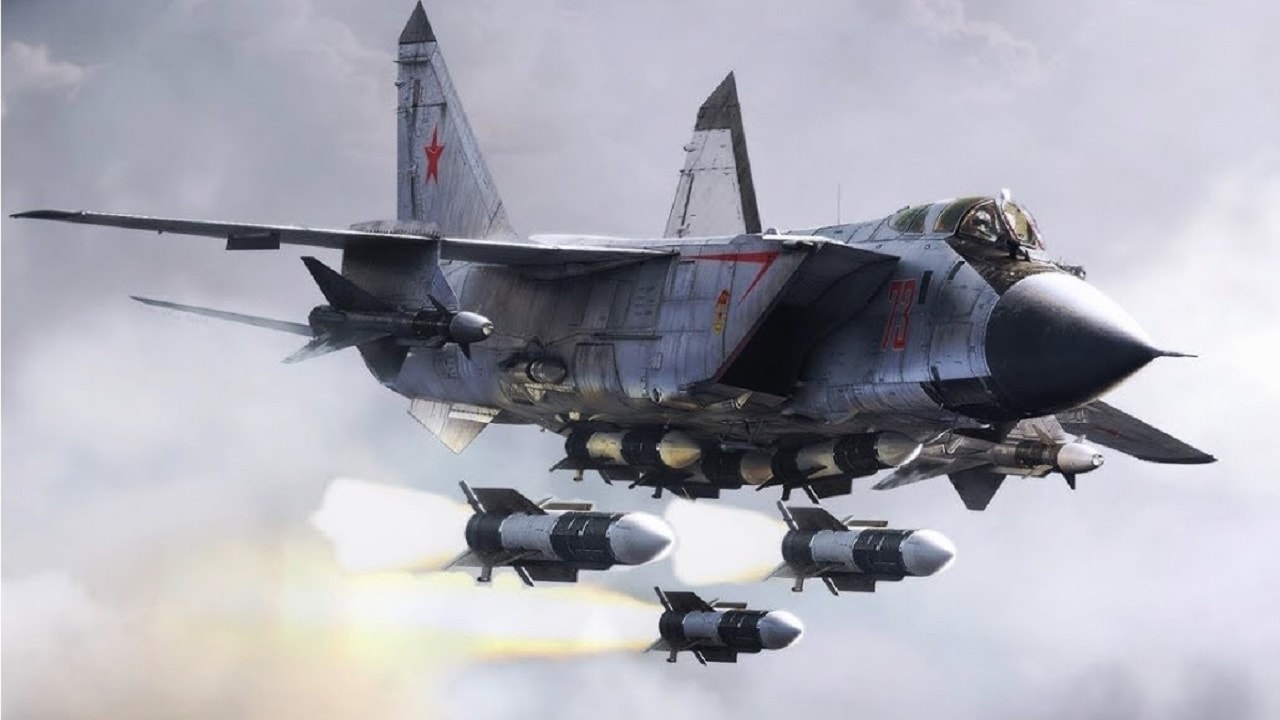
MiG-31. Image Credit: Creative Commons.
The detection, tracking, and interception window is very narrow. Intercepting a hypersonic weapon requires advanced sensors, extremely fast interceptor missiles, and near-perfect timing.
Therefore, it remains doubtful that the MiG-31, while an impressive platform, could successfully shoot down incoming hypersonic weapons, at least for now.
From Yesterday’s Interceptor to Tomorrow’s Attack Platform
Nevertheless, the Russians have once again shown that they don’t need to reinvent the wheel for their national defense. The MiG-31, although a Cold War-era interceptor, is not outdated.
By making some modifications to the MiG-31, the Russians ensured the platform remains effective—and in fact leads the world in next-generation long-range strike capabilities.
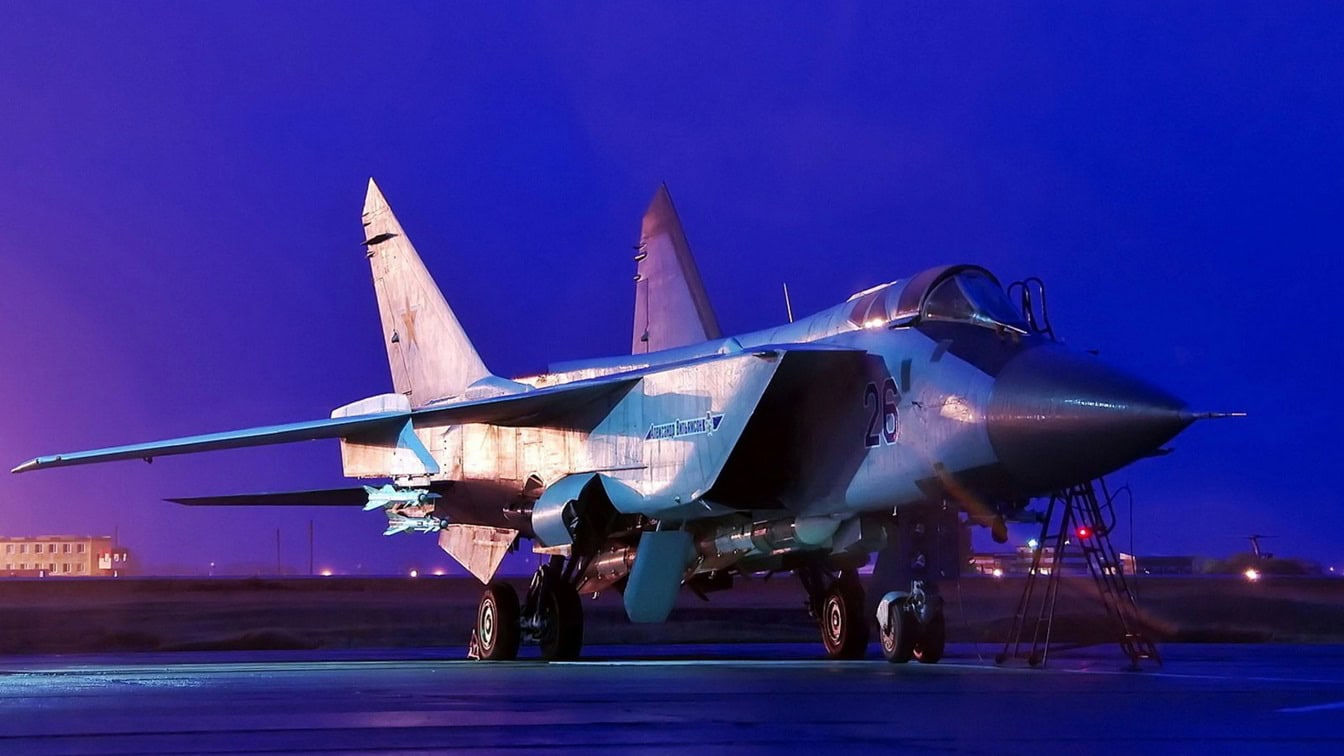
MiG-31 fighter. Image Credit: Creative Commons.
With Kinzhal missiles integrated into the MiG-31K, Russian air attacks overstretch enemy air defenses; the risks of escalation increase.
The Russians transformed the MiG-31 from a Cold War relic into a forward-looking offensive platform.
About the Author: Brandon J. Weichert
Brandon J. Weichert is the Senior National Security Editor at 19FortyFive.com. Recently, Weichert became the editor of the “NatSec Guy” section at Emerald.TV. He was previously the senior national security editor at The National Interest. Weichert hosts The National Security Hour on iHeartRadio, where he discusses national security policy every Wednesday at 8pm Eastern. He also hosts a related show on Rumble called “National Security Talk.” Weichert regularly consults with various government agencies and private organizations on geopolitical issues. His writings have appeared in numerous outlets, including Popular Mechanics, National Review, MSN, and The American Spectator. His books include Winning Space: How America Remains a Superpower, Biohacked: China’s Race to Control Life, and The Shadow War: Iran’s Quest for Supremacy. His latest book, A Disaster of Our Own Making: How the West Lost Ukraine, is available wherever books are sold.