
Operation Epic Fury Is Entering Its Fifth Week — Trump’s Iran War Timeline Aligns With the Pentagon’s Original Planning Window
U.S. President Donald Trump announced on April 1 that the United States is “nearing completion” of its objectives in Iran.
He suggested that the conflict could end in two to three weeks. This is the first clear public timeline given for the end of Operation Epic Fury.
But his comments elicit some pretty basic questions—for instance, what is Trump’s timeline based on, and how realistic is it?
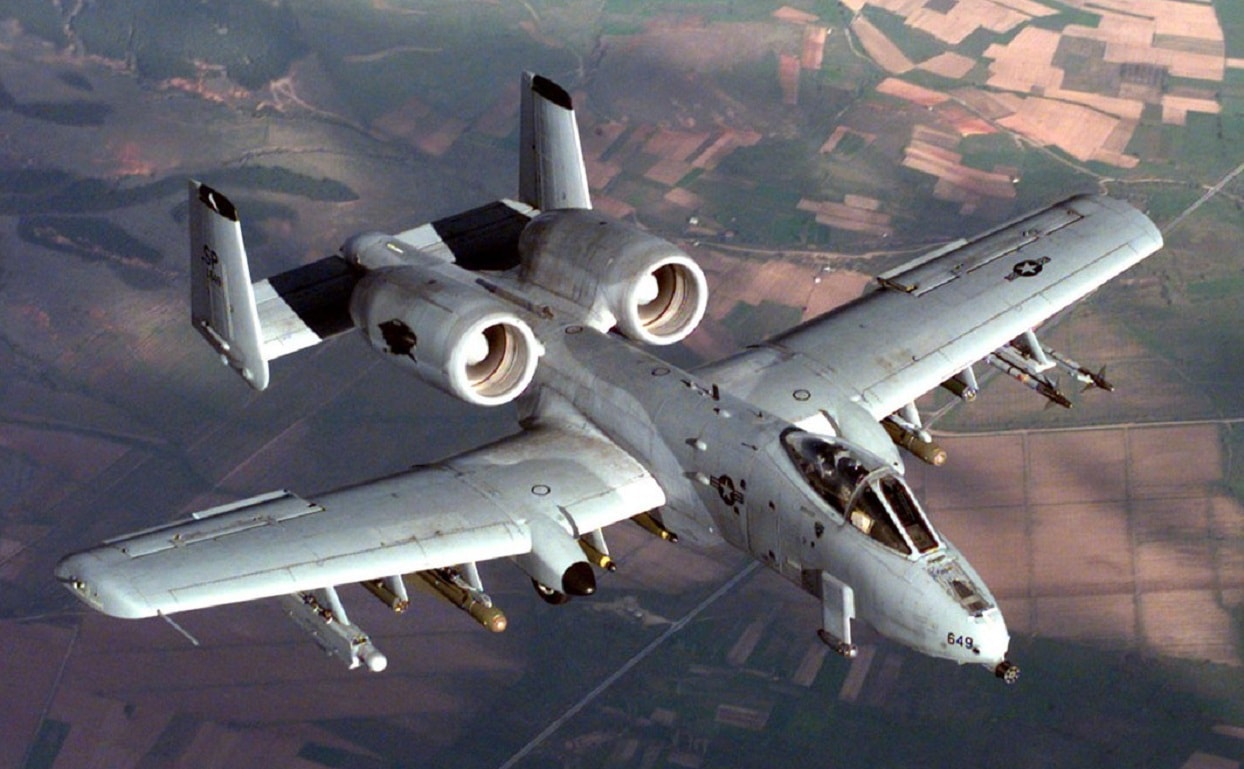
A-10 Warthog Image: Creative Commons.
The timeline suggests battlefield progress and political calculation, though uncertainties remain.
The Timeline So Far
Epic Fury began on February 28 and is currently entering its fifth week.
Originally, the Pentagon planned for a total duration of four to six weeks, so Trump’s latest estimate aligns with the upper end of the initial planning window.
The Trump administration claims that Iran’s navy has been heavily degraded, its air force largely neutralized, and its missile capabilities significantly reduced. And, more central to Epic Fury’s aims, Trump is claiming that the operation has prevented Iran from developing nuclear weapons.
Accordingly, the timeline is grounded in initial warplanning assumptions and the current battlefield assessment.

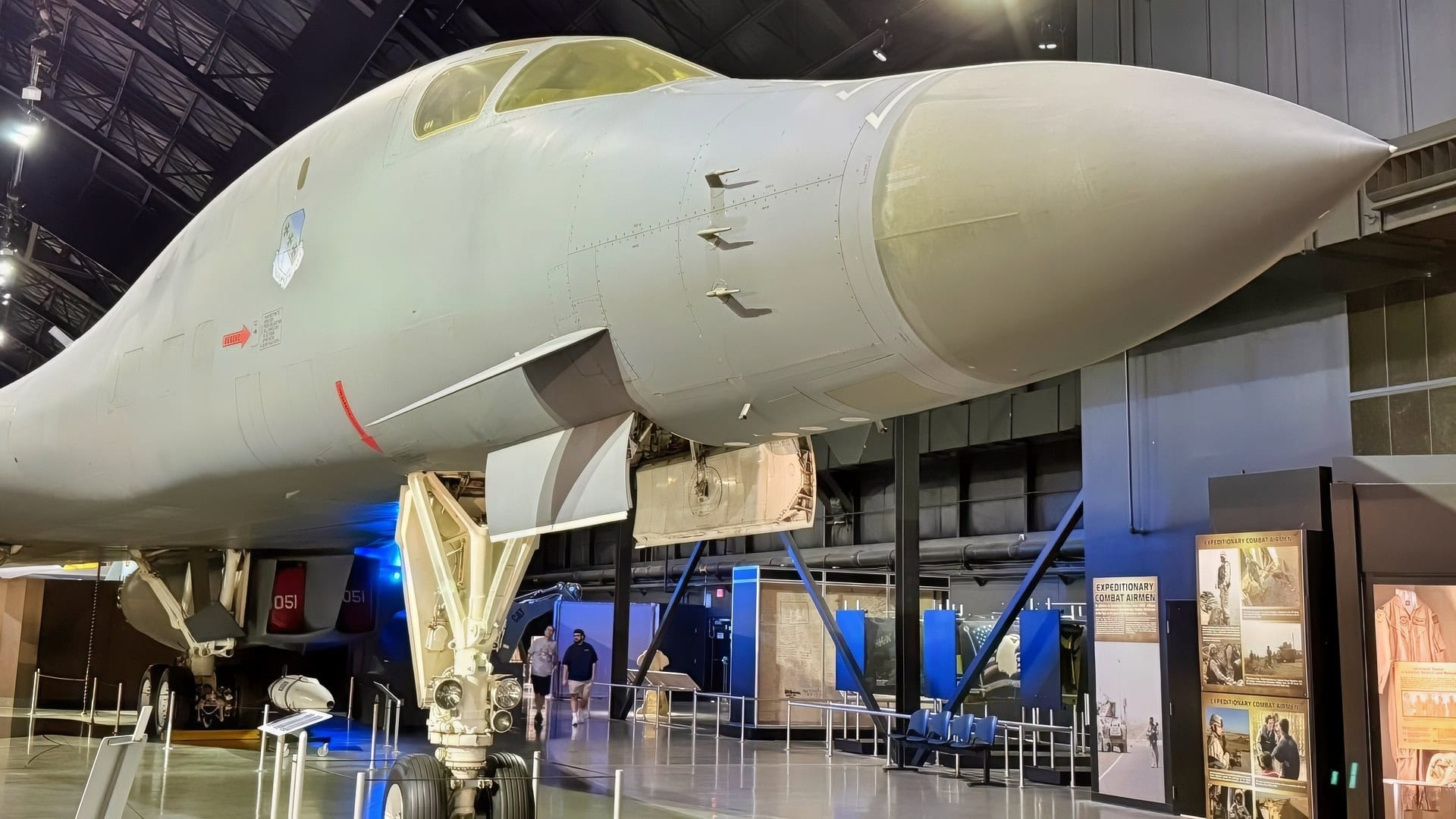
B-2 Spirit Stealth Bomber 19FortyFive Image. Taken By Harry J. Kazianis at the U.S. Air Force Museum in 2025.
What Nearing Completion Means
Completion does not mean the total destruction of Iranian capabilities. Instead, it refers to achieving specific operational goals, i.e., Hegseth’s “laser-focused” objectives of degrading Iran’s nuclear infrastructure, missile capability, navy, and proxy network.
Completion likely does not mean that all hostilities would cease indefinitely. The timeline just reflects the completion of stated objectives, as assessed by the administration.
Two More Weeks?
The extra 15 or 20 days would allow the United States to continue precision strikes, possibly expanding the target set to include energy infrastructure and logistics hubs. The strategy would be to increase military pressure on Tehran, forcing negotiations and/or concessions.
The final phase appears to be focused on maximizing leverage before exiting.
Potential advantages here include negotiation leverage, achieved by signaling a willingness to escalate before exiting.
The extra time also sustains operational pressure and should keep Iran from regrouping immediately after withdrawal.
Trump was also politically wise to clarify a definitive end point; the country is wary of open-ended, lingering conflicts, and Trump’s statement suggests that won’t happen.
The declaration that an endpoint is approaching allows Trump to say his objectives were clearly achieved, then exit while framing the operation as a success.
Risks Remain
The economic effects of the conflict will linger as long as the conflict lingers. Oil prices are above $100 a barrel; U.S. drivers are paying between $4-5 per gallon of gasoline. Continued strikes also threaten to widen the conflict, posing an escalation risk.
And, as the United Nations has warned, the region is nearing the breakout of a broader war.
A continued U.S. presence could also inspire an Iranian response. Iran has rejected claims of defeat and has threatened further attacks.
If the conflict persists, the likelihood increases that Iran will make good on those claims.
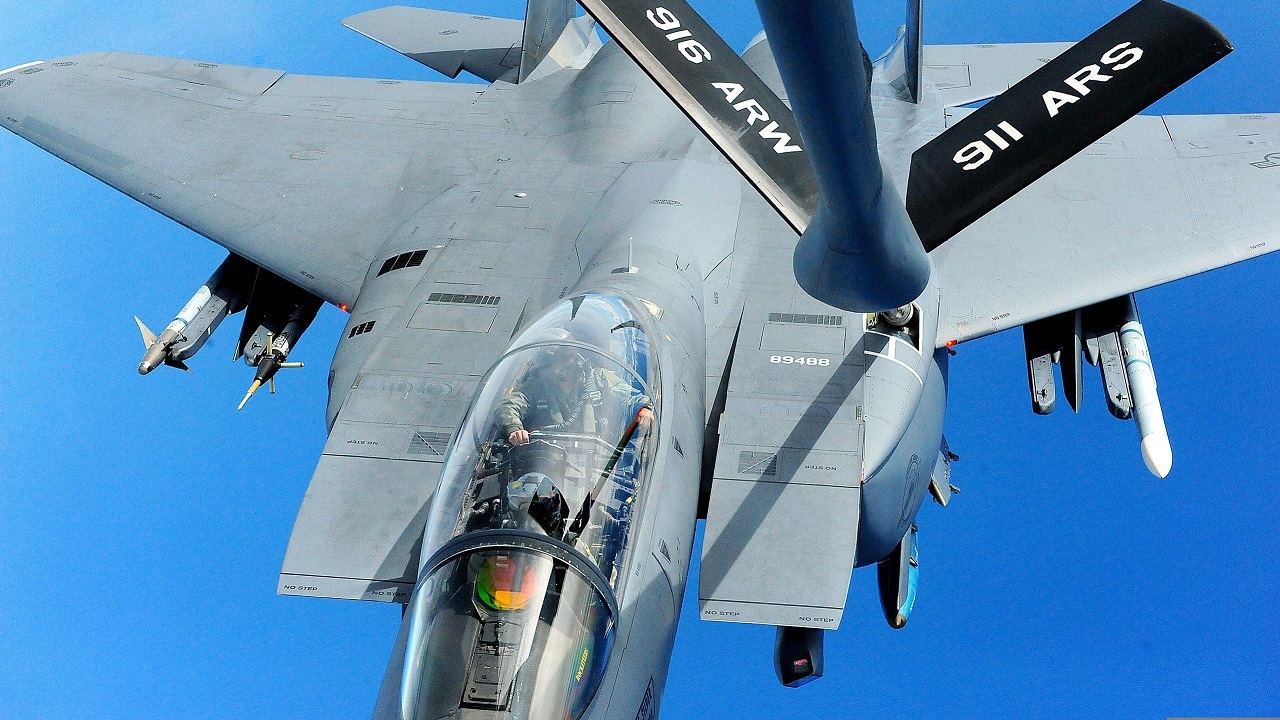
F-15E fighter. Image Credit: Creative Commons.
Strategic Context
So far the campaign has been defined by air and strike operations. Trump has floated the idea of occupying Kharg Island, but that has not been attempted.
Doing so would represent a major strategic escalation, which would make a clean exit within the timeline floated by Trump more difficult.
The conflict is currently constructed for rapid entry and exit. This is wonderful for efficiency but limits control over long-term outcomes.
Iran may have retained its abilities despite the strikes. For example, nuclear knowledge and infrastructure may have survived in hardened, dispersed, or underground facilities. Proxy networks may still be intact. Mobile missile assets may have been moved to avoid destruction.
It will be hard for the United States to verify that all of its objectives have been achieved, and when the United States leaves, Iran will have a greater opportunity to regenerate its capabilities.
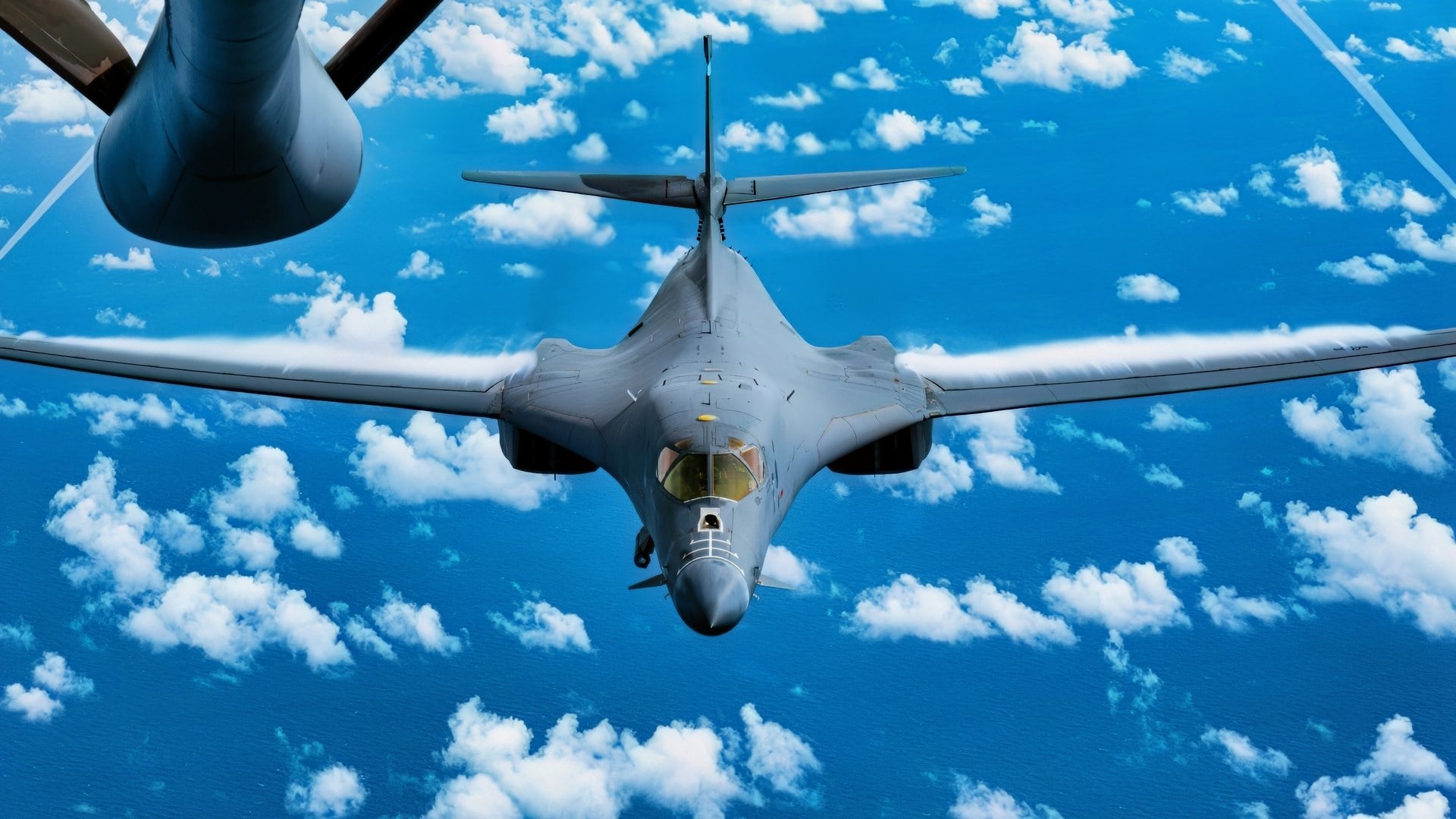
A U.S. Air Force B-1B Lancer prepares to refuel behind a KC-135 Stratotanker during a bomber air demonstration over the U.S. Southern Command area of responsibility Oct. 23, 2025.
The demonstration showcased Southern Command’s ability to quickly mobilize and enable the rapid establishment of credible, combat-ready forces with effective and overwhelming force.(U.S. Air Force photo by Airman 1st Class Daniel Harrell)
What to Watch For in the Iran War Next
In the closing weeks of the campaign, keep an eye on strike tempo. and on Iran’s response.
Also keep an eye on the Strait of Hormuz, to see whether it is reopened or not. Diplomatically, the belligerents will hopefully move toward negotiations; expect statements from Iran and its allies.
About the Author: Harrison Kass
Harrison Kass is an attorney and journalist covering national security, technology, and politics. Previously, he was a political staffer and candidate, and a US Air Force pilot selectee. He holds a JD from the University of Oregon and a master’s in global journalism and international relations from NYU.