
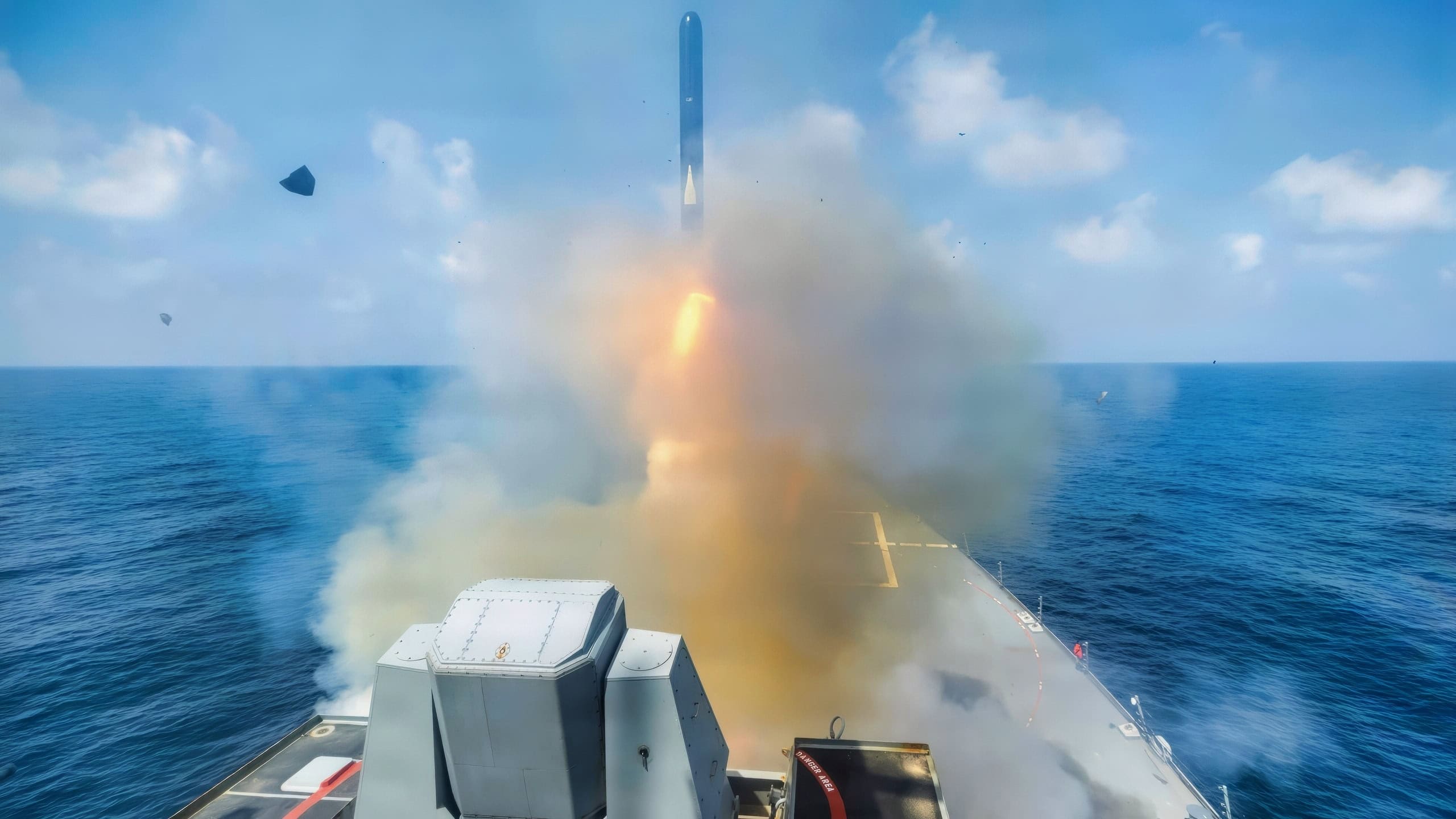
Is It Time to Replace the Tomahawk Cruise Missile? It Won’t Be Easy
Tomahawk cruise missiles are presidential-level assets.
When the White House says, “the light is green,” the Tomahawks launch to punish enemies anywhere at any time.
But not only are they in the news often these days during Operation Epic Fury as a primary feature of U.S. military might, but they are growing old.
Tomahawks were first deployed in 1983 and were used to full effect during Operation Desert Storm in 1991.
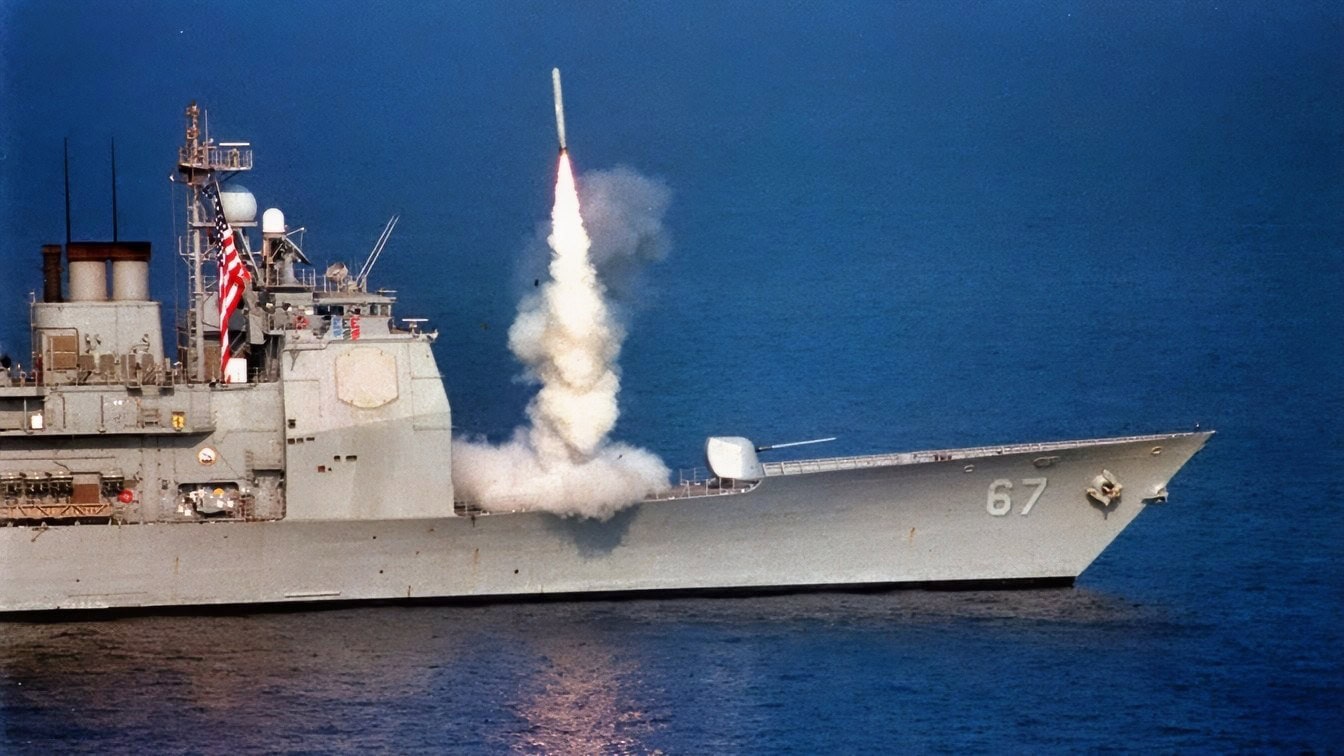
A Tomahawk cruise missile launches from the forward vertical launch system of the USS Shiloh (CG 67) to attack selected air defense targets south of the 33rd parallel in Iraq on Sept. 3, 1996, as part of Operation Desert Strike. The attacks are designed to reduce risks to the pilots who will enforce the expanded no-fly zone. President Clinton announced an expanded no-fly zone in response to an Iraqi attack against a Kurdish faction. The larger no-fly zone in Southern Iraq will make it easier for U.S. and coalition partners to contain Saddam Hussein’s aggression. The U.S. Navy Ticonderoga Class cruiser launched the missiles as it operated in the Persian Gulf.
Plus, numerous media outlets have revealed that the United States is swiftly running out of Tomahawks.
They can cost anywhere from $2 million to $4 million each, depending on the generation and variant.
They are also time-consuming to produce.
Let’s Place a High Priority on Hypersonics
Is it time to look for a replacement?
The U.S. military is searching for answers, and hypersonic weapons could be the solution.
The U.S. Navy is excited about Conventional Prompt Strike (CPS) projectiles.
These can be launched from Zumwalt-class destroyers and Virginia-class submarines. CPS utilizes a common hypersonic glide body with plus-MACH 5 speed. The Next-Generation Land Attack Weapon is planned to replace the Tomahawk for the Navy, too. This will evade enemy air defenses more effectively at hypersonic speeds, but it may not be ready until 2030.
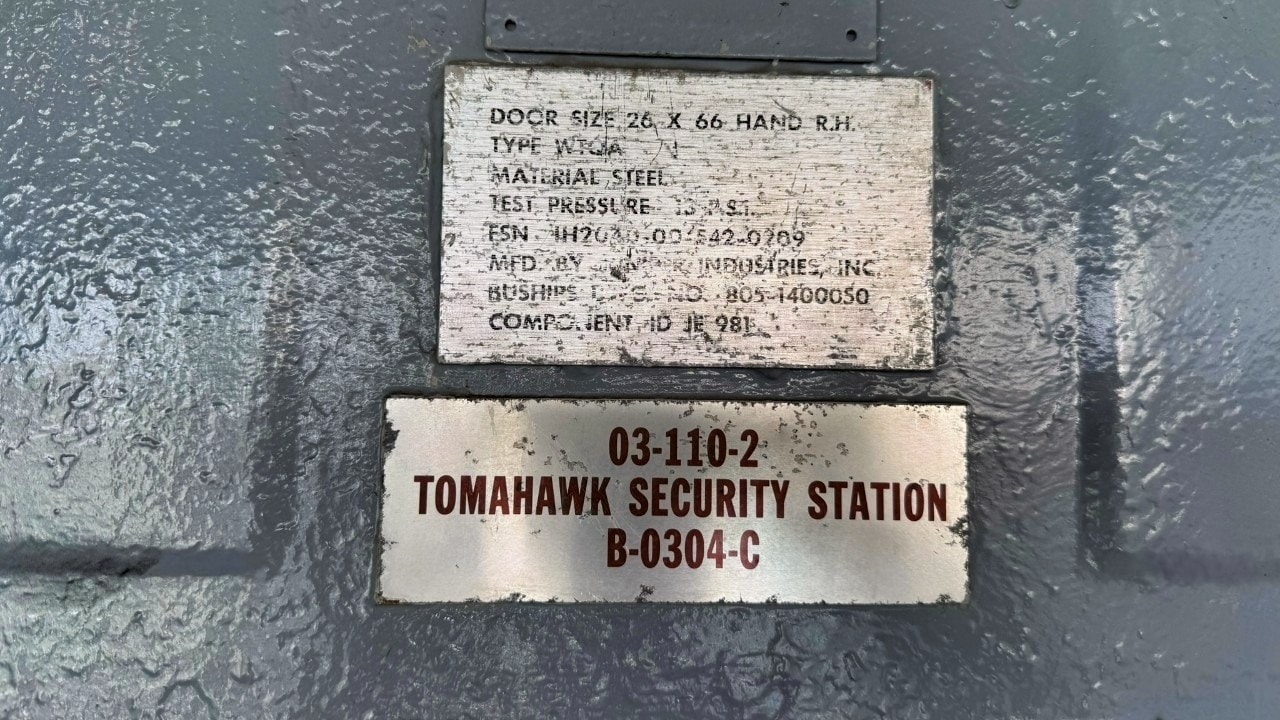
Battleship USS Iowa Tomahawk Missile Container. Taken by Harry J. Kazianis for 19FortyFive.com abord USS Iowa.
The U.S. Air Force and the Royal Australian Air Force are working on the Hypersonic Attack Cruise Missile.
This is scram-jet powered. Look for it to deploy in 2027. The U.S. Army and the Navy are toiling hard on the Long-Range Hypersonic Weapon/ Dark Eagle.
Don’t Kill the Tomahawk Program Yet
The Tomahawks will still be used into the 2030s, though, as they receive upgrades that allow them to maneuver more effectively and spoof and evade enemy air defenses.
One problem with the replacements for the Tomahawk is that there could be too many options.
The great thing about these traditional projectiles is that they have become ubiquitous.
This means the production lines have always been humming. Tomahawk use is well understood, and the efficiencies and economies of scale are always present in the manufacturing process. It may be difficult to make the other weapons in numbers as the Tomahawk has historically been produced.
Those Other Hypersonics Could Get Cancelled
Moreover, there is always the defense acquisition “Valley of Death.” Even though a new munition sounds great on paper and research, development, and testing are going full-bore, these programs run into cost overruns and schedule slips.
Plus, there are Congressional pressures to deal with. Each lawmaker on the two Armed Services Committees in both chambers has a favorite depending on where the missile is produced. This creates parochial competition for scarce resources.
One or more of these programs to replace the Tomahawk could get cancelled.
Keep the Tomahawk Until 2035
Why not just keep the Tomahawk and continue to update it?
That means some hypersonic programs could see reduced funding and greater difficulty in serial production. It may make sense to keep improving the baseline Tomahawks.
They Are Running Low During the War with Iran
The problem now during the war in Iran is numbers. Tomahawks are being depleted rapidly – maybe over 800 have been expended. Due to the retirement of key naval ships, the “magazine” of cruise missiles is being further reduced.
Russia and China Can Do the math, too.
This means that a two-front war with China or Russia could trigger a “Tomahawk crisis.” U.S. adversaries are watching this development closely. The United States is concerned and has switched over to using less expensive and more plentiful JDAMs against Iran.
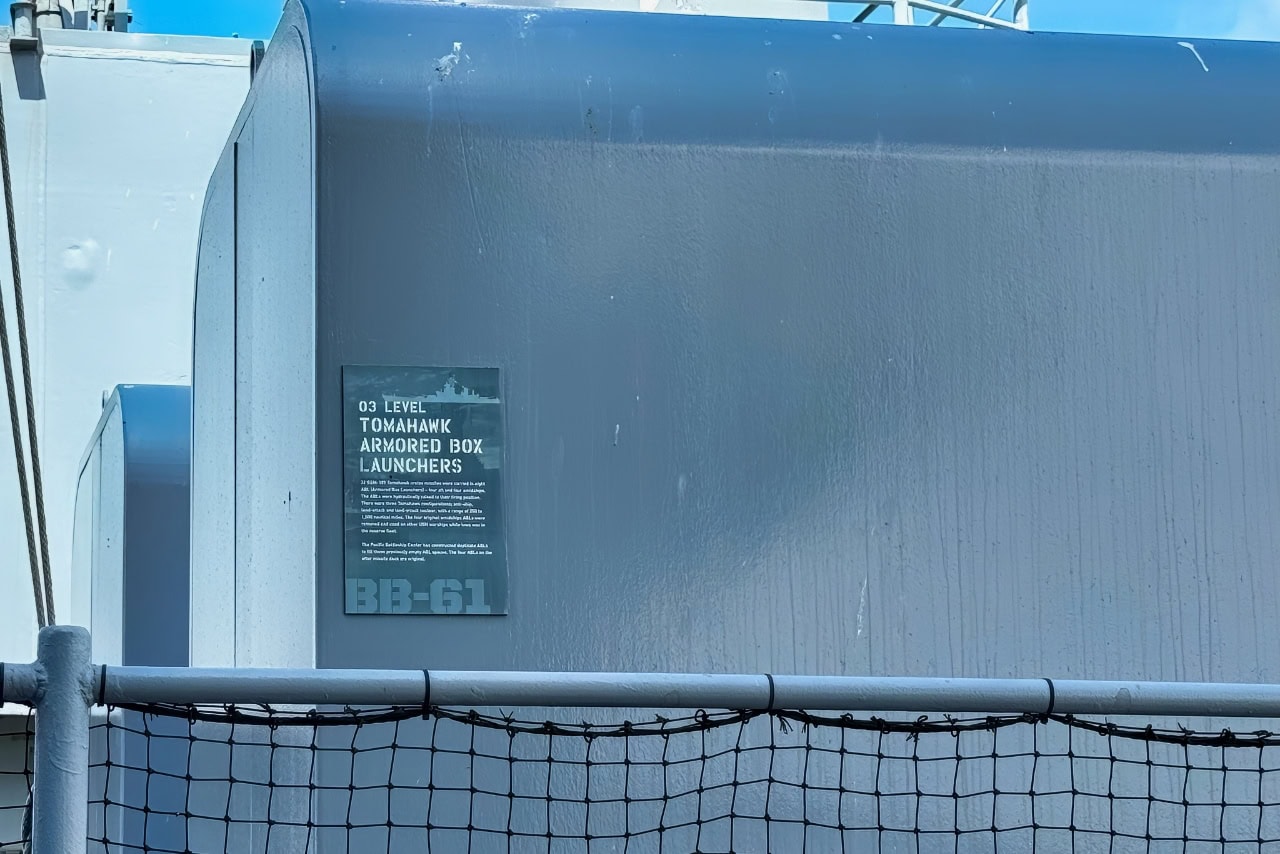
USS Iowa 19FortyFive image of Tomahawk Missiles on USS Iowa.
Not Ready for Use in Operation Epic Fury
The American hypersonic missiles in development have not advanced as rapidly for use during the war in Iran. China and Russia are developing hypersonic systems in large numbers and have leapt ahead of the United States.
The Americans may have to choose only one or two of their Tomahawk replacements, rather than multiple models, which could make mass production difficult.
Thus, the United States is in a bind. The DOD could rush to develop replacements or focus on the existing Tomahawk production that is already expensive and cumbersome. U.S. hypersonic missiles will eventually become a reality, but completely replacing the trusty Tomahawk may not be possible until the mid-2030s.
The Transition to Hypersonics Won’t Be Easy
The DOD is making funding of hypersonics a priority. That is the correct approach. But there are technical challenges for all the defense contractors involved, and concerns about choosing the right ones for manufacturing at scale.
The production methods need to be cost-effective, with a price tag of no more than $4 million per projectile, and a speedy acquisition timetable to make them in the kind of numbers the DOD needs for a two-front war.
So, Tomahawks should not be fully replaced yet. The difficulty in producing the new hypersonics could lead to delays and cost overruns. Picking just a single new land-attack hypersonic missile to focus on may be the way to go.
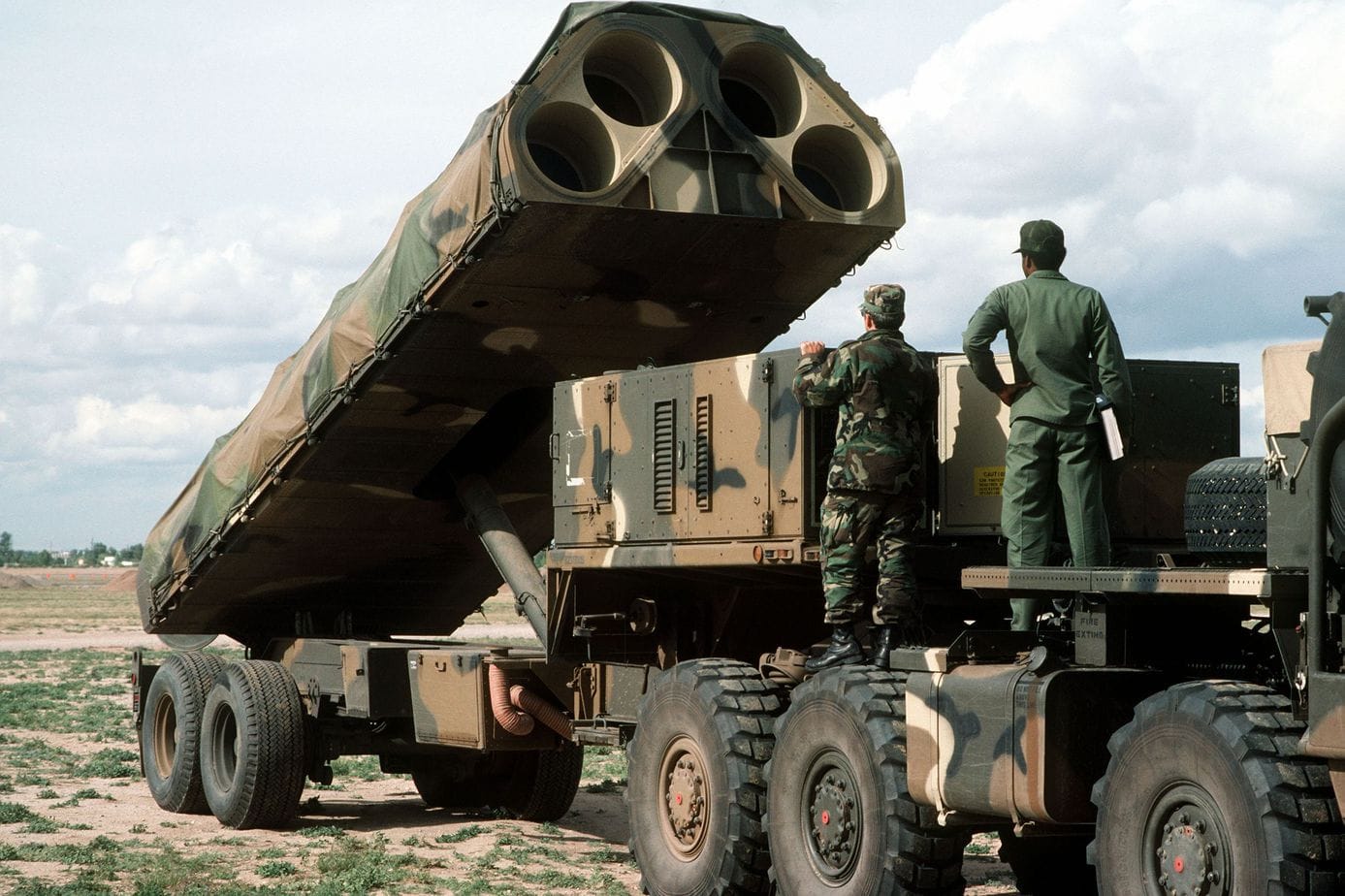
Image of land-based Tomahawk missile from the 1980s.
Tomahawk production lines are intact and operating fully. The cruise missiles have been greatly updated over the years, and despite their age, they enjoy buy-in from the U.S. military that is difficult to beat.
Let’s not give up on the Tomahawk program just yet. They are a tried-and-true piece of military hardware that the U.S. military cannot live without, despite advances in hypersonic weapons technology.
MORE – Russia’s Hypersonic Missile Arsenal Is a Powerhouse
About the Author: Dr. Brent M. Eastwood
Author of now over 3,000 articles on defense issues, Brent M. Eastwood, PhD is the author of Don’t Turn Your Back On the World: a Conservative Foreign Policy and Humans, Machines, and Data: Future Trends in Warfare plus two other books. Brent was the founder and CEO of a tech firm that predicted world events using artificial intelligence. He served as a legislative fellow for U.S. Senator Tim Scott and advised the senator on defense and foreign policy issues. He has taught at American University, George Washington University, and George Mason University. Brent is a former U.S. Army Infantry officer. He can be followed on X @BMEastwood.