
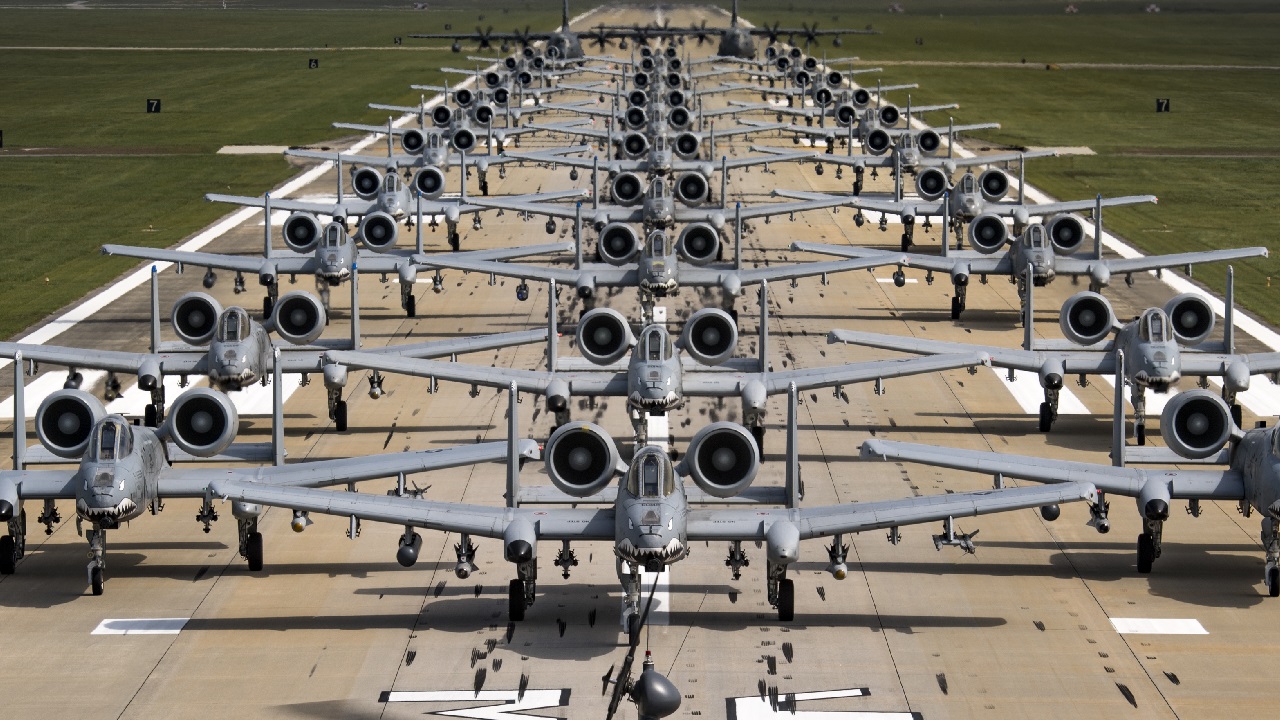
The U.S. Can Destroy Targets in Iran All Day — It Can’t Control the Strait of Hormuz
Is America getting ready to quit the Iran War and not end up controlling the Strait of Hormuz?
Doing so would indicate a major shift in U.S. priorities. In fact, leaving the conflict without full strategic control would raise questions about the basic merits of Operation Epic Fury.
But if the war’s primary objectives were always limited, then staying longer for the sake of objectives not listed in the administration’s initial list could create more strategic risks than potential benefits.
What Epic Fury Achieved
The United States has degraded Iranian military infrastructure, hitting naval assets, missile sites, and command nodes. In tactical terms, the United States has already won by limiting Iran’s ability to project power in conventional terms.

A B-1B Lancer assigned to Ellsworth Air Force Base, S.D, takes off in support of a Bomber Task Force mission at Naval Support Facility Diego Garcia, Nov. 2, 2021. Bomber missions provide opportunities to train and work with our allies and partners in joint and coalition operations and exercises. (U.S. Air Force photo by Staff Sgt. Hannah Malone)
Granted, verifying many of the initially stated goals isn’t easy, so the real objectives might be achieved only partially.
But speaking generally, Iran has clearly been degraded since the conflict’s onset.
Staying in the region to clear the Hormuz Strait would constitute objective creep.
Objective Creep
Operation Epic Fury was first billed as a limited, punitive campaign. But the war appears to be drifting toward open-ended enforcement missions.
Examples include pressure to reopen Hormuz militarily, possibly seize Kharg Island, and sustain a presence in the region.
These are the same tendencies and tasks that led to open-ended conflicts in Iraq and Afghanistan; they are time-consuming, high-risk, and potentially indefinite. And the longer the United States stays in the region, the more the mission shifts from punishing Iran to managing Iran.
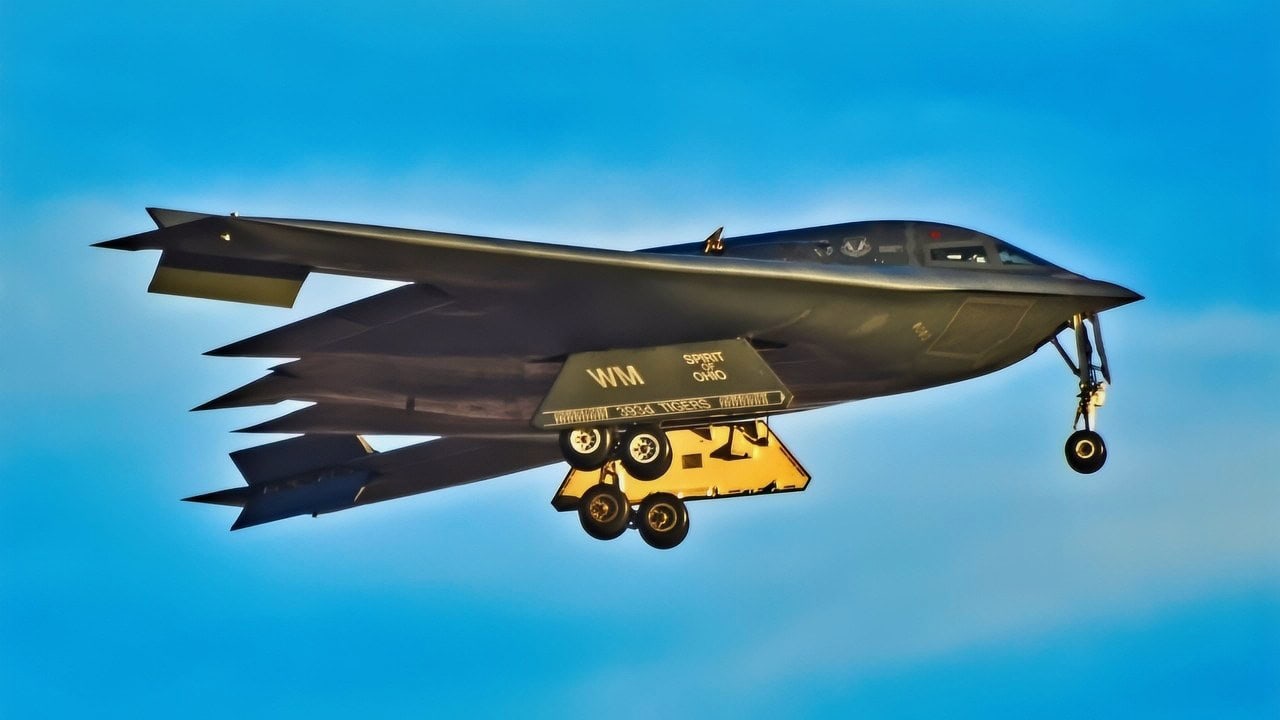
B-2A Spirit Stealth Bomber. Image Credit: Creative Commons.
Boots on the Ground
Any ground presence, whether on Kharg or elsewhere, would cross a major threshold, changing the conflict from a remote strike to a territorial commitment.
When that happens, U.S. forces become fixed targets that Iran can attack with asymmetric means, imposing steady attrition.
The result is that a “limited” deployment becomes politically and strategically costly. In any of the likely ground-war scenarios, U.S. troops would be placed well within range of Iranian artillery and drones. The risk of mounting U.S. losses is real—and if casualties rose, the political blowback would be significant.
The Case for Leaving Iran War
If the initial goals of the operation have been achieved, then staying longer risks escalating danger for diminished returns. Opening up Hormuz would be a tedious and slow process. It would be dangerous, yet not strategically decisive.
The Strait is arguably more important to China, India, and Europe, whereas the United States is now less dependent on Gulf oil. This means the United States could leave the responsibility for reopening the strait to others.
And with markets reacting positively to the prospect of the war ending, it suggests those markets see stability as more economically important than the United States exerting total control on the region. Global shipping costs have skyrocketed with the Strait closed.
Hapag-Lloyd and Maersk have suspended transits, forcing ships around Africa and adding weeks to delivery times.
The pursuit of strategic perfection may not be worth the costs of staying.
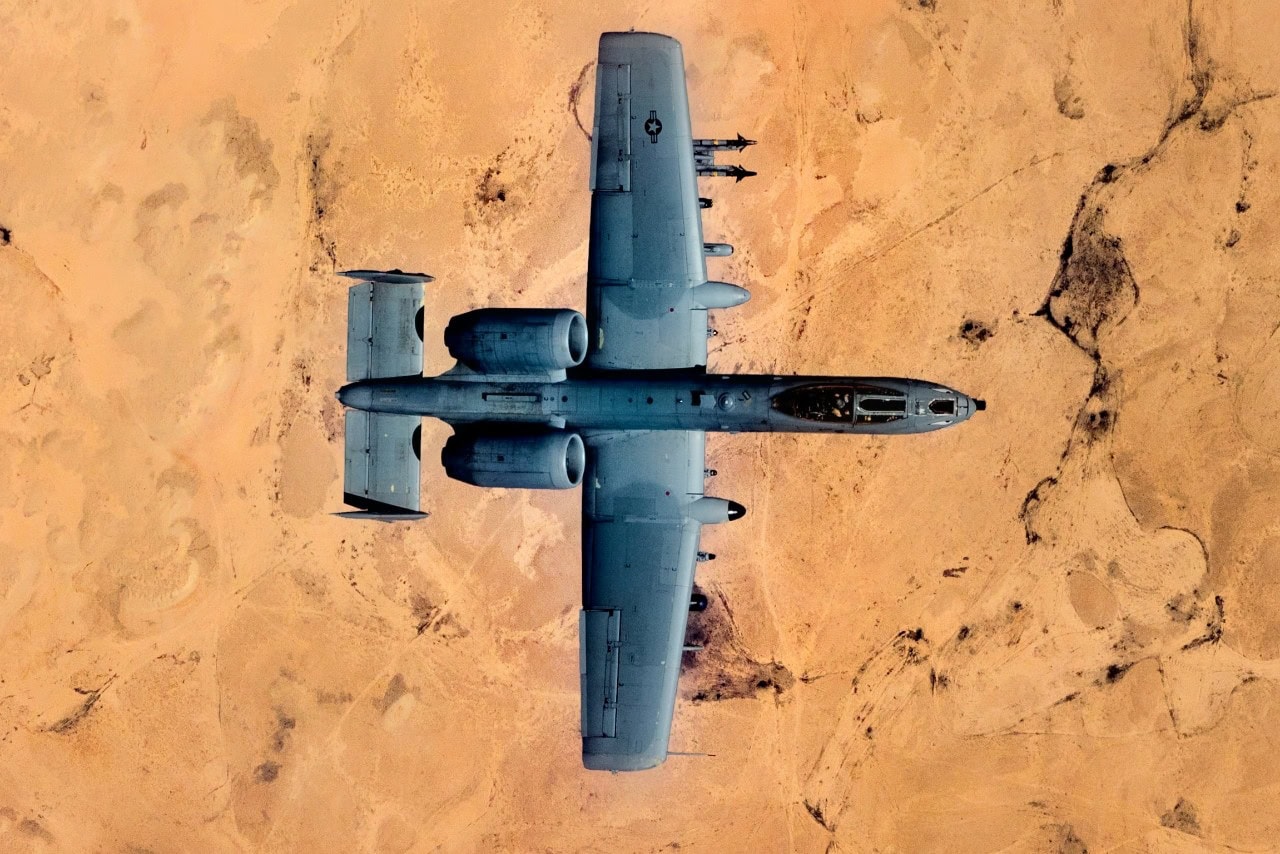
A U.S. Air Force A-10 Thunderbolt II flies a presence patrol over the U.S. Central Command area of responsibility, Feb. 26, 2025. The A-10 aircraft is employed throughout the region to bolster regional security and counter the growing threats of adversarial unmanned aircraft systems and other emerging threats. (U.S. Air Force photo by Staff Sgt. Jackson Manske)
Would Hormuz Open if the US Leaves?
Would Hormuz potentially be reopened if the US withdrew? Iran uses Hormuz as leverage; if the United States leaves, Iran could keep it closed to maintain economic pressure, or they could negotiate a reopening in exchange for concessions.
Keeping the Strait closed is a bargaining chip. It would be up to Iran how to play it.
The Bigger Implications
The war has exposed the gap between tactical success and strategic success. Airpower can destroy targets to an extent, but it cannot necessarily control strategic outcomes. Epic Fury has demonstrated U.S. technical dominance, no question.
But whether the campaign delivers durable strategic results remains to be seen.
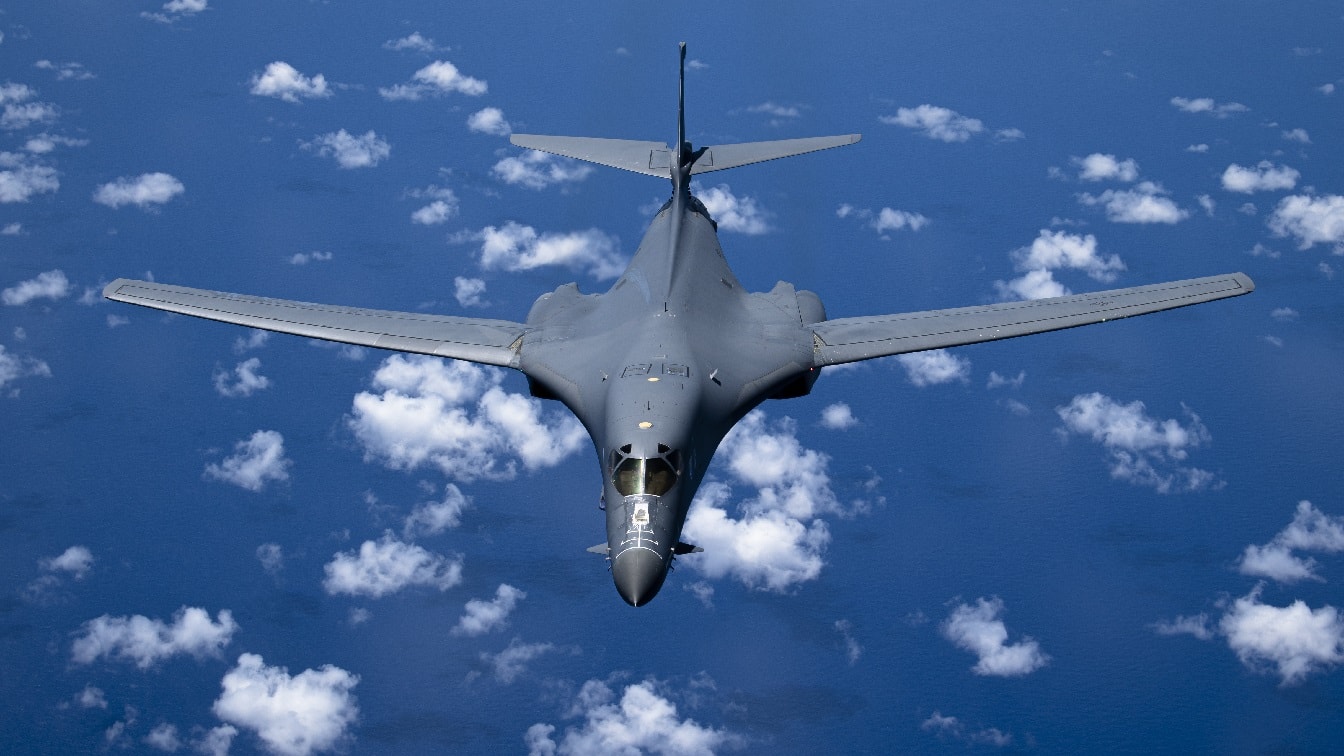
A U.S. Air Force B-1B Lancer, attached to the 34th Expeditionary Bomb Squadron, Ellsworth Air Force Base, South Dakota, flies over the Pacific Ocean after taking off from Andersen Air Force Base, Guam, June 12, 2022. Bomber Task Force missions contribute to joint force lethality and deter aggression in the Indo-Pacific by demonstrating the United States Air Force’s ability to operate anywhere in the world at any time in support of the National Defense Strategy. (U.S. Air Force Photo by Tech. Sgt. Chris Hibben)
The United States could absolutely continue the campaign. The question, however, is whether it should. Ending the war without reopening Hormuz may look like leaving before the job is finished. But opening the strait wasn’t in the initial job description.
And staying longer risks turning a limited campaign into an open-ended commitment with no clear endpoint.
MORE: The A-10 Warthog Has Entered the Iran War
About the Author: Harrison Kass
Harrison Kass is an attorney and journalist covering national security, technology, and politics. Previously, he was a political staffer and candidate, and a US Air Force pilot selectee. He holds a JD from the University of Oregon and a master’s in global journalism and international relations from NYU.