
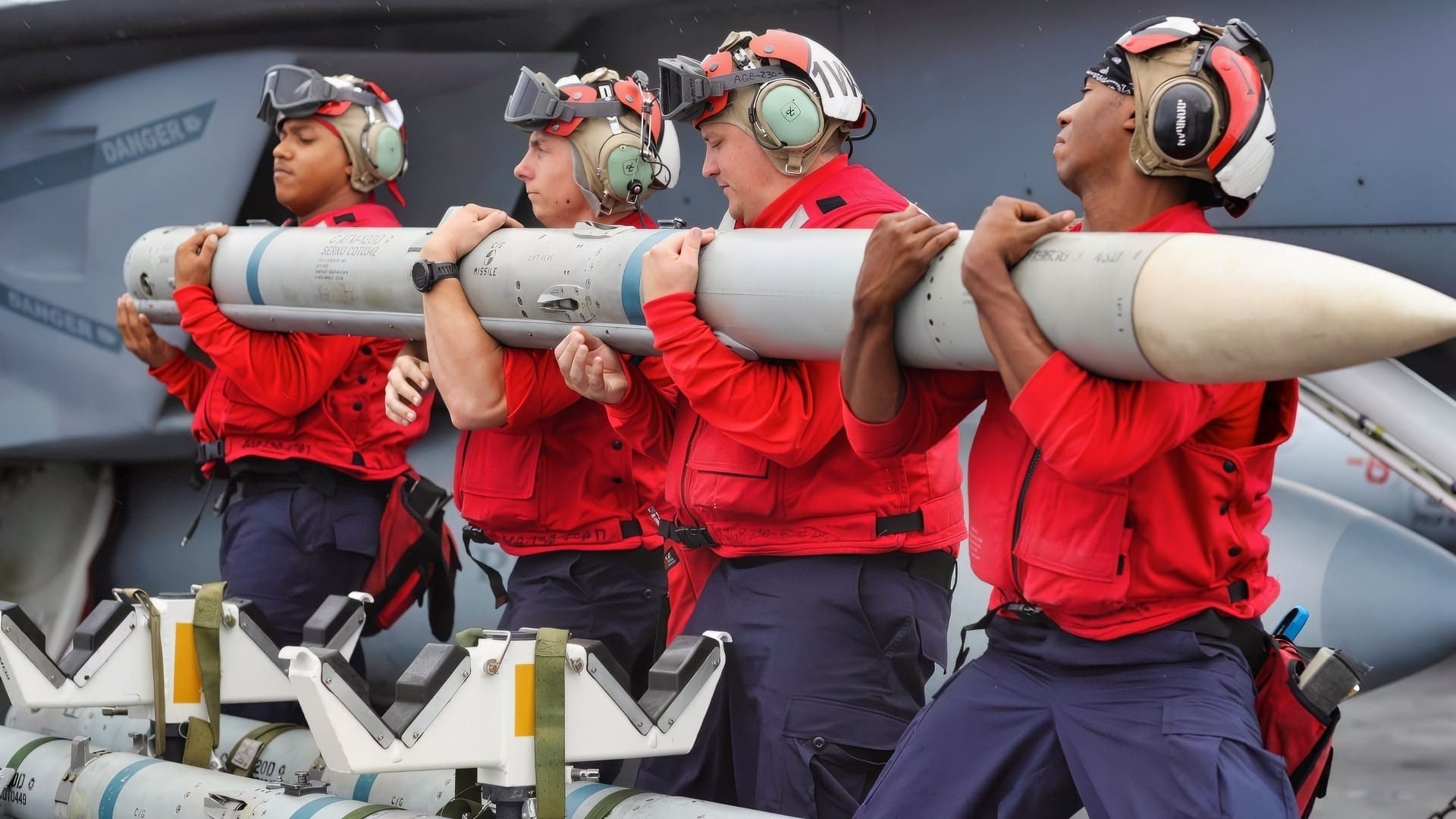
Summary and Key Points: Drawing on his expertise as a former U.S. Army Infantry officer and defense policy advisor, Dr. Brent M. Eastwood breaks down the harsh economic and strategic realities of Operation Epic Fury in the Iran War.
-Despite the U.S. and Israeli militaries decimating over 8,000 targets and dismantling Iran’s decentralized “Mosaic Defense Strategy,” Tehran holds a massive trump card: the Strait of Hormuz.
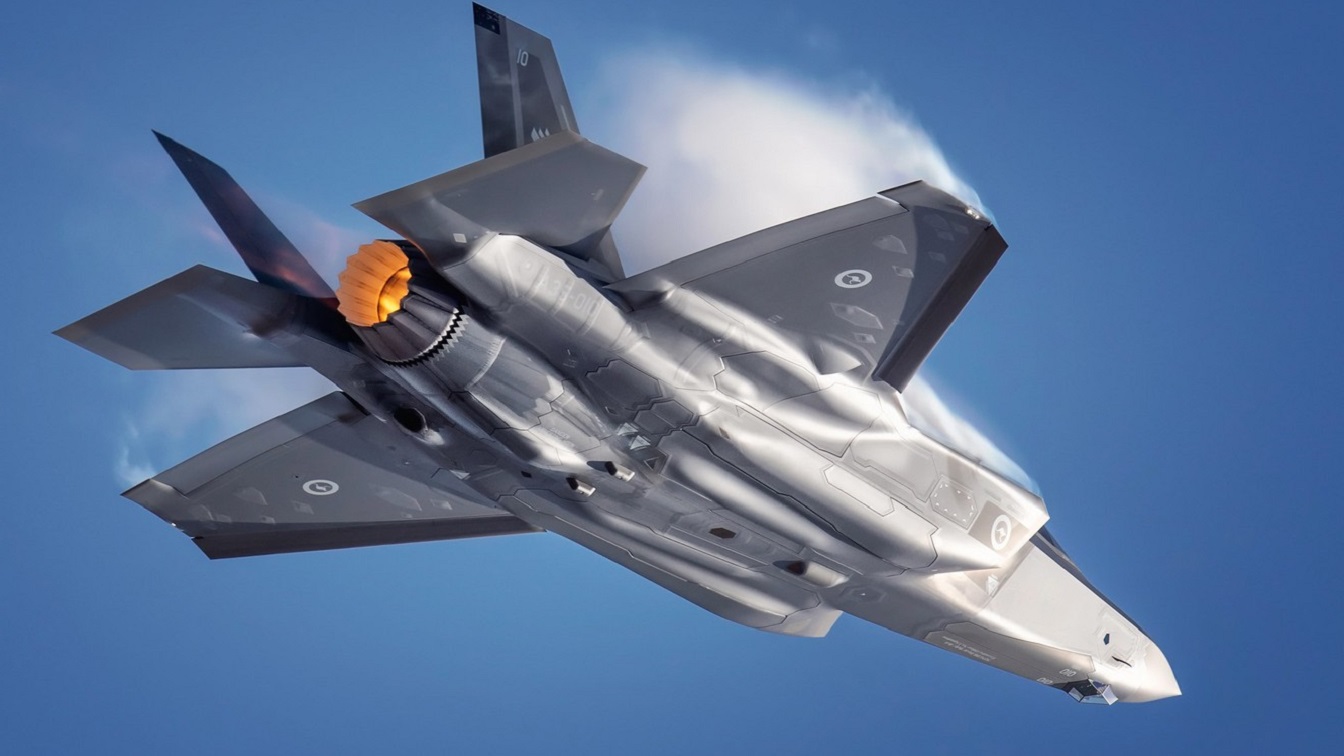
F-35. Image Credit: Creative Commons.
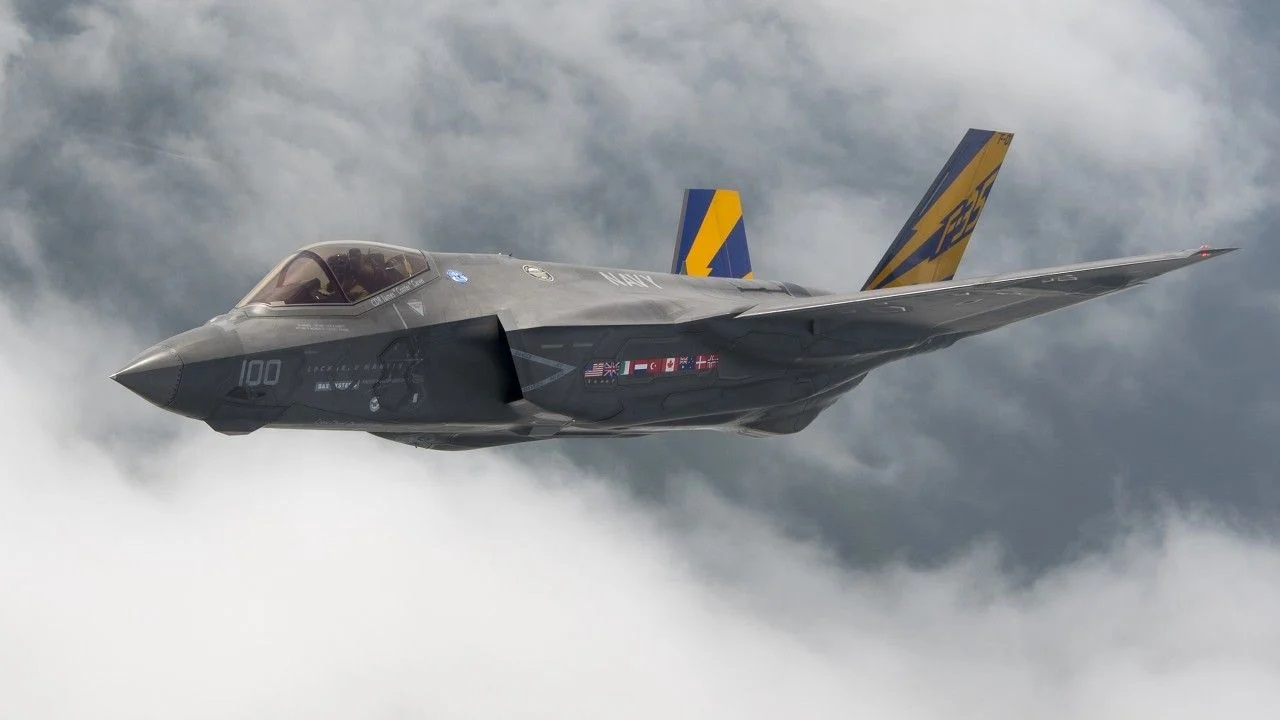
Stealth F-35C. Image Credit: Creative Commons.
F-35C. Image Credit: YouTube Screenshot.
-By deploying fast-attack boats and sea mines to block 20 percent of the world’s oil supply, Iran is deliberately triggering a global energy shock.
-With crude prices spiking and global GDP threatened, this asymmetric warfare aims to cause severe inflation and derail political support for the conflict.
The Strait of Hormuz Standoff: Why 8,000 Airstrikes Haven’t Stopped Iran
Iran is down but not out. The United States has wiped out over 9,000 military targets. Iranian defense infrastructure, surface-to-air missiles, command and control facilities, ballistic missile launchers and production nodes, and enemy naval vessels have been seriously degraded.
Placing a Stake in the Heart of Iranian ‘Mosaic Defense’
Iran’s vaunted “Mosaic Defense Strategy” was supposed to have worked so much better. The idea was to use a network of distributed air defense radars and surface-to-air missiles across the country.
These would be decentralized and autonomous, acting without orders from command-and-control centers. If the upper chain of command was destroyed, the air defenses would still operate normally.
This stratagem has mostly failed.
Closing the Strait of Hormuz
However, Iran has another trick up its sleeve. The military has used a group of small, fast-moving attack boats and sea mines to close off most of the Strait of Hormuz, a critical sea passage for oil tankers and other commercial ships.
President Donald Trump has warned that the United States will attack Iran’s energy infrastructure to destroy electrical power plants and hobble the country. He has given Iran a matter of days to completely open the Strait before an attack on energy production sites commences.
On March 23, he gave Iran more time to decide on its path forward.
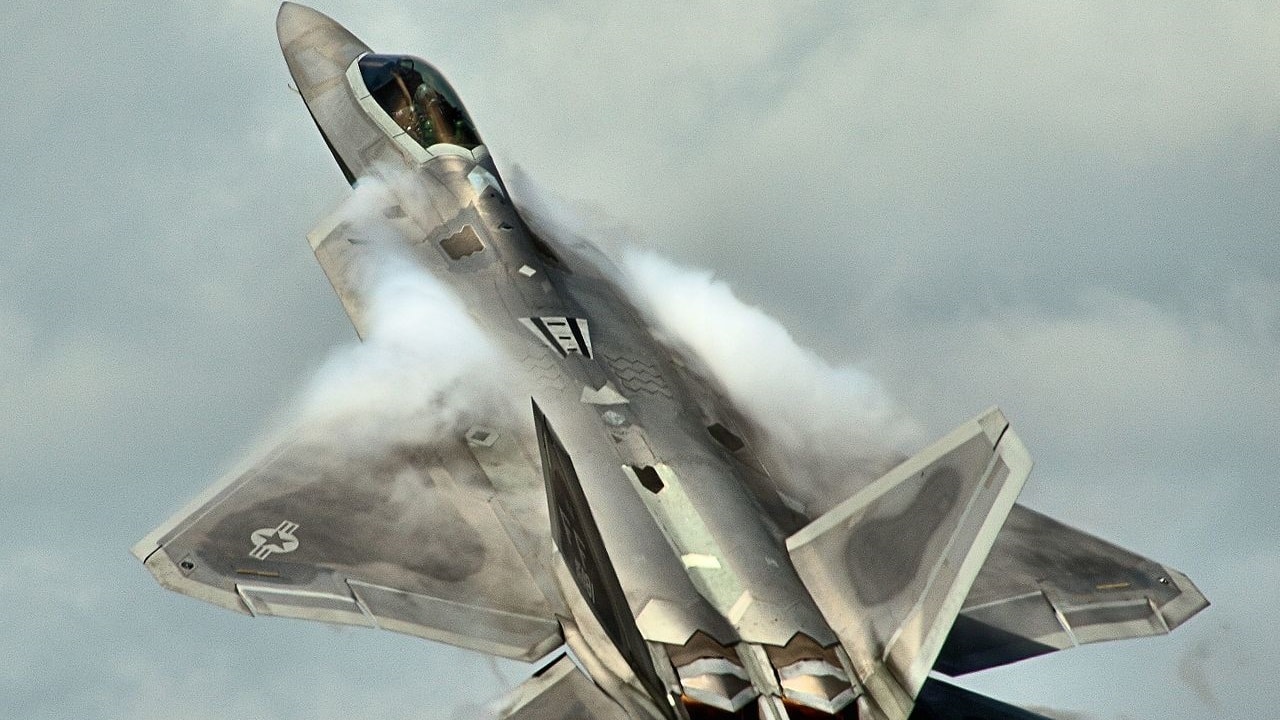
F-22 Raptor.
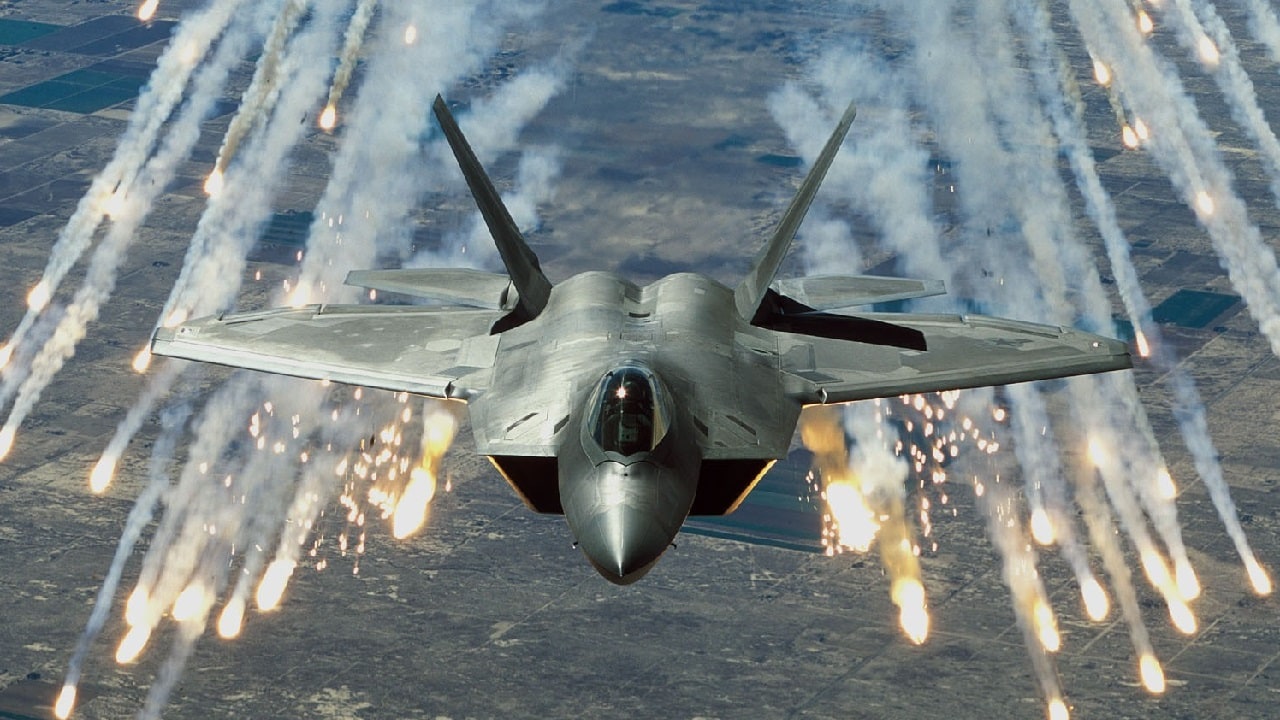
F-22 Raptor. Image Credit: Creative Commons.
Can Trump Strike a Deal with the Iranians?
The Americans have sought to conduct negotiations with Iranian leaders who are still alive after bombing missions targeted and eliminated a significant portion of the government power structure. Trump is optimistic that a deal can be reached with Iran.
A spokesman for Iran has denied that peace talks have taken place.
Militarily, Operation Epic Fury Has Been a Success
The U.S.-Israeli approach to modern air war has been impressive. So many military targets have been destroyed that the two powers are focusing on taking out underground missile launch and production facilities and the government leadership’s high-value targets. Most other military assets are eliminated. Early in the war, Ayatollah Ali Khamenei was killed. His son, Mojtaba, was chosen as Supreme Leader, but he has not appeared in person in media reports, and it is not 100 percent certain that the son is alive and well.
Iran Wanted to Inflict Economic Pain
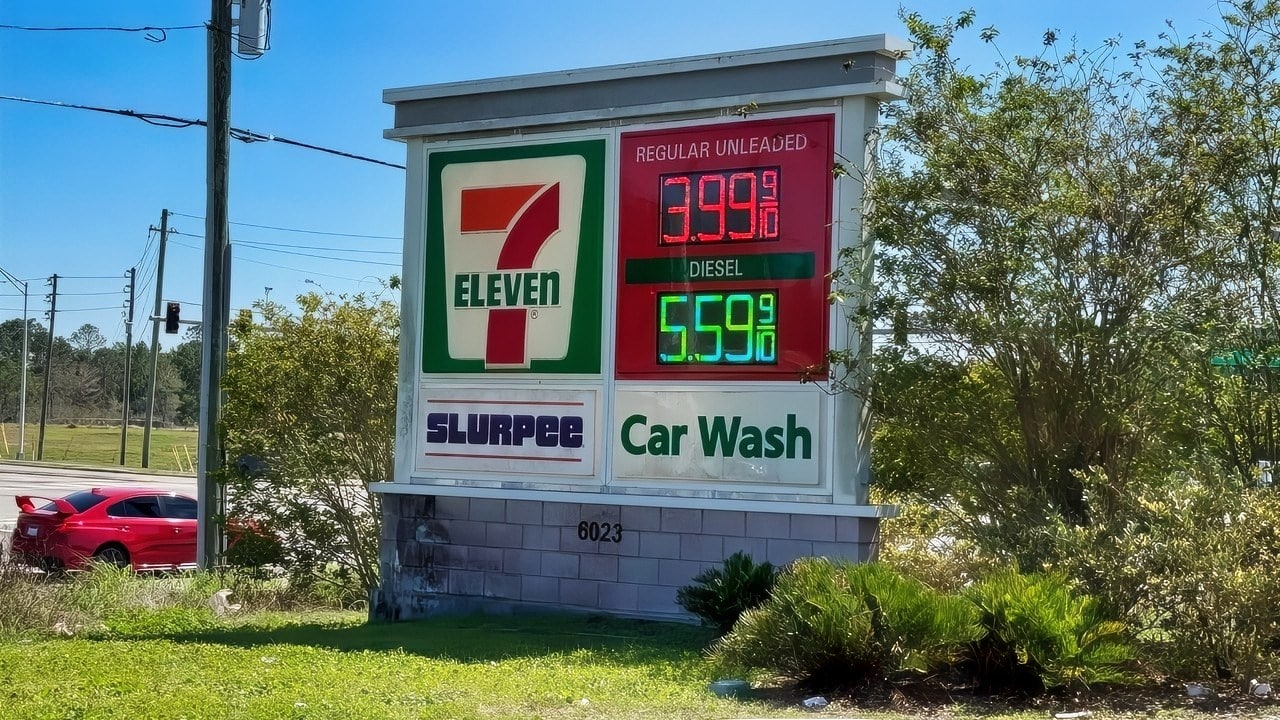
Gas Prices Keep Rising Due to Iran War. Image by 19FortyFive Editor Harry J. Kazianis in Davenport, Florida.
Iran has still accomplished a few strategic goals. The price of oil has spiked, causing pain at the pump for many in the West. The price of West Texas Intermediate crude is around $92 as of midday March 24.
This is the kind of economic warfare that Iran wanted to instigate against the United States and its allies.
High gasoline prices could negatively affect the upcoming midterm elections later this year, hurting Trump’s political party.
This oil supply disruption is not what the Americans had in mind when planning Operation Epic Fury. A complete closure of the Strait would take around 20 percent of the hydrocarbon supply off the market. Eighty percent of that is shipped to Asia.
Oil Predicted to Reach $98 with Lower Global GDP
Iran has also hurt international commerce. “Regardless of the likelihood of the Strait reopening in the future, the model implies that a closure of the Strait of Hormuz that removes close to 20 percent of global oil supplies from the market during second quarter 2026 is expected to raise the average West Texas Intermediate (WTI) price of oil to $98 per barrel and lower global real GDP growth by an annualized 2.9 percentage points in second quarter 2026,” according to the Dallas Fed.
Wait, Mr. President, You Said No More High Prices
This would also create inflation driven by fuel costs that power the world’s economies. Trump ran for president on cutting the cost of living and had previously bragged before the war that he had reduced gasoline prices. Politically, a talking point from his Democratic political rivals is that the country is not affordable for lower and middle-income families.
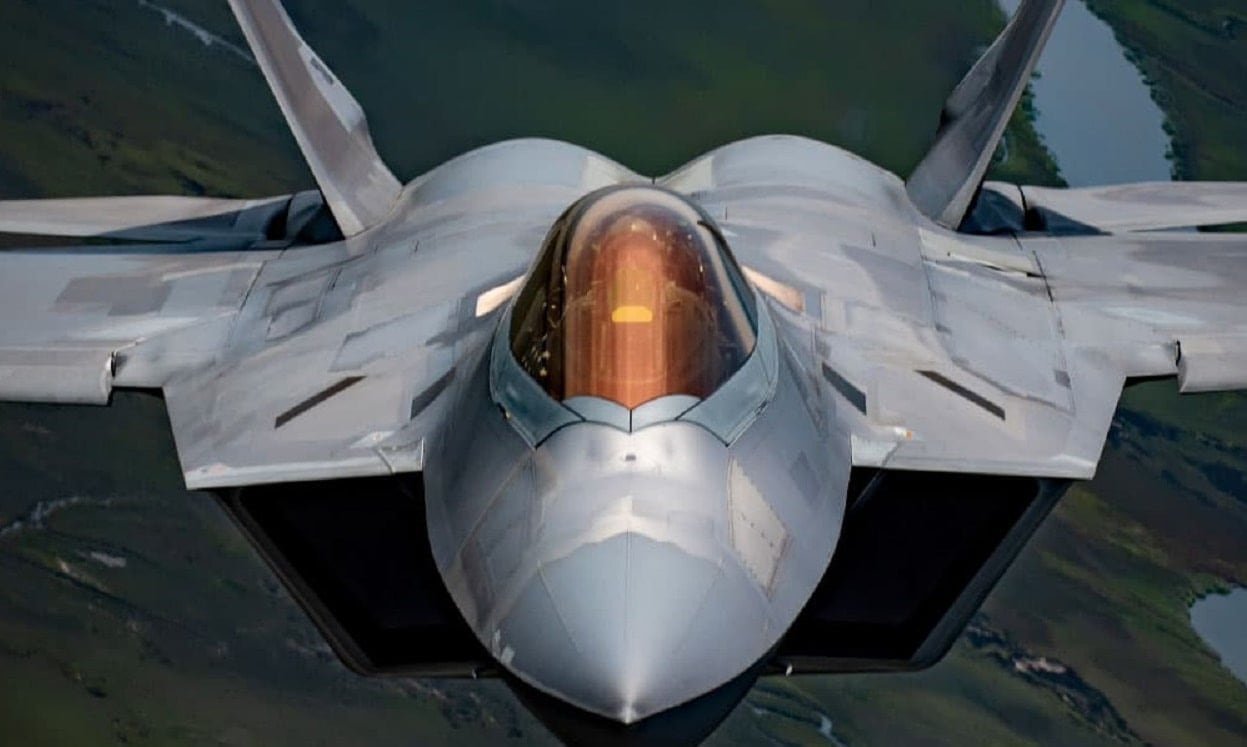
F-22 Raptor. Image Credit: Creative Commons.
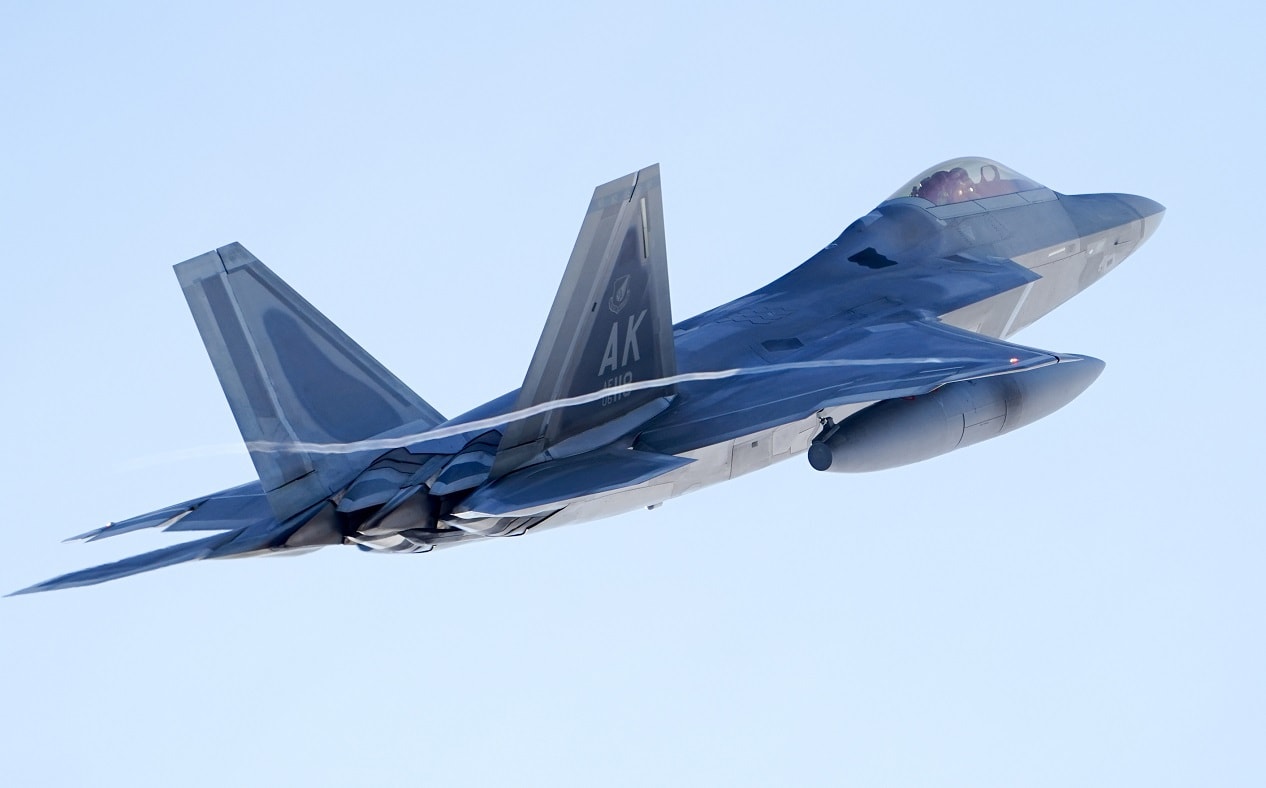
An F-22 Raptor takes off after Raptors from the 3rd Wing and 477th Fighter Group participated in a close formation taxi, known as an Elephant Walk, March 26, 2019, during a Polar Force exercise at Joint Base Elmendorf-Richardson, Alaska. This two-week exercise gives squadrons an opportunity to demonstrate their abilities to forward deploy and deliver overwhelming combat airpower. (U.S. Air Force photo by Justin Connaher)
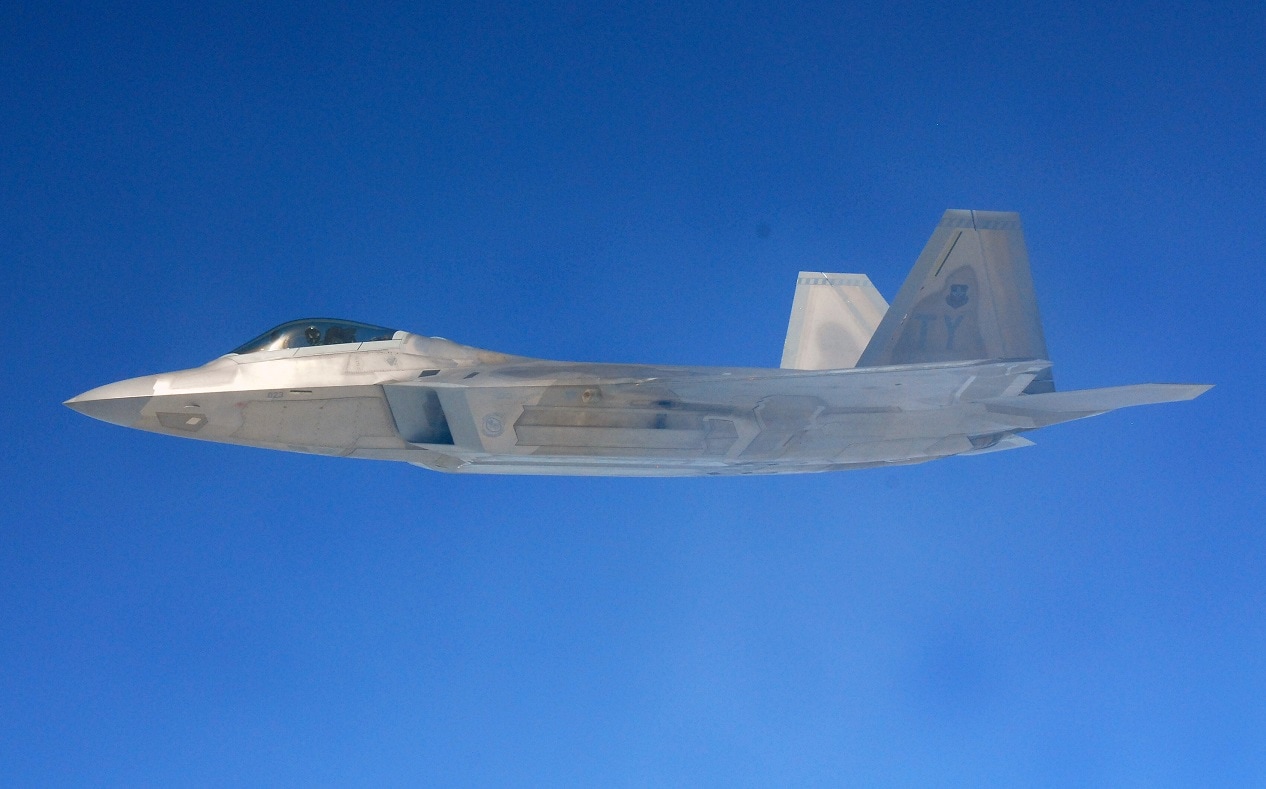
An F-22 Raptor from the 95th Fighter Squadron, Tyndall AFB, Florida, prepares to refuel mid-flight from a KC-135R Stratotanker from the 134th Air Refueling Wing, Tennessee.
A prolonged oil shock would remind many Americans that the Trump national security team did not consider all strategic economic factors before attacking Iran.
Iran Still Has Some Options
The Iranians themselves are holding a hand of cards that still could be a winning combination. Asymmetric warfare, even though its military has been decimated, can still cause much damage to the United States and its allies. The Strait needs to be completely open to return to normal international commerce and freedom of navigation.
The closure of the Strait also gives Iran time to improve the forces it still has. While mass production of airplanes and ships is not possible, it can still rely on the existing ballistic missiles and the drones it has left to attack American assets in the Middle East and hurt allies with one-way weapons.
Resisting Trump’s Peace Offerings
Thus, Iran may not fully participate in peace talks. It has every incentive to keep the Strait at least partially closed. The Americans do not have time on their side. Trump is hemmed in by the War Powers Resolution, which gives him 90 days before Congress must authorize military force that would keep Operation Epic Fury in business.
The votes may not be there to support Trump’s war. The Department of Defense is also requesting $200 billion to prosecute the war, and nearly all Democrats and some Republicans may not support that expenditure.
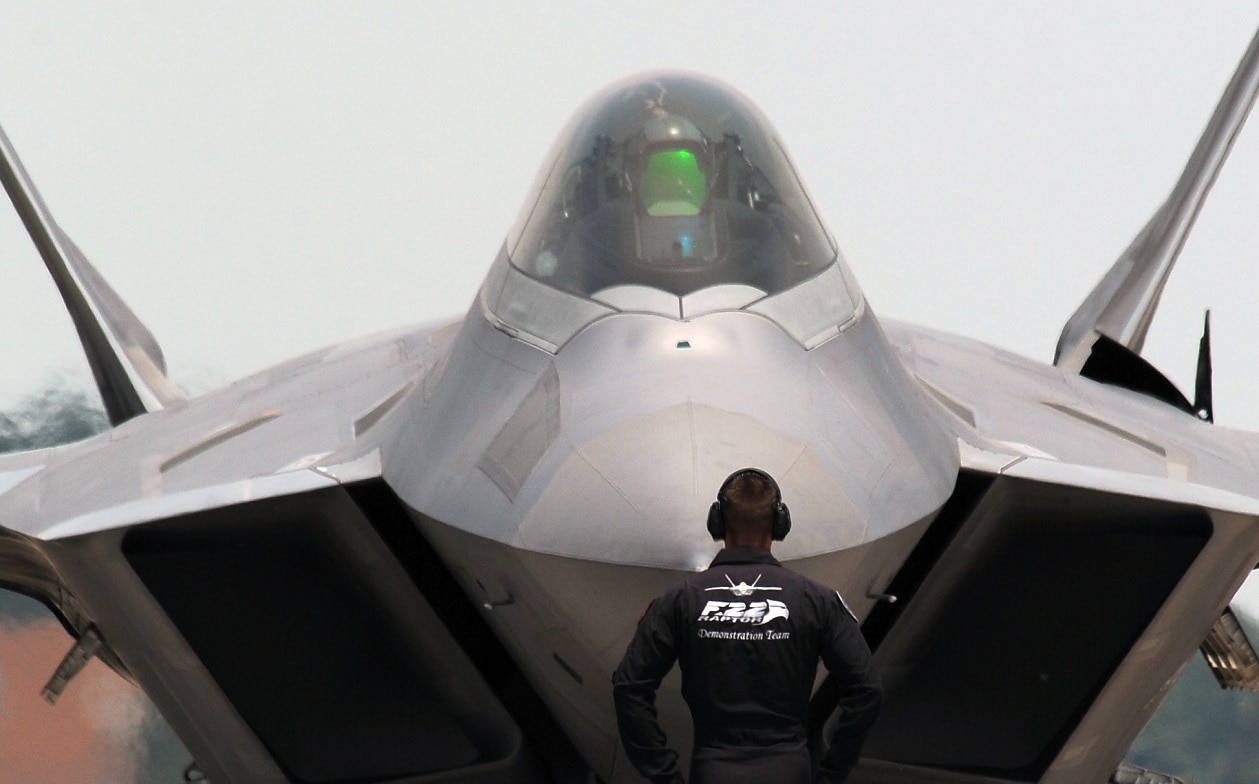
F-22 Raptor: Image Credit: Creative Commons.
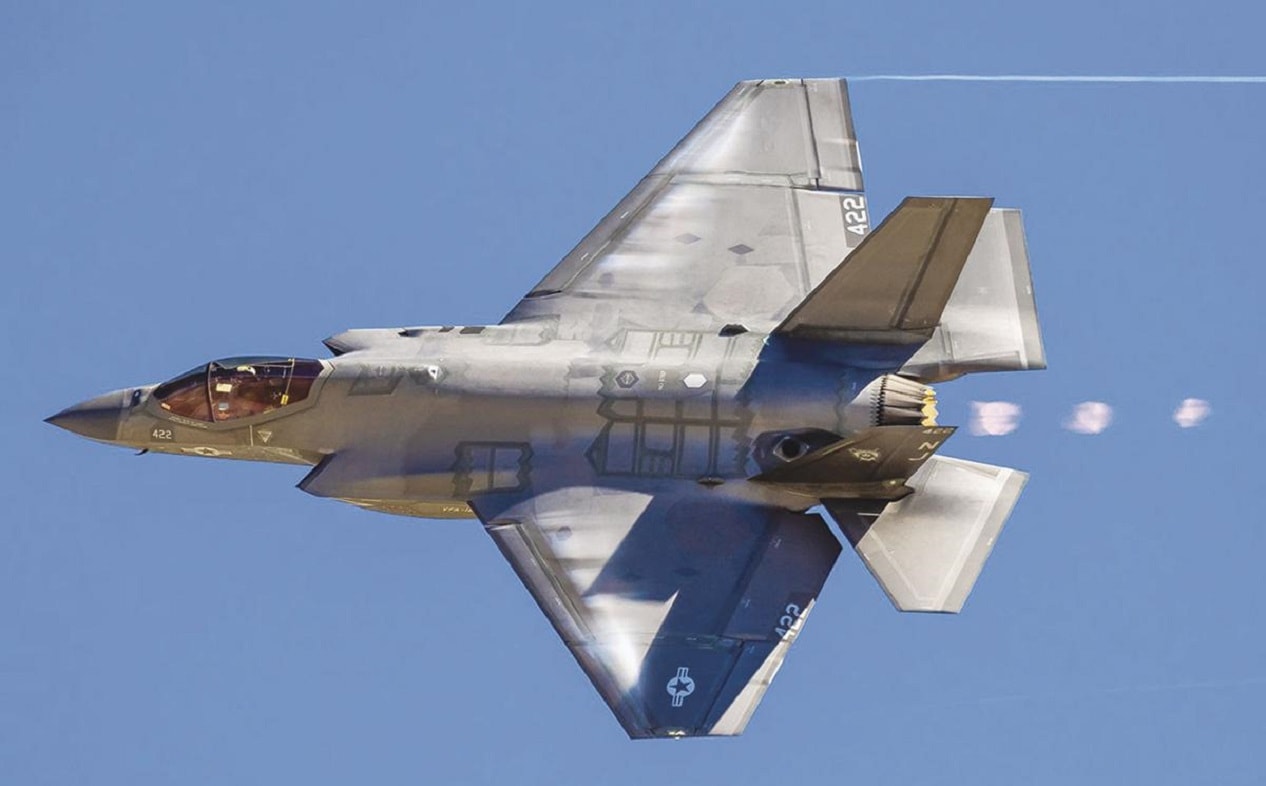
Image: Creative Commons.
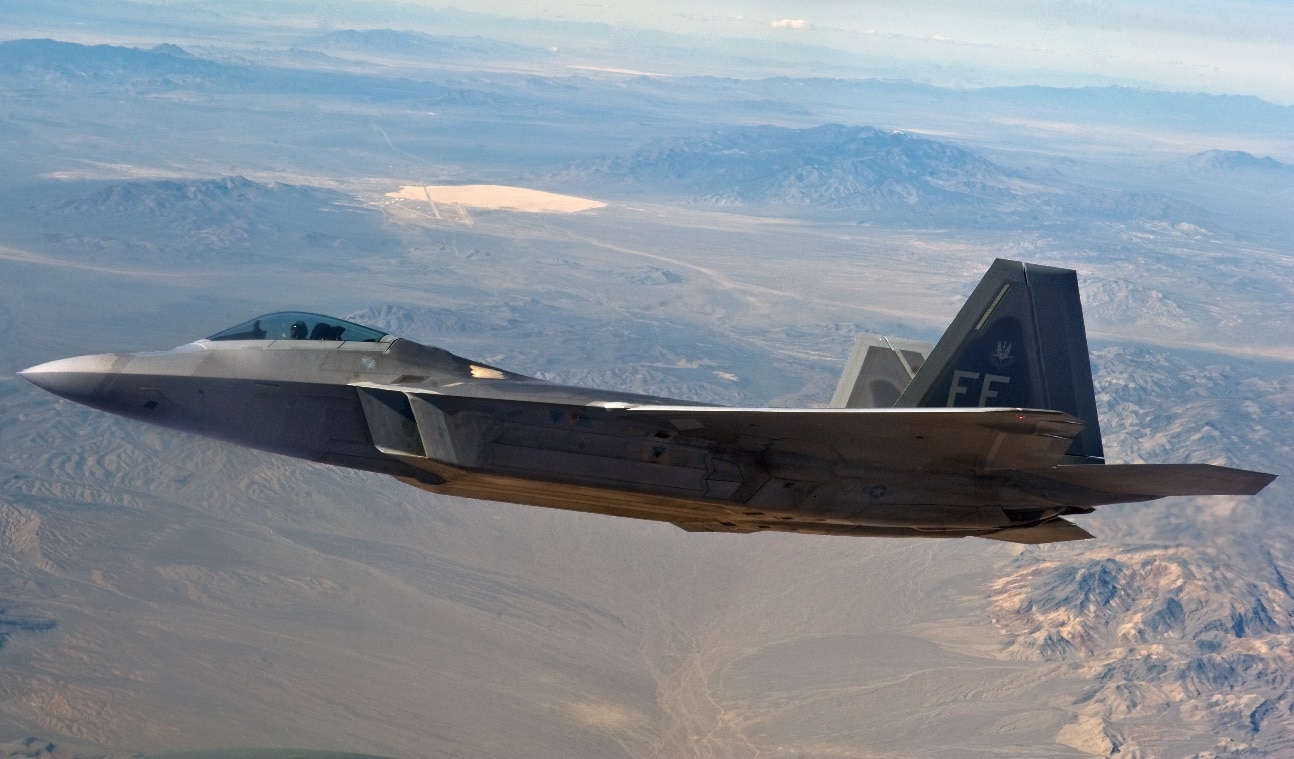
An F-22 Raptor from the 27th Fighter Squadron out of Langley Air Force Base, Va., participates in Red Flag 13-3 March 5, 2013, at Nellis AFB, Nev. Red Flag is a realistic combat training exercise involving the air forces of the United States and its allies. During the exercise, aircrews and ground crews train to fight, survive and win together. (U.S. Air Force photo by Senior Airman Matthew Lancaster)
Time will tell whether Trump can ensure the Strait of Hormuz remains completely open. This is Iran’s ace to play and will be telling if domestic and international support for the American and Israeli war against Iran can be deemed successful before it is over. An energy crisis will cause inflation and degrade economic growth.
This scenario could affect Trump’s second term by eroding confidence in his leadership, lowering his approval ratings, and costing him seats in Congress.
About the Author: Brent M. Eastwood
Author of now over 3,000 articles on defense issues, Brent M. Eastwood, PhD is the author of Don’t Turn Your Back On the World: a Conservative Foreign Policy and Humans, Machines, and Data: Future Trends in Warfare, plus two other books. Brent was the founder and CEO of a tech firm that predicted world events using artificial intelligence. He served as a legislative fellow for US Senator Tim Scott and advised the senator on defense and foreign policy issues. He has taught at American University, George Washington University, and George Mason University. Brent is a former US Army Infantry officer. He can be followed on X @BMEastwood.