In classic Trumpian fashion, the world was kept on pins and needles all day yesterday as the forty-seventh president apparently debated how harsh he wanted to be. In the morning, the American president vowed to destroy the entire Persian civilization for daring to oppose his demands (even though the Persian civilization had nothing to do with the Iran War; the Islamic Republic, Iran’s current regime, was the enemy Trump was fighting).
The Brink of Escalation: Iran War Ends?
As Trump’s self-imposed, bloody deadline of 8 p.m. Eastern Time approached, the B-52 Stratofortress long-range strategic bombers, likely equipped with JASSM-ER cruise missiles, ominously neared the Middle East.
It appears the US president was about to destroy Iran’s civilian energy infrastructure and the country’s ability to produce and refine its abundant oil and natural gas supplies.
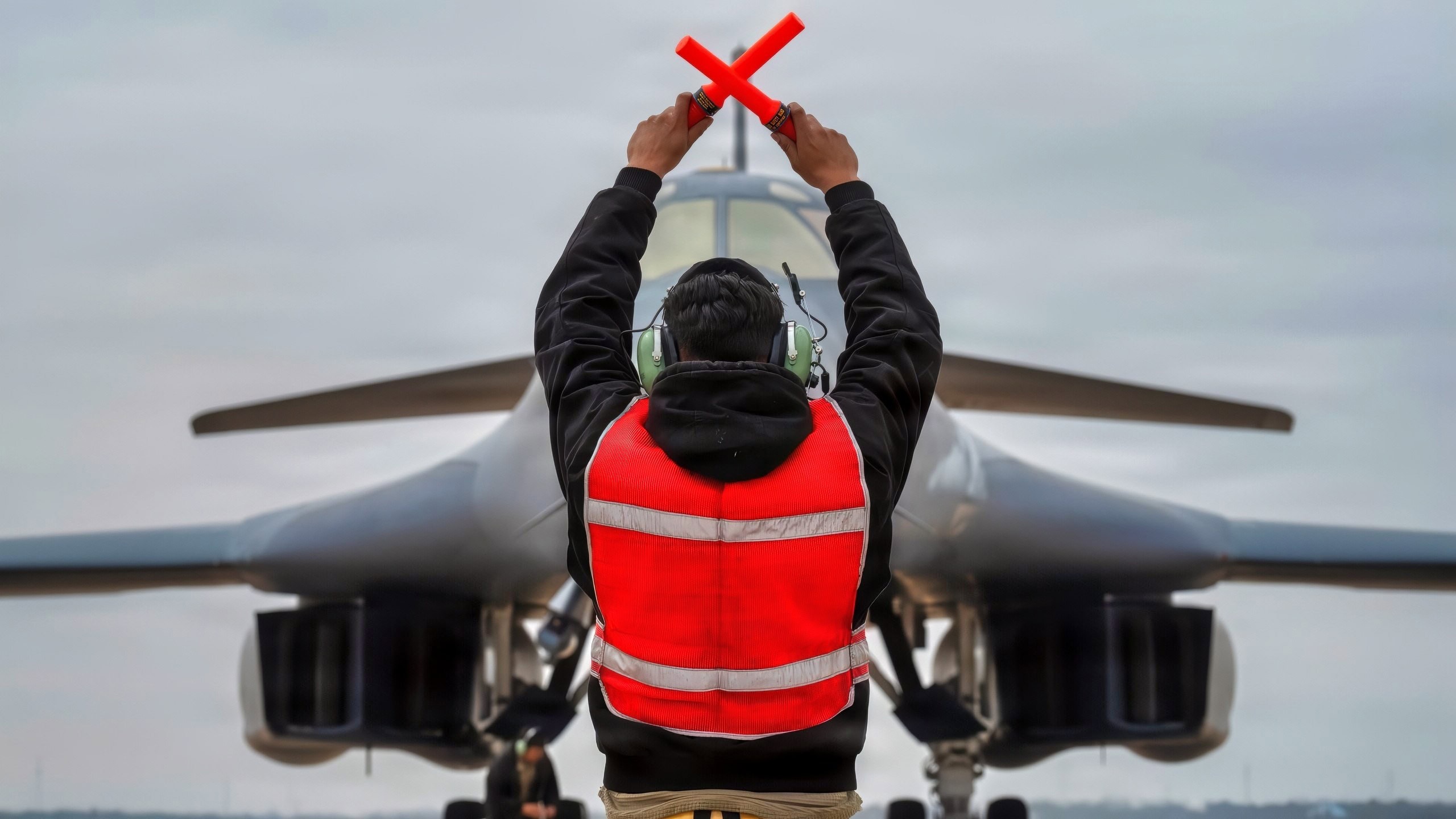
A U.S. Air Force B-1B Lancer crew chief marshals a B-1 after returning from a CONUS-to-CONUS mission in support of Operation Epic Fury, March 4, 2026. The B-1B is a long-range, multi-role bomber that carries the largest payload of precision guided and unguided munitions in the Air Force inventory. (U.S. Air Force photo)
Most experts believed that the imminent airstrikes on Persian civilization would push the president to escalate further by deploying US troops somewhere along the Iranian coast.
Others feared that this was all heading toward some form of nuclear war.
Trump’s Tactical Reverse-Uno Card
Then, the world seemed to freeze. Trump, ever the mercurial president, changed his mind. It was announced that a secret Pakistani diplomatic move had succeeded, and that the Iranians had proposed a ten-point plan for a ceasefire.
Trump graciously accepted.
The B-52s turned around and headed toward England. Indeed, the world breathed a sigh of relief. Trump spiked the ball. World War III, at least for the next two weeks, would be put on hold. Oil markets immediately corrected, too. The price of oil and natural gas dropped almost instantly, and people began to think that the recession we were speeding toward might be averted.
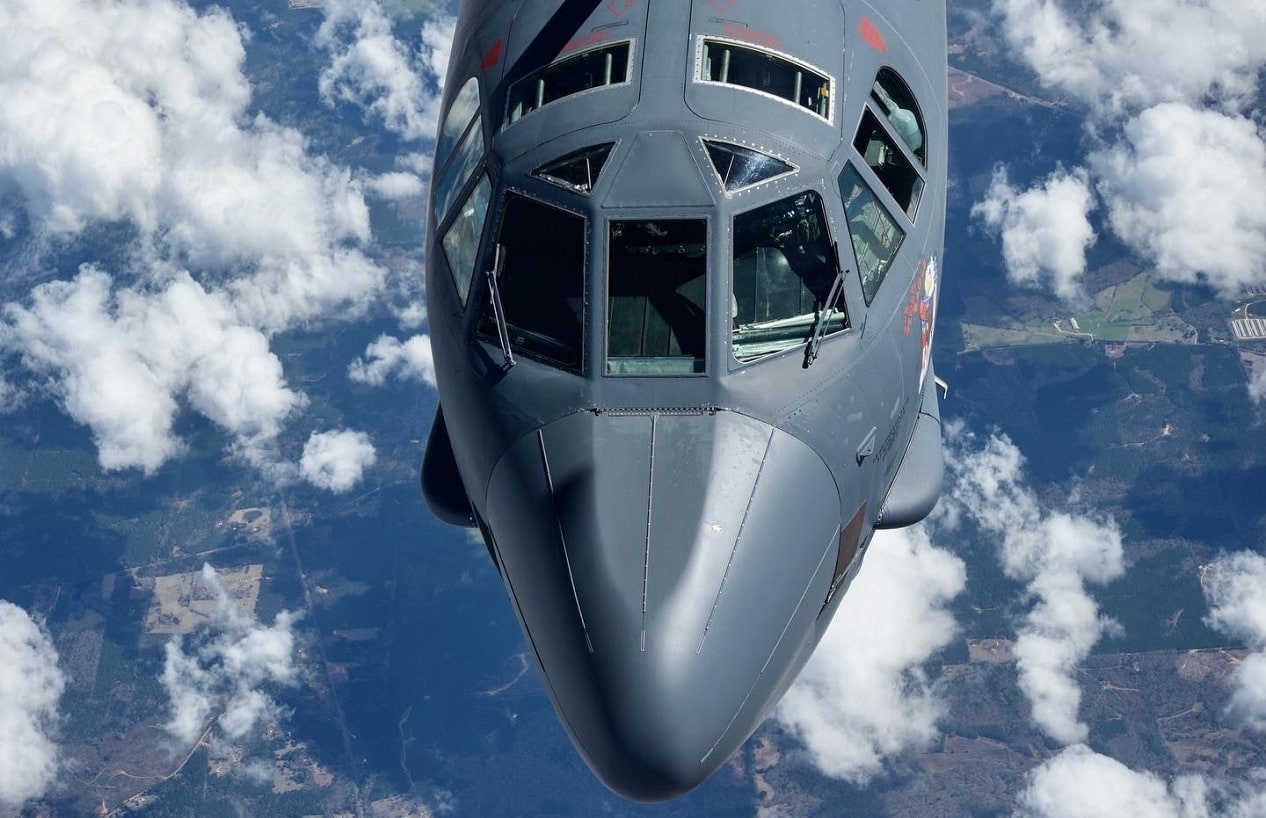
A U.S. Air Force KC-135 Stratotanker with the 927th Air Refueling Wing, Florida refuels a B-52 Stratofortress with the Barksdale Air Force Base, Louisiana, on February 26, 2021. On this mission there were two Stratotankers that refueled three Stratofortresses. (U.S. Air Force photo by Tiffany A. Emery)
A Strategic Reality Sets In
Undoubtedly, the president’s quick decision to avoid cultural genocide was the best of bad options.
However, when looking at the overall situation—what has been proposed and what is likely to occur—there’s no way to dismiss the harsh reality of America’s current position in the Greater Middle East: The United States lost the war on a strategic level.
The Pakistani connection is crucial to understanding why this ceasefire has a better chance of success than earlier efforts. It’s threefold.
Pakistan: The Hidden Powerbroker
First, Pakistan acted as an intermediary for several interested parties, including the People’s Republic of China, Russia, Turkey, and the Gulf sheikhdoms, all of whom sought to end the war.
Second, Pakistan’s leadership has a very close personal relationship with the forty-seventh American president. They respect each other, and Trump was probably influenced by personal appeals from Pakistani leaders. Lastly, because Pakistan is a fellow Muslim country (mainly Sunni) with a large nuclear arsenal, Iran also respected the Pakistani offer.
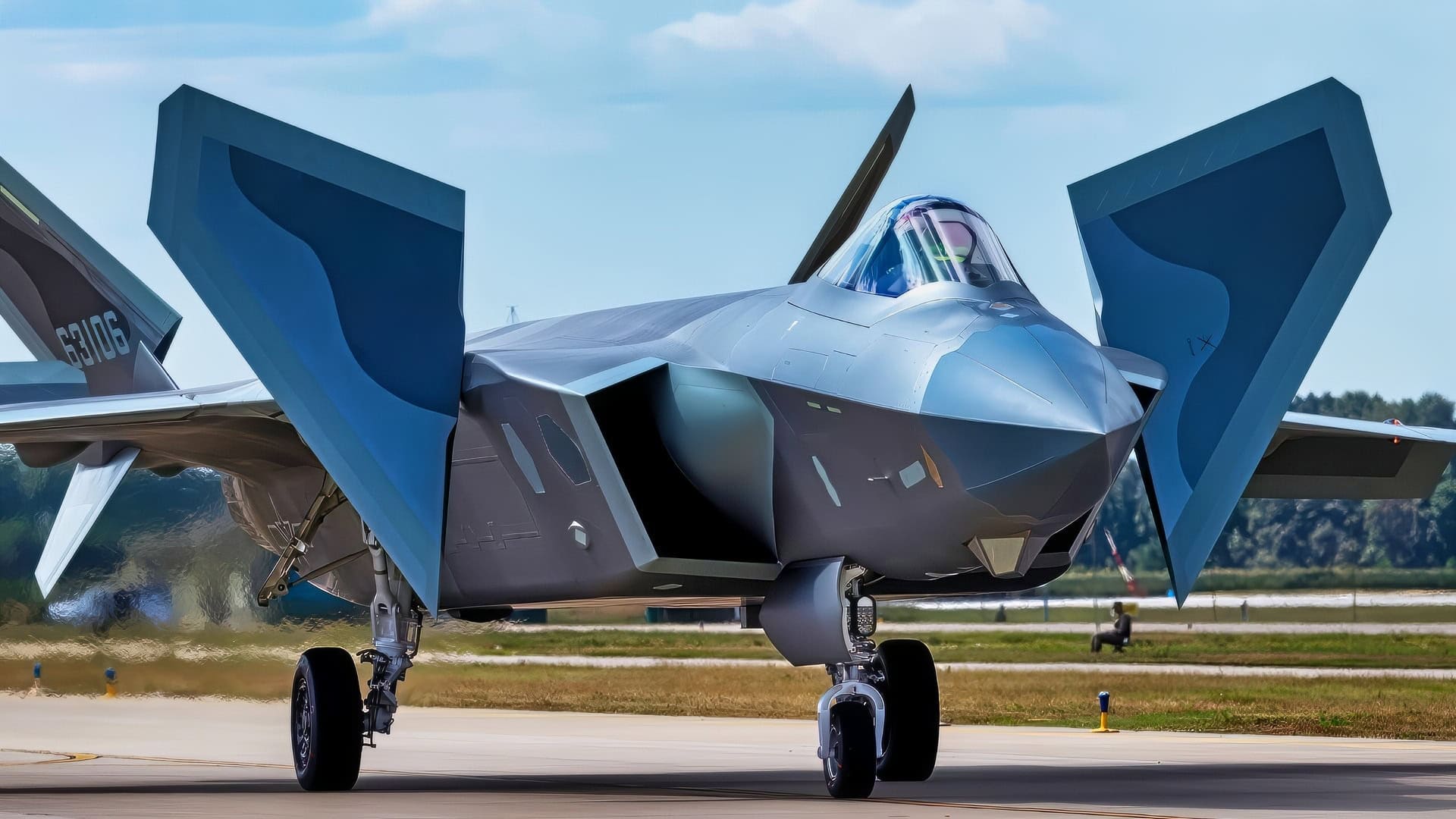
J-20 Fighter 2025 Photo. Image Credit: Creative Commons.
China’s Quiet Dominance
Here’s the important part (and even President Trump acknowledged this after he decided not to attack Iran): China’s role cannot be overstated. Many experts believe Beijing provided certain guarantees to its Iranian partners regarding the United States’ fulfillment of its end of any agreement.
Given the poor track record the United States under President Trump had with respecting diplomatic talks, Tehran was not foolish to seek such guarantees from China, a country that is clearly the dominant superpower today.
And Beijing needed to provide such guarantees mainly because the Chinese didn’t want to see the region’s energy trade further disrupted by the American attacks last night, which would have completely destroyed the region’s energy production and trade—something China relies on.
Additionally, culturally, the Chinese value stability in the regions around them, so they were already inclined to seek a diplomatic resolution to the conflict initiated by the United States and Israel.
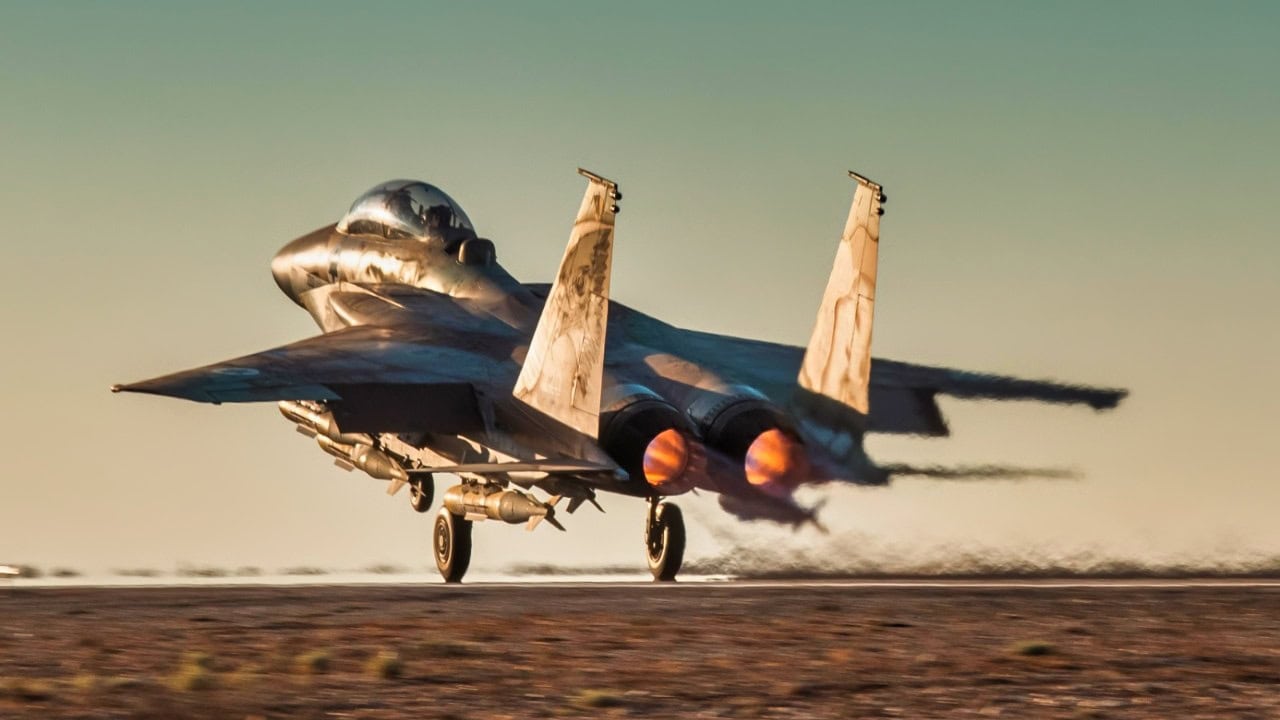
F-15I Ra’am. Image Credit: IDF.
Of course, the China factor also significantly influences President Trump. You see, contrary to his claims, not every part of his global Trade War has gone as planned. This is especially true regarding China’s experience in the Trade War.
Since the Chinese had time to prepare for the inevitable Trade War and are less exposed to trade with the United States than core American industries are to trade with China, Beijing has both endured the Trade War and come out ahead. Trump desperately wants to mitigate that conflict, but China has refused to meet with the US president until the situation in Iran is resolved.
So, the incentives were there for Trump to pull back from his most dangerous threats earlier this week.
The “New” Deal That Isn’t New
As for the alleged ceasefire proposal, it is nothing new. It was the same offer that the Islamic Republic made to the Americans more than a week ago, which the forty-seventh president rejected.
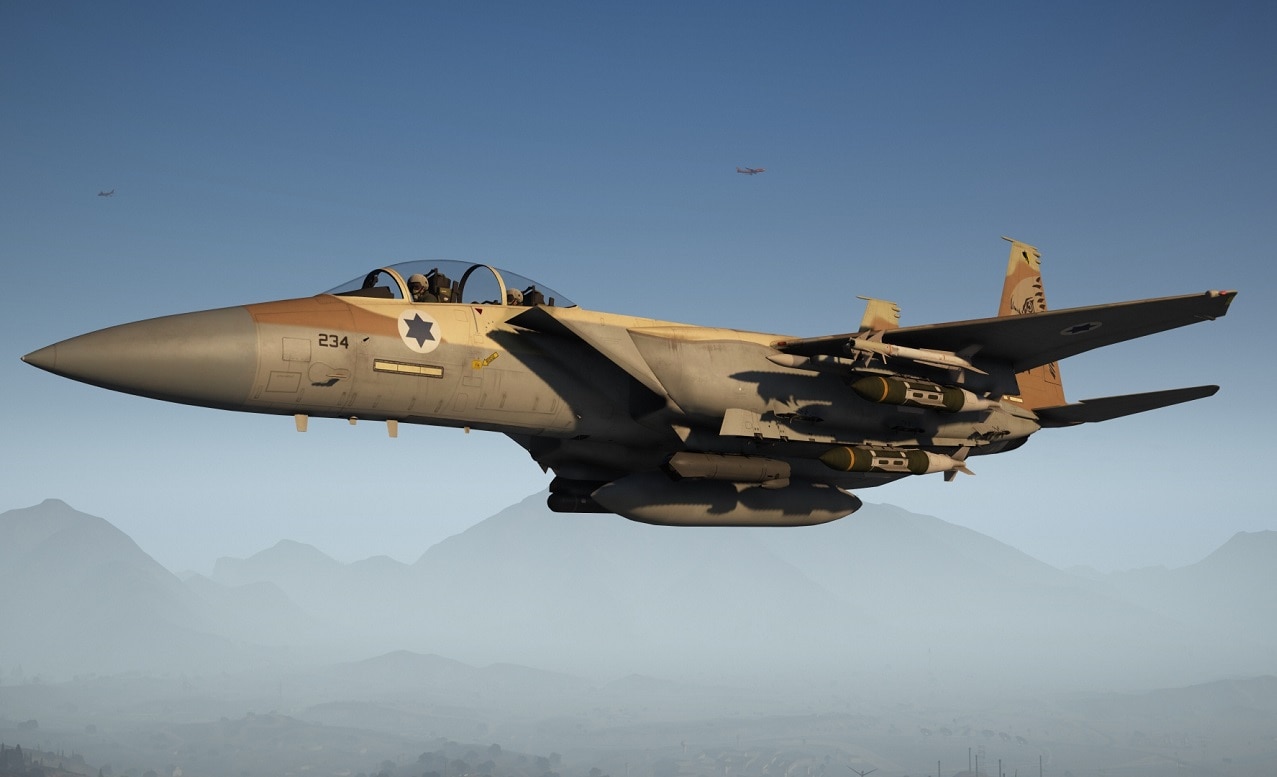
F-15I Ra’am. Image Credit: Creative Commons.
Since the US Corporate Press cannot do its job, the president was able to spin that old Iranian proposal as something new, allowing him to accept what he otherwise knew he could not accept (without appearing to surrender to the Islamic Republic).
Sanctions Collapse, Regime Strengthens
The ten-point plan proposes allowing Iran to establish a toll booth within the crucial Strait of Hormuz, where Tehran would collect tens of billions of dollars annually by charging transit fees.
As a reminder, nearly 20 percent of the world’s vital oil and other key goods pass through this waterway. Never had the isolated and unpredictable Islamic Republic of Iran attempted to extract such a steep price from global shipping via a waterway that runs along its coastline. Now, however, Tehran is about to get it.
Then there are the demands for complete and immediate sanction relief. With Iran setting up a new toll booth (likely to be paid in Chinese yuan by global shippers) and calls to end US sanctions on the Islamic Republic, we see the revival of Iran’s otherwise stagnant economy.
In fact, the highly publicized protests that broke out in Iran late last year were not necessarily about opposition to the Islamic Republic. Instead, they stemmed from widespread anger over the poor economic conditions in Iran, which were largely caused by US sanctions. After this conflict, funds will start flowing into the Islamic Republic’s coffers like never before.
Missiles, Nukes, and Leverage
There’s also the issue of Iran’s ballistic missile arsenal.
Well, Tehran likely won’t give that up anytime soon. However, the good news is that, supposedly, the Iranians are open to allowing the US to send personnel into the suspected Iranian nuclear weapons sites (that were allegedly “obliterated” last year by US bombers) to retrieve any remaining nuclear materials buried beneath the rubble of those damaged mountain complexes in places like Isfahan.
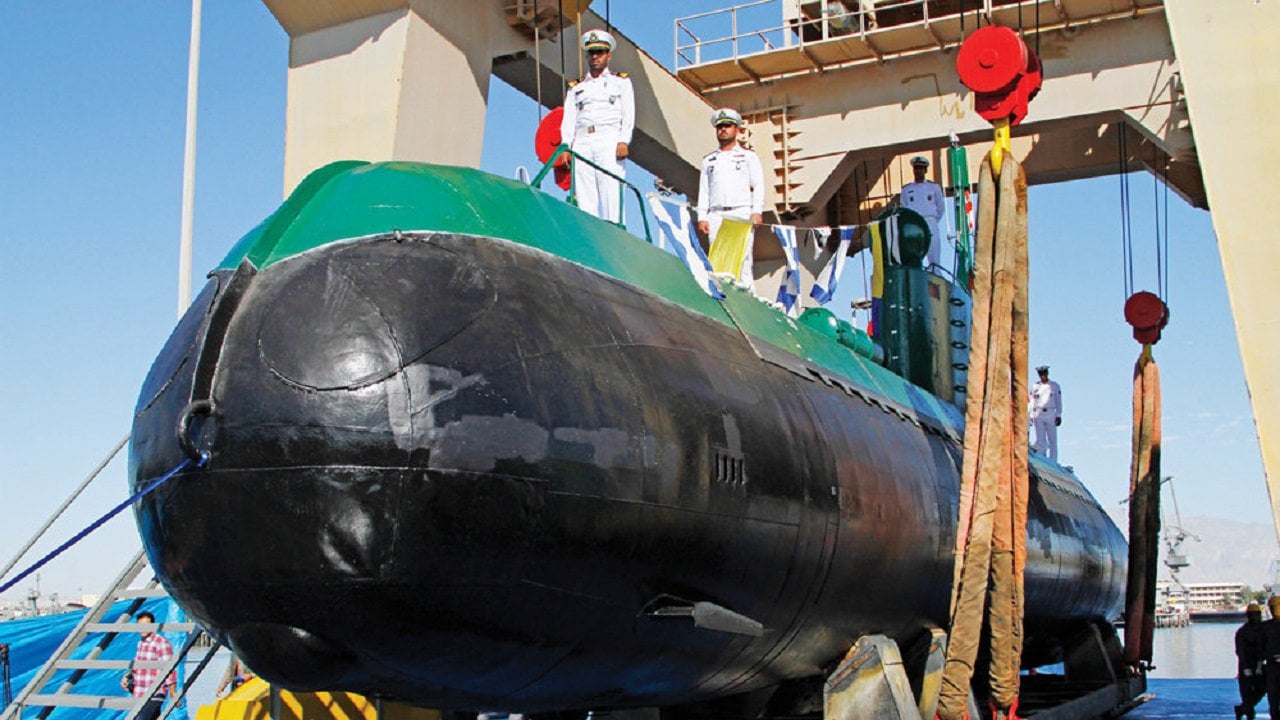
Ghadir Submarine. Image Credit: Iran State Media.
Clearly, if the Iranians are willing to accept such an outcome, they believe they are gaining the upper hand. Essentially, the US and Israel went to war intending to topple the Iranian regime and replace it with a government more favorable to American and Israeli interests.
The war has bolstered the Islamic Republic and is likely to ensure they become a regional power, while the way is now set for a permanent US withdrawal from the region—if the ceasefire becomes lasting.
Israel’s Growing Isolation
Meanwhile, Prime Minister Benjamin Netanyahu’s current government in Israel will become isolated and caught in an unpopular war in Southern Lebanon, while Iran potentially continues its missile attacks on the region’s only Jewish democracy.
All the legal woes that were plaguing Netanyahu before the 10/7 attacks, as well as the questions surrounding the security failures of that awful day in 2023 in which Hamas managed to attack and kill so many innocents, are likely to resurface.
With Netanyahu having been fixated on his multiple offensives since 10/7, as those wind down, and the damage to Israel is assessed, it is very likely that his own people turn on him, and the Likud government collapses at some point.
The Outcome: US-Israeli Strategic Defeat
Overall, this is not a strategic victory for Team America.
It’s a defeat (if Trump actually goes through with cementing the ceasefire). Luckily, for now, the kinetic part of the conflict has ended, and everyone seems to be heading to their neutral corners to regroup.
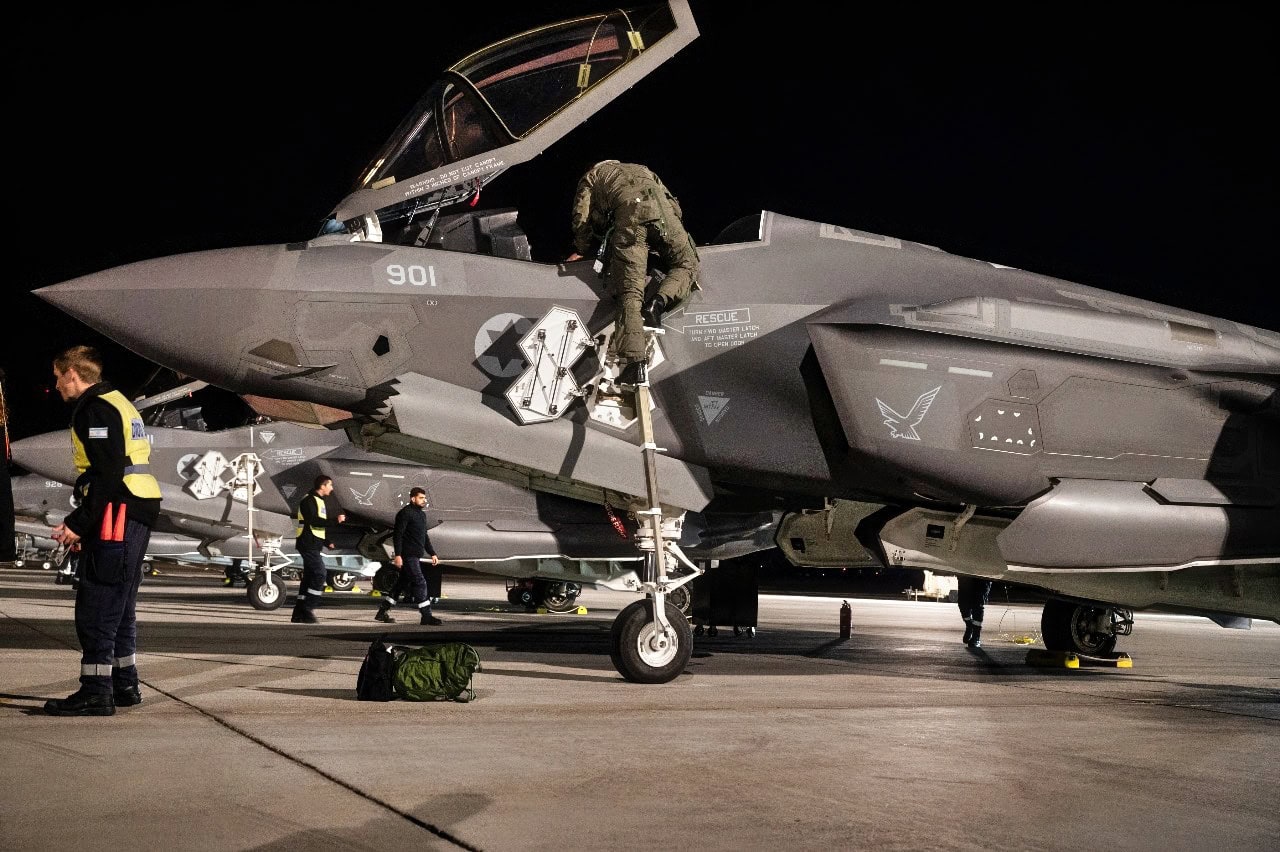
An Israeli Air Force pilot climbs into an F-35I Adir prior to a Red Flag-Nellis 23-2 mission at Nellis Air Force Base, Nevada, March 16, 2023. Red Flag is an opportunity to build on the success of JUNIPER OAK 23-2, JUNIPER FALCON, and additional combined exercises to enhance interoperability with Israel, strengthen bilateral cooperation, and improve capabilities in ways that enhance and promote regional stability and reinforce the United States’ enduring commitment to Israel’s security. (U.S. Air Force photo by Airman 1st Class Trevor Bell)
However, unlike last year’s inconclusive 12-Day War, this reset probably won’t lead to another round of hostilities from the United States, mainly because any potential deal would permanently strengthen the Islamic Republic, and America’s regional partners—and China—working through Pakistan have cornered the increasingly isolated American power with this proposed agreement.
Hope, As Always, Springs Eternal (the Path Forward)
Ultimately, if the president can do more than just spin this clear strategic defeat as a victory in the compliant American press, he might turn it into a long-term strategic win. That’s because the Middle East has never been the focus of US national interests.
The true core of US national security lies in the Western Hemisphere and above the Earth, as well as in the ocean routes leading into the Indo-Pacific.
Continuing this costly war with Iran results in a decline of American influence in these three more vital regions.
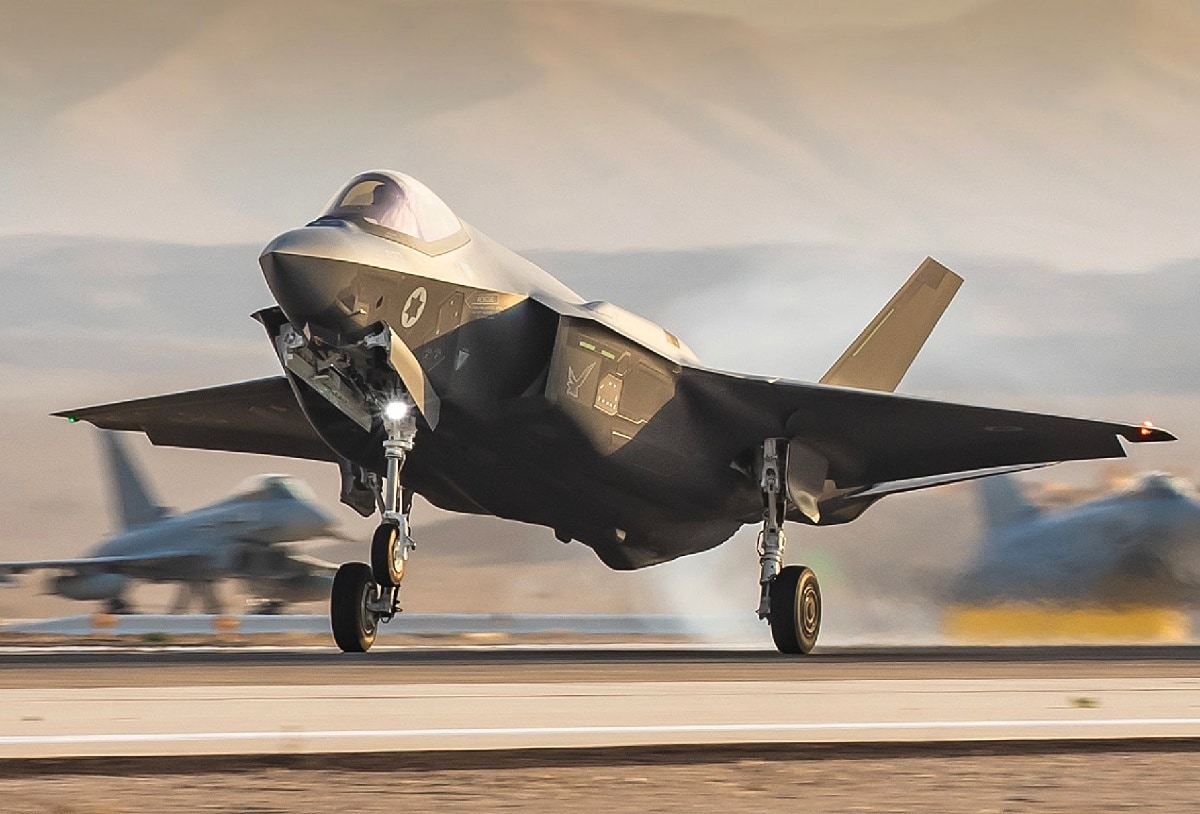
F-35I Adir. Image Credit: Creative Commons.
Therefore, if Trump can withstand the current challenges in the Mideast, withdraw most US presence there permanently, and follow through on the strategy of Western Hemispheric Defense plus Space Dominance outlined in last year’s National Security Strategy (NSS) and the National Defense Strategy (NDS) memos, then the US can begin to rebuild itself and lay the groundwork for being a more competitive player against China.
About the Author: Brandon J. Weichert
Brandon J. Weichert is the Senior National Security Editor at 19FortyFive.com. Recently, Weichert became the editor of the “NatSec Guy” section at Emerald.TV. He was previously the senior national security editor at The National Interest. Weichert is the host of The National Security Hour on iHeartRadio, where he discusses national security policy every Wednesday at 8pm Eastern. He hosts a companion show on Rumble entitled “National Security Talk.” Weichert consults regularly with various government institutions and private organizations on geopolitical issues. His writings have appeared in numerous publications, among them Popular Mechanics, National Review, MSN, and The American Spectator. And his books include Winning Space: How America Remains a Superpower, Biohacked: China’s Race to Control Life, and The Shadow War: Iran’s Quest for Supremacy. Weichert’s newest book, A Disaster of Our Own Making: How the West Lost Ukraine, is available for purchase wherever books are sold. He can be followed via Twitter/X @WeTheBrandon.