
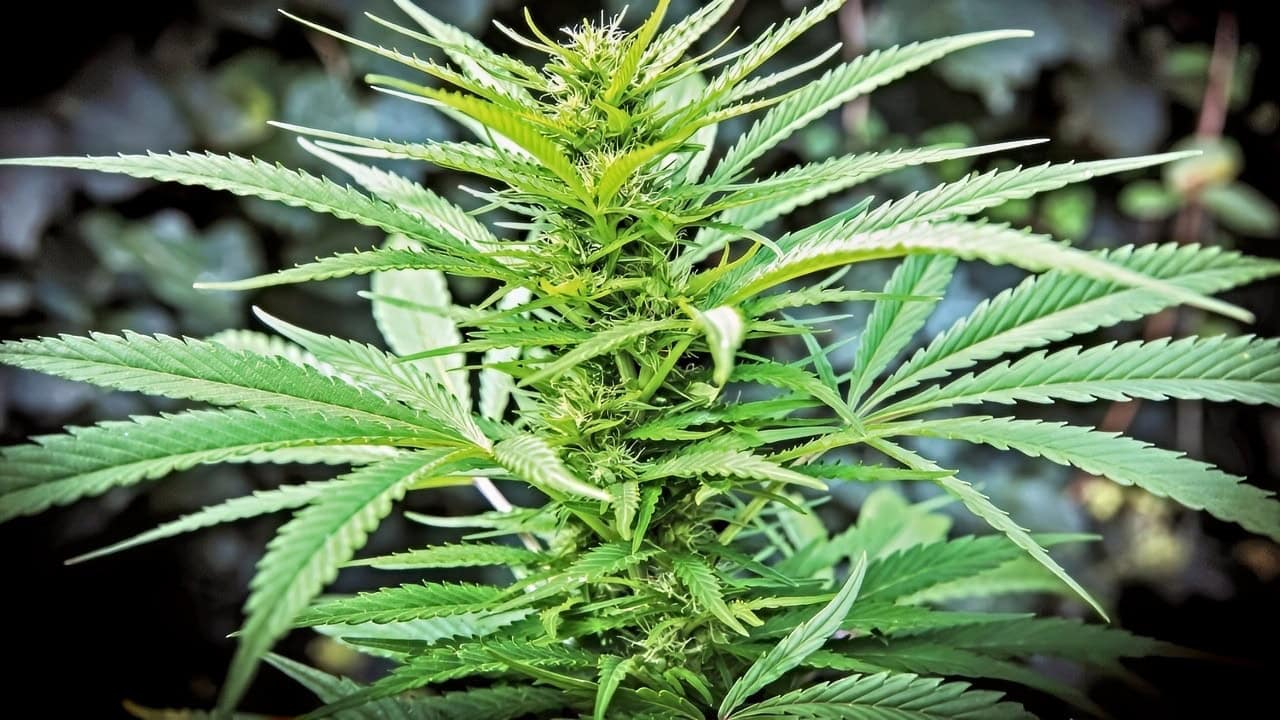
The use of marijuana or any usage of cannabis is currently prohibited in the United States military, but historically, it has been used recreationally by some troops, and some cannabis-based medicines were used in the military as late as the twentieth century.
Marijuana usage remains a significant issue in the U.S. Army due to its status as a federally controlled substance, enforcing a strict zero-tolerance policy. While policies are evolving regarding past usage for recruits, active duty, guard, and reserve personnel face mandatory separation for positive drug tests.
Positive drug test results violate Article 112A of the Uniform Code of Military Justice (UCMJ), leading to prosecution and mandatory separation.

(Jan. 22, 2026) — Recruits take the Naturalization Oath of Allegiance to the United States of America during a naturalization ceremony inside the Recruit Memorial Chapel onboard Recruit Training Command (RTC) on January 22, 2026. Training is approximately nine weeks and all enlistees in the U.S. Navy begin their career at the command. More than 40,000 recruits train annually at the Navy’s only boot camp. (U.S. Navy photo by Mass Communication Specialist 1st Class John Suits)
However, some things are beginning to change.
Recruitment Policy Change (As of April 20, 2026):
The U.S. Army has updated its policy to eliminate the need for waivers for recruits with a single past conviction for marijuana or associated paraphernalia possession.
Col. Angela Chipman, chief military personnel accessions & retention division, said, “Waivers were being approved at a 95 percent rate, so the higher approval authority created an unnecessary administrative burden.”
“The standards, when it comes to felonious behavior, have not changed,” she added. “We’re not going to lower that.”
However, soldiers are prohibited from using medical marijuana, even with a state-issued prescription.

A U.S. Air Force Combat Leader Course instructor assigned to the 68th Rescue Squadron conducts a training exercise at Davis-Monthan Air Force Base, Arizona, April 10, 2026. The Combat Leader Course is an intensive training event that develops pararescuemen’s advanced rescue tactics and leadership abilities. (U.S. Air Force photo by Airman 1st Class Jaden Kidd)
Soldiers may also face administrative actions, including a bar to re-enlistment, a loss of tuition assistance for college or technical training, loss of opportunities to attend military schools, and suspension or loss of a security clearance.
Civilian personnel and contractors are not subject to the UCMJ, but they can still face career-impacting administrative actions. The most serious is the suspension or loss of a security clearance, which can affect a person’s ability to do their job.
Federal Classification Of Marijuana and Cannabis Is An Issue:
Since 1970, marijuana has been classified as Schedule I, defined as having no accepted medical use and a high potential for abuse. That is changing.
Marijuana is in the process of being reclassified from a Schedule I to a Schedule III controlled substance under federal law, following a December 2025 executive order. This shift recognizes accepted medical uses and lower dependency risks, differentiating it from high-risk drugs like heroin and cocaine.
While not fully legalizing recreational marijuana at the federal level, this change facilitates more research, eases banking restrictions for businesses, and aligns federal policy more closely with state-level medical laws.

U.S. Marines and Sailors with Combat Logistics Regiment 1, 1st Marine Logistics Group, participate in a regimental sustainment hike on Marine Corps Base Camp Pendleton, California, April 9, 2025. The sustainment hike enhanced physical readiness and ensures Marines maintain combat readiness to remain ready to support future operations and deploy at a moment’s notice. (U.S Marine Corps photo by Sgt. Calah Thompson)
However, even with reclassification, military and federal employment policies may continue to restrict its use due to concerns about judgment, reliability, and security clearances.
Veterans Under The Care of The Department Of Veterans’ Affairs:
For veterans, the medical use of marijuana is a bit more permissive—but still restrictive. The Department of Veterans Affairs (VA) does not allow its doctors to prescribe medical marijuana, and until recently, even recommending it was largely off-limits due to federal law.
However, until the Food and Drug Administration removes cannabis from its Schedule I, as policy shifts in 2025 and 2026 suggest that this is about to change, it is still considered illegal. Some measures would allow VA doctors to discuss or recommend cannabis in states where it is legal, though they still cannot prescribe it or cover its cost.
Importantly, veterans will not lose VA benefits for participating in state-approved medical marijuana programs, and providers can include cannabis use in treatment planning.

A U.S. Air Force Tactical Air Control Party (TACP) Airman with Detachment 2, 6th Combat Training Squadron, listens to briefing during small arms training at Joint San Antonio–Camp Bullis, Texas, April 8, 2026. TACP training focuses on combat readiness, featuring weapon retention, target engagement under pressure, and combat field skills, preparing Airmen to operate effectively in combat environments. (U.S. Air Force photo by Melissa Hydrick)
Many former service members advocate for expanded access to medical marijuana as a treatment for conditions such as PTSD, chronic pain, and traumatic brain injuries, although further testing is warranted.
Marijuana Remains An Issue For the Army But Not A Major One:
Marijuana usage remains an issue for the U.S. Army in 2026, primarily affecting recruitment, retention, and military justice, under the UCMJ, rather than widespread active duty use.
While the Army has eased rules to allow recruits with a single conviction, it still maintains strict prohibition for service members, with positive tests leading to a possible mandatory separation.
About the Author: Steve Balestrieri
Steve Balestrieri is a National Security Columnist. He served as a US Army Special Forces NCO and Warrant Officer. In addition to writing on defense, he covers the NFL for PatsFans.com and is a member of the Pro Football Writers of America (PFWA). His work was regularly featured in many military publications.