The Iran Deal Won’t Buy America Security. It Will Cost It: Proponents of the emerging nuclear agreement with Iran have settled on a convenient argument: the American-Israeli alliance functions as long as interests diverge, and we have reached that point. Washington, they insist, is more secure with this deal than without it.
It is a seductive argument. It is also wrong.
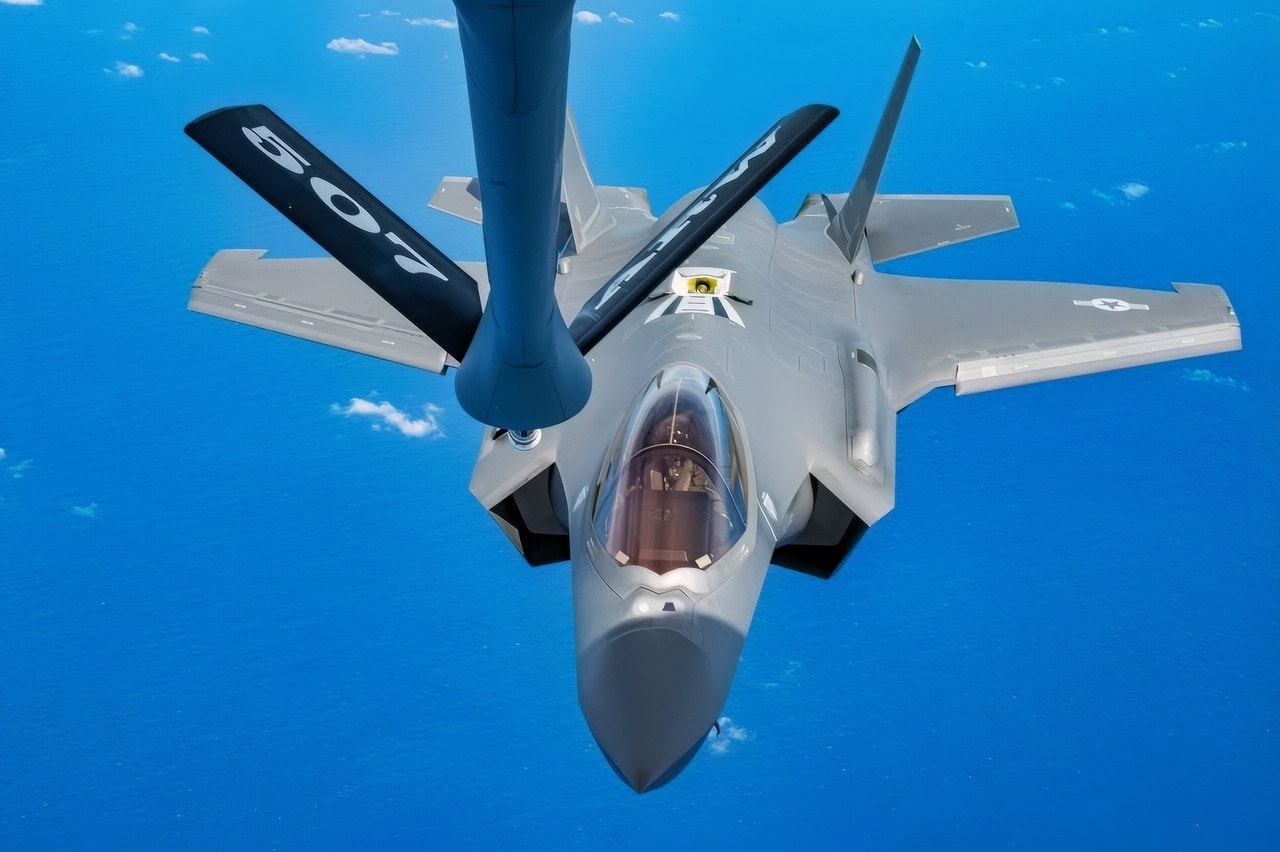
A U.S. Air Force F-35A Lightning II assigned to the 134th Fighter Squadron, Burlington Air National Guard Base, Burlington, Vermont is in pre-contact over the U.S. Indo-Pacific Command area of responsibility before receiving fuel from a U.S. Air Force KC-135 Stratotanker assigned to the 465th Air Refueling Squadron, Tinker Air Force Base, Oklahoma during exercise Cope North 2025, Feb. 7, 2025. The KC-135 provides the core aerial refueling capability for the U.S. Air Force and has performed this role for over 50 years. It provides aerial refueling to the U.S. Air Force, U.S. Navy, U.S. Marine Corps and allied nation aircraft during CN25 to support exercise operations. (U.S. Air Force photo by Staff Sgt. Caleb Roland)
What We Know Right Now Looks Like a Mistake
The full text of this agreement has not yet been made public. But the architecture of what is being negotiated is already visible, and what it reveals is not a strategic realignment in America’s favor, but a willingness by the Trump administration to legitimize the Islamic Republic, guarantee its survival, and acquiesce to a regime currently celebrating its ability to coerce the world’s most powerful nation into diplomatic submission.
Tehran did not come to the table from a position of weakness. It came having weaponized the Strait of Hormuz, having absorbed American and Israeli firepower, and having demonstrated to its own people and to the world that it could force Washington to blink.
That is not the backdrop of a deal that advances American interests. That is the backdrop of a capitulation dressed in diplomatic language, and the distinction matters enormously for what comes next.
The Islamic Republic is not celebrating because it made painful concessions. It is celebrating because it didn’t have to. Whatever technical constraints ultimately appear in the agreement’s text, the strategic signal has already been sent. A regime that was supposed to be brought to its knees through maximum pressure, military strikes, and international isolation has instead emerged with its government intact, its narrative validated, and its leverage confirmed. Its leaders will tell their population, and every regional actor watching, that they faced down the Americans and won. In the currency of Middle Eastern geopolitics, that is worth more than any centrifuge agreement.
A Bad Deal
Consider what this deal will yield in practice, regardless of the fine print.
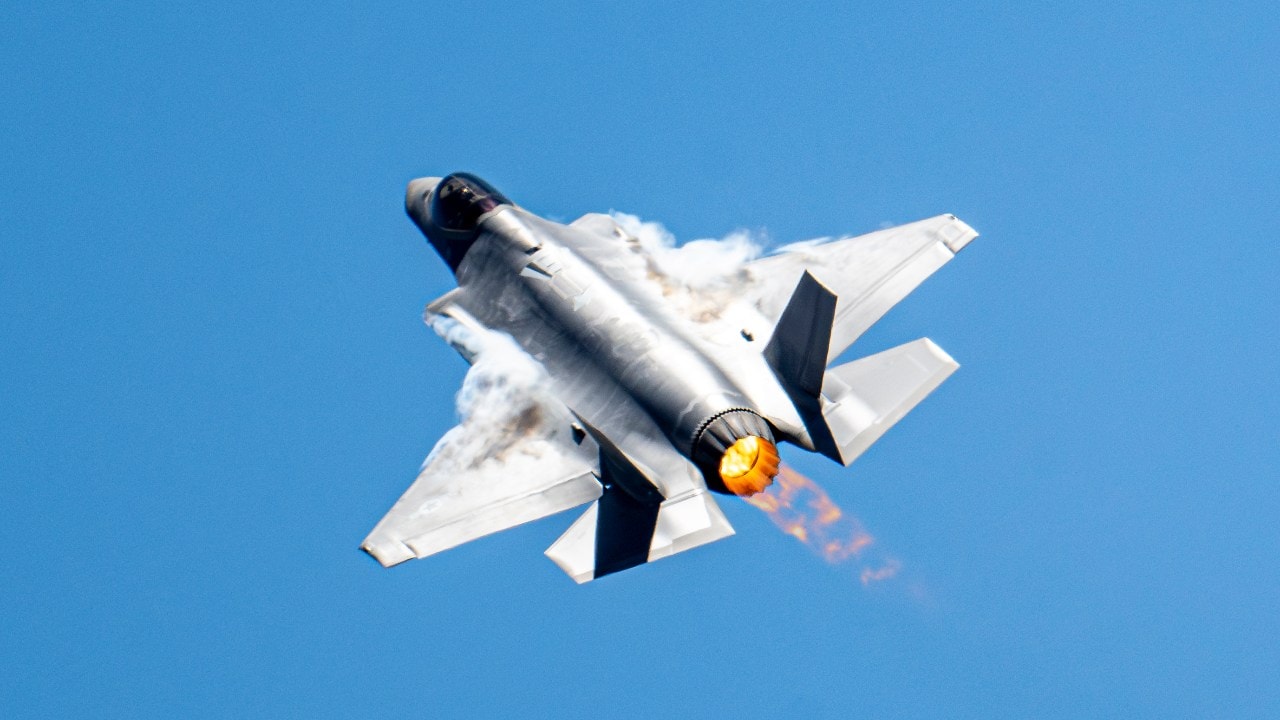
U.S. Air Force Maj. Melanie “Mach” Kluesner, pilot of the F-35A Demonstration Team, performs aerial maneuvers at the Wings and Eagles Airshow at Kingsley Field, Oregon, on July 19, 2025. The demonstration team travels across the country to showcase the power and precision of the world’s most advanced 5th-generation fighter jet. (U.S. Air Force photo by Senior Airman Nicholas Rupiper)
In an international system where power dictates state interests and alignment, Trump’s desperation to secure a deal that gives a clear pathway to the Islamic Regime’s survival, even at the expense of abandoning Israel and Gulf states pounded by Iranian ballistic missiles, will push critical Gulf partners towards Tehran. Normalization between the Gulf and Israel, one of the most consequential strategic developments of the past decade, becomes harder to sustain when Riyadh and Abu Dhabi are left to draw their own conclusions about where American loyalty ends. These are governments that made calculated bets on Washington’s staying power.
This deal forces them to recalculate. The Palestinian conflict, rather than moving toward resolution, gets prolonged as the regional spoiler most committed to preventing peace has its survival guaranteed. The architecture Washington spent years constructing does not survive a deal that rewards the force most dedicated to dismantling it.
The Real Winners: Russia and China
The beneficiaries extend well beyond the Middle East. Russia and China are major recipients of the spoils of this war. Moscow will be able to sustain and intensify its assault on Ukraine with Iranian-made drones and missiles, unfettered by the pressure campaign that was supposed to degrade Tehran’s capacity to supply them. China’s economy will boom from a resumption of Iranian oil at a fraction of the market price.
This inevitably charts a path toward prolonged war in Ukraine and a sharp increase in aggressive posturing toward Taiwan. A deal that stabilizes Iran on these terms does not stabilize the world. It redistributes leverage to every actor invested in seeing American power contract, and those actors are already aware of what they have been handed.
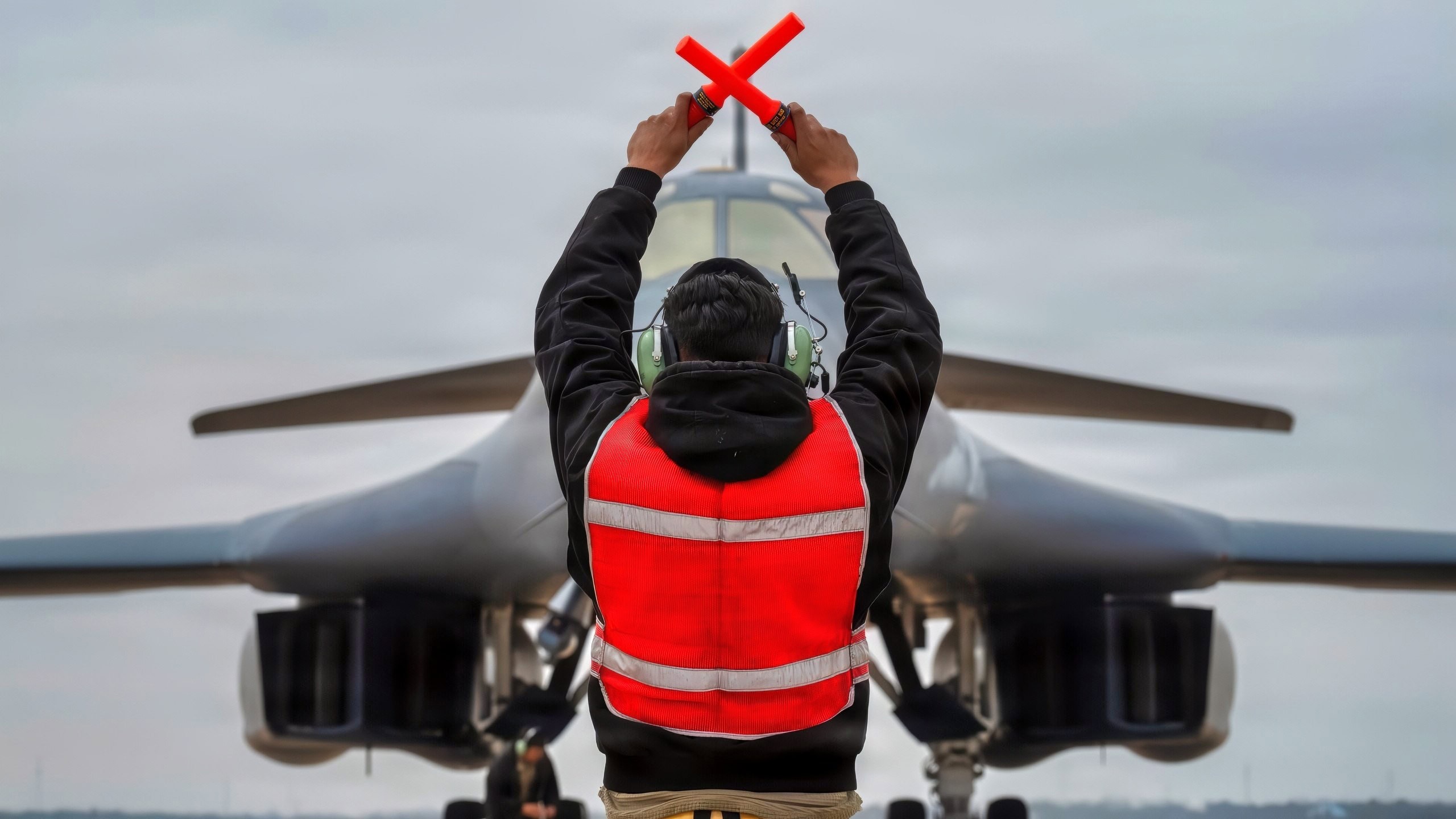
A U.S. Air Force B-1B Lancer crew chief marshals a B-1 after returning from a CONUS-to-CONUS mission in support of Operation Epic Fury, March 4, 2026. The B-1B is a long-range, multi-role bomber that carries the largest payload of precision guided and unguided munitions in the Air Force inventory. (U.S. Air Force photo)
A Credibility Problem
Then there is the question of credibility, the most durable currency in international relations and the hardest to recover once spent.
Trump’s willingness to pave a path for Iran to restore its proxy terror infrastructure, its ballistic missile program, and an undeterred nuclear ambition will make clear to adversaries and allies alike that Washington no longer has the will to uphold its security commitments.
This erosion was already visible before negotiations concluded. When Iranian ballistic missiles struck Kuwait’s international airport, the Trump administration’s response was to minimize it, characterizing the attack as too limited in scale to warrant an American reply. Gulf partners noted that silence carefully. A regime that can bomb a civilian airport in a neighboring country and receive no response from Washington has learned something important about the boundaries of American resolve, and it will test those boundaries again.
One thing should be made clear. The error was not in launching this war against Iran’s nuclear and military infrastructure. It was in failing to see it through, in succumbing to short-term pressure points like the World Cup, marginal increases in oil prices, and the shadow of midterm elections. These are not strategic calculations. They are political reflexes, and the Islamic Republic reads them with precision.
The argument that American and Israeli interests have simply diverged mistakes a failure of nerve for a realignment of strategy. Washington is not more secure because it chose accommodation over resolve. It is more exposed, and so is every partner who wagered that American commitments would mean something when it counted most.
Failure to overcome this pressure will result in short-term silence. It will make our world more dangerous.
About the Author: Dr. Yoni Michanie
Dr. Yoni Michanie is an international relations analyst, writer, and speaker. He recently earned his PhD in International Relations Theory from Northeastern University and served as a combat paratrooper in the Israel Defense Forces. His analysis on Middle Eastern geopolitics and security is frequently featured in global publications, including National Interest, Newsweek, and The Jerusalem Post. Twitter: @YoniMichanie.