
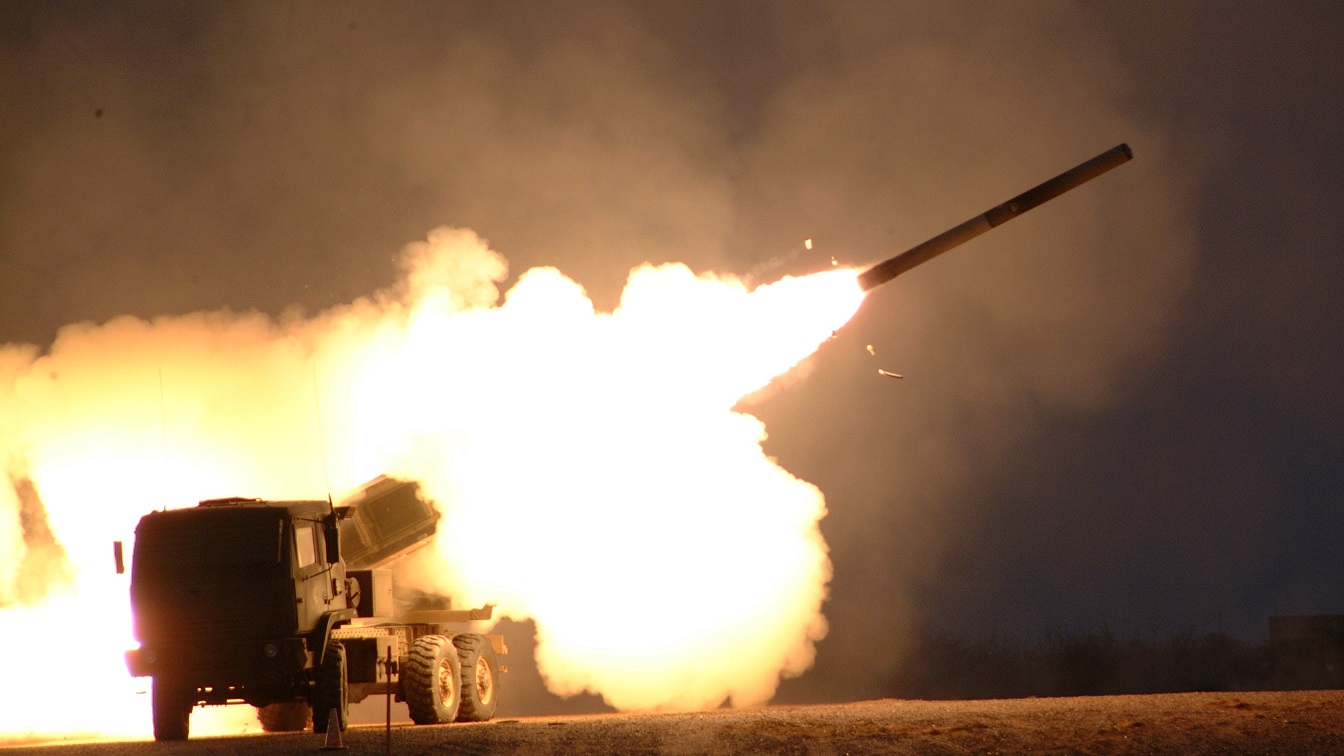
After a “memorandum of understanding” was reached for a ceasefire in mid-June, the war between the United States and Iran has once again escalated, with the U.S. targeting Iran for more than a week and Iran responding by striking U.S. interests in the region, which has resulted in the deaths of U.S. service members this week.
According to a New York Times analysis published on Monday, both the U.S. and Iran are at risk of getting to a place in the war that they can’t walk back from.
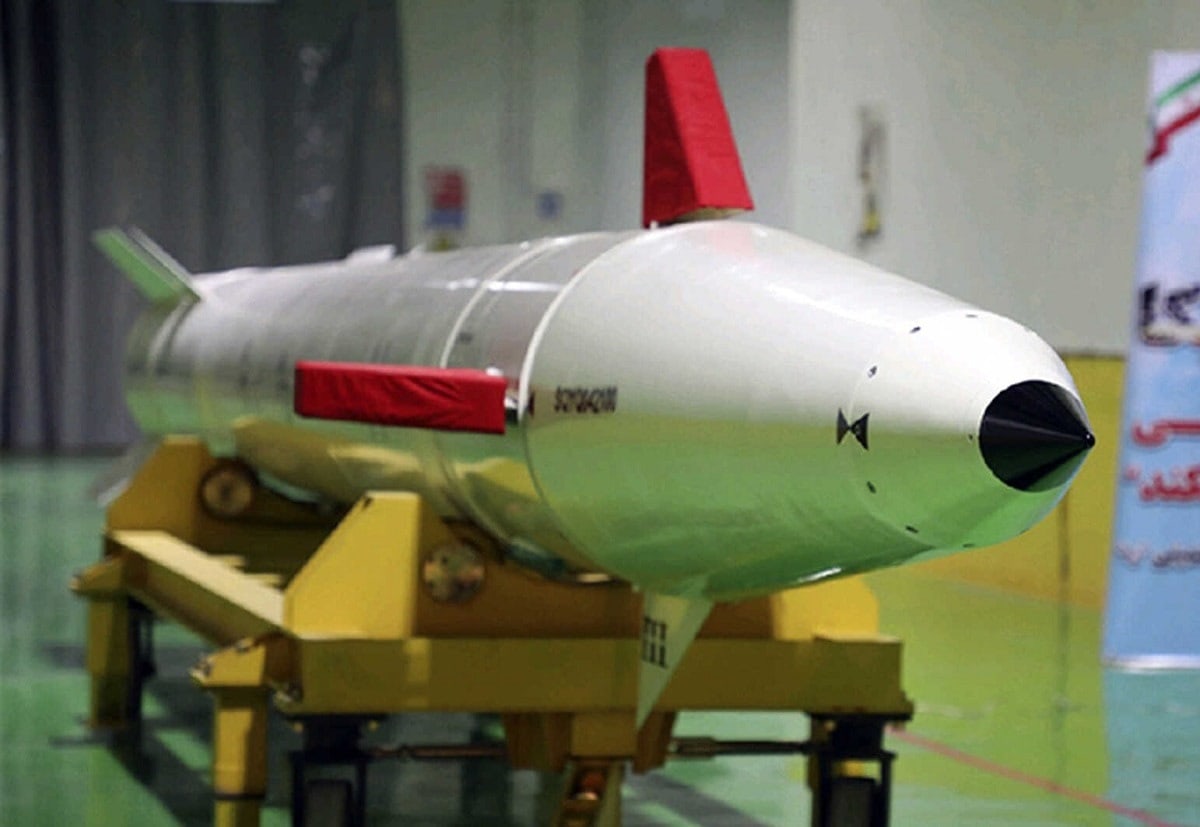
Iranian ballistic missiles. Image: Creative Commons.
“After more than a week of strikes that unraveled an ill-fated cease-fire, the conflict between the United States and Iran stands on a knife’s edge. Now is the time, analysts say, to find a way to draw down an exponentially destructive confrontation — or risk provoking a war that cascades beyond what they may be able to contain,” the Times’ Erika Solomon wrote in the analysis.
Neither side, Solomon writes, can “afford” to continue down this path, with soldiers being killed, crucial energy and desalination infrastructure struck, energy prices once again rising, and the conflict threatening to expand to additional countries.
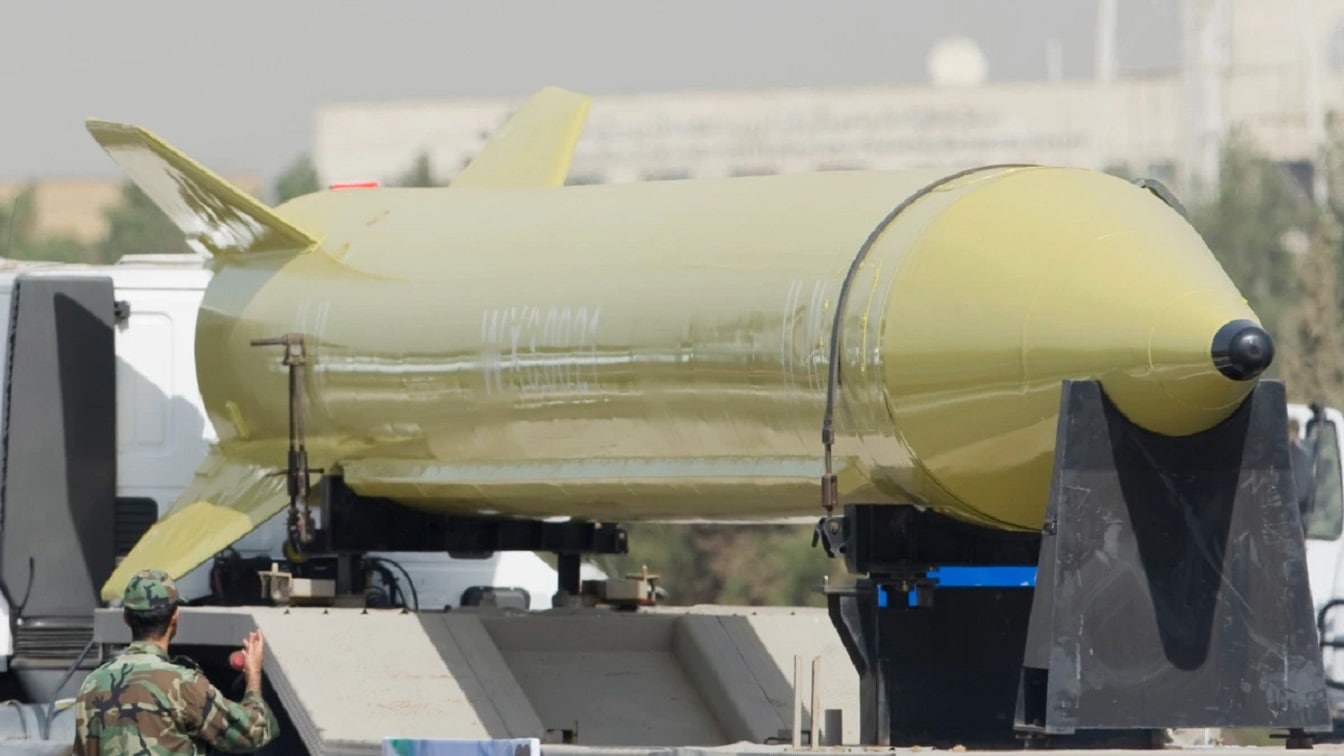
Iranian Ballistic Missile. Image Credit: Creative Commons.
“A Wake Up Moment”
Ellie Geranmayeh, an Iran expert at the European Council on Foreign Relations, described the current moment as “a wake-up moment for both sides.”
“They either take the diplomatic off-ramp now or risk allowing the war to spiral beyond managed escalation.”
Both sides of the war, as well as other countries in the region, have continued to suffer the pain of the continuing war.
“The conflict has now become a contest against time and a war of endurance,” Hamidreza Azizi, an Iranian security expert who works at the German Institute for International and Security Affairs, wrote in a social media post cited by the Times.
“The decisive question will be whether Iran’s deteriorating economic and infrastructural conditions outpace the rise in energy prices driven by instability in the Strait of Hormuz, or vice versa.”
An Unpopular War
The Times piece noted that 268 prominent people in Iran, including “academics, politicians, athletes, clerics and trade unionists,” have signed a “no to war” petition.
“The government will have a very difficult time convincing people that they should continue fighting this war at the cost of Iran’s destruction,” Omid Memarian, an Iran analyst at DAWN, told the newspaper. “So time is ticking for them too.”
Meanwhile, a CNN analysis of the war’s popularity in the United States showed how it compares to that of previous wars.
A new Washington Post-Ipsos poll shows that 68 percent of American respondents consider the war not “worth fighting,” while 28 percent feel it is worth fighting.
That split, CNN noted, is worse than those of either the Iraq or Afghanistan wars.
Over the weekend, The Guardian’s Washington correspondent asked why Trump is risking “disaster” in the midterm elections by resuming the unpopular war.
“Less than four months before November’s midterm elections in which Democrats are seeking to recapture both houses of Congress, Trump appears to be flirting with electoral disaster in re-stoking a war that is already unpopular with voters – not least for its inflationary impact on fuel and living costs,” the Guardian’s Robert Tait wrote.
The memorandum of understanding, reached in mid-June, was to reopen the Strait of Hormuz and give the sides 60 days to reach a final agreement on Iran’s nuclear program. However, ambiguity in the language led to disagreements, and it soon became clear that Iran could close the Strait easily and bring about economic instability.
Vali Nasr, of the Johns Hopkins School of Advanced International Studies, told the Guardian that he didn’t think ambiguity was the problem.
“I don’t think there was a misunderstanding. I think this is exactly what Trump intended,” Nasr told the newspaper.
“My initial assessment was that this would just be another blip, some cyclical violence, and then we go back [to the ceasefire and negotiations],” Nate Swanson, former presidential adviser on Iran, told the Guardian.
“But the escalation has already exceeded what I thought was possible… I see this as an effort to re-establish leverage and try to renegotiate the MoU, but it is highly risky with potentially devastating consequences – and, in my view, likely to be a failure.”
About the Author: Stephen Silver
Stephen Silver is an award-winning journalist, essayist, and film critic, and contributor to the Philadelphia Inquirer, the Jewish Telegraphic Agency, Broad Street Review, and Splice Today. The co-founder of the Philadelphia Film Critics Circle, Stephen lives in suburban Philadelphia with his wife and two sons. For over a decade, Stephen has authored thousands of articles that focus on politics, national security, technology, and the economy. Follow him on X (formerly Twitter) at @StephenSilver, and subscribe to his Substack newsletter.