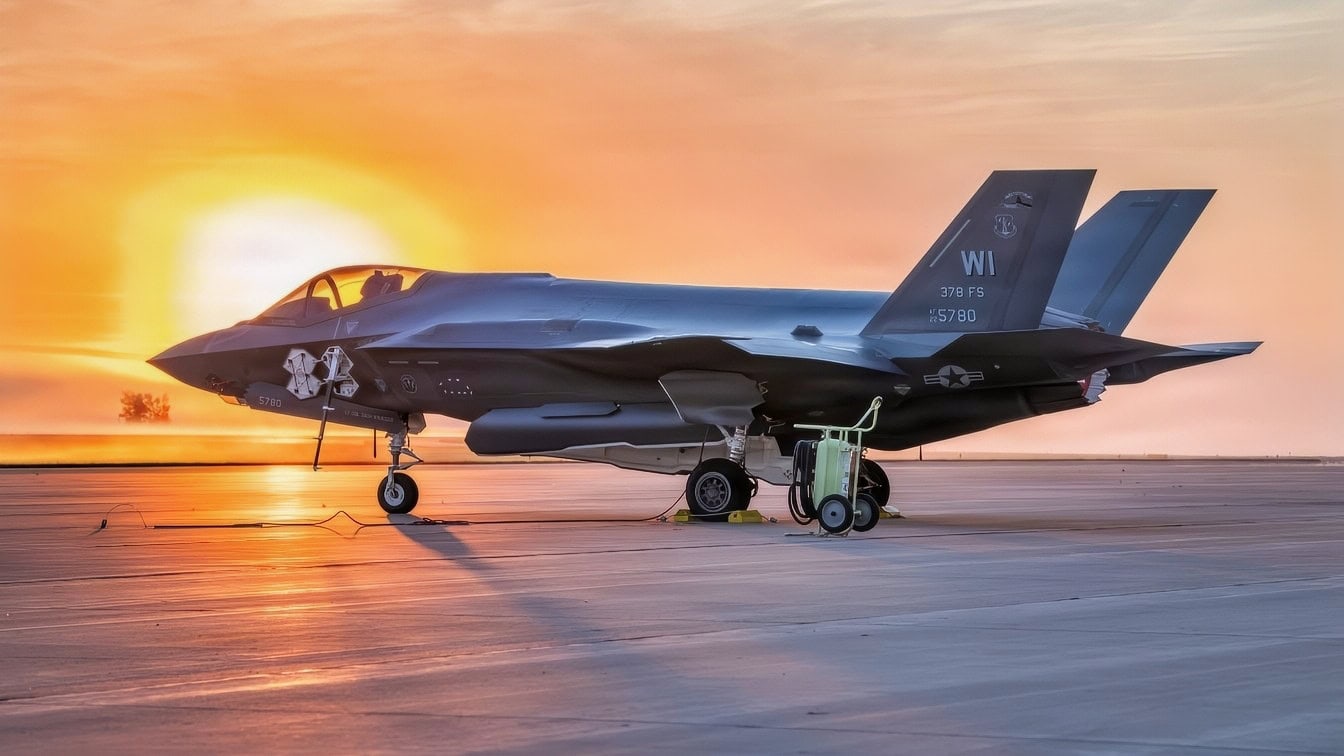
Canada’s government continues to debate whether to complete its planned purchase of 88 Lockheed Martin F-35A Lightning II fifth-generation multirole stealth warplanes from the United States.
The debate rages in Ottawa, even as billions of dollars have already been committed to the first few aircraft.
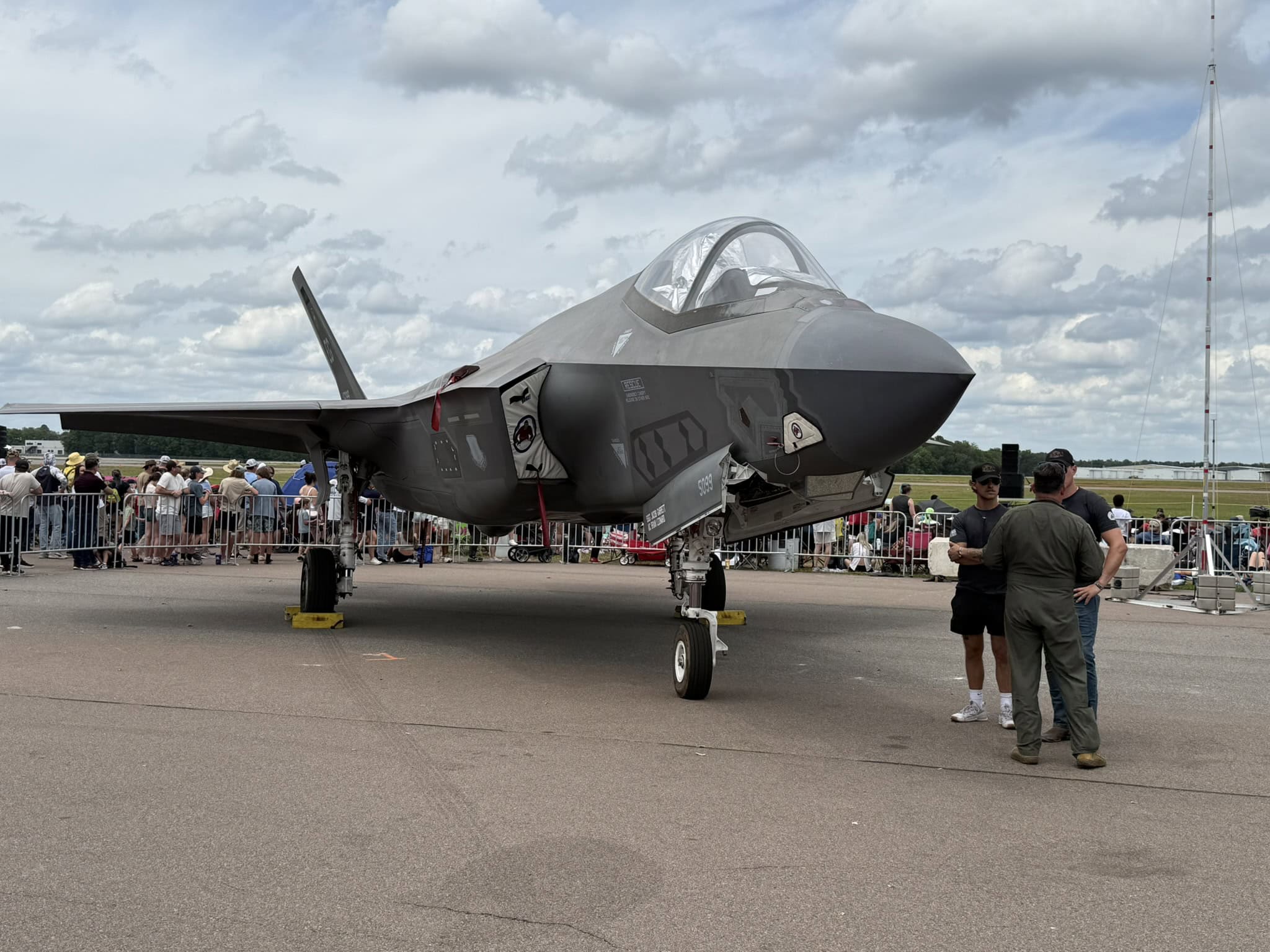
F-35C at Lakeland, Florida Air Show. Image Credit: Harry J. Kazianis.
Prime Minister Mark Carney’s government has questioned the wisdom of purchasing the fifth-generation warplane from a United States that is increasingly belligerent with Ottawa on matters related to trade, Albertan independence, and the NATO alliance.
Why the Canadians Wanted the F-35 In the First Place
Originally, Canada selected the F-35 as their new warplane with ease.
That was, of course, before the political fallout from the Trump administration’s trade war.
The original deal called for Canada to purchase 88 F-35s for around 19 billion Canadian dollars.
In classic US defense fashion, though, Ottawa soon found the program was surging in costs.
One assessment had the total lifecycle cost to Canadians at around 27.7 billion — with some bleaker estimates running as high as 80 billion dollars!
Those rising costs have understandably fueled renewed debate over whether Canada could complete the purchase.
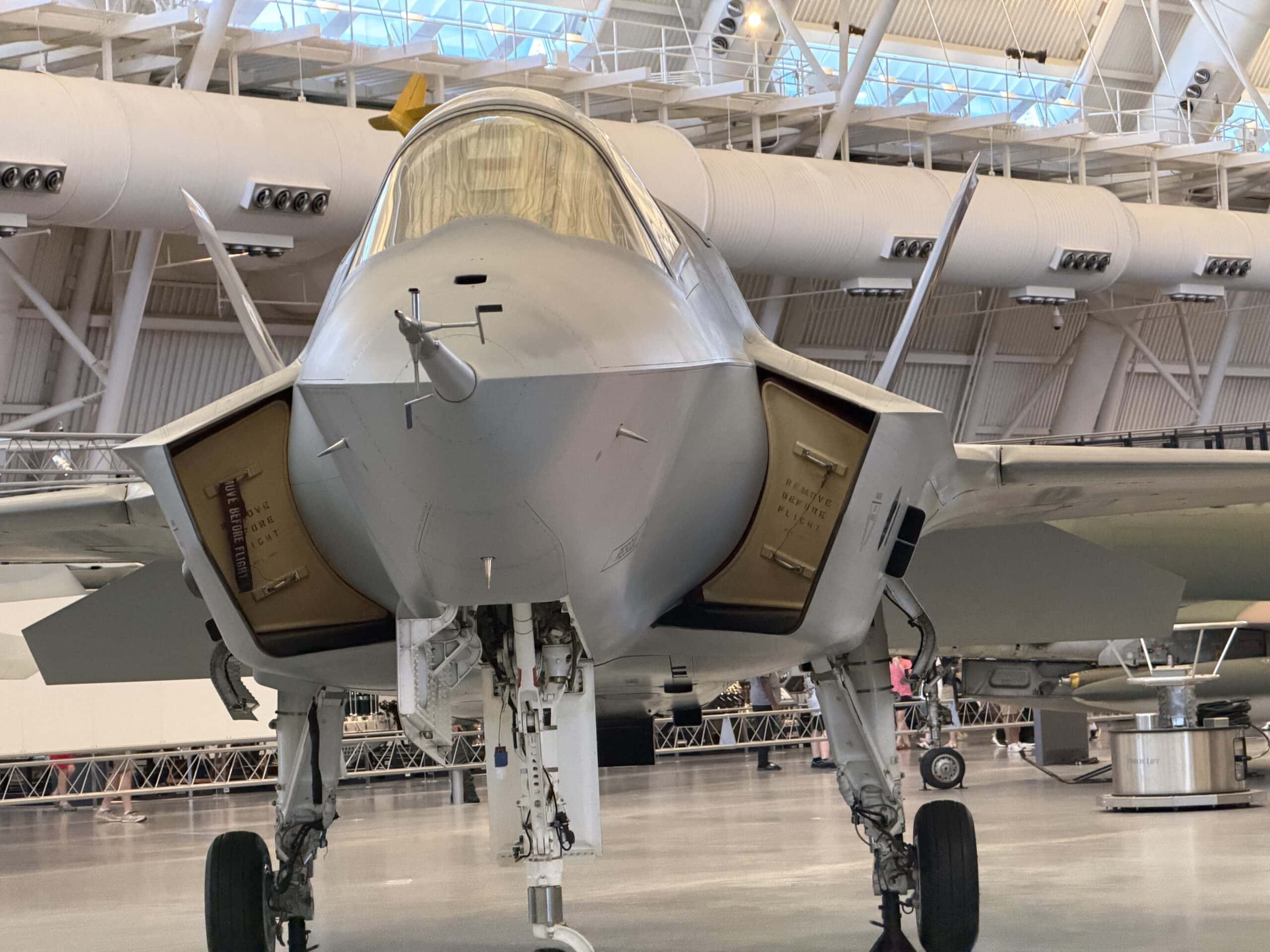
F-35 at the Smithsonian. Image taken on 7/8/2026 by 19FortyFive Staff.
At the same time, the Canadian Air Force is not doing well.
Its already small force of specialized F-18s (the CF-188 Hornet) is aging and increasingly unreliable to meet the renewed demands that Chinese and Russian expansion in the Arctic are placing upon Canada’s Air Force. Regardless of what Ottawa wants, its military needs a new warplane that can last it decades.
There are many supporters of the purchase in Canada’s Air Force. After all, the Canadian Air Force is aging and too small to meet current defensive requirements.
Plus, the government has already begun purchasing 16 of the 88 fighters, with deliveries expected to start in late 2026, and funding has also been committed for long-lead components to support an additional 14 aircraft.
Walking away from the remaining jets would likely expose Ottawa to contractual penalties while jeopardizing its place in the production queue.
Canada has participated in the Joint Strike Fighter (JSF) program since 1997, making its aerospace industry a vital part of the F-35 supply chain.
Supporting this program sustains high-skilled jobs and national industrial strength, which many Canadians value highly.
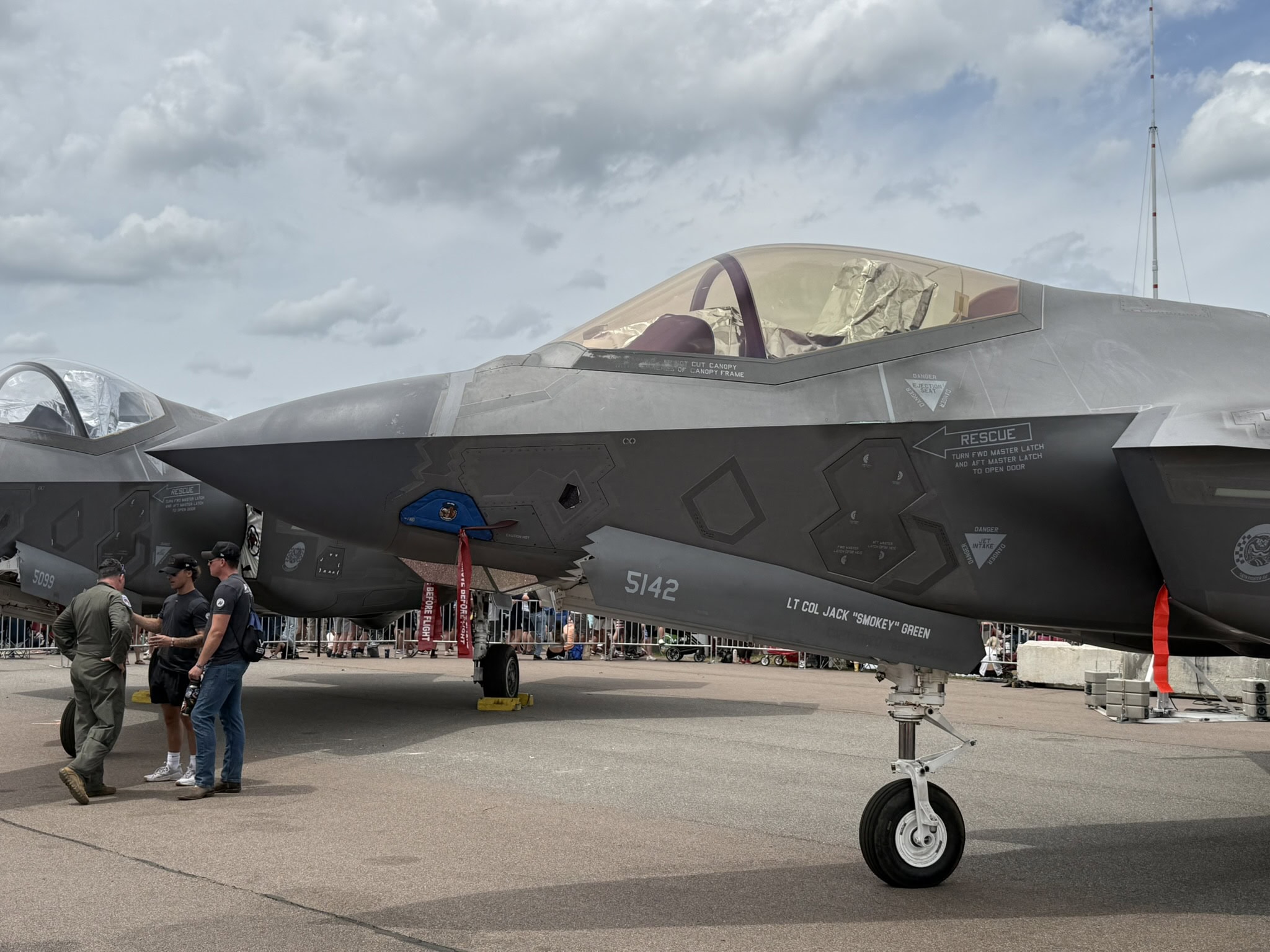
F-35 Stealth Fighter at Lakeland, Florida Air Show. Take on 4/19/2026. Image Credit: 19FortyFive.com
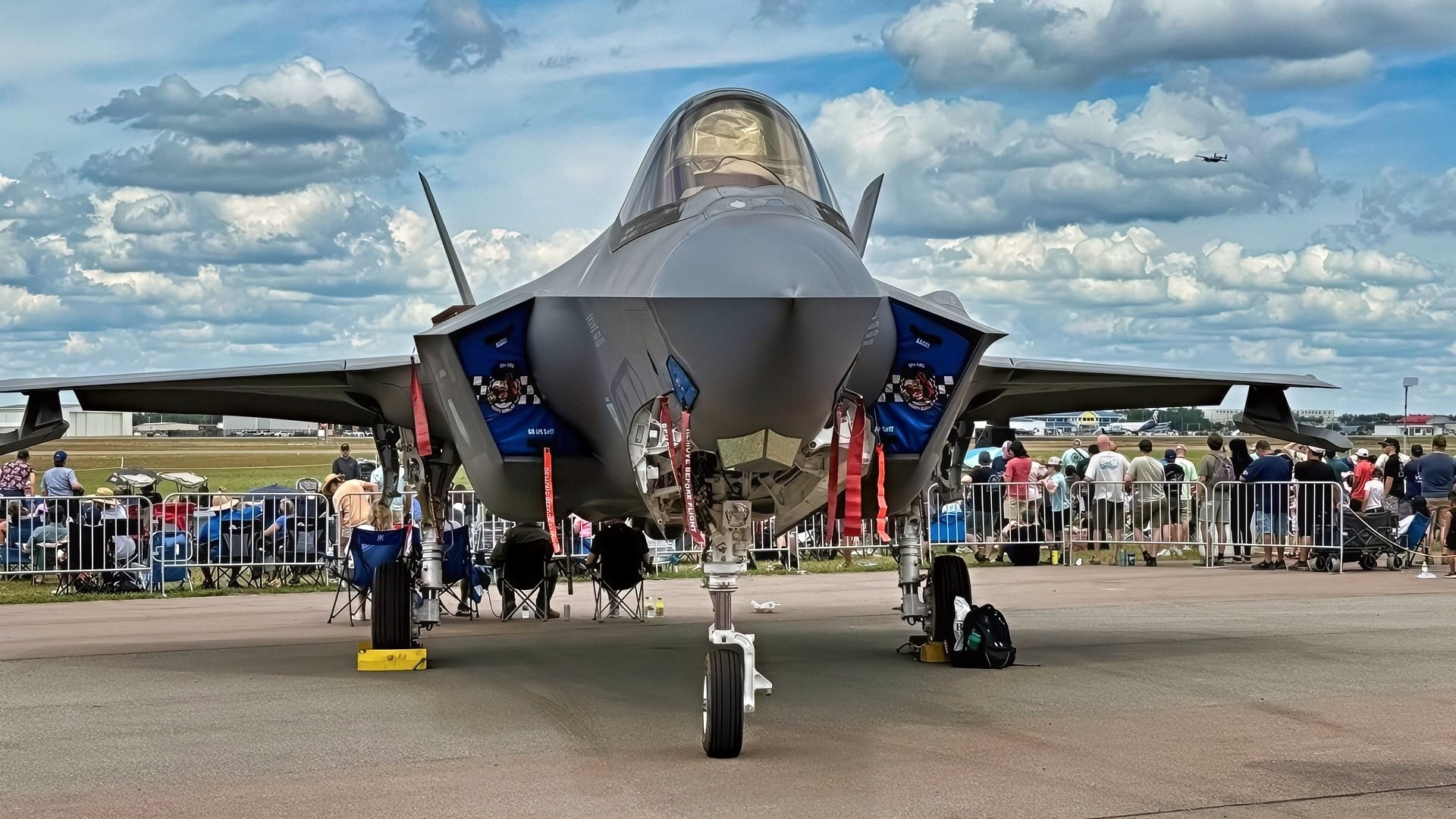
F-35 Fun and Sun Lakeland 19FortyFive.com Photo Taken on 4/19/2026
The Trump Factor
Meanwhile, the Trump administration continues demanding that Ottawa increase defense spending to around 3.5 percent of gross domestic product by 2035 (while supporting NATO’s broader goal of five percent of GDP, including strategic infrastructure investments).
US officials have linked defense cooperation with Canada’s modernization decisions.
According to some reports, the Pentagon even temporarily suspended cooperation under the US-Canada Permanent Joint Board on Defense during Canada’s review of the fighter purchase.
Although both countries continue to cooperate through NATO and NORAD, the procurement review has become intertwined with broader trade disputes and bilateral negotiations.
Going for the Gripen?
Ottawa has also indicated interest in procuring Sweden’s Saab JAS-39 Gripen-E as an alternative.
From the outset of Ottawa’s search for a new warplane, the Gripen was always viewed as an alternative to the F-35. Canada’s Air Force indeed desires the F-35 over the fourth-generation Gripen.
However, the Gripen’s lower operating costs alone made it an interesting alternative.
Even if Canada still completes the purchase of the F-35 as originally planned, it might be smart for them to procure some Gripens still, if only because a diversified fighter fleet gives the Canadian Air Force more options.
There’s also the issue of greater national control over the Gripen. You see, the Gripen would have allowed Canada’s Air Force to have more influence and access to any specific upgrades for its Griepens.
On the other hand, the F-35 can only be upgraded with permission from Lockheed Martin and the Pentagon, and under Lockheed Martin’s supervision.
Canada Might Have No Choice But to Purchase the F-35
Canadian Air Force leaders, though, say they need the F-35 for more than their own requirements.
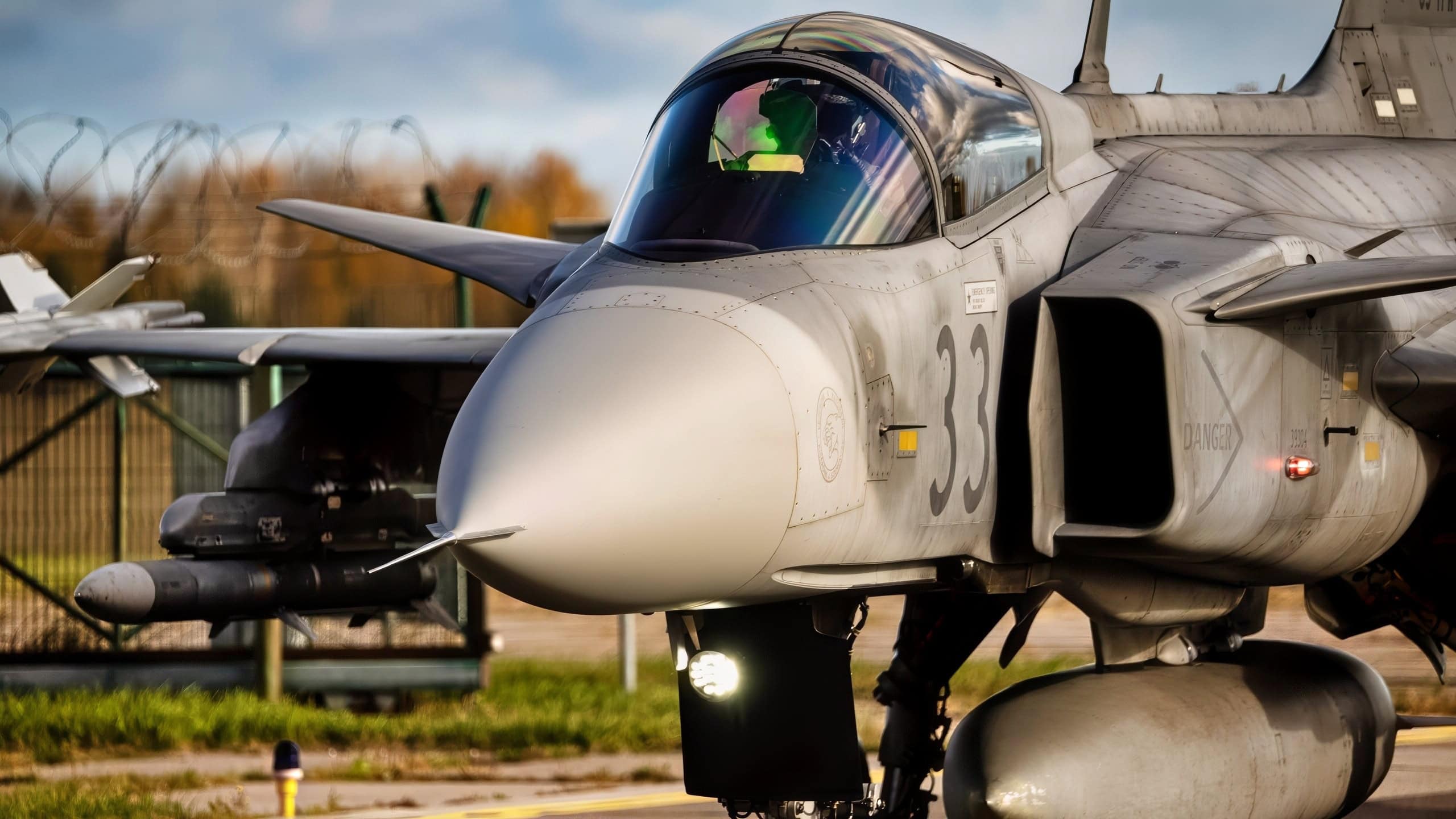
A Hungarian Air Force JAS-39 Gripen is seen taxiing across the runway after completing a successful training scramble.
Hungary took command of NATO’s Baltic Air Policing mission in August 2022, deploying JAS-39 Gripen fighter jets to Siauliai Air Base in Lithuania for the third time since 2015. Air Policing is a long-running mission that operates 24 hours a day, 365 days a year. It includes quick reaction fighter aircraft are ready to take off within minutes to intercept any aircraft that may threaten Allied airspace.
As an upstanding member of both NATO and NORAD, Canada needs the F-35 to enhance interoperability with the air forces of its partners in both organizations.
Yes, the Gripen is from a NATO member state. But the F-35 is a fifth-generation warplane, meaning its capabilities are inherently greater than the Gripen’s.
Officials in Washington argue that Canada’s fighter selection also impacts NORAD.
Regardless of how the current political fight with Washington turns out, the likelihood that Canada will abandon its F-35 purchase, given all it has already spent on it, is low.
Ottawa will likely soon be the proud owner of a tranche of F-35s.
About the Author: Brandon J. Weichert
Brandon J. Weichert is the Senior National Security Editor at 19FortyFive.com. He also manages The Weichert Brief on Substack. Weichert also hosts “National Security Talk” on Rumble. He is the author of four bestselling national security books, the most recent of which is A Disaster of Our Own Making: How the West Lost Ukraine (Encounter Books). Follow him via Twitter/X @WeTheBrandon.