
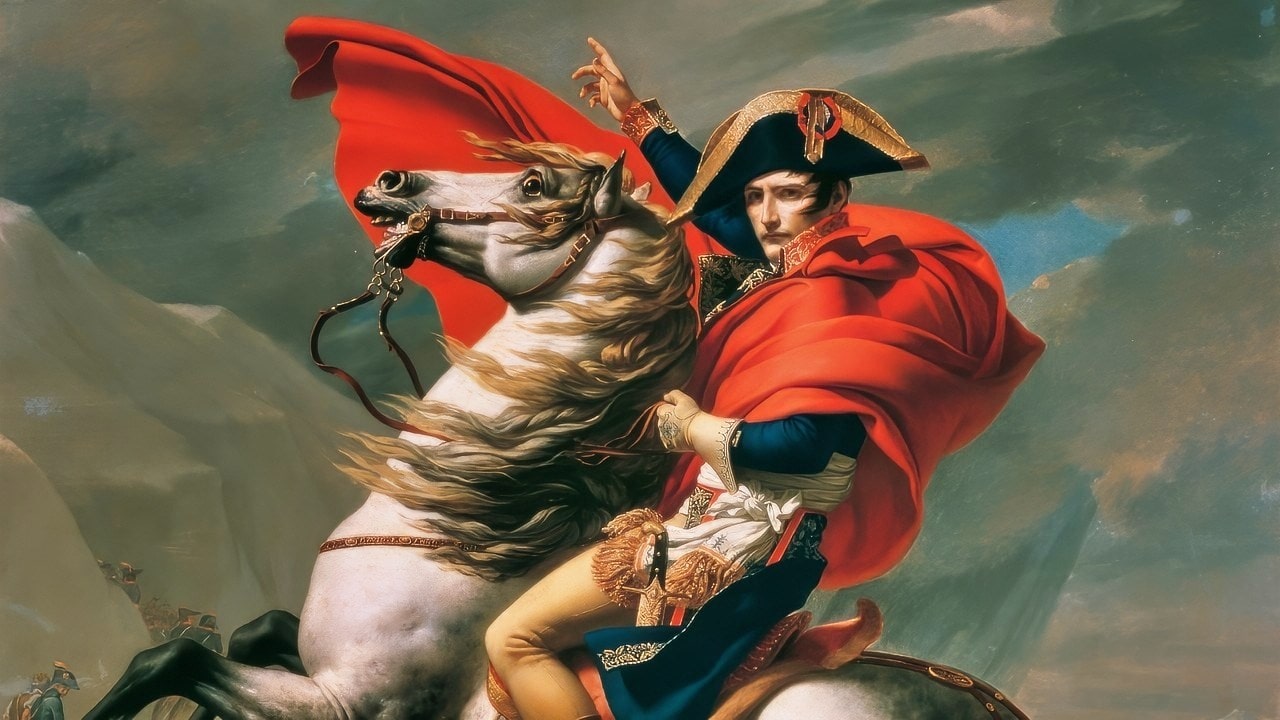
Napoleon Understood Battlefield Chaos. At Waterloo, He Lost Control of It: “The battlefield is a scene of constant chaos. The winner will be the one who controls that chaos, both his own and the enemy’s.”
The sentence is widely attributed to Napoleon Bonaparte, although no secure primary source has been identified. Its authorship is uncertain. Its meaning is not. War wrecks clean plans. Smoke hides formations. Rain changes the ground. Orders arrive late. Generals misread what they see, and a stable line can collapse when frightened troops begin to run.
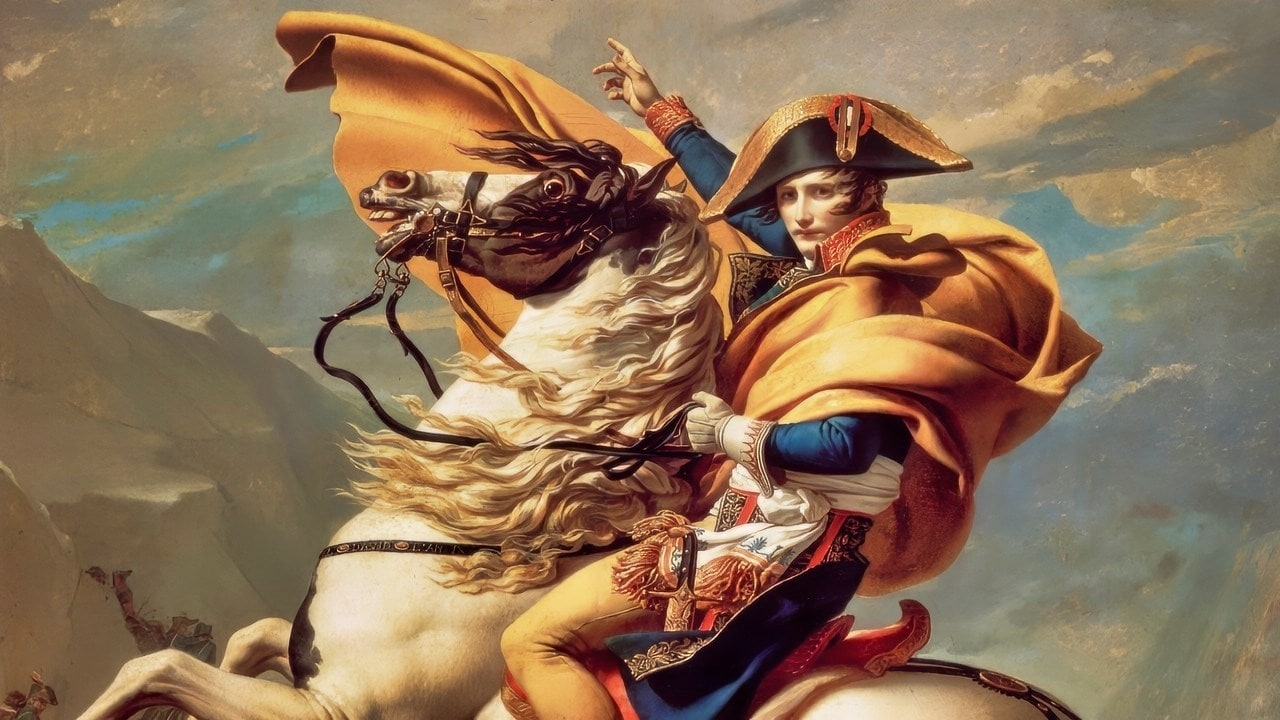
Napoleon Riding Off to War. Image Credit: Creative Commons.
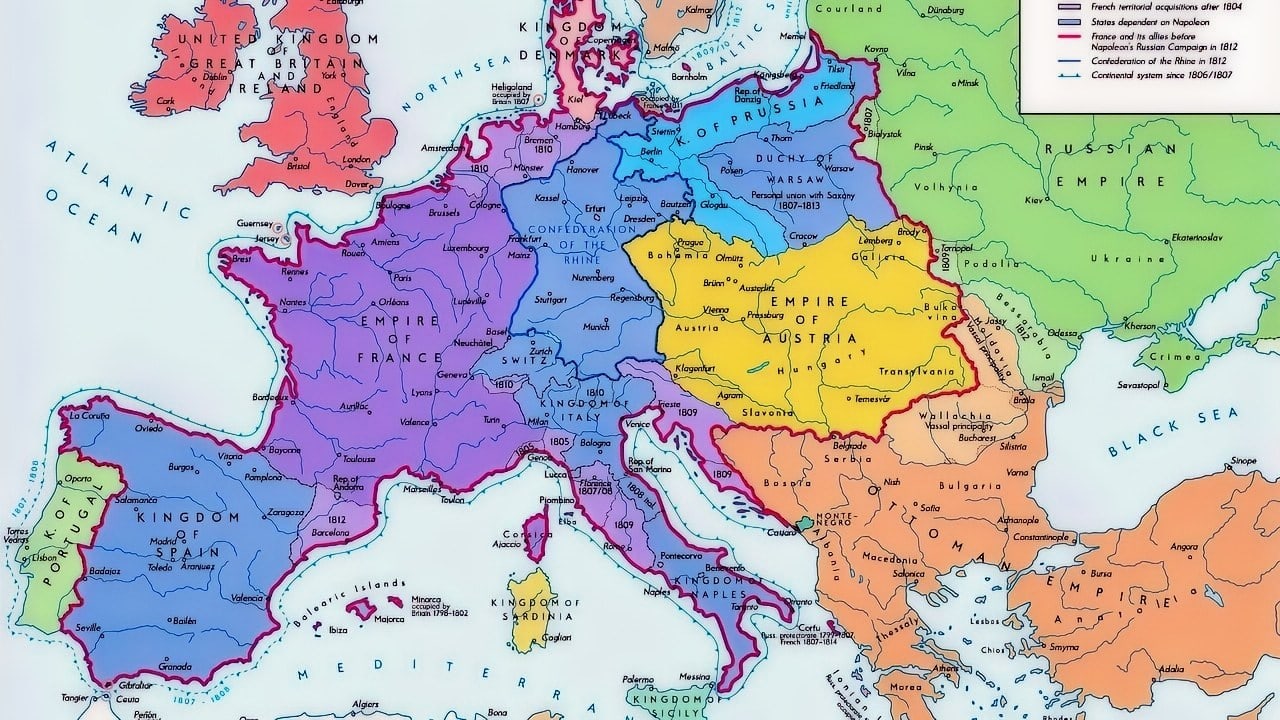
Map of Napoleon’s Empire. Image Credit: Creative Commons.
Controlling chaos does not mean removing it. It means keeping an army functional while information is incomplete, then forcing the opponent to make decisions faster than his command system can handle. Napoleon’s greatest victories came from speed, concentration, morale and the ability to confront separate enemy armies with one crisis after another. Generals receive the credit for victory, but they also own the loss when their army stops functioning as a single force.
That is what makes Waterloo the right battle for this quote. Napoleon did not lose on June 18, 1815, because he forgot how to fight. Wellington and Blücher managed uncertainty better, while French delays, mistaken assumptions and divided command turned a sound plan into a final defeat. Napoleon’s own warning about seeing one’s own difficulties more clearly than the enemy’s became painfully relevant.
Napoleon’s Plan Before Waterloo Made Sense
Napoleon returned from exile on Elba in March 1815 and reclaimed France during the Hundred Days. Europe’s major powers formed another coalition. His best chance was to invade Belgium, drive between the Anglo-Allied army under the Duke of Wellington and the Prussians under Field Marshal Gebhard von Blücher, then defeat each before they joined.
The opening worked. Napoleon defeated the Prussians at Ligny on June 16 while Wellington held Quatre Bras. The French victory was incomplete. Poor staff work left an entire corps moving between the two battlefields without making a decisive contribution. The Prussians retreated in good order, stayed in contact with Wellington and reorganized with impressive speed.
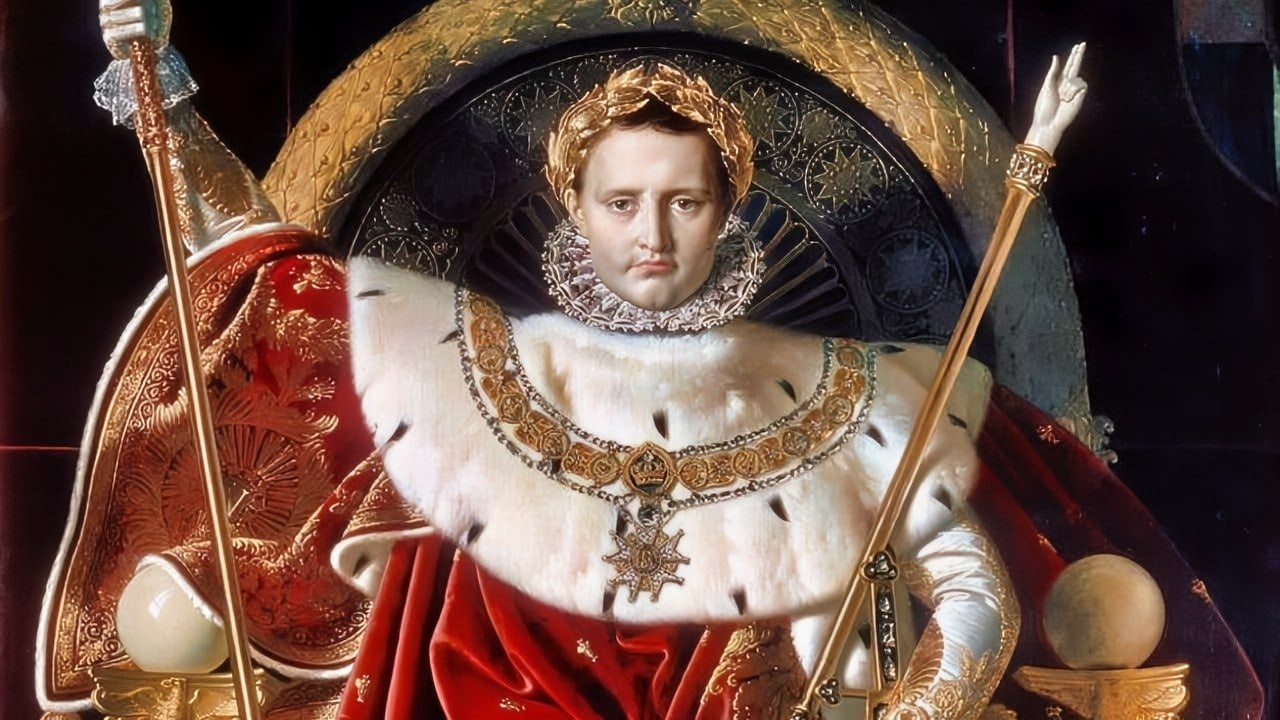
Napoleon the Emperor. Image Credit: Creative Commons.
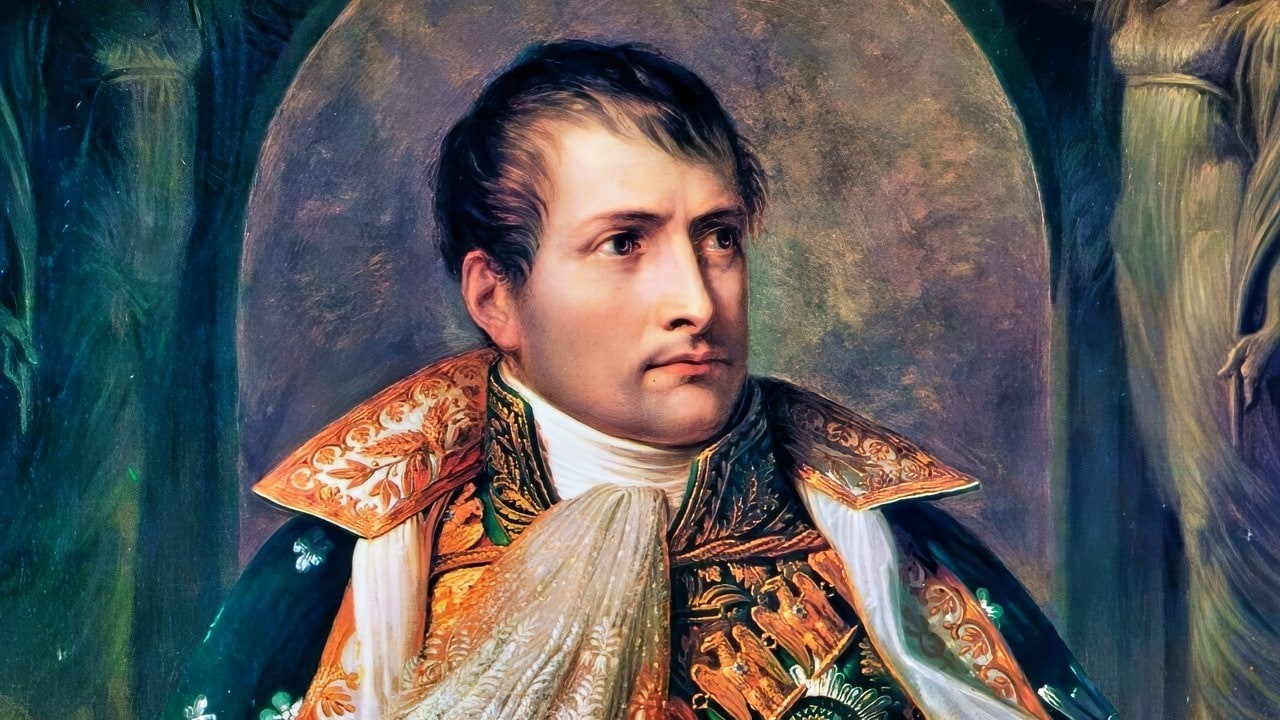
Napoleon Painting. Image Credit: Creative Commons.
Napoleon sent Marshal Emmanuel de Grouchy with about 33,000 men to follow the Prussians and kept roughly 72,000 for Wellington. The French assumed Grouchy would keep Blücher away. When he did not, Waterloo became a race between Napoleon breaking Wellington’s line and the Prussians reaching the battlefield.
The Weather and the Clock Worked Against France
Heavy rain had soaked the fields. Napoleon waited until late morning to begin the main action, giving the ground time to dry for artillery and cavalry. The delay also gave the Prussians more time to march. Wellington’s reverse-slope position and the wet earth reduced the effect of French cannon fire.
The attack on Hougoumont was meant as a diversion. It became a long fight that absorbed French troops without pulling Wellington’s army apart. A later infantry assault gained ground before British infantry and cavalry drove it back. The battlefield was becoming confused, costly and harder to direct, the same type of violent uncertainty that continues to break modern war plans.
Marshal Michel Ney then interpreted movement behind Wellington’s ridge as a retreat and launched repeated cavalry attacks. Allied infantry formed squares and held. The French horsemen lacked enough infantry and artillery support to break them. Men and horses were spent against formations that had not collapsed.
The lesson applies far beyond Waterloo. Planning matters because it creates options after the original design fails, not because any commander should expect the design to survive contact with battle.
The Prussians Took Control of Napoleon’s Chaos
By midafternoon, Prussian troops were arriving against the French right. Napoleon diverted men toward Plancenoit instead of sending every reserve against Wellington. Around 6 p.m., the French captured La Haye Sainte and placed Wellington’s center under severe pressure. Ney asked for reinforcements. Napoleon needed them against the Prussians.
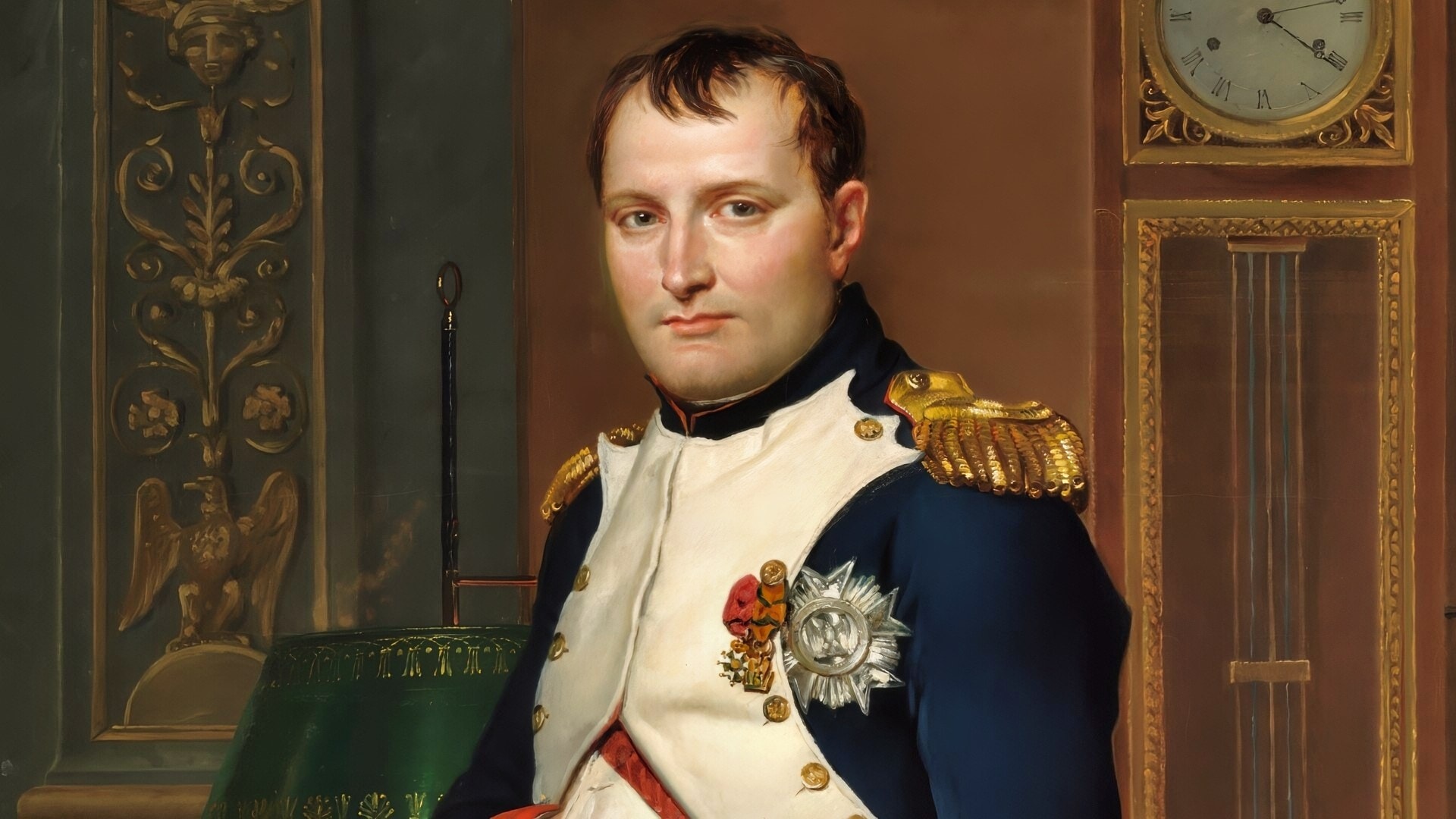
Napoleon Painting Creative Commons Image

Napoleon with the Crown. Image Credit: Creative Commons.
The opportunity passed. At about 7 p.m., Napoleon committed elements of the Imperial Guard. They advanced where Wellington was strongest, met concentrated fire and broke. The sight of the Guard retreating shattered French morale. Panic moved faster than orders, and Prussian cavalry pursued through the night.
France lost nearly 40,000 men killed, wounded or captured. Allied losses reached roughly 22,000. Waterloo became shorthand for a final defeat because it destroyed more than an army. It destroyed Napoleon’s ability to recover politically.
Waterloo Sent Napoleon From Paris to St Helena
Napoleon returned to Paris and abdicated on June 22. He hoped to reach the United States, but British ships blocked the coast. On July 15, he surrendered to Capt. Frederick Maitland aboard HMS Bellerophon. Britain refused to risk another escape like the one from Elba.
Napoleon learned on July 31 that he would be sent to St Helena, a remote British island in the South Atlantic. The Allies chose the island because they wanted Napoleon removed permanently from European politics. He arrived on Oct. 15, 1815. Thousands of troops guarded the island, ships watched its coast, his movements were restricted and his correspondence was inspected.
The commander who had moved armies across Europe spent his final years within boundaries set by British officers. He died on St Helena on May 5, 1821. At Waterloo, timing, command and morale slipped beyond his reach. On St Helena, even the limits of his walks were controlled by someone else.
About the Author: Harry J. Kazianis
Harry J. Kazianis (@Grecianformula) was the former Senior Director of National Security Affairs at the Center for the National Interest, a foreign policy think tank founded by Richard Nixon in Washington, D.C. Harry has more than a decade of experience in think tanks and national security publishing. His ideas have been published in The New York Times, The Washington Post, The Wall Street Journal, CNN and many other outlets worldwide. He has held positions at CSIS, the Heritage Foundation, the University of Nottingham and several other institutions related to national security research and studies. He is the former Executive Editor of The National Interest and The Diplomat. He holds a master’s degree focusing on international affairs from Harvard University.