
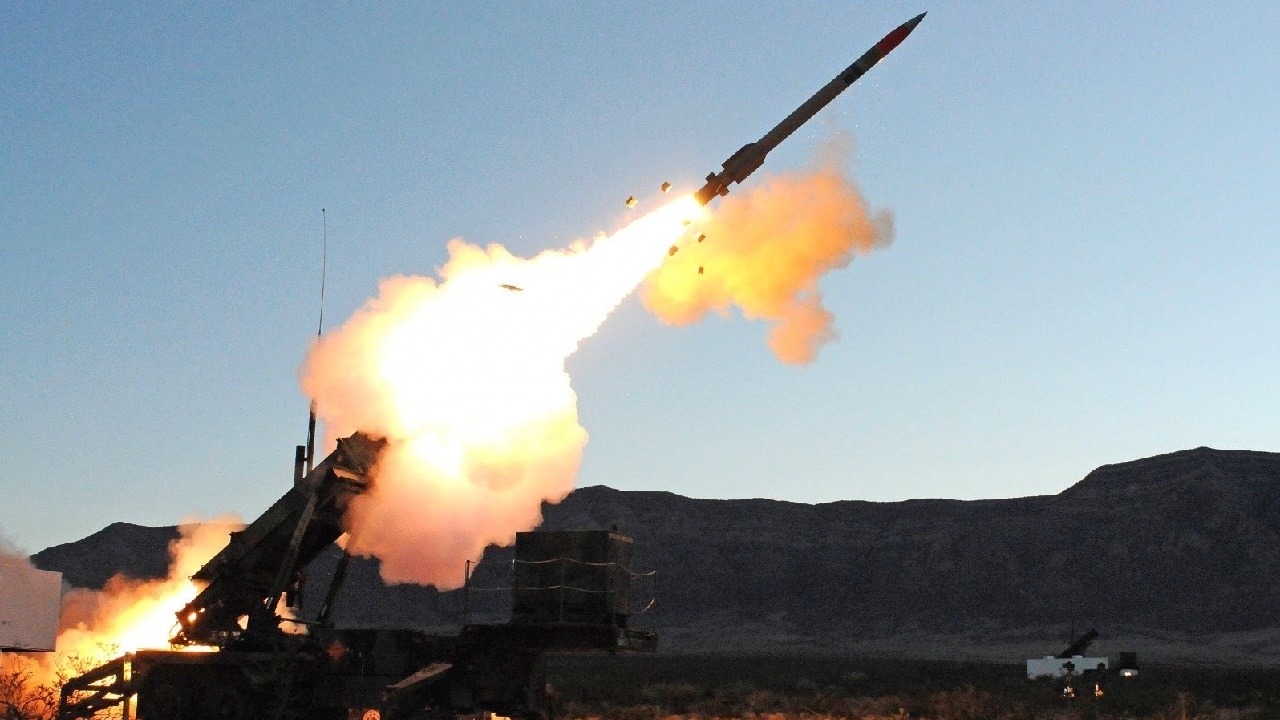
Ukraine needs Patriot missiles now. Its survival several winters from now depends on building a system that does not leave Kyiv waiting for Washington to decide how many it can spare.
Volodymyr Zelensky has asked Donald Trump for 300 Patriot interceptors before winter, enough, he says, to protect the energy system through the next Russian campaign. Ukraine’s stocks are nearly exhausted. He is also requesting licenses to manufacture missiles in Ukraine. All of that makes sense.
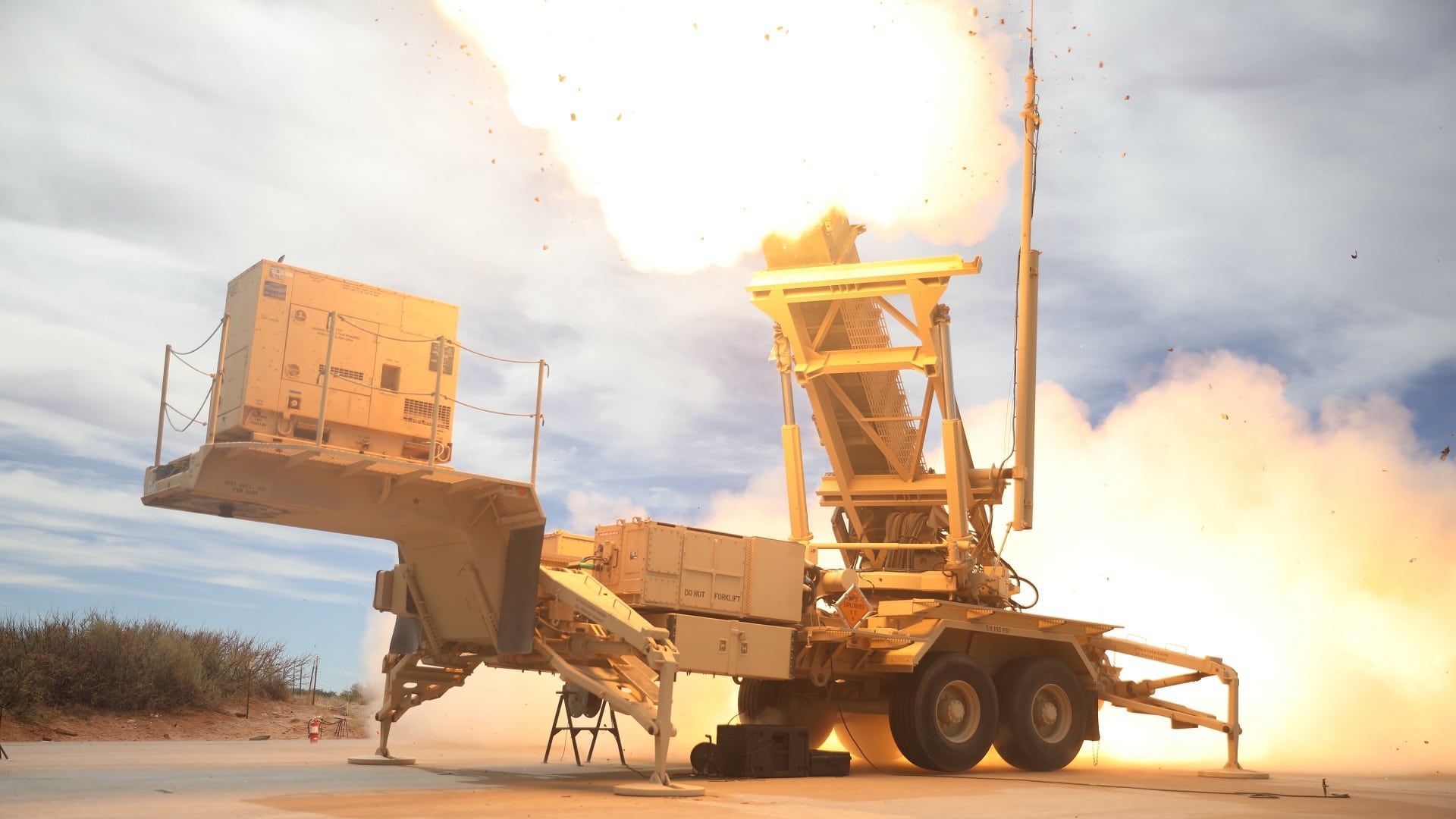
Soldiers from 69th Air Defense Artillery Brigade conducted Patriot Missile live fire training, November 5, at McGregor Range Complex on Fort Bliss. The live fire exercise was conducted jointly with Air Defense counterparts from the Japanese Self-Defense Force. (U.S. Army Photo by Staff Sgt. Ian Vega-Cerezo)
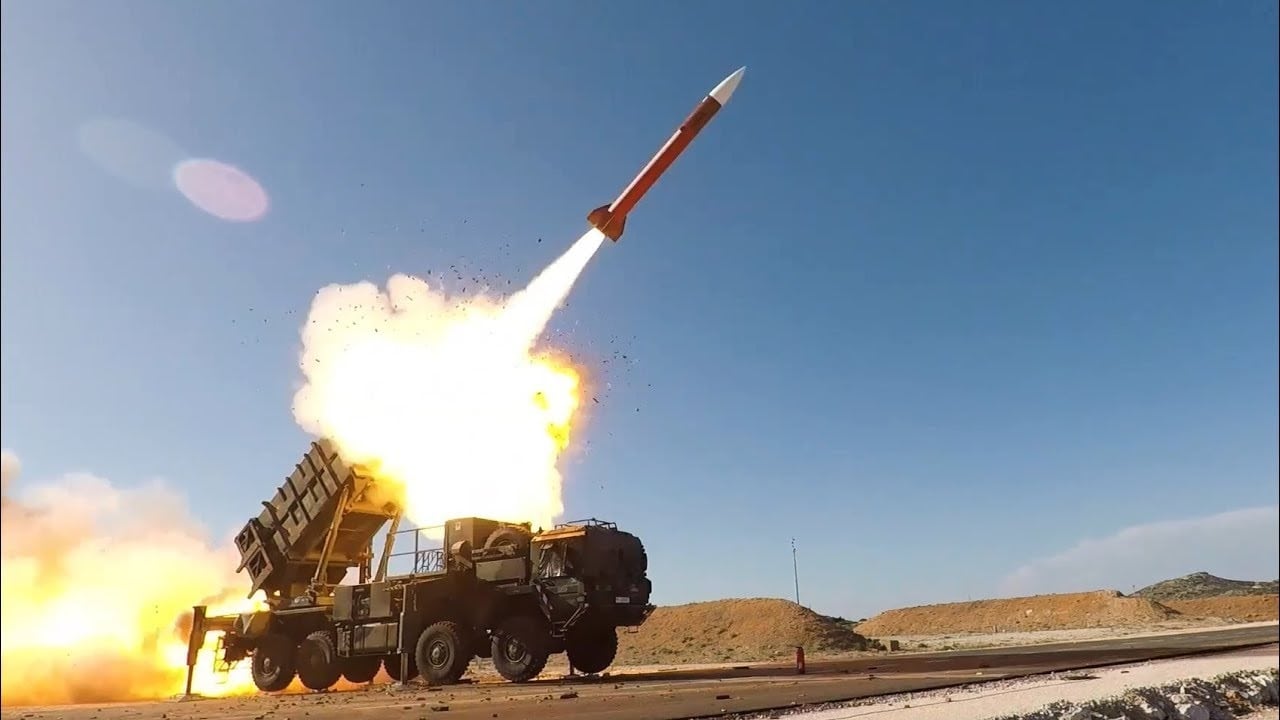
Patriot Missile. Image Credit: Lockheed Martin.
What matters more is the other project Kyiv announced this month. Ukraine and nine European states have launched a coalition around Freyja, a new anti-ballistic missile system they want to fly in prototype form by mid-2027.
Patriot is the answer to this winter. Freyja is an attempt to stop every winter after that from becoming another appeal to Washington.
Patriot Still Does the Work
There is a temptation to tell this as a story about American industrial failure. That gets part of it right. It also misses what has changed.
Lockheed Martin says it delivered 620 PAC-3 MSE interceptors last year. Under a seven-year framework agreed with the Pentagon in January, annual capacity is supposed to rise from roughly 600 to 2,000.
The company has also introduced PAC-3 ACE, a cheaper interceptor built around the existing Patriot fire-control system.
Lockheed says it will cost less than half as much as PAC-3 MSE and will be developed with European partners, though that remains a manufacturer’s estimate for a missile not yet in production.
That is a serious response to the shortage. The Patriot system is not standing still while Russia fires and the inventories run down.
It is still an American system.
The missiles may be built in more places, and European companies may take on larger parts of the work. Ukraine may eventually receive the licenses it is asking for. Washington will remain heavily involved in deciding how many interceptors are produced and where they go. Technical access will remain under American control.
There is nothing unreasonable about that.
The United States has its own requirements and obligations in the Middle East. Every serious defense planner is also looking at the Pacific.
No administration can give away a scarce missile without asking what risk it is accepting somewhere else.
The problem for Kyiv is that Russian missiles do not wait for that calculation to finish.
Freyja Is Trying to Change the Factory Behind the Battery
Freyja is still closer to an ambition than a weapon.
The coalition has not settled the development cost.
The proposed schedule is aggressive for a system expected to intercept ballistic missiles, and a prototype that works once on a test range is a long way from a battery defending Kyiv during a Russian barrage.
Its importance lies in what the coalition is trying to build around the interceptor.
Reuters reported this week that Ukraine would contribute the missile and launcher. European firms would bring radar and other technologies Ukraine cannot produce quickly enough on its own. Fire Point is expected to lead the Ukrainian industrial work, with Hensoldt involved on radar.
The design is supposed to be open enough that participating states can supply compatible components without rebuilding the whole system around one company.
That sounds like a procurement detail. In this war, it is a strategic question.
Russia does not have to invent a missile that Patriot cannot hit.
It can keep firing enough of the missiles it already has to force Ukraine to use interceptors faster than the West replaces them.
A battery can win every engagement and still lose the campaign behind it if the magazine empties.
That is where the present arrangement works in Moscow’s favor.
Each Russian barrage reaches beyond Ukraine and into the American production system.
It tests supplier capacity and release decisions while Washington weighs the demands of other theaters.
The exchange does not end when the incoming missile is destroyed. It continues through the months required to replace the interceptor used against it.
Freyja is meant to shorten that chain and spread it across Europe. Several production lines are harder to constrain than one.
A system with substitutable components is less exposed to a single supplier falling behind.
Ukraine would have a direct route to feed battlefield experience back into the design, rather than sending requests up a foreign procurement queue.
None of that guarantees a cheaper or faster missile. It does change who controls the answer when Ukraine asks how many are available.
Europe Knows How to Get This Wrong
The danger is familiar. Europe’s Future Combat Air System (FCAS) began with a shared military requirement and became bogged down in disputes over industrial leadership and workshare, while national requirements pulled the program further apart.
Freyja has more governments around the table and could follow the same path. By the time the weapon arrives, the war that justified it may have changed.
Freyja will not survive that treatment.
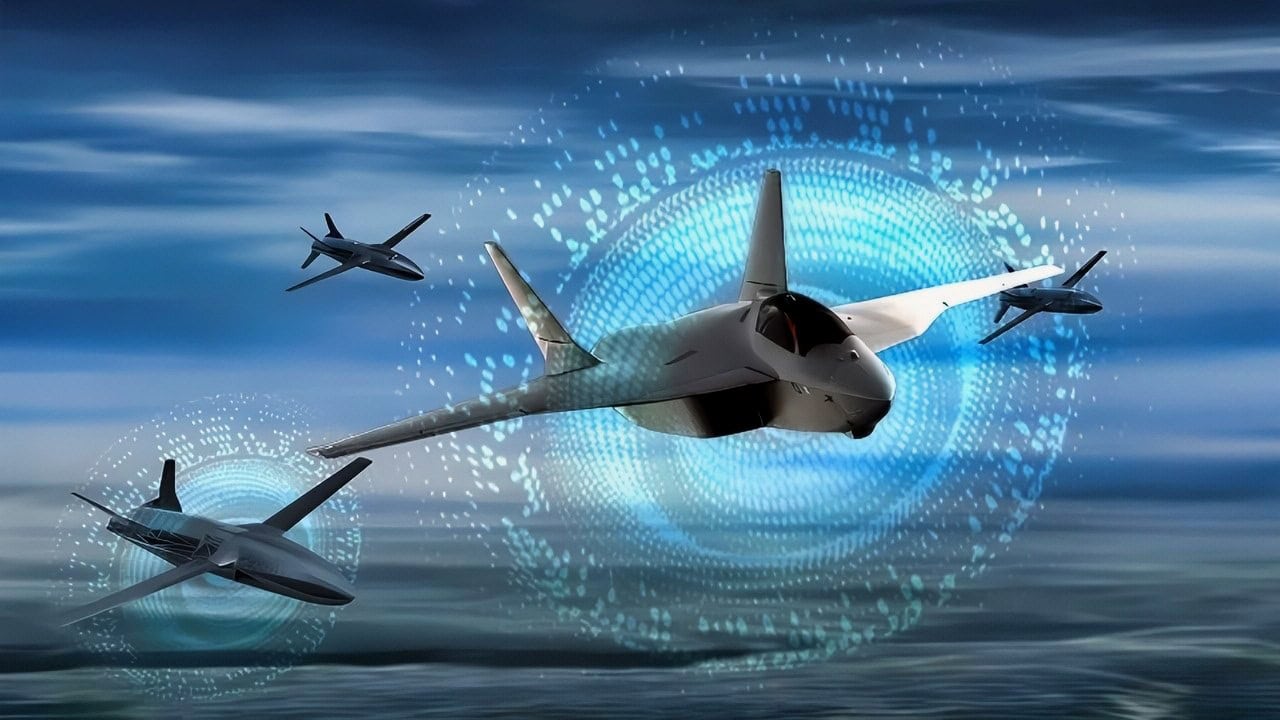
FCAS. Image Credit: Industry Handout.
It does have advantages FCAS never had.
Its initial requirement is narrower: stop the Russian ballistic missiles doing the greatest damage in Ukraine, not match everything Patriot has accumulated over decades.
The enemy is already firing the missiles it must defeat, and Ukraine can define the problem from combat rather than projections about a war twenty years away.
Industry is involved from the start, which makes the delay harder to pass off as prudent planning.
If the coalition tries to match Patriot across the full target set before putting anything into service, it will produce another exquisite missile in numbers too small to matter.
The financing has to come before the design is finished.
That is uncomfortable, particularly for governments accustomed to treating defense acquisition as a sequence of studies followed by contracts.
There is a risk in paying early.
There is more to discover: three years from now, Europe built a prototype but never built the factories.
Ukraine also has to retain real authority over the requirement. The coalition’s founding declaration recognizes Ukraine’s operational experience.
That cannot become ceremonial language once the national industries arrive.
Ukrainians know which Russian missiles are getting through and how the attack packages now work.
A system designed around those facts has a chance.
One designed around ten ministries’ preferences probably does not.
Washington should continue sending Patriots and approve licensed production.
Freyja needs the time those missiles buy.
The mistake would be to treat the next delivery as the strategy and the next shortage as a surprise.
The Test Comes After the Prototype
The first Freyja flight will get attention.
The contracts and factories will follow, along with the inevitable claim that Europe has finally learned to defend itself.
The real test will come after another Russian barrage forces Ukraine to use, in one night, missiles that took months to replace.
If Kyiv is again waiting for an American decision on what can be released, Freyja will have changed the interceptor without changing the war behind it.
Russia is counting on the coalition defending Ukraine to run short before Russia runs out of reasons to fire. Patriot can keep that bet from paying off now. Freyja has to make it a worse bet next time.
About the Author: Dr. Andrew Latham
Andrew Latham is a professor of international relations and political theory at Macalester College in Saint Paul, MN. You can follow him on X: @aakatham.