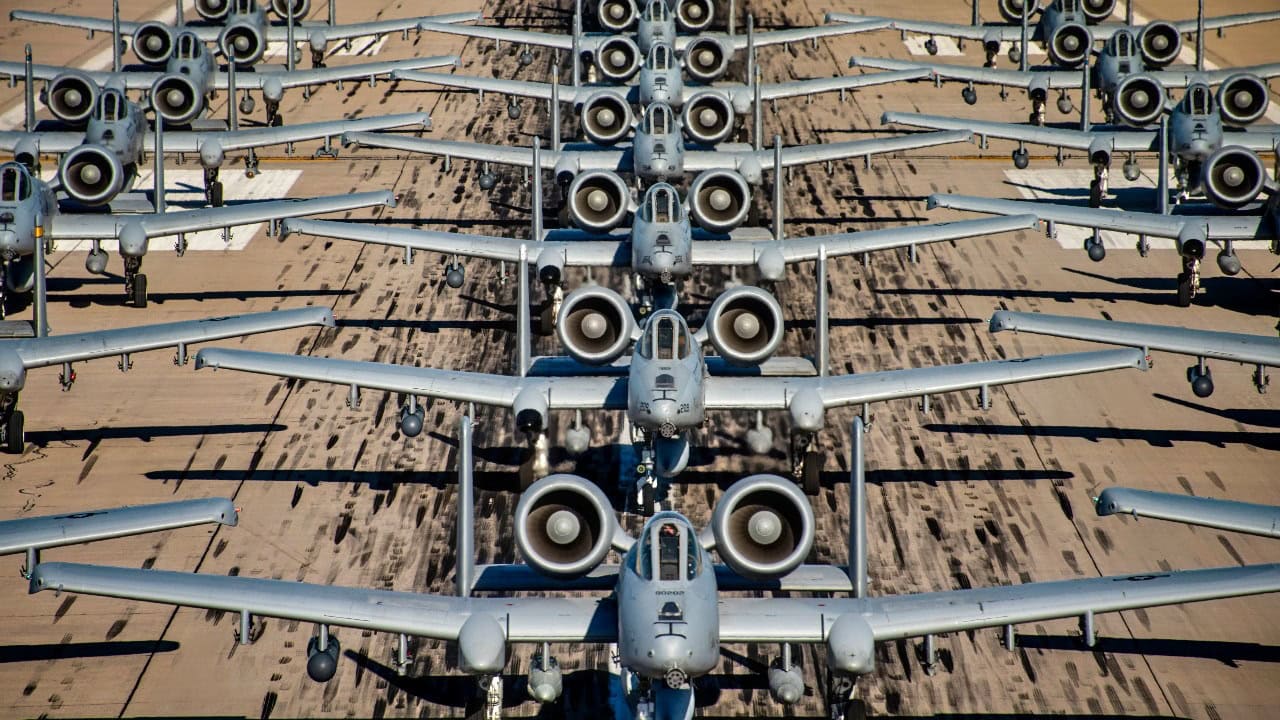
Make the A-10 Warthog a Dedicated Counter-Drone System – An astonishing fact about the legendary Fairchild Republic A-10 Thunderbolt II (better known as the “Warthog”): of around 8,100 combat sorties, only six A-10s have been shot down. This system has become one of the most important platforms for conducting close air support (CAS) for US forces engaged in combat.
The A-10 made a name for itself in Desert Storm, flying low, slow, and pounding the enemy (while providing essential cover for ground forces). Again, this plane fought across the battlefields of the Global War on Terror — from Afghanistan to Iraq and elsewhere in the region.
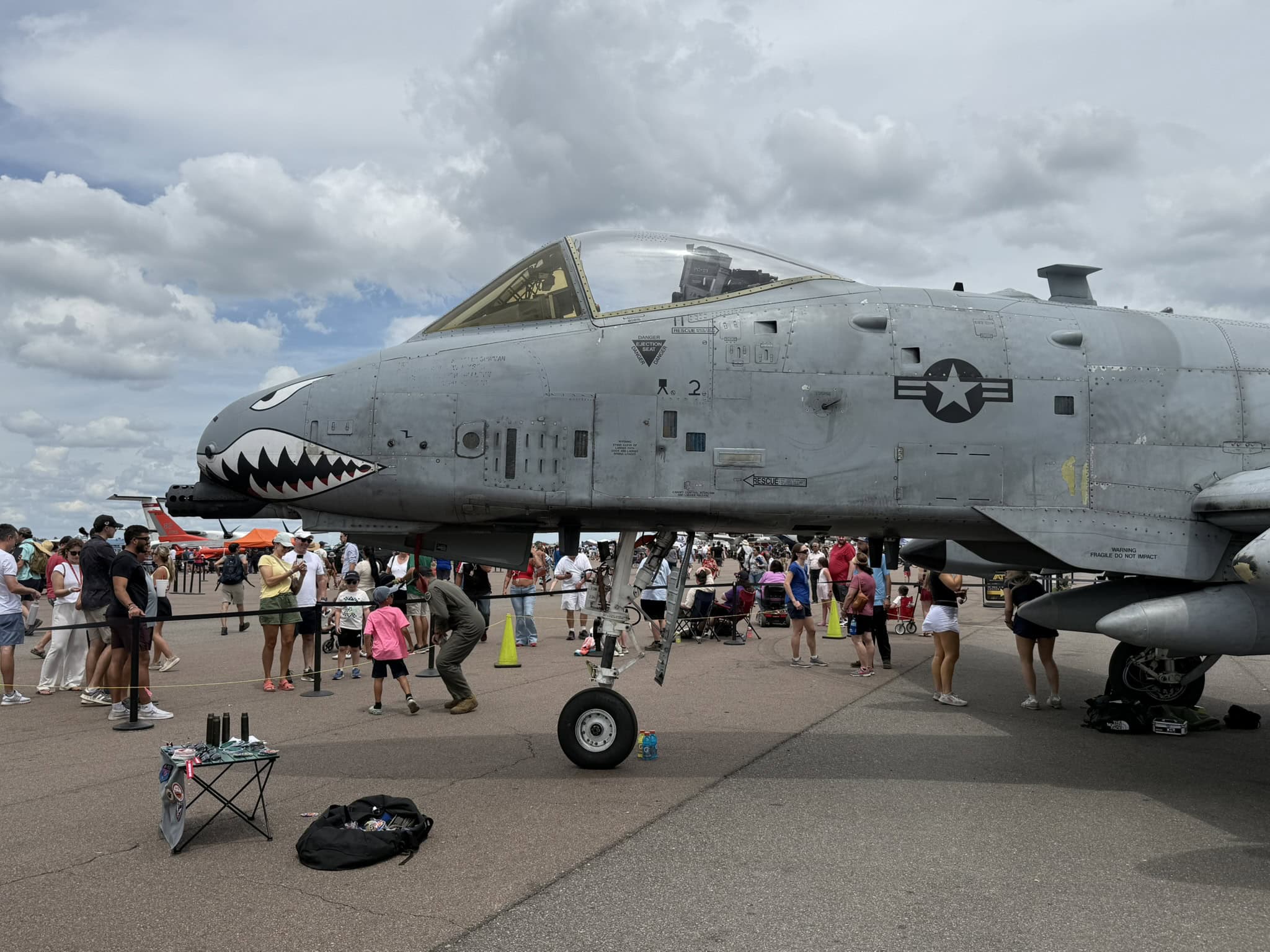
A-10 Warthog at Lakeland Air Show in Lakeland, Florida. Image by Harry J. Kazianis.
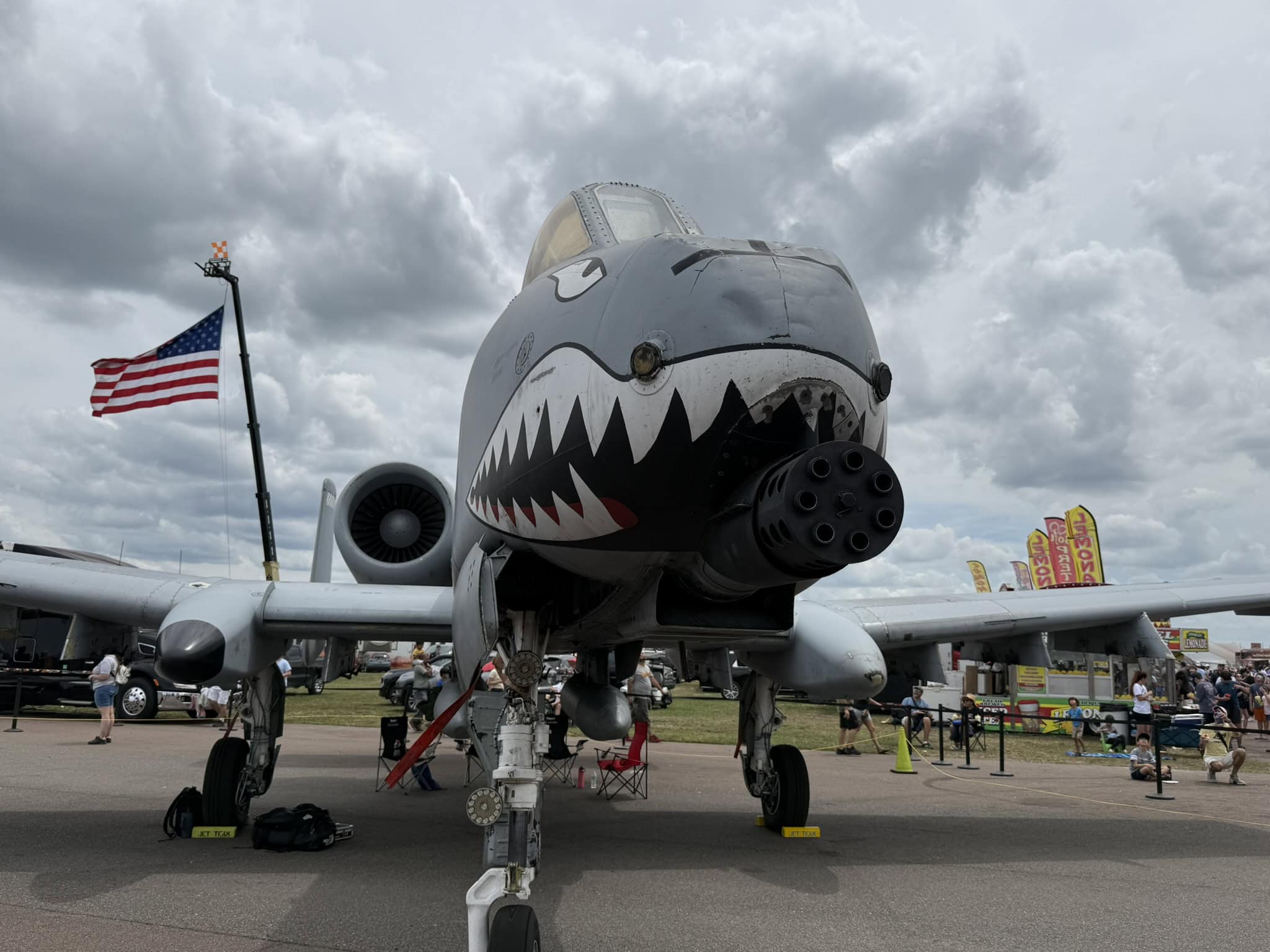
A-10 Warthog at Lakeland Air Show in Lakeland, Florida. Image by Harry J. Kazianis.
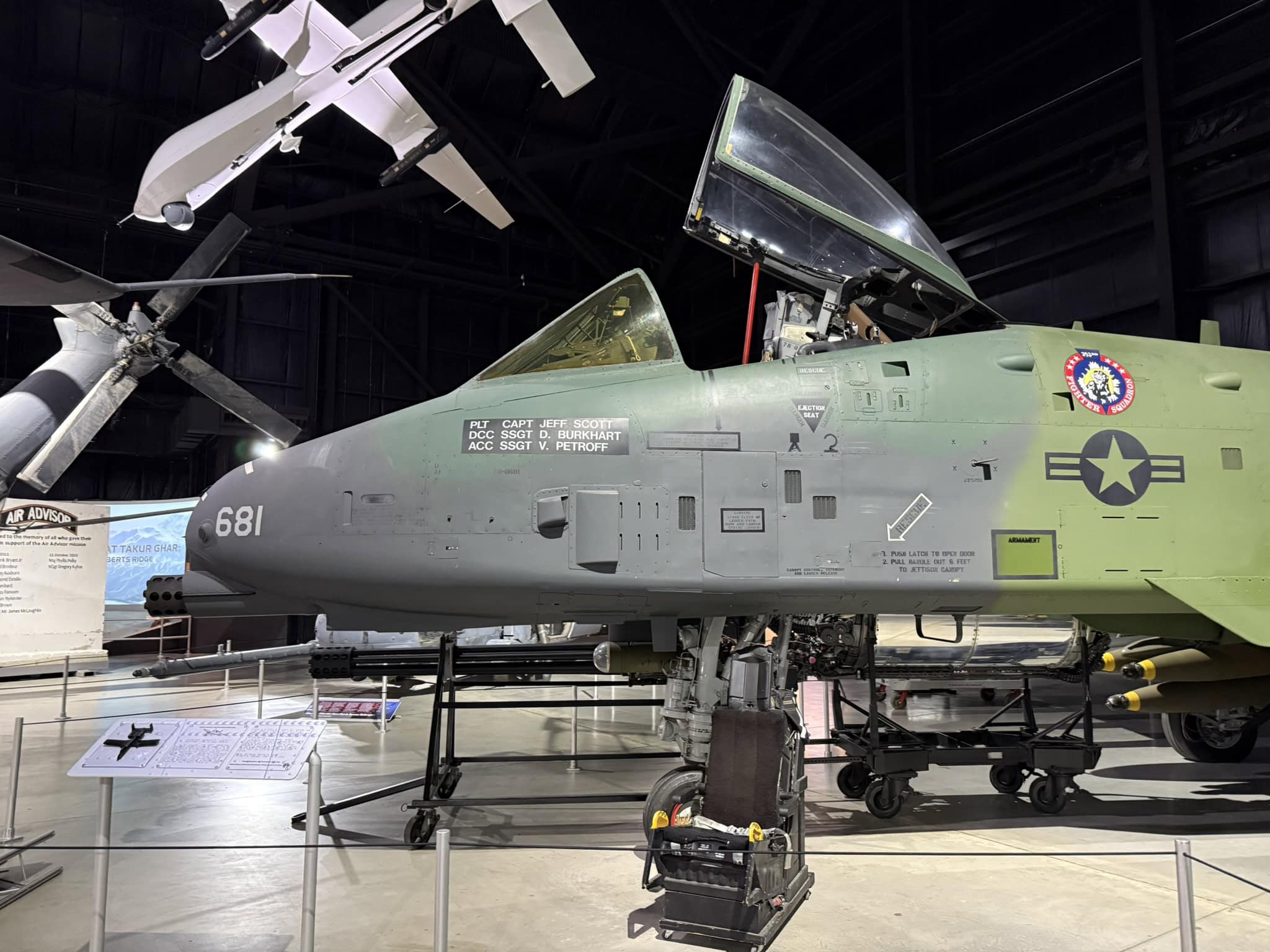
A-10 Warthog. 19FortyFive Image.
Despite its immense success as a combat plane, the Air Force has wanted to end the A-10 for years. The Air Force designed this system to fight (and win) a battle over Germany’s Fulda Gap if the Cold War had ever turned hot. When that conflict evaporated in 1991, the A-10’s primary mission disappeared as its principal adversary vanished. But the Pentagon found other uses for this plane — and the plane, as you have read, performed magnificently.
A-10 Warthog: Not Useful Anymore?
The concern now is that, in the age of advanced anti-aircraft defenses, drone swarms, and broader anti-access/area-denial (A2/AD) coverage, the A-10 Warthog will be unable to perform its primary mission set as a CAS platform. The airspace would be denied to the low-flying, slow-moving, heavily armored (and armed) fighter.
That may be true, but the A-10 is a powerful plane that has already seen changes to its original mission profile.
Given the plane’s affordability, ease of maintenance, and ability to operate in degraded environments (short airfields in isolated regions, for example), why not refashion its mission profile the way the military did after the end of the Cold War?
During the ongoing Middle East conflict with Iran, the United States was unprepared to handle the drone and missile swarm attacks from Iran directed at US military facilities throughout the region. Air defense interceptors were used to stop these relatively cheap attacks. But those systems were costly, finite in supply, and hard to replace quickly.
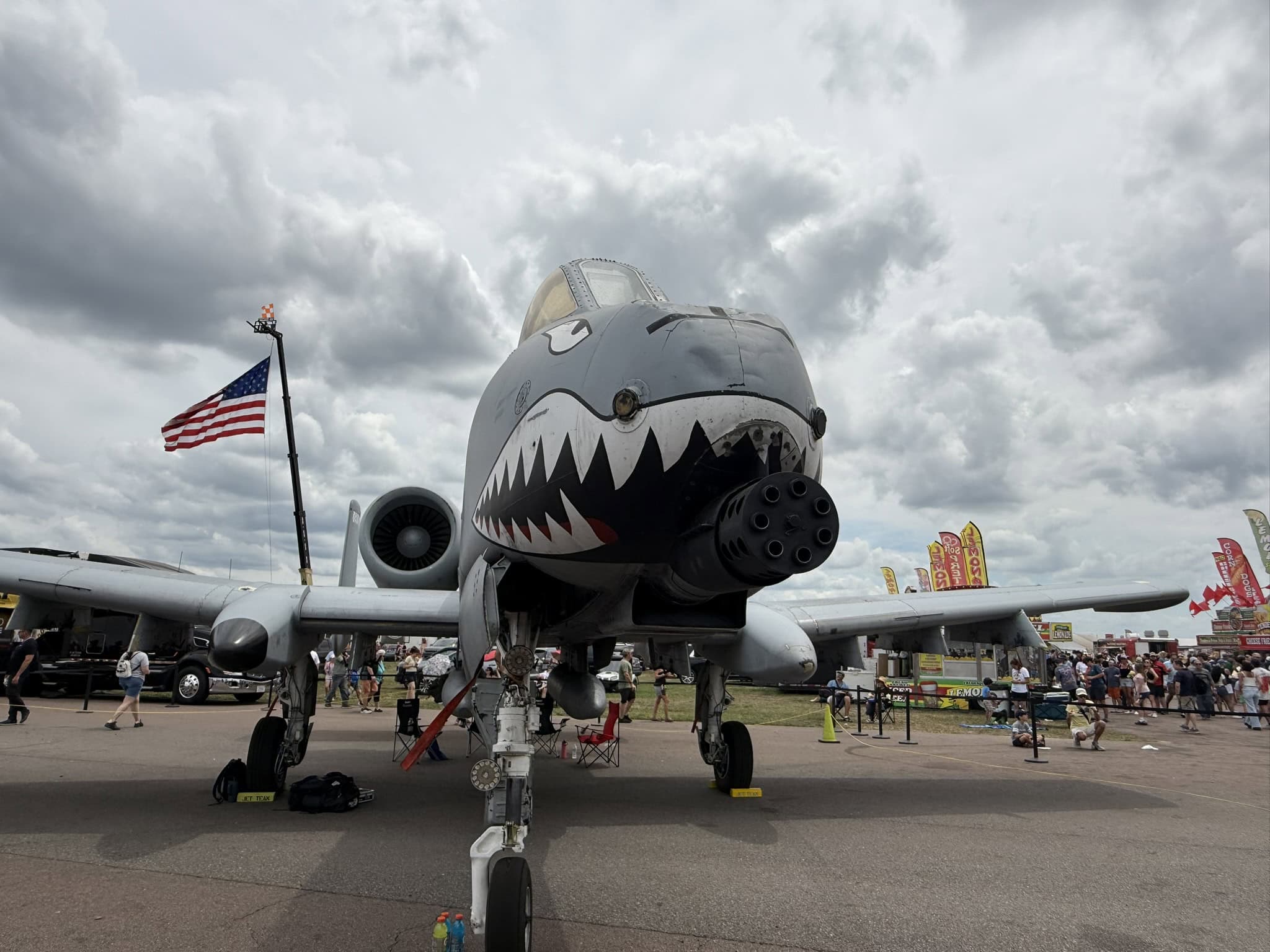
A-10 Warthog Sun’ and Fun Airshow 19FortyFive. Taken 4/19/2026.
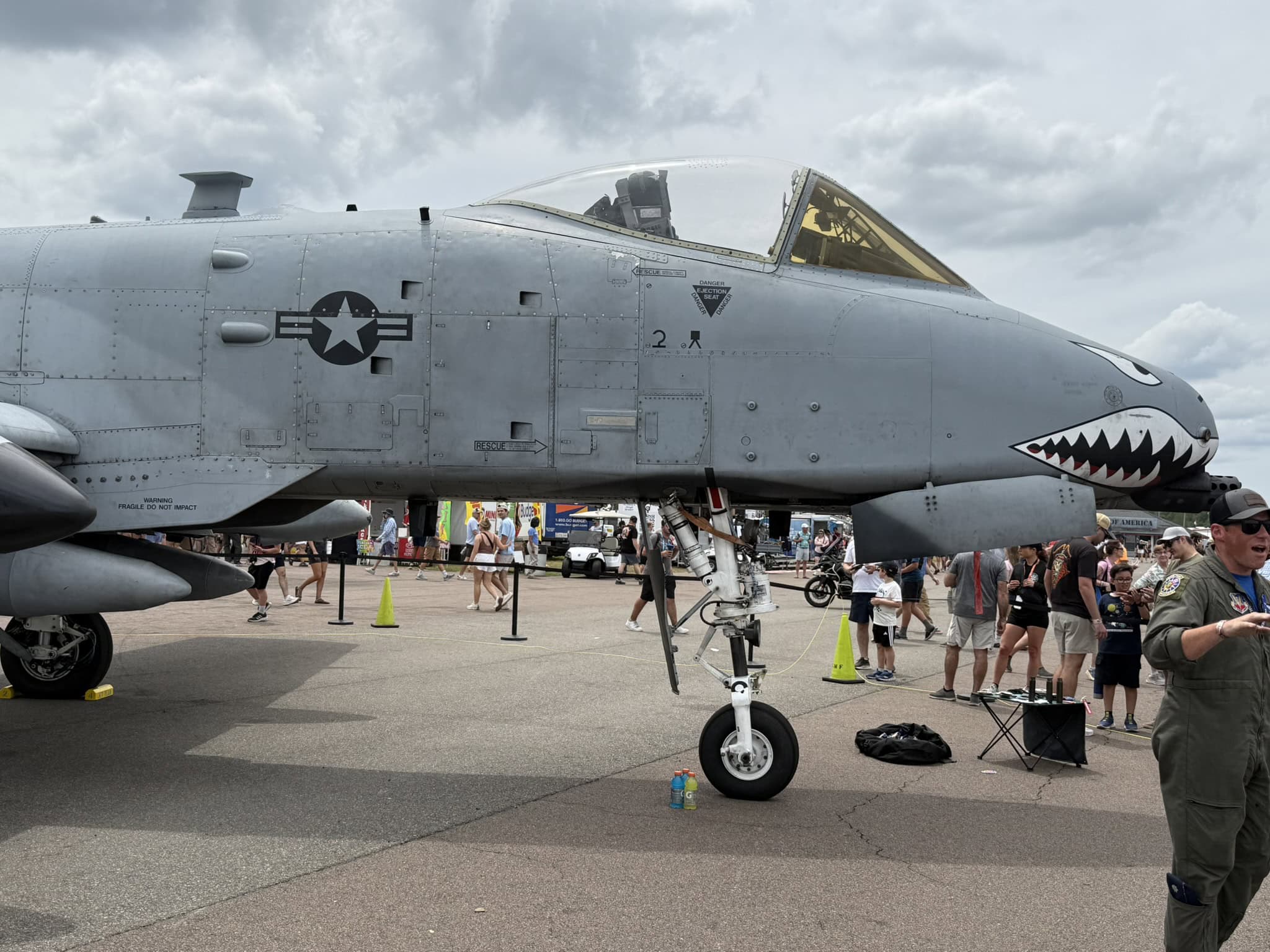
A-10 Warthog Sun’ and Fun Airshow 19FortyFive. Taken 4/19/2026.
The Americans needed something to augment regional air-defense capabilities and conduct interception missions more cheaply.
A Counter-Drone System
With A-10s sitting idle, the Air Force decided to test the plane as a counter-drone platform. The A-10 worked brilliantly in this role. Now many A-10 enthusiasts ask why the Air Force isn’t working to convert the A-10 into a dedicated anti-drone and missile-defense interceptor if it truly believes the plane can no longer function in a CAS role.
This single-crewed bird has a maximum takeoff weight of 50,000 pounds. Two General Electric TF34-GE-100 turbofans (producing 9,065 pounds of thrust each) power this beastly bird. The plane can fly up to 420 mph and has a combat radius of about 800 miles. Its service ceiling is 45,000 feet.
The A-10’s power comes from its 30mm GAU-8/A seven-barrel Gatling gun, which can fire up to 3,900 rounds per minute. This gun has made the A-10 a flying cannon, decimating enemy armor and obliterating troop formations before they can threaten US or allied ground forces.
It carries up to 16,000 pounds of mixed ordnance across 11 hardpoints. This plane can deploy Maverick missiles, Sidewinders, unguided or laser-guided bombs, and rockets. For defense, the plane’s most significant protection is the titanium cockpit “bathtub” armor, which weighs over 1,200 pounds.
Because the plane’s original mission was CAS, the A-10’s designers knew it would be in range of not only anti-aircraft weapons but also small-arms fire. That titanium cockpit bathtub protects the pilot and essential controls from such attack.
Do Not Kill the Warthog
The titanium bathtub also protects the plane against 23mm anti-aircraft fire.
The plane has redundant flight-control systems and self-sealing fuel tanks. And these planes have more than proven their worth. As modern warfare changes and countries embrace greater levels of strategic denial that make the A-10’s original CAS mission more problematic, these systems can still be used effectively in a defensive role.
Plenty of airframes remain, too.
The A-10’s Gatling gun alone makes it an effective, affordable defender against incoming drone swarms and even some missiles.
Rather than retire these planes, the Air Force must retask them to become dedicated counter-drone systems.
NOTE: We have visited many A-10 Warthogs since last year. We have included some of our best original photos and video of the A-10 in this article.
About the Author: Brandon J. Weichert
Brandon J. Weichert is the Senior National Security Editor at 19FortyFive.com. He also manages The Weichert Brief on Substack. Weichert is the co-host for The Mario Nawfal Show on Twitter/X. He is the author of four bestselling national security books, most recently A Disaster of Our Own Making: How the West Lost Ukraine (Encounter Books). His next book, Fortress Americas: A New Monroe Doctrine (Tucker Carlson Books), is due out December 8. Follow him via Twitter/X @WeTheBrandon.