
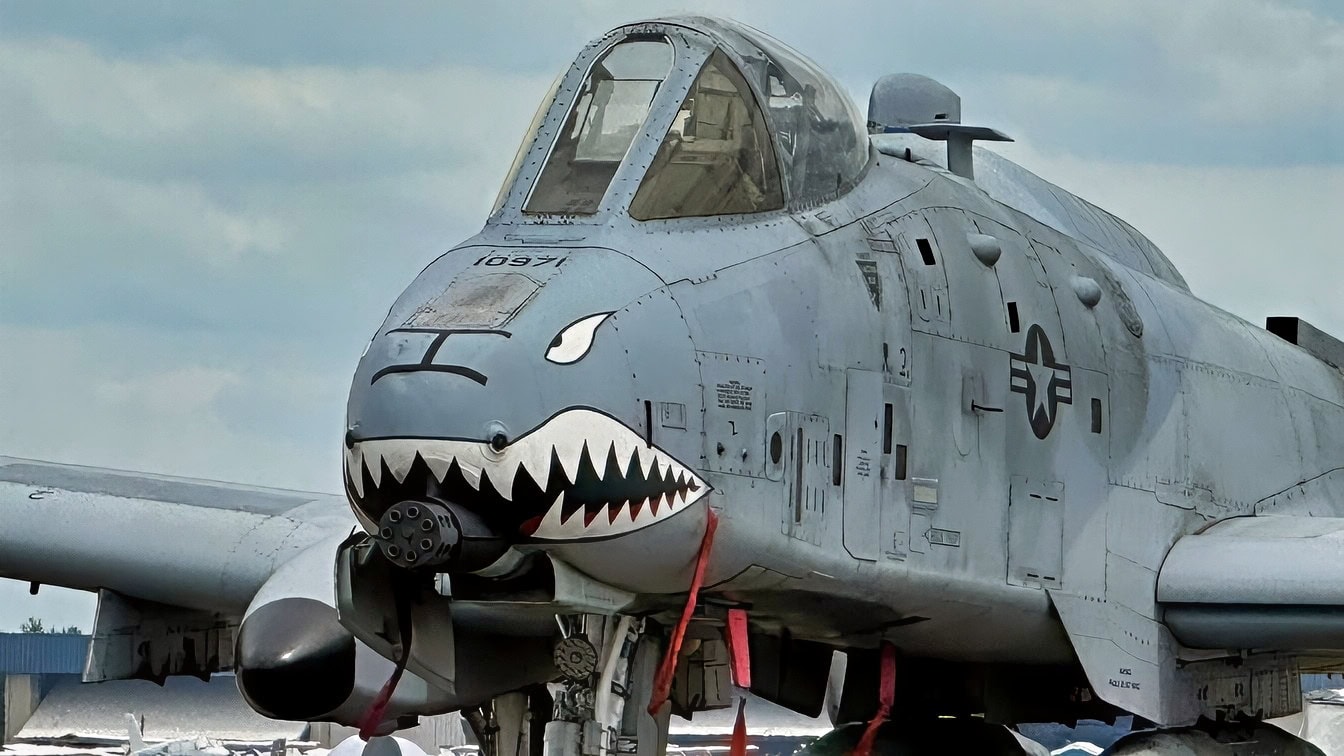
Love the A-10 Warthog, But The BRRRT Act Is Not A Good Idea: Congress (and many aviation enthusiasts) has a soft spot for the A-10 Warthog, and it’s easy to understand why. In fact, many of the pictures of the A-10 in this article are from a visit with a Warthog in Lakeland, Florida, back in April, at an air show that also featured the F-22 Raptor.
The plane is loud, ugly in an endearing way, and has a decades-long reputation for saving soldiers’ lives, thanks to its 30mm GAU-8 Avenger cannon, which sounds like the sky tearing open.
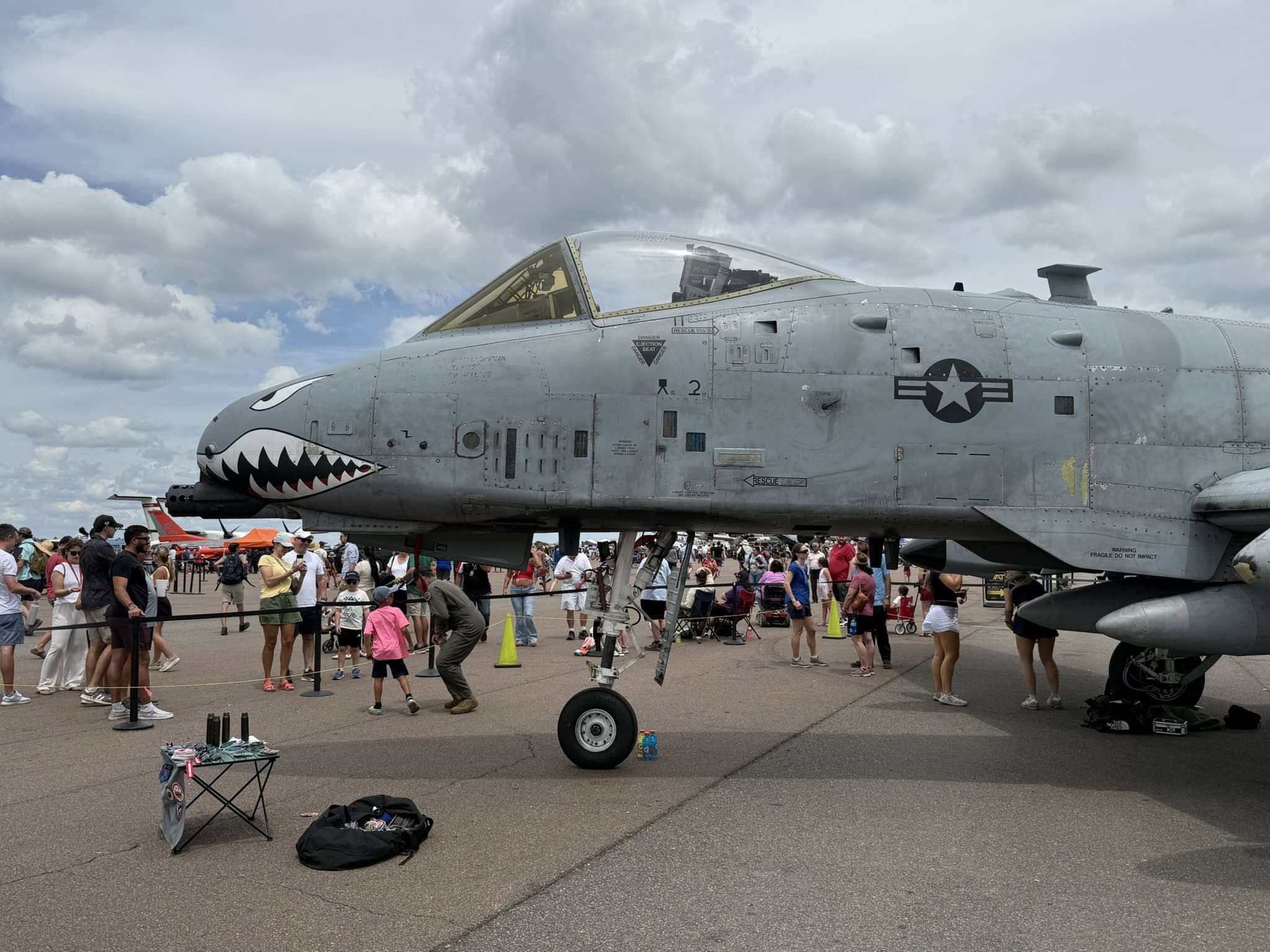
A-10 Warthog at Lakeland Air Show in Lakeland, Florida. Image by Harry J. Kazianis.
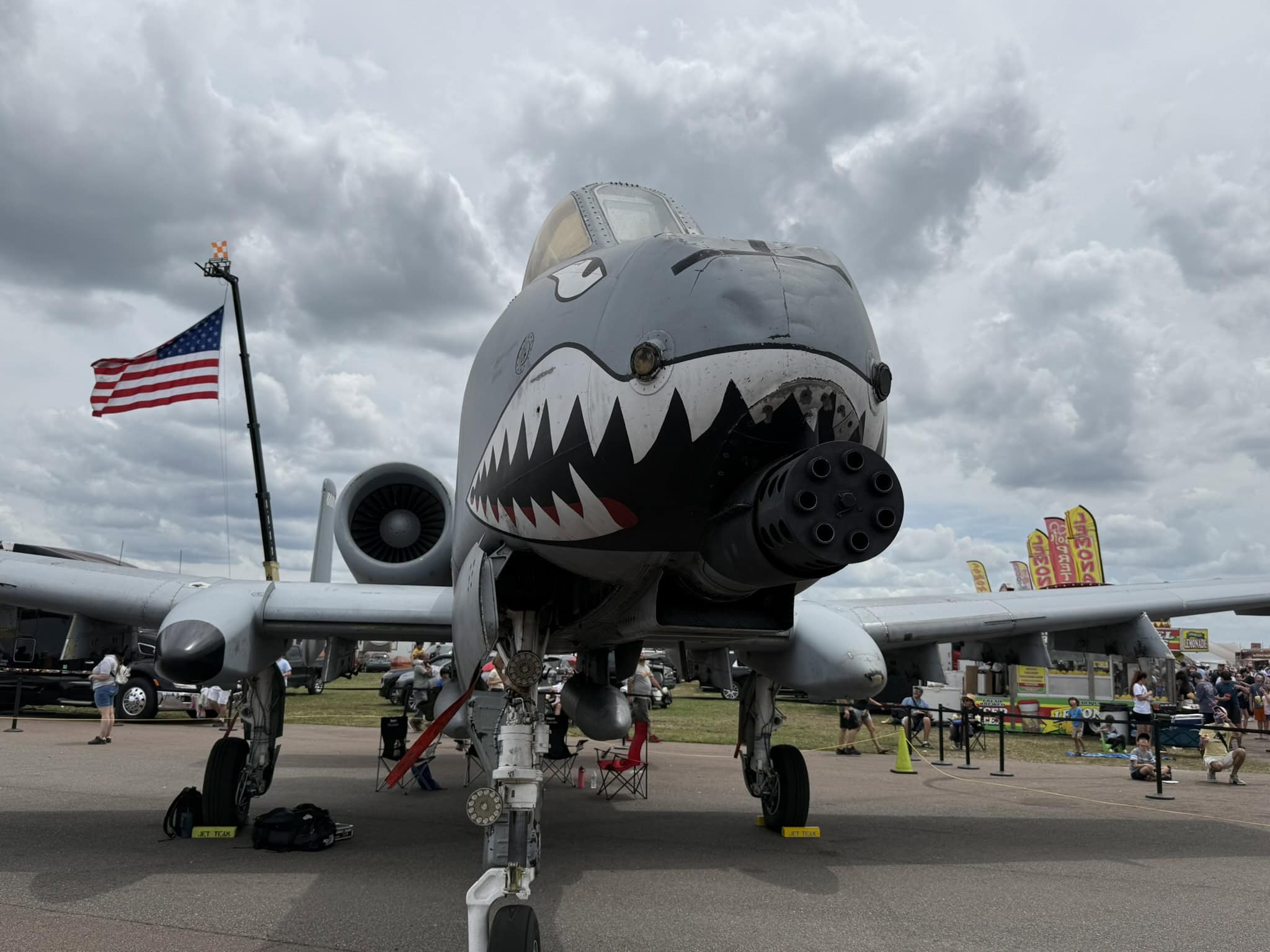
A-10 Warthog at Lakeland Air Show in Lakeland, Florida. Image by Harry J. Kazianis.
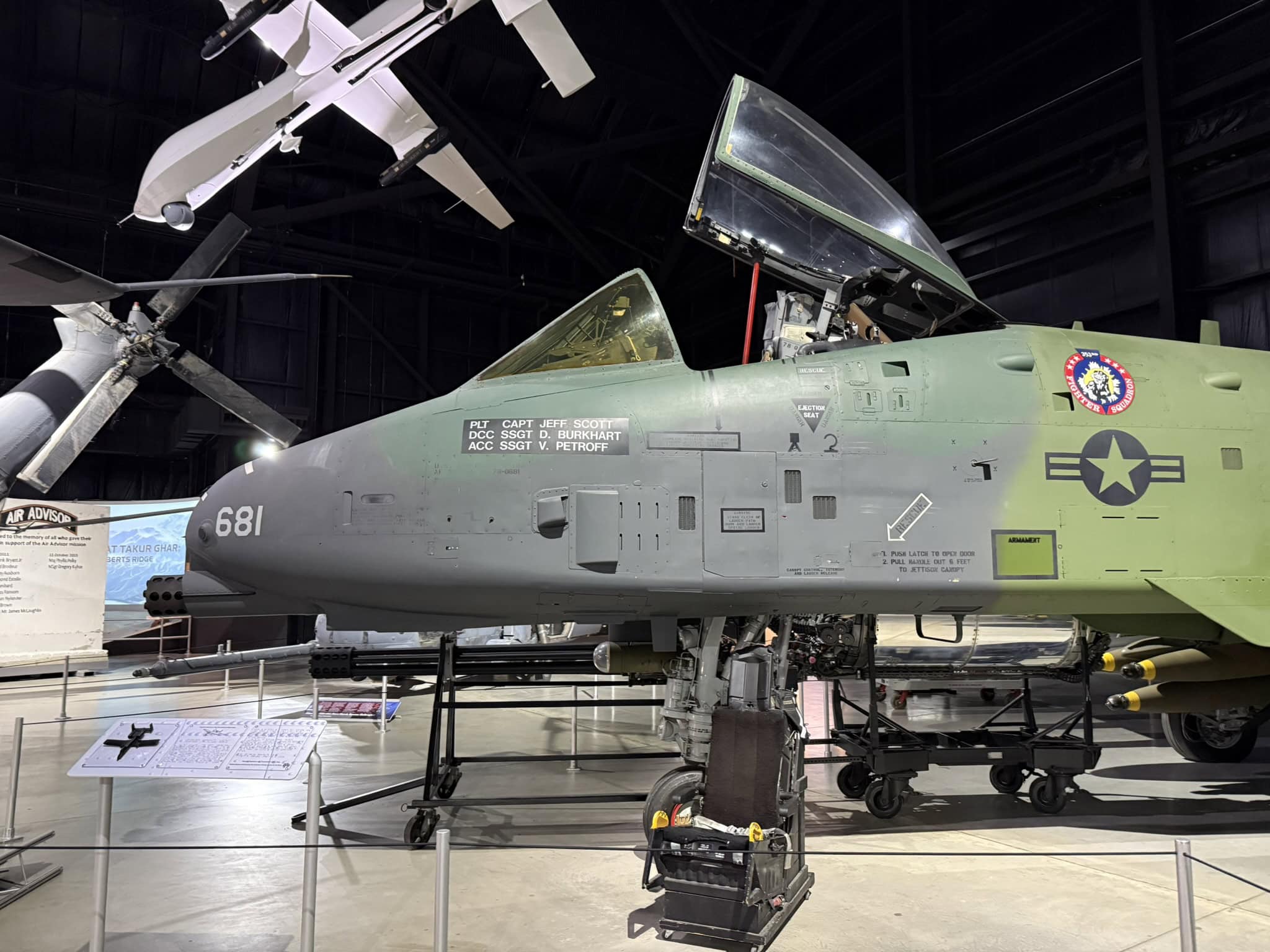
A-10 Warthog. 19FortyFive Image.
So when Rep. Abe Hamadeh introduced the BRRRRT Act, officially the Bolstering Recognition, Resurgence, Retention, and Remembrance of the Thunderbolt Act, it arrived wrapped in nostalgia and framed as a matter of “common sense” and of keeping faith with troops.
According to the legislation, the experimentation plan would include an operational assessment of “autonomous, semi-autonomous, artificial intelligence-enabled, and adjunct aircraft capabilities” to match or expand upon what the A-10 can do.
But once the affection for the iconic aircraft is stripped away and you look at what the bill actually does, the truth rings differently.
This piece of legislation substitutes sentiment for strategy, locks the Air Force into decisions that belong to military planners rather than to Congress, and spends the defense budget propping up a Cold War-era platform at the exact moment the United States needs to invest in the capabilities of the next war, not the last one.
Locking In Fleet Size Is Not The Same As Locking In Strategy
The essence of the BRRRRT Act is a mandate: the Air Force must keep at least 126 A-10s in service through fiscal year 2033, up from the previously legislated floor of 103.
It also requires the service to restore depot maintenance, pilot training pipelines, and sustainment infrastructure that had been wound down, and it makes any further retirement contingent on a formal certification, signed off by the Secretary of the Air Force, the Secretary of the Army, the Commandant of the Marine Corps, and the head of U.S. Special Operations Command, that a replacement has fully assumed the A-10’s mission.
That is an extraordinarily high bar, set by statute rather than by the people whose job is to weigh trade-offs across the entire force structure.
Airpower planning is supposed to be a dynamic exercise, matching aircraft numbers, training pipelines, and maintenance depots to a threat environment that shifts year to year.
If the strategic environment shifts, such as tensions over Taiwan intensifying or a new adversary air-defense system coming online faster than expected, the Air Force could find itself boxed in, obligated to keep feeding money and personnel into a legacy fleet that probably won’t match the needs of the service.
The A-10’s Survivability Is Suspect In A Peer or Near-Peer Conflict
Every honest assessment of the A-10 debate arrives at the same uncomfortable fact: the Warthog’s whole design philosophy is obsolete. That flying low and slow to loiter over a battlefield and pour cannon fire into enemy armor is precisely the profile that modern integrated air defense systems are built to kill.
Advanced surface-to-air missile networks, proliferating shoulder-fired MANPADS, and networked sensor grids make “low and slow” a much riskier proposition against any adversary with even modest air defenses than it was in the skies over Iraq in 1991 or Afghanistan in the 2000s.
Analysts have pointed specifically to the vulnerability of a non-stealth airframe against systems like the S-400 and other integrated air defense networks that a peer competitor would bring to a fight over Taiwan or the Baltics.
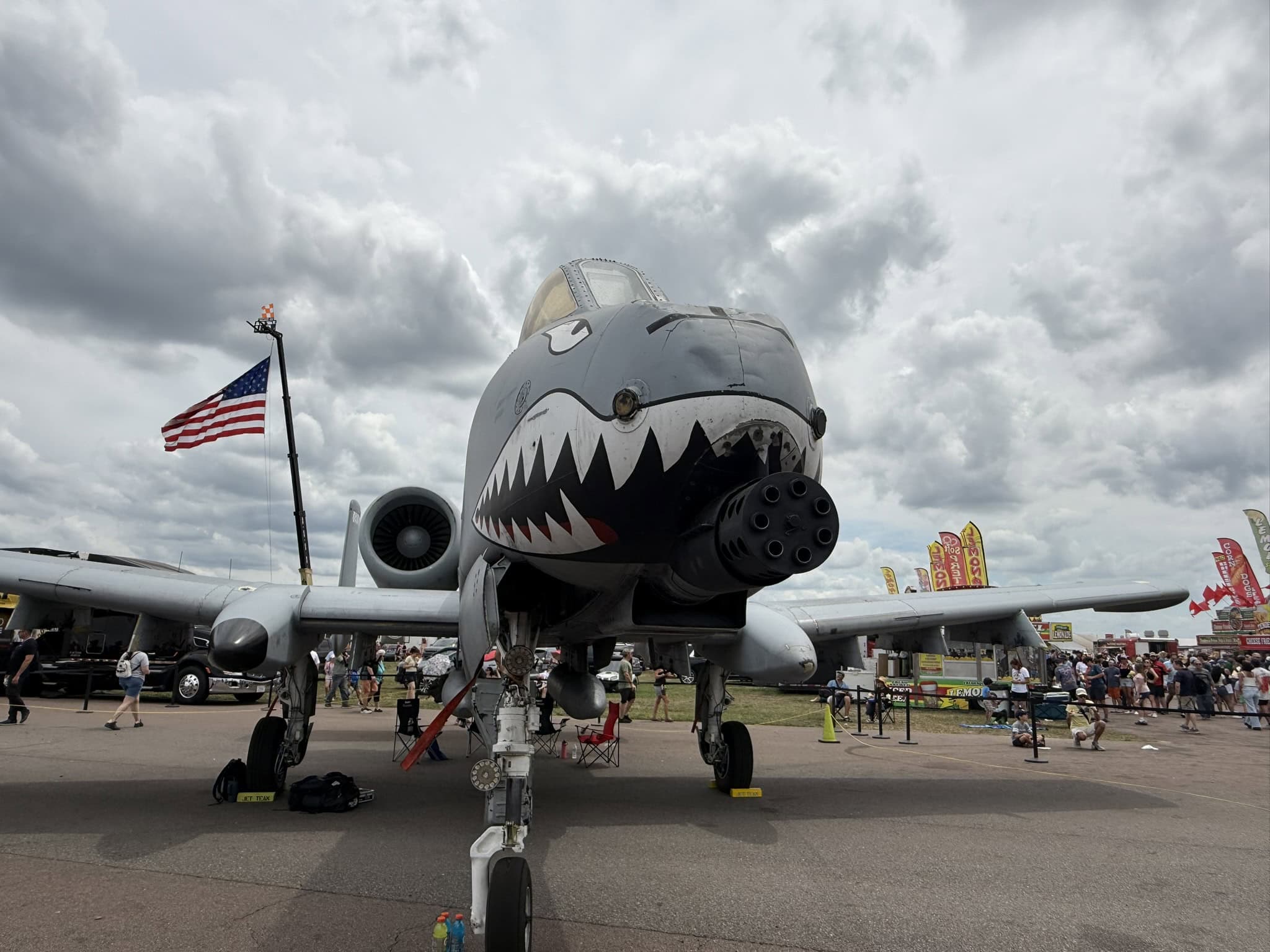
A-10 Warthog Sun’ and Fun Airshow 19FortyFive. Taken 4/19/2026.
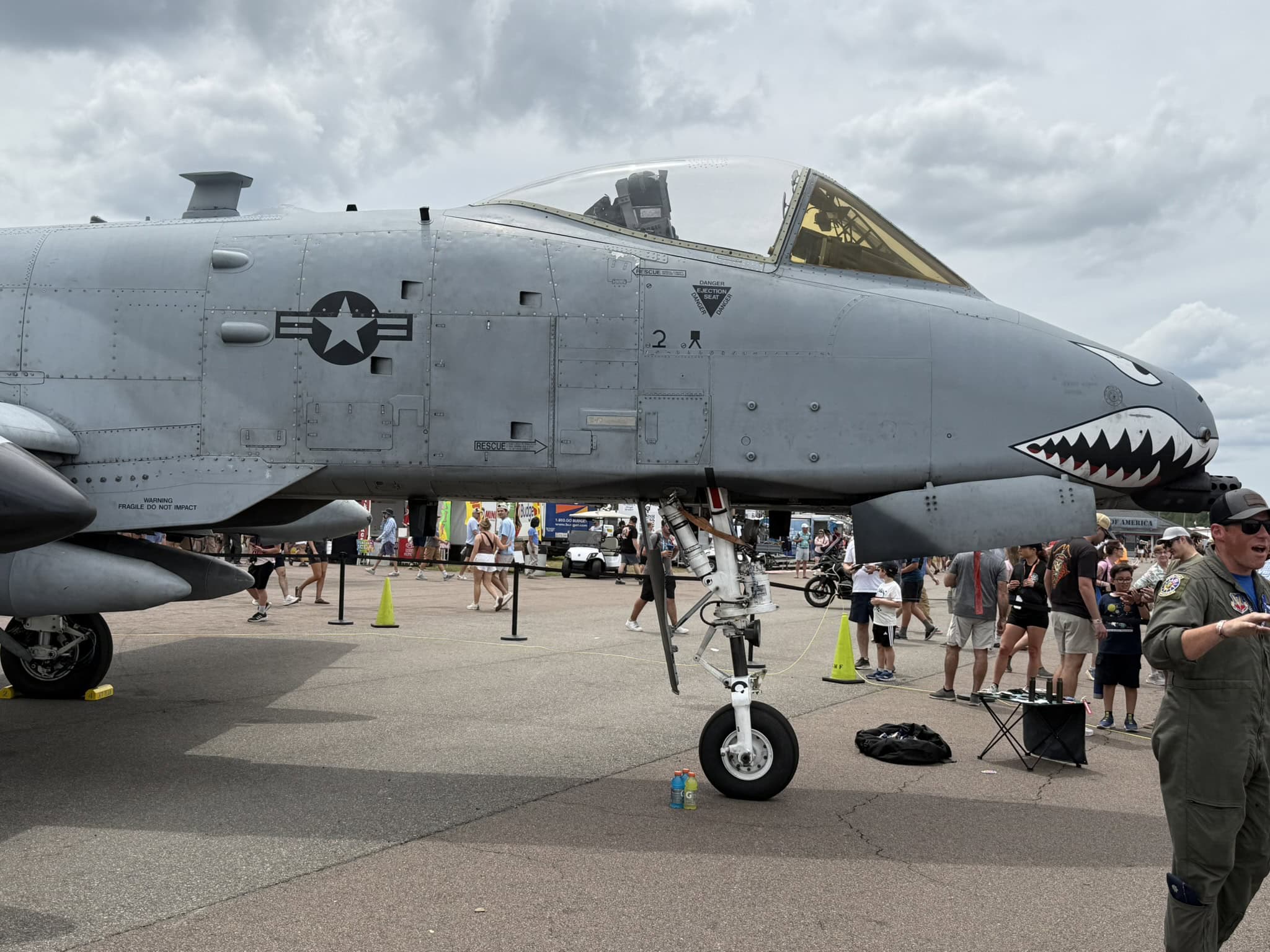
A-10 Warthog Sun’ and Fun Airshow 19FortyFive. Taken 4/19/2026.
None of this means the A-10 is useless. It means the debate over its future should be about what kind of conflict the country is actually preparing for, and that calculus has genuinely shifted since the aircraft’s Cold War heyday.
Legislating a fixed number of Warthogs doesn’t resolve that tension; it just tells the Air Force to keep flying a plane whose central vulnerability grows more serious every year, regardless of what the threat environment actually calls for.
It Always Comes Down To The Budget
Every dollar and every maintenance slot spent restoring A-10 training pipelines and depot capacity is a dollar and a slot not spent elsewhere.
The Air Force has been explicit that its case for retiring the A-10 rests on freeing up resources, maintainers, training billets, tanker support, and budget lines for platforms it considers essential to great-power competition: the F-35, the B-21 Raider, and the next-generation air dominance program, the F-47.
The A-10 fleet is also aging into genuinely expensive territory, with airframes now more than four decades old requiring costly structural overhauls and wing replacements just to stay airworthy. The Air Force has estimated hundreds of millions of dollars a year in savings from retirement — money that, under the BRRRRT Act, keeps flowing into 1970s technology instead.
Supporters of the bill will say this is a false choice, that the Air Force’s “fighter gap” argument is really about institutional preference for shiny, expensive multi-role jets over an unglamorous but effective single-mission workhorse.
And even Secretary of War Pete Hegseth, says the U.S. has no dedicated close air support platform that could fill the gap left by retiring the aircraft.
There is a high degree of validity in that argument. The Air Force has tried to retire the A-10 nearly every year for over a decade, sometimes for reasons that look more like budgetary bureaucracy than hard strategic analysis.
But the answer to “the Air Force has been sloppy about justifying past retirements” is better oversight and a real replacement timeline, not a seven-year statutory floor that forecloses the question entirely.
There Is A Better Path For Congress And The Air Force
None of this means Congress should simply defer to the Air Force and let the A-10 disappear overnight without a plan. The service has, in the past, moved to retire the Warthog faster than any credible replacement could absorb its mission set, and lawmakers are right to worry about a real capability gap in close air support for troops in contact.
But there’s a difference between demanding a credible transition plan and writing a rigid, multi-year fleet-size mandate into law.
Congress could require the Air Force to report on CAS readiness, set benchmarks for F-35 and other platforms’ demonstrated close-air-support proficiency, and retain oversight authority to intervene if those benchmarks aren’t met, without freezing 126 specific airframes and their entire supporting infrastructure in place through 2033 regardless of how the strategic picture evolves.
The BRRRRT Act’s supporters are spot on that the A-10 has an extraordinary combat record, or that ground troops have a real reason to love and trust it.
However, the bill locks the Pentagon into a specific number of vulnerable, aging, single-mission aircraft, while the money and maintenance capacity that it requires is drawn away from the platforms the Air Force says it needs for the conflicts actually on the horizon, which is not the “common sense” its sponsors claim.
It’s Congress substituting its judgment for the military’s on a technical force-structure question, in a way that could leave the country less prepared, not more, for the fight that’s actually coming.
There are and will be many veteran pilots, ground-combat veterans, and some members of both parties who argue the opposite: that the Air Force’s retirement push is itself driven more by institutional preference for expensive multi-role platforms than by sound strategy, and that no aircraft currently in inventory truly replicates the A-10’s specific combination of firepower, loiter time, and battlefield trust.
And that argument has merit, as we’ve often posted here on these pages.
The debate over the A-10’s future has run for decades without resolution precisely because both sides have a real case. But as much as we love the A-10, just like the WWII-era P-51 Mustang, there comes a time when it is time to retire it.
About the Author: Steve Balestrieri
Steve Balestrieri is a National Security Columnist. He served as a US Army Special Forces NCO and Warrant Officer. In addition to writing on defense, he covers the NFL for PatsFans.com and is a member of the Pro Football Writers of America (PFWA). His work was regularly featured in many military publications.