
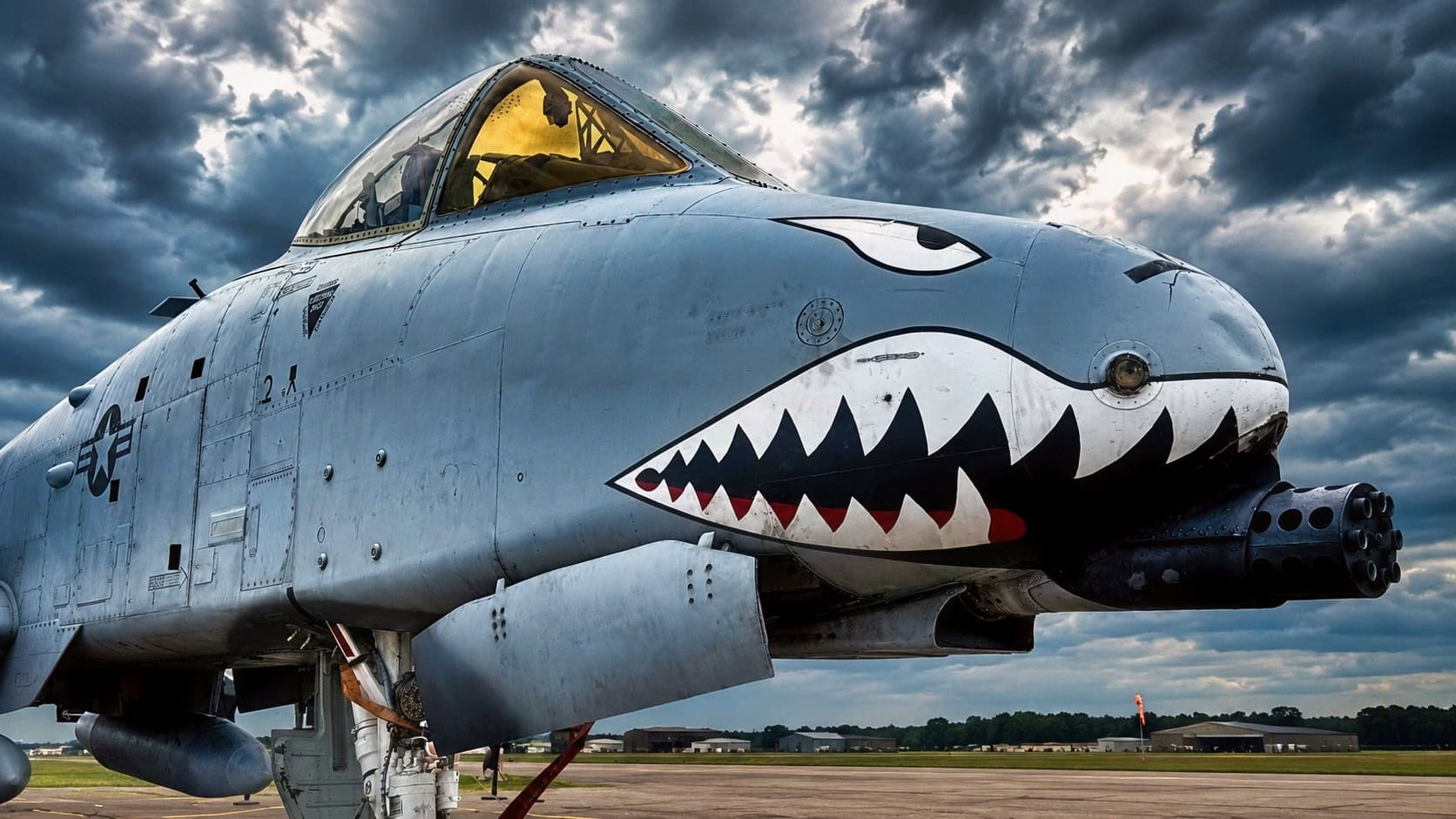
On April 3, 2026, U.S. forces were trying to rescue the crew of an F-15E Strike Eagle that had been shot down over Iran. It was big news at the time, and the operation saw A-10 Warthogs join the effort to help protect the rescue teams from Iranian forces. One of those A-10 aircraft was hit, with its pilot ejecting and later being recovered.
The two F-15E crew members were also rescued.
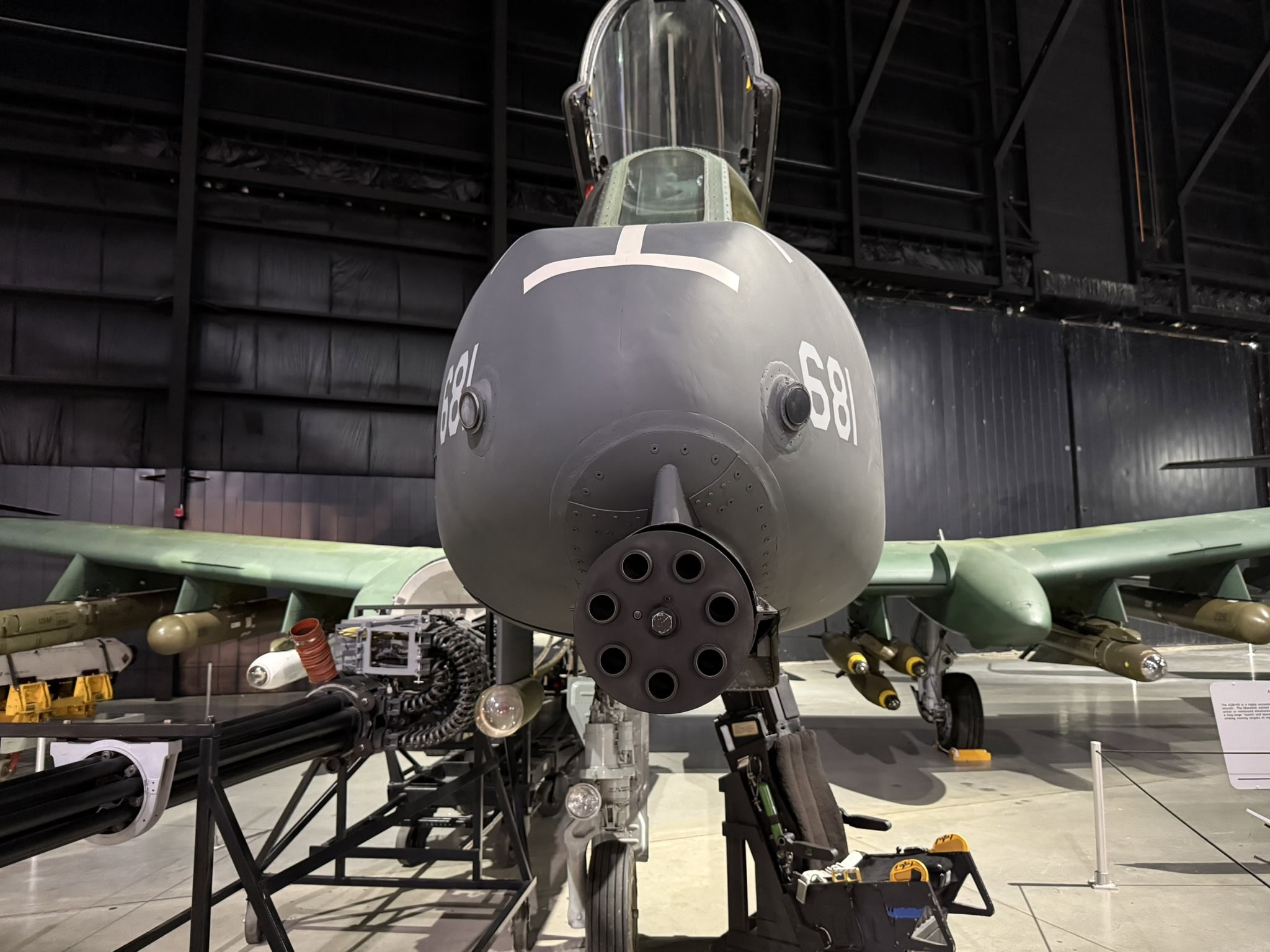
A-10 Warthog. Image Credit: 19FortyFive.com
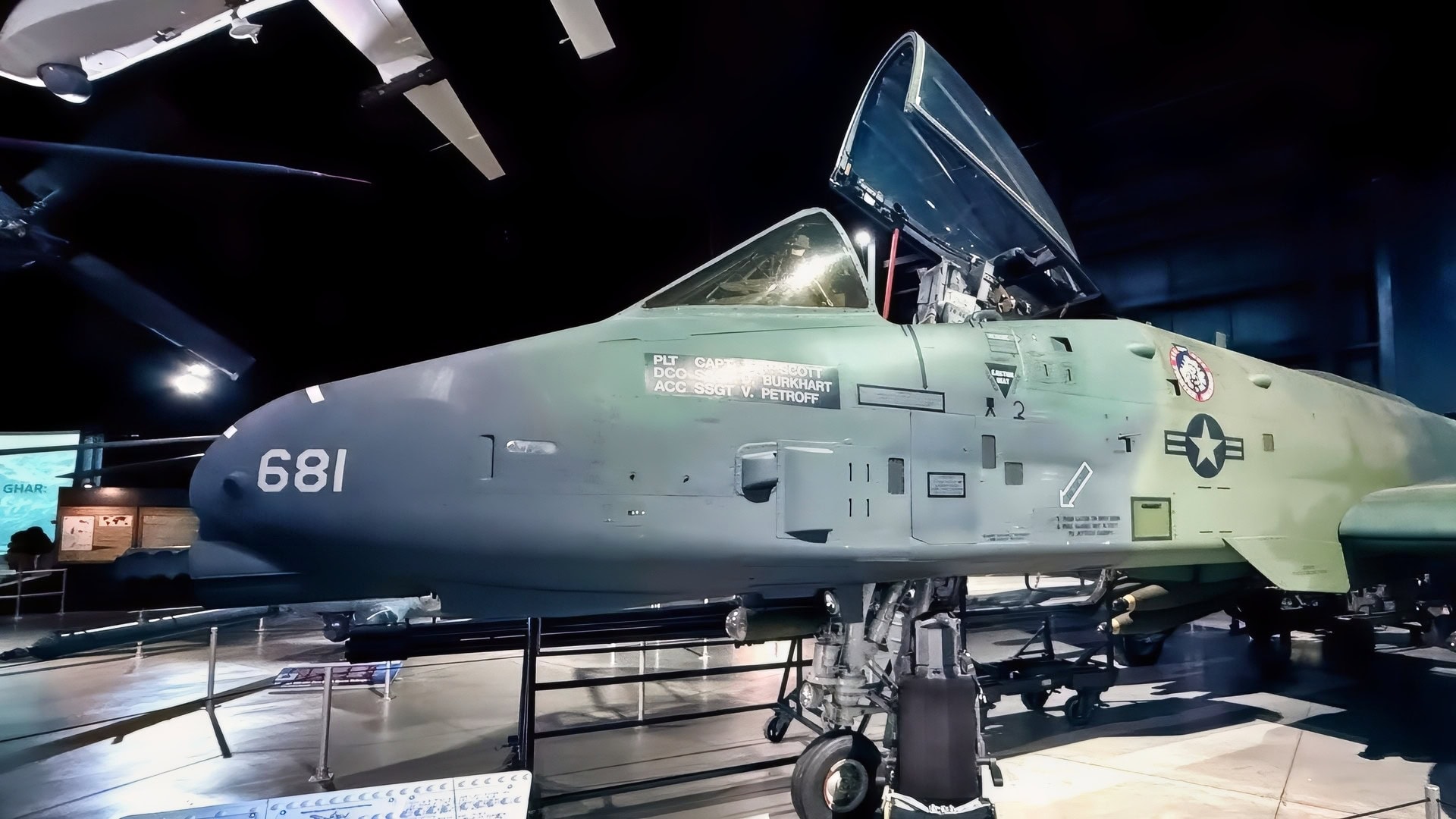
A-10 Warthog 19FortyFive.com Original Image
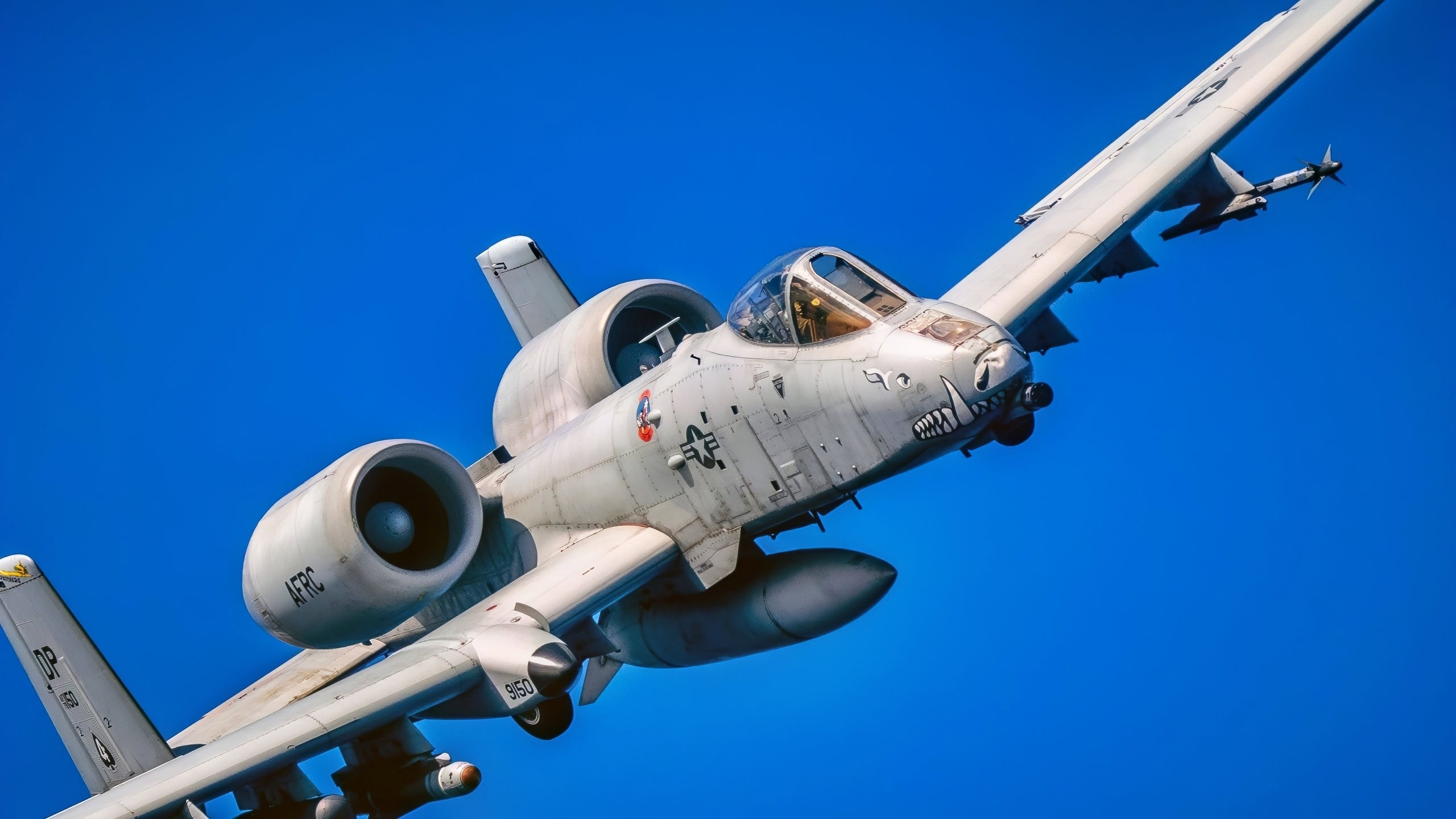
The Legend-class cutter USCGC Midgett (WMSL 757) conducted an Air Raid exercise with a U.S. A-10C Thunderbolt II, the Italian Navy Thaon di Revel-class offshore patrol vessel ITS Montecuccoli (P 432) and the Arleigh Burke-class guided-missile destroyer USS Kidd (DDG 100) as part of Rim of the Pacific (RIMPAC) exercises, July 17, off the coast of Hawaii. Twenty-nine nations, 40 surface ships, three submarines, 14 national land forces, more than 150 aircraft, and 25,000 personnel are participating in and around the Hawaiian Islands, June 27 to Aug. 1. The world’s largest international maritime exercise; RIMPAC provides a unique training opportunity while fostering and sustaining cooperative relationships among participants critical to ensuring the safety of sea lanes and security on the world’s oceans. RIMPAC 2024 is the 29th exercise in the series that began in 1971. (U.S. Coast Guard photo by David Lau)
It proved the resilience of the U.S. Air Force and its service members, but it also showed how older aircraft can be deployed creatively to be just as useful as many modern aircraft.
The A-10, after all, is an aircraft the Air Force planned to retire, but it is still being called on for dangerous missions.
The A-10, instead of attacking tanks as it once did, was now striking Iranian fast-attack boats operating in the Strait of Hormuz.
Built to Fight Tanks
The A-10 Thunderbolt II was originally designed and built during the Cold War to support American troops operating on the ground.
Planners expected the aircraft to attack Soviet tanks and other armored vehicles if war broke out in Europe.
The first prototype flew in 1972, and production aircraft started arriving at Davis-Monthan Air Force Base in Arizona three years later, in 1975.
It was designed to fly relatively slowly and close to the ground, giving its pilot an opportunity to find targets and respond to ongoing requests from troops.
Its low altitude meant the pilot could see the ground and targets, and its most recognizable weapon is the 30mm GAU-8/A cannon mounted on its nose.
It can also carry missiles, rockets, and gravity bombs.
The A-10 pilot sits behind titanium armor, and the aircraft’s design gives it the best chance of surviving damage even while flying close to enemy forces.
It was a flying tank, in a sense, intended to dive straight into the battlefield and provide close support to troops on the ground.
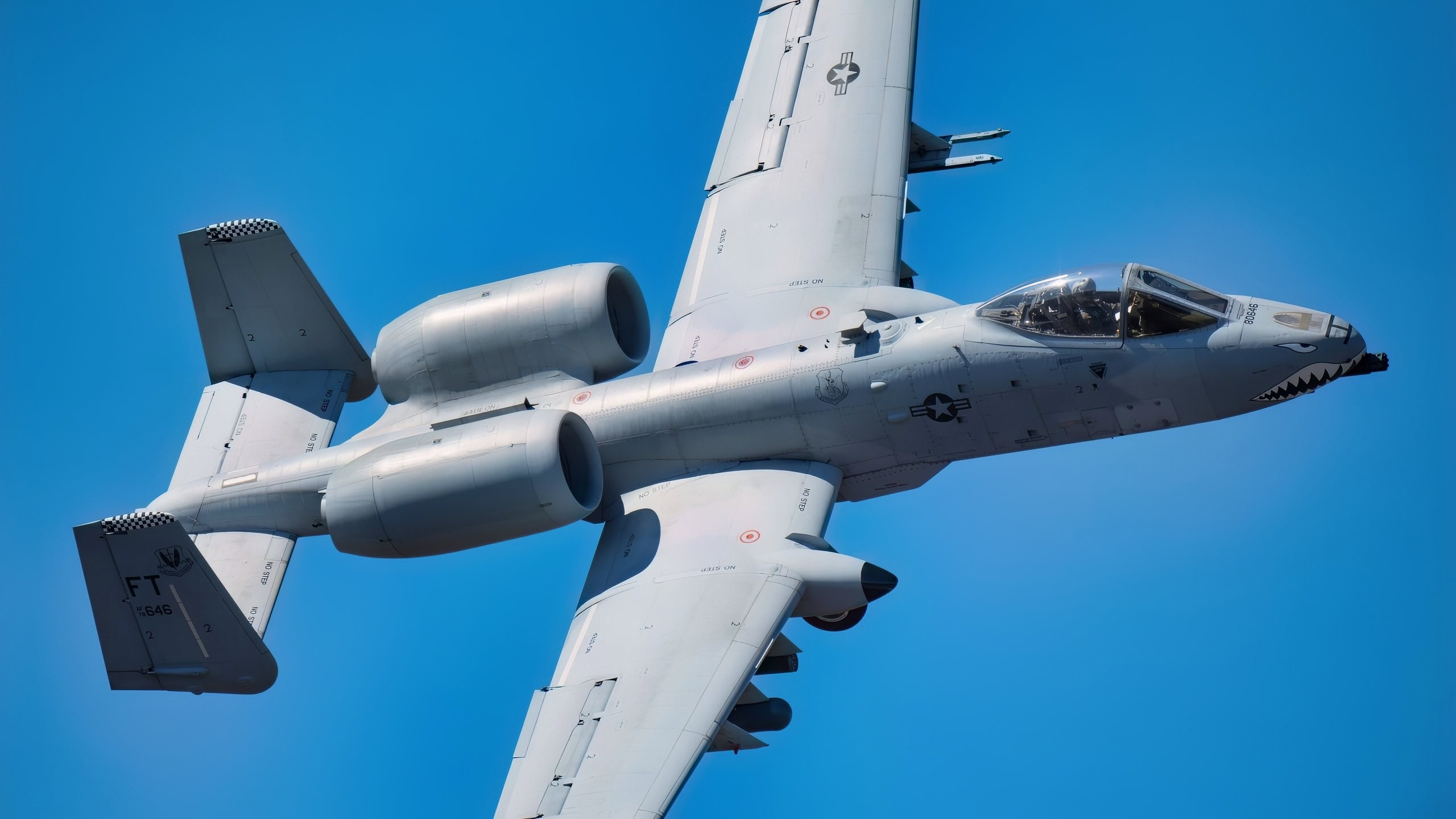
An A-10 Thunderbolt II flies over Grand Bay Bombing and Gunnery Range at Moody Air Force Base, Ga., Feb. 18, 2016. Multiple U.S. Air Force aircraft within Air Combat Command conducted joint aerial training that showcased the aircraft’s tactical air and ground maneuvers, as well as its weapons capabilities. (U.S. Air Force photo by Staff Sgt. Brian J. Valencia/Released)
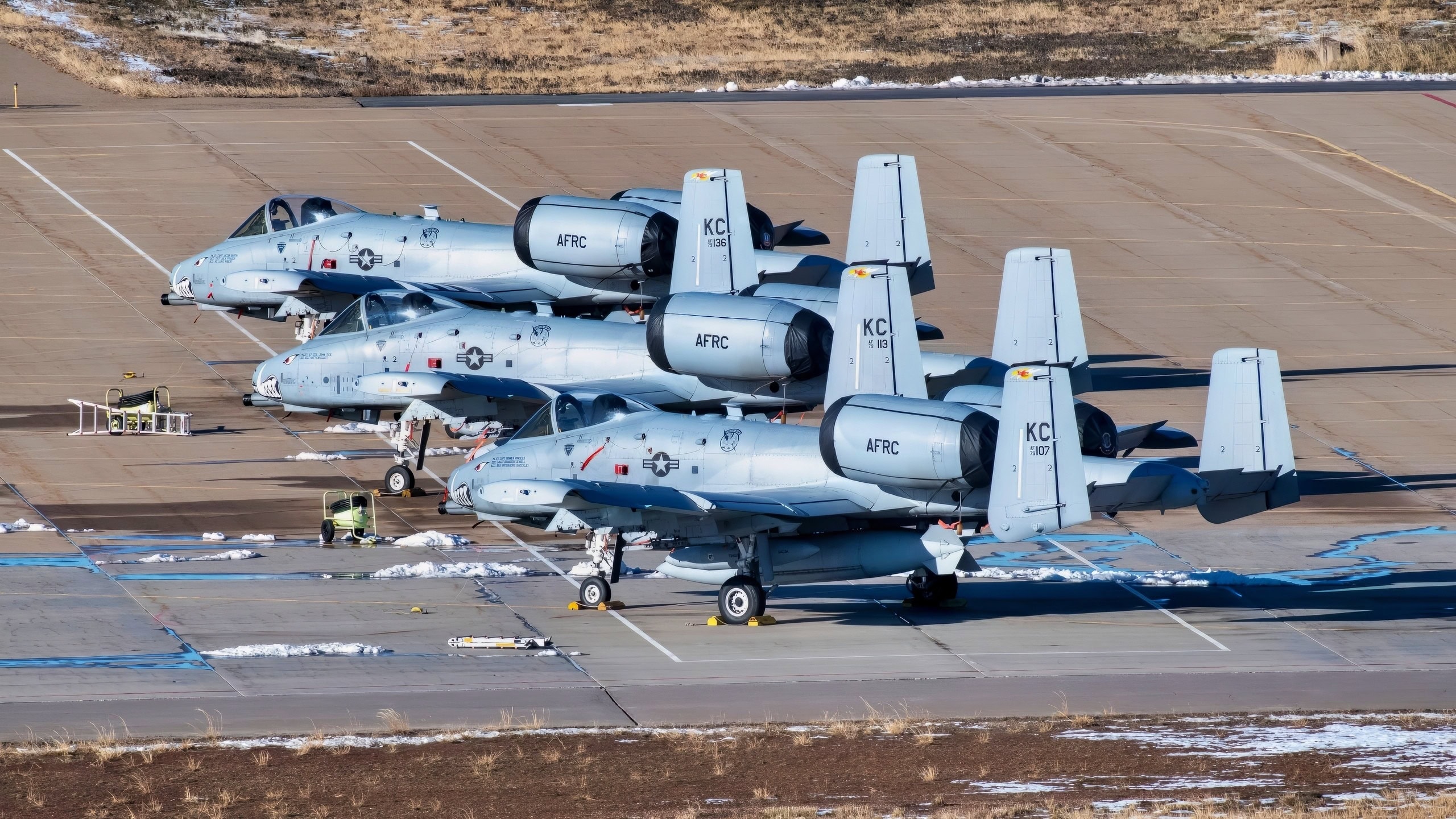
A-10 ‘Warthog’ Thunderbolts are seen on the flightline at Hill Air Force Base, Utah, Dec. 13, 2023. (U.S. Air Force photo by Senior Airman Jack Rodgers)
A New Role Targeting Iranian Boats
During a press conference at the Pentagon on March 19, 2026, Gen. Dan Caine, chairman of the Joint Chiefs of Staff, confirmed the A-10’s new role.
He said that the Warthog was now “engaged across the southern flank, targeting fast-attack watercraft in the Strait of Hormuz.” He made the comment while briefing reporters about Operation Epic Fury alongside Defense Secretary Pete Hegseth.
The Strait of Hormuz connects the Persian Gulf to the Gulf of Oman, and a significant portion of the world’s seaborne crude travels through it.
Iran’s small boats continue to threaten ships passing through the narrow waterway, making them perfect targets for an aircraft originally designed to attack tanks on land.
The Air Force has adapted the Warthog to strike new targets from low altitude.
Why the A-10 Is Perfect Over the Strait
Several reasons explain why the Warthog has performed well over the Strait of Hormuz.
The A-10’s relatively low speed gives pilots time to spot small boats and identify them before deciding to attack.
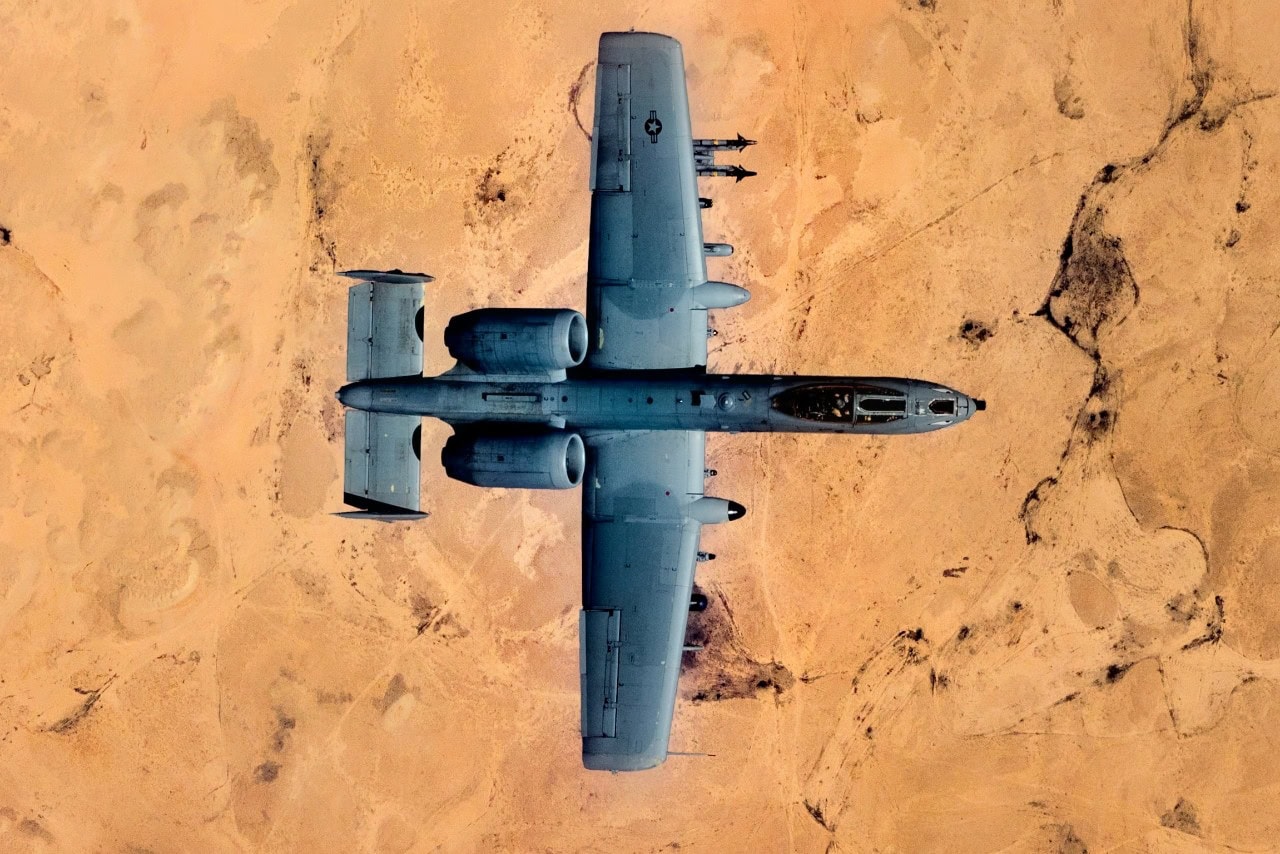
A U.S. Air Force A-10 Thunderbolt II flies a presence patrol over the U.S. Central Command area of responsibility, Feb. 26, 2025. The A-10 aircraft is employed throughout the region to bolster regional security and counter the growing threats of adversarial unmanned aircraft systems and other emerging threats. (U.S. Air Force photo by Staff Sgt. Jackson Manske)
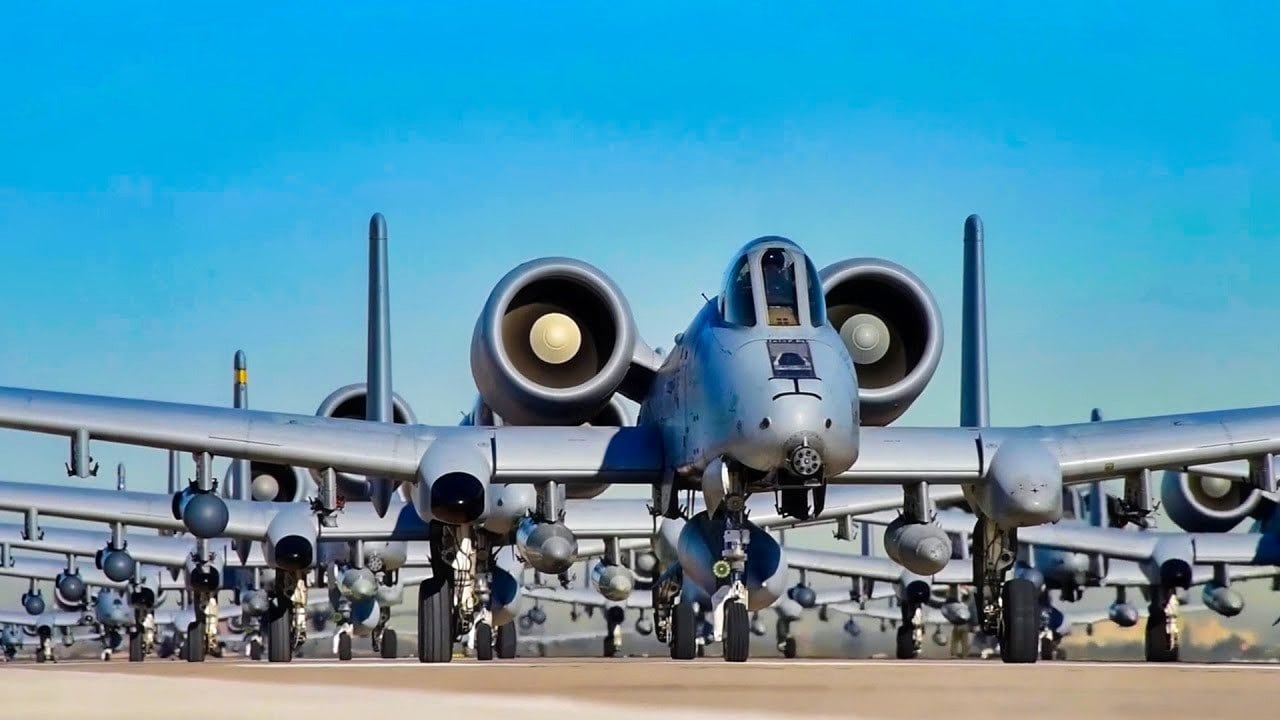
A-10 Warthog Elephant Walk.

A U.S. Air Force A-10 Thunderbolt II flies a routine mission over the U.S. Central Command area of responsibility Dec. 23, 2024. A-10 Thunderbolt II pilots train and operate under night vision, allowing them to conduct presence patrols critical to regional security at any time and under any conditions. (U.S. Air Force photo)
The aircraft can also remain near an operating area for extended periods, giving the pilot time to respond when a threat appears rather than arriving after vessels have already been struck.
But the mission still carries risks.
The A-10 is not a stealthy aircraft, and it is not fast.
That means it can only operate in environments where air superiority has been established, or other assets are available to protect it.
Its use against the boats in the Strait of Hormuz does not mean that the Air Force can simply send it wherever they need it needs it- just that the Strait of Hormuz is well defended by U.S. assets.
But even then, the A-10 is still at risk, and that was proven in April when one A-10 was hit by Iranian fire while supporting the rescue of a downed F-15E crew.
The Warthog’s Retirement, Delayed
The A-10 was originally set to be retired by 2026 – but that timetable has changed.
On April 20, Air Force Secretary Troy Meink announced that the aircraft would now remain in service until 2030, ensuring that combat power is preserved while U.S. manufacturers increase production of newer combat aircraft.
But that doesn’t mean the Air Force has abandoned the plans entirely – just that the A-10 will serve for around four more years with crews that already understand the aircraft. The decision may not have been made had the global situation been different, and the United States not under pressure to maintain readiness for potential conflicts while also actively fighting in Iran.
About the Author: Jack Buckby
Jack Buckby is a British researcher and analyst specializing in defense and national security, based in New York. His work focuses on military capability, procurement, and strategic competition, and he produces and edits analysis for policy and defense audiences. He brings extensive editorial experience, with a career output spanning over 1,000 articles at 19FortyFive, and has previously authored books and papers on extremism and deradicalization.