
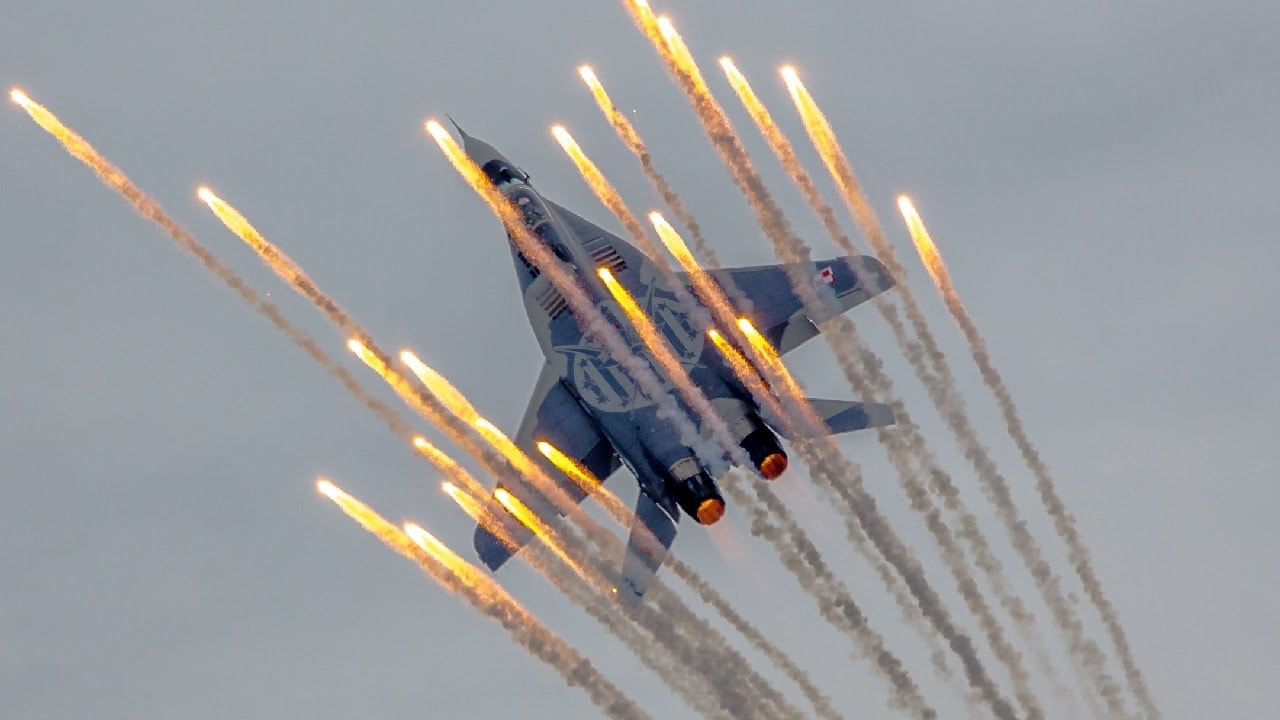
Summary and Key Points: In 1997, the United States quietly paid a former Soviet republic tens of millions of dollars to buy an entire fighter regiment — not to fly it, but to keep it away from Iran, and to take it apart. The Moldova deal is remembered as one of the Pentagon’s cleanest nonproliferation coups, and in one sense it was: the intelligence haul shaped American weapons for a decade. But the full story runs stranger than the legend, taking in a rationale Moscow disputed the same week, a defense minister who went to prison for signing it, and six fighter jets that no one on Earth would ever buy.
America’s Very Own MiG-29 Fighters
The 1997 Moldova purchase is remembered as the Pentagon’s cleanest bargain: 21 Soviet fighters bought out from under Iran and flown to Ohio in pieces. The bargain was real, and the intelligence harvest shaped American weapons for a decade.
But the full ledger runs stranger than the legend. Moscow disputed the nuclear rationale the week it was announced, the six jets the deal left behind never sold and still sit in Moldova, and the defense minister, whom Washington publicly thanked, spent two years in a Moldovan prison for signing. One of the 21 stands outside an Ohio intelligence center today with a hornet’s nest growing in its nose.
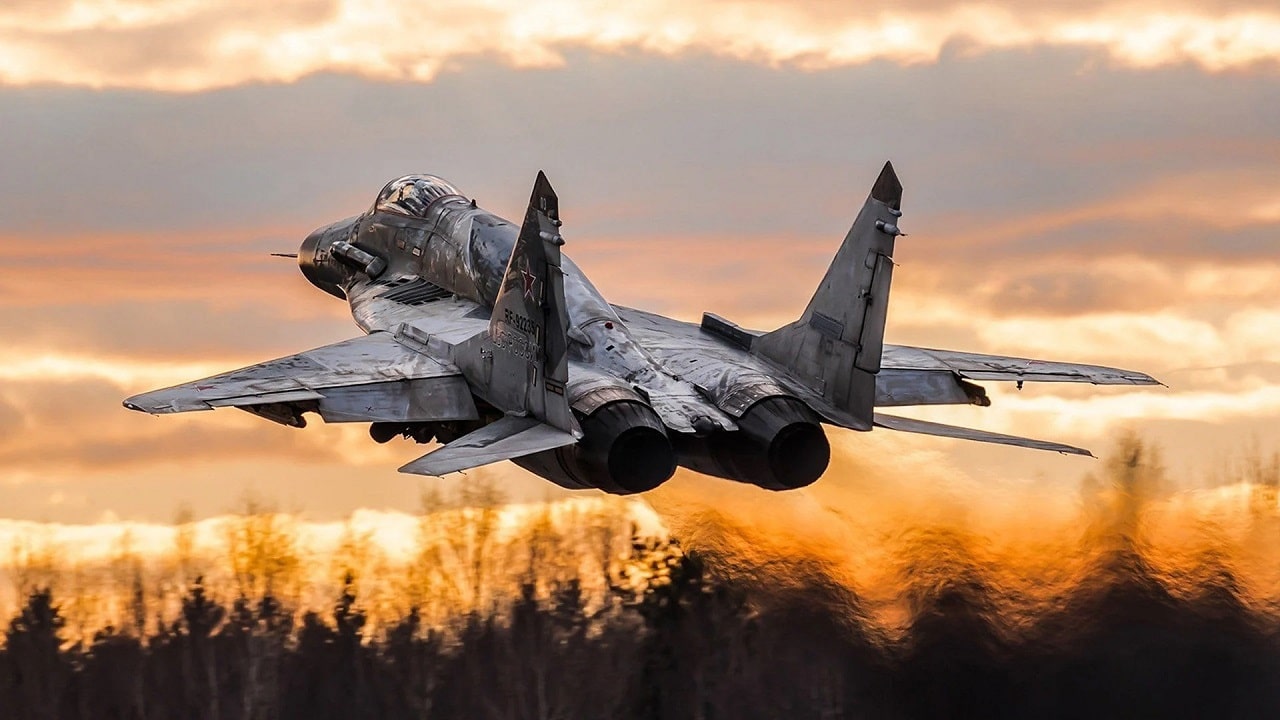
MiG-29 fighter jet. Image Credit: Creative Commons.
In late October 1997, US Air Force C-17s shuttled between Mărculești air base in Moldova and Wright-Patterson Air Force Base in Ohio, hauling the partially disassembled pieces of an entire MiG-29 fleet the Pentagon had just purchased with Cooperative Threat Reduction money. The Defense Department, the State Department, and a 40-man Air Force recovery team executed the deal; Moldova cashed the check; Iran lost its shopping trip.
That is the version every retelling carries, and it is true. It is also the beginning of four other stories, about a disputed rationale, an intelligence windfall, a prosecution, and a row of jets nobody would ever buy, and those four stories are where the deal’s real history lives.
How Moldova Ended Up Selling the Pentagon a Fighter Regiment
Moldova never asked for an air force of frontline Soviet fighters. It inherited one in April 1992, when the 86th Guards Fighter Aviation Regiment at Mărculești passed to the new republic, and nearly all of its pilots departed for Russia. The fleet’s entire combat history amounts to one mission: two MiG-29s sent against a Dniester River bridge during the Transnistria conflict in June 1992, none of the bombs hitting it. A dozen jets were loaned to Yemen’s 1994 civil war, with accounts splitting on how many ever came back. By 1996, Moldova had put 27 surviving Fulcrums up for sale, few of them airworthy, and the Air Force captain who later led the American recovery team recalled that Moldovan aircrews and maintainers had gone unpaid for six months.
Iran inquired in late 1996 and sent an inspection team to look over the jets. Washington moved fast by government standards: Secretary of State Madeleine Albright certified Moldova for the Cooperative Threat Reduction program on March 4, 1997, negotiations opened, an umbrella agreement followed on June 23, and the purchase was finalized on October 10: 14 MiG-29Cs, six MiG-29As, one two-seat MiG-29UB, all the spares and diagnostic gear at the base, and roughly 500 air-to-air missiles, itemized in later accounting as 344 R-60s, 112 R-73 Archers, and 51 R-27s.
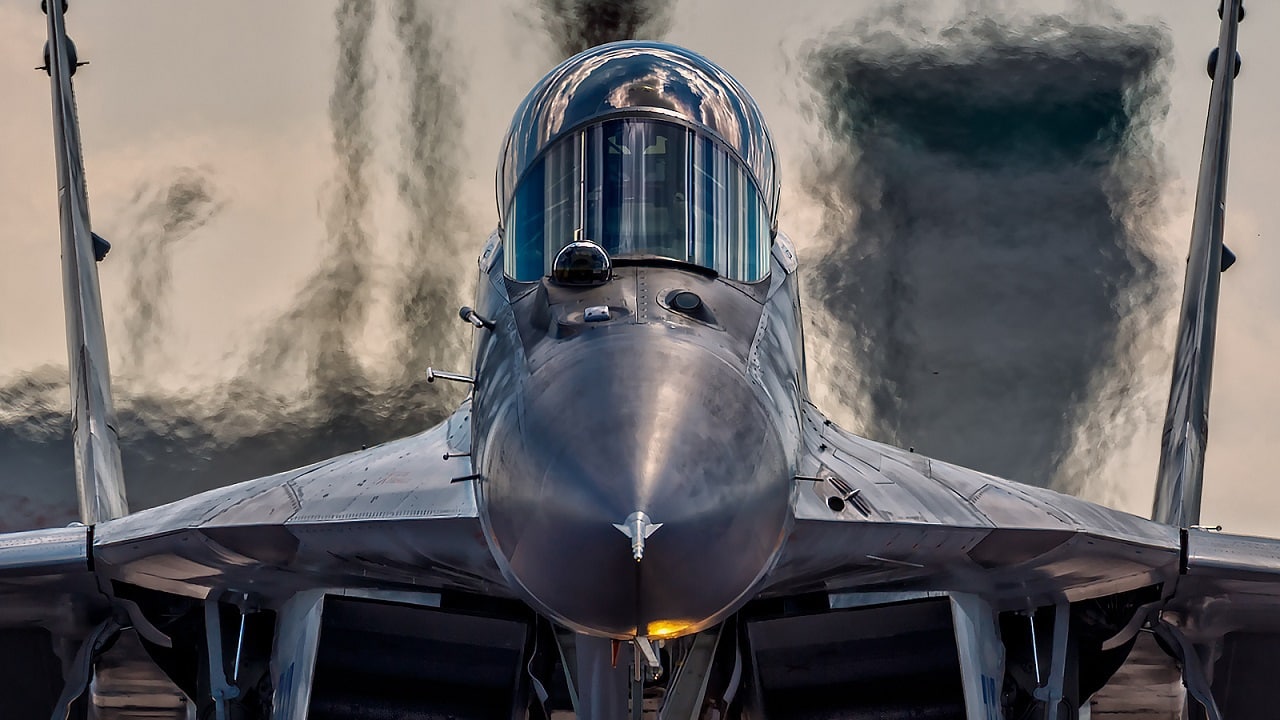
Russia’s MiG-29 fighter. Image Credit: Creative Commons.
The price was contractually confidential; the Washington Post’s contemporaneous reporting put the cash at under $50 million, the accepted figure settled around $40 million plus humanitarian aid and surplus trucks, and Defense Secretary William Cohen would say only that it was fair. The Post also placed the deal in its proper lineage: the second time since the Soviet collapse that America had simply bought a proliferation problem and flown it home, three years after the Project Sapphire airlift took a warehouse of Kazakh uranium off the market.
The Nuclear Rationale Moscow Disputed the Same Week
The deal’s legal foundation was the claim that the 14 C-models were wired to permit the delivery of nuclear weapons, which is what qualified fighter jets for a program built to dismantle weapons of mass destruction.
Russian Defense Minister Igor Sergeyev disputed it immediately, telling Russian media the relevant hardware had been removed from such aircraft in 1989, and the Arms Control Association’s own account of the deal noted the US–Russian disagreement was “largely semantic,” a matter of whether wiring alone counts without the arming equipment it once connected to.
The same account observed that Iran already possessed better nuclear-delivery options in its Su-24 bombers and Scud missiles. And Iran was not chasing its first Fulcrum: it already operated around 30 older-model MiG-29s, many of them Iraqi jets that had fled to Iran during the 1991 Gulf War and never gone home. The honest version of the rationale is narrower than the legend: America was keeping the newest version, the spares pipeline, and a cheap fleet expansion from Iran rather than the type itself, under a nuclear justification that Moscow contested the week it became public.
What NASIC Did With Them, and What the R-73s Changed
The jets went to the National Air and Space Intelligence Center’s foreign materiel exploitation operation at Wright-Patterson, and what happened there remains mostly sealed.
NASIC’s spokesman gave the Smithsonian’s Air & Space magazine the perfect institutional answer: “We don’t want our adversaries to know what we know.” The reporting that exists says a few flyable examples probably went to Edwards Air Force Base for testing, at least one ended up at the Nellis Threat Training Facility, the collection known inside the service as the Petting Zoo, and the Air Force studied and abandoned the idea of a MiG-29 aggressor squadron, because too few airframes were airworthy and sustaining them would have meant bargaining with Russia for parts. A 2022 Air Force Magazine report claimed some number of the fleet still flew for dissimilar combat training decades later; it has never been verified.
The measurable payoff sat on the missile rails. The C-models were the first of their kind in American hands, and they arrived with 112 R-73 Archers, the missile that, cued by the pilot’s helmet-mounted sight, could be fired at targets far off the aircraft’s nose. That combination had shocked Western pilots who flew against Germany’s inherited East German Fulcrums in the 1990s, and the Moldovan buy gave American engineers the full system to take apart.
Fred Clifton, a US exchange pilot who flew the German MiG-29s, put the endpoint on the record: the Russian aiming advantage was gone by 2002, when the US military fielded the AIM-9X missile and the Joint Helmet-Mounted Cueing System. The $40 million check bought the data that helped close the last gap the Fulcrum ever held over American fighters.
The Minister Cohen Thanked Went to Prison
When Cohen announced the purchase in November 1997, he thanked Moldova’s president and its defense minister, Valeriu Pasat, by name for their “visionary approach.” Eight years later, Moldova’s communist-led government arrested Pasat, and in January 2006, a Chisinau court sentenced him to ten years in prison for selling the fighters too cheaply, with prosecutors claiming the transactions had defrauded the state.
He served more than two years before walking free under an amnesty, and the appeals process dragged on until 2009, when Moldova’s courts quashed every remaining charge, per reporting by the US-funded RFE/RL. The trial produced its own remarkable footnote: former president Petru Lucinschi testified that Washington had pressured Moldova into the sale to keep the jets from Iran. Pasat, who called the entire prosecution political revenge for his criticism of President Vladimir Voronin, settled in Moscow after his release. The transaction the Pentagon still cites as a nonproliferation model was, for years, a crime in the country that signed it.
The Six Left Behind and the Hornet’s Nest in Ohio
The deal’s most quietly instructive thread is the jets it did not buy. Moldova retained six MiG-29s in 1997, telling Washington it intended to sell them to a buyer America wouldn’t mind. No such buyer ever materialized. The six were overhauled in Ukraine, sat grounded at Mărculești, failed at auction twice in 2010 from an $8.5 million starting price, and remained unsold into 2022, when, by contemporaneous accounts, Ukraine tried to buy them in the first days of the Russian invasion, and Moldova refused, unwilling to provoke Moscow.
The operation remembered for taking nuclear-powered Fulcrums off the market left six behind, and 29 years later, they are still there, a fighter fleet with no operator and, after 29 years, no buyer. The wider arithmetic of Moldova’s inherited 34 jets has never fully reconciled across the records, one widely copied account even routing six to Eritrea in 2003 against Moldova’s own inventory, which is its own lesson in how loosely the books of a collapsed empire’s arsenal were ever kept.
I Saw the MiG-29 At the National Museum of the U.S. Air Force Last Year
Fun fact: I didn’t even know it at the time, but I saw one of the MiG-29 fighters at the National Museum of the U.S. Air Force last year. I even took photos of it; see below.
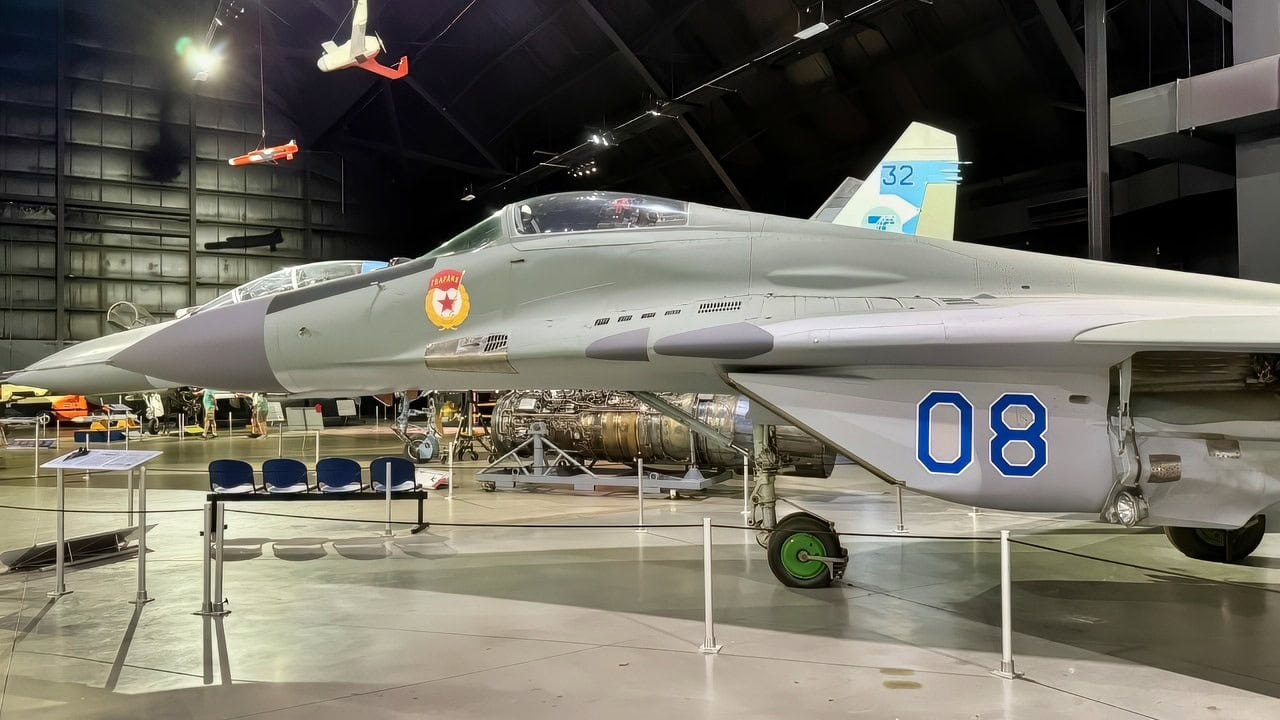
Real MiG-29 at USAF Museum in Dayton. Image Credit: 19FortyFive.com
The final resting places: The American 21 MiG-29s dispersed into the quieter afterlife of trophies. One sits in the Cold War gallery of the National Museum of the US Air Force, two at Nellis, one at NAS Fallon, one at the Pima Museum in Arizona after years at Tyndall, and most of the rest are believed scrapped, with reports in April 2022 that some remains were donated to Ukraine as spare-parts stock for its own Fulcrums.
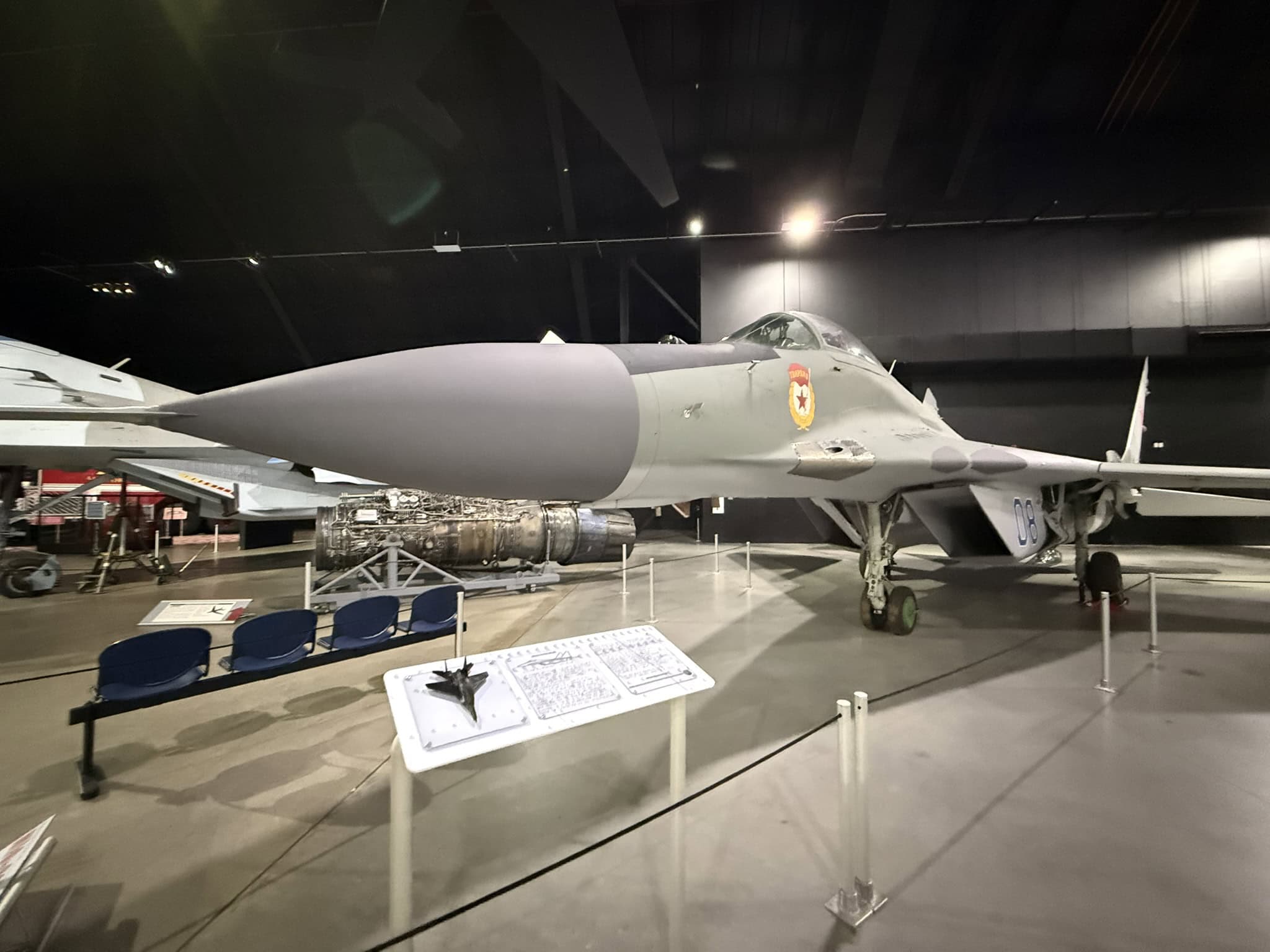
MiG-29 Fulcrum taken back in July, 2025 at the National Museum of the U.S. Air Force by Harry J. Kazianis.
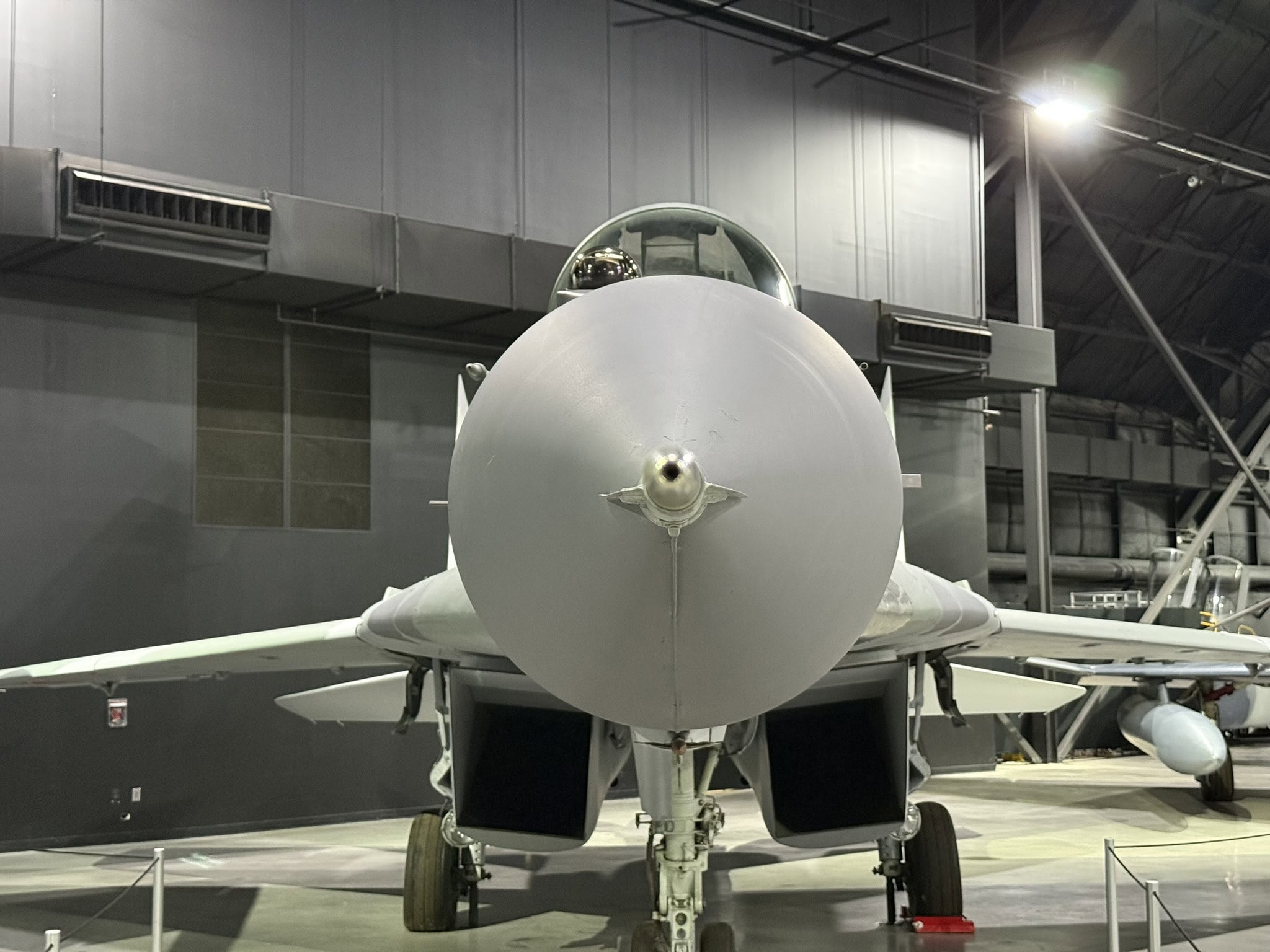
MiG-29 Fulcrum taken back in July, 2025 at the National Museum of the U.S. Air Force by Harry J. Kazianis.
And outside NASIC headquarters at Wright-Patterson stands the two-seater the Smithsonian’s reporters found years ago, tires split on their stands, bird droppings on the radome, a hornet’s nest growing in its nose: the Pentagon’s $40 million intelligence coup, parked on its lawn, 29 years after the C-17s brought it home.
About the Author: Harry J. Kazianis
Harry J. Kazianis (@Grecianformula) was the former Senior Director of National Security Affairs at the Center for the National Interest (CFTNI), a foreign policy think tank founded by Richard Nixon based in Washington, DC. Harry has over a decade of experience in think tanks and national security publishing. His ideas have been published in the NY Times, The Washington Post, The Wall Street Journal, CNN, and many other outlets worldwide. He has held positions at CSIS, the Heritage Foundation, the University of Nottingham, and several other institutions related to national security research and studies. He is the former Executive Editor of the National Interest and the Diplomat. He holds a Master’s degree focusing on international affairs from Harvard University.