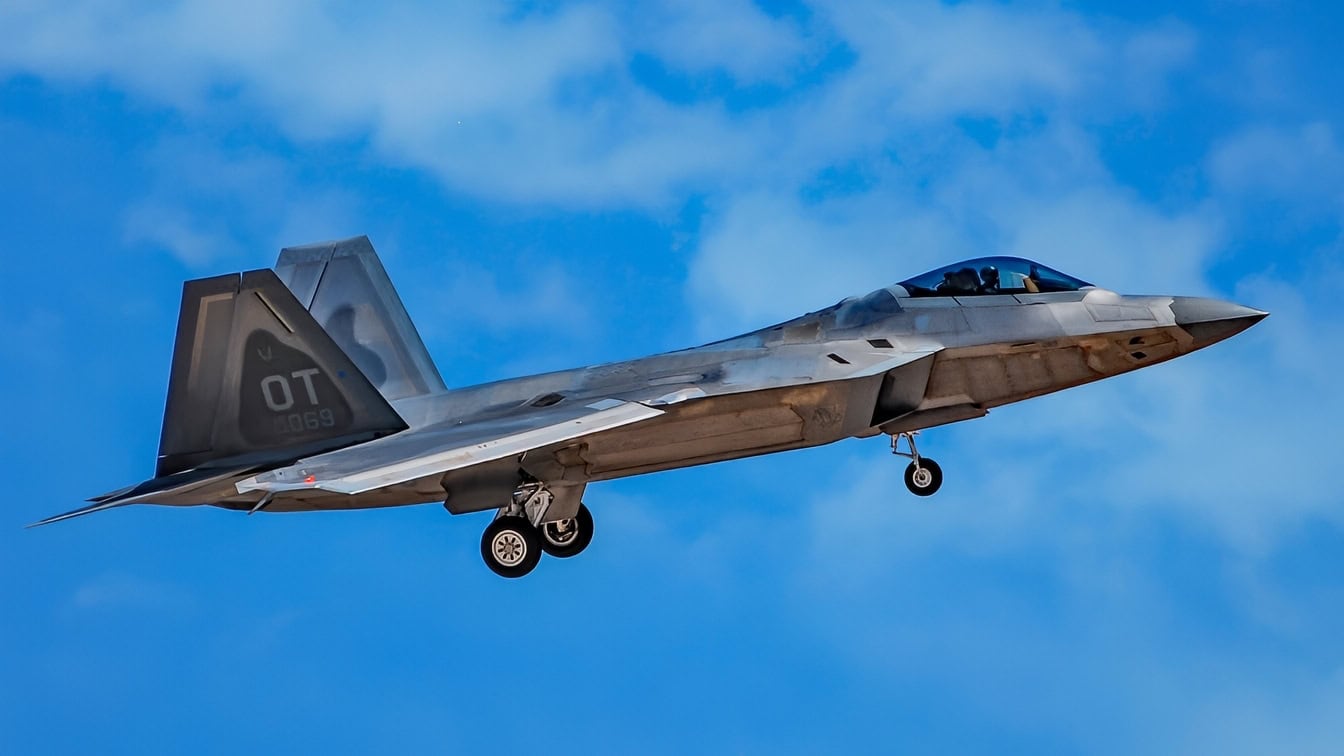
Usually described as the NATF-22, F-22N, or just the “Sea Raptor,” the United States Navy was once keenly interested in acquiring its own version of the United States Air Force’s F-22 Raptor fifth-generation air superiority warplane.
Indeed, the design of the proposed F-22N was amazing, looking like the result of an F-22 having a baby with the F-14 Tomcat (at least in terms of the concept art). Unfortunately, it never reached the prototype stage.
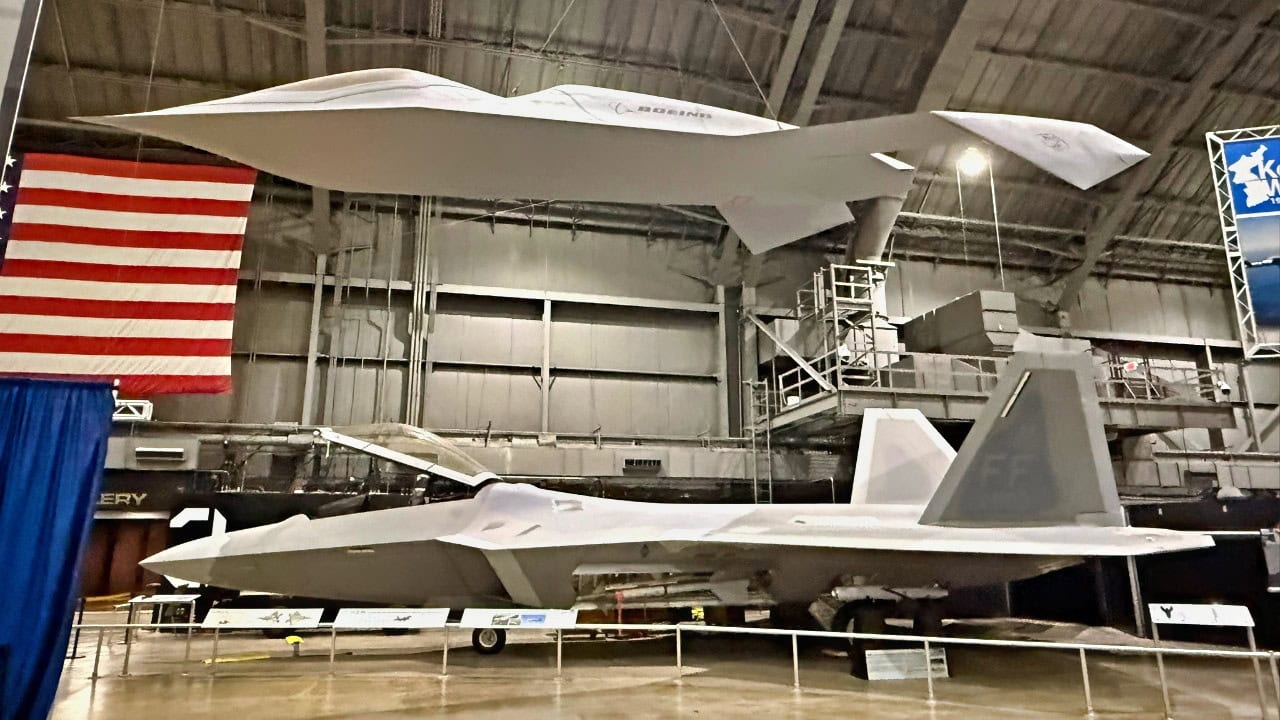
YF-118G. Image taken by Harry J. Kazianis for 19FortyFive.
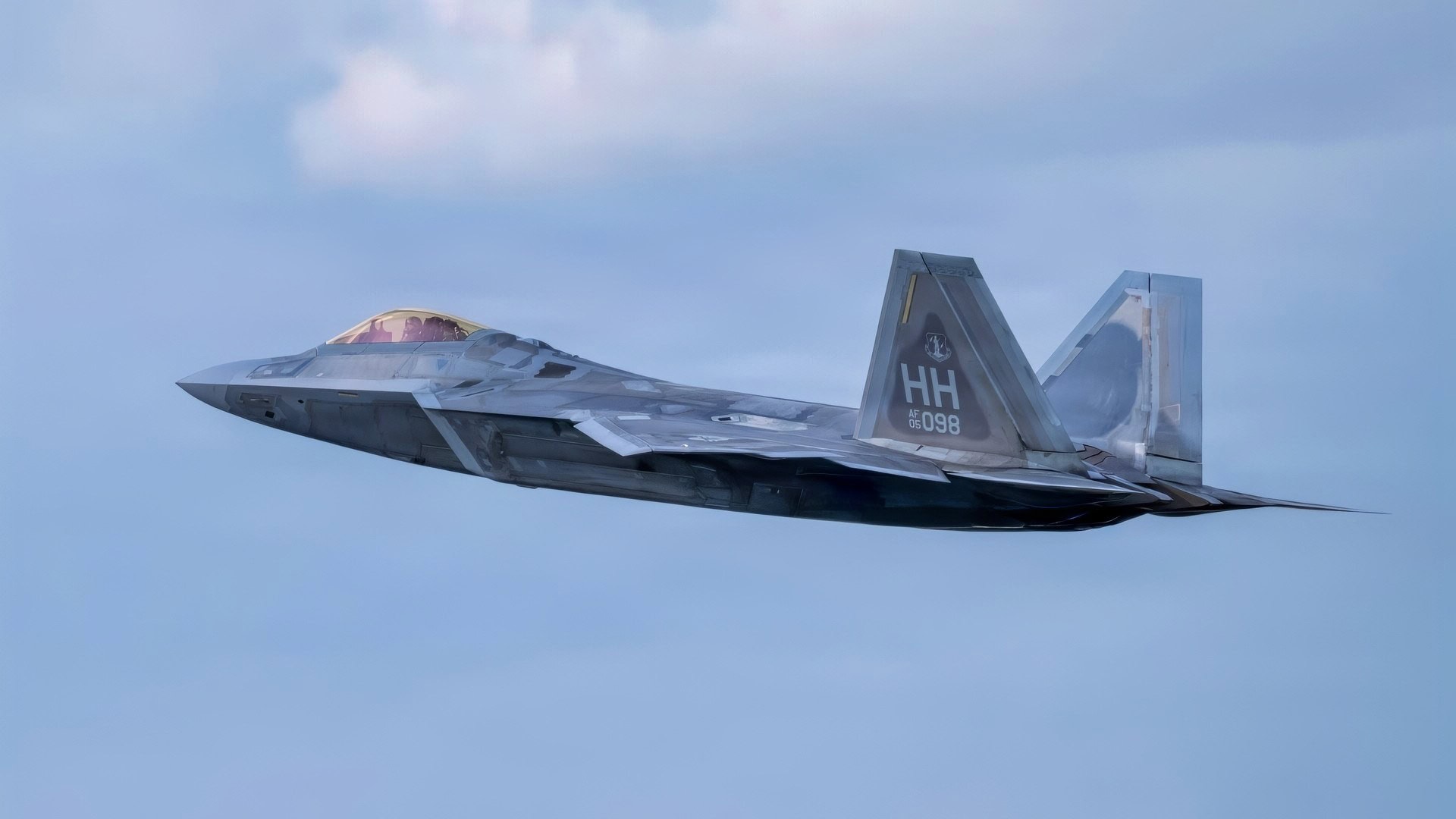
A U.S. Air Force F-22 Raptor, assigned to the 154th Wing, takes off from Daniel K. Inouye International Airport, Hawaii, Jan. 14, 2026, during Sentry Aloha 26-1. The F-22 Raptor is the U.S. Air Force’s premium fifth generation fighter. (U.S. Air Force photo by Senior Airman Aden Brown)
Long before the Navy settled on the Lockheed Martin F-35C Lightning II fifth-generation multirole warplane, the Navy sought out the F-22 under the Naval Advanced Tactical Fighter Program.
The idea was that the Navy needed to replace its aging F-14 Tomcat, which was tasked with fleet interceptor missions.
Those birds were designed specifically to counter what was at the time a growing Soviet bomber threat to America’s erstwhile aircraft carriers.
In the early 1990s, when the Navy considered a navalized variant of the F-22, it still believed carriers needed a dedicated interceptor plane.
When the Air Force launched the F-22 as a replacement for the F-15 Eagle to defeat increasingly sophisticated Soviet fighters and air defenses, the Navy wanted to replace its F-14.
But Congress wanted a degree of commonality in the design to keep costs low and to (in theory) increase efficiency by maintaining a single supply chain for both planes.
In 1988, the Navy first looked at the F-22. In turn, the Air Force studied whether technology from the Navy’s Advanced Tactical Aircraft program could help address its need to replace the F-111 Aardvark.
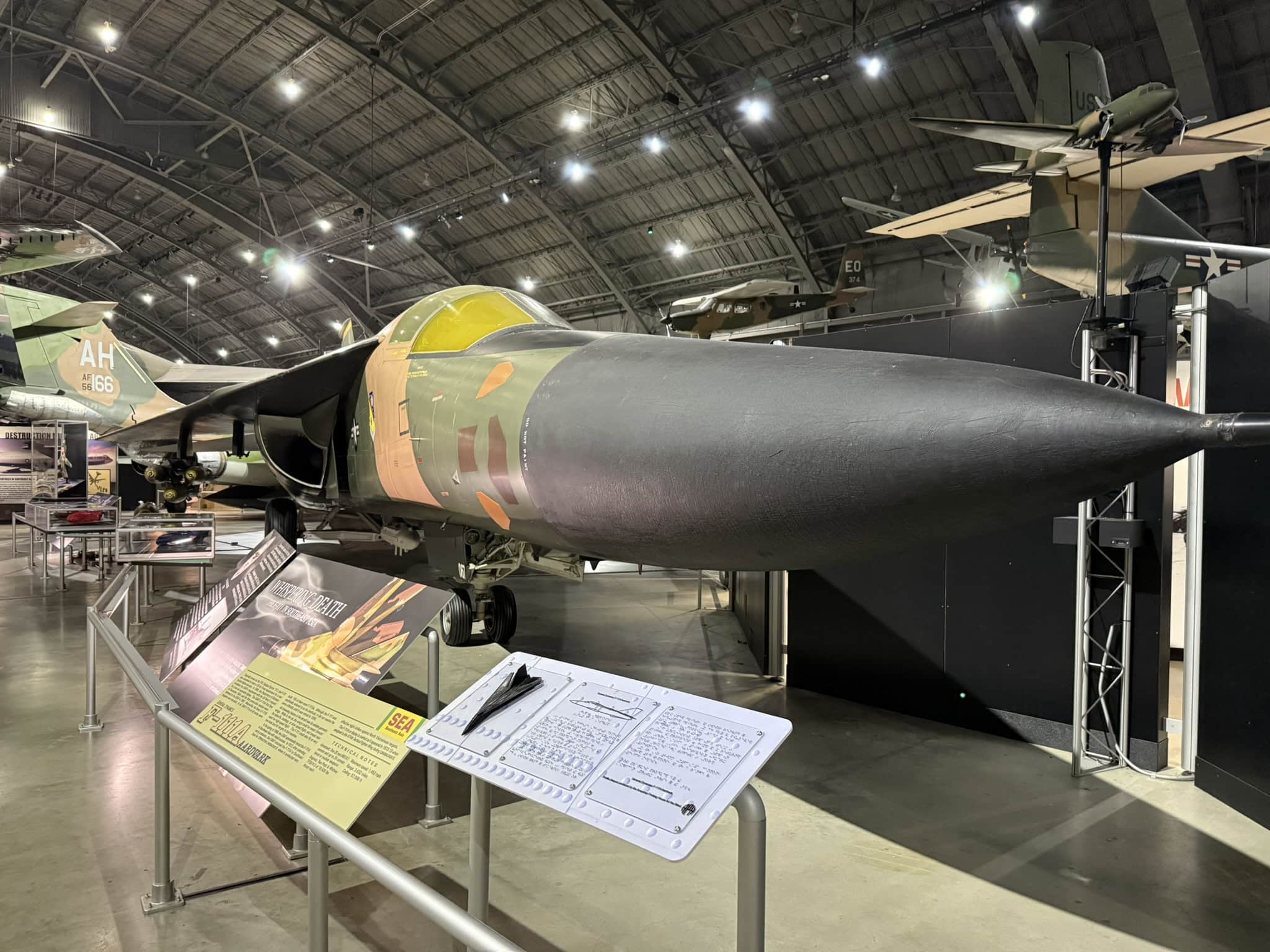
F-111 at the National Museum of the U.S. Air Force. 19FortyFive Photo by Harry J. Kazianis.
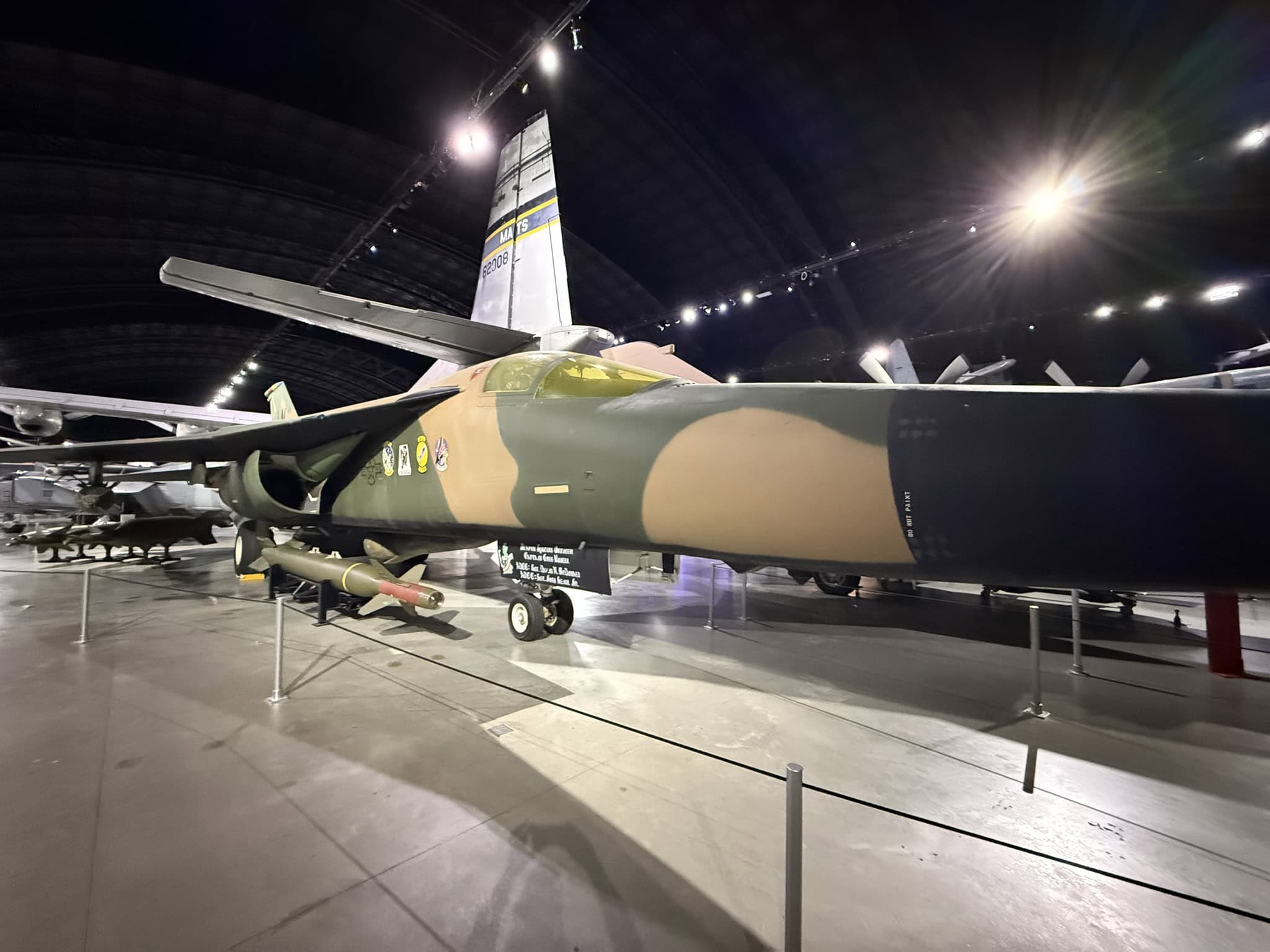
F-111 On Display at the National Museum of the U.S. Air Force. Take on July 19, 2025 by Harry J. Kazianis for 19FortyFive.com
Yet, turning an advanced land-based fighter into an aircraft carrier aircraft proved too complex–and therefore costly–an undertaking at that time.
After all, the Air Force and Navy had previously tried to jointly develop the F-111 Aardvark, and it proved disastrous for the Navy.
That’s because the requirements of launching, recovering, and maintaining a warplane at sea are fundamentally different than the requirements the Air Force has for its land-launched birds.
When the F-14 Met the F-22
One of the more unique design proposals for the F-22N was its swing-wing design concept. That matched closely what the Grumman F-14 had (which, in turn, was inherited from the failed Grumman F-111B program).
The idea behind the swing-wing was to help the plane fly faster and at lower altitudes. Swing-wings also cut down on the amount of finite space planes take up inside an aircraft carrier hangar bay.
Plus, swing-wings assist in general when a naval aircraft is coming in for a landing on the short, windy, constantly moving flight deck of an aircraft carrier. Yet, all these requirements added weight to the original F-22 design.
Indeed, the problems that defined the F-111B project–too much weight, not enough thrust for carrier flight operations–began cropping up in the investigations of the F-22N’s viability.
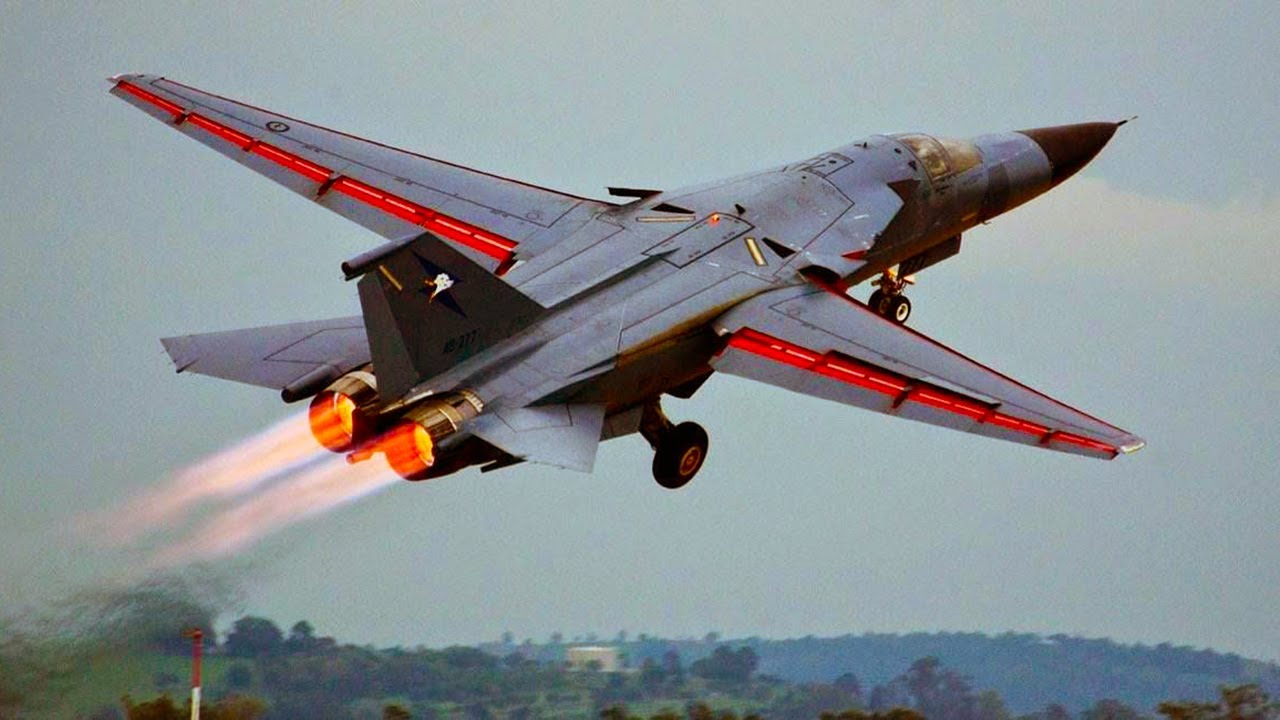
F-111. Image Credit: Creative Commons.
The problems with the sweep-wing design are legion, though. Variable-sweep wings require hinges, actuators, and substantial internal structure.
All of that adds weight and complex maintenance requirements.
The Navy had considerable experience maintaining such a system on the F-14. But applying that to a stealth plane, as the F-22N was intended to be, posed major challenges.
Moving joints could change wing geometry and complicate the radar-signature management that is key to proper stealth. Maintaining such a stealth plane at sea also added complexities the Air Force never had to account for when designing the original F-22.
Too Fat
The Sea Raptor, like the F-111B before it, proved too heavy for its own usefulness as a carrier-based plane.
It was too heavy even before the designers factored in the all-important tailhook.
You see, now aircraft can land on the shortened flight deck of an aircraft carrier without a tailhook to latch onto a carrier’s arresting line upon landing.
Without that latching capability, any plane would have far too much momentum and essentially fly right off the flight deck into the ocean below.
The tailhook, paired with strengthened landing gear and fuselage, added weight to the proposed F-22N Sea Raptor. Once the weight was factored into the proposed design, the Navy wasn’t interested.
It would never work as a carrier-based bird. It would lack sufficient thrust for carrier takeoff and would be unable to prevent itself from flying off the deck on landing.
Vice Adm. Richard Dunleavy was the Navy officer who stopped the Sea Raptor from progressing.
He publicly questioned the need for the plane because of its heavy weight, and as the Cold War ended, defense budgets tightened.
The Navy made the cost-saving argument that inevitably got Congress to kill the Sea Raptor. At the same time, the Navy was embroiled in another aircraft development scandal over the so-called “Flying Dorito” A-12 Avenger II, which the Pentagon inevitably canceled in 1991 after years of costly development.
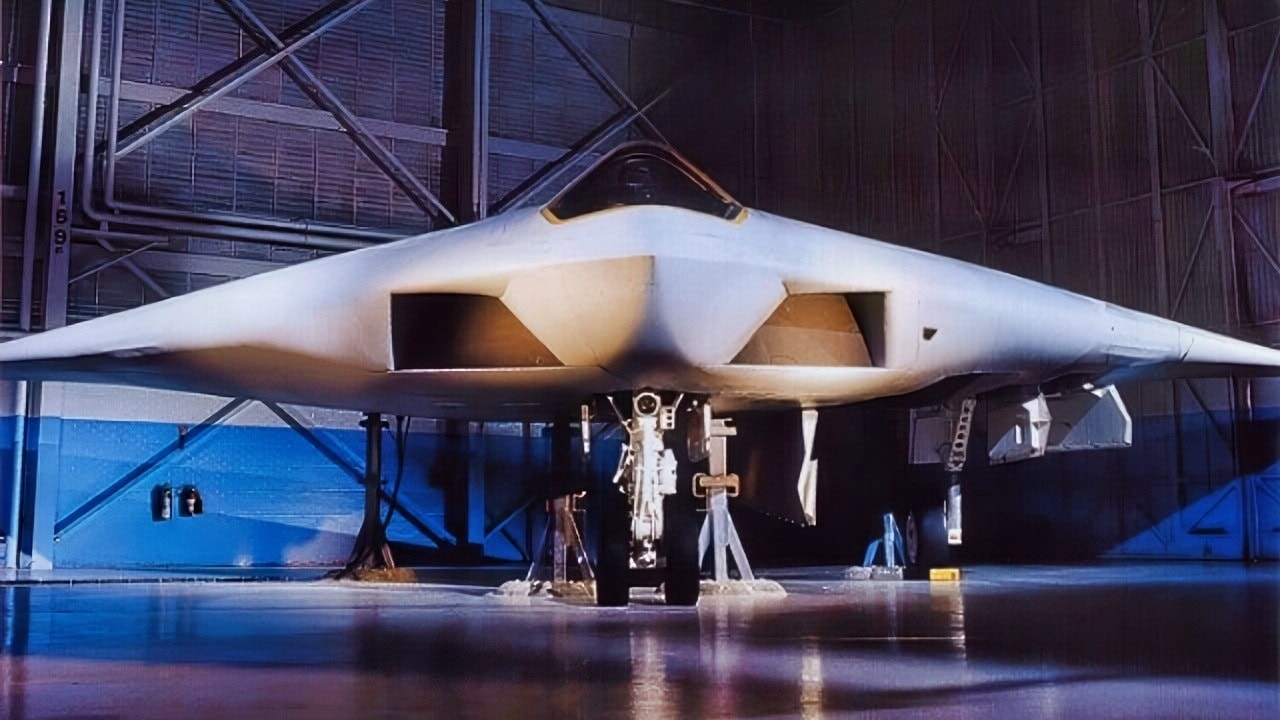
A-12 Avenger II Photo Media Handout
Flying Only In Our Imaginations
Navy planners never built a working prototype of the F-22N Sea Raptor, and many of the design details suggested the plane would never work for carrier flight operations, no matter how amazing it looked.
The Navy opted to continue using the iconic F-14 Tomcat until 2006, while shifting to the fourth-generation F/A-18 family of planes.
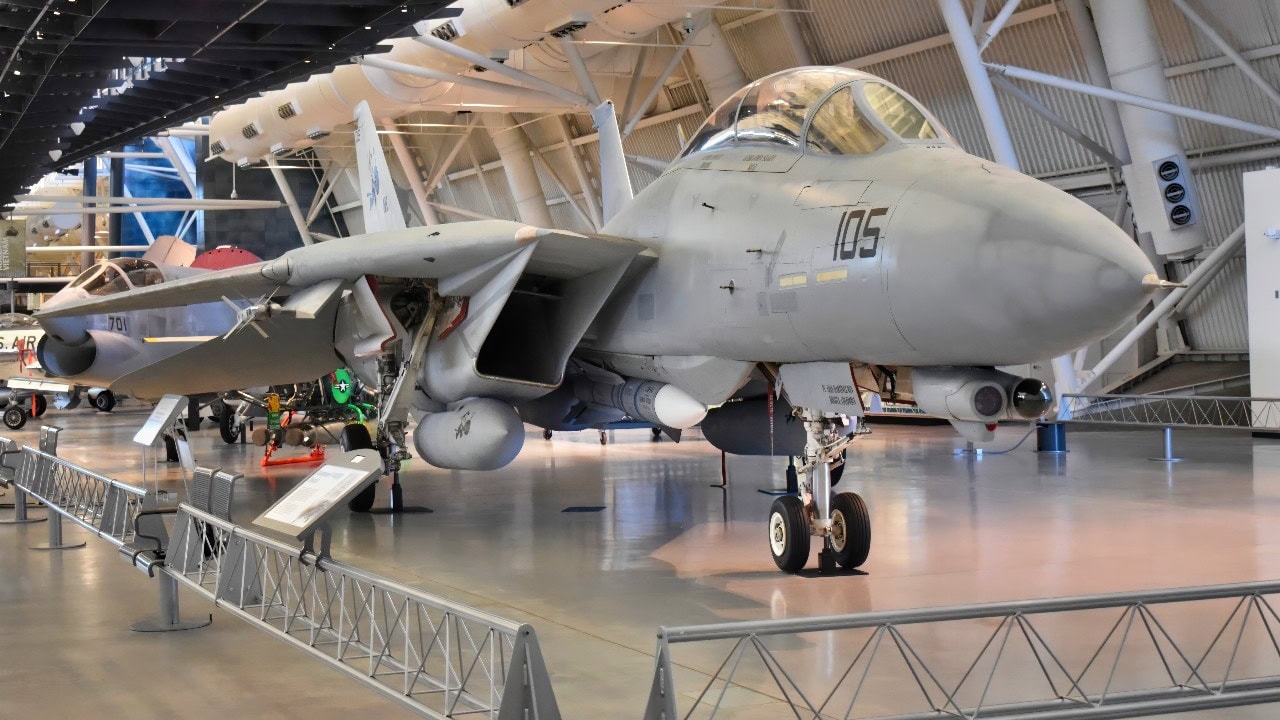
F-14 Tomcat. Image by 19FortyFive.com
Ultimately, the Navy chose the F-35C as its inevitable replacement. Still, the Sea Raptor was an ambitious proposal and an interesting “what if” design. Had it survived the 1991 cuts, the plane might have become entirely different from the F-22 Raptor the Air Force designed for itself.
MORE – The F-22 Raptor Almost Became a Bomber
About the Author: Brandon J. Weichert
Brandon J. Weichert is the Senior National Security Editor at 19FortyFive.com. He also manages The Weichert Brief on Substack. Weichert also hosts “National Security Talk” on Rumble. He is the author of four bestselling national security books, the most recent of which is A Disaster of Our Own Making: How the West Lost Ukraine (Encounter Books). Follow him via Twitter/X @WeTheBrandon.