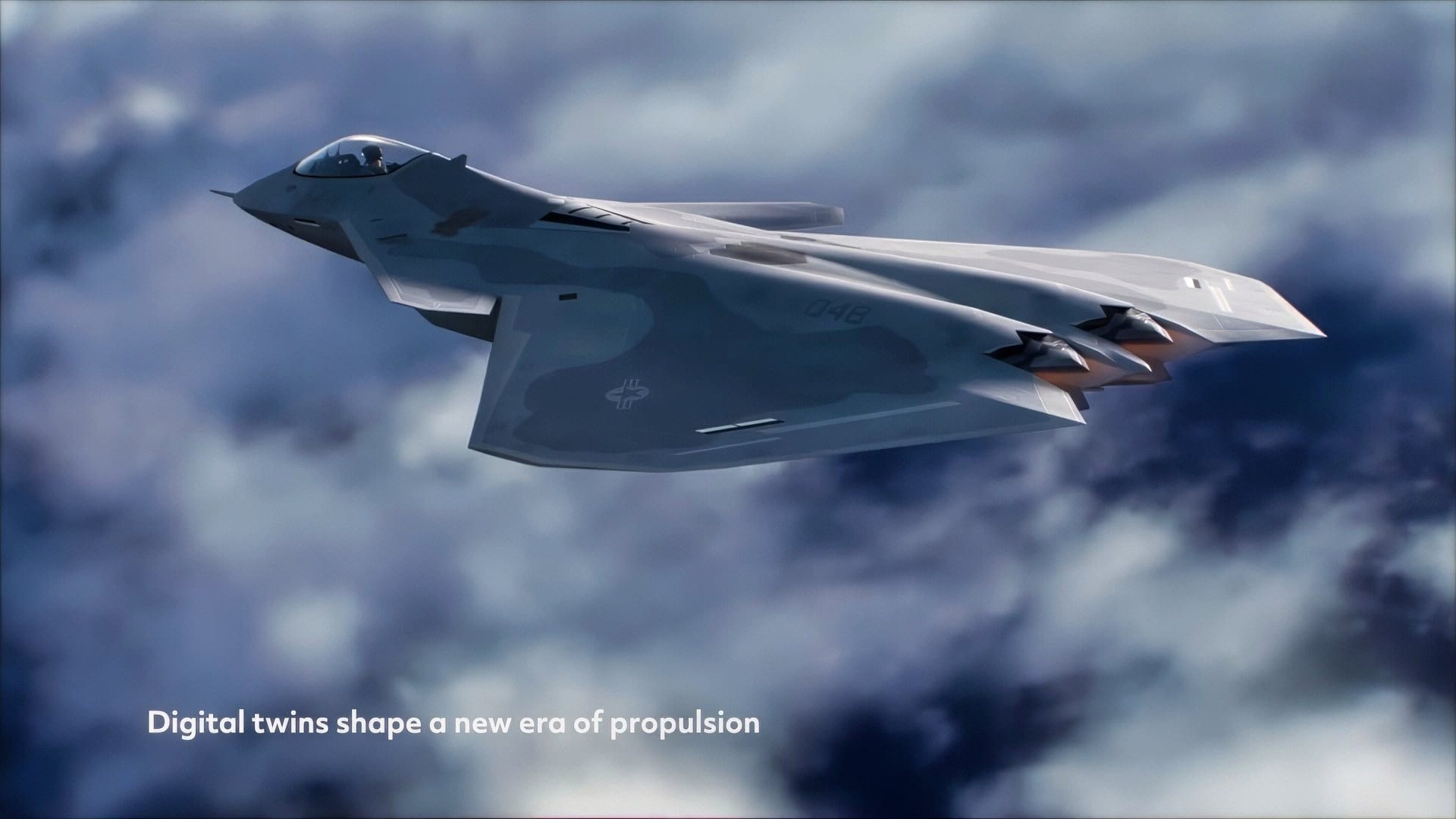
The Air Force’s Next Generation Adaptive Propulsion (NGAP) program has achieved a major milestone, demonstrating progress that should instill confidence and pride among industry and military stakeholders.
Breaking Defense reports that the Air Force’s NGAP fighter engine will be ready for potential by 2030.

Shown is a graphical artist rendering of the Next Generation Air Dominance (NGAD) Platform. The rendering highlights the Air Force’s sixth generation fighter, the F-47. The NGAD Platform will bring lethal, next-generation technologies to ensure air superiority for the Joint Force in any conflict. (U.S. Air Force graphic)
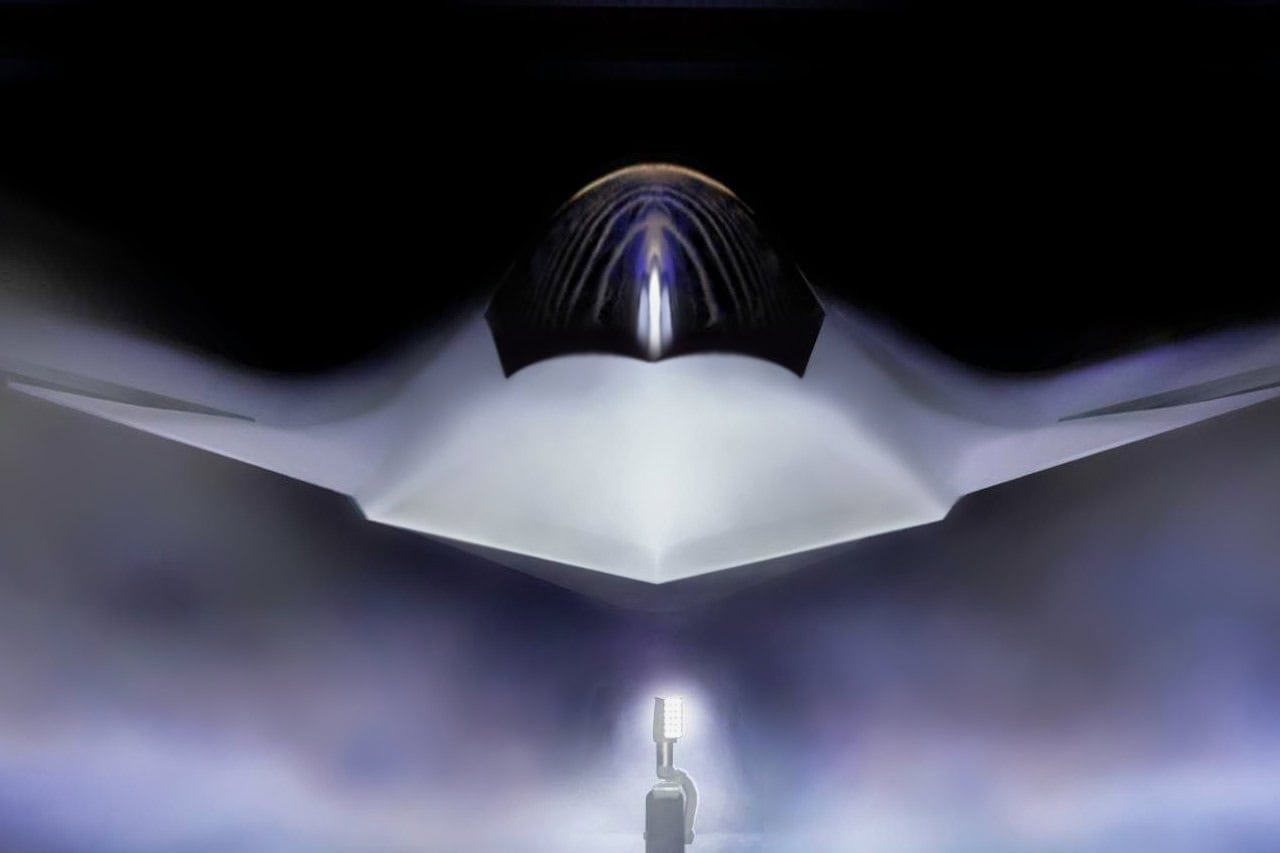
Shown is a graphical artist rendering of the Next Generation Air Dominance (NGAD) Platform. The rendering highlights the Air Force’s sixth generation fighter, the F-47. The NGAD Platform will bring lethal, next-generation technologies to ensure air superiority for the Joint Force in any conflict. (U.S. Air Force graphic)
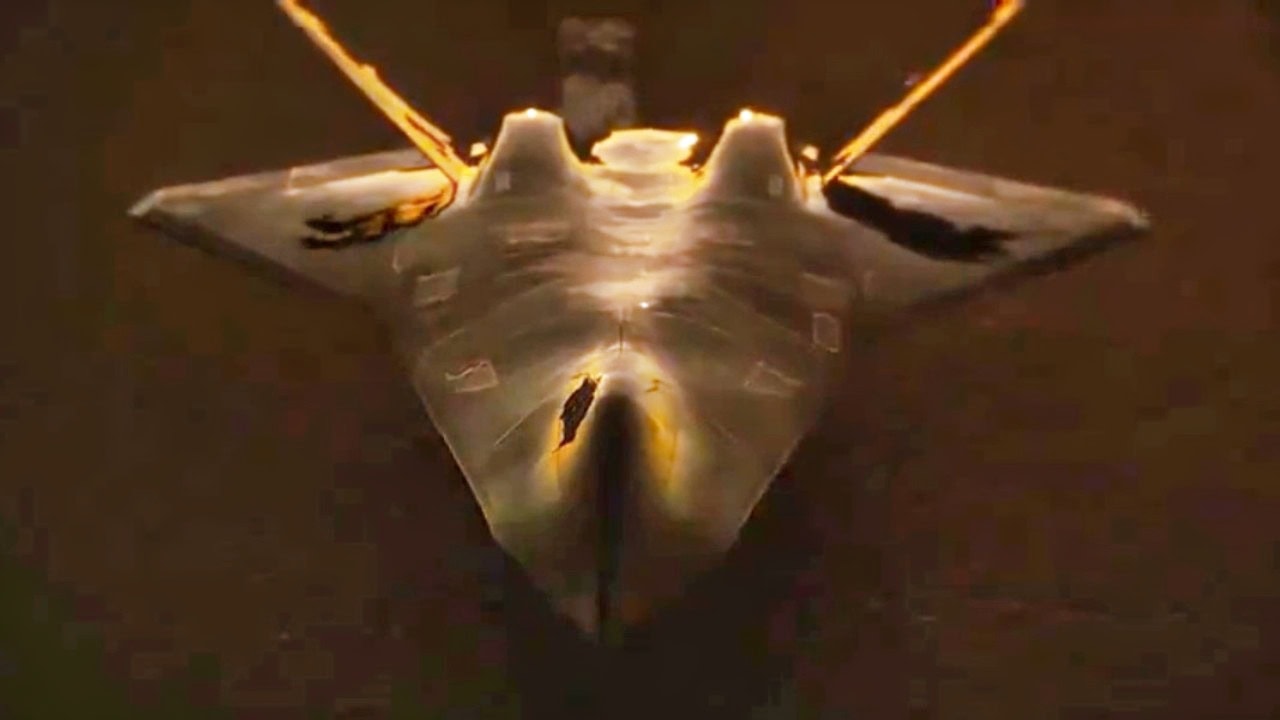
F-47 Fighter from Boeing. Image Credit: U.S. Air Force Screenshot.
That’s a far more optimistic assessment by the Air Force than what many experts expected, especially because the program had already experienced years of delays.
The Next Generation Adaptive Propulsion (NGAP) program is entering a period in which competing engine designs from General Electric (GE) Aerospace and Pratt & Whitney will be built and tested.
The effort is intended to prepare the service for possible aircraft integration activities at the beginning of the next decade.
John Sneden, chief of the Air Force’s propulsion directorate, spoke with reporters about the development of the NGAP at the Life Cycle Industry Days conference in Dayton, Ohio, recently.
According to the Air Force’s propulsion chief, the system was on track, but the Pentagon has not yet decided which system it will go with.
An Engine Systems
NGAP is less a single propulsion system for a single new plane (the F-47).
Instead, it is a collection of next-level propulsion technologies that will inform the design of all future American warplanes.
That’s an interesting turn, considering that the NGAP was specifically intended for the F-47.
But the various NGAP systems are apparently going to be ready before a full pairing with the F-47 can be made.
Although the F-47 is slated to fly some during the Trump administration, the NGAP remains in development, meaning that future upgrades to the F-47 will likely include the final version of NGAP but not those initial versions.
Adaptive turbofan technology is designed to provide greater flexibility than conventional fighter engines.
That’s because the adaptive technology, as its name suggests, alters airflow characteristics during flight. Thus, the adaptive engines allow a plane utilizing them to engage in a variety of mission sets.
That capability could improve fuel efficiency during long-range cruising while also providing increased thrust during combat operations.
Pentagon officials have promoted adaptive propulsion as an important technological advantage for future air combat missions, particularly as potential competitors, such as China, expand their own investments in advanced aircraft and engine development.
Sneden argued that continued investment is necessary because the Air Force has not fielded an entirely new engine design since the halcyon days of its fifth-generation warplane program in the 1990s.
Critics of the Air Force highlight the three-year delays the NGAP has already encountered.
But the Air Force insists that the program has overcome those initial hiccups and is moving forward to an integration date of 2030.
Engine Core Upgrade
Sneden claimed that the setbacks were, in fact, due to the Air Force’s decision to maintain competition between GE Aerospace and Pratt & Whitney while operating under limited funding.
Despite the slower schedule, the service continues to increase financial support for the program.
The Engine Core Upgrade is expected to complete its critical design review next month and should be ready for flight testing around 2030.
A previous Government Accountability Office (GAO) report estimated the upgrade would not enter production until at least 2031.
The Air Force has not yet announced which system it will choose for production—the GE or Pratt & Whitney engine—or when it will finalize integration plans, but Air Force leaders have indicated that the coming prototype phase will shape future decisions.
Testing by both manufacturers will evaluate the performance of their respective NGAPs.
The tests will also determine whether adaptive propulsion technologies can transition into operational fighters and how broadly those technologies are applied across the Air Force fleet in the years ahead (if successful overall).
A Turn for the Better?
Should the NGAP achieve integration by 2030, the Pentagon thinks it will be a worthwhile investment. That investment will continue to pay off in the form of all the new fighters the NGAP will provide advanced propulsion for.
Yet, the US government’s track record of building new and advanced weapons affordably since the end of the Cold War is not good.
If the NGAP achieves its goal of integration by 2030, that would be a win for a Pentagon acquisition program that has lost the confidence of many Americans over the last 30 years.
About the Author: Brandon J. Weichert
Brandon J. Weichert is the Senior National Security Editor at 19FortyFive.com. He also manages The Weichert Brief on Substack. Weichert also hosts “National Security Talk” on Rumble. He is the author of four bestselling national security books, the most recent of which is A Disaster of Our Own Making: How the West Lost Ukraine (Encounter Books). Follow him via Twitter/X @WeTheBrandon.