
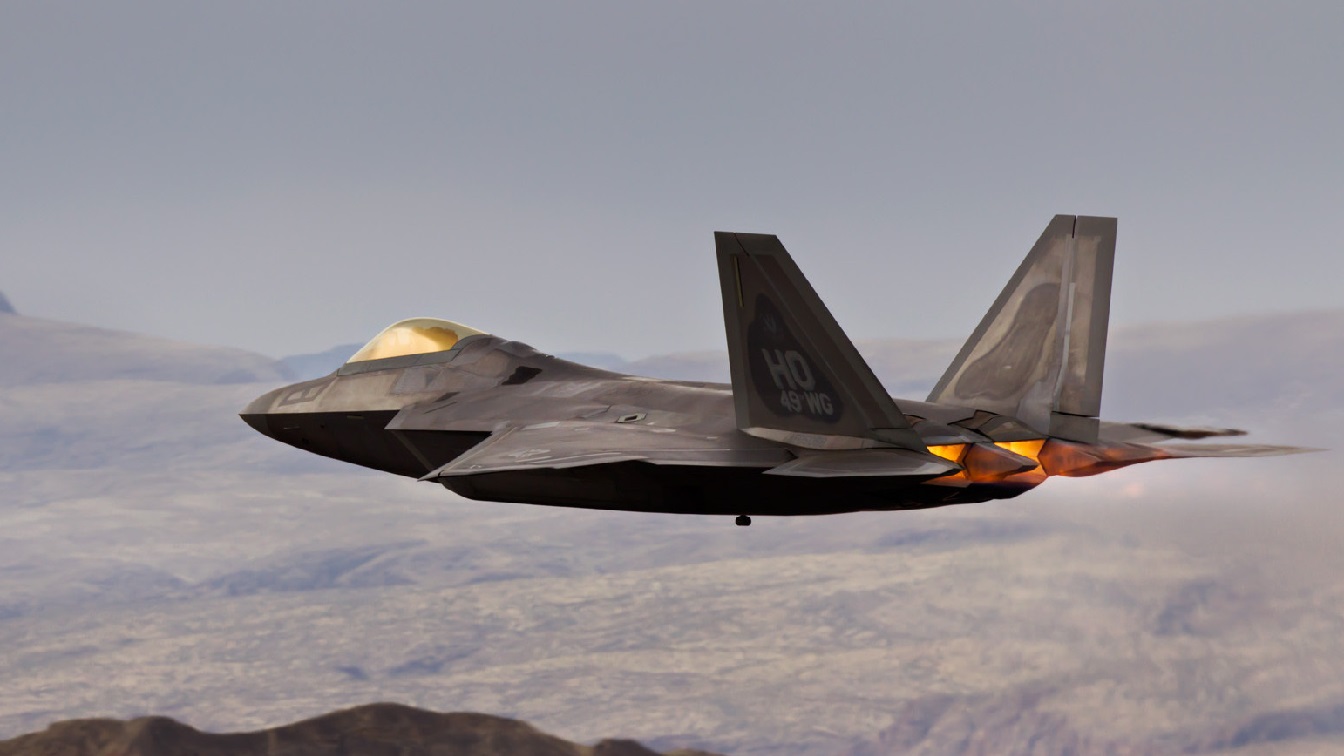
The Air Force Studied Restarting F-22 Production. The Bill Hit $50 Billion: The final operational F-22 Raptor rolled out of Lockheed Martin’s Marietta, Georgia, plant in December 2011. The Air Force had built 187 operational fighters, plus eight developmental aircraft. The last jet was delivered in May 2012, ending a production run far smaller than the 381-aircraft force the service once said it needed.
Congress reopened the issue in 2016 as Russia rebuilt its air force and China expanded work on the J-20 stealth fighter. Lawmakers directed the Air Force to study the cost and schedule of restarting production and buying another 194 aircraft to restore the Raptor fleet to 381.
The answer arrived in 2017. Restarting the program and buying 194 fighters were estimated to cost more than $50.3 billion in 2016 dollars. Nearly $9.9 billion would be spent on nonrecurring work before normal production returned. The initial aircraft were estimated near $216 million each, with later examples falling toward $206 million, according to the released Air Force assessment.
The Air Force concluded the restart did not make economic or operational sense. The Government Accountability Office later summarized the finding: the service would spend about $50 billion while competing for money, engineers, facilities, and suppliers needed by the F-35 and the future air-superiority program.
The F-22 Tooling Was Not the Same as a Production Line
A common account says Washington destroyed the F-22 tooling. The 2017 study found that roughly 95 percent of the relevant tools still existed, with primary equipment stored at Sierra Army Depot in California.
Tooling was only one piece. The final-assembly space had been repurposed. Experienced workers had moved to other programs or retired. Suppliers had shifted their product lines, and some no longer manufactured the materials and components used in the Raptor. The small F-22 fleet remained a force-structure problem, but stored jigs did not preserve a functioning industrial base.
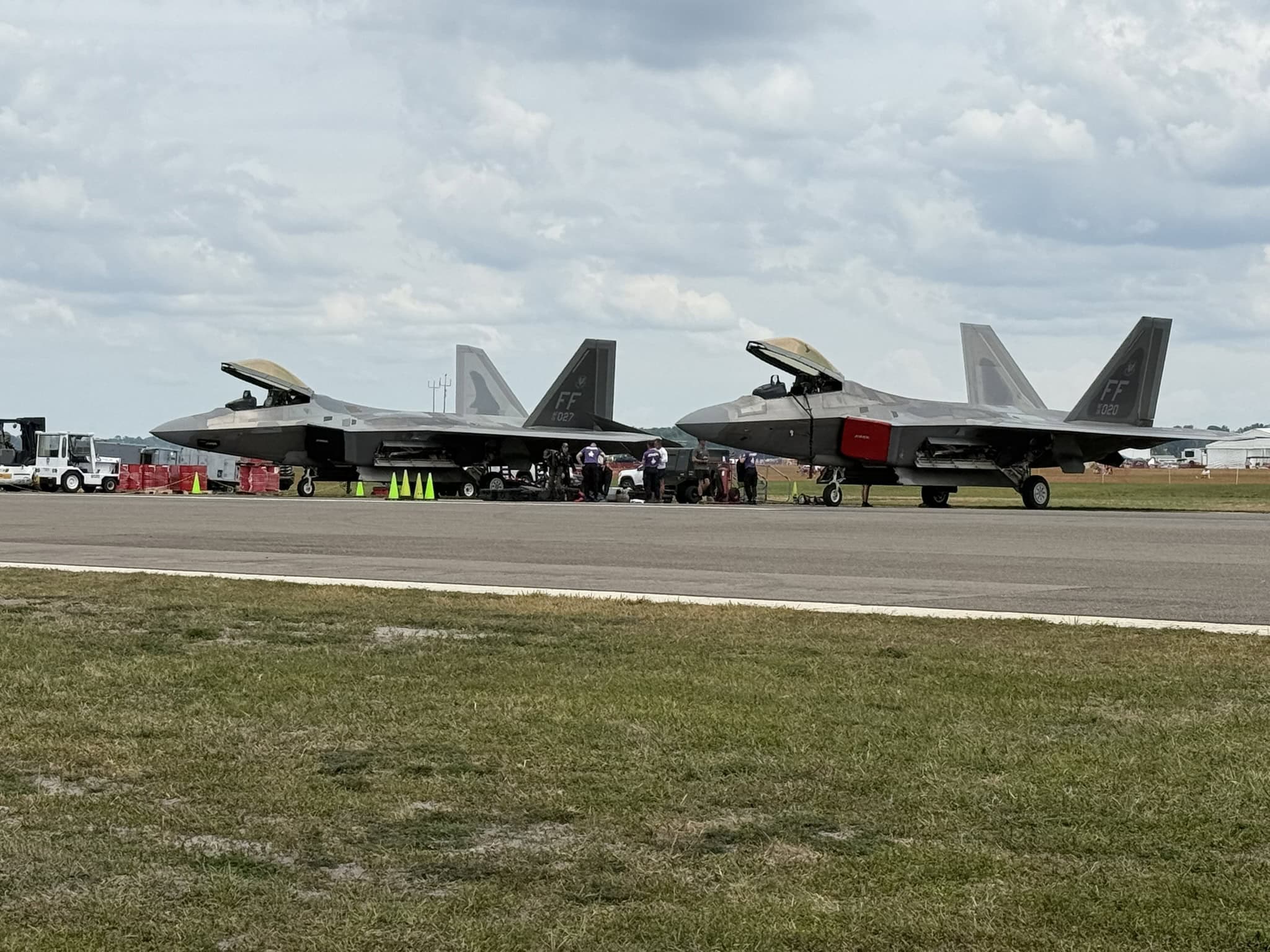
F-22 Raptor Lakeland Florida Airshow
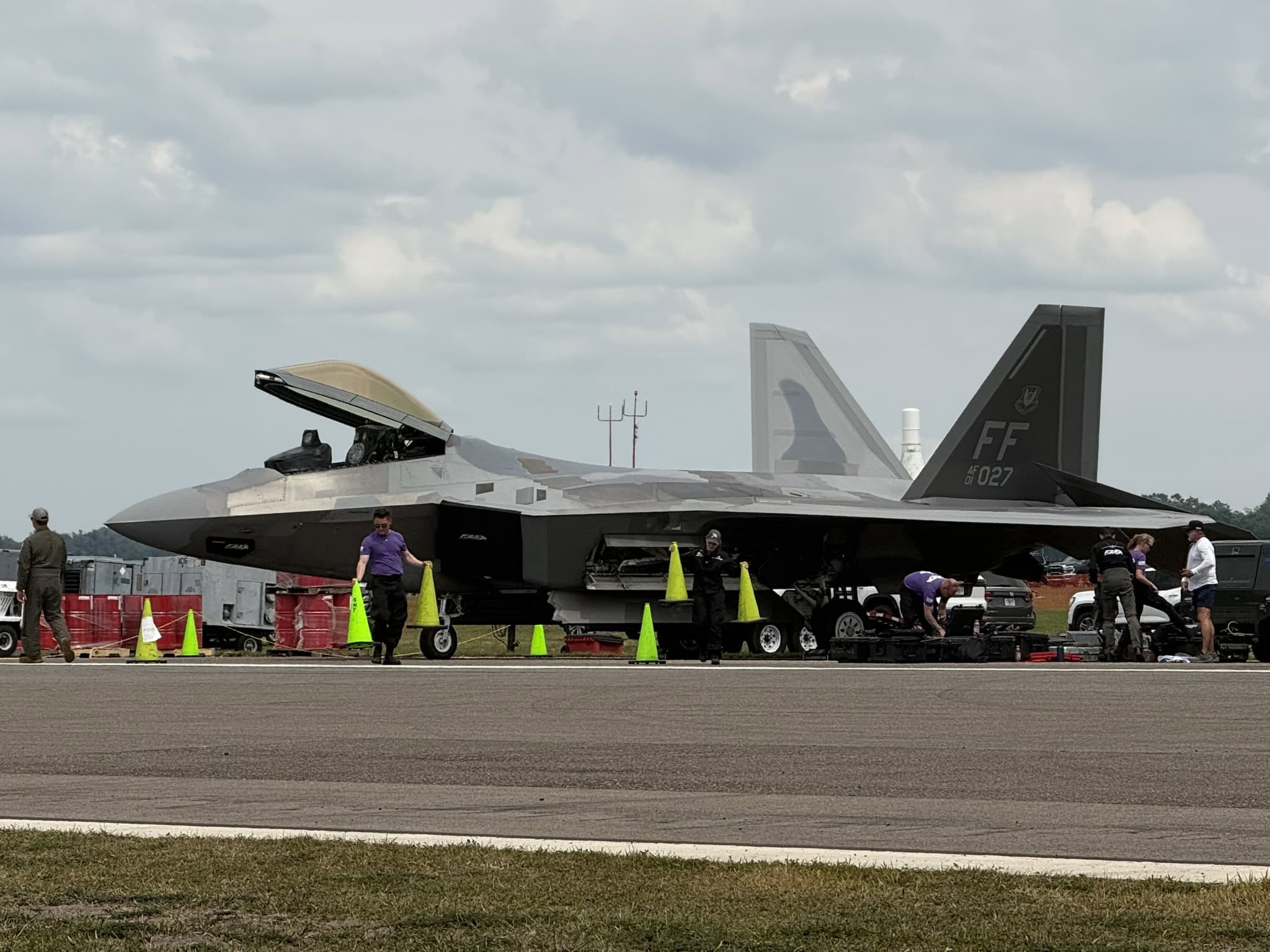
F-22 Raptor Lakeland Florida Airshow. Image Credit: 19FortyFive.com
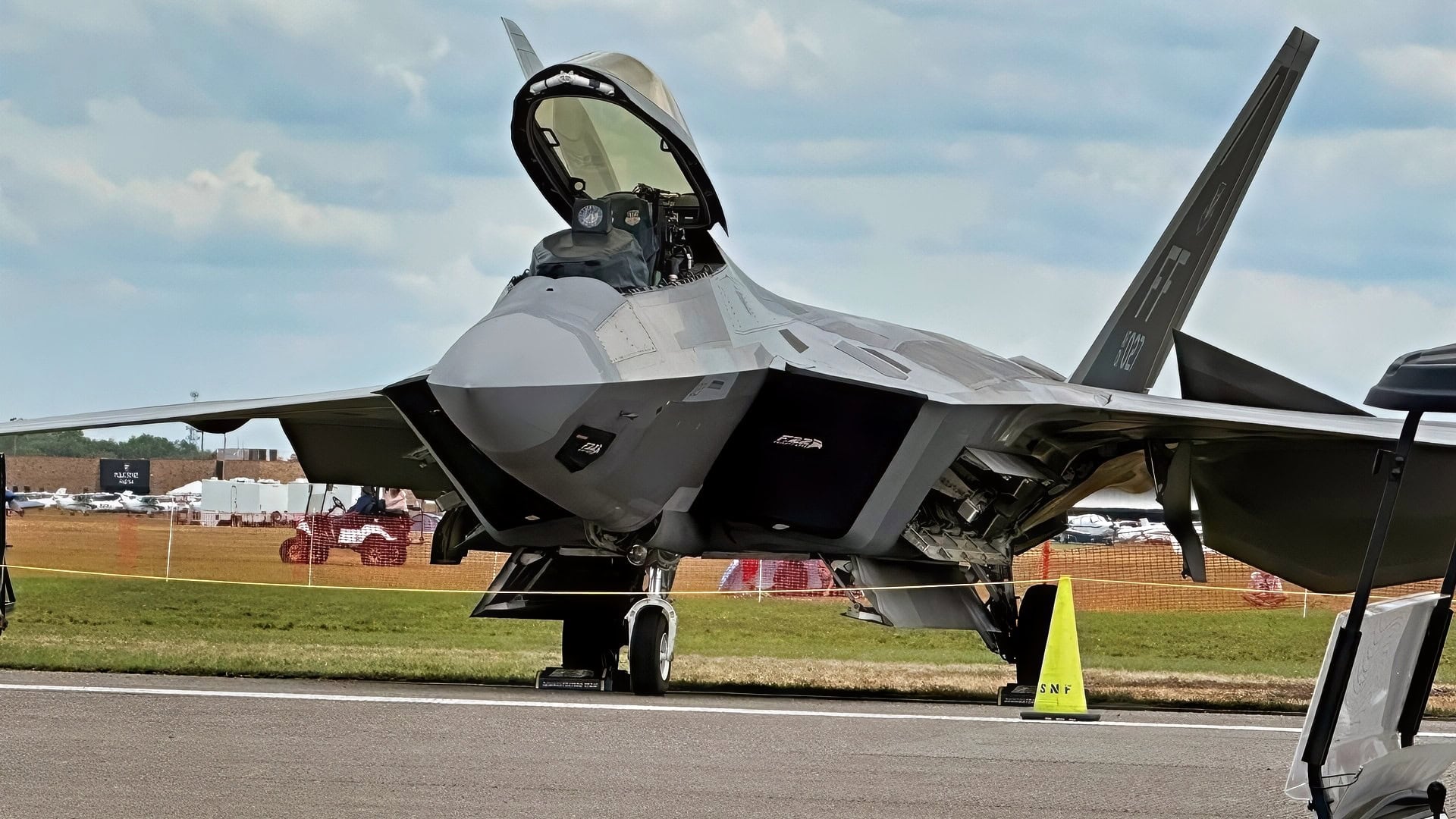
F-22 Raptor Lakeland Florida Airshow. Taken by Harry J. Kazianis on 4/19/2026.
RAND had warned about this before production ended. Its tooling and restart study found that shutdown would destroy supplier qualification, skilled-labor continuity, and manufacturing efficiency. The least expensive moment to buy more F-22s was while jets were still moving through Marietta.
Nearly $10 Billion Was Needed Before One New Raptor
The restart estimate was dominated by work that did not result in any completed aircraft. The Air Force budgeted $228 million to refurbish tooling, $1.218 billion to requalify suppliers and materials, almost $1.5 billion in additional government costs, and $1.156 billion for other restart activity.
The largest item was $5.768 billion for the redesign of four subsystems. The AN/APG-77 radar and Pratt & Whitney F119 engine were no longer in production. The software package needed substantial work, while communications, navigation, electronic warfare, and identification systems also faced questions about replacement.
Washington was no longer ordering the same fighter who left Marietta in 2011. It was funding a partial redevelopment program around an older airframe. That is why restarting the Raptor involved far more than reopening a factory door.
The New F-22s Would Have Arrived Too Late
The nonrecurring work was expected to consume five years. New aircraft would begin arriving in the mid-to-late 2020s, near the point when the Air Force expected the design to face stronger 2030-era air defenses, sensors and fighters.
The service would spend nearly $10 billion rebuilding an old industrial network, then commit another $40 billion or more to aircraft entering service as the next generation approached. Spread across 194 fighters, the full program averaged roughly $259 million per aircraft before operations and sustainment.
GAO described the fleet as less than ideal for fifth-generation air superiority. China’s expanding stealth force has made the numerical problem more serious. A bad decision to close the line early did not make a late restart financially sound.
The Air Force Chose the F-35 and F-47 But It Wont Come Until 2030s
The 2017 assessment warned that a restarted F-22 program would compete directly with F-35 production and modernization. Engineers, facilities, suppliers, and budget authority were already committed elsewhere.
The Air Force wanted greater range, a newer architecture, and integration with unmanned aircraft. That effort became the F-47. The decision remains important because Washington risks repeating the Raptor’s mistake if the F-47 fleet stays small.
As of July 2026, the surviving F-22s were still receiving software and weapons updates in releases spaced roughly 12 to 18 months apart, according to the Pentagon’s latest test report. Modernization preserves the existing fleet without paying the nonrecurring cost of new production.
The Cheap Decision Disappeared When the Line Closed
Ending production at 187 operational aircraft looks worse in hindsight than it did in 2009. The United States developed an unmatched fighter and bought too few to meet the earlier requirement. The shortage still shapes Air Force planning.
The 2017 study showed why regret was not a procurement plan. Restarting meant recreating suppliers, facilities, software, engines, radar production, and workforce experience at enormous expense.
On March 21, 2025, the Air Force awarded Boeing the F-47 development contract. The F-22 tooling remained at Sierra Army Depot, useful for sustaining the fleet, while the money and design effort moved to the fighter intended to replace it. Sadly, she won’t join the US Air Force until the 2030s.
About the Author: Harry J. Kazianis
Harry J. Kazianis (@Grecianformula) was the former Senior Director of National Security Affairs at the Center for the National Interest, a foreign policy think tank founded by Richard Nixon in Washington, D.C. Harry has more than a decade of experience in think tanks and national security publishing. His ideas have been published in The New York Times, The Washington Post, The Wall Street Journal, CNN and many other outlets worldwide. He has held positions at CSIS, the Heritage Foundation, the University of Nottingham and several other institutions related to national security research and studies. He is the former Executive Editor of The National Interest and The Diplomat. He holds a master’s degree focusing on international affairs from Harvard University.

