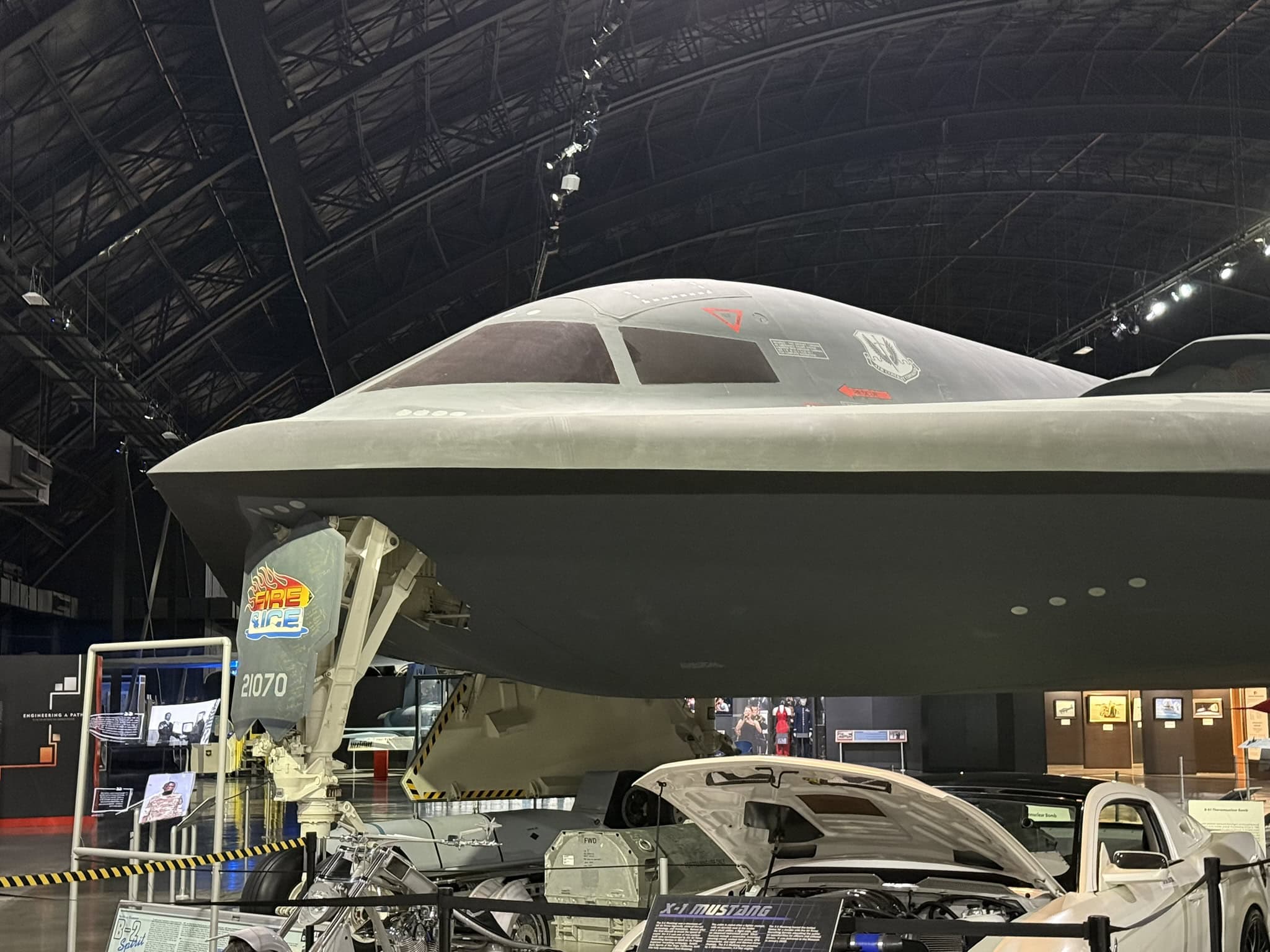
Summary and Key Points: The Northrop Grumman B-2 Spirit entered service in 1993, but its avionics were the best of the 1980s. Ten major upgrades in the late 2010s multiplied its onboard processing power 1,000 times, rebuilt its Defensive Management System with automated route replanning, raised its JDAM capacity from 16 to 80, and fitted it for the 30,000-pound GBU-57 it dropped on Iran’s nuclear facilities in Operation Midnight Hammer. The B-21 Raider will replace it.
The B-2 Spirit Stealth Bomber Keeps Getting More and More Updates
Northrop Grumman developed the B-2 Spirit long-range stealth bomber to penetrate deep inside Soviet air defenses and deliver nuclear weapons against strategic targets.
The aircraft resulted from the United States Air Force’s Advanced Technology Bomber program, which required the Air Force’s next long-range strategic bomber to reduce its radar signature, complete long-range operations, and reliably survive them.
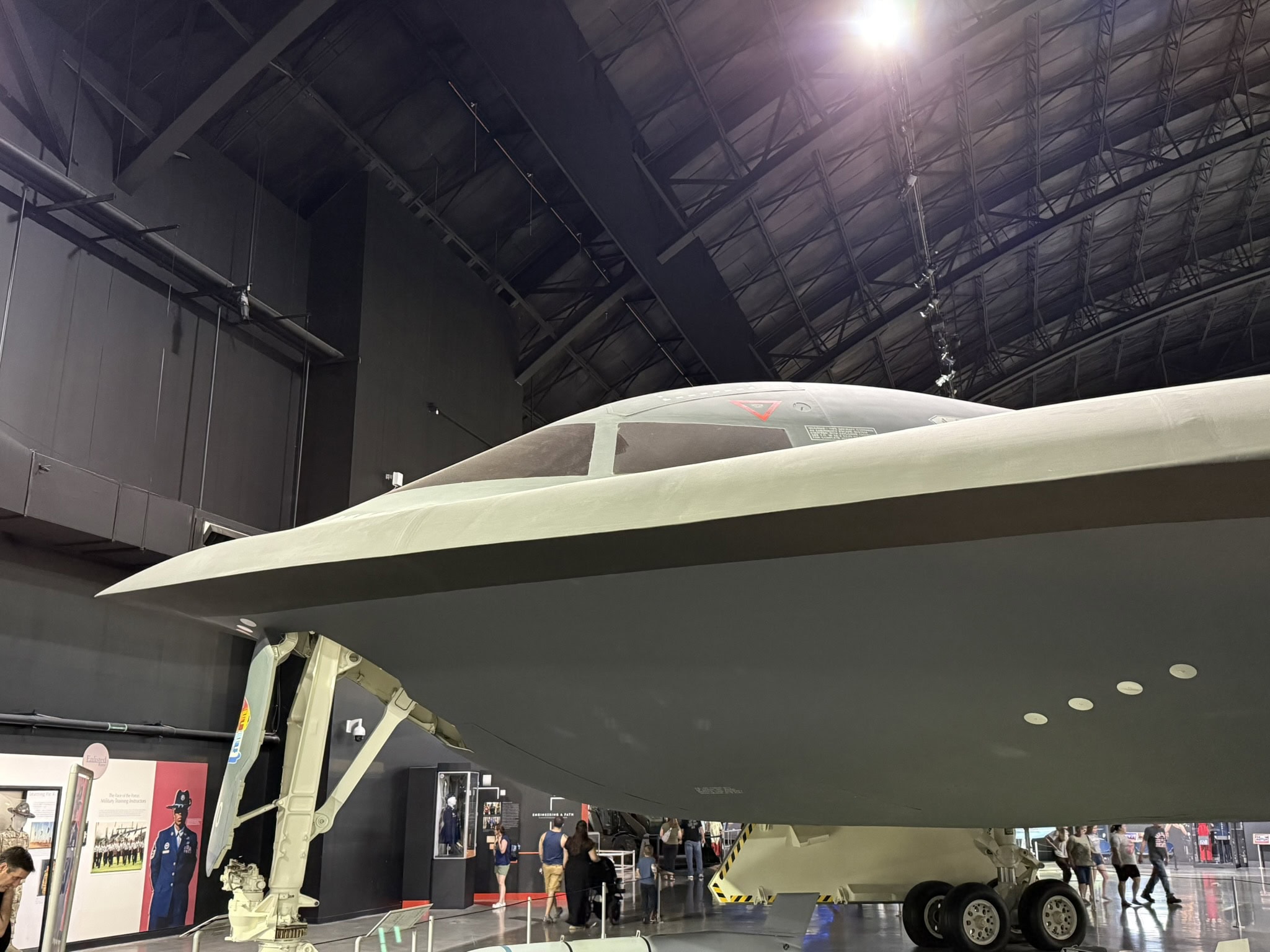
B-2 Spirit at the National Museum of the U.S. Air Force. Image Credit: Harry J. Kazianis.
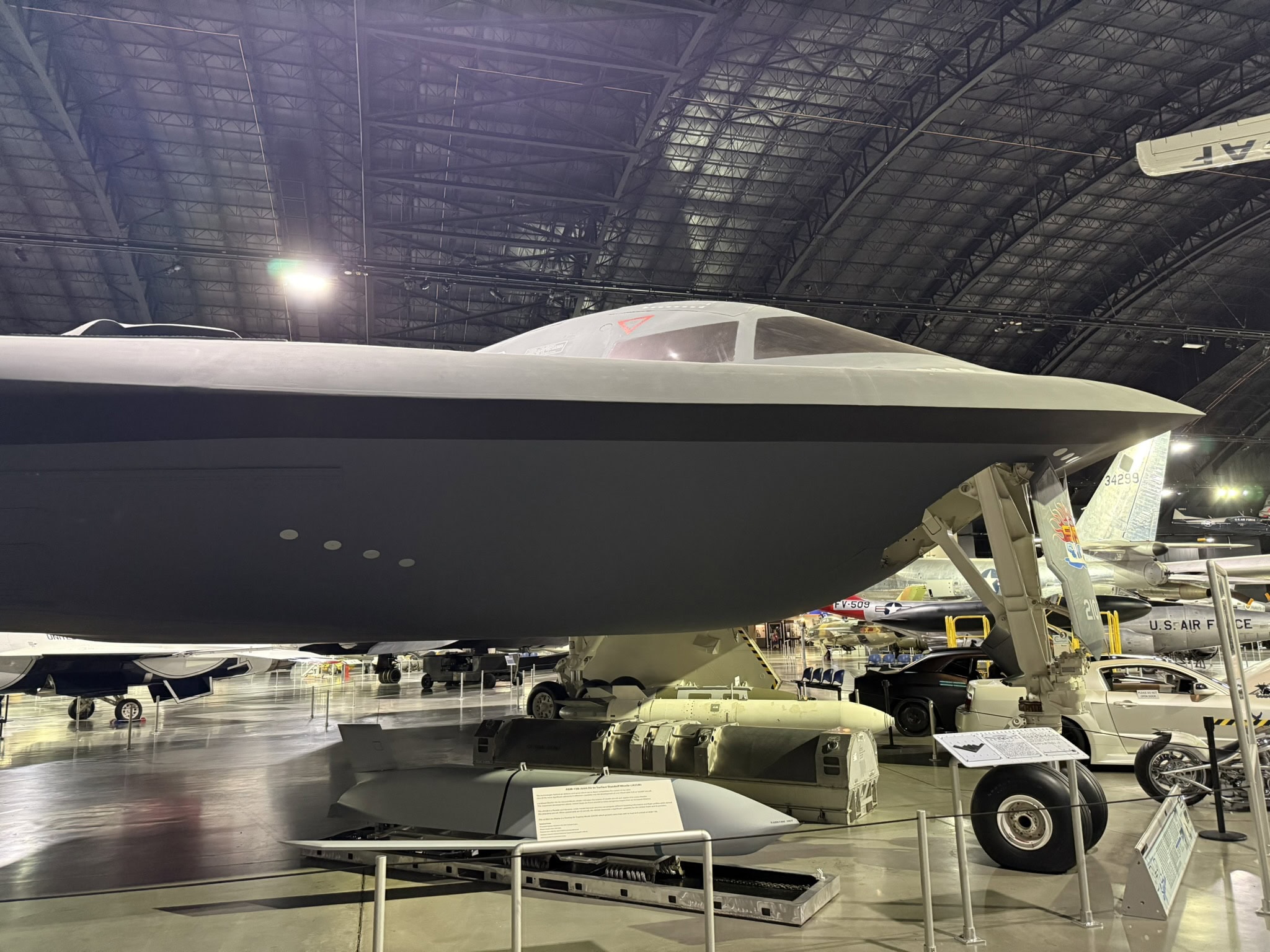
B-2 Spirit Bomber 19FortyFive Image from the National Museum of the U.S. Air Force
In 1993, the B-2 entered operational service. Its specifications remained impressive.
Four General Electric F118-GE-100 turbofan engines powered this magnificent platform.
The B-2 could take off at a maximum weight of 336,500 pounds and fly about 6,000 nautical miles before needing to refuel. A single B-2 could also carry up to 40,000 pounds of ordnance.
As for the plane’s original systems, notably its avionics package, that system has been upgraded since it first flew in the 1980s.
That’s because the original system was the highest-end system that the military could produce in the 1980s.
Today’s avionics packages, even for modern jet airliners, are far more advanced, so to keep the B-2s flying over the decades, the Air Force had to rapidly modernize the underlying systems.
A Different Plane On the Inside
In fact, the Air Force has significantly upgraded many of the underlying systems originally installed in the first B-2s since the planes were first deployed.
Everything from the communications gear to mission-management systems and computer processors has been modernized and upgraded since the 1980s, so although these planes were advanced when they were released, they still needed upgrades.
The Air Force kept them reliable and ahead of evolving technology.
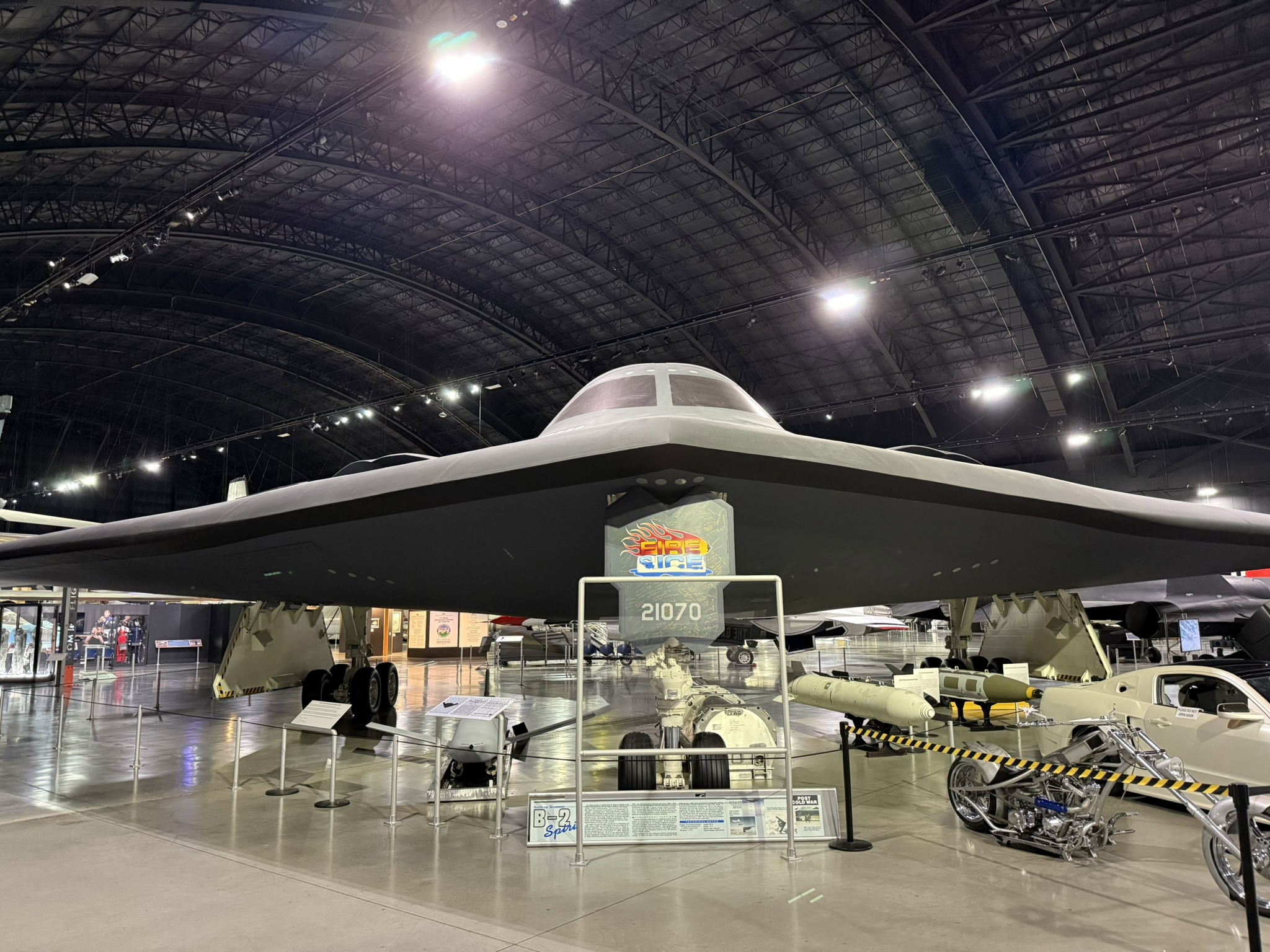
B-2 Spirit Stealth Bomber. 19FortyFive.com Photo from National Museum of the U.S. Air Force Visit in 2025.
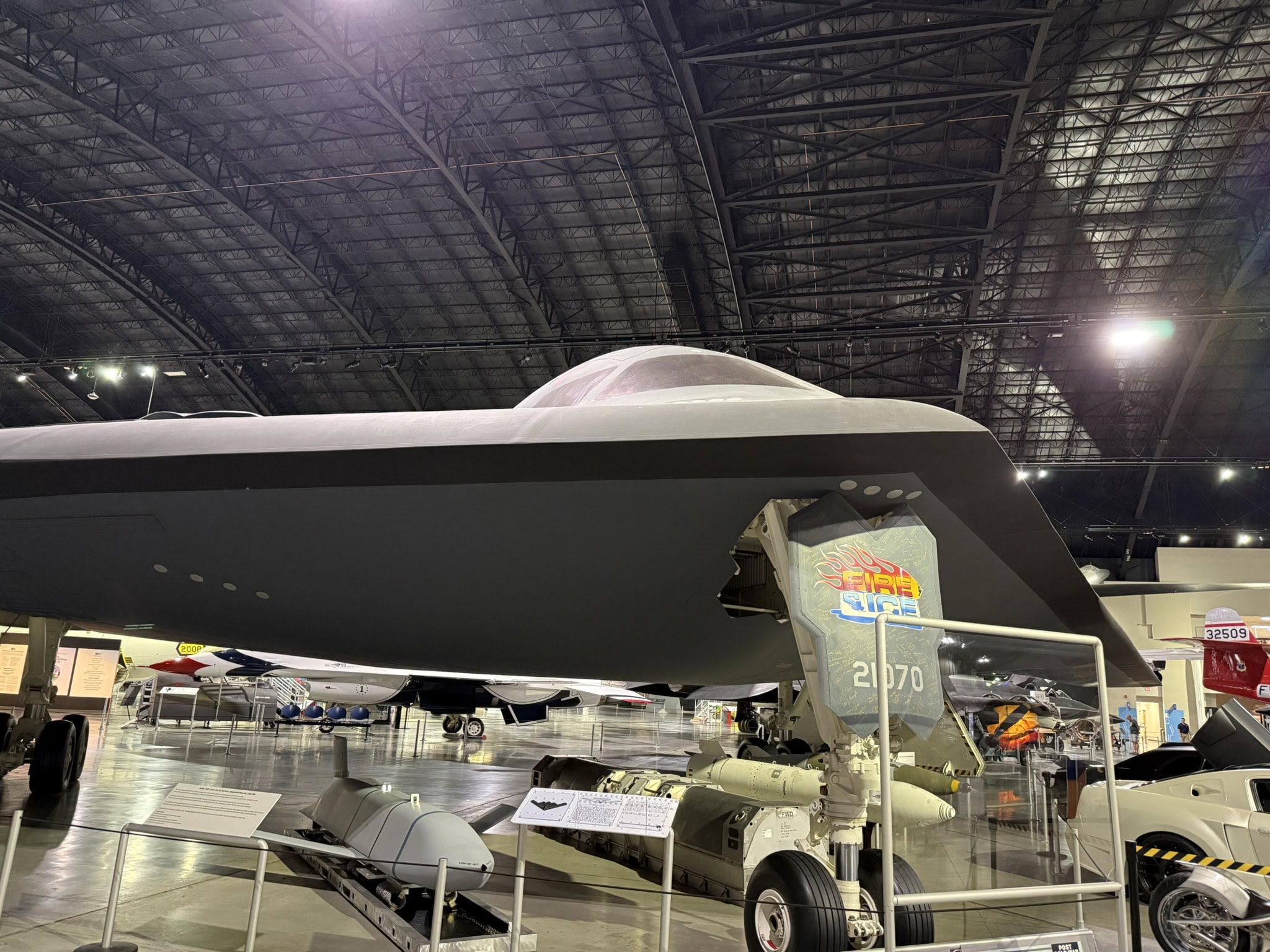
B-2 Spirit Stealth Bomber. 19FortyFive.com Photo from National Museum of the U.S. Air Force Visit in 2025.
As military technology advanced beyond the original design, the Air Force began to worry that its magnificent (and expensive) B-2 would quickly be surpassed technologically.
Some of the most important improvements dealt with the original computing architecture.
The Air Force upgraded the bomber’s flight-management computers, replacing the older processing equipment with more capable integrated processing circuits.
The modernization then installed fiber-optic connections to improve data transmission within the aircraft.
In other words, the Air Force enhanced the B-2’s ability to process information from multiple systems while ensuring the computers weren’t overwhelmed by those functions (which they would have been if the Air Force did not modernize those systems).
The Air Force made ten major hardware and software advances in the late 2010s to keep the B-2s relevant. The Air Force upgraded onboard processing power by 1,000 times compared to pre-modernization levels.
Then came the changes to the B-2’s Defensive Management System.
Because stealth reduces the chances of being spotted by enemy sensors, US rivals worked hard to overcome that advantage.
Modern air defenses use a distributed, networked approach to track and target the B-2 and other stealth planes.
Today’s enemy air defense systems combine multiple radar frequencies and distributed sensors with highly sophisticated command-and-control systems to better detect stealth planes.
Compared with these advancing air defenses, the B-2’s original defensive gear could not handle them.
So, the Defensive Management System upgrade improved the B-2’s threat awareness by upgrading antennas, electronics, displays, and any associated mission-planning capabilities.
One significant upgrade was the automated route replanning.
Rather than relying on a predetermined flight path, the newer computers helped crews adjust their routes when emerging threats made the original approach to the target harder.
That was key for crews that were trying to avoid detection in the modern threat environment.
Upgraded to Kill Nuclear Bunkers
The platform integrated a GPS-aided targeting system that let crews generate accurate targeting coordinates using the aircraft’s radar and navigation systems.
A later round of upgrades enhanced the B-2’s ability to carry Joint Direct Attack Munitions (JDAMs), allowing the upgraded B-2 Spirit to carry up to 80 smaller JDAMs (up from the original limit of 16).
Critically, the Air Force increased the B-2 Spirit’s payload capacity to carry the 30,000-pound bunker-busting weapon known as the GBU-57 Massive Ordnance Penetrator (MOP).
This weapon was specifically designed for collapsing hardened underground facilities, such as those that support either Iran’s or North Korea’s suspected nuclear weapons programs.
Indeed, during Operation Midnight Hammer (the 12-Day War) last year against the Islamic Republic of Iran, the B-2s made international headlines when they successfully struck key Iranian nuclear weapons facilities with the GBU-57s.
The Air Force also upgraded the B-2’s original stealth.
Radar-absorbent materials compose the skin of the B-2 Spirit bomber.
But their constant exposure to the environment, temperature changes, and routine flight operations degraded their effectiveness over time.
By improving maintenance procedures and enhancing diagnostic equipment, the Air Force better preserved the radar-absorbent materials than it would have without the upgrades.
A Powerful Bird
While the B-2 remains a capable and powerful platform, it has aged, even with advances to its original design.
Modernization efforts have been substantial and have kept them combat-ready despite their age.
Yet the Air Force recognizes the planes have reached their design limits and is making the B-21 Raider the B-2’s replacement.
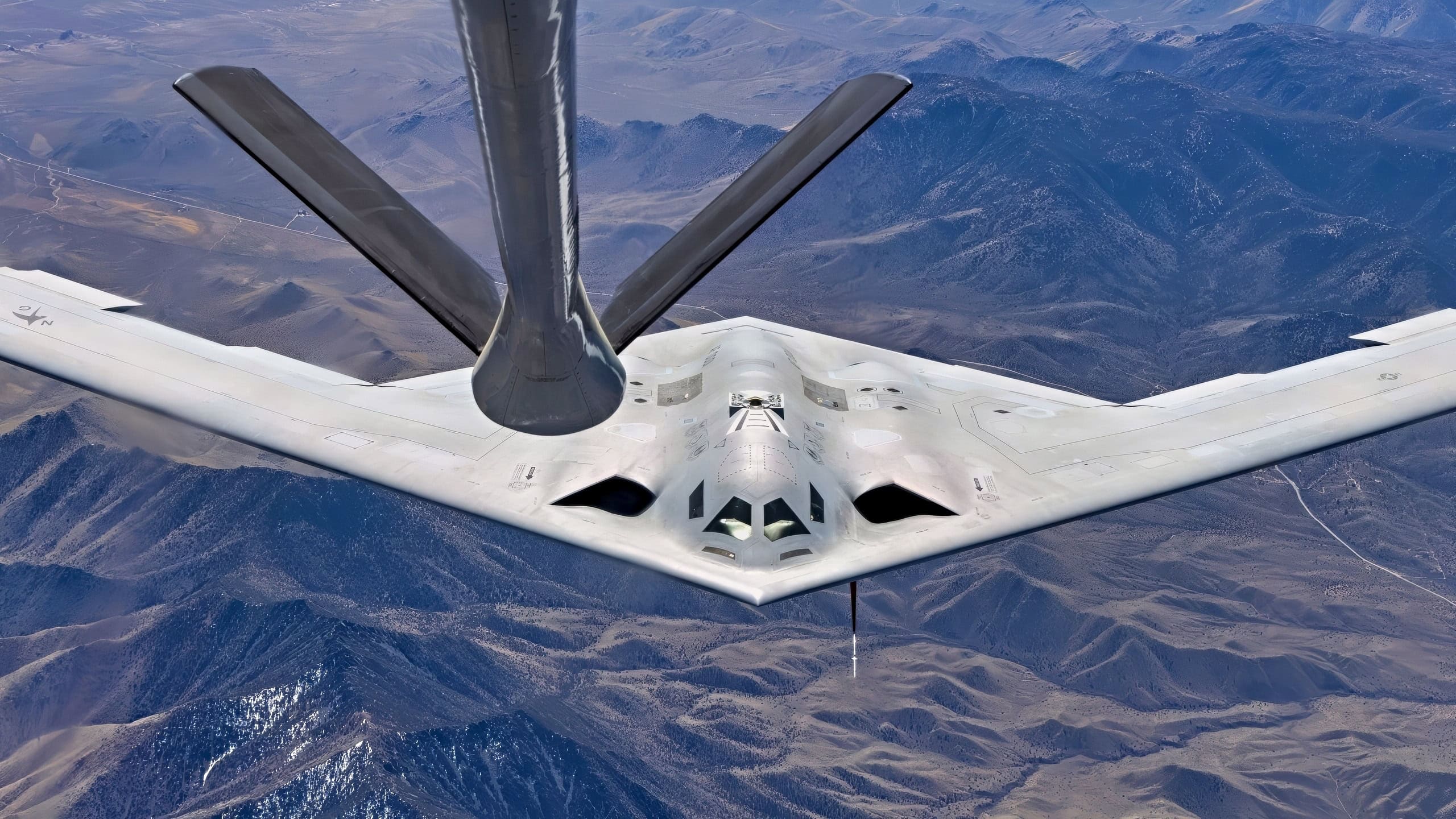
B-21 Raider. Image Credit: U.S. Air Force.
The black flying wing remains one of the world’s most iconic planes.
Although its design remains unchanged, the B-2 Spirit is fundamentally different on the inside than it was when it first took wing in the 1980s.
That’s why it remains a decisive factor in the air wars over the Middle East.
About the Author: Brandon J. Weichert
Brandon J. Weichert is the Senior National Security Editor at 19FortyFive.com. He also manages The Weichert Brief on Substack. Weichert is the co-host for The Mario Nawfal Show on Twitter/X. He is the author of four bestselling national security books, most recently A Disaster of Our Own Making: How the West Lost Ukraine (Encounter Books). His next book, Fortress Americas: A New Monroe Doctrine (Tucker Carlson Books), is due out December 8. Follow him via Twitter/X @WeTheBrandon.