
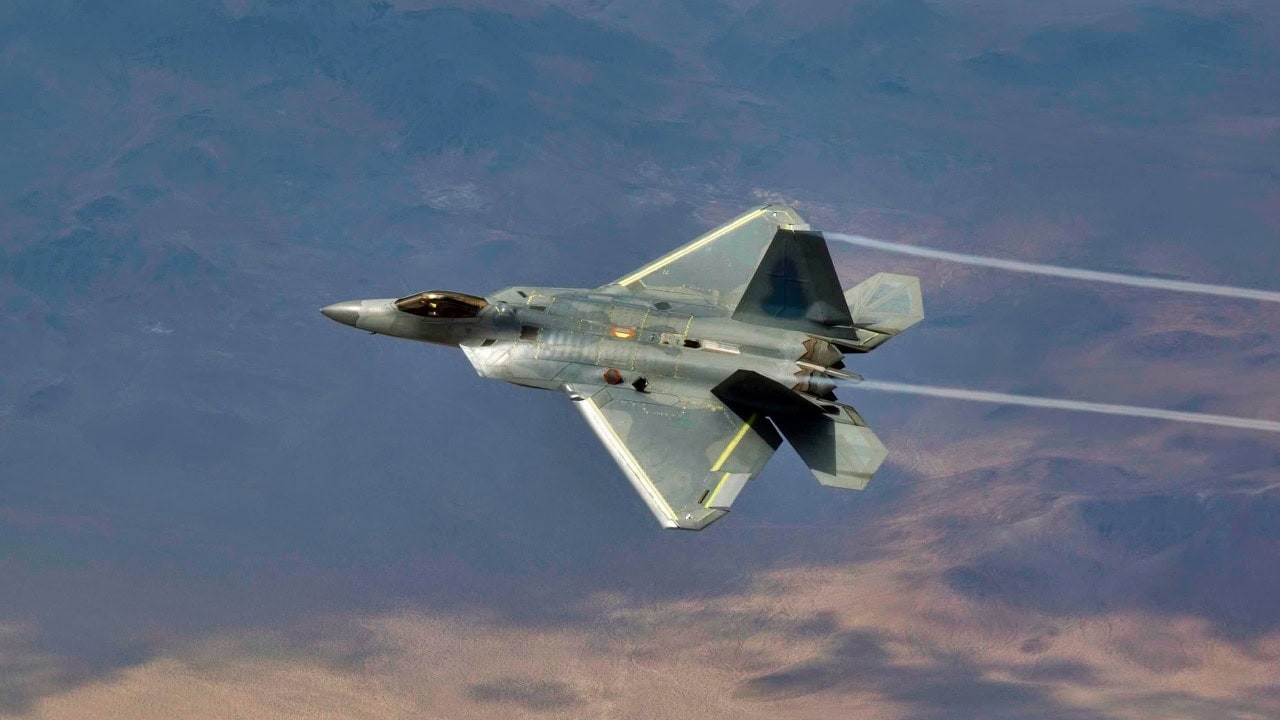
Synopsis: The F-22 Raptor still represents the gold standard for air dominance, but the Air Force argues that rebuilding the jet is a dead end. Studies delivered to Congress found the Raptor’s industrial base has vanished: tooling was mothballed, suppliers moved on, and restarting production would require billions before the first aircraft is assembled. The Air Force estimated about $10 billion to reopen the line and about $50 billion to buy 194 more jets, with per-aircraft costs far above earlier levels. Even then, new Raptors would need avionics and networking redesigns to stay relevant, turning a restart into a new program.
Why the U.S. Air Force Won’t Restart F-22 Raptor Production
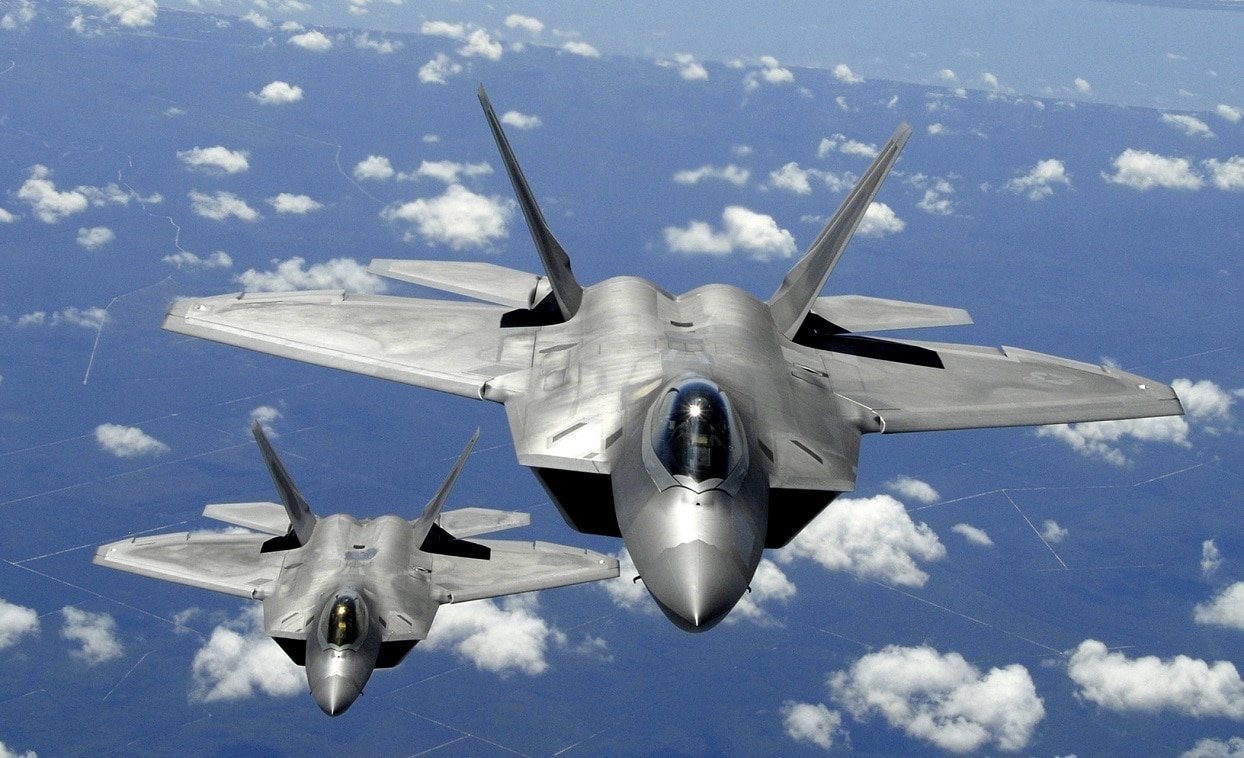
Two F-22 Raptors from Tyndall Air Force Base, Fla., fly in formation. Its combination of stealth, supercruise, maneuverability, and integrated avionics, coupled with improved supportability, represents an exponential leap in warfighting capabilities. The F-22 performs both air-to-air and air-to-ground missions allowing full realization of operational concepts vital to the 21st century Air Force. (U.S. Air Force photo/Senior Master Sgt. Thomas Meneguin)
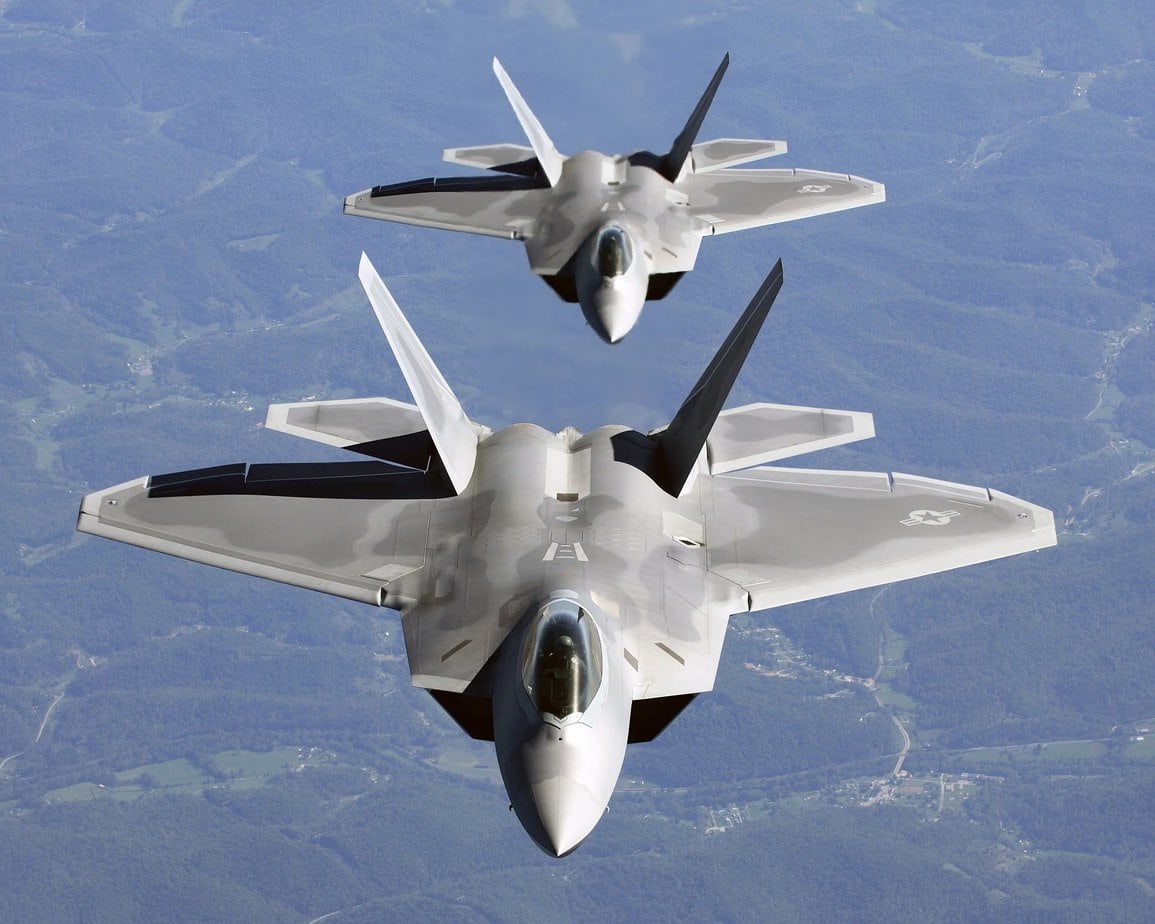
Image: Creative Commons.
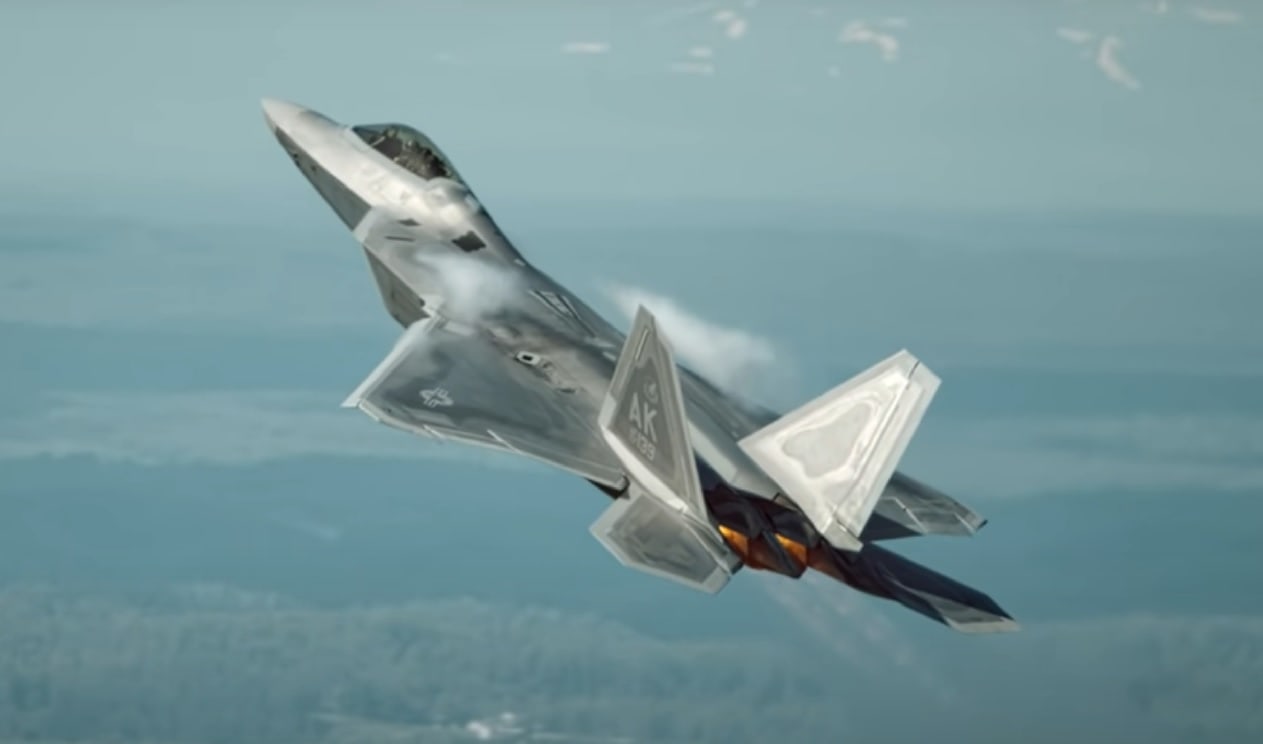
F-22 Raptor, US Air Force. Image Credit: YouTube Screenshot.
Since production ended in 2011, the Lockheed Martin F-22 Raptor has symbolized America’s unmatched air superiority, offering a combination of stealth, supercruise, and sensor integration that no peer fighter has ever fully replicated.
Yet despite periodic calls from lawmakers, defense analysts, and some parts of the aerospace community to just build more of them, the U.S. Air Force has repeatedly concluded that restarting production is neither economically viable nor operationally prudent.
The question of whether the Air Force could build new Raptors has been comprehensively studied, and that answer has now been clear for more than a decade.
The harsh reality is this: the industrial base that produced the Raptor no longer exists, the cost would be enormous, and by the time the new jets could fly, it would be too late for them to matter in today’s rapidly evolving security and combat environment.
When production ceased with the 195th and final aircraft, the U.S. capped the fleet far below the hundreds that were originally envisioned, leaving the Air Force reliant on legacy F-15s and increasingly on F-35s to fill gaps in fighter capacity.
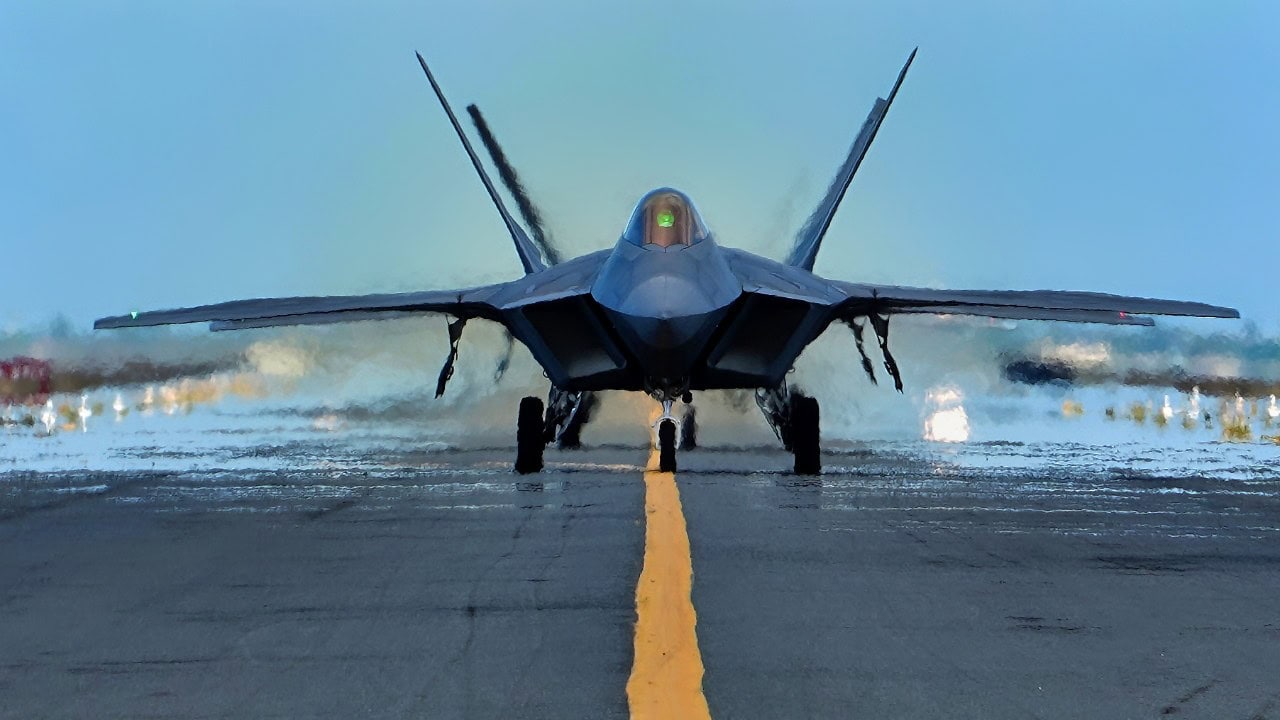
A U.S. Air Force F-22 Raptor taxis on the runway during a routine training schedule April 21, 2020, at Honolulu International Airport, Hawaii. Given the low traffic at the airport due to COVID-19 mitigation efforts, the active-duty 15th Wing and the Hawaii Air National Guard’s 154th Wing seized an opportunity to document the operation which showcases readiness and their unique Total Force Integration construct. The units of Team Hickam work together seamlessly to deliver combat airpower, tanker fuel, and humanitarian support and disaster relief across the Indo-Pacific. (U.S. Air Force photo by Airman 1st Class Erin Baxter)
Congress even ordered a cost study on reopening the F-22 line in 2016 in response to rising tensions with China and Russia. Still, when the Air Force delivered its assessment to lawmakers the following year, the future of the platform was made clear: the line would not be restarted because doing so simply made no sense. Even in the face of a potential capability gap.
What the Studies Found
At the heart of the Air Force’s opposition to restarting the F-22 production line are the overwhelmingly high cost projections and industrial realities.
In its 2017 submission to Congress, the Air Force estimated that procuring 194 additional F-22 aircraft would cost as much as $216 million per aircraft, and roughly $9.9 billion would be required just to restart the dormant line.
When combined, the total costs approached $50 billion before operational costs were even included.
The high cost wasn’t really a surprise: the figures reflect the price of the aircraft themselves on top of the full burden of reestablishing production infrastructure that has lain idle for more than a decade.
Tooling, assembly facilities, and supplier networks were either repurposed or dismantled when the line was officially shut down, meaning that simply picking up where Lockheed Martin left off is not practical without rebuilding much of the base that once made the F-22s from scratch.
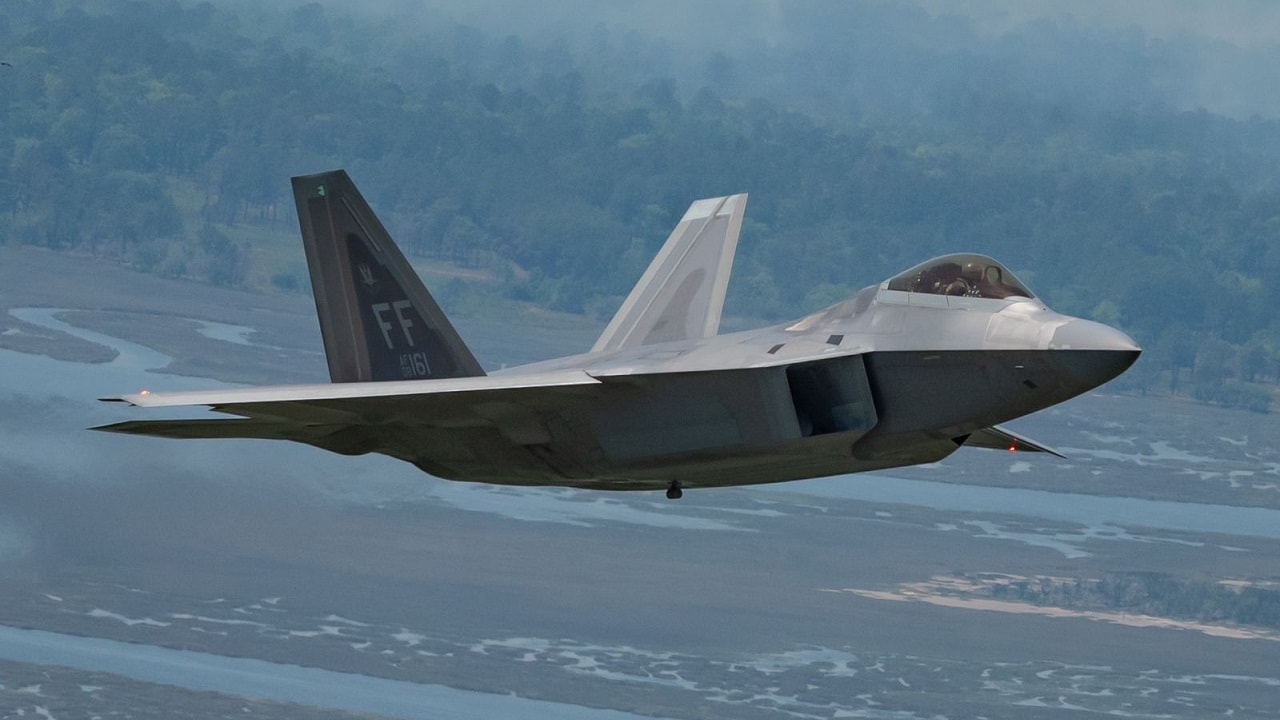
F-22 Raptor. Image Credit: Creative Commons.
Beyond those restaurant costs, the per-aircraft procurement projections themselves were also higher in real terms than during the original production run.
Inflation and the absence of economies of scale that come with exporting aircraft are the obvious drivers behind that increase. The Raptor is, after all, prohibited by U.S. law from being exported.
The original Raptor program’s per-jet cost – already steep at approximately $150 million – also excluded many development expenses. When those are factored in, the total program outlays exceeded tens of billions of dollars for fewer than 200 jets.
For planners concerned with America’s preparedness and budgetary discipline, those numbers don’t add up.
Funding hundreds of new F-22s at today’s prices would consume immense resources that would otherwise benefit new systems explicitly designed to meet modern and emerging threats.
U.S. Air Force F-22 Raptor Fighter: Outdated Designs and Strategic Shifts
The case for more F-22s is weakened further when one considers the original design of the F-22 and today’s threats.
Even if funding were available, the F-22, as originally built, would be technologically dated by the time any restarted production line delivered the aircraft in meaningful numbers.
The platform’s avionics and sensor systems were state-of-the-art in the 1990s and early 2000s. Still, years of rapid technological advancement have left them behind current standards in networking, electronic warfare, and data fusion.
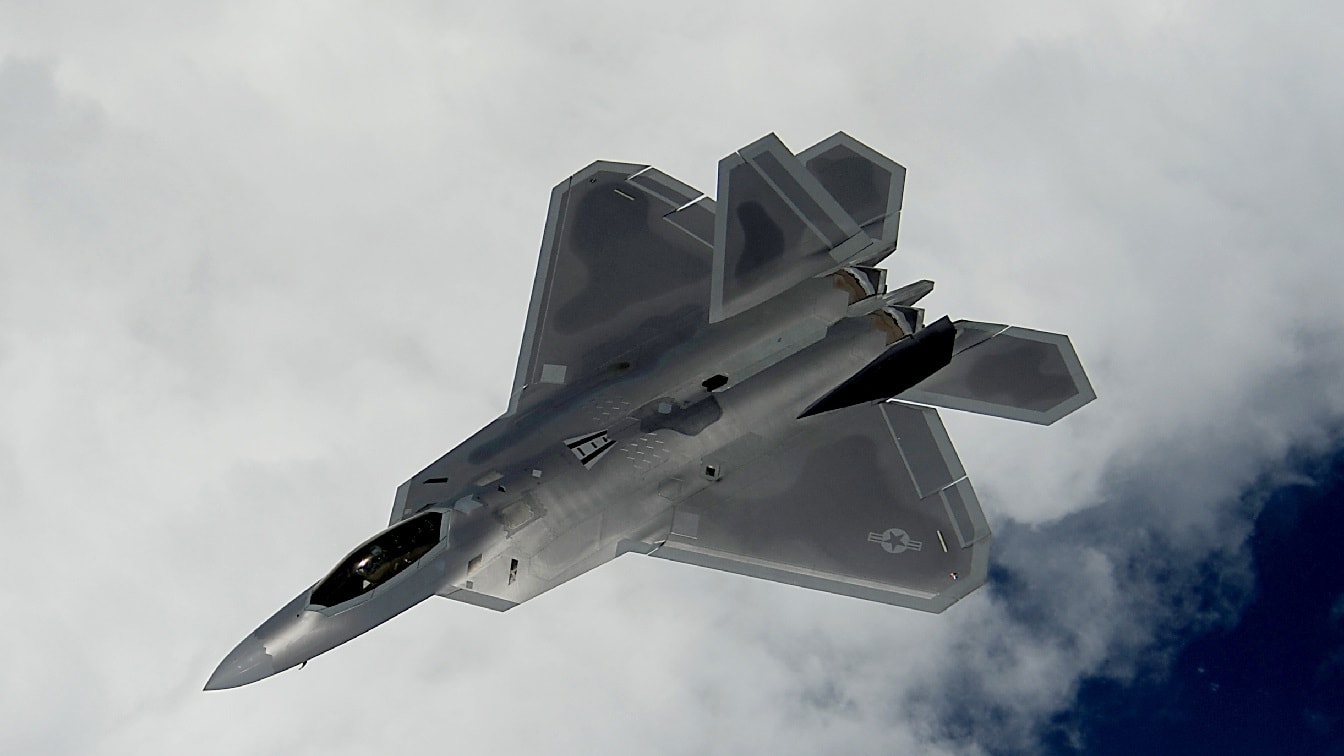
A 1st Fighter Wing’s F-22 Raptor from Joint Base Langley-Eustis, Va., pulls away and flies beside a KC-135 Stratotanker with the 756th Air Refueling Squadron, Joint Base Andrews Naval Air Facility, Md., while his wingman refuels off the east coast, July 10, 2012. The first Raptor assigned to the Wing arrived, Jan. 7, 2005. This aircraft was allocated as a trainer, and was docked in a hanger for maintenance personnel to familiarize themselves with its complex systems. The second Raptor, designated for flying operations, arrived, Jan. 18, 2005. On Dec. 15, 2005, Air Combat Command commander, along with the 1st FW commander, announced the 27th Fighter Squadron as fully operational capable to fly, fight and win with the F-22.
The F-22 is an old system, and it is only getting older.
Simply reproducing those legacy designs would yield fighters that are outpaced by modern threats and difficult to integrate with today’s command-and-control systems without extensive redesign.
That challenge would present planners with a dilemma: either accept a new F-22 that would be obsolete by the time it is finished, or undertake a costly modernization program that would effectively produce an entirely new aircraft.
The latter path would be the wisest – but then it would undermine the premise of a cheap restart of an old line and instead become an entirely new development program, complete with delay risks and other uncertainties.
While the appeal of more F-22s is tough to ignore, the idea of building new ones has long since crossed the line from being a just-about-achievable strategic option into an expensive delusion.
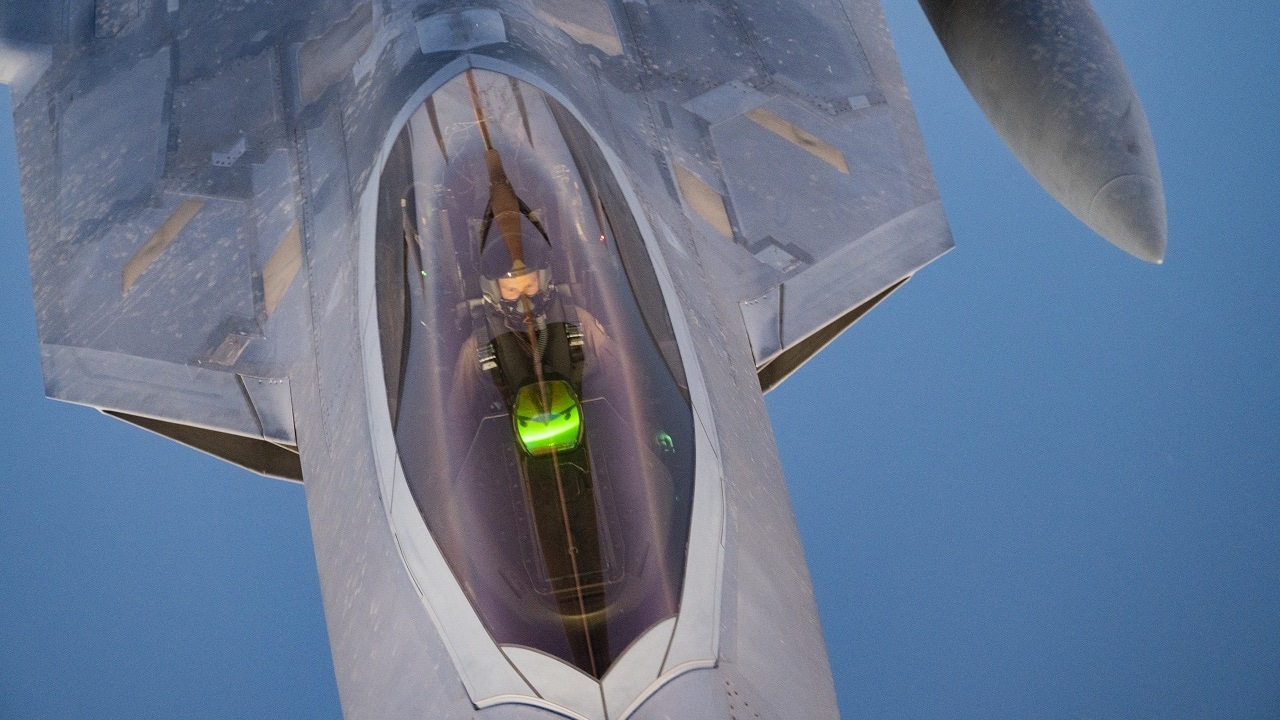
A U.S. Air Force F-22 Raptor receives fuel from a U.S. Air Force KC-135 Stratotanker assigned to the 340th Expeditionary Air Refueling Squadron, above the U.S. Central Command area of responsibility, March 14, 2022. The F-22 Raptor is a fifth-generation aircraft that combines stealth, supercruise, maneuverability, integrated avionics, and is designed to project air dominance, rapidly and at great distances, and deter regional aggressors while deployed in the USCENTCOM AOR. (U.S. Air Force photo by Staff Sgt. Frank Rohrig)
About the Author:
Jack Buckby is a British author, counter-extremism researcher, and journalist based in New York who writes frequently for National Security Journal and 19FortyFive. Reporting on the U.K., Europe, and the U.S., he analyzes and understands left-wing and right-wing radicalization and reports on Western governments’ approaches to the pressing issues of today. His books and research papers explore these themes and propose pragmatic solutions to our increasingly polarized society. His latest book is The Truth Teller: RFK Jr. and the Case for a Post-Partisan Presidency.