
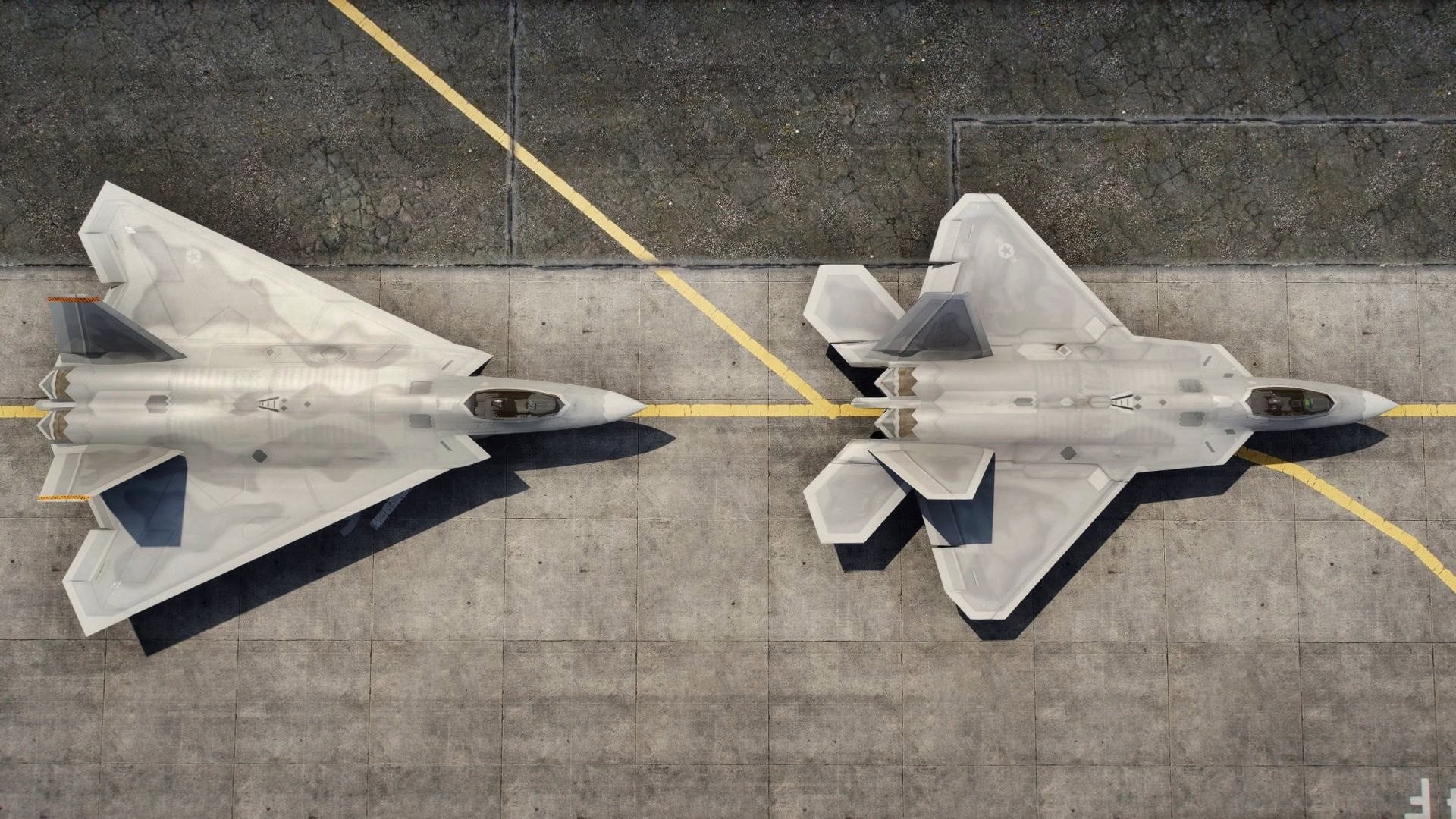
Key Points and Summary – The FB-22 was an early-2000s proposal to reshape the F-22 Raptor into a medium-range stealth strike aircraft—fast, survivable, and capable of carrying far more weapons than a fighter.
-It would have kept much of the Raptor’s stealthy fuselage and speed, but added a larger cranked-delta wing and expanded internal bays to boost payload and range.
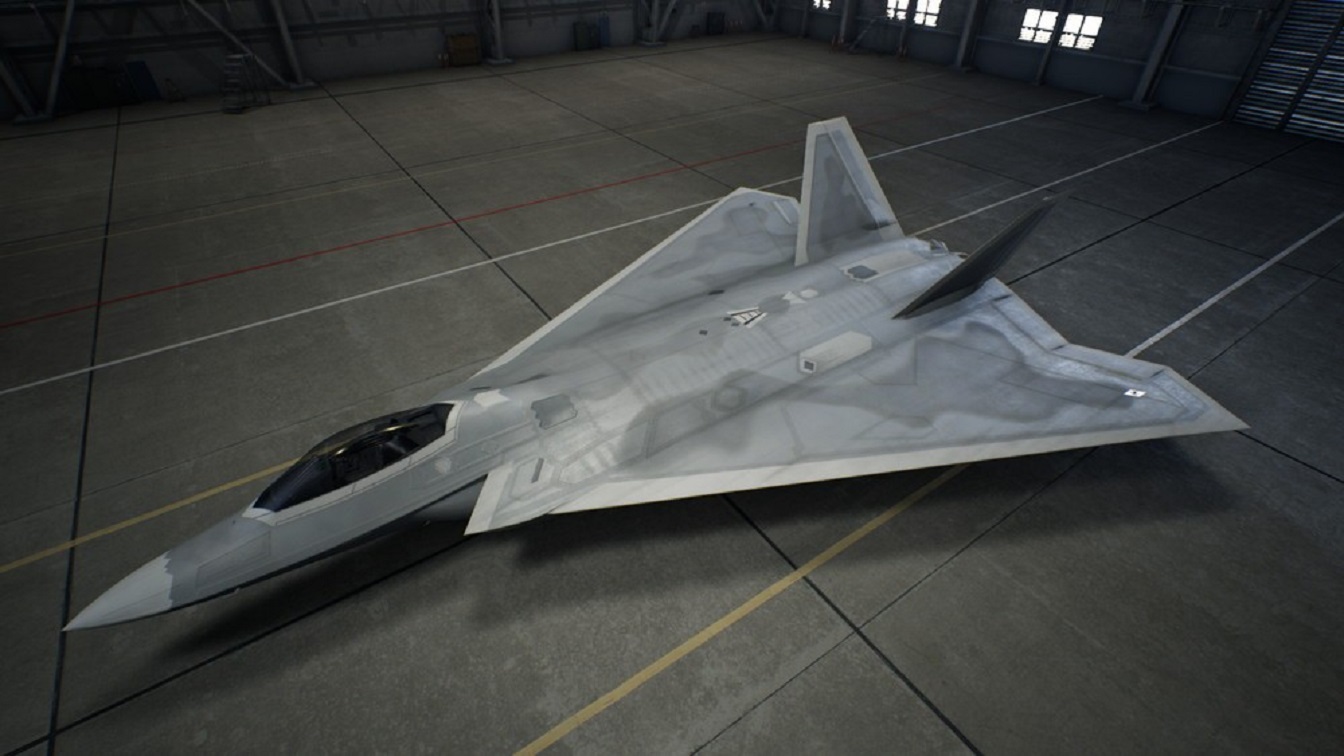
FB-22. Image Credit: Artist Rendition – Creative Commons.
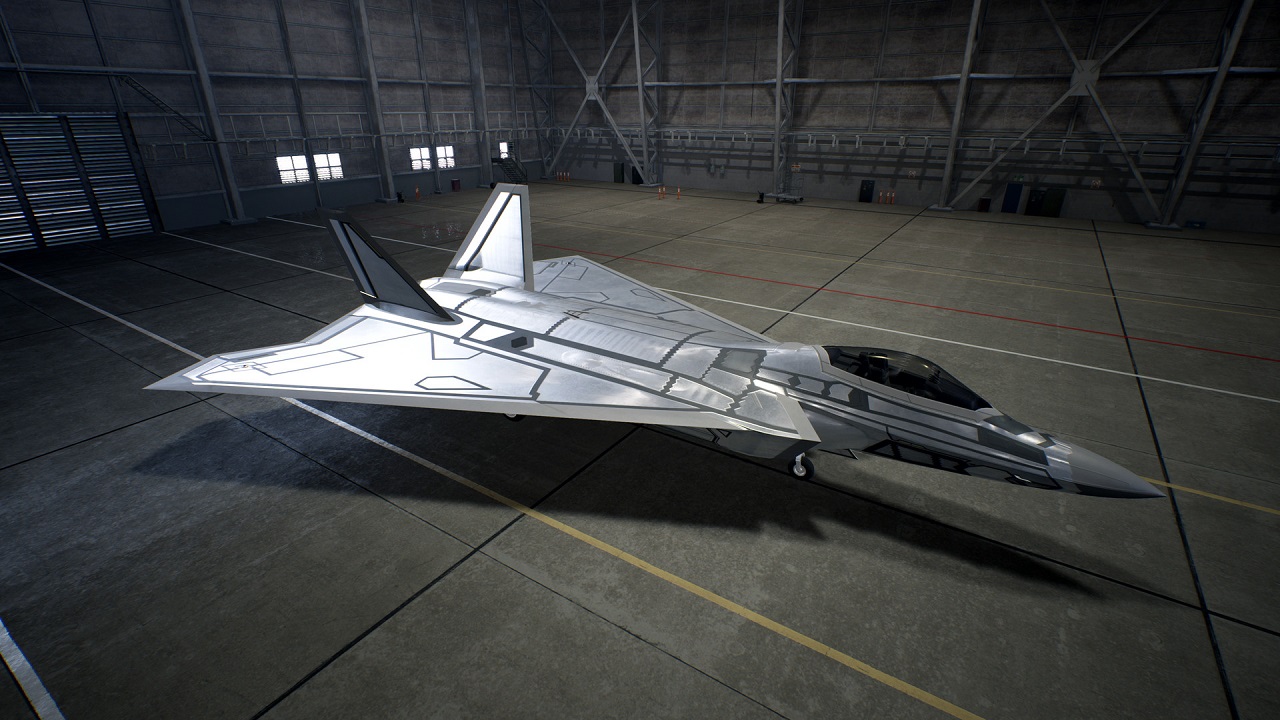
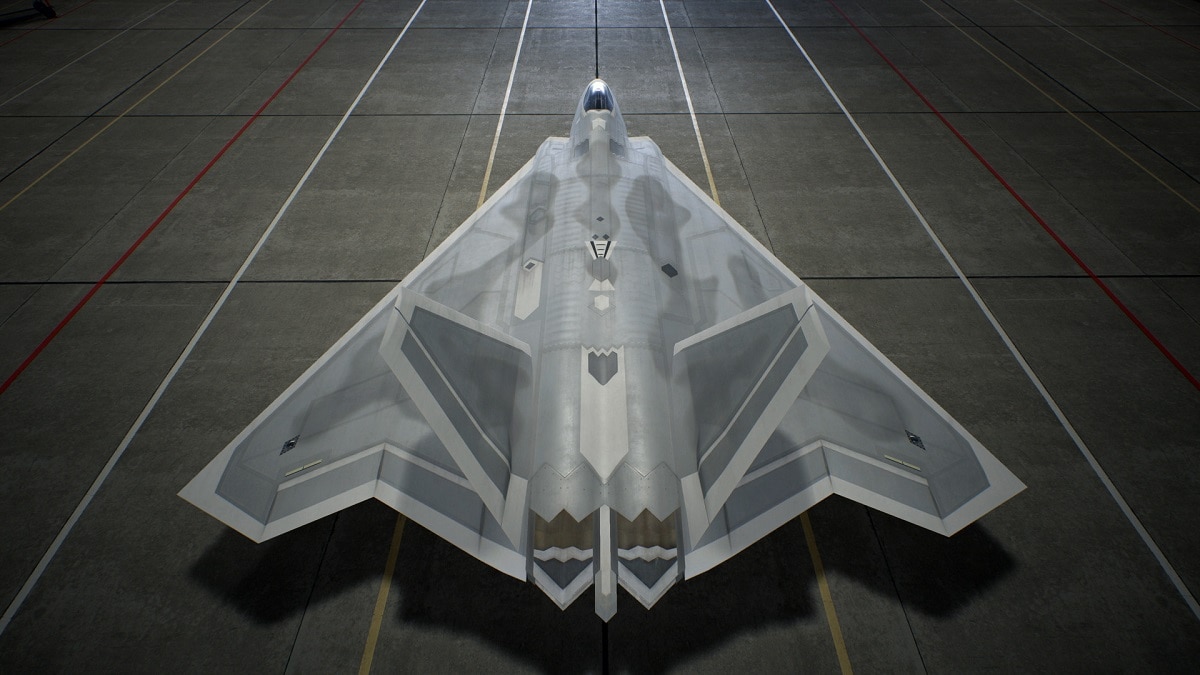
FB-22 computer generated image from Ace Combat 7. Image Credit: Screenshot.
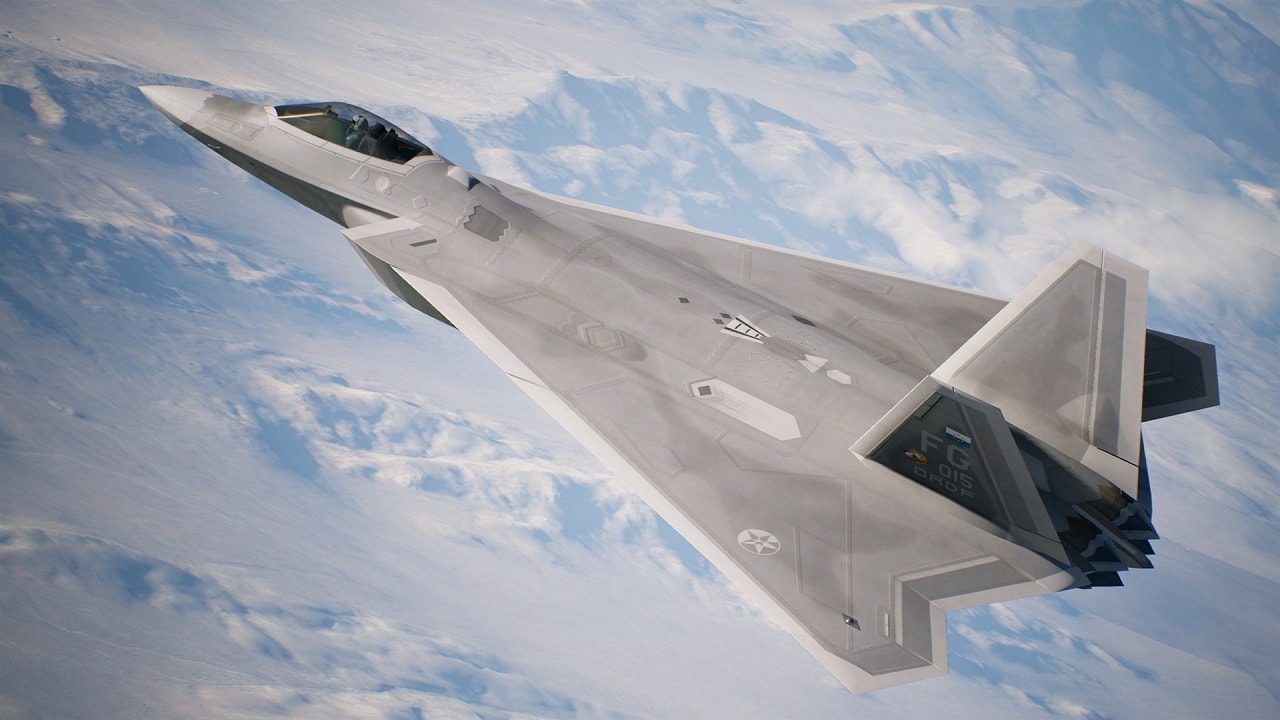
FB-22 T-Rex artist rendering. Image Credit: Creative Commons.
-The concept aimed at day-one attacks against high-value targets and a flexible bridge between tactical fighters and strategic bombers.
-But cost, limited bomber-like range, and reliance on tankers and forward basing in a peer fight undermined the idea. The Air Force ultimately favored endurance and reach, paving the way for the B-21-style solution.
The FB-22 Has a Message: Even the F-22 Couldn’t Fix the Bomber Gap
The FB-22 was a proposed bomber variant of the F-22 Raptor, envisioned in the early 2000s, representing a moment when the US Air Force considered turning its premier air superiority fighter into a medium-range strike aircraft.
The idea reflected optimism about adapting an existing platform—and uncertainty about what future wars would require. Ultimately, the idea was abandoned, a creative solution that attempted to stretch a fighter design too far beyond the role it was initially built to fill.
Historical context for FB-22 Raptor Bomber
The early 2000s were a unique time in US history. The Cold War was over. China was yet to convert its latent capabilities into global power.
The US enjoyed something of a unipolar moment, with an unrivaled military, unlikely to encounter anything resembling a peer adversary in the air.
Yet the Air Force had a strike gap. The B-52 was aging; the B-1B was limited by cost and maintenance; the B-2 fleet was minuscule and prohibitively expensive.
At the same time, F-22 production was costly, prompting the Air Force to get creative in justifying and expanding the program—one proposed solution: the FB-22, a dual-use justification for the Raptor.
The FB-22 was conceived as a medium-range stealth strike aircraft (not a true intercontinental bomber). The platform was intended to penetrate defended airspace and deliver precision weapons, operating faster than traditional bombers and serving as a bridge between tactical fighters and strategic bombers.
FB-22. Image Credit: Artist Rendering.
The proposed design retained the core features of the F-22 fuselage and stealth shaping. But the wing was radically altered, into a larger cranked-delta shape that dramatically increased range and payload capacity (while reducing the F-22’s maneuverability).
Larger internal weapons bays were added, too, with estimates suggesting the FB-22 would have been able to carry up to 30,000 pounds of ordnance, which was about 100 percent more than the F-22.
This would have been sufficient for JDAMs and standoff weapons.
Yet despite the changes, the FB-22 would have retained the F-22’s supersonic speed, the ability to fly faster than subsonic stealth bombers like the B-2 or B-21. And although less agile than the F-22, the FB-22 would have been more maneuverable and more survivable than legacy bombers.
Operational Application for FB-22
Had the FB-22 ever been produced, it would have been used for day-one strike missions against high-value targets.
While enemy air defense systems were still intact, the FB-22 could have used speed and stealth to penetrate and destroy.
And with the ability to operate from forward bases, taking off from shorter runways than true bombers, the FB-22 would have complemented the strategic bomber fleet, enhancing its capabilities with greater flexibility.
Strategically, the FB-22 concept reflected the belief that future wars would be fast, relying on precision, and that long-range strategic bombers would be too slow and vulnerable to contribute.
The FB-22’s logic was consistent with emerging trends of the Tim period that emphasized flexibility, rapid response, and multi-role performance, appealing to a post-9/11 mindset focused on expeditionary warfare and quick decapitation strikes.
But the FB-22 was abandoned before a prototype was ever fielded.
The cost was prohibitive; modifying the F-22 would have been extremely expensive, meaning that the savings over designing a new bomber from scratch would have been marginal.
Further, the FB-22’s range would have been limited, unable to match that of actual intercontinental bombers, meaning that to operate, the FB-22 would have required forward basing and tankers—both of which would be vulnerable in a peer conflict.
Ultimately, the Air Force’s doctrine shifted away from the FB-22 because the institution recognized that fighters make poor bombers and that bombers should prioritize endurance over speed.
Meanwhile, emerging A2/AD environments called for platforms with stealth, endurance, and standoff weapons. The FB-22 would have been outdated on arrival; the Long Range Strike Bomber program was initiated as a cleaner solution, ultimately yielding the B-21 Raider.
While the FB-22 never progressed beyond the concept stage, it influenced thinking about payload-centric stealth aircraft and the tradeoffs between speed, range, and endurance. The concept demonstrated the limits of the multi-role philosophy and helped to clarify why bombers and fighters remain distinct categories of aircraft.
The Raptor Bomber tried to solve a strategic problem with a tactical platform. Its cancellation reinforced the notion that bombers need endurance and reach, paving the way for the B-21.
About the Author: Harrison Kass
Harrison Kass is an attorney and journalist covering national security, technology, and politics. Previously, he was a political staffer and candidate, and a US Air Force pilot selectee. He holds a JD from the University of Oregon and a master’s in global journalism and international relations from NYU.