
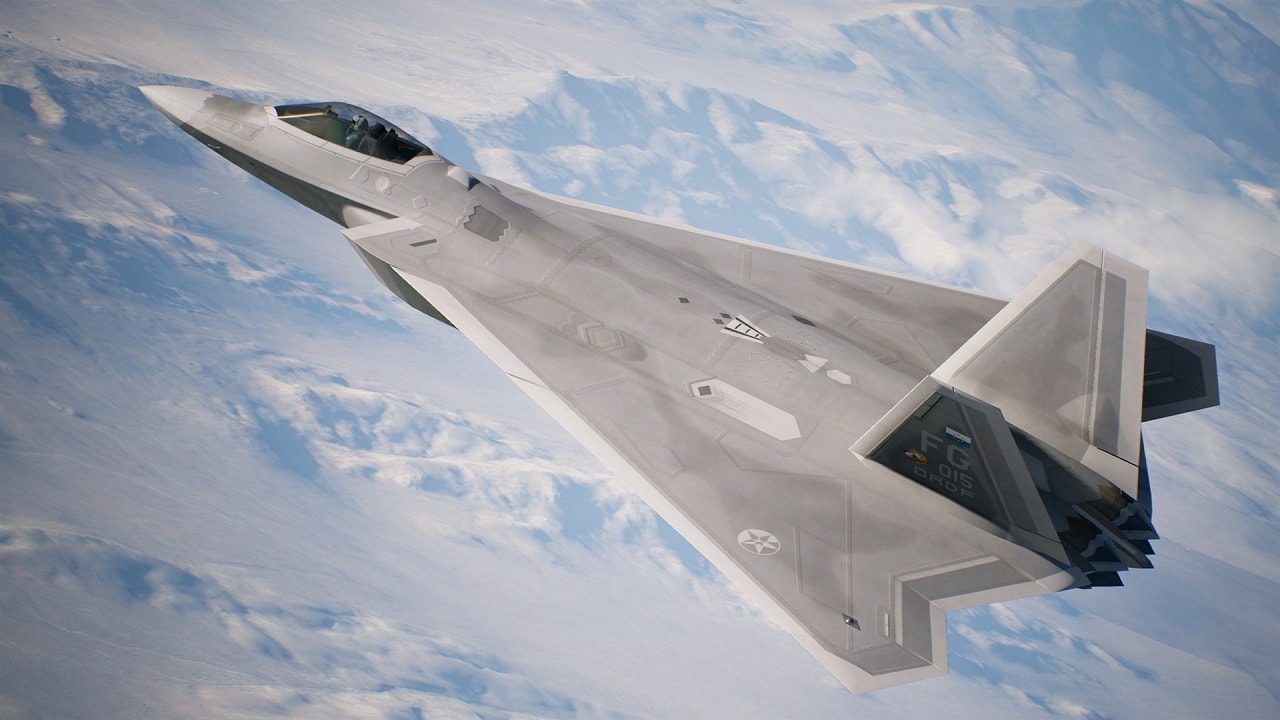
Key Points and Summary – The F-22 Raptor was built to dominate the skies, not bomb targets—which is why Lockheed Martin pitched the FB-22 Strike Raptor in the early 2000s.
-This stretched, two-seat F-22 derivative would have traded some agility for range, payload, and 27 hardpoints, turning the Raptor into a stealthy medium bomber and potential F-15E replacement.
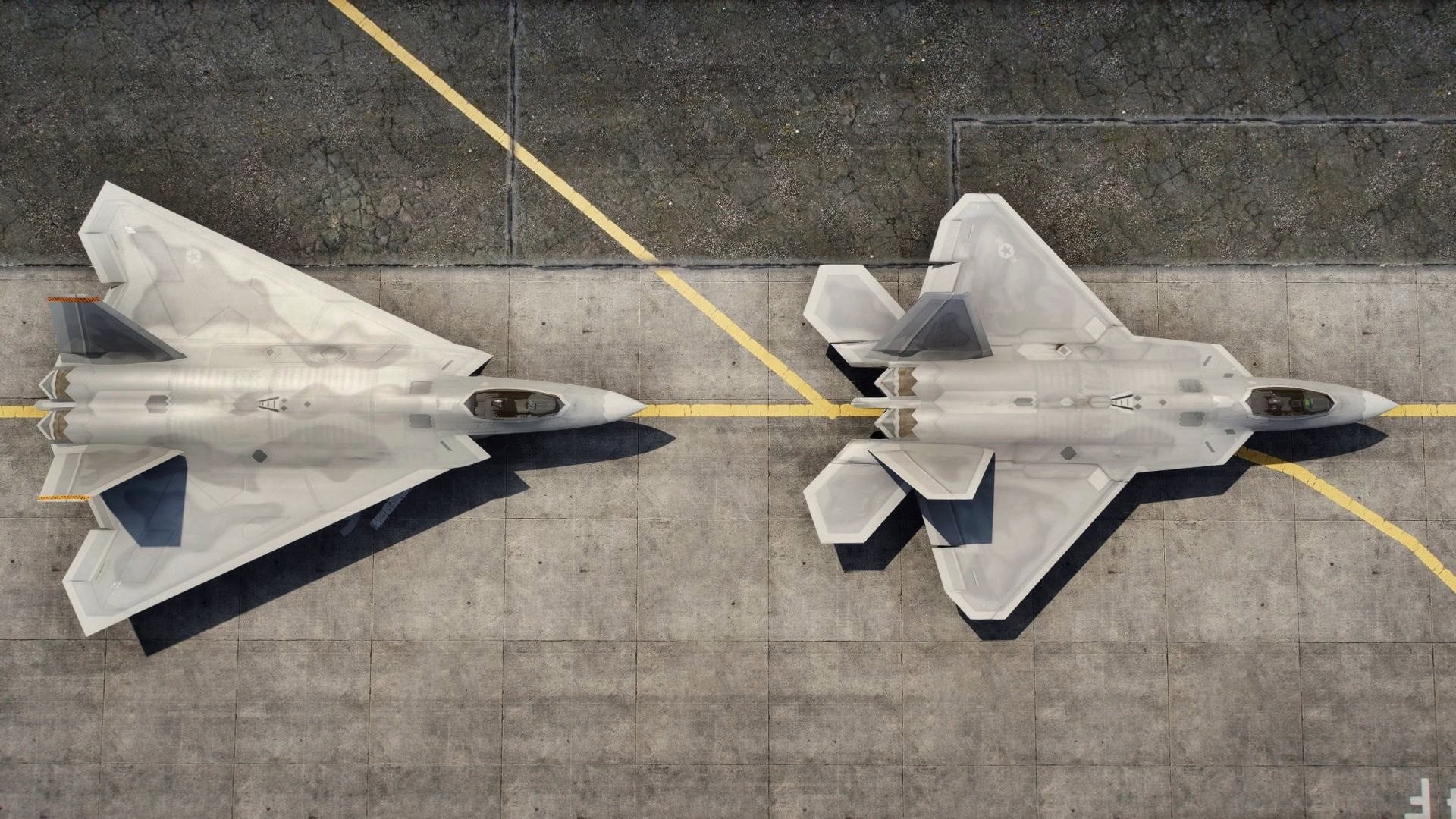
FB-22 and F-22. Image Credit: Computer Generated Image.
-Backed by senior Air Force leaders, the concept promised first-day strike power against Russia or China.
-But with Washington focused on counterterror wars, the F-35 coming online, and budgets tightening, the FB-22 died on the vine—a decision that looks like a missed opportunity today.
FB-22 Strike Raptor: The Stealth Bomber F-22 America Walked Away From
The F-22 is one of the world’s premier air superiority warplanes. It has an ultra-stealth profile that is so good it was never exported. This fighter jet can beat the best of them in a dogfight. It is pilot-friendly and can execute numerous high-G maneuvers in combat. Unfortunately, the Raptor is not a multi-role fighter, and it does not excel in ground strike mode. But what if I told you there were once plans to make it into a medium-sized fighter bomber in the early 2000s?
Beast Mode F-22 Raptor?
This was to be called the FB-22 Strike Raptor. Lockheed Martin sought to enhance the stealth radar evasion capability to create a warbird that could penetrate enemy airspace in a multi-threat environment and bomb targets in a stealthy manner.
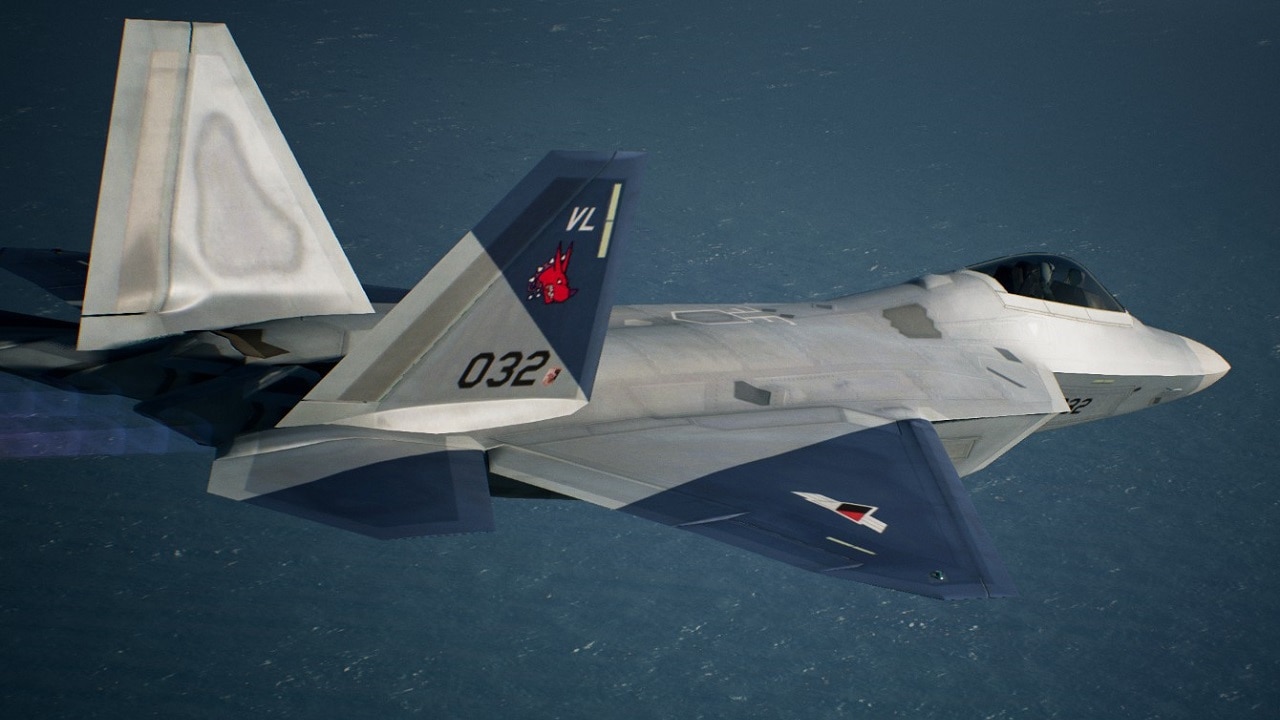
FB-22 Stealth Bomber? Image is of an F-22 Raptor. Image Credit: Creative Commons.
The FB-22 would add a back-seat weapons officer to enable the pilot to focus better on flying the airplane and create opportunities for accurate deep-strike operations.
To accomplish this mission, the FB-22 would require a larger payload and greater range. However, this extra weapons capacity was going to create more weight, reduce speed, increase drag, and limit maneuverability.
FB-22 Strike Raptor: The Concept Had Buy-in From the Air Force Brass
The U.S. Air Force Secretary at the time, James Roche, and some of the generals serving under him favored the conversion to a fighter-bomber.
It was going to take some design and engineering expertise, and, of course, more time and money to transform the F-22, but its proponents were undeterred by the project’s difficulties. The Air Force needed a stealth bomber at the time, as the B-2 was not yet fully ready and was experiencing schedule slips and cost overruns.
Good Addition to the B-1B Lancer and B-52 Fleet
The FB-22 would fit in nicely with the aerial order of battle. It could become more than just an air superiority fighter and offer stealth medium-range capability to eliminate the same kind of targets that the B-1B Lancer bomber and the B-52 Stratofortress excelled in destroying.

Image: Creative Commons.
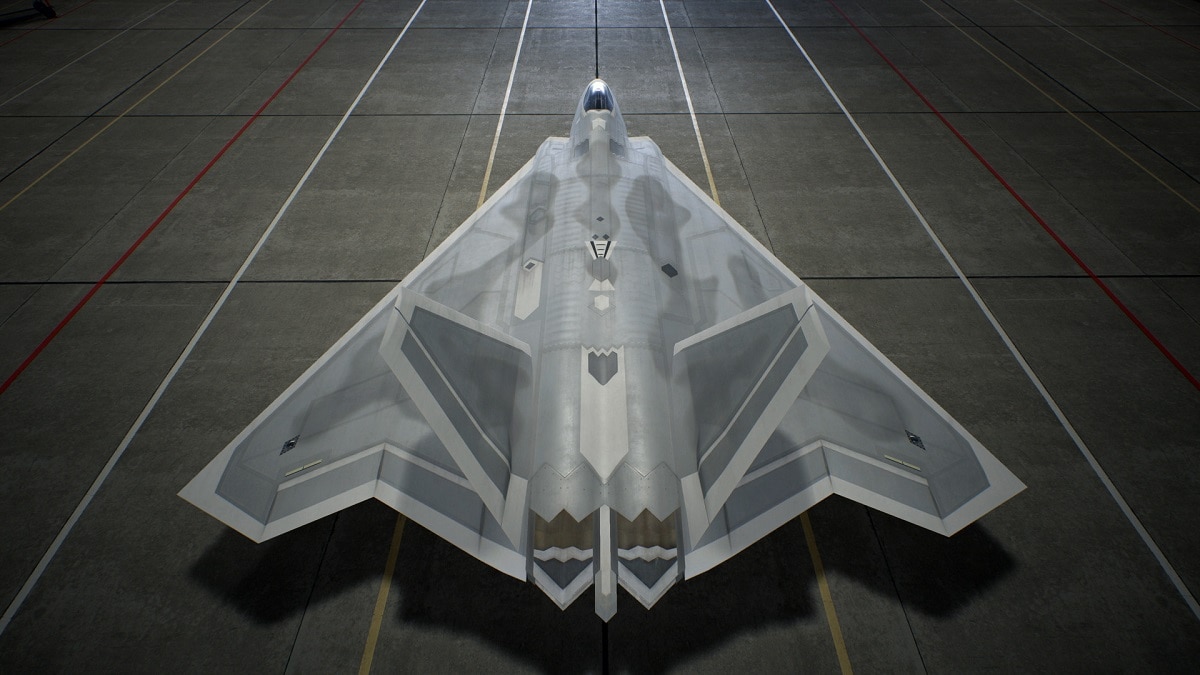
FB-22. Image Credit: Artist Rendering.
The FB-22 would have been the stealthiest fighter-bomber in the world. It could replace the F-15E Strike Eagle and incorporate the best features of that fighter, while also adding maximum elite radar evasion capabilities.
Having this stealth fighter-bomber platform would have given the FB-22 the ability to shape the battlefield on the First Day of the conflict. It also spurred engineers and technicians to work more successfully on the B-2 program, which was struggling at the time.
Keeping Up With Russia After the Soviet Union Collapsed
Also, Russia had been developing the new Su-27 Flanker and MiG-29 Fulcrum, and that was happening as the stealthiness of the Raptor was taking form. This meant that the F-22 would be a full-on air superiority fighter able to create an advantage over the Russian newfangled fighters.
This was about the best survivability in the business, and with the speed and maneuvers to give American pilots the confidence they could win any matchup between Russian or Chinese airplanes in development.
The FB-22 would possess the kind of hunter-killer ability that the Raptor had, along with additional ground strike capabilities to suppress enemy air defenses and conduct close air support missions to aid soldiers and marines on the ground.
This would make it into a stealthy F-16 multirole fighter and a fifth-generation bomber all rolled into one. The F-35 was many years away, and the F-117 was being retired; the Air Force had a capability gap that the FB-22 would fill.
Not the Right Geopolitical Environment
Lockheed Martin got to work on the FB-22 in 2002. This was right after 9/11, and it looked like the fight was going to be counterinsurgency and counter-terror for years. The air superiority of the F-22 may not be paramount. However, there was still a need for ground strike, even though there were no enemy air defenses in Afghanistan and few that could shoot down a stealth airplane in Iraq.
While engineers were certain the FB-22 would not be as high-performing as the original Raptor, it would still have ample ability to evade radar and fly at high altitudes before its bombing run.
Lockheed believed the FB-22 could still reach MACH 1.8, making it faster than the B-1B and creating the fastest bomber in the fleet. However, payload was an issue. The new F-22 could only carry two 1,000-pound GBU-32 JDAMs along with air-to-air missiles for defense.
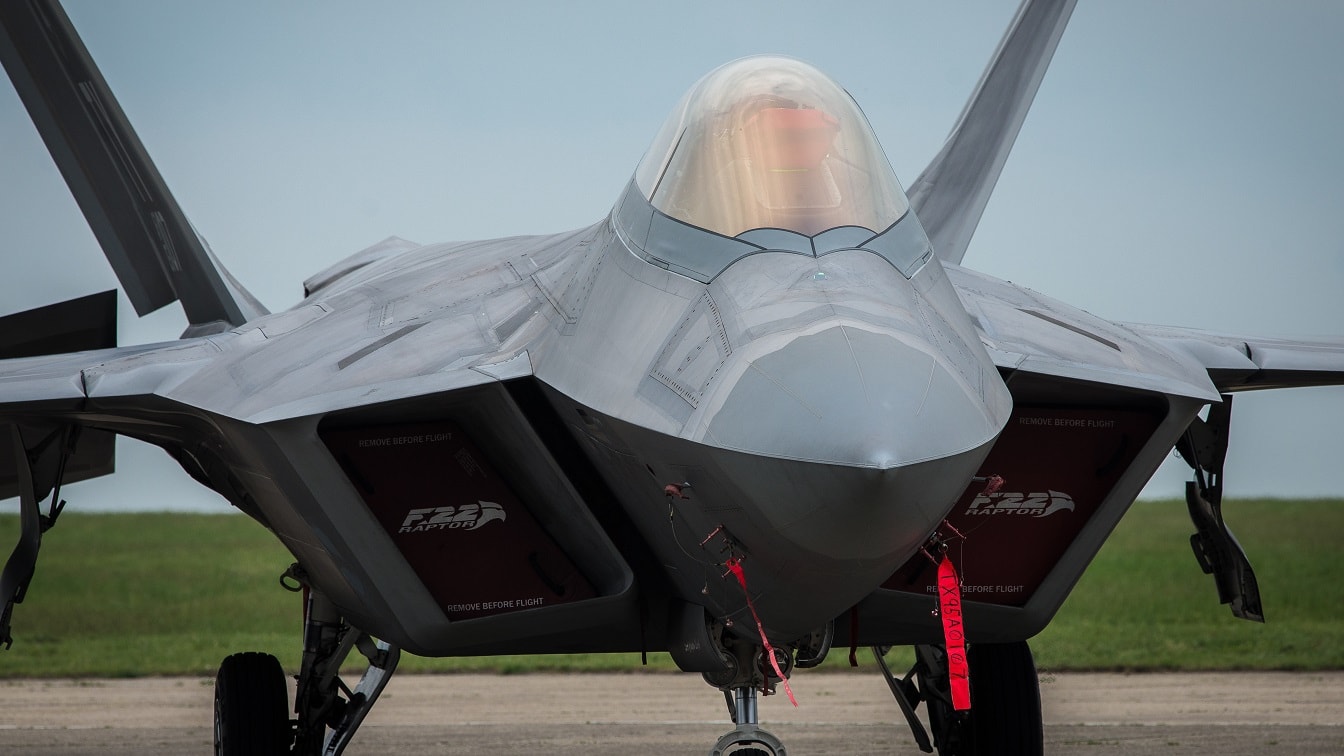
A U.S. Air Force F-22A Raptor parked on the flightline at Mihail Kogalniceanu Air Base, Romania, April 25, 2016. The aircraft will conduct air training with other Europe-based aircraft and will also forward deploy from England to maximize training opportunities while demonstrating the U.S. commitment to NATO allies and the security of Europe. The Raptors are deployed from the 95th Fighter Squadron, Tyndall Air Force Base, Florida. (U.S. Air Force photo by Tech. Sgt. Ryan Crane/Released)
So the Air Force needed the Raptor to be bigger. Additionally, Lockheed would allow the new FB-22 to have a substantial 27 hardpoints, enabling it to be converted into a bomber or a bomb truck. With external fuel tanks, range could be extended 1,800 miles – way over the F-22’s 600 miles of combat radius.
These hardpoints would carry stealth pods. There would still be some semblance of agility with 6g’s of maneuverability. And the FB-22 would have better stealth coatings to make it more survivable. The primary weapons bay would be enlarged to carry 5,000-pound bombs.
Secretary Roche envisioned the Air Force ordering 150 FB-22s. He believed that his service branch could save around $10 billion during the F-22 life cycle because each F-22 made on the margin would be cheaper than the B-2.
However, the political will from the White House and Congress did not extend into a new stealth bomber. The F-16 was doing fine in the close air support role, as was the A-10 Warthog. Ground strike was covered by other aircraft, and the FB-22 was on the back burner as an airplane that was not needed during the Global War on Terror. This also hurt the original F-22 program, which was trimmed back due to budget cuts. The F-35 was also under development, which would offer ground strike capabilities superseding those of the FB-22.
The FB-22 was, hence, a solution in search of a problem. The Russia and China threat had not materialized, and the fighter-bomber was going to be redundant with its ground strike mission. It was a good idea, but the timing was off.
The FB-22 never came to fruition, and that’s unfortunate; it could have helped the Air Force dominate a great power conflict in the 2030s. Another stealth bomber would have been nice, but it was not seen as necessary.
About the Author: Dr. Brent M. Eastwood
Brent M. Eastwood, PhD is the author of Don’t Turn Your Back On the World: a Conservative Foreign Policy and Humans, Machines, and Data: Future Trends in Warfare plus two other books. Brent was the founder and CEO of a tech firm that predicted world events using artificial intelligence. He served as a legislative fellow for U.S. Senator Tim Scott and advised the senator on defense and foreign policy issues. He has taught at American University, George Washington University, and George Mason University. Brent is a former U.S. Army Infantry officer. He can be followed on X @BMEastwood.