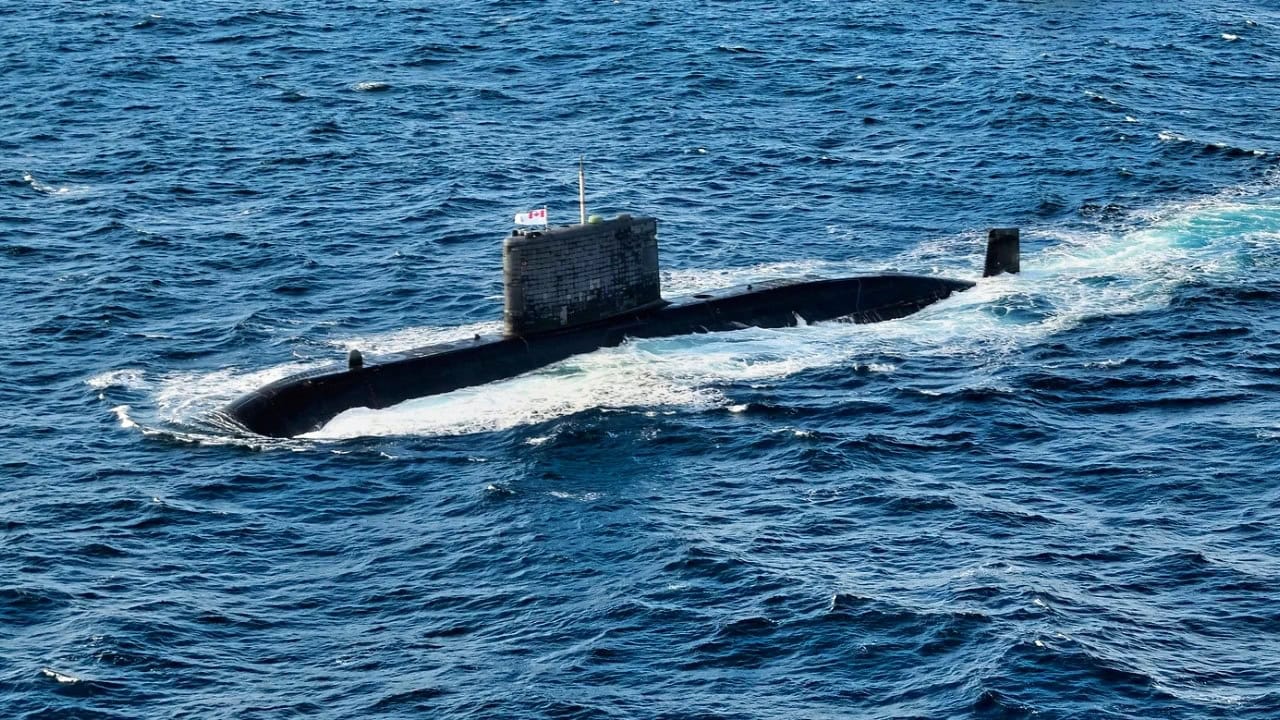
Canada’s troubled Victoria-class submarines were, in essence, a kind of stopgap measure and an attempt to make do. In 1998, Ottawa purchased four ex-British Navy Upholder-class ships, retired from the Royal Navy following London’s decision to maintain a nuclear-only submarine fleet. On paper at least, the deal for the submarines was a lease-to-buy bargain. Britain had spent about $2.3 billion CAD to build the four submarines, but Canada would pay only about $750 million for them. Those submarines were renamed: the Victoria, Wisdom, Corner Brook, and Chicoutimi.
Oberson-Class to Victoria-Class
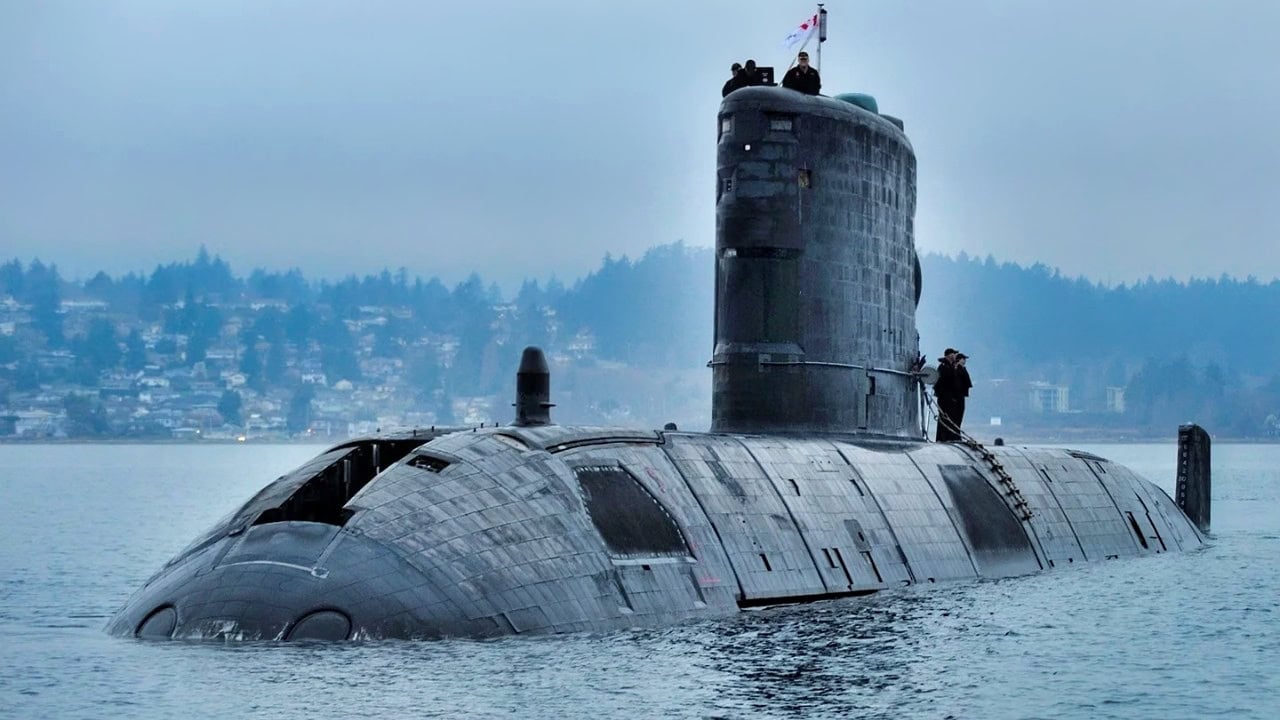
Victoria-Class Submarine Canadian Navy. Image Credit: Government Photo.
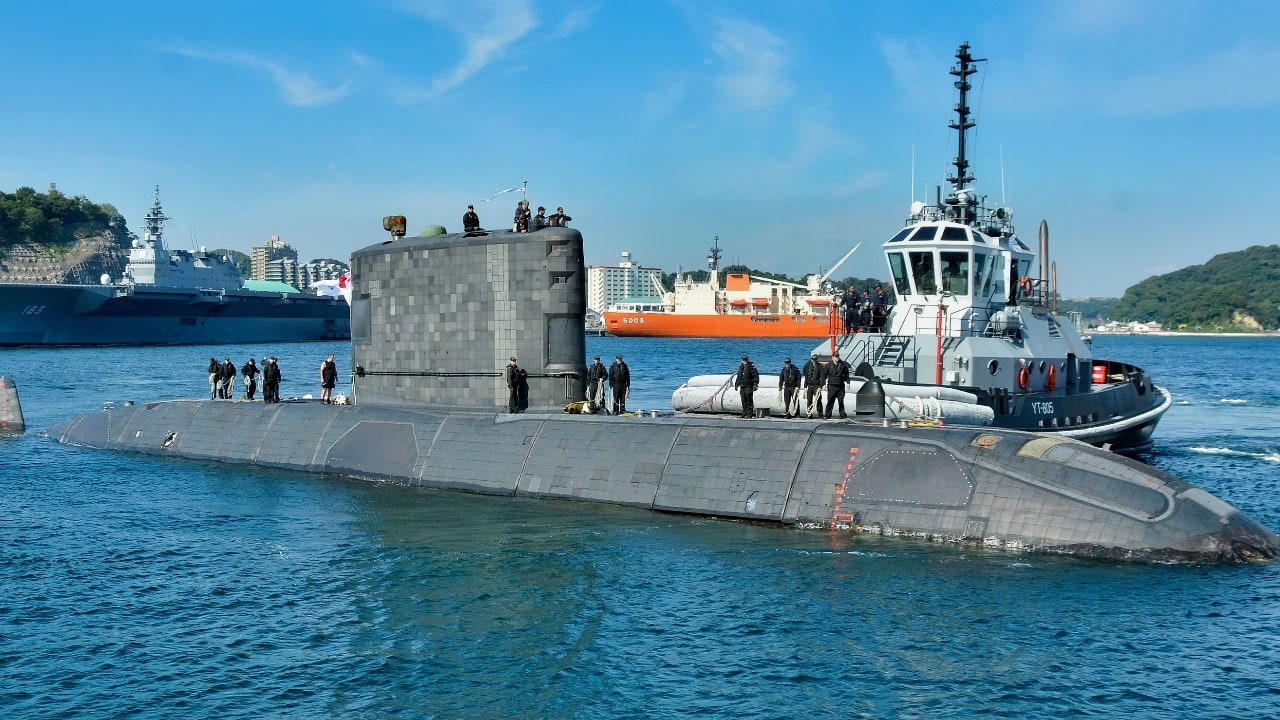
Canada Victoria-Class Submarine. Image Credit: Creative Commons.
The deal was aimed at replacing Canada’s aging Oberon-class submarines without going all in on a brand-new design. It was also a reflection of Canadian strategic logic at the time. For a country that borders three oceans and has an enormous coastline, a fleet of swift and silent submarines would be incredibly useful. Eventually, the submarines leveraged by NATO were not a token capability. But the submarines were not ideal either.
The submarines spent years in storage, and the reactivation — and really, the Canadianisation — of the submarines, including new communications and fire-control equipment and compatibility with Canadian-spec weapons, took much longer than originally anticipated.
The Victoria spent from 2005 to 2011 docked. The Windsor suffered flooding in several of its compartments during a training exercise in the early 2000s.
One of the worst accidents to befall the little fleet, however, came in 2004, when the Chicoutimi suffered a major electrical fire while sailing from Britain to Canada. The submarine lost propulsion and was eventually towed back to Britain. One officer died, and several suffered from smoke injuries. Though the submarine would eventually return to Canadian service, it would not be until 2015.
But that was not the end of the saga. The Corner Brook grounded while submerged near Vancouver Island in 2011, sustaining damage to its bow and sonar, and required years of repairs before it was fit for duty again.
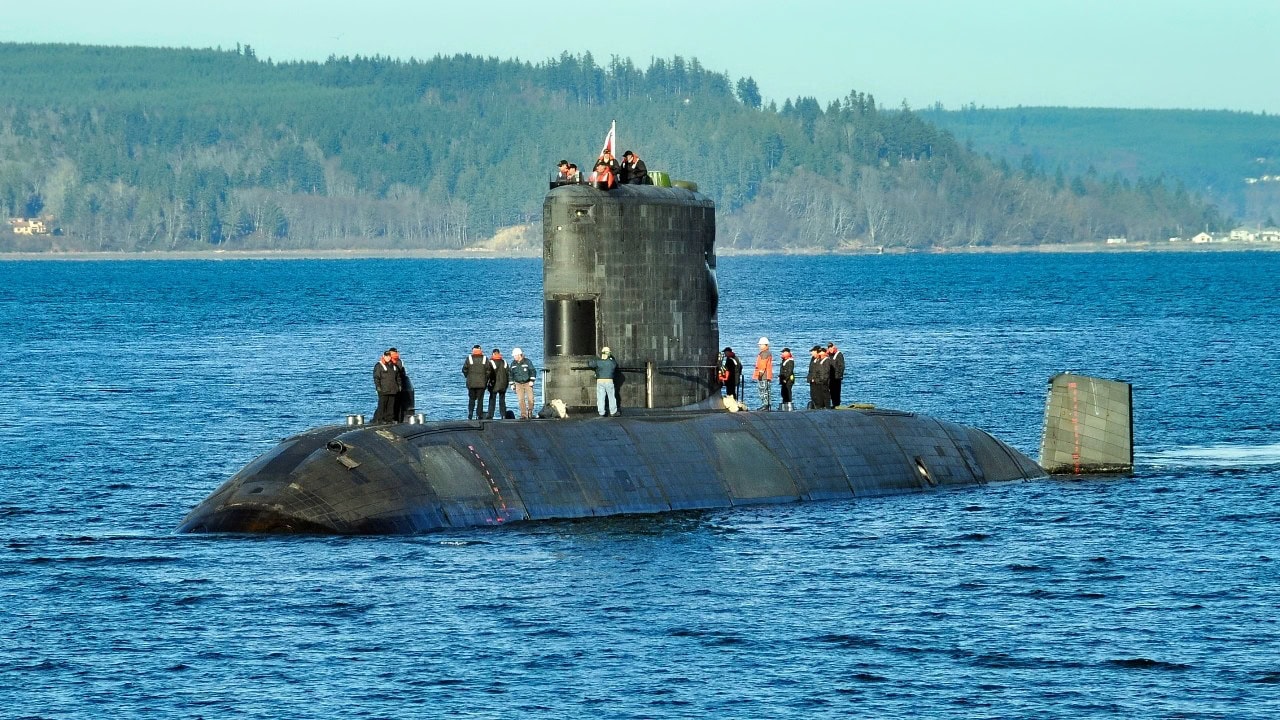
(Dec. 12, 2011) The Royal Canadian Navy long-range patrol submarine HMCS Victoria (SSK 876) arrives at Naval Base Kitsap-Bangor for a port call and routine maintenance. The visit is Victoria’s first to Bangor since 2004. (U.S. Navy photo by Lt. Ed Early/Released)
But a fire that broke out during maintenance in 2019 and damage to a ballast tank in 2020 prolonged its leave from Canadian operations. In sum, the class has spent an inordinate amount of time in repair or maintenance rather than patrolling out at sea.
Out with the Old, in with the New
But despite the class’s troubled legacy, a successor class is on the horizon. Earlier this summer, Canada selected Thyssenkrupp Marine Systems, or TKMS, as the supplier of choice for up to 12 of their Type 212CD submarines, a dramatic expansion of the Canadian fleet. The completion was rather quick.
An information request was issued in 2024, and TKMS and Hanwa Ocean, a South Korean shipbuilder, were shortlisted the following year. The first four submarines from TKMS are anticipated in 2034. In the meantime, Canada will rely on its older submarines.
Ottawa’s decision to choose the Type 212CD is significant and promises much greater capabilities than the current crop of submarines.
Those submarines are designed around a stealthy hull, greater endurance, and the ability to conduct operations in the Arctic. Their fuel-cell air-independent propulsion should allow for more than 40 days submerged, while lithium-ion batteries provide greater speed and faster recharging. Canada will certainly appreciate the class’s ability to operate beneath the Arctic ice, and the submarines are to be in service with Norway and Germany, two NATO allies.
The new fleet of submarines, despite being three times as large — 12 subs rather than just four — will also offer Canada new capabilities. The most significant of these is a persistent presence across the three oceans most important for Canada: the Arctic, the North Atlantic, and, increasingly, the Indo-Pacific.
Climate change is opening up the Arctic in ways it never has before, offering new shipping routes and potentially easier access to vast mineral and energy wealth.
At the same time, the war in Ukraine, China’s expanding naval presence, and concern with undersea infrastructure have made distant maritime patrols and surveillance much more important than in decades past. Canada, therefore, will ask its submarine patrols to spend more time out at sea, travel farther away from their home ports, and operate alongside the United States and other NATO allies.
While the Victoria-class program was a bargain deal at a time of relative peace and stability, the Type 212CDs come at a time when Canada needs a much larger, more capable submarine force. One of the future challenges will be whether Canada has the capacity to adequately maintain a fleet of that size.
As the Victoria-class made clear, it is much easier to buy a fleet of submarines than it is to repair and maintain them.
About the Author: Caleb Larson
Caleb Larson is an American multiformat journalist based in Berlin, Germany. His work covers the intersection of conflict and society, focusing on American foreign policy and European security. He has reported from Germany, Russia, and the United States. Most recently, he covered the war in Ukraine, reporting extensively on the war’s shifting battle lines from Donbas and writing on the war’s civilian and humanitarian toll. Previously, he worked as a Defense Reporter for POLITICO Europe. You can follow his latest work on X.