
These are Iran’s Demands for Trump — We are still waiting for Iran and Oman to announce an agreement that both sides have been promising for roughly a week now — a deal that would change the governance of shipping through the Strait of Hormuz by granting Tehran more control over the critical waterway. But even if that agreement arrives, regime officials have made it clear that it won’t mean the opening of the Strait of Hormuz.
That distinction was made quite clear on Saturday when senior Iranian officials sought to publicly separate negotiations with Oman from the much bigger dispute with the United States.
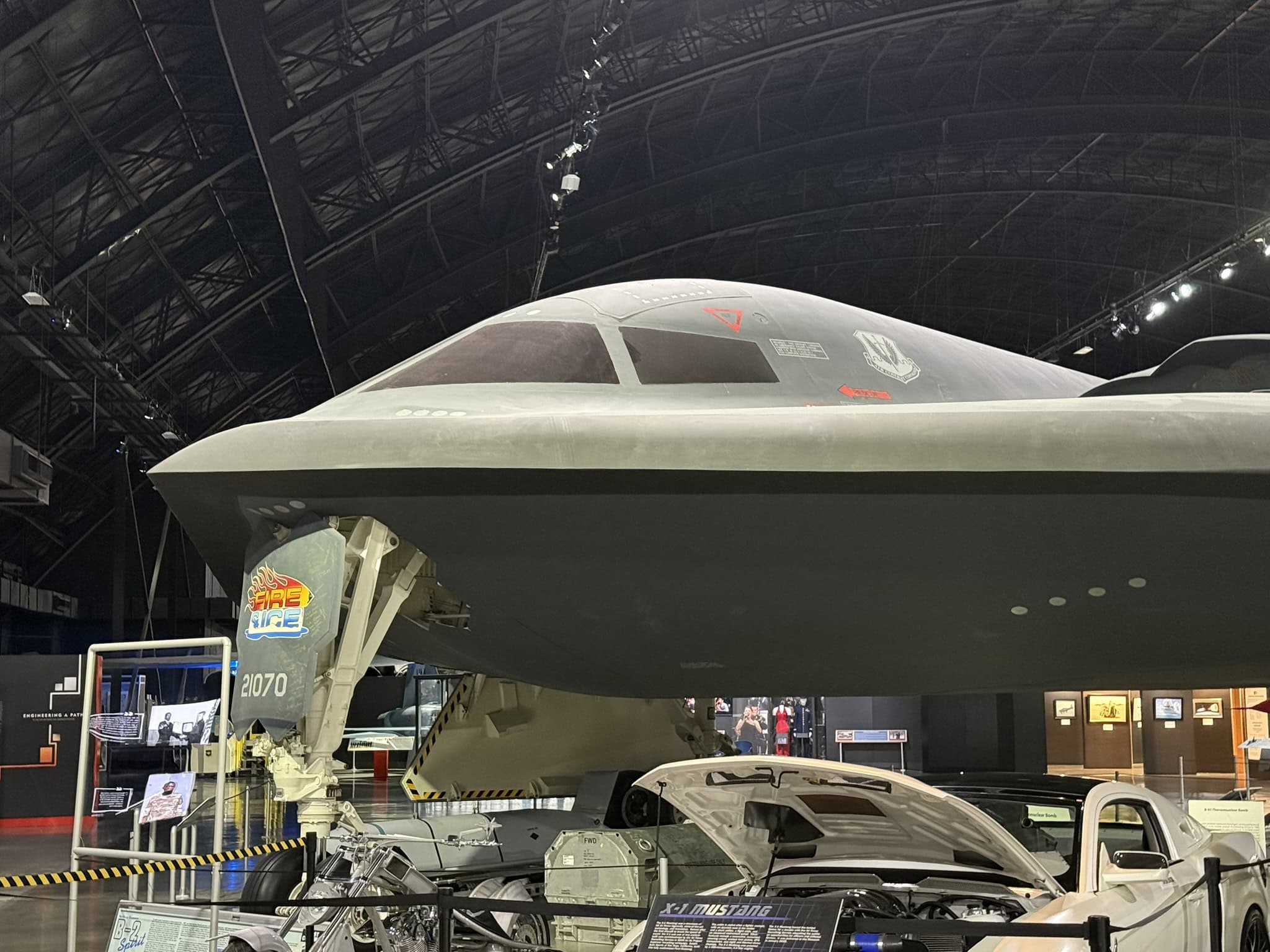
B-2 Spirit. 19FortyFive.com image take at the National Museum of the U.S. Air Force in July, 2025.
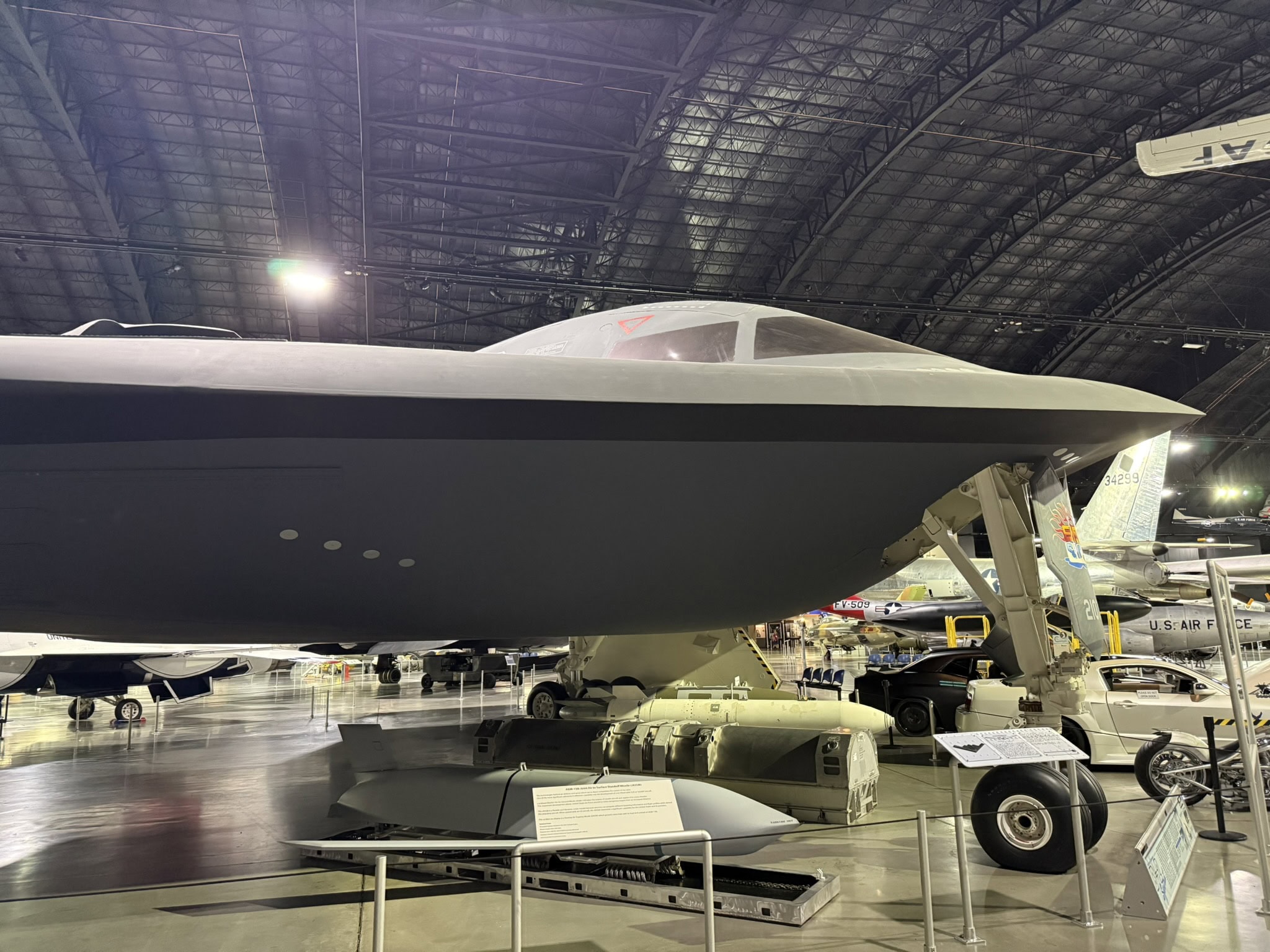
B-2 Spirit Photo Taken in July of 2025 by Harry J. Kazianis for 19FortyFive.com
Tehran and Muscat are negotiating a new system for managing navigation through the strait. Reopening it to normal commercial traffic, Iran says, requires Washington to meet a separate and far more ambitious list of demands.
And Tehran has now spelled out exactly what those demands are.
What the Iran-Oman Deal Really Does
Speaking on Saturday, August 8, Iranian Foreign Minister Abbas Araghchi said that Tehran and Muscat were “very close” to reaching an agreement on navigation through the strait, specifically on establishing a new transit route.
The negotiations are intended to replace the pre-war traffic separation system, which Iran says is no longer fit for purpose. According to Araghchi, the two countries are now discussing a temporary route that can be implemented while technical and legal questions surrounding a permanent arrangement are resolved. Similarly, Oman’s Foreign Ministry described ongoing negotiations as being “positive and constructive.”
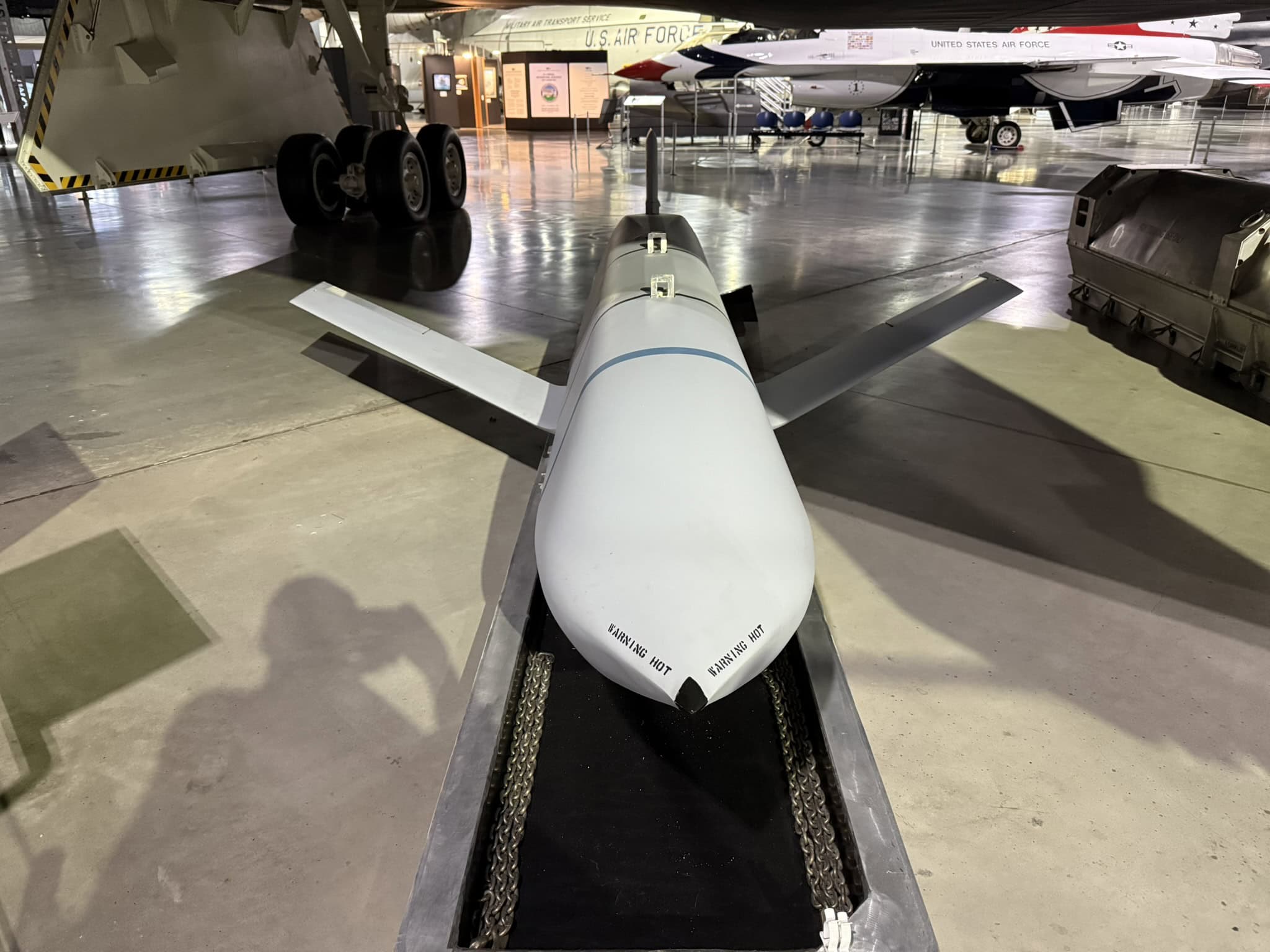
JASSM Missile. 19FortyFive Image.
But the United States is absent from those talks.
In a Reuters report published on Wednesday, citing a senior Iranian source and two other regional officials, the proposed arrangement will give Tehran control over vessels entering the Persian Gulf through the strait – a major concession to Iran following months of U.S. and Israeli strikes.
But Iranian officials are explicitly warning against interpreting the new arrangement as an agreement to reopen Hormuz, with Islamic Revolutionary Guard Corps spokesman Hossein Mohebi warning on Saturday that the reopening of the waterway “has nothing to do with Iran-Oman negotiations.”
“Whenever America accepts Iran’s conditions, the Strait of Hormuz will certainly reopen,” he added.
So, What Does Iran Want from the U.S.?
Mohammad Bagher Zolghadr, the secretary of Iran’s Supreme National Security Council and a senior Revolutionary Guard commander, issued a statement on Saturday that was carried by Iranian state television in which he urged Washington to “correct its behavior.” In the statement, he also laid out a series of demands that must be met before the regime agrees to open the strait.
First, the United States must end its military threats against Iran and permanently end the war with Iran and Tehran’s armed allies across the region.
Second, Washington must withdraw U.S. military forces from around Iran.
Third, the United States must end its naval blockade of Iranian ports – something Washington has recently indicated it is prepared to do, but only after an agreement restoring commercial shipping is announced and Iran begins implementing and honoring its own commitments.
Fourth, Tehran wants the United States to compensate Iran for damage inflicted in the war.
Fifth, Washington must lift all sanctions against Iran.
And sixth, the United States must also unconditionally release frozen Iranian assets.
It’s a significant list of demands for the United States, and if honored, could significantly undermine any strategic gains Washington hoped to achieve through its costly and risky campaign against Iran.
A Much Bigger Deal Than Washington Expected
The demands are difficult for the United States to approach. While some of the demands are likely to be met, as Trump has already indicated his willingness to implement them, others are more serious concessions that would be politically disastrous for the U.S. president to accept, and the rest are really just a matter of timing.
For example, Washington wants commercial shipping restored before making any further concessions. A U.S. official told Reuters on Friday that the United States would lift its blockade of Iranian ports “once the deal is announced to restore commercial shipping without impediments,” with any subsequent U.S. actions or concessions dependent on Iran implementing concessions of its own.
Iran, however, is demanding the reverse.
Some of the demands Tehran is now laying out were also supposed to be addressed later under the interim “memorandum of understanding” reached in June. Under the failed framework, a timetable for sanctions relief and a compensation plan were to form part of a final settlement, while negotiations would also have addressed frozen Iranian assets.
The aim of that deal was to provide stability to global oil markets while Iran and the U.S. hashed out a new, lasting peace agreement. Now, Iran wants those commitments made before the strait is reopened.
Tehran effectively maintains control over the Strait of Hormuz, even with a significant U.S. military presence, and it seems not to believe the U.S. will continue its military campaign as it demands significant concessions. And Trump may have no option but to cave.
About the Author: Jack Buckby
Jack Buckby is a British researcher and analyst specializing in defense and national security, based in New York. His work focuses on military capability, procurement, and strategic competition, producing and editing analysis for policy and defense audiences. He brings extensive editorial experience, with a career output spanning over 1,000 articles at 19FortyFive and National Security Journal, and has previously authored books and papers on extremism and deradicalization.