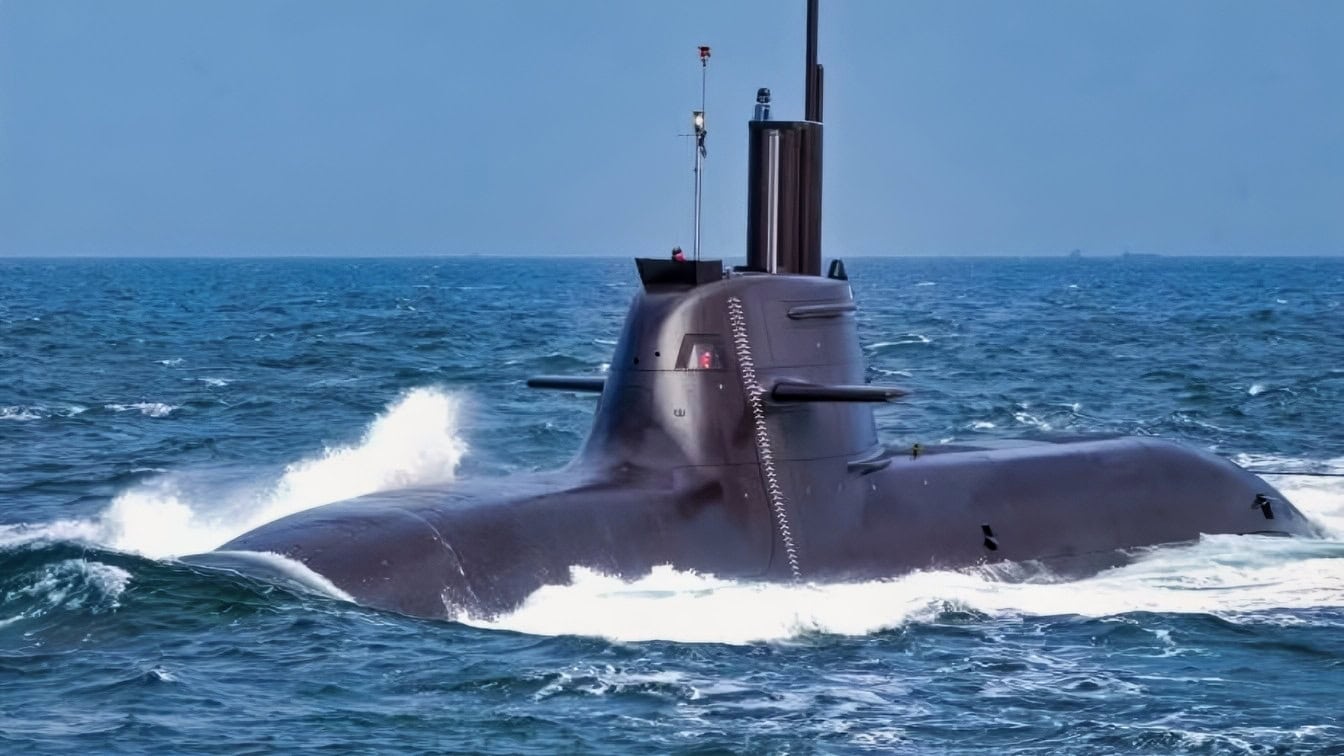
Summary and Key Points: Canada is all but certain to replace its four Victoria-class submarines with Germany’s Type 212CD, and Ottawa said it would buy ‘up to 12.’ Sources say the order would come in two tranches, eight boats with an option for four more, at an estimated 20 to 24 billion Canadian dollars, with the first delivery not until the mid-2030s.
German Submarines Look Set to Replace the Victoria-Class
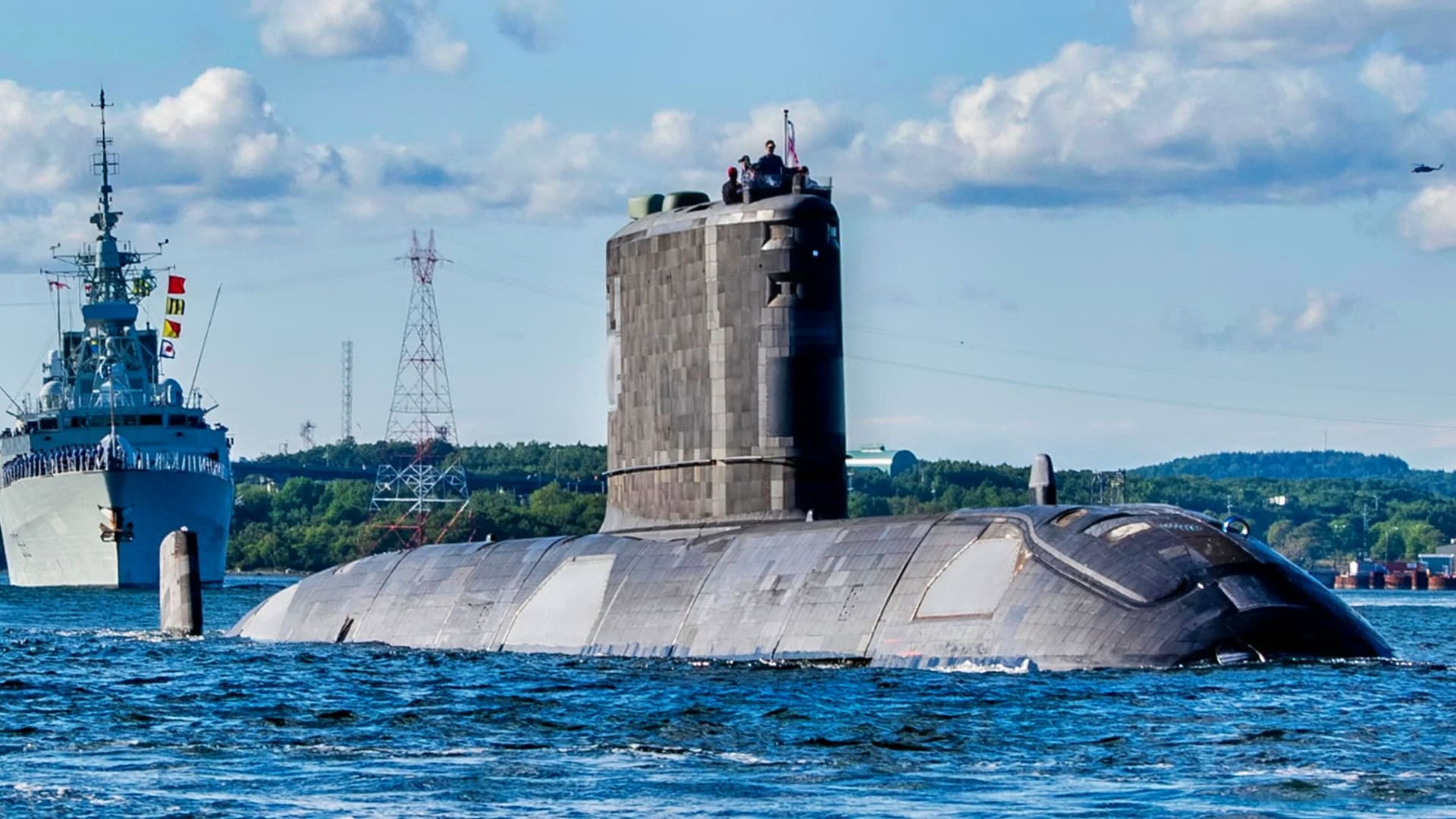
Victoria-Class Submarine Canada. Creative Commons Photo.
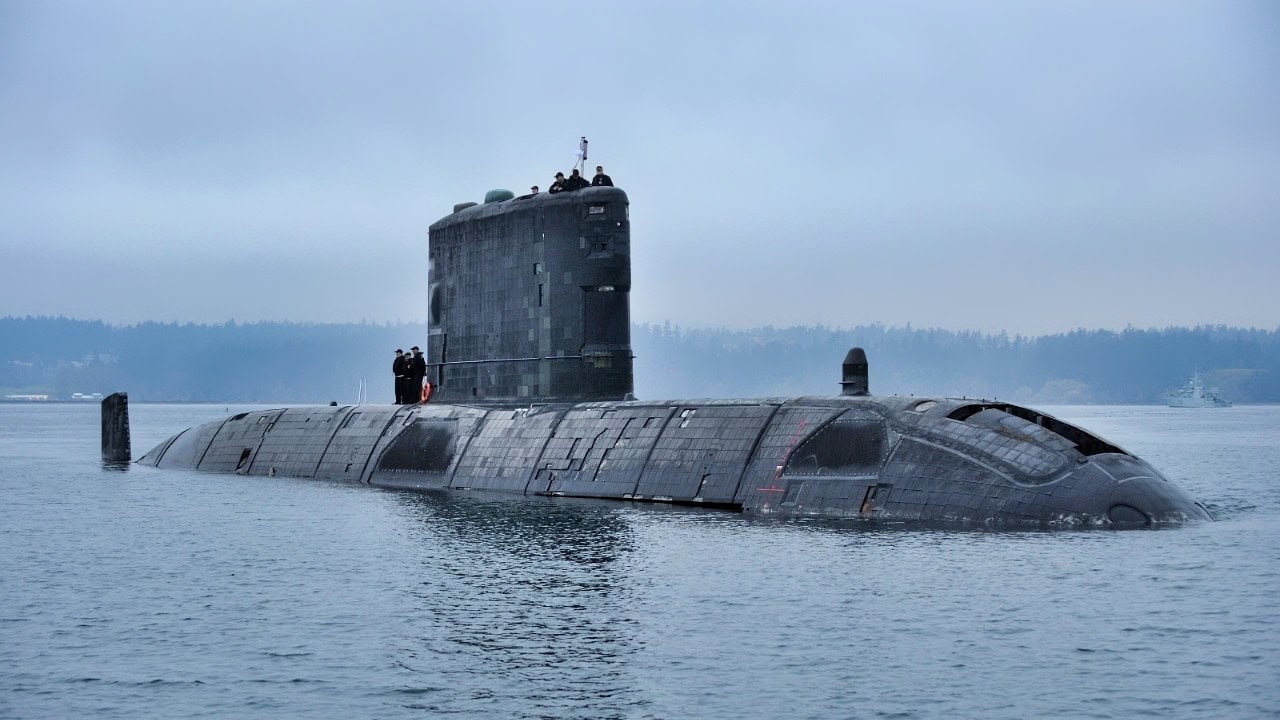
Victoria-Class Submarine from Canada.
With Canada all but certain to replace its old and aged Victoria-class submarines with new, state-of-the-art Type 212CD submarines from Germany, the question now is when the Royal Canadian Navy will receive the new boats — and how many?
The German submarines are some of the most advanced nonnuclear submarines in the world, and when Ottawa announced that TKMS, the German firm that builds the submarines, had edged out Hanwha Ocean, the country also said it would purchase “up to 12 submarines.” But there is some question as to how many submarines Canada needs.
The first of the Type 212CD submarines won’t be delivered until the middle of the next decade, and Canada is, according to sources, primarily interested in securing the submarine order in two tranches: first, an eight-submarine tranche, with the possibility of purchasing an additional four submarines later in the future.
The agreement will cost an estimated 20 to 24 billion Canadian dollars, but there is some discussion about whether unmanned underwater vehicles could play a significant role and perhaps be a lower-risk, more affordable option.
The Victoria-class
In any case, the Royal Canadian Navy still operates the Victoria-class submarines, a Cold War-era class originally in service with Britain’s Royal Navy.
Bought in the late 1990s, the submarines have a less-than-sterling reputation.
Long refit periods, a raft of maintenance issues, and general unreliability have limited their deployment periods at sea.
Compounding the issue is the class’ diminutive size.
At just four submarines total, even if the class had full operational status at all times, there are simply not enough boats to patrol Canada’s vast Pacific, Atlantic, and Arctic reaches.
Officials within the Royal Canadian Navy have characterized the importance of the class’ replacement as urgent, in particular as Canada’s far north thaws thanks to global warming.
Squeezed between two superpowers — Russia and the United States — as well as several other countries, including the Nordic powers, Canada’s Arctic sovereignty and potential collaboration or competition with other countries is a pressing issue.
But with the problematic Victoria-class, Ottawa’s ability to patrol and protect its far northern reaches is increasingly questionable.
Negotiations Ongoing
While Canada will acquire the German submarines in the 2030s, the still-open question of how many submarines Ottawa chooses to purchase is pressing.
The impact of a reduced order from the originally envisioned 12 is being assessed in Berlin for its economic impact.
TKMS, the German manufacturer, is also examining how exactly a reduced submarine order would alter the orders it would have to make with the suppliers and contractors it works with.
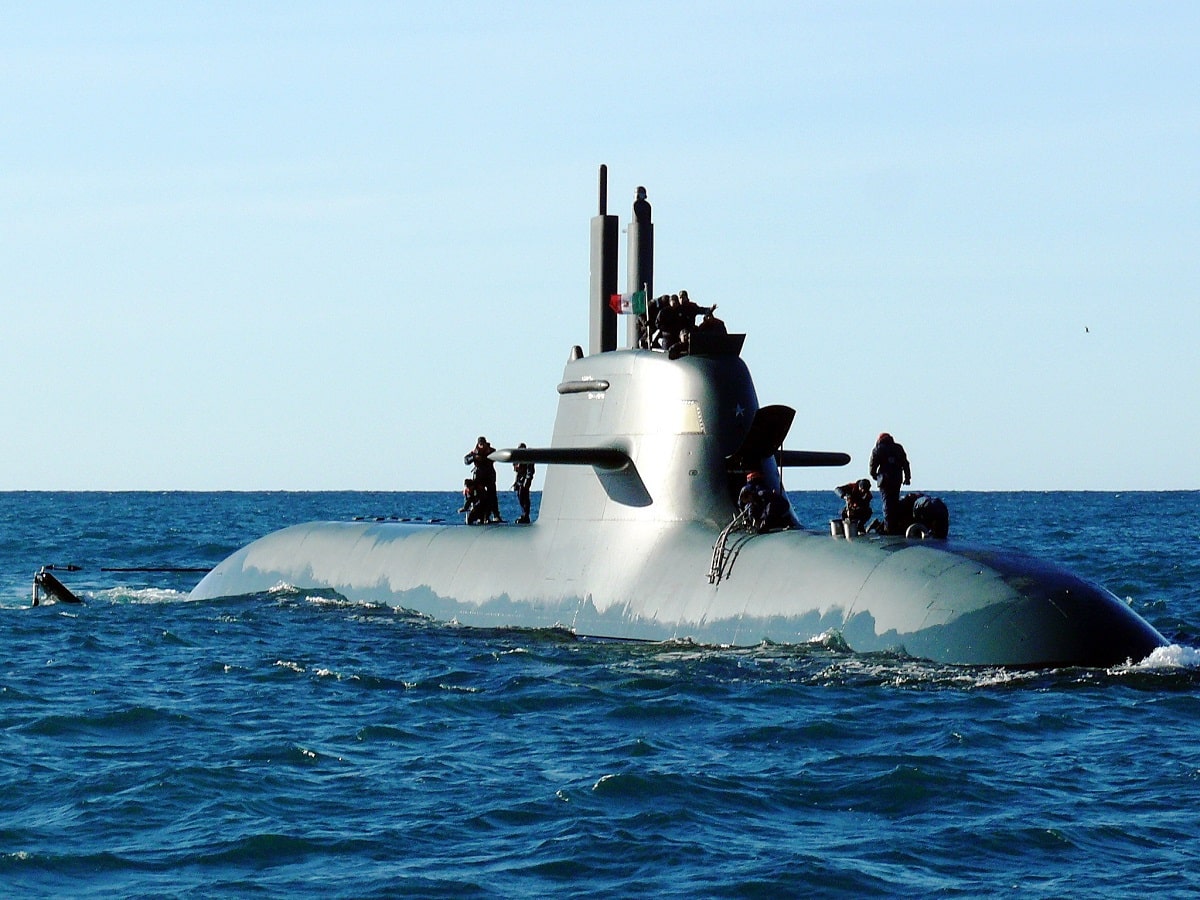
Type 212 Submarine from Germany. Image Credit: Creative Commons.
Canadian Prime Minister Mark Carney believes that an agreement can be struck by the end of next year.
Earlier last week, Thomas Röwekamp, the head of the German Parliament’s defense committee, was in Canada. And while not directly a part of the negotiation, Röwenkamp did acknowledge that discussions were ongoing.
”We are working on that, and it is a government-to-government relationship in which we discussed so many details of this deal,” Röwekamp told CBC News. “This is not only a deal between a German company and the Canadian government. It is also part of a strategic partnership as well.”
Part of the deal with TKMS was to sweeten the deal by bringing other added benefits to Canada.
Some of the proposals include building a torpedo manufacturing facility in Canada, or a hub for hypersonic missile testing.
Another idea is to build a carbon capture network in Canada or a liquefied natural gas or rare earths export hub.
“We hope they will order 12, and we are doing a lot to make the deal real,” Röwekamp explained.
Both Germany and Norway, which is also a partner to the deal, are set to put the same model of submarines into service with their own navies, but have offered to fill the Canadian Type 212CD order first. ”So yes, we are very interested in having the deal in total.”
Though the contours of the deal are taking shape, significant details still need to be hammered out.
In the meantime, Canada must keep its four Victoria-class submarines limping along for around a decade longer — raising an important question.
Will the Victoria-class remain afloat that much longer?
And even if the class is still in service by the middle of the next decade, will they be capable of responding to crises in Canada’s far north?
About the Author: Caleb Larson
Caleb Larson is an American multiformat journalist based in Berlin, Germany. His work covers the intersection of conflict and society, focusing on American foreign policy and European security. He has reported from Germany, Russia, and the United States. Most recently, he covered the war in Ukraine, reporting extensively on the war’s shifting battle lines from Donbas and writing on the war’s civilian and humanitarian toll. Previously, he worked as a Defense Reporter for POLITICO Europe. You can follow his latest work on X.