
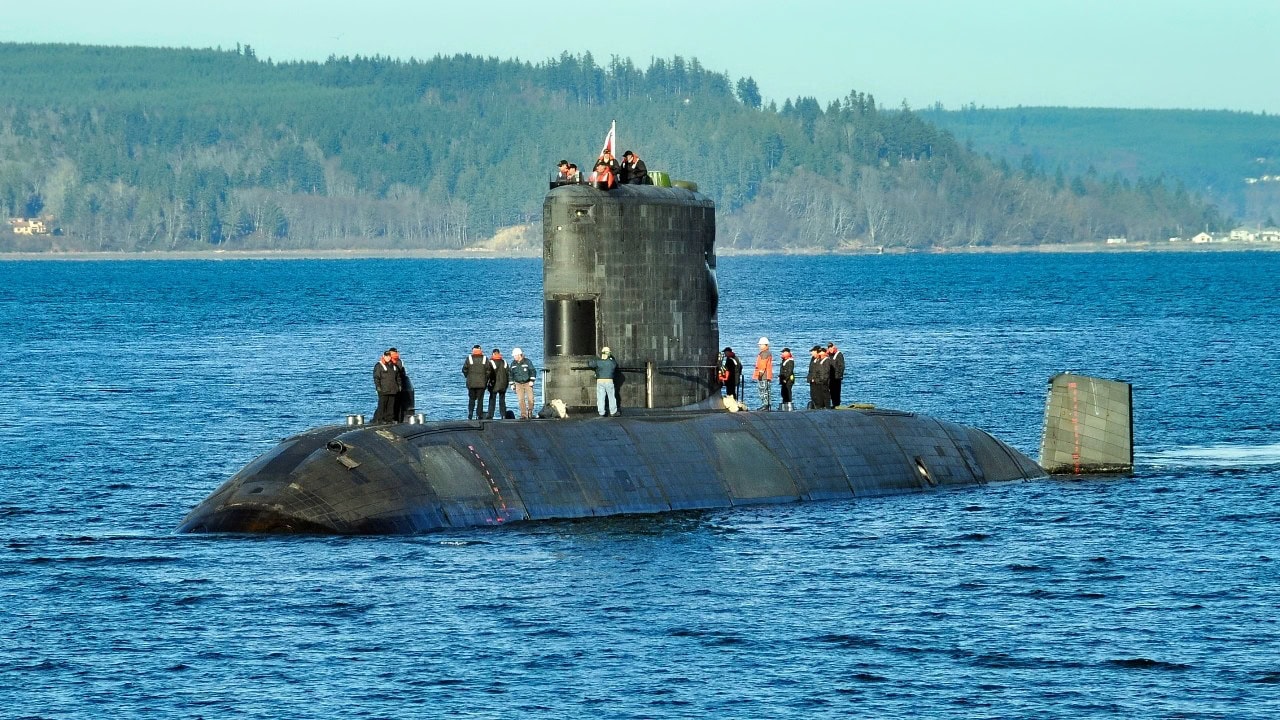
When we think of Canada’s defense issues, the F-35 is often top of mind, but Canada’s submarine situation may be more acute. Our northern Canadian neighbors have the longest coastline in the world, at about 151,000 miles. In an ever-changing political landscape, they are woefully short on submarines to protect that vast space. Canada’s submarine force is running on borrowed time. The Royal Canadian Navy’s four Victoria-class boats were designed in the 1980s, bought secondhand in 1998, and have spent much of their Canadian careers in dry dock.
They now have one job left. Stay seaworthy until the Germans show up.
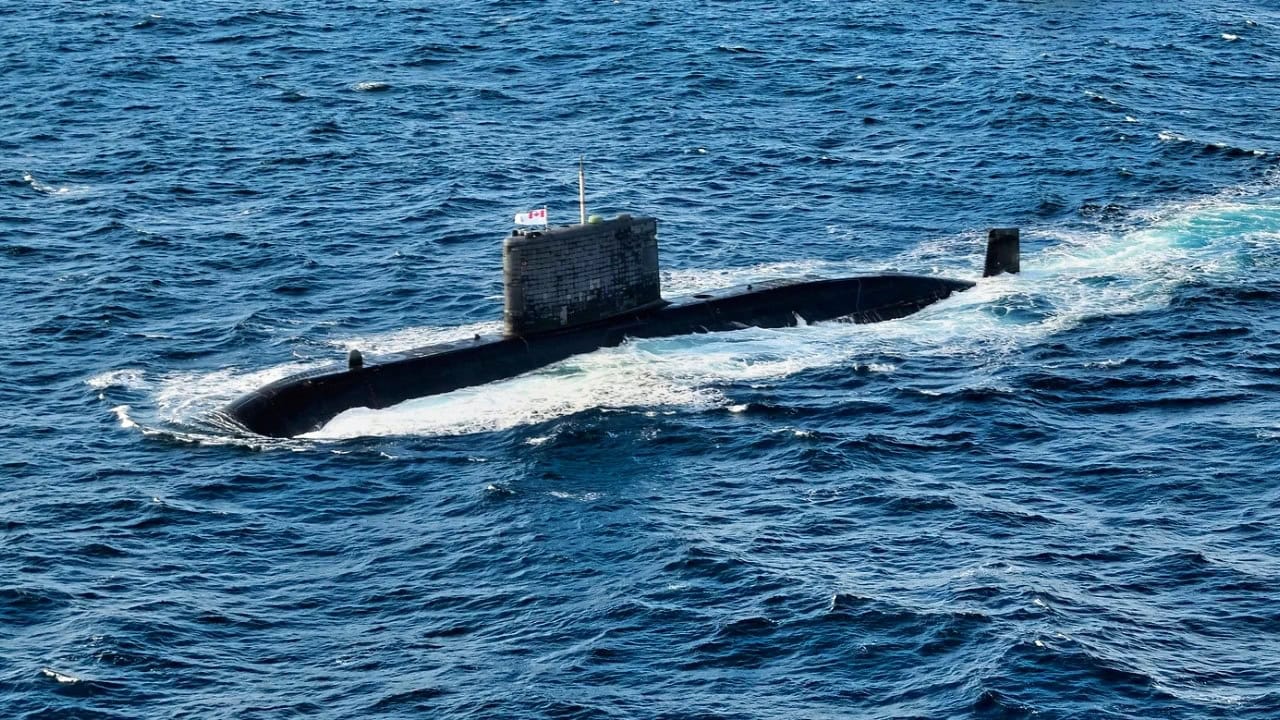
Victoria-Class Submarine at Sea. Image Credit: Creative Commons.
That timeline won’t be short. In July, Prime Minister Mark Carney stood at CFB Halifax and announced that Thyssenkrupp Marine Systems (TKMS) was Canada’s preferred supplier for up to 12 Type 212CD submarines, the largest defense procurement in Canadian history.
Ottawa says it will conclude contracting by the end of 2027, with the first four boats delivered in 2034. TKMS has said it can hand over the first submarine in 2033.
However, that still leaves a seven- to eight-year gap. The Victorias have to cover those years, which will be difficult because they are already past retirement age.
The four Victoria-class submarines the Royal Canadian Navy (RCN) operates are aging and need to be replaced. A global look shows the need for better protection, which Canada requires.
Tiny North Korea operates the most submarines in the world: 71. The United States has 67 submarines worldwide, China has 59, and Russia has 49.
With the Victoria-class subs facing decommissioning in the next decade, Canada must upgrade its numbers and capabilities.
Victoria-Class Submarines History
Great Britain constructed and sailed Canada’s small fleet of four Victoria-class submarines in the 1980s.
When the Royal Navy withdrew them from service in 1994, Canada purchased them, along with some trainers, to replace its decommissioned Oberon-class submarines in 1998.
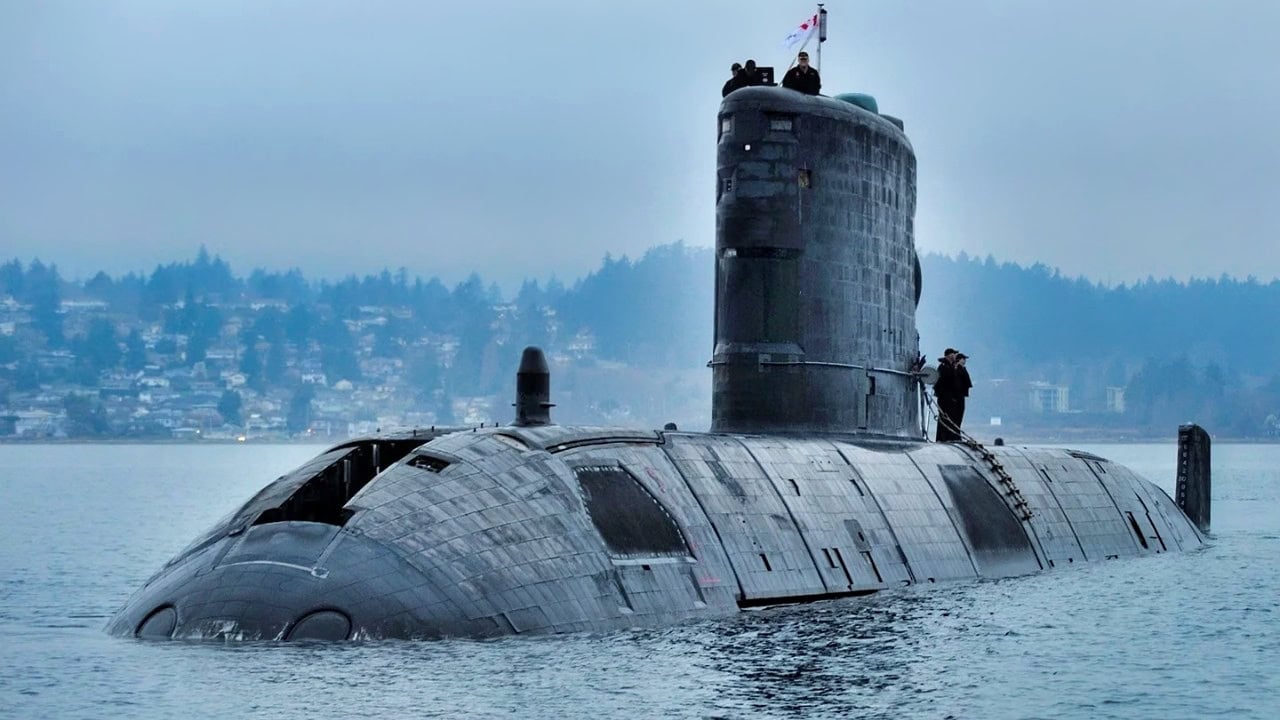
Victoria-Class Submarine Canadian Navy. Image Credit: Government Photo.
The cost was $750 million dollars.
But operating these old submarines comes with a cost. Between 2021 and 2023, only HMCS Windsor sailed operationally, logging 43 days in 2022 and 14 in 2023.
Four submarines.
Fourteen days.
Why The 212CD Is Worth The Wait
The German submarine is a major step up.
Its hydrogen fuel cell air-independent propulsion lets it stay submerged far longer than a conventional diesel-electric boat that has to snorkel to charge its batteries.
The boat is 74 meters long and displaces roughly 2,800 tons.
That longer submerged endurance matters for operating under Arctic ice, where the competing Korean KSS-III Batch-II was rated at around 20 days.
Canada is joining an established program.
Germany and Norway are each building six, and both agreed to give up production slots so Canadian boats can arrive sooner. Hanwha remains the reserve supplier if talks with TKMS fall apart.
There is still some risk involved. The KSS-III is a proven, in-service design, while the 212CD is still a first-of-class boat.
The first one, for Norway, isn’t scheduled to launch until 2027.
Some critics argue it was optimized for confined European waters.
However, the Arctic endurance and NATO interoperability make it the right call. However, first-of-class programs slip.
They almost always do. And Canada cannot afford that.
The Real Question Is The Gap
So what happens if the 2034 timeline slips to 2036 or later?
The government has committed to running the Victorias into the mid-to-late 2030s, and the life-extension work aims to stretch them to somewhere between 2035 and 2040.
That margin is thinner than it looks for boats that have historically struggled to keep even one hull at sea.
Manpower is another large issue for the Canadian Navy.
In 2023, the navy said it needs 503 submariners to run the fleet, and it has been short for years.
Babcock’s Canadian chief has publicly recalled how rough the Oberon-to-Victoria transition was in the late 1990s.
This one adds a longer gap to older boats.
However, the country has no other crewed underwater combat capability, and walking away from the Victorias before the 212CDs arrive would mean losing the skill set entirely.
Submarine crews, maintainers, and the institutional knowledge to run them take decades to build and very little time to lose.
Canada has the longest coastline on earth and is about to spend what could reach $70 billion once you count infrastructure, weapons, and sustainment.
None of that matters if the crews and maintainers are gone by the time the new boats arrive.
The Victorias were never supposed to be Canada’s long-term answer.
They just have to be the bridge. And they still have to make it to the other side.
About the Author: Steve Balestrieri
Steve Balestrieri is a National Security Columnist. He served as a US Army Special Forces NCO and Warrant Officer. In addition to writing on defense, he covers the NFL for PatsFans.com and is a member of the Pro Football Writers of America (PFWA). His work was regularly featured in many military publications.