
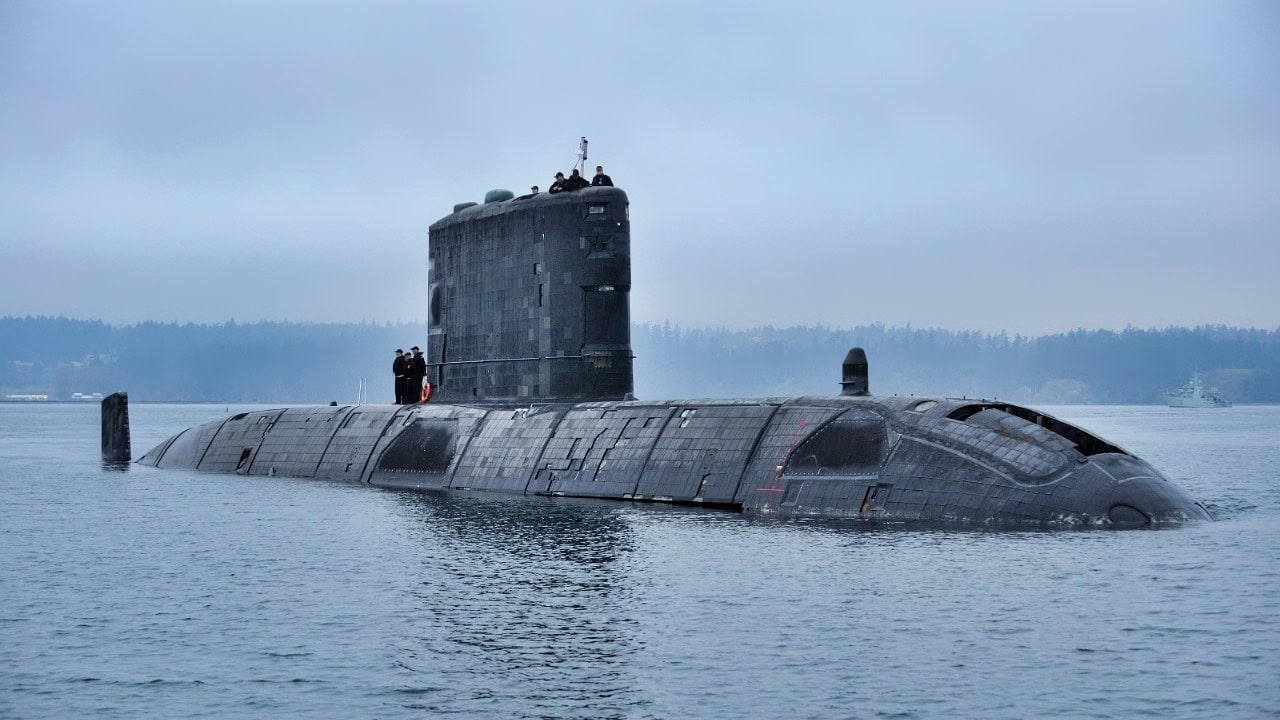
Summary and Key Points: Prime Minister Mark Carney did not need reporters to dig up Canada’s submarine problem. He said it himself in Halifax on July 6, in the same speech that named Germany’s TKMS the preferred supplier for a new fleet of up to twelve Type 212CD boats. Only one of Canada’s four Victoria-class submarines is seaworthy, Carney said, “providing insufficient capability to ensure a credible presence on more than one of our three coasts at the same time.” He was using a chronic shortage to argue for spending tens of billions of dollars on new hulls, and it is a fair argument. Three oceans and an opening Arctic are not defended by a fleet that can reliably put one submarine to sea. But the same fact describes a training problem as much as a maintenance one — and on that half of the ledger, Ottawa has not published a single number.
Canada’s Submarine Challenge
On September 9, Babcock Canada, Prime Contractor of the Victoria In-Service Support Contract (VISSC), was awarded a six-year subcontract extension to keep Canada’s four Victoria-class submarines running.
It follows a $1.1 billion extension Ottawa awarded Babcock in July, and together the two deals lock in engineering support, spare parts, and skilled trades at the Esquimalt dockyard for most of the next decade.
The goal is to keep the Canadian submarine fleet operational until the Canadian Patrol Submarine Project (CPSP) begins delivering next-generation submarines sometime in the 2030s.
The day after Prime Minister Mark Carney announced Germany’s TKMS as the preferred supplier for Canada’s new submarine fleet, the Department of National Defence published a short explainer on what comes next.
Most of it reads like a press release for the shipyards. One section, titled “Recruitment and training,” says only that continued investment will be required to “recruit, train and retain submariners and other personnel with specialized technical, operational and support skills.”
No personnel target. No training ramp.
No timetable.
That sentence is not the only thing Ottawa has done.
The Royal Canadian Navy created a dedicated Submarine Warfare Specialist occupation in February, and the submarine partnership itself is now running.
None of it comes with a number attached.
The industrial plan has funding and a deadline.
The personnel plan does not.
What Carney Admitted in Halifax
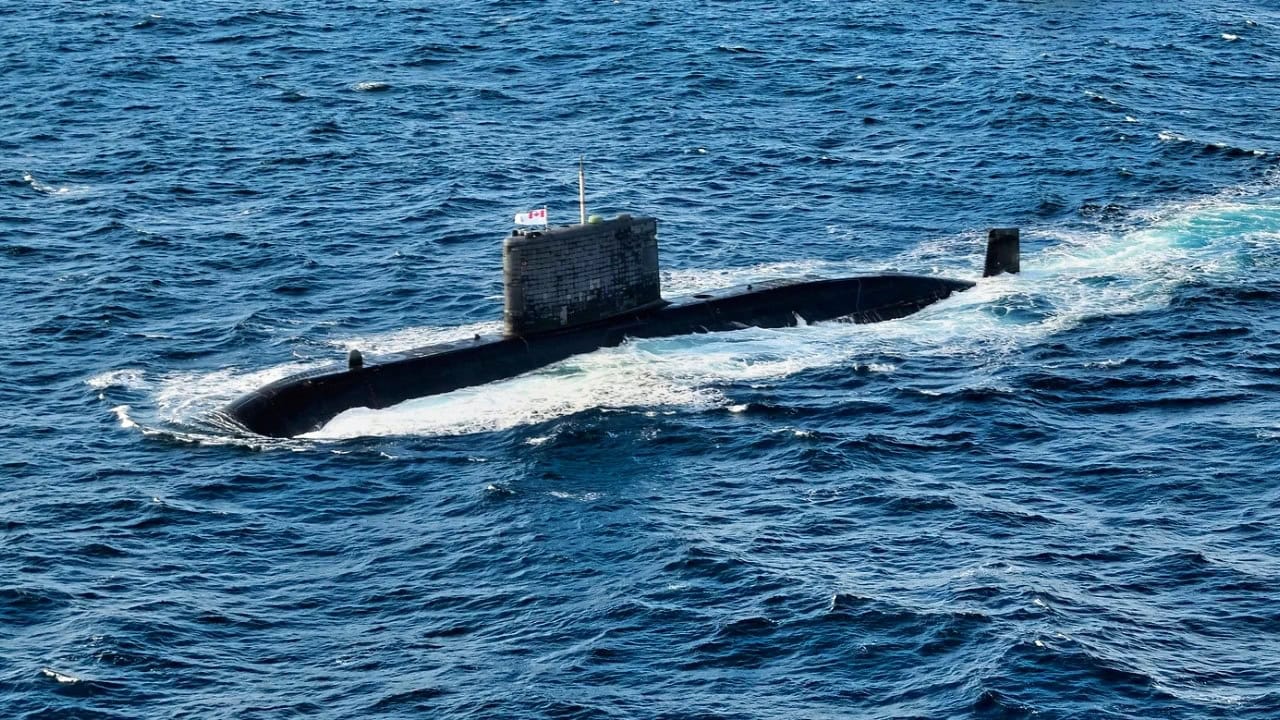
Victoria-Class Submarine at Sea. Image Credit: Creative Commons.
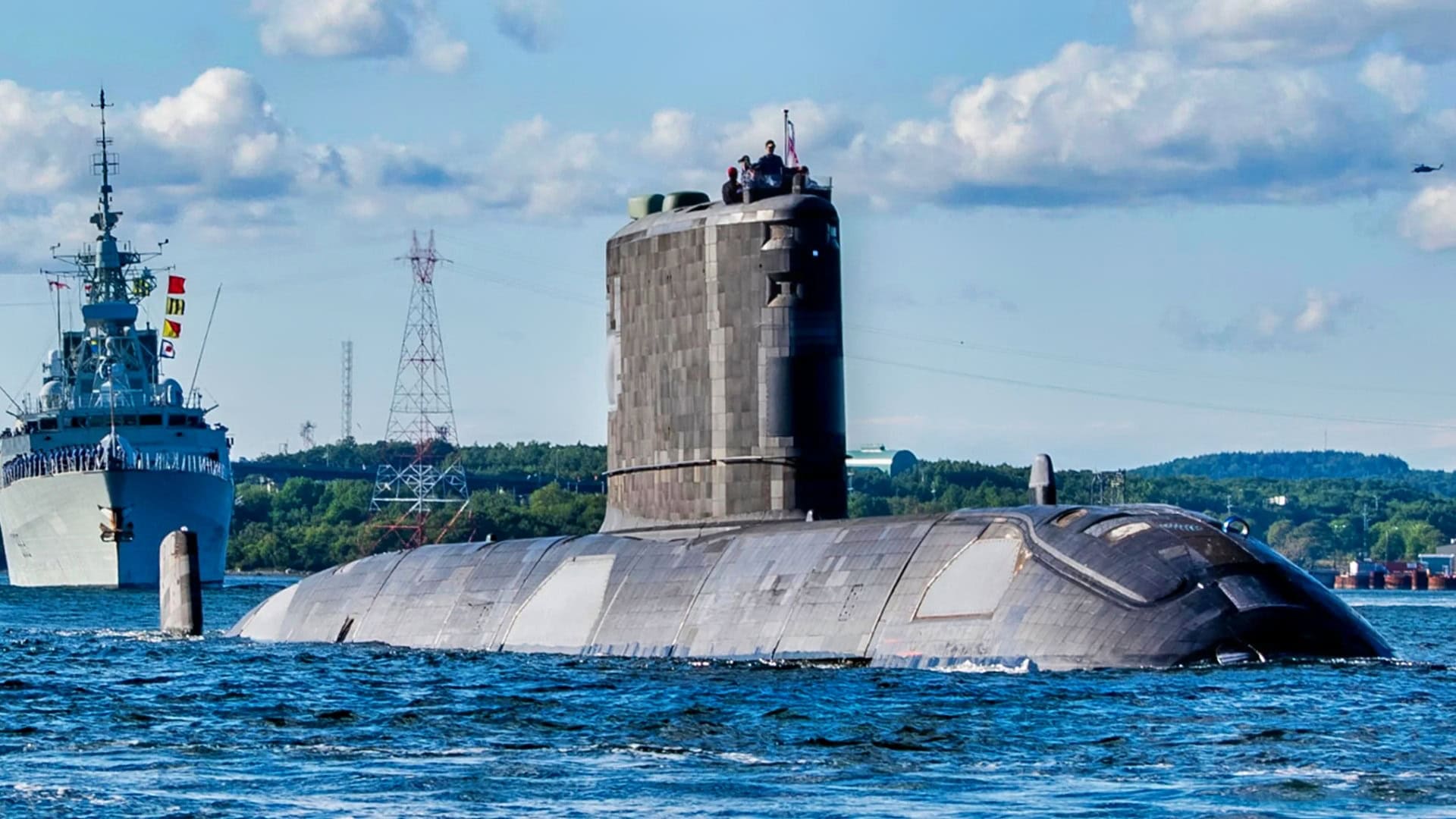
Victoria-Class Submarine Canada.
Carney did not need reporters to dig up Canada’s submarine problem.
He said it himself, in the same July 6 speech that named TKMS as the preferred supplier for Canada’s next fleet.
Only one of the four Victoria-class submarines is seaworthy, he told the crowd in Halifax, “providing insufficient capability to ensure a credible presence on more than one of our three coasts at the same time.” That is the prime minister using a chronic shortage to argue for spending tens of billions of dollars on new boats. It is a fair argument.
Three oceans and an opening Arctic are not defended by a fleet that can reliably put one submarine to sea.
What Carney did not say is that the same fact describes as much a training problem as a maintenance one. A submarine service cannot be built in a classroom.
It is built at sea, on an actual boat, with an actual crew standing actual watches, and Canada has repeatedly struggled to make enough boats available to provide that kind of experience.
A Lesson the Navy Already Learned Once
This is not a new problem, and the Navy’s own paperwork says so. A 2019 Department of National Defence evaluation of naval readiness, using 2017-18 data, found that Canada’s submarine crews, combined across all four boats, could fill only about 70 percent of required positions as of December 2017.
The same evaluation called limited submarine availability a “severe impediment” to qualifying new submariners.
That is old evidence, not a claim about today’s numbers, but it documents the mechanism this piece is about.
Fewer available boats mean fewer chances to train.
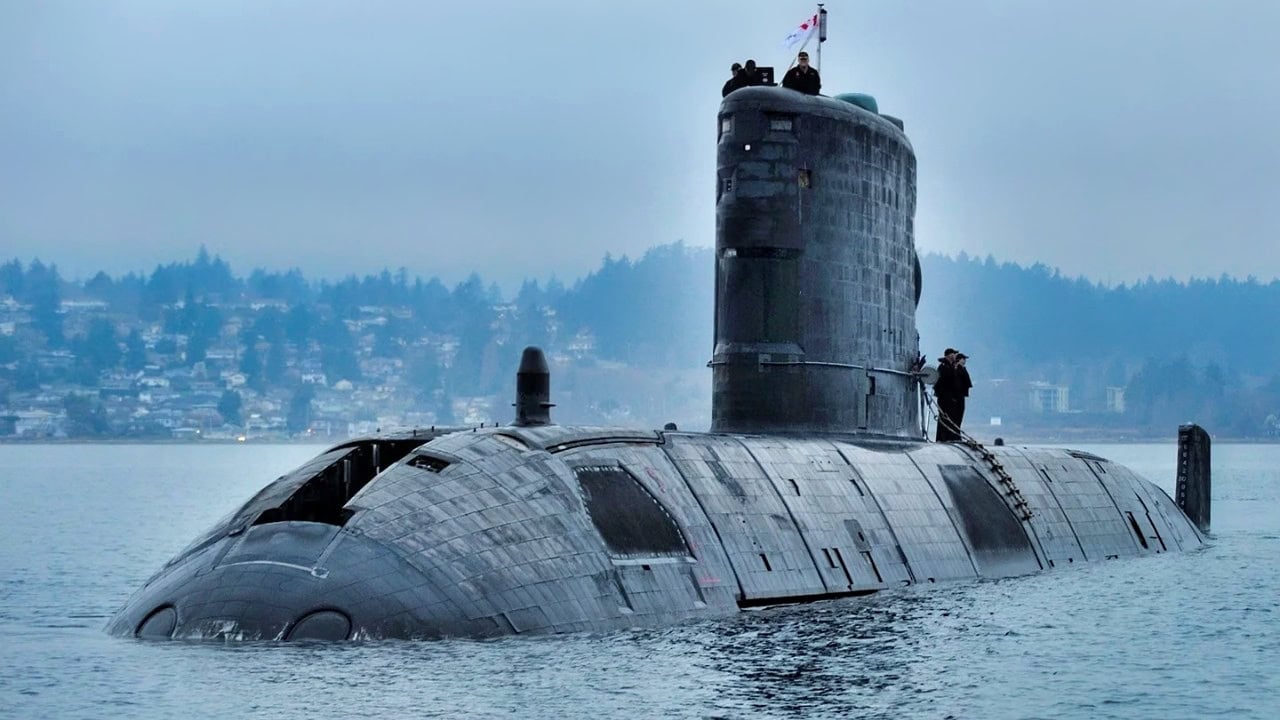
Victoria-Class Submarine Canadian Navy. Image Credit: Government Photo.
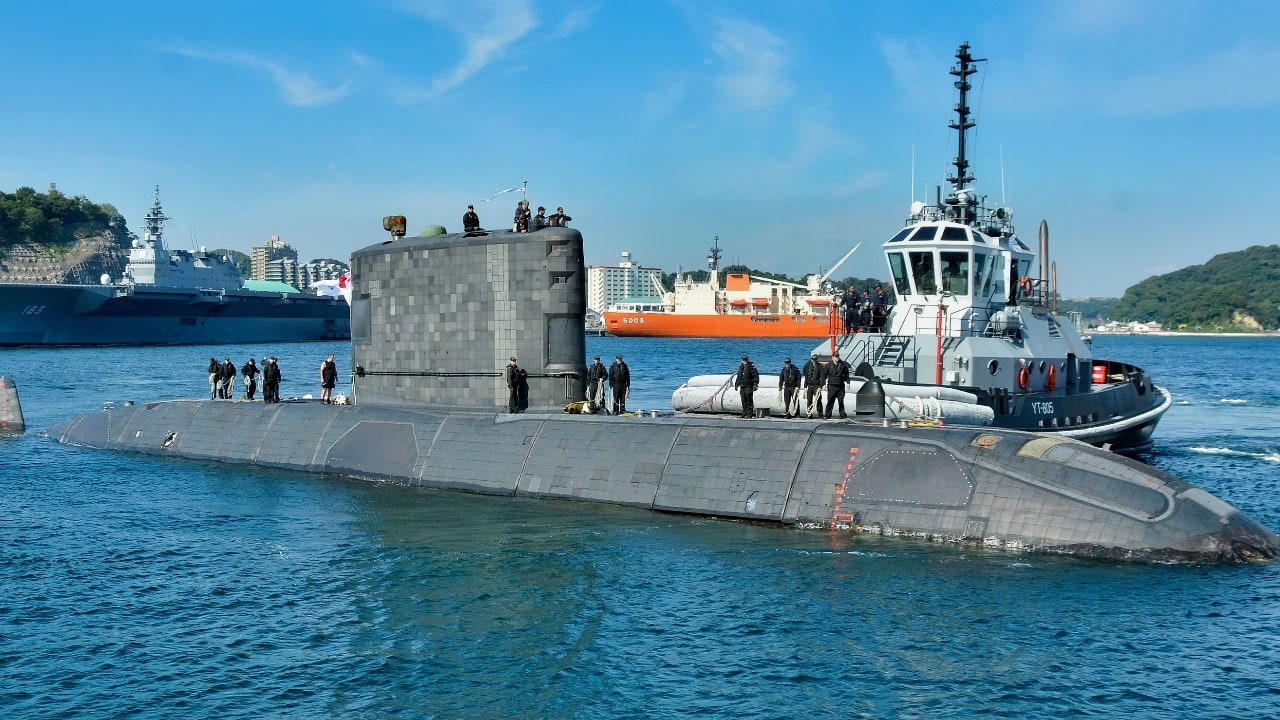
Canada Victoria-Class Submarine. Image Credit: Creative Commons.
Fewer chances to train mean a thinner bench of qualified people, year after year.
Basic submarine training begins with a three-month course; including occupation-specific instruction, the full pipeline can run five to fourteen months, according to the Defence Department’s own service directive, before the prospective submariner joins a boat for on-the-job qualification.
That part cannot be compressed with a simulator.
Turning a newly qualified sailor into a watchkeeper, a sonar supervisor, or eventually a submarine commanding officer requires sea time, and a chronically undersupplied fleet has never had much of it to hand out.
The Arithmetic Nobody in Ottawa Has Published
Run the numbers and the scale of what is coming gets clearer.
The Royal Canadian Navy’s own fleet page lists the Victoria-class complement as 48 crew plus 11 trainees per boat. TKMS puts the Type 212CD’s core crew at roughly 28 to 30.
Do the multiplication, and Canada is moving from about 192 core submarine billets across four boats today to roughly 336 to 360 across twelve.
That figure excludes instructors, shore staff, and the additional personnel needed to cover leave, injury, and ordinary attrition, none of which are reflected in either number.
None of this is locked in yet.
TKMS is the preferred supplier, not a signed contractor. Negotiations are supposed to close by the end of 2027, and Ottawa’s own language is “up to” twelve boats, with the first four expected in 2034.
Canada has a costed, dated plan for maintaining the old fleet and a target date for the new fleet’s arrival.
It has no published personnel target for either one.
The Partnership Is Running. The Personnel Ramp Still Isn’t Public.
A genuinely useful vehicle for closing this gap is already running.
Canada did not simply select a submarine in July. It joined a partnership, and at the end of July representatives of Canada, Germany, Norway, and TKMS met in Kiel for four days of joint planning, an event TKMS called the operational start of the cooperation.
In the same Halifax speech, Carney said the Type 212CD was chosen so Canadian boats would operate alongside German and Norwegian ones, “sharing training, maintenance, parts, technology, even crews throughout their service lives.” That is a stated ambition, not yet evidence of a Canadian crew-generation plan. TKMS’s public account of the Kiel meeting was structural: program phases, working groups, and contract preparation.
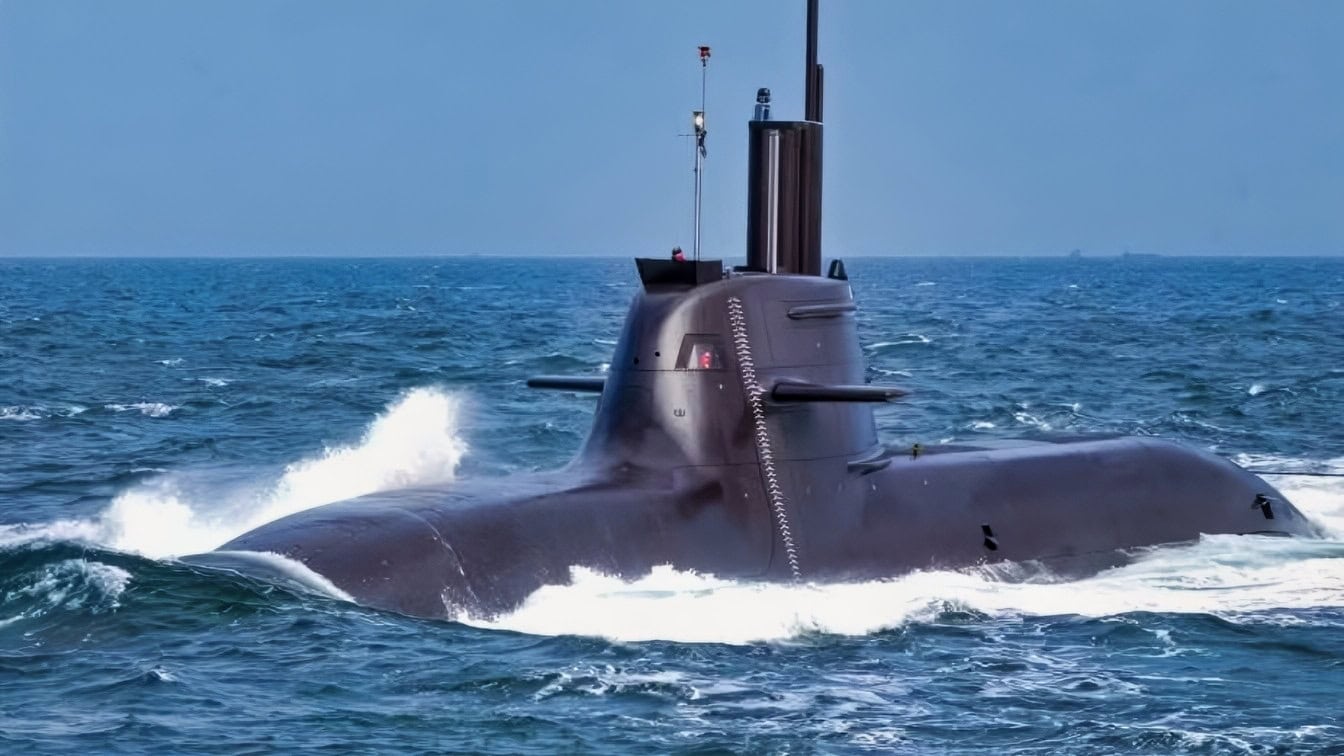
German Type 212CD Submarine Creative Commons
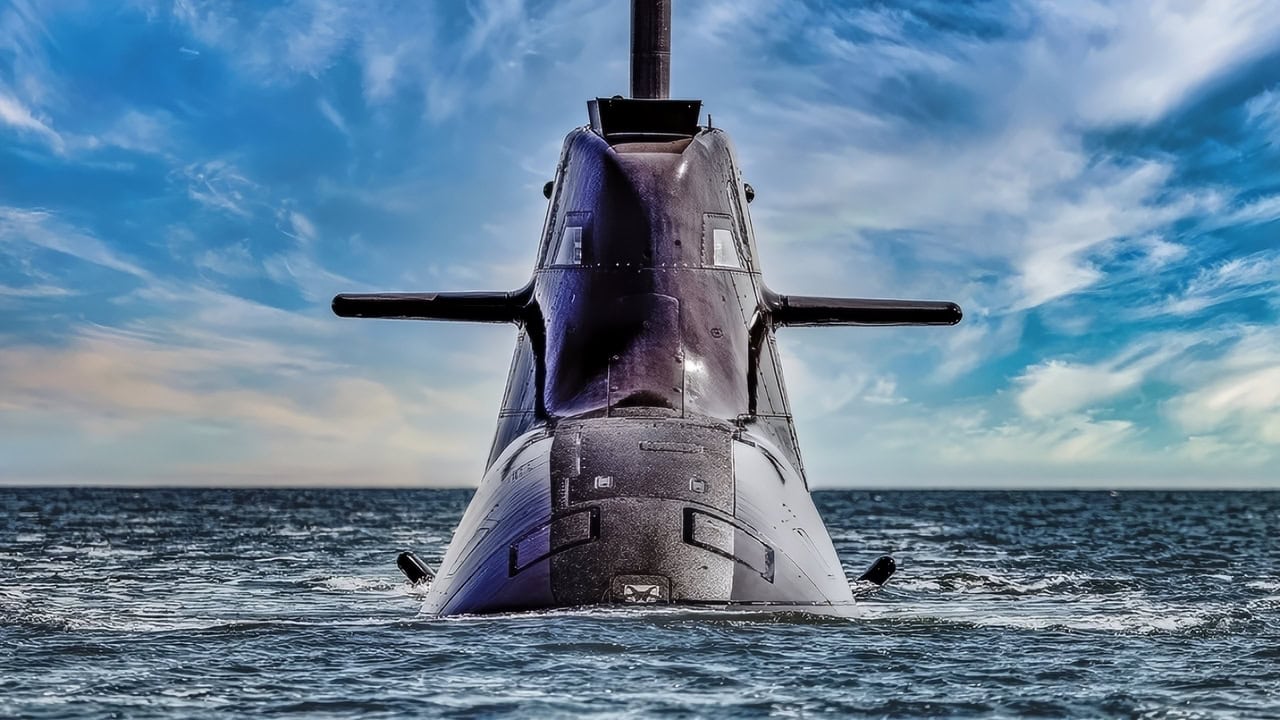
Type 212CD German Submarine Industry Handout Photo
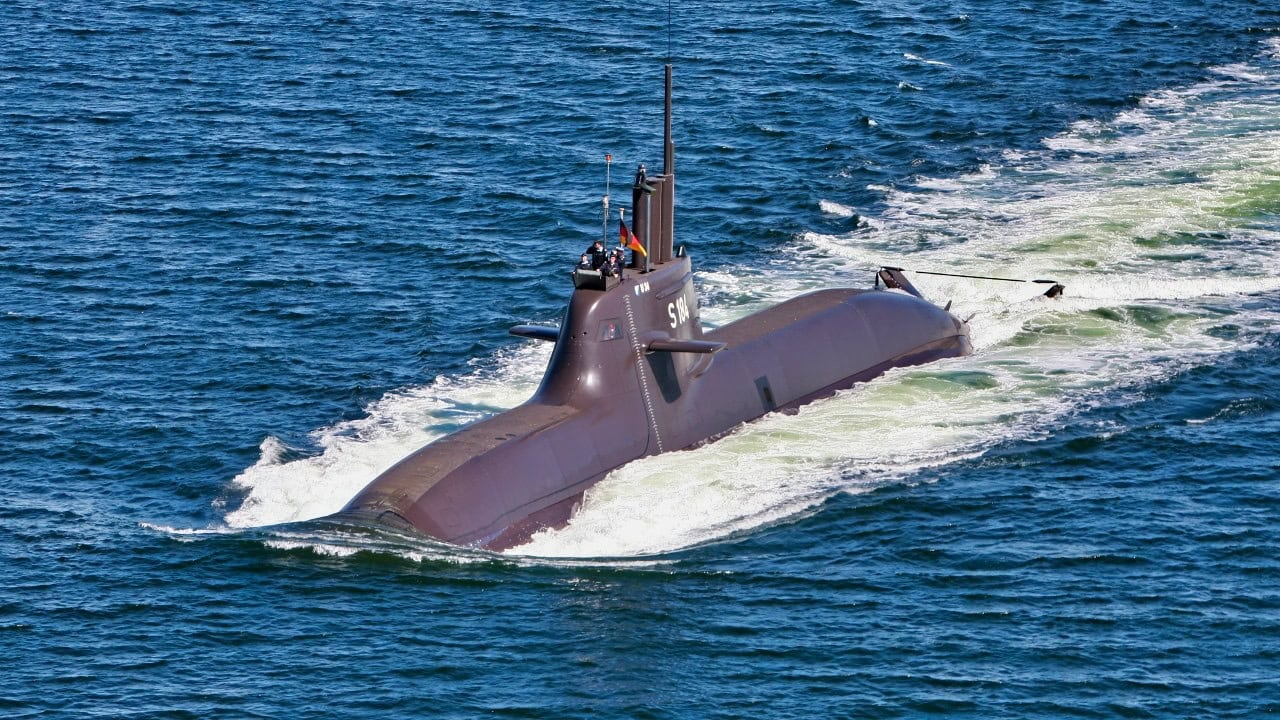
Type 212A Submarine from Germany.
It disclosed no training targets, exchange billets, or crew-generation numbers.
Babcock’s chief executive, Tony March, described the logic behind the July maintenance contract as building a “bridge” between today’s submarine workforce and tomorrow’s, a fair description of what Ottawa has funded on the industrial side.
Ottawa has not publicly said how many Canadian sailors will train with Germany and Norway, when it will start, in what occupations, or how many exchange billets and simulator hours it will include.
Those are the questions a partnership answers once someone decides to use it that way.
The Test Is 2027, Not 2034
It is tempting to treat 2034, when the first four submarines are due, as the moment this all gets judged. That lets Ottawa off easy for seven years.
The contract with TKMS is supposed to close by the end of 2027, and that date, not 2034, is the one worth watching.
Training and exchange arrangements do not have to ride inside that commercial contract.
The trilateral security partnership Canada, Germany, and Norway announced the day after the TKMS decision can carry them on its own.
What 2027 should still show is whether Ottawa can put a number on the force that will operate these boats: a personnel target, a training ramp, a matching timetable.
Twelve submarines Canada cannot crew do not multiply its presence under the ice or in the Atlantic approaches.
They multiply the number of expensive hulls tied up at a jetty while officials again explain why availability fell short of the plan. Industrial progress is easy to see.
Personnel readiness is not, and it matters just as much. Whether “continued investment will be required” ever turns into a number and a date is not something Ottawa has shown the public yet.
About the Author: Dr. Andrew Latham
Andrew Latham is a professor of international relations and political theory at Macalester College in Saint Paul, MN. You can follow him on X: @aalatham.