
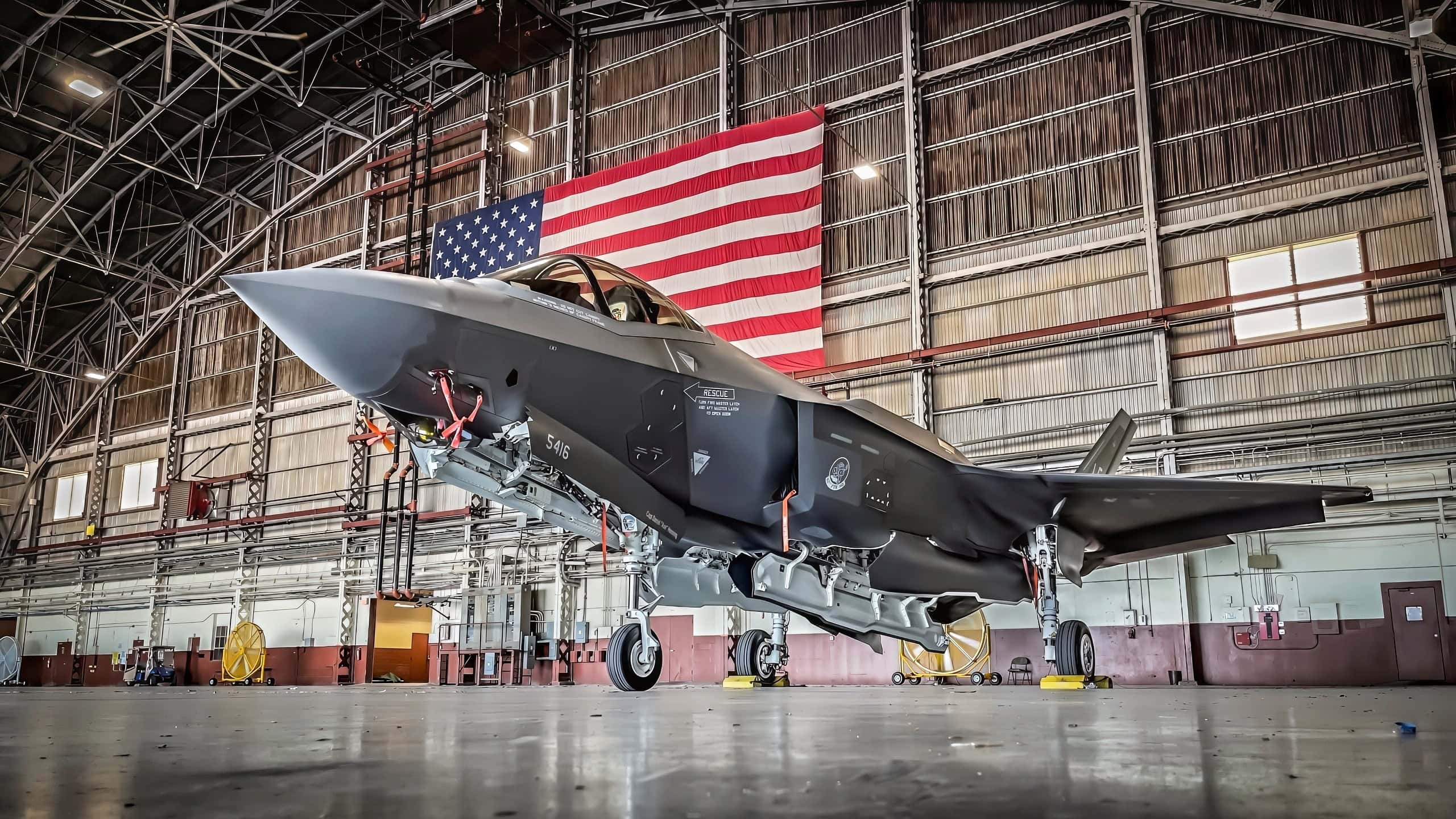
Summary and Key Points: Canada has taken delivery of its first two CF-35As (what Canada called the F-35) as Ottawa reviews whether to take delivery of the remaining 72 of its 88 F-35s or fly a mixed fleet with the Saab Gripen. Canada is under contract for 16 and reportedly paid for 14 more to hold its delivery slots. But no one knows what happens next.
The Canada F-35 Debate Won’t End
Recently, Canada received its first pair of F-35 fifth-generation stealth fighters from the United States, seemingly cementing the aircraft as Canada’s new fighter of choice.
However, the saga isn’t over, as the government is still reviewing the F-35.
In 2023, Canada, under Prime Minister Justin Trudeau, signed a deal with the U.S. to purchase 88 stealth fighters.
However, that deal was paused after Prime Minister Mark Carney assumed office.
Currently, Canada is under contract to procure 16 fighters from the U.S. The government is deliberating whether to proceed with the other 72 F-35s or operate a mixed fleet of American stealth fighters and Swedish Saab JAS 39 Gripen fighters.
Canada Receives its First F-35s
The Royal Canadian Air Force (RCAF) recently received its first two F-35s, officially designated CF-35A. The first CF-35A took its maiden flight in September from Naval Air Station Joint Reserve Base Fort Worth, Texas, where Lockheed Martin’s production lines are located.
Footage of the aircraft, decorated with a maple-leaf roundel, circulated on social media, confirming that the F-35 would join the RCAF.
The Air Force has not said when it will start training new pilots.
The RCAF currently operates around 89 operational CF-18 Hornets, which it has been looking to replace for several years.
The main question now is whether Canada will proceed with the additional 72 CF-35s or trim the numbers and acquire the JAS 39 Gripen.
Legally, Canada is committed to procuring 16 aircraft, two of which have now been delivered.
In February, Canadian news outlets reported that the government discreetly paid for 14 additional F-35s beyond the 16 fighters under contract.
According to some sources, the government made these payments to stay in Lockheed’s delivery schedule and avoid being replaced by other buyers.
If these reports are true, Canada could end up with a fleet of 30 or more F-35 stealth fighters.
The government has not confirmed or denied any additional funding towards the F-35 program.
Officially, the government is still reviewing the original deal and has not made a final decision on the remaining aircraft.
Why the F-35 is so Controversial in Canada
The Canadian F-35 drama spans back to the 1990s/early 2000s, when the Joint Strike Fighter program was still in its “concept demonstration phase.” Canada joined as a level 3 partner and invested millions in the fighter’s research and development, although the government never committed to acquiring the aircraft.
From the start, the RCAF set its sights on the F-35, but the aircraft was extremely unpopular with the news media and the government’s more liberal wing.
Critics argued its procurement and operating costs were too steep, while proponents said these figures were exaggerated because most cost analyses included factors like fuel costs and pilot salaries.
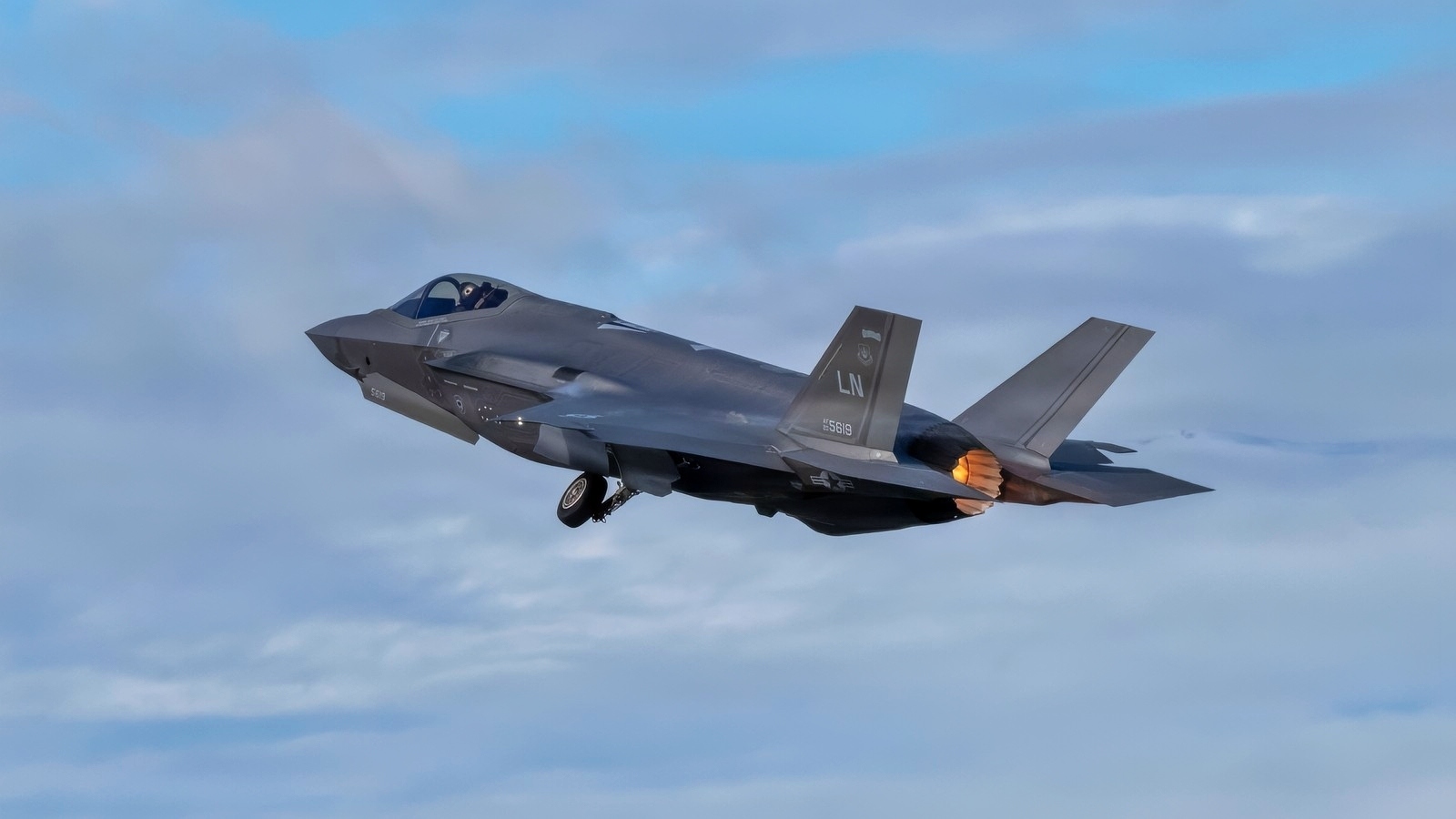
An F-35A Lightning II aircraft assigned to the 493rd Fighter Squadron takes off during Exercise Cobra Warrior 26-2 at RAF Lakenheath, England, Sept. 15, 2026. The transition from the first to the second iteration of CW allows participants to move beyond initial familiarization and further develop their skills through increasingly complex training. (U.S. Air Force photo by Senior Airman Delanie Brown)
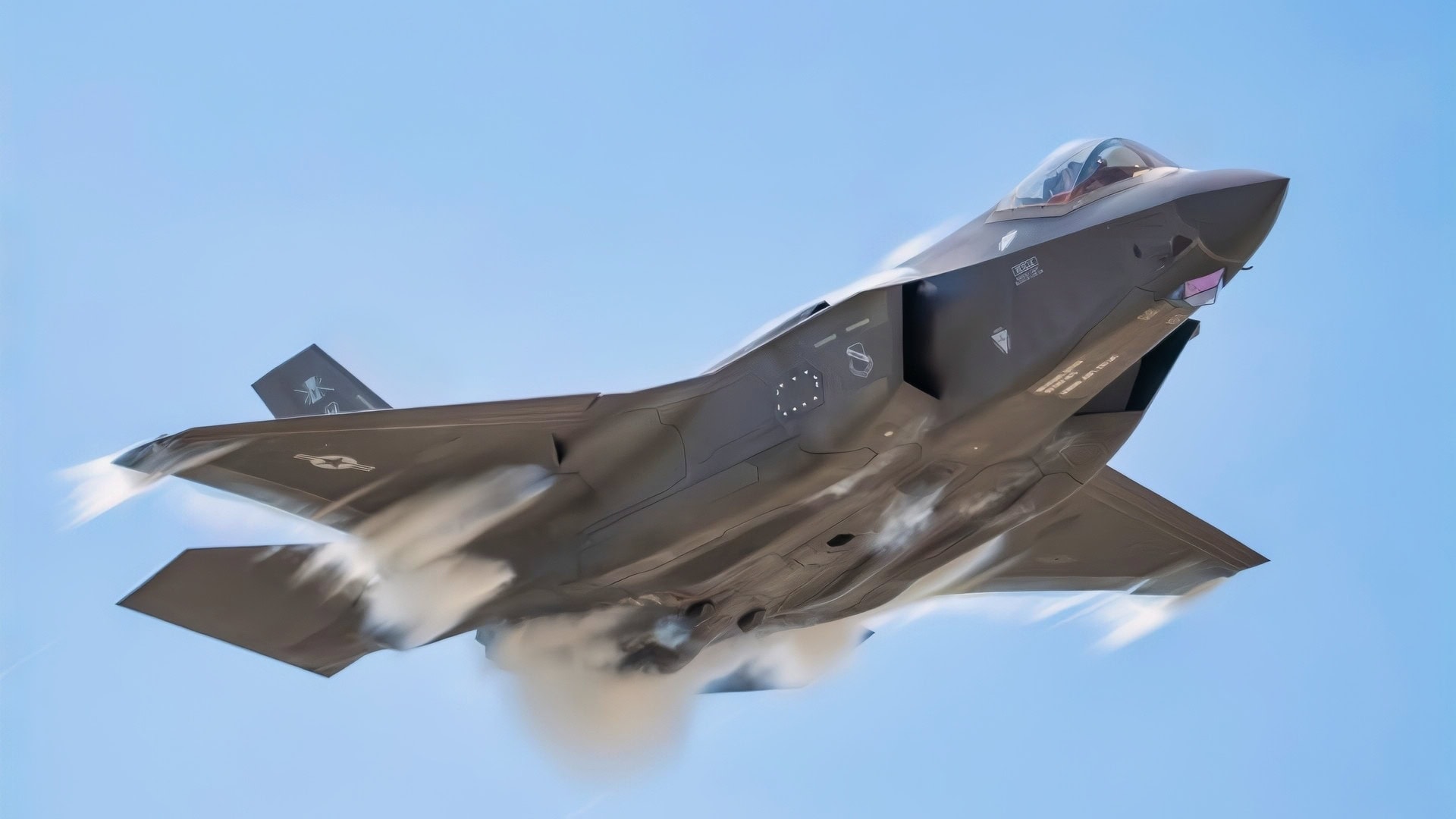
U.S. Air Force Maj. Kristin “BEO” Wolfe, F-35A Lightning II Demonstration Team pilot and commander, flies an F-35A Lightning II assigned to the 421st Fighter Generation Squadron during Naval Air Station Key West 2023 Southernmost Air Spectacular over Boca Chica Field in Key West, Florida, April 14, 2023. The F-35 demonstrated its capabilities during the airhshow, along with the U.S. Navy Blue Angels and other various performers. (U.S. Air Force photo by Senior Airman Kaitlyn Ergish)
The F-35 became a major political issue in 2010, when Conservative Prime Minister Stephen Harper announced plans to procure 65 stealth fighters.
The announcement turned into a full-blown political scandal and led to a finding of contempt of Parliament. Harper’s Conservative government was then ousted through a non-confidence vote in 2011.
In the following elections, the F-35 became a major campaign issue. Conservatives still treated the aircraft as a national security issue, while the Liberals campaigned for an unbiased competition to determine which aircraft best suited Canada’s needs.
In 2015, Justin Trudeau won the majority after campaigning on the promise not to procure the F-35.
The Best Option for Canada?
In 2021, the Trudeau government held a formal competition to select a replacement for the aging CF-18 fleet.
The competition pitted the F-35, the Saab Gripen, and the Boeing F/A-18 Super Hornet against each other.
The Super Hornet was eliminated because it did not meet Canada’s requirements.
Saab aggressively marketed the Gripen to Canada, saying that if it won the competition, Canada could fully control the aircraft’s source code and manufacture it domestically.
These proposals set the Gripen apart from the F-35, whose code is ultimately controlled by Lockheed Martin.
The U.S. insisted Canada would have autonomy over its fighters, but Saab’s pitch was hard to ignore.
Despite Saab’s alluring marketing, the Gripen had a problem: the F-35 was better in almost every way. According to leaked internal documents from the competition, the F-35 scored 57.1 out of 60 points (95%), while the Gripen E scored only 19.8 points (33%).
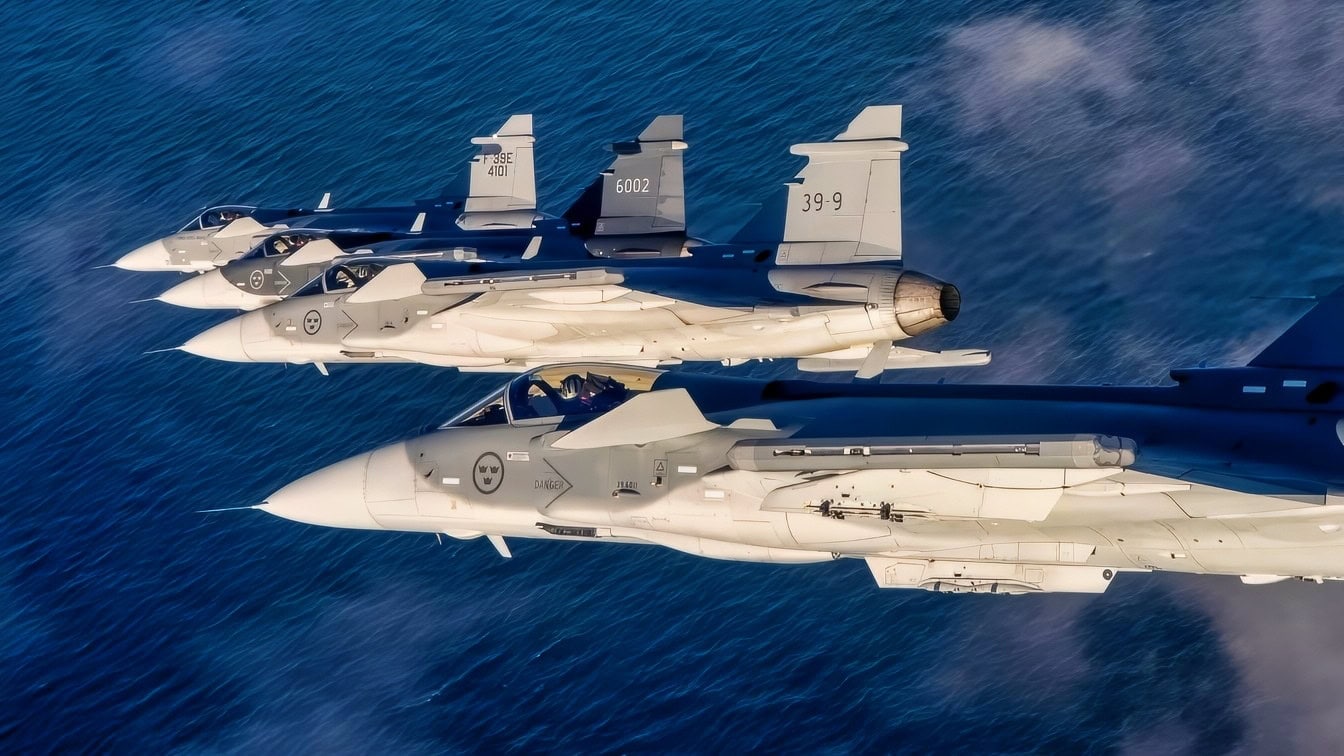
JAS 39 Gripen Saab Handout Photo
The RCAF judged the American stealth fighter better on mission performance, upgradability, sustainment, technical criteria, and capability delivery.
While the JAS 39 scored similarly on sustainment, the F-35 blew the Gripen out of the water in all other areas.
In 2022, Canada announced that the F-35 had won the competition and would become the RCAF’s new fighter of choice.
The Fate of the F-35 Deal Still Unknown
In 2023, Canada and the U.S., under President Joe Biden, agreed to a deal for the procurement of 88 F-35 fighter jets.
However, in 2025, when President Trump began his second term, relations with Mark Carney’s new government deteriorated.
After threats of tariffs and annexations, Carney’s government paused the deal and began reviewing the F-35. The RCAF completed its review in late 2025, but it never released the details.
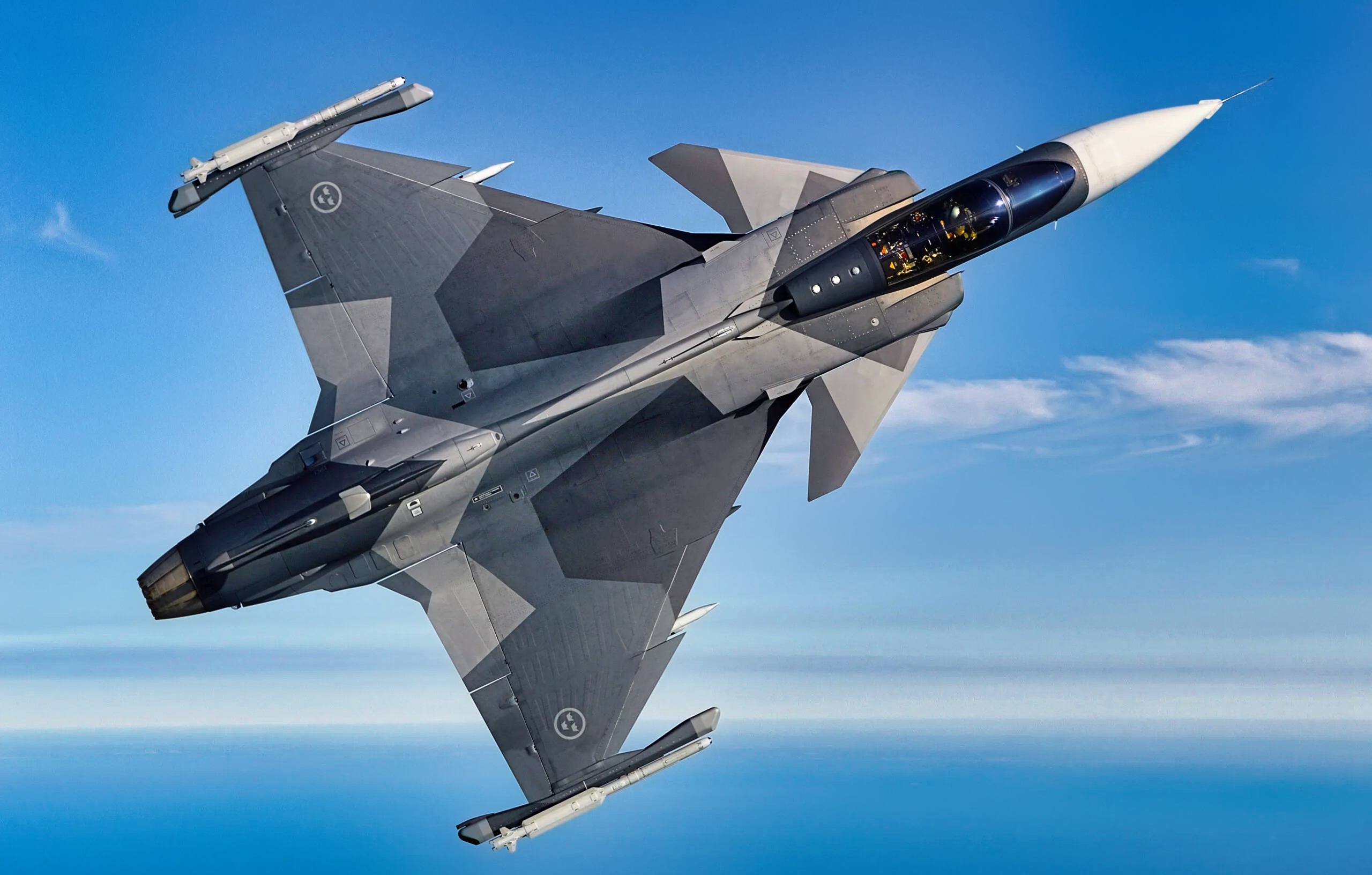
JAS 39 Gripen E Fighter. Image Credit: Saab.
It is not clear whether the Carney government intends to move forward with the deal or procure a smaller F-35 fleet, complemented by the JAS 39 Gripen.
Carney could be stalling, waiting to finalize the deal until Trump leaves office, but the government’s motivations are currently unknown.
But if Canada is waiting for Trump’s time in office to end, we may not get any official F-35 announcement from Ottawa until 2029.
About the Author: Isaac Seitz
Isaac Seitz, a Defense Columnist, graduated from Patrick Henry College’s Strategic Intelligence and National Security program. He has also studied Russian at Middlebury Language Schools and has worked as an intelligence Analyst in the private sector.