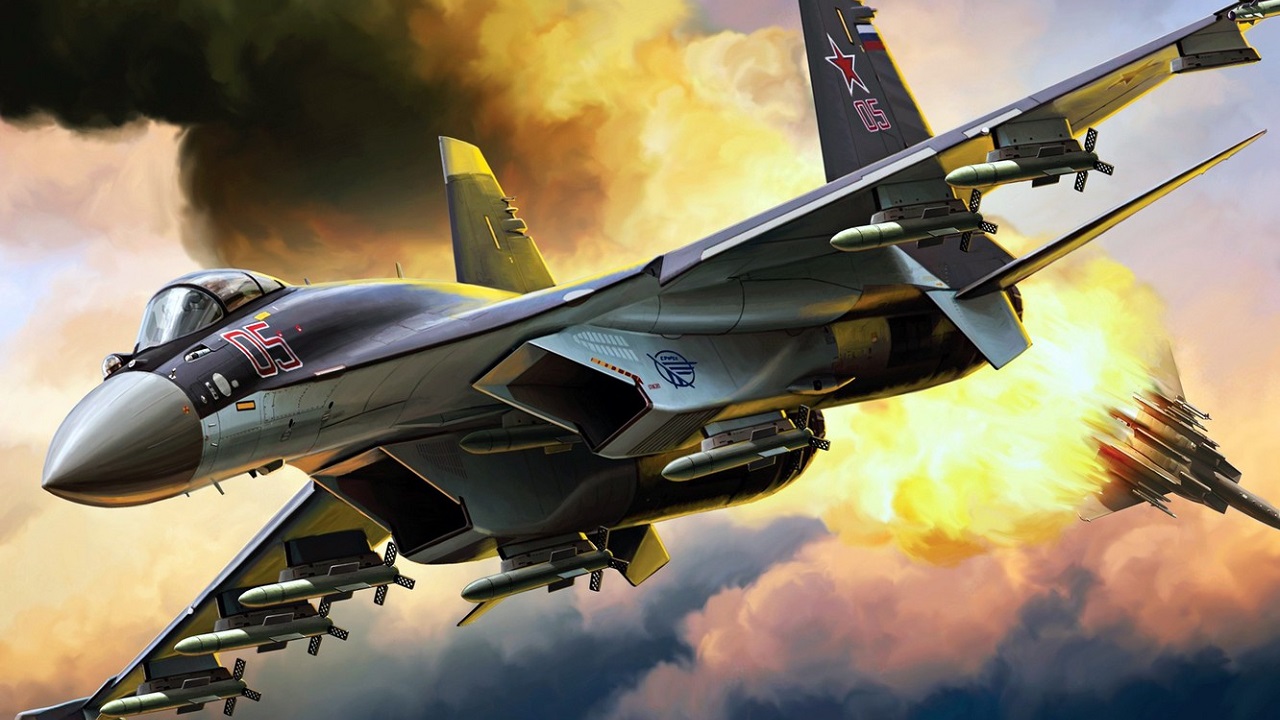
While Iran’s air capabilities today are crippled to the point of non-existence, there was speculation prior to the outbreak of Operation Epic Fury that Tehran was poised to significantly bolster its air capabilities with Russian aircraft. Iran seemingly initially expressed interest in the Su-35 in 2022. In September of that year, the commander of the Islamic Republic of Iran Air Force explained that Tehran was considering acquiring the aircraft.
But in December, U.S. officials said Iranian pilots had already undergone Su-35 training in Russia and that Russia might begin delivering aircraft to Iran in 2023. However, as best as we can tell, no Su-35 fighter has been delivered, and many doubt the deal will ever happen.
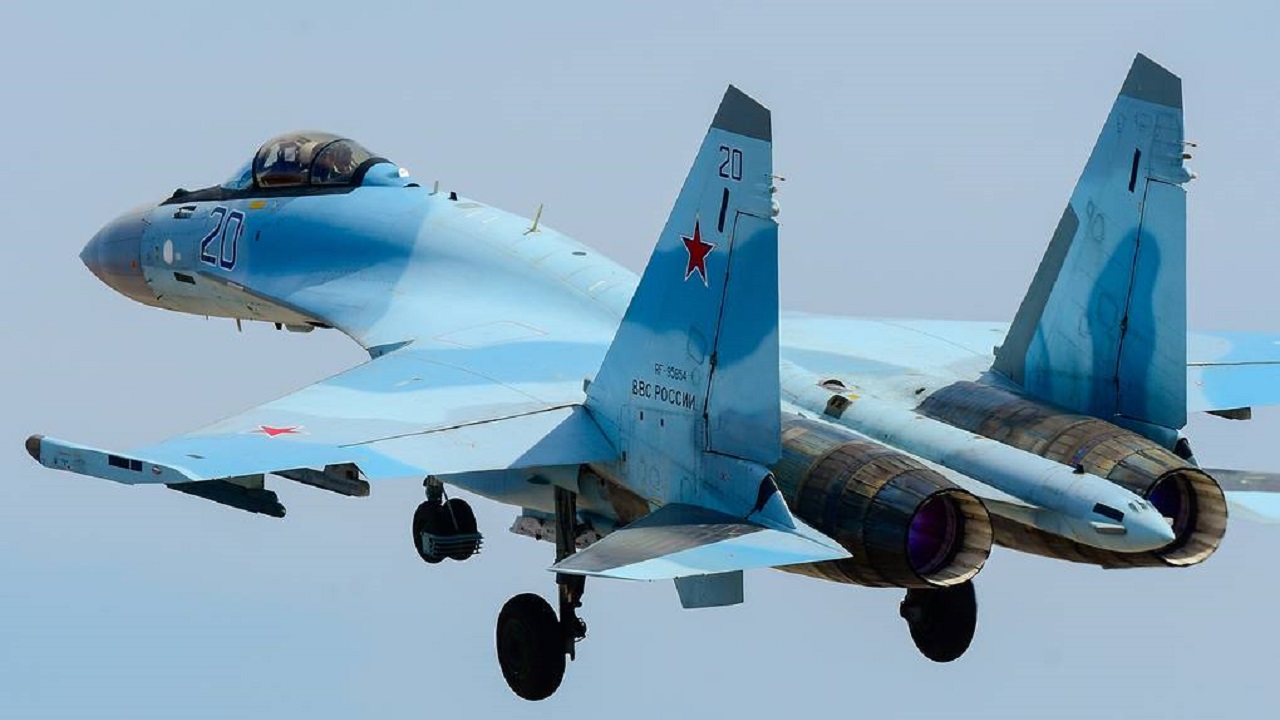
Su-35 over Ukraine. Image Credit: TASS/Russian state media.
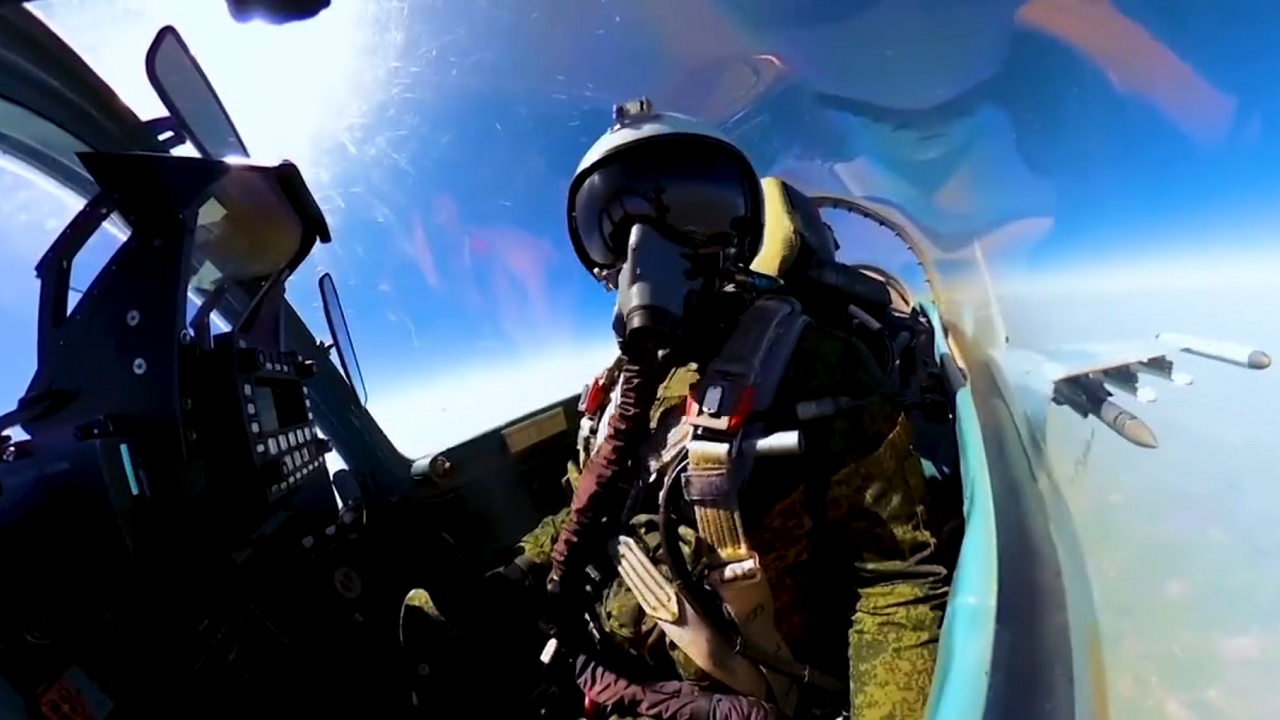
Russia pilot behind the controls of a Su-35S. Image Credit: Twitter Video Screenshot.
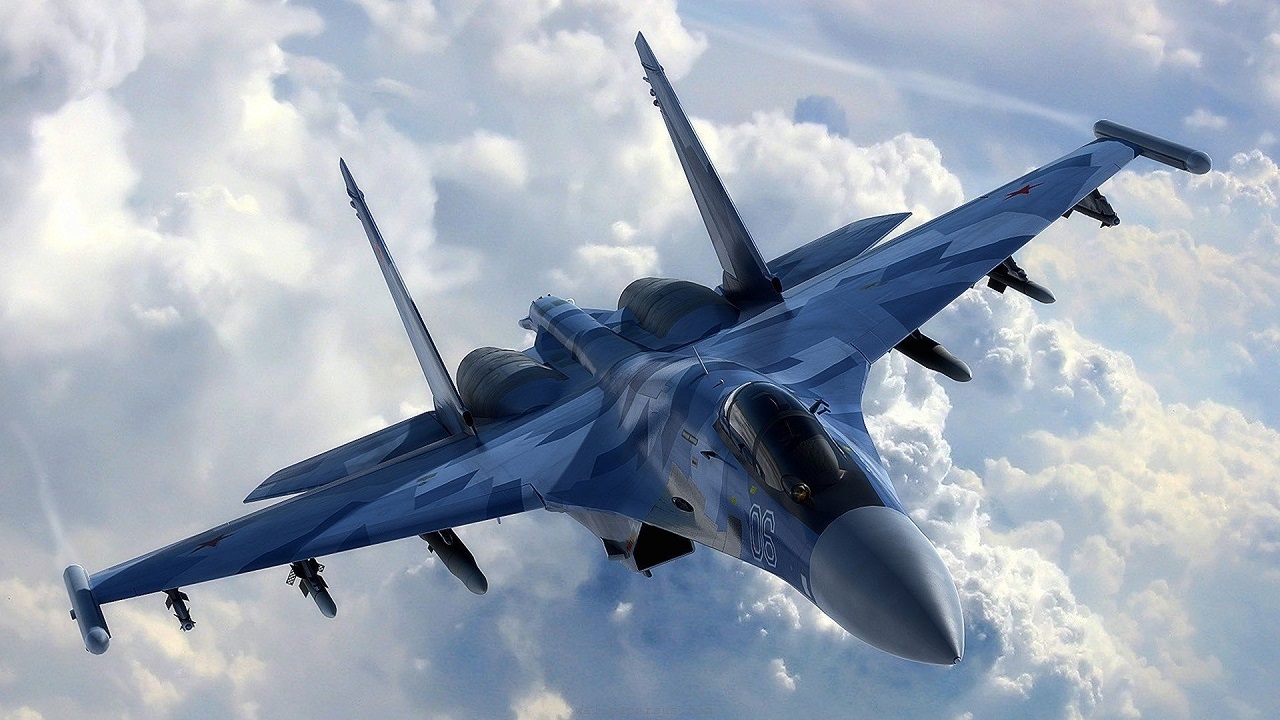
Artist rendering of a Russian Su-35 fighter. Image Credit: Creative Commons.
Show Me the Numbers
There are, however, differing accounts of just how many Su-35s Iran purchased from Russia, with figures cited by Russian and Iranian sources ranging from 24 to 50.
Perhaps the safest conclusion is that Iran has certainly pursued and apparently purchased Su-35s from Russia, but the exact size of that fleet is unclear.
There is some evidence for an initial 24-aircraft concept, a reported 50-aircraft purchase, a later documented 16-aircraft production program, and a separate reported 48-aircraft package.
Those numbers may represent stages, revised orders, a subset of a larger contract, or entirely different arrangements — there simply isn’t enough official documentation to confidently cite a single number. There is also the possibility that the deal is never going to happen.
How Much Would This Change Iran’s Air Force?
Iran entered the ongoing war with an air force whose combat inventory still rested heavily on aircraft derived from the pre-1979 American fleet: F-4s, F-5s, and F-14s, supplemented by relatively small numbers of MiG-29s and Su-24s. But Reuters, citing information from the International Institute for Strategic Studies, described Iran as having only a few dozen operational strike aircraft
From a platform perspective, the Su-35 would give Iran things it has lacked in meaningful numbers for decades. Modern radar, modern electronic warfare equipment, beyond-visual-range air-to-air engagement capability, high endurance, and a large weapons loadout all combined on a relatively modern multirole fighter platform.
Other Problems Abound
But Iran’s problem is not simply about replacing old fighters with modern platforms. Another significant hindrance is that the country’s fighter force has aged without the ecosystem that keeps a modern air force effective.
Just owning aircraft is not enough; operating them effectively is just as important. Iranian pilots’ dearth of combat experience is another limiting factor, and Iran has not spent decades operating its fighter force in the kind of highly demanding air campaigns that have shaped, for example, the American and Israeli air forces.
Another concrete issue is that the Su-35 is not a stealth aircraft and, as such, is no peer to significantly more capable fifth-generation stealth aircraft like the F-35 and F-22, both of which were explicitly designed to defeat adversary radar and complicate, if not eliminate, detection.
Would Any of This Actually Matter?
For Iranian airpower over the next decade, an Su-35 acquisition could be quite significant, in particular for the region’s military balance, especially if Tehran acquired something close to 48 aircraft — and crucially, if it could build mature support infrastructure around the aircraft.
A properly operated Su-35 fleet would give Iran a credible modern fighter capability, whereas today it has an incredibly weak one.
It would have the potential to complicate Israeli and Gulf states’ planning and give Tehran a much more capable air defense and interceptor capability.
But for Iran’s ability to fight the United States in the current conflict, the hypothetical Su-35 fleet would be much, much less significant.
Irrespective of how many Su-35s could conceivably be received, given the ongoing hostilities, it would be almost impossible to overcome the fundamental imbalance in sensors, stealth, airborne early warning, electronic warfare, aerial refueling, pilot training, weapons inventories, maintenance capacity, combat experience, command-and-control, and sheer force-generation capacity that the United States brings to an air campaign.
That is even before considering the fact that the current war has already inflicted enormous damage on Iran’s conventional military infrastructure and severe weaknesses in Iran’s air defenses.
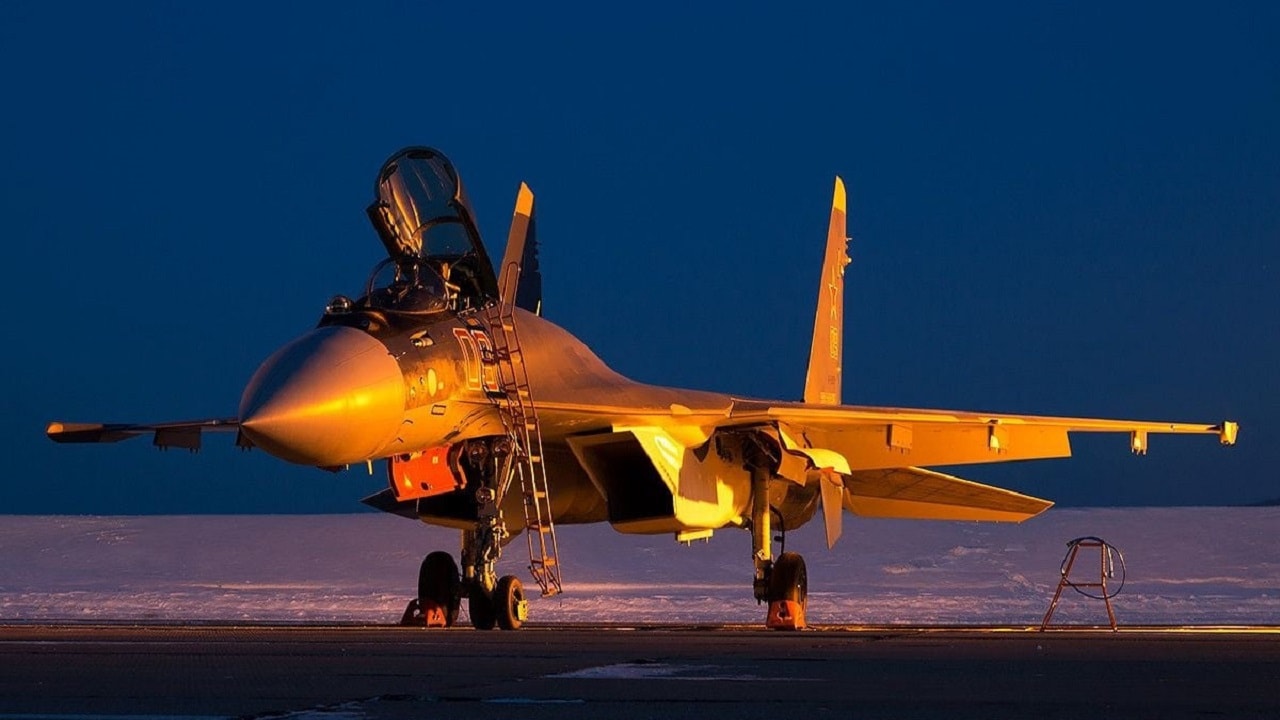
Russian Air Force Su-35. Image Credit: Creative Commons.
If Iran could eventually operate 48 Su-35s at a high state of readiness, with well-trained crews, modern missiles, robust Russian logistical support, and an effective command network, Tehran would have a much more dangerous and capable air force than it has had for many decades.
But it would still be a minuscule, fourth-generation force attempting to operate in the shadow of an American air force whose advantages lie not in one spectacular aircraft, but in the entire ecosystem surrounding its aircraft.
In the current war, that ecosystem is the heart of the story.
A fleet of Su-35s could make the United States work harder and force the acceptance of somewhat greater risk — but it could not conceivably make Iran a peer of the American air forces operating against it.
About the Author: Caleb Larson
Caleb Larson is an American multi-format journalist based in Berlin, Germany. His work covers the intersection of conflict and society, focusing on American foreign policy and European security. He has reported from Germany, Russia, and the United States. Most recently, he covered the war in Ukraine, reporting extensively on the war’s shifting battle lines from Donbas and writing on the war’s civilian and humanitarian toll. Previously, he worked as a Defense Reporter for POLITICO Europe. You can follow his latest work on X.