
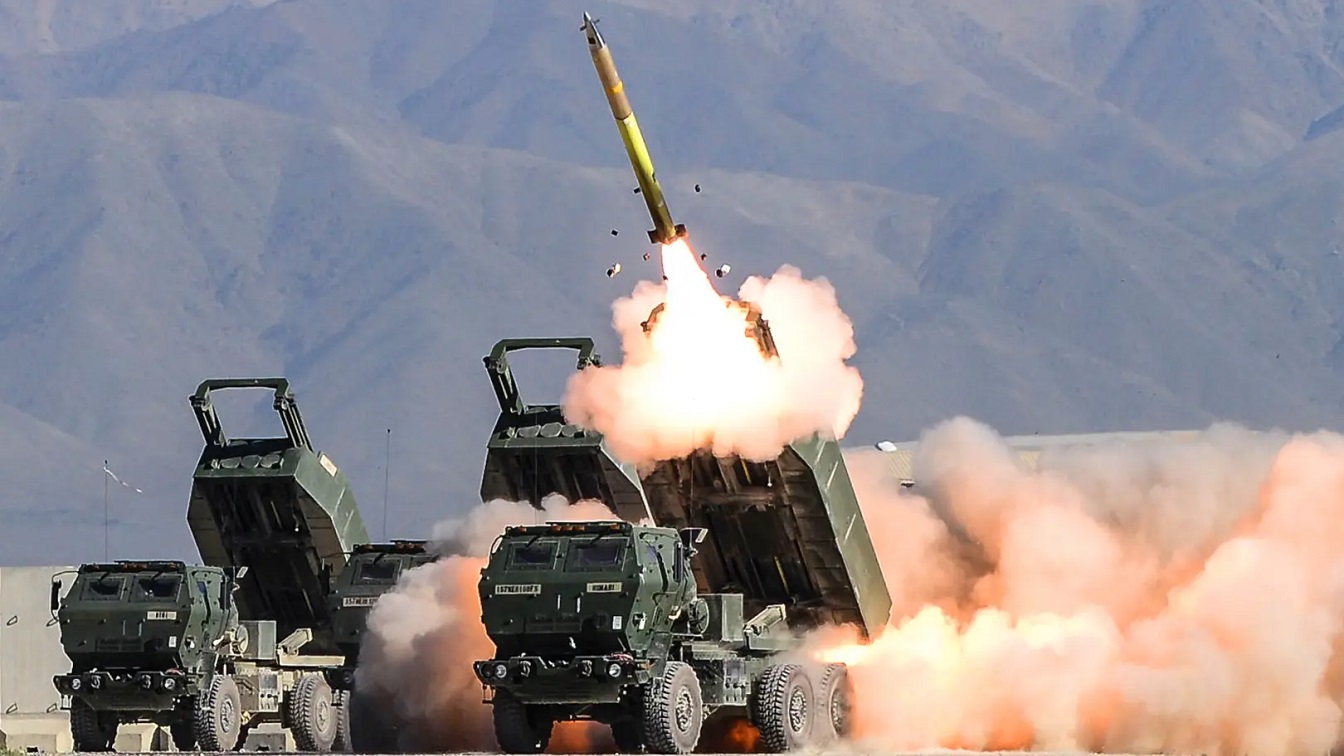
Reports on Friday, August 7, revealed that U.S. President Donald Trump has ordered investigations into the disclosure of sensitive information about U.S. missile stockpiles following speculation that Washington is concerned about supplies of precision-guided weapons.
The news comes as the Trump administration attempts to push Iran to open the Strait of Hormuz and make a deal over the future of its nuclear program, while the Islamic regime leverages America’s dwindling options to force concessions.
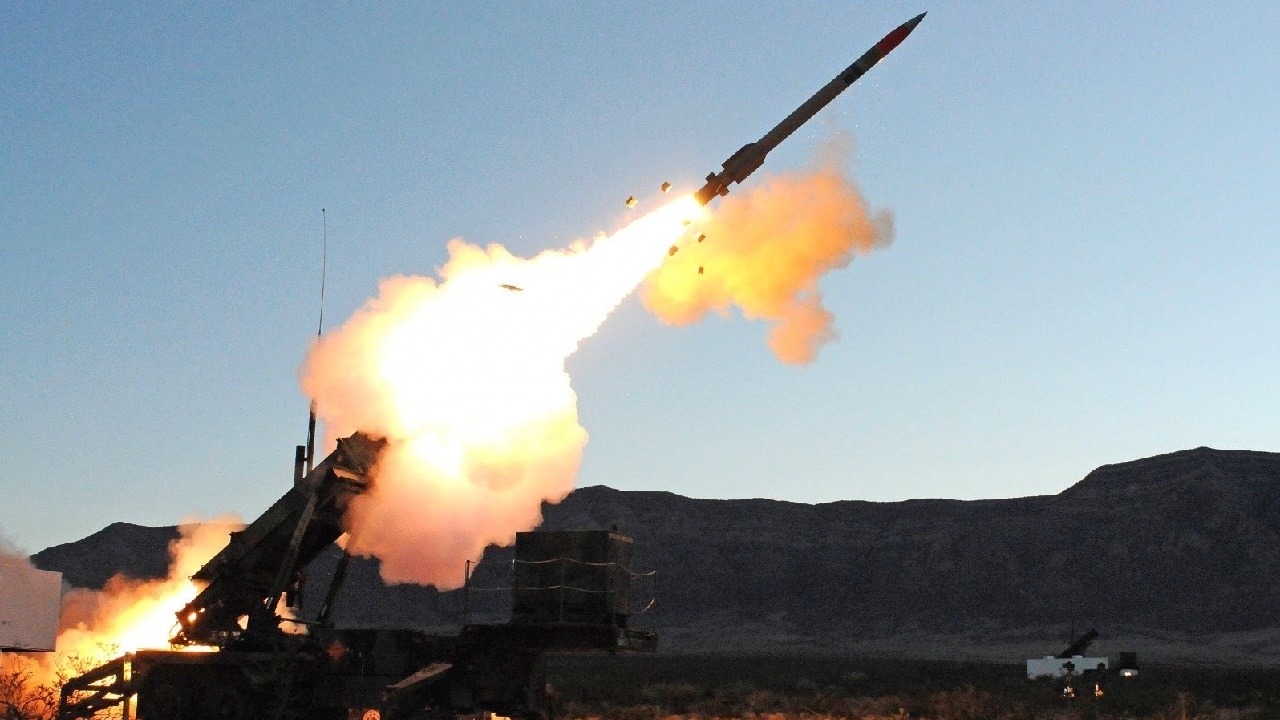
Patriot Missile. Image Credit: Creative Commons.
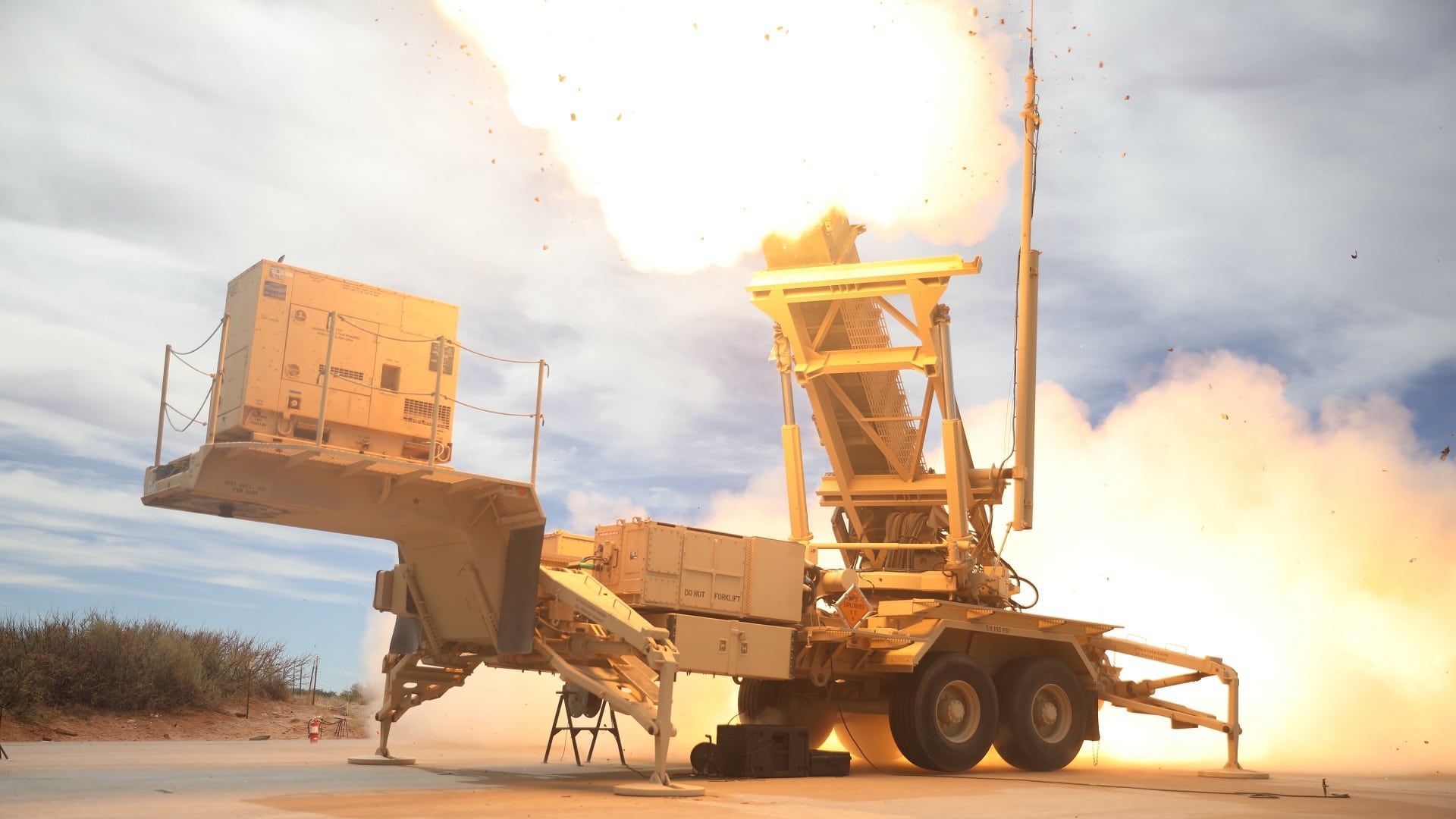
Soldiers from 69th Air Defense Artillery Brigade conducted Patriot Missile live fire training, November 5, at McGregor Range Complex on Fort Bliss. The live fire exercise was conducted jointly with Air Defense counterparts from the Japanese Self-Defense Force. (U.S. Army Photo by Staff Sgt. Ian Vega-Cerezo)
Trump Orders Investigations
According to a report by The Wall Street Journal, President Trump directed officials to identify the sources behind recent reports detailing U.S. munitions and inventories.
The president argues that the disclosures could undermine Washington’s negotiating position and embolden adversaries to take advantage of perceived U.S. weakness.
The news of the investigation follows weeks of reports about dwindling supplies of long-range strike weapons and interceptors, with much of that reporting based on comments from officials familiar with classified Pentagon assessments.
The Reports Trump Is Angry About
While President Trump is reportedly angry over the leaks, he continues to push back against claims that the U.S. military is running dangerously short of ammunition.
Responding to Reuters for an August 4 report on U.S. missile inventories, the president said that the U.S. has “far more munitions than anyone in the world” and “far more than we need.” He also said that U.S. defense companies were producing more munitions than ever and expanding their manufacturing capacity – a claim that may be technically accurate, but one that does not mean thousands of high-precision missiles can be manufactured and delivered on a timescale measured in anything less than years.
Two days after making those comments, President Trump acknowledged during remarks to reporters in the Oval Office that the picture differs depending on the weapon in question.
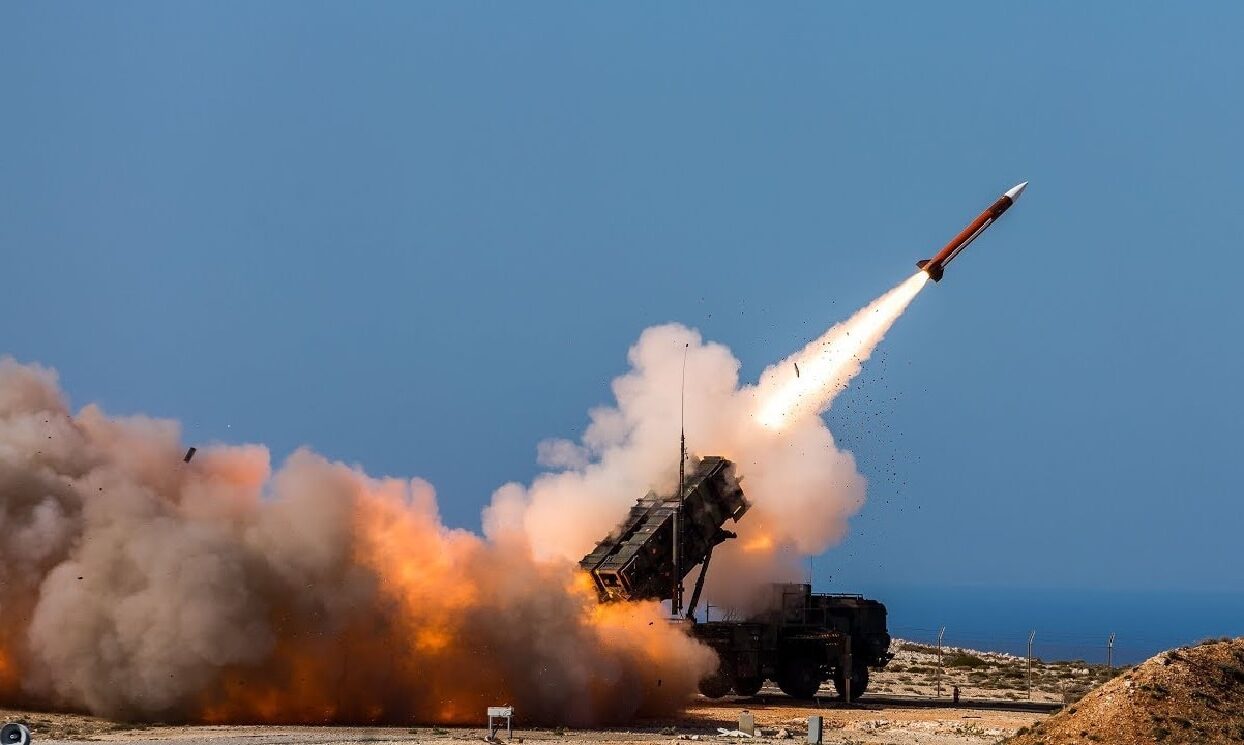
Image: Creative Commons.
“We have certain types of munitions that are very powerful, that we have unlimited, virtually unlimited supply. We have others where it’s a little bit tighter,” Trump said.
The reporting that prompted his comments concerns several of the most important weapons during the five-month conflict with Iran – and which would be necessary for the United States to properly defend itself, or its allies, in the event of a conflict with a major adversary.
Reuters reported on August 4, citing three people familiar with inventory data, that the U.S. Army had consumed much of its global stockpile of long-range precision missiles.
Two sources said that the military had used “virtually all” of its ATACMS and newer Precision Strike Missiles, while nearly half of the U.S. Navy’s Tomahawk cruise missile inventory had also been expended.
There have also been separate reports on the matter, based largely on open-source estimates. The Center for Strategic and International Studies (CSIS) estimated on July 27 that the United States began the war with Iran with around 2,330 Patriot interceptors.
That number fell to roughly 1,030 by the time of the April ceasefire, and then fell further, to between 759 and 827, by the end of the most recent round of fighting. The figures represent a decline of at least 65% of the U.S. stockpile.
CSIS estimates also suggested that THAAD inventories had fallen by similar levels, going from a stockpile of 452 interceptors before the war to between 234 and 278 today, leaving the stockpile at least 38% smaller than before the hostilities with Iran began.
The precise Pentagon inventories, of course, remain classified, but estimates based on open-source data are a good indicator of the scale of the problem.
Combined with reports of a major clash between Trump and Defense Secretary Pete Hegseth at Camp David in recent days, it’s clear the U.S. has a problem.
Trump Was Warned
According to The Wall Street Journal, the likelihood that the United States would find itself in this position after a prolonged conflict with Iran was communicated to the president before the strikes were launched.
The outlet reported that Chairman of the Joint Chiefs of Staff Gen. Dan Caine and other senior military advisers warned the president before the campaign that U.S. stocks of both offensive and precision-guided missiles and interceptors would be depleted rapidly.
As concerns over U.S. inventories have grown in recent days and weeks, the administration has reportedly begun briefing lawmakers behind closed doors on the extent of the drawdown.
The Wall Street Journal also reported on Thursday, August 6, that Defense Secretary Pete Hegseth, Deputy Defense Secretary Stephen Feinberg, and Chairman of the Joint Chiefs of Staff Gen. Dan Caine have been privately briefing Republican lawmakers as the administration seeks support for additional defense spending.
The newspaper reports that Hegseth and Feinberg held a classified briefing with Republican members of Congress, including senators on the Armed Services Committee, on Tuesday.
About the Author: Jack Buckby
Jack Buckby is a British researcher and analyst specializing in defense and national security, based in New York. His work focuses on military capability, procurement, and strategic competition, producing and editing analysis for policy and defense audiences. He brings extensive editorial experience, with a career output spanning over 1,000 articles at 19FortyFive and National Security Journal, and has previously authored books and papers on extremism and deradicalization.