
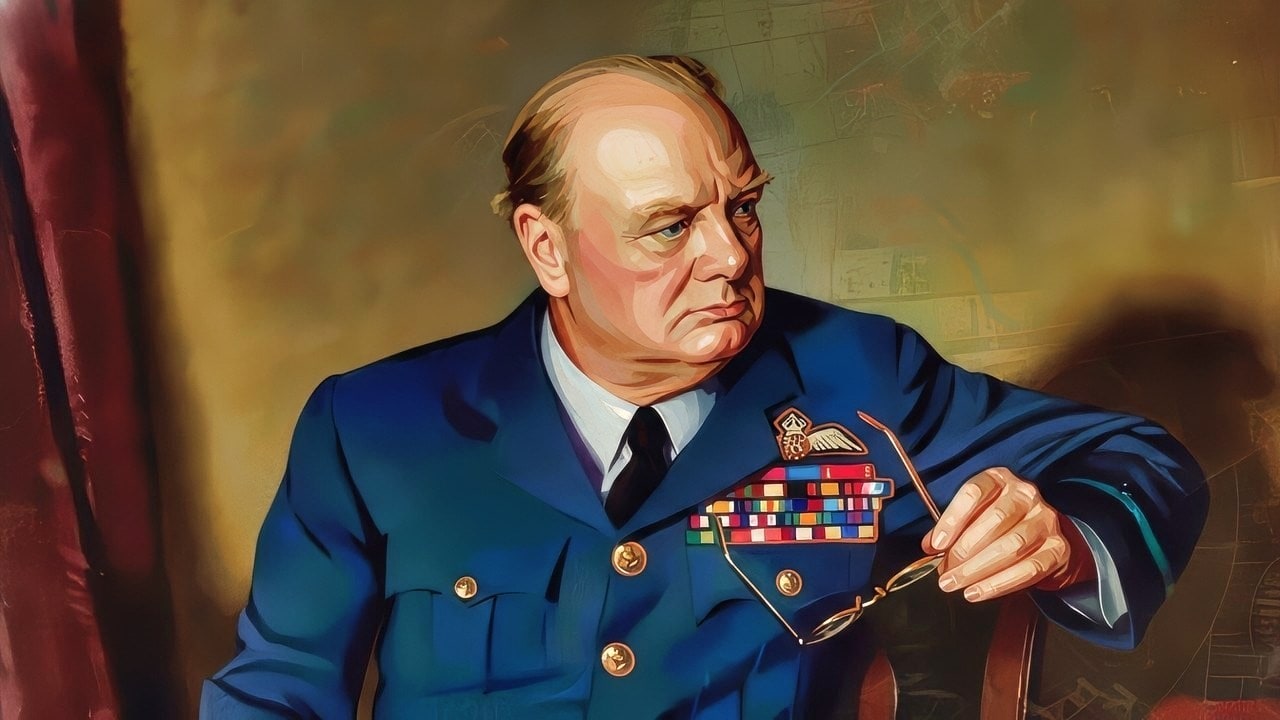
Summary and Key Points: “There is no merit in putting off a war for a year if, when it comes, it is a far worse war or one much harder to win.” Winston Churchill wrote that in The Gathering Storm, the first volume of his war memoirs, published in 1948 — three years after the war ended and thirteen years after he began saying it in public. In 1935, two years after Hitler took power and four years before the invasion of Poland, Churchill published a magazine article called “The Truth About Hitler.” He had already been to Germany in 1932, before Hitler took power at all, and had watched brown-shirted Nazis marching through the streets of Munich.
Military Quote of the Day by Winston Churchill
“There is no merit in putting off a war for a year if, when it comes, it is far worse or much harder to win.”
Long before the start of World War II, and even before Britain was in any way threatened, Winston Churchill was already warning about Adolf Hitler.
In 1935, two years after Hitler took power in Germany, Churchill published an article titled “The Truth About Hitler,” sometimes published as “Hitler and His Choice,” with some wording differences between the versions.
“History is replete with examples of men who have risen to power by employing stern, grim, wicked, and even frightful methods, but who, nevertheless, when their life is revealed as a whole, have been regarded as great figures whose lives have enriched the story of mankind. So may it be with Hitler,” Churchill wrote at the time.
Even before Hitler rose to power, in 1932, Churchill traveled to Germany and visited battlefields. In Munich, the International Churchill Society said, Churchill “saw for himself the brown-shirted Nazis marching through the streets.”
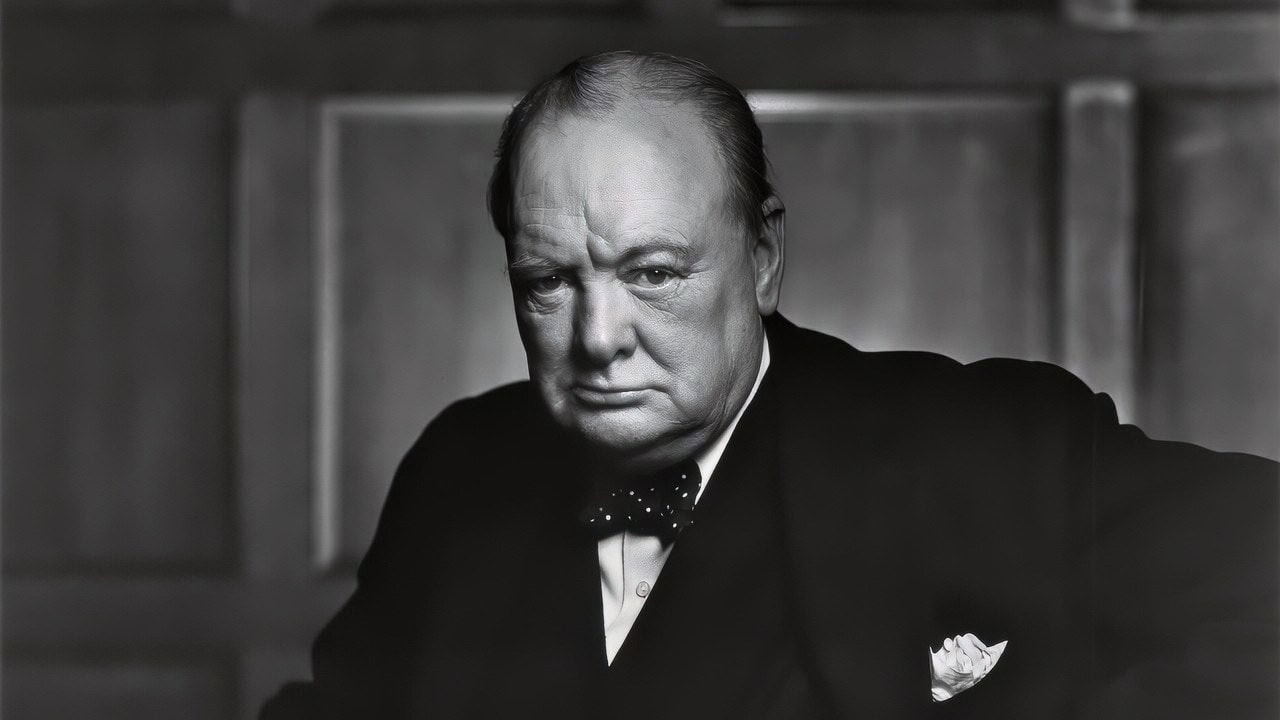
Sir Winston Churchill. Image Credit: Creative Commons.
A few years later, Churchill was still warning about Hitler, albeit in a much different context: By fighting an agreement agreed to with Hitler by his own country’s government.
“A Total and Unmitigated Defeat”
According to the account published by the National World War II Museum, Prime Minister Neville Chamberlain received a warm reception when he returned to Britain in September of 1938, after he and French President Edouard Daladier went to Munich to negotiate a pact with Hitler.
The two leaders agreed to cede the Sudetenland to Germany in exchange for Hitler’s promise of no further territorial expansion.
While it was popular at the time, the Munich Agreement was a legendarily bad deal, and Churchill said so nearly immediately.
Speaking in the House of Commons a week after the agreement, Churchill denounced it as “a total and unmitigated defeat,” while arguing that the Nazis could not be trusted.
“There can never be friendship between the British democracy and the Nazi power, that Power which spurns Christian ethics, Which cheers its onward course by a barbarous paganism, which vaunts the spirit of aggression and conquest, which derives strength and perverted pleasure from persecution, and uses, as we have seen, with pitiless brutality the threat of murderous force,” Churchill said.
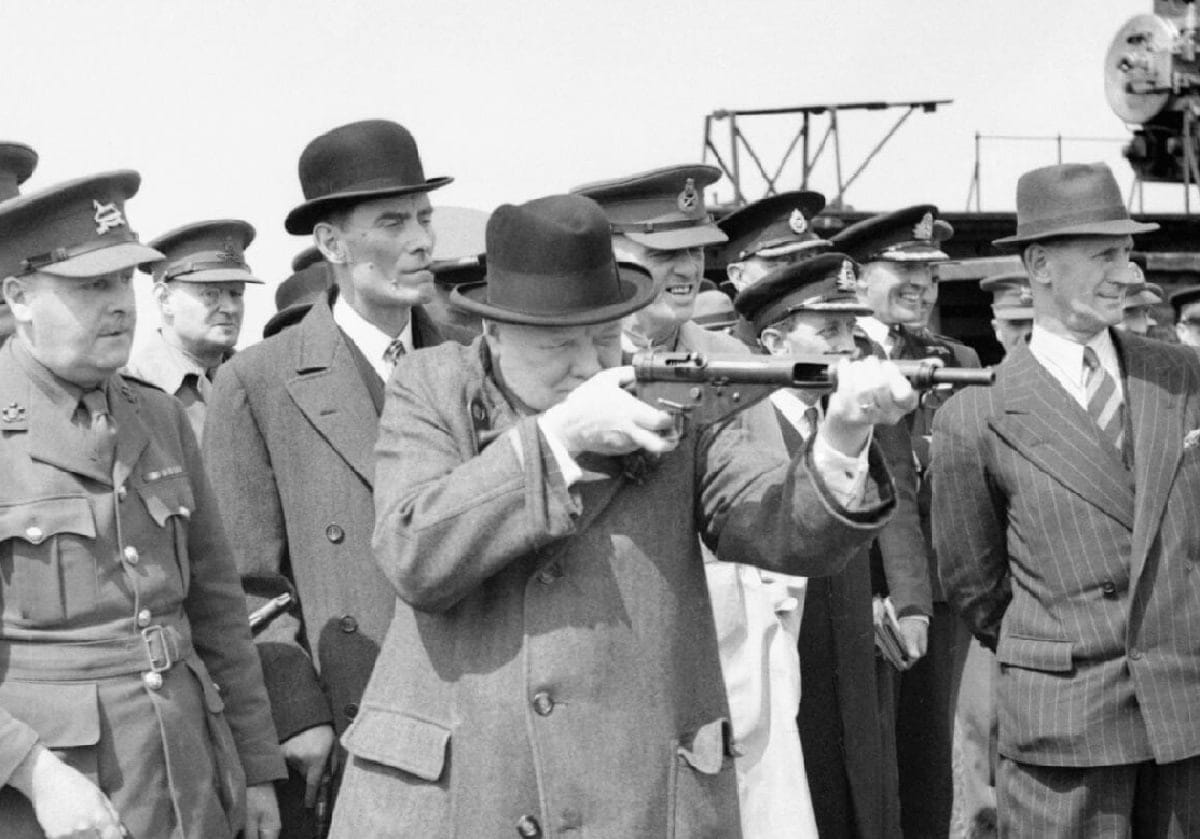
Winston Churchill. Image: Creative Commons.
Continued aggression by the Nazis, which included the seizure of the rest of Czechoslovakia, and ultimately the September 1939 invasion of Poland that officially began World War II.
Churchill in Power
In May 1940, Neville Chamberlain resigned, and Winston Churchill replaced him as prime minister; Chamberlain died that November. Shortly after Churchill rose to power, he delivered the famous “we shall fight on the beaches” speech in the House of Commons on June 4, 1940.
“We shall go on to the end, we shall fight in France, we shall fight on the seas and oceans, we shall fight with growing confidence and growing strength in the air, we shall defend our Island, whatever the cost may be, we shall fight on the beaches, we shall fight on the landing grounds, we shall fight in the fields and in the streets, we shall fight in the hills; we shall never surrender,” Churchill told the House of Commons that day.
Churchill remained prime minister throughout World War II, losing a re-election campaign in July of 1945, although he returned to office in the 1950s. Churchill died in 1965 at the age of 90.
The Quote
In “The Gathering Storm,” the first volume of his book that was published in 1948 after the war ended, Churchill laid out a position that he had held prior to the war, and one that seemed to have been vindicated by events: “There is no merit in putting off a war for a year if, when it comes, it is a far worse war or one much harder to win.”
Churchill did not, however, claim such questions were easy.
“These are tormenting dilemmas upon which mankind has throughout its history been so frequently impaled,” Churchill wrote. “Final judgment upon them can only be recorded by history in relation to the facts of the case as known to the parties at the time, and also as subsequently proved.”
About the Author: Stephen Silver
Stephen Silver is an award-winning journalist, essayist, and film critic, and contributor to the Philadelphia Inquirer, the Jewish Telegraphic Agency, Broad Street Review, and Splice Today. The co-founder of the Philadelphia Film Critics Circle, Stephen lives in suburban Philadelphia with his wife and two sons. For over a decade, Stephen has authored thousands of articles that focus on politics, national security, technology, and the economy. Follow him on X (formerly Twitter) at @StephenSilver, and subscribe to his Substack newsletter.