
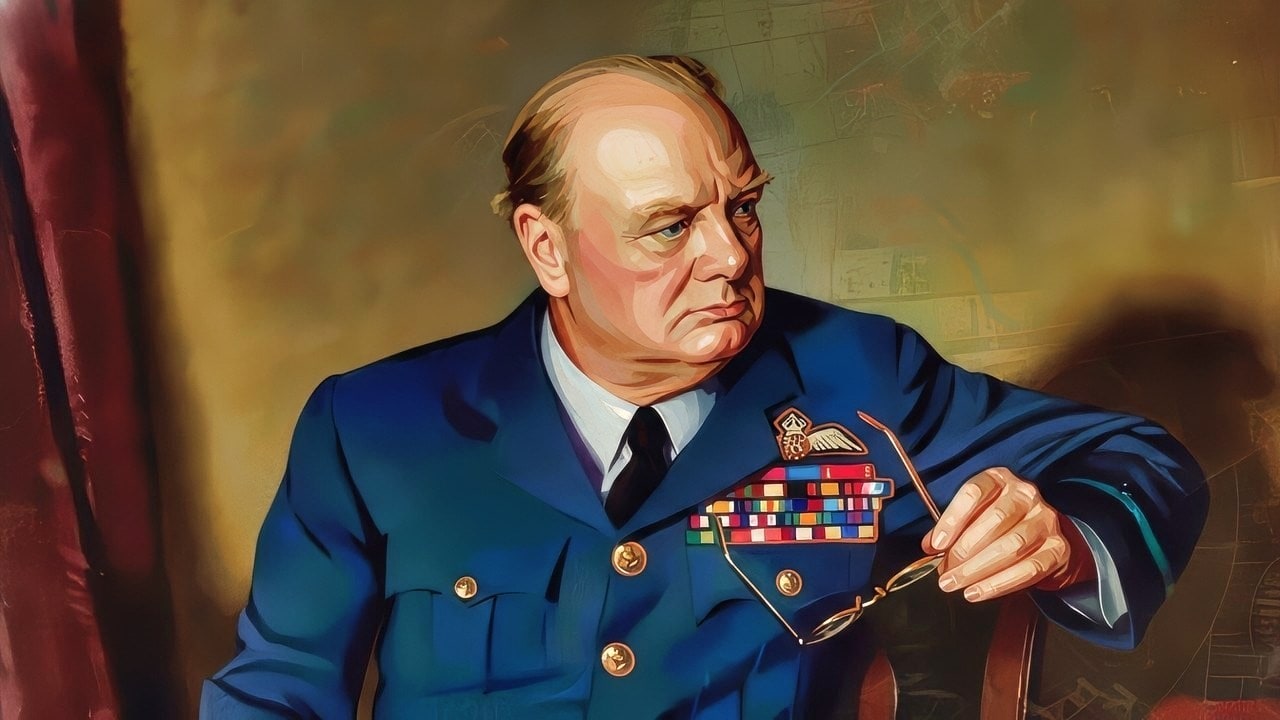
Summary and Key Points: Isaac Seitz, a defense columnist and intelligence expert, evaluates Winston Churchill’s “Wilderness Years” (1929–1939).
-Following the 1929 election defeat, Churchill was marginalized due to his stance on Indian self-government and the Edward VIII abdication crisis.
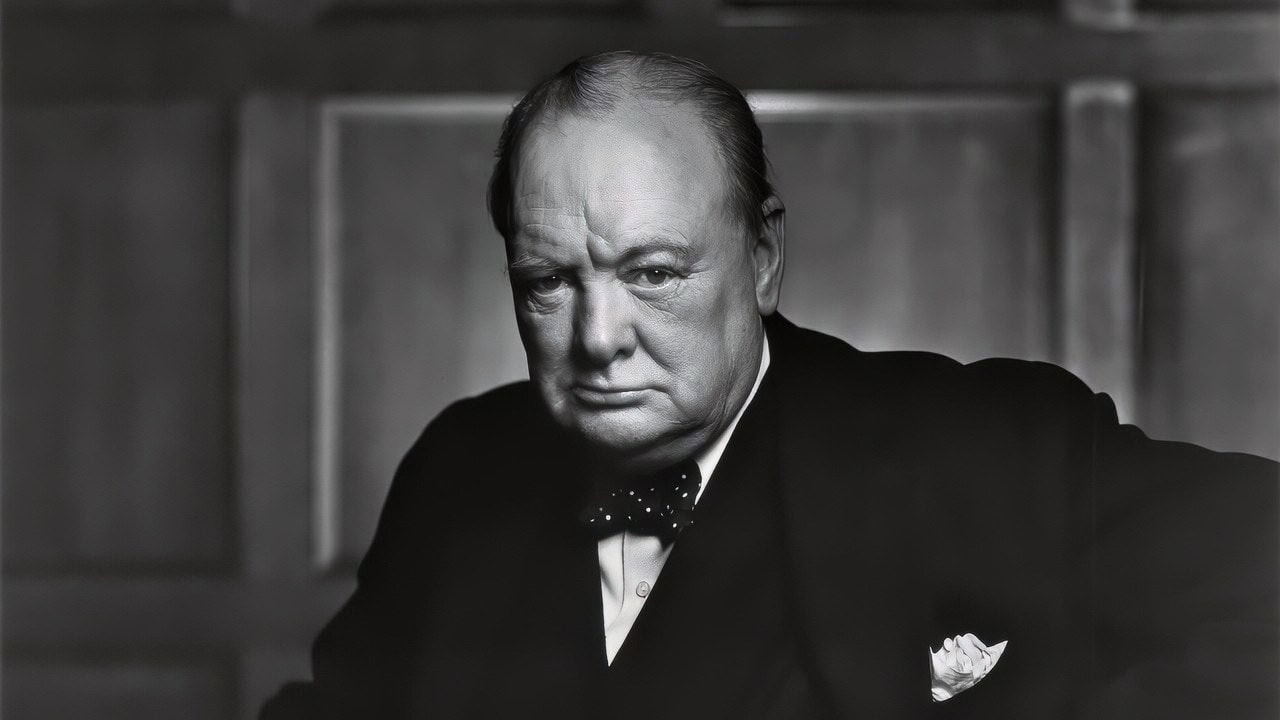
Sir Winston Churchill. Image Credit: Creative Commons.
-However, Seitz analyzes how Churchill’s home, Chartwell, served as an unofficial intelligence center, allowing him to track German air rearmament more accurately than the Chamberlain government.
-By the 1938 Munich Crisis, Churchill’s “alarmist” warnings were vindicated, leading to his 1939 return as First Lord of the Admiralty and his eventual rise as Prime Minister.
Prophetic Isolation: Why Winston Churchill’s “Wilderness Years” Were Essential for 1940 Success, Explained in 1 Quote
“Courage is what it takes to stand up and speak; courage is also what it takes to sit down and listen.” – Winston Churchill
Winston Churchill is one of, if not the most important, figures in Modern English history.
He would lead his country out of the precarious state it found itself in during the early months of the war and help rebuild its nearly broken fighting spirit.
Prior to becoming Prime Minister, however, Churchill’s political career was anything but prosperous.
His sharp wit and somewhat boisterous personality are iconic of his willingness to resist Hitler, but they also made him difficult to get along with for his peers.
From 1929 to 1939, Winston Churchill went through what he later recalled as his “wilderness period,” during which he found himself politically isolated and alone. Despite this, however, he still committed himself to resisting what he saw as an existential threat from Hitler and the Nazi Party.
Thrusted Out of Office
Churchill’s wilderness period began with the 1929 general election. Although he retained his seat for Epping, the Conservative Party was defeated, and Ramsay MacDonald formed his second Labour government, leaving Churchill without a ministerial post and effectively relegating him to the parliamentary sidelines.
Rather than retreating from public life, he immediately turned to writing and travel. During these initial years, he devoted himself to the ambitious task of composing Marlborough: His Life and Times, a monumental four-volume biography of his ancestor, the 1st Duke of Marlborough.
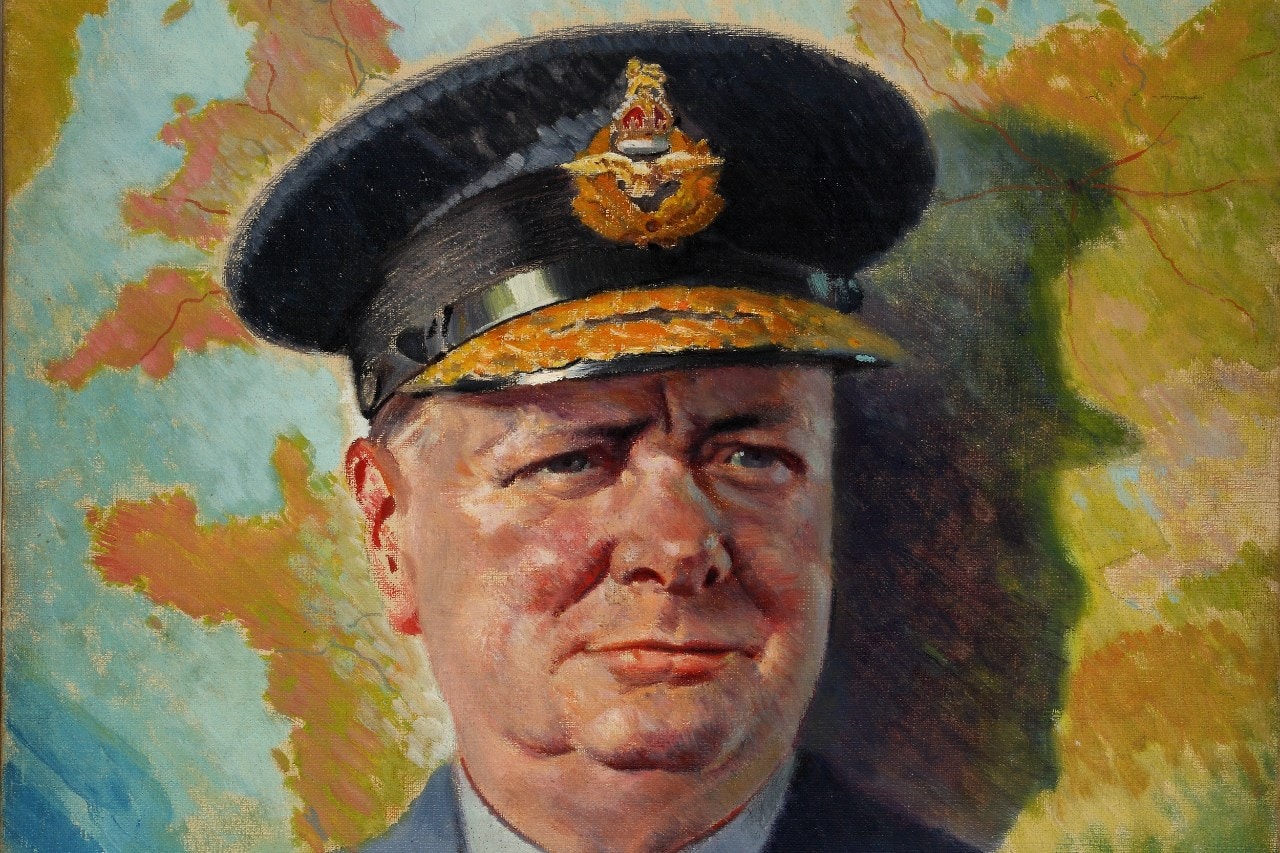
Winston Churchill. Image Credit: Creative Commons.
This project provided both intellectual occupation and financial necessity, since Churchill depended heavily on the income from his journalism and book sales.
In the same year, Churchill traveled widely across North America, strengthening transatlantic connections and expanding his public profile.
He embarked on an extensive tour of Canada, delivering speeches in Ottawa and Toronto, then journeyed through the United States. During this trip, he met the publisher William Randolph Hearst, who encouraged him to write for Hearst-owned newspapers, and he also spent time in Hollywood with Charlie Chaplin.
His travels took him from California through the Mojave Desert to the Grand Canyon and onward to Chicago and New York. These experiences not only supplied material for his writing but also broadened his circle of influential contacts.
Indian Question: Further Isolation
Upon returning to London, Churchill plunged into a major political controversy by addressing a very touchy subject: the question of Indian self-government.
The Labour government, with Conservative acquiescence, sought to grant Dominion status to India, a move Churchill fiercely resisted.
He argued that India was not ready for such autonomy and warned that Hindu elites would marginalize minorities such as Muslims and “untouchables.”
As communal violence broke out in places such as Cawnpore in 1931, he cited these events as evidence to support his position.
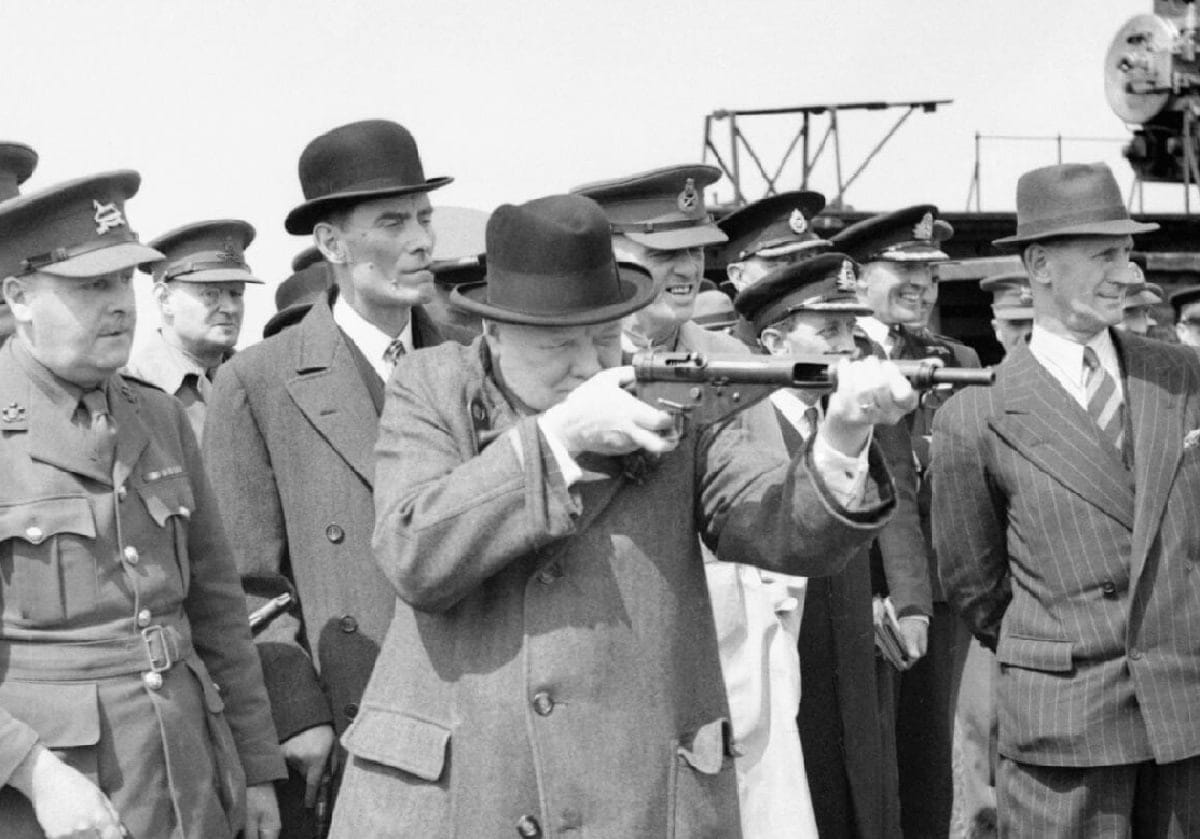
Winston Churchill. Image: Creative Commons.
Churchill became the leading voice of the newly founded Indian Empire Society, delivering speeches that called for strong measures against independence activists, going so far as to demand the disbanding of the Indian National Congress and the deportation of its leaders. His rhetoric escalated to the assertion that “Gandhi-ism and everything it stands for will have to be grappled with and crushed.”
These views alienated him from many in his own party. To Conservative moderates, Churchill appeared increasingly out of touch, fixated on defending an imperial position that the political climate was already shifting away from.
During these years, he became estranged from party leadership and was widely seen as a disruptive, unpredictable figure who could not be trusted with major responsibility. Churchill butted heads on many issues, but his bitter resistance to Indian constitutional reform exacerbated his isolation and contributed to the perception that his political career was in decline.
Winston Churchill Undeterred
Despite this professional marginalization, Churchill remained deeply engaged with international affairs. He suffered a personal setback during a lecture tour in the United States in 1931 when he was struck by a car after looking the wrong way while crossing a New York street.
His injuries were serious, but the accident generated widespread sympathy, and friends even proposed purchasing a motor car as a gift to celebrate his recovery. For a man frequently beset by financial troubles, the continuing income from writing and lecturing was essential, and his refusal to retreat from public activity during his recuperation reflected his stubborn resilience.
As the 1930s progressed, Churchill became one of the earliest British politicians to recognize the magnitude of the threat posed by Adolf Hitler. Hitler’s appointment as German Chancellor in January 1933 marked a turning point in Churchill’s thinking, prompting him to warn Parliament about the need to rebuild Britain’s air defenses.
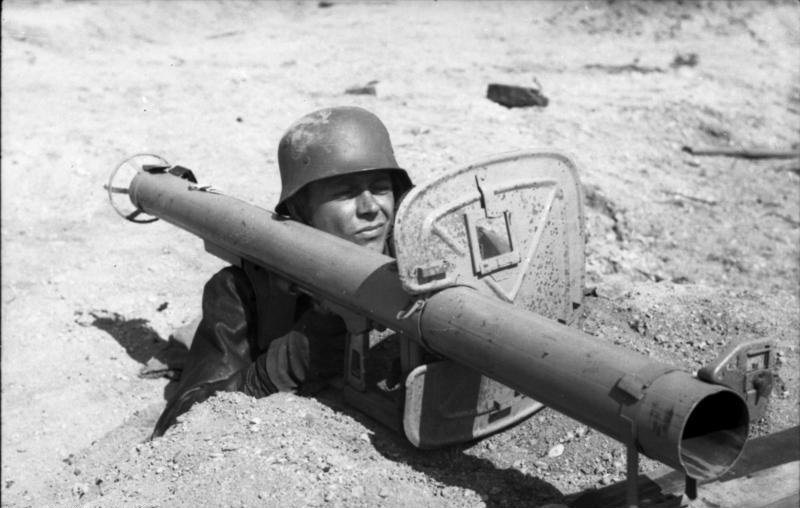
World War II. Image Credit: Creative Commons.
On 14 March 1933, he gave his first major speech advocating increased air rearmament, arguing that Hitler’s regime would inevitably seek to employ armed force. The British public, however, still clung to the hope that peace could be preserved through disarmament and collective security under the League of Nations. Many, therefore, dismissed Churchill’s warnings as alarmist.
Sounding the Alarm on Hitler
Churchill’s awareness of German intentions stemmed in part from the informal intelligence networks he built at Chartwell, his country home in Kent. Chartwell became a hub of political and diplomatic conversation, drawing visitors from government, the military, journalism, and foreign delegations. Historian Katherine Carter, using newly examined visitors’ books and private records, has argued that Churchill became far more informed about developments in Europe than his critics assumed. Her findings show that Chartwell served as an unofficial mechanism for gathering intelligence about German rearmament and European politics throughout the 1930s.
Churchill had a remarkable, almost prophetic insight into Hitler and understood where his ambitions would lead him.
In October 1930, years before Hitler gained full power, Churchill remarked to a senior German Embassy official that although Hitler publicly denied planning war, he remained convinced that he or his followers would seize the first opportunity to use armed force. These comments demonstrate a perceptiveness uncommon among British leaders of the time and reveal that Churchill’s perspective on European security was already well ahead of mainstream opinion.
Unfortunately, his warnings continued to fall on deaf ears. For much of the decade, official British policy leaned toward appeasement.
Despite Hitler’s successive provocations—withdrawal from the League of Nations, the establishment of the Gestapo, and the consolidation of his dictatorship—many policymakers remained committed to the belief that peace could be preserved through accommodation.
Even Churchill’s appointment to the Committee of Imperial Defence in 1935, which restored some measure of authority, did little to change the perception that he was a political outlier who lacked the temperament for office.
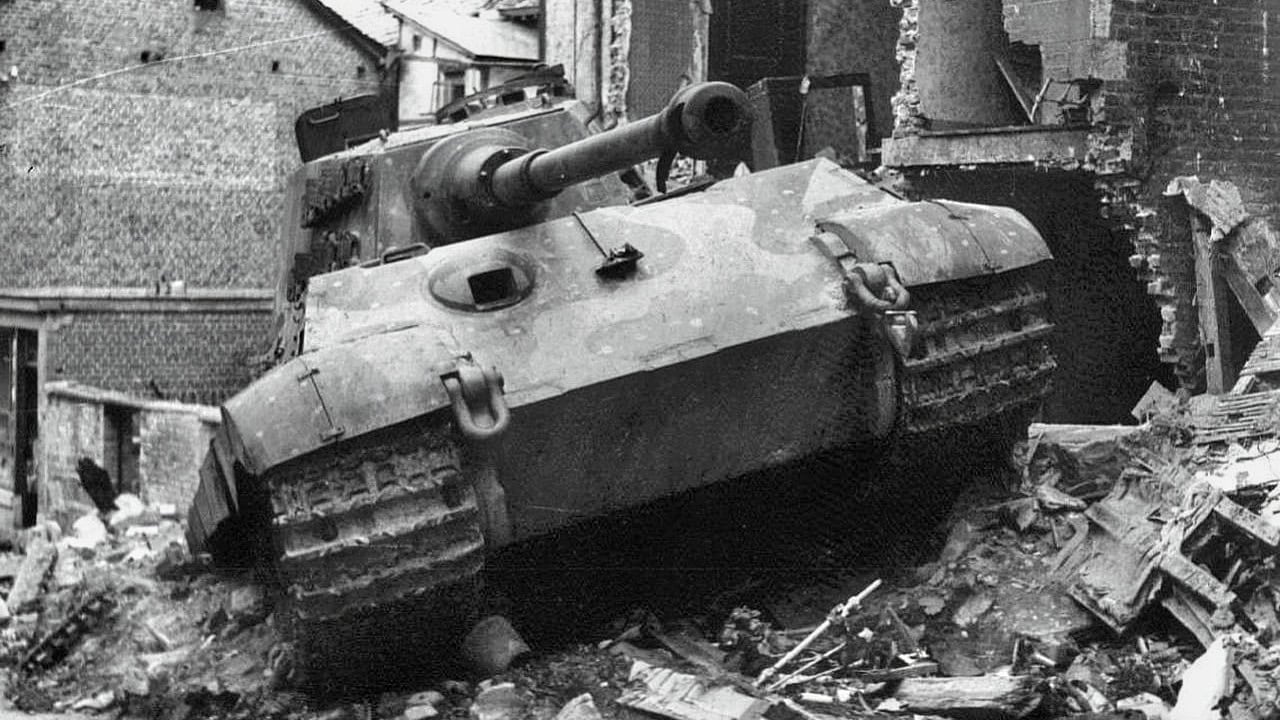
King Tiger Tank Battle of the Bulge.
Hitler Vindicates Churchill
The reoccupation of the Rhineland in 1936 provided a stark demonstration of German intentions. Hitler’s decision to send troops into the demilitarized region violated the Treaty of Versailles, and Churchill immediately declared the act a decisive step toward war. Despite this blatant provocation, the British government took no action, reinforcing Churchill’s belief that the nation was sleepwalking toward catastrophe.
That same year, Churchill involved himself in the constitutional crisis surrounding King Edward VIII’s intention to marry Wallis Simpson. Churchill defended the King and was shouted down in the House of Commons for his stance, further damaging his political credibility.
The episode diverted attention from his warnings about Germany and provided additional ammunition to detractors who claimed he lacked judgment.
Meanwhile, the Spanish Civil War, beginning in 1936, deepened Churchill’s sense that democracy was under threat across Europe from Fascist forces.
Although Britain adopted a policy of nonintervention, Churchill viewed the conflict as part of a broader ideological struggle, reinforcing his concern that Britain was unprepared for what lay ahead.
Entering Back into the Political Spotlight
The Munich Crisis of 1938 marked the moment when public opinion began to shift in Churchill’s favor. The British and French decision to allow Hitler to annex the Sudetenland, followed by his later occupation of Czechoslovakia, convinced many that appeasement had failed.
The International Churchill Society notes that after Munich, a growing consensus emerged that Churchill had been right all along in warning against Hitler’s ambitions. His speeches became increasingly influential, and those once skeptical of his judgment now saw him as a prophetic voice.
By early 1939, it was clear that Europe stood on the brink of war. Germany’s aggressive expansion, culminating in the invasion of Poland, shattered any remaining illusions about the viability of appeasement. When war broke out in September, Prime Minister Neville Chamberlain recognized that Churchill’s expertise and foresight were indispensable. Churchill was appointed First Lord of the Admiralty, the same position he had held during the First World War. The Admiralty sent out the signal “Winston is back,” marking his formal return to government and the end of his wilderness exile.
The Wilderness Years: a Rough but Necessary Chapter of Churchill’s Life
Despite his isolation, or maybe because of it, Wilderness Years ended up being some of the most productive of Churchill’s literary and intellectual life. He wrote books, articles, and speeches, which helped to sharpen his understanding of history and statecraft.
The documents compiled from this period show the breadth of his correspondence, his engagement with military experts, and his meticulous tracking of European developments. These writings refined the rhetorical and strategic approach he would later employ as wartime Prime Minister.
Churchill’s period of isolation thus emerges not as a period of decline, but as a profound phase of preparation. Though marginalized, criticized, and frequently dismissed, he continued to read widely, think deeply, and engage fiercely with the world around him.
The very isolation he endured strengthened the independence of mind that would later prove indispensable. When war arrived in 1939, Churchill returned to office not as a relic of the imperial past but as the one leader whose judgment, shaped by years of struggle and foresight, had consistently aligned with the reality Britain now faced.
About the Author: Isaac Seitz
Isaac Seitz, a Defense Columnist, graduated from Patrick Henry College’s Strategic Intelligence and National Security program. He has also studied Russian at Middlebury Language Schools and has worked as an intelligence Analyst in the private sector.