
Summary and Key Points: Stephen Silver, a national security and political journalist, evaluates the philosophy of failure within Winston Churchill’s 1930 memoir, My Early Life.
-Despite Churchill’s eventual success in World War II, Silver analyzes the “catastrophic results” of the 1915 Dardanelles campaign, where Churchill, as First Lord of the Admiralty, was blamed for tens of thousands of casualties.
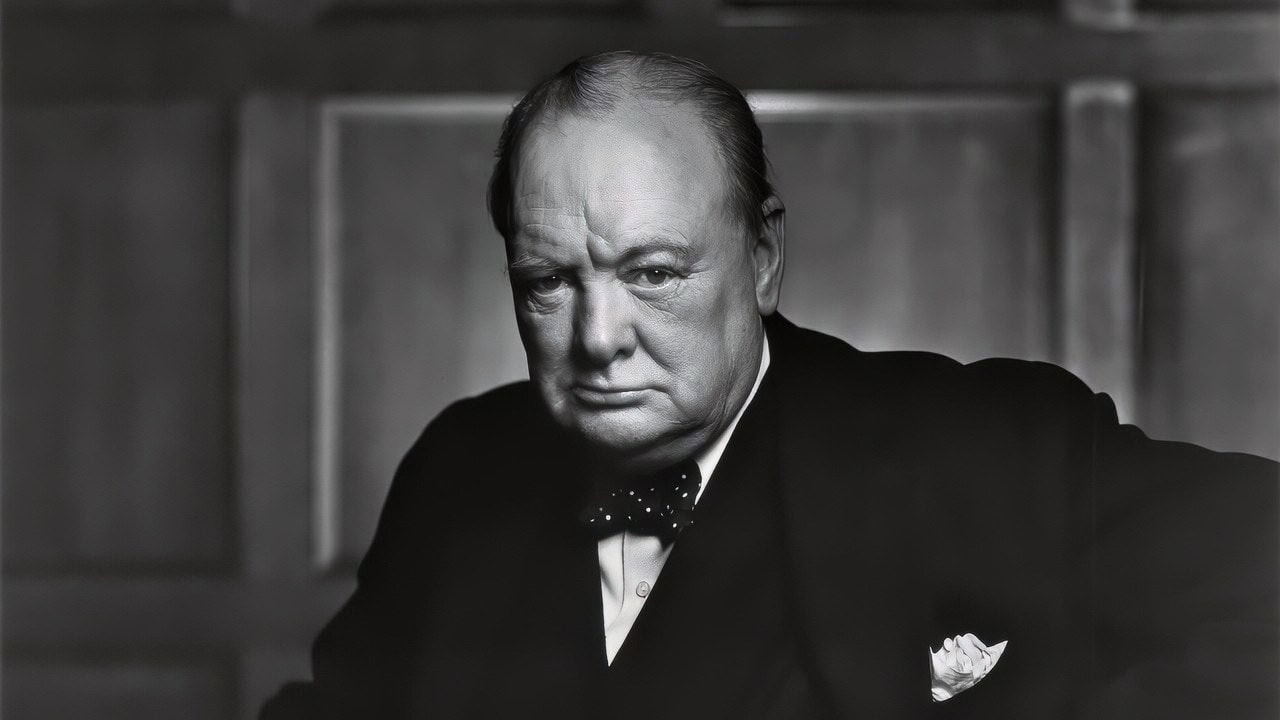
Sir Winston Churchill. Image Credit: Creative Commons.
-Drawing on research from the International Churchill Society and biographer Sir Martin Gilbert, the report highlights the contrast between genuine Churchillian quotes and modern political misattributions.
-Silver concludes that Churchill’s “generous and true” resolve allowed him to survive a disaster that would have broken a lesser statesman.
Winston Churchill Explained in 1 Quote of the Day
Quote of the day: “Do not be fobbed off with mere personal success or acceptance. You will make all kinds of mistakes, but as long as you are generous and true, and also fierce, you cannot hurt the world or even seriously distress her”- Winston Churchill
Winston Churchill lived such a long and eventful life that he wrote a memoir more than a decade before the start of World War II. That book was called “My Early Life,” and it was published in 1930, when the future prime minister was in his mid-50s.
The memoir, in 1972, was adapted into a movie called Young Winston, in which actor Simon Ward played Churchill.
The book follows Churchill’s childhood, schooling, early political career, and first marriage.
“Whenever anyone says they really want to understand Churchill, I invariably recommend My Early Life (published in USA as A Roving Commission.) This reviewer would certainly second the motion, although I was predisposed to like it,” Dalton Newfield said of the book on the website of the International Churchill Society.
The Quote
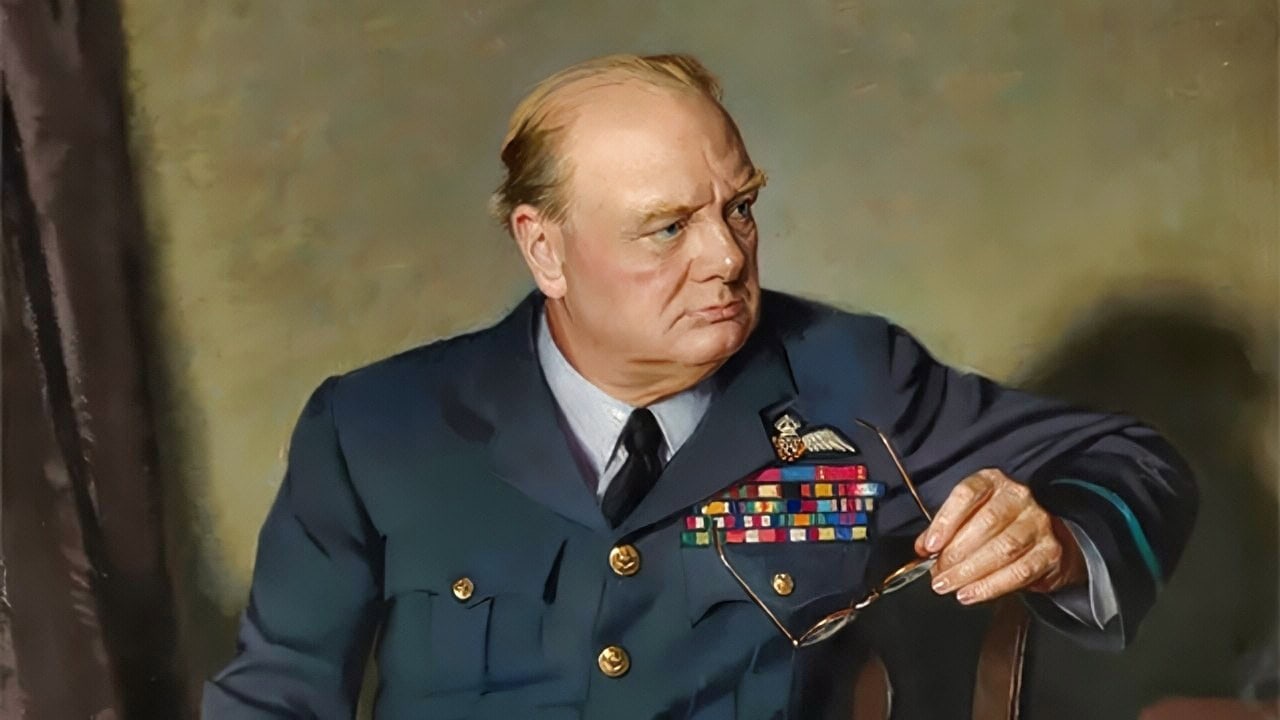
Winston Churchill Portrait. Image Credit: Creative Commons.
The book also includes one of Churchill’s most famous quotes.
“Do not be fobbed off with mere personal success or acceptance. You will make all kinds of mistakes, but as long as you are generous and true, and also fierce, you cannot hurt the world or even seriously distress her…. She has lived and thrived only by repeated subjugations,” Churchill says in the book, presumably referring to “her” as “the world.”
Per Richard Langworth, while some often-circulated Churchill quotes are not genuine, this one is real.
Gov. Ron DeSantis, when he dropped out of the presidential race in early 2024, shared a similar but bogus Churchill quote: “Success is not final, failure is not fatal: It is the courage to continue that counts.”
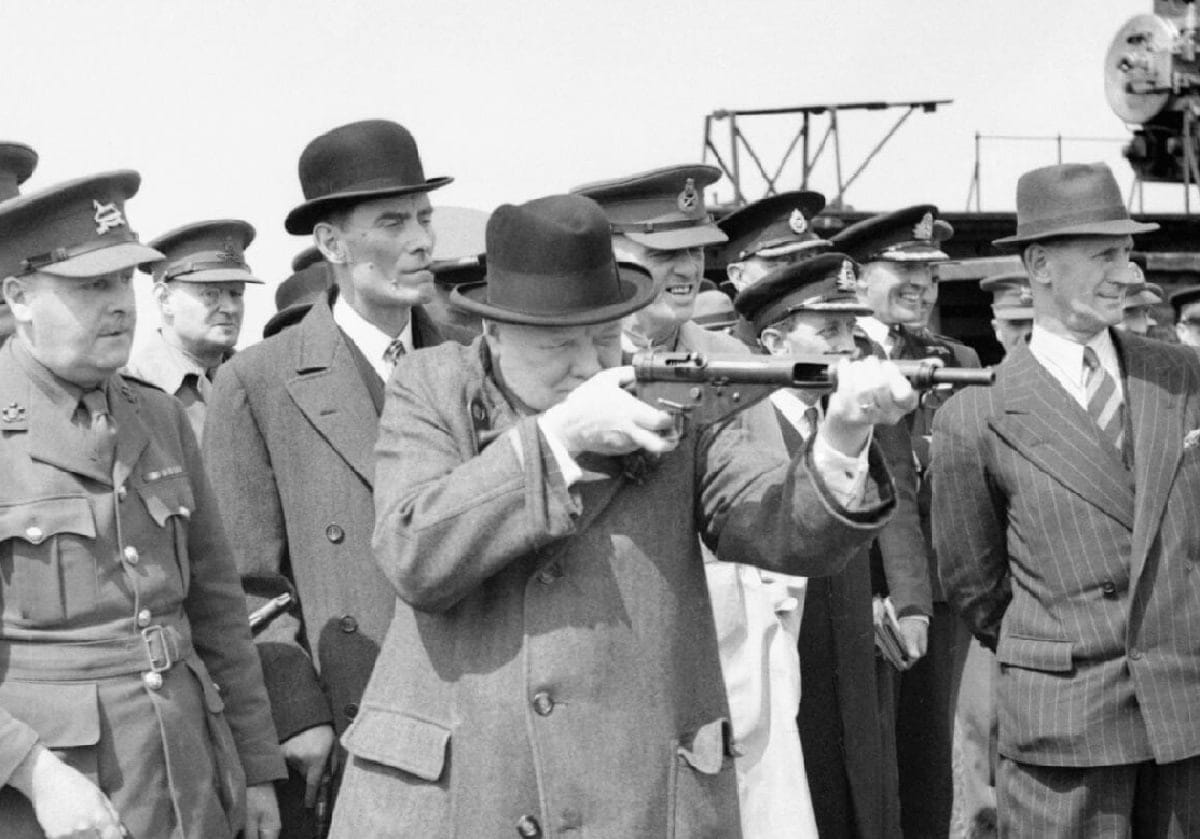
Winston Churchill. Image: Creative Commons.
Speaking of Mistakes…
Churchill is known for his leadership and strategy, most notably during World War II. But one of the most notable mistakes he made came during World War I, in what’s known as the Dardanelles campaign.
As told on the website of the Churchill Archives Centre, during World War I, Churchill was First Lord of the Admiralty, which put him in control of the British Navy.
“The original plan was for a naval attack, but this was foiled by Turkish mines. After considerable discussion, and against Churchill’s wishes, the decision was taken to abandon the naval campaign and launch a land assault on the Gallipoli peninsula, at the entrance to the Dardanelles straits,” that Churchill Archives Center account said.
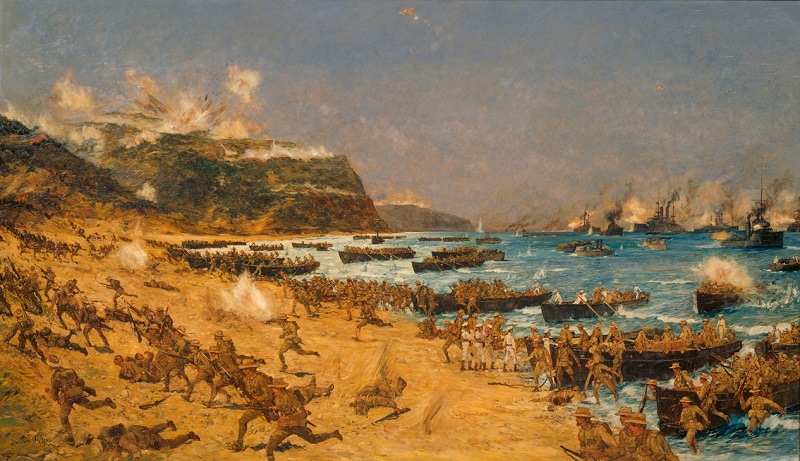
Landing at Gallipoli, April 1915.
“By the time it was launched in April 1915, there was already a French presence at Kum Kale. But the Turks were better prepared for defence, and the attack was pinned down on the rocky coast. Despite further landings further up the coast at Suvla Bay in August 1915, the allies were unable to push inland. By the end of the year, the allies were losing men heavily for no conceivable advantage, and the decision was taken to evacuate.”
As a result, the campaign’s failure led to lots of criticism of Churchill and his removal from his position; he resigned from the government not long after.
Another Look
The International Churchill Society’s website also includes an examination of that 1915 campaign by historian W. Mark Hamilton, who had delivered a presentation at the 32nd International Churchill Conference in 2015. Hamilton looked at the many takes by historians on the 1915 campaign and Churchill’s part in it.
“A small library has been written during the last 100 years addressing the Dardanelles campaign in 1915 and the role and actions of Winston Churchill,” Hamilton’s article says.
“The toll that the failure of the Dardanelles campaign took on Winston Churchill can hardly be overestimated. The late Sir Martin Gilbert, the official Churchill biographer, quoted Lady Churchill as saying that she thought her husband would never recover from his grief at the failure of the Dardanelles campaign, and might even die from it.”
As Hamilton notes, Churchill reflected on this himself in another of his memoirs, The World Crisis.
“Upon me more than any other person, the responsibility for the Dardanelles and all that it involved has been cast. Upon me fell almost exclusively the fierce wartime censures of press and public,” Churchill wrote in that memoir.
“As with most memoirs, Churchill attempts to justify his actions. He complains bitterly about the delays and paralysis of government planning he saw as First Lord of the Admiralty and sees many situations that, decided differently, would have brought a Dardanelles victory, as opposed to total defeat,” Hamilton said of Churchill’s reflections.
“He is critical of the initial refusal of the War Minister, Lord Kitchener, to allow substantial troops in the campaign. Churchill laments that he did not have sole control of decisions, but instead had to defer to the War Council and the views of Prime Minister Asquith. Churchill was bitter over his removal before the campaign was concluded—as if that would have made a difference to the final outcome.”
As noted by biographer Sir Martin Gilbert, Churchill was overly defensive in his reaction.
“The attacks at the Dardanelles and Gallipoli convinced many of his contemporaries that Churchill was a man of blood, lacking sound judgment, and unfit for high office,” Gilbert wrote.
“The last twenty years of scholarship have not resulted in a positive revisionist school of history either for the Dardanelles campaign or Winston Churchill’s role and responsibility for the calamitous outcome,” Hamilton writes in the conclusion. “The assessment of the Dardanelles campaign, both as an operation and in its execution, can be seen only as a disaster. And Churchill has to be seen as a prime planner and mover.”
“Given his ministerial responsibility, it is reasonable for Churchill to be given most of the historic blame. The fact that he was young, energetic, and determined to succeed cannot obscure the catastrophic results—tens of thousands killed on both the Allied and Ottoman sides, and thousands more wounded.”
About the Author: Stephen Silver
Stephen Silver is an award-winning journalist, essayist, and film critic, and contributor to the Philadelphia Inquirer, the Jewish Telegraphic Agency, Broad Street Review, and Splice Today. The co-founder of the Philadelphia Film Critics Circle, Stephen lives in suburban Philadelphia with his wife and two sons. For over a decade, Stephen has authored thousands of articles that focus on politics, national security, technology, and the economy. Follow him on X (formerly Twitter) at @StephenSilver, and subscribe to his Substack newsletter.