
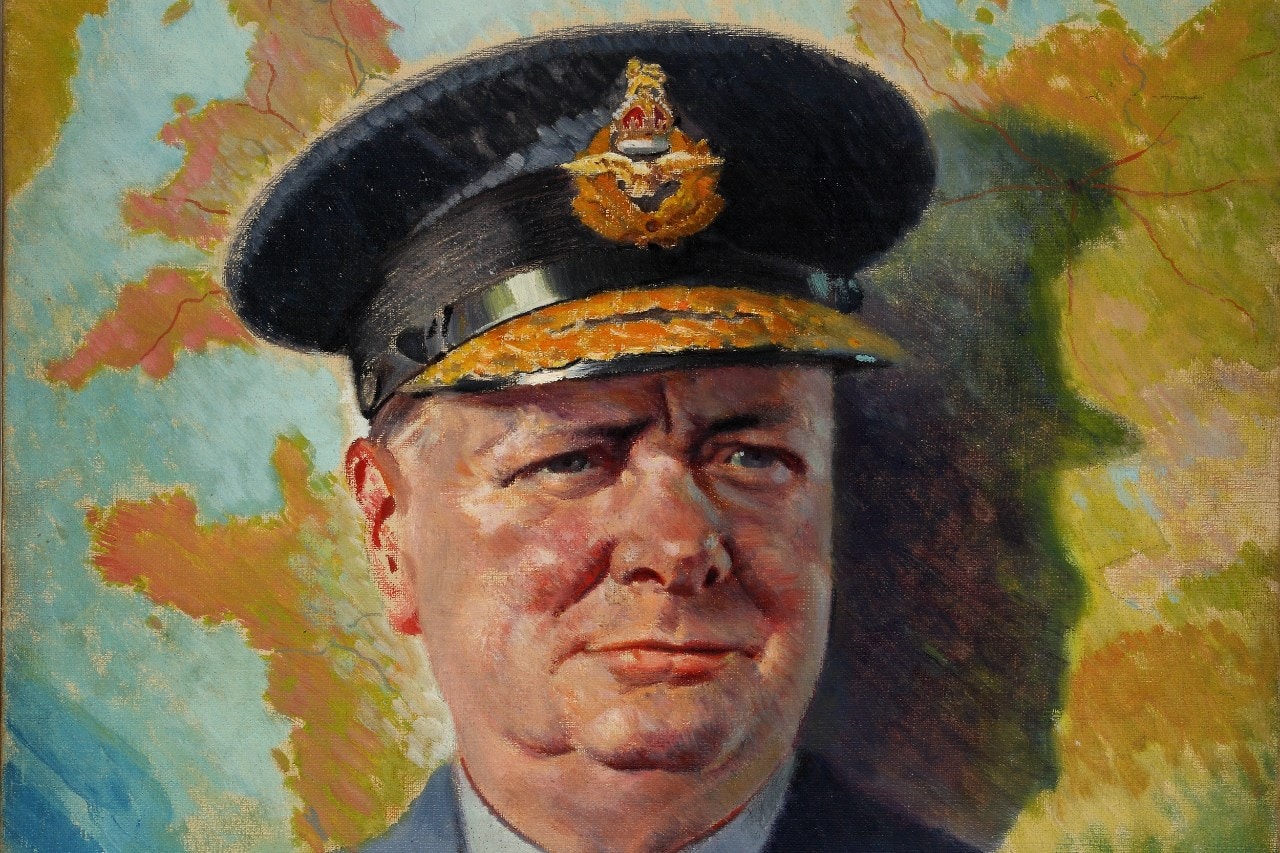
Summary and Key Points: Before his 1940 triumph, Winston Churchill navigated a decade of profound failures in the 1920s.
-As Chancellor of the Exchequer in 1925, his disastrous return to the Gold Standard at an inflated pre-war rate devastated British exports and sparked widespread strikes.
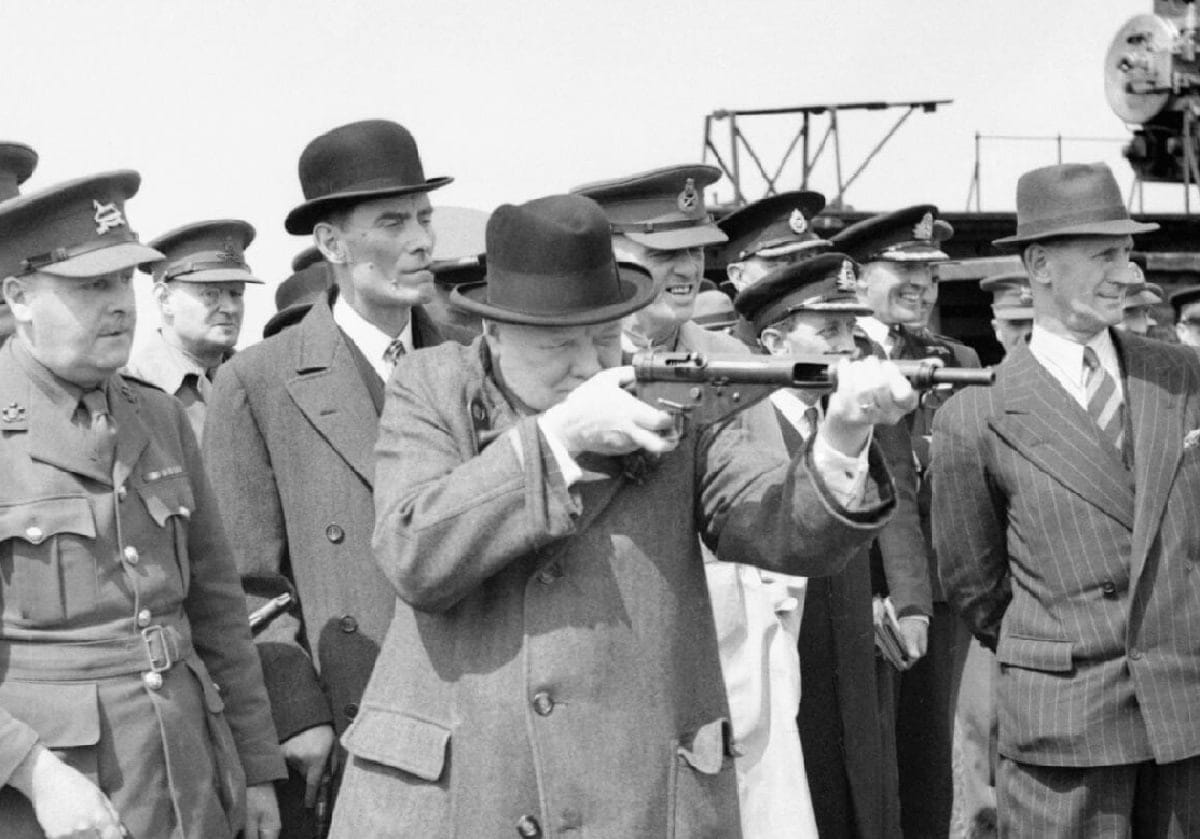
Winston Churchill. Image: Creative Commons.
-Simultaneously, his deployment of the “brutish” Black & Tans to Ireland permanently blackened Britain’s reputation through documented atrocities during the Irish War of Independence.
-Finally, his failed clandestine support for the White Army in 1920 allowed the Bolsheviks to solidify power, leading to the rise of the Soviet Union—a geopolitical mistake Churchill would spend the rest of his life attempting to rectify.
Beyond the Quote: The Churchill Paradox – Why “Rowboat Optimism” Led to the Great 1920s Blunders
Quote of the Day: “Optimism is going after Moby Dick in a rowboat and taking tartar sauce with you.” – Winston Churchill? Well, not exactly.
That quote belongs to American motivational speaker Zig Ziglar, and if there’s any one leader who embodies the quote, it is Sir Winston Churchill.
And, in fact, many websites do have Winston Churchill as the author of this quote. However, as best we can tell from our research, the World War II leader did not originally say it.
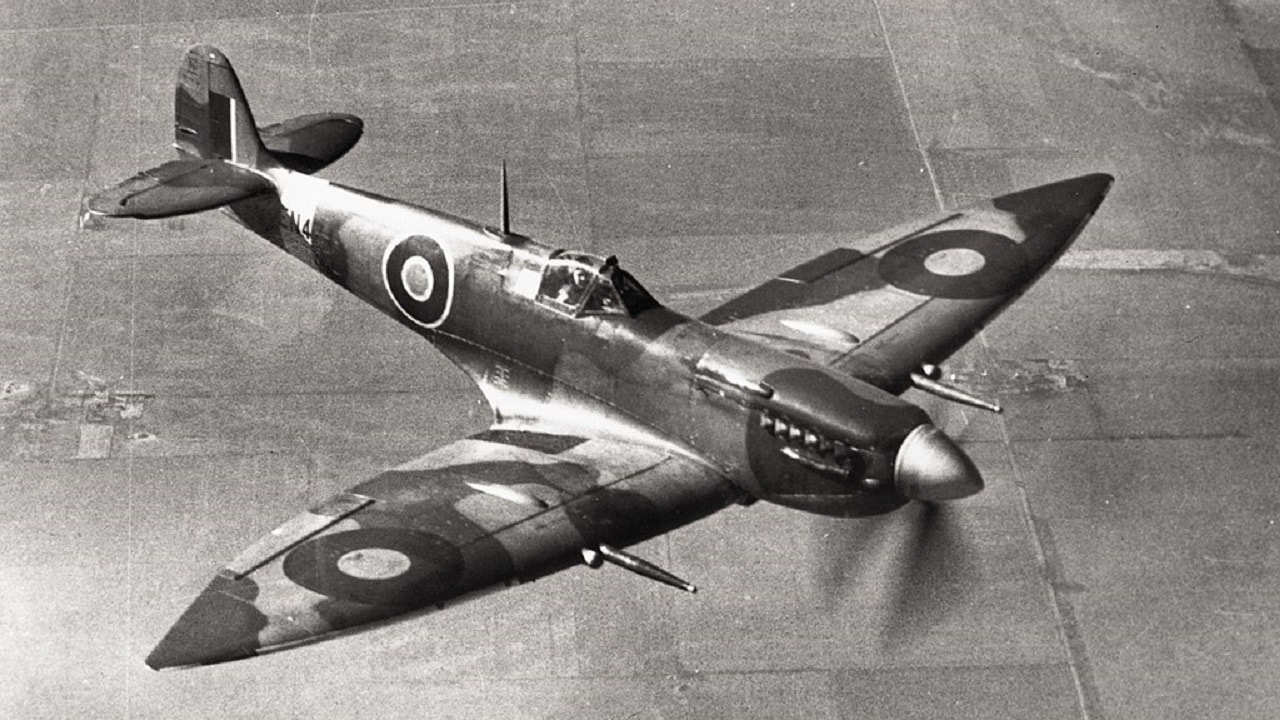
Spitfire HF Mk VII: The shape of the ellipse was altered by the extended “pointed” wing tips used by the high-altitude Mk VIs, VIIs, and early Mk VIIIs.
One could certainly nitpick the Ziglar quote by noting that tartar sauce is for fish, and whales are actually mammals. Moreover, Winston Churchill ended up living a far more successful and fulfilling life than Captain Ahab did.
However, Sir Winston’s boldness, and his willingness to make risky decisions, led him to multiple failures during his life’s work. On top of the list of failures are his disastrous Dardanelles Campaign during World War I, which culminated in the horrific Battle of Gallipoli, and his so-called wilderness years of 1933-1940.
But he also had his fair share of disasters during the decade of the 1920s. That decade may have been known as “The Roaring Twenties” in the United States, but the British Lion didn’t roar in a happy tone for Churchill during that time.
Gold Standard Gone Wrong for Churchill and the Empire
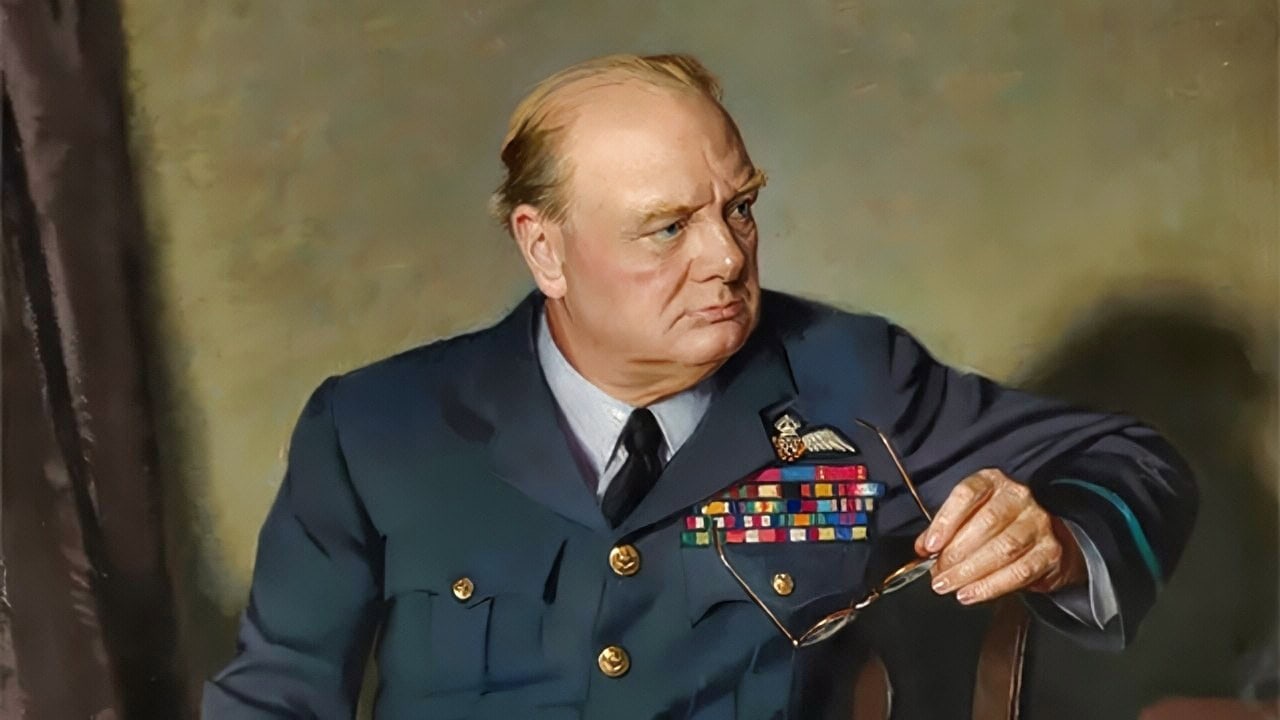
Winston Churchill Portrait. Image Credit: Creative Commons.
In 1925, when Churchill held the title of Chancellor of the Exchequer, his call to return Britain to the gold standard, which had been suspended during World War I, didn’t go over so well.
As Lawrence W. Reed (himself a supporter of the gold standard in the general sense) explained in 2023:
“The problem with the Churchill plan was not restoring gold’s place in the monetary system; it was fixing it at the pre-war rate instead of a rate that reflected the paper pound’s deterioration. Inflation cut the pound’s value, but Churchill was too proud to admit it, so he restored gold convertibility at a rate that pretended the government had never inflated. That translated into pegging the pound against the American dollar at £1 = $4.86 instead of the free market rate of £1 = $4.40.
“This seemingly minor price-fixing mistake cascaded into a series of destructive results. British export industries suffered hugely, especially coal, leading to strikes and slowdowns.”
Ouch.
Inflaming the Irish via the Black & Tans
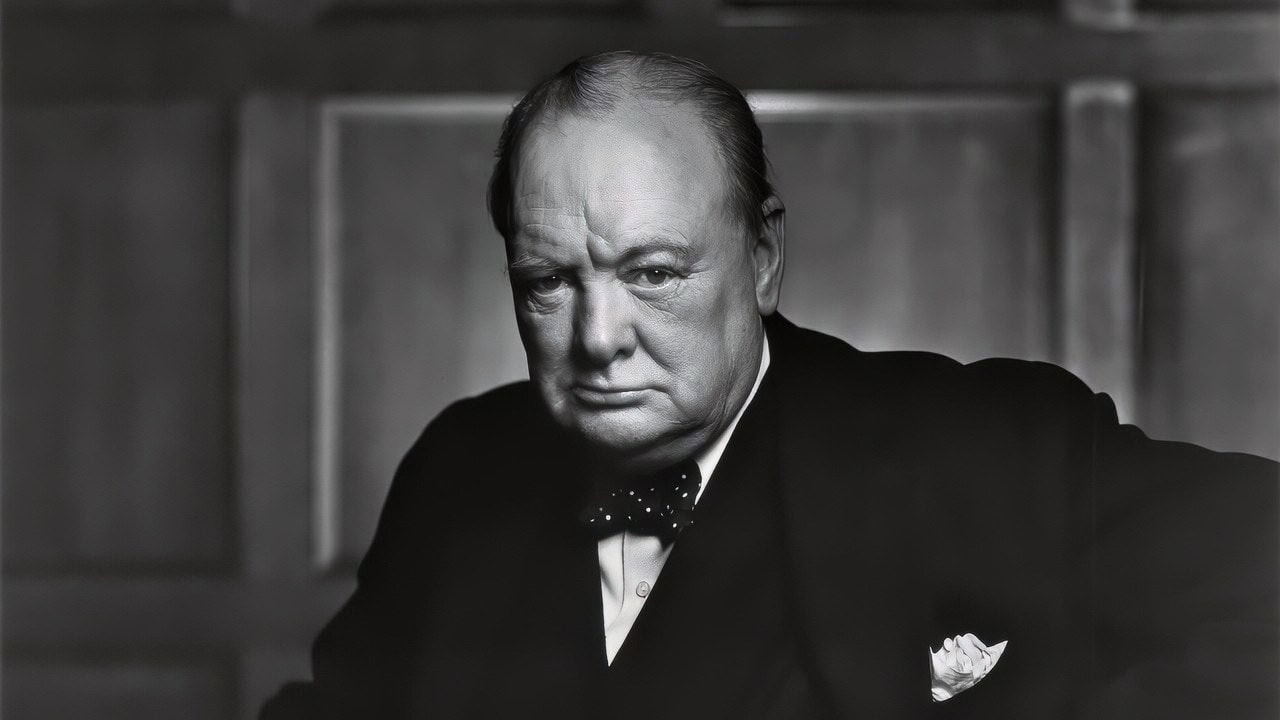
Sir Winston Churchill. Image Credit: Creative Commons.
“Come out you Black & Tans/Come out and fight me like a man/Show your wife how you won medals down in Flanders/Tell her how the IRA/Made you run like hell away/From the green and lovely lanes of Killeshandra”—the refrain to the Irish rebel song “Come Out Ye Black & Tans,” as popularized by The Wolfe Tones
To American beer lovers, “Black and Tan” signifies a dual-layered beer cocktail that mixes Bass pale ale (or, alternately, Harp’s lager) at the bottom and Guinness stout beer on the top; this writer has very fond memories of this drink from his college days.
However, to Irish nationalists, the “Black & Tans” label has a far more sinister historical ring to it (which explains why the drink is instead called a “Half and Half” in Ireland). They were a brutish British parliamentary force that Churchill dispatched to the Emerald Isle to squelch the Irish independence movement. They were nicknamed “black and tans” because of their uniforms of khaki pants and dark green shirts.
As Niall O’Dowd sums it up in a March 2025 article for IrishCentral, “The Black and Tans, who arrived in Ireland for the first time on March 25, 1920, were Churchill’s last roll of the dice, a desperate attempt to defeat the Irish rebellion.
“The Black and Tans and the Auxiliaries, another murderous bunch, would instead blacken Britain’s reputation worldwide. Millions of Irish and Irish Americans were raised on stories of the Black and Tans’ atrocities in Ireland during the War of Independence.”
Battling the Bolsheviks
Winston Churchill is rightly remembered as one of the greatest anticommunists of all time, as best embodied in his legendary Iron Curtain speech, officially titled “The Sinews of Peace.” However, Churchill’s first attempt to take the Marxist menace head-on didn’t go so well.
During the Russian Civil War of 1920, Britain, along with other allies such as the United States, had been secretly providing aid to the anticommunist White Army’s attempt to beat back the Bolsheviks. Churchill was an outspoken supporter of this aid program.
Alas, as noted by History Tools:
“As the White Army‘s retreat turned into a rout, the Cabinet decided to end all support, much to Churchill‘s dismay. The Royal Navy evacuated thousands of pro-Tsarist fighters and their families, leaving the remnants of the White Army stranded in Crimea. British soldiers who had served as military advisers were appalled by what they saw as a betrayal, with one colonel noting that ‘Winston is the only one who is playing honestly.’”
Thus the Bolshevik victory that led to the establishment of the Soviet Union, the Evil Empire that wouldn’t finally die until December 26, 1991.
About the Author: Christian D. Orr, Defense Expert
Christian D. Orr is a Senior Defense Editor. He is a former Air Force Security Forces officer, Federal law enforcement officer, and private military contractor (with assignments worked in Iraq, the United Arab Emirates, Kosovo, Japan, Germany, and the Pentagon). Chris holds a B.A. in International Relations from the University of Southern California (USC) and an M.A. in Intelligence Studies (concentration in Terrorism Studies) from American Military University (AMU). He is also the author of the newly published book “Five Decades of a Fabulous Firearm: Celebrating the 50th Anniversary of the Beretta 92 Pistol Series.”