
Synopsis: Herbert Hoover’s 1944 warning—“Older men declare war… but it is youth that must fight and die”—captures a timeless imbalance at the heart of democratic warfare: those who authorize conflict rarely bear its physical costs.
-In World War II, Hoover feared political leaders could become insulated from the brutality paid by young servicemembers and their families.
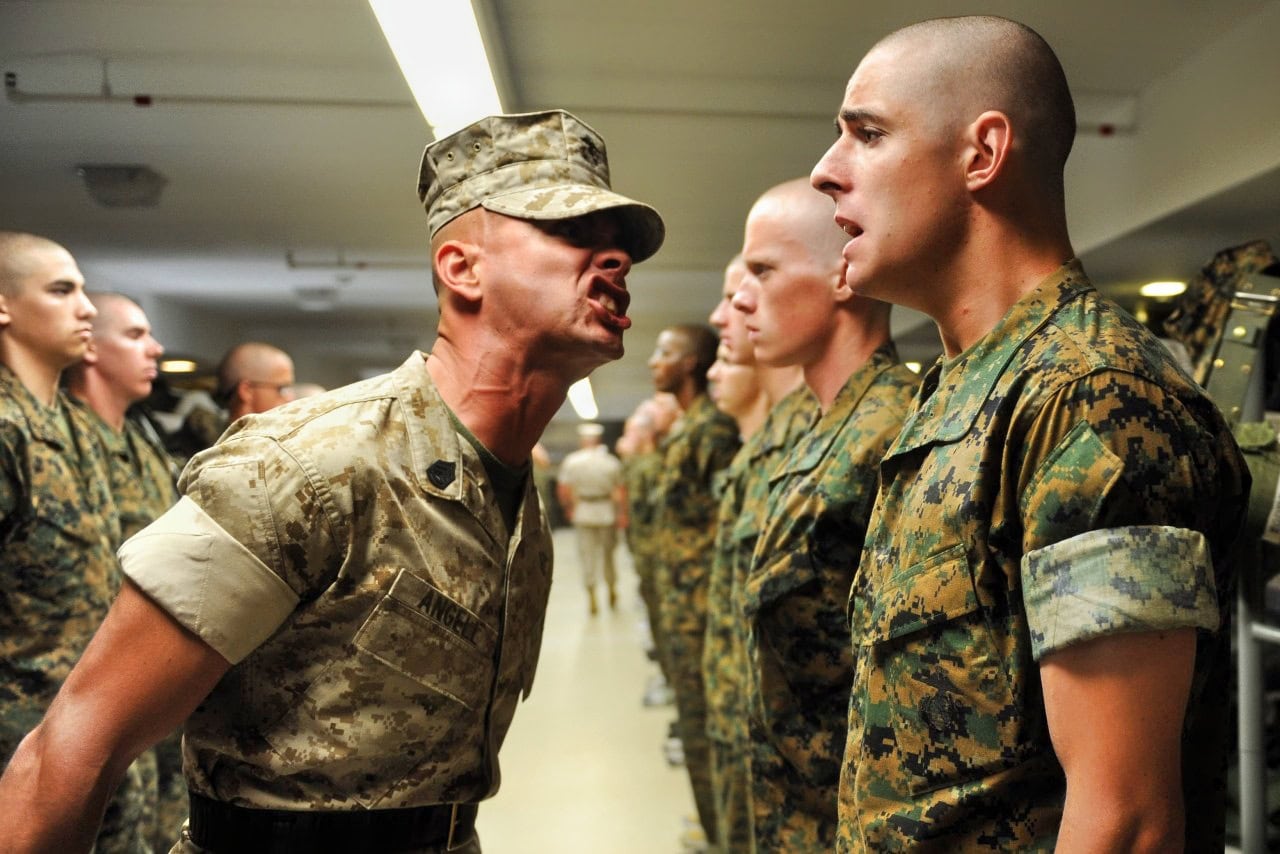
Gunnery Sgt. Shawn D. Angell is a drill instructor at the Officer Candidate School aboard Marine Corps Base Quantico, Va., dedicated to training, educating, evaluating and screening the many candidates who go through the course and turning them into Marine leaders.
-The quote also points to the hardest burden of the presidency: ordering Americans into harm’s way while managing public opinion, strategy, and uncertainty.
-From World War I’s casualty shock to later wars in Korea and Vietnam, Hoover’s line foreshadows how losses, not intentions, often define a conflict’s legacy.
Hoover Summed Up War in One Brutal Line: Youth Pays the Price
“Older men declare war. But it is youth that must fight and die. And it is youth who must inherit the tribulation, the sorrow, and the triumphs that are the aftermath of war,” – Herbert Hoover.
Hoover made this quote during World War II in 1944. He was concerned that older politicians, such as Franklin D. Roosevelt, were unconcerned with the brutality of war that would send younger men to their deaths in combat.
This showed that presidents must make the ultimate decisions in war and peace, and that the calculations behind military interventions were the most difficult task for everyone who works in the White House or in Congress.
War is a human endeavor that never goes according to plan. The political leaders sometimes have no military experience. Roosevelt had served as Assistant Secretary of the Navy and learned that there was no substitute for military strength.

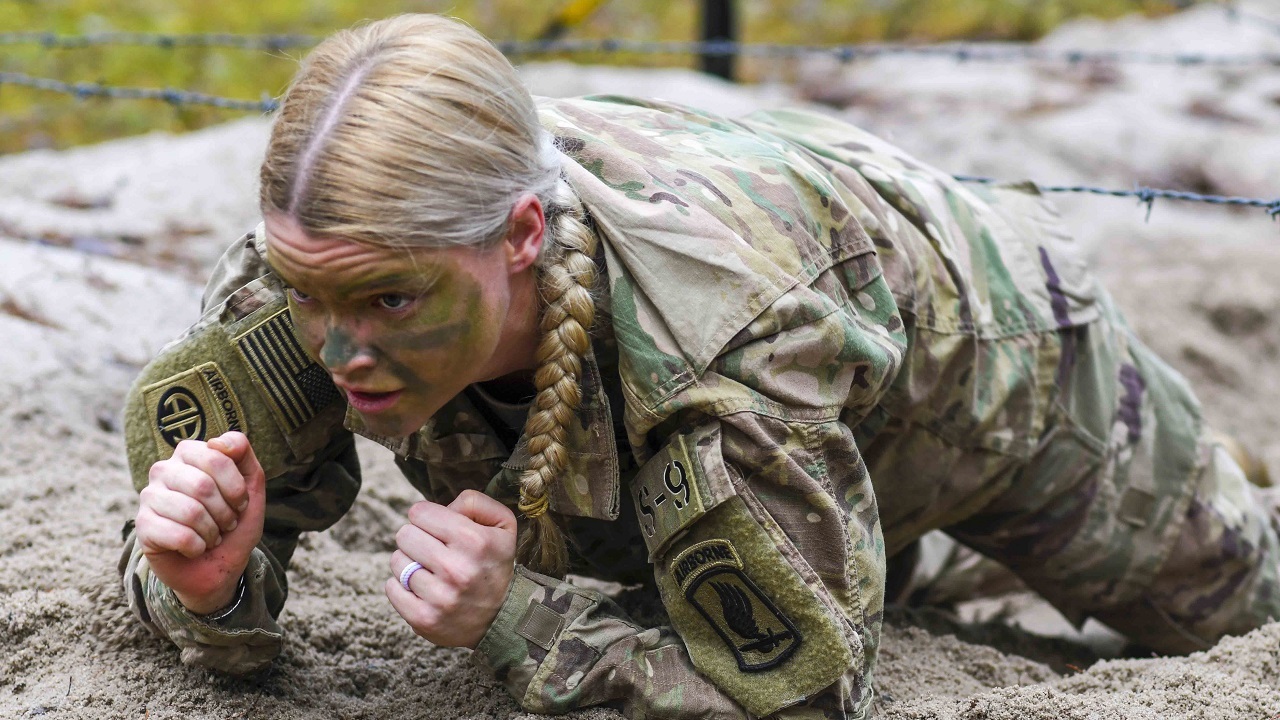
191009-N-WB795-1126 GREAT LAKES, Ill. (Oct. 9, 2019) Electronics Technician 1st Class Troy Kruyer performs the push-ups portion of the physical readiness test inside Pacific Fleet Drill Hall at Recruit Training Command. More than 35,000 recruits train annually at the Navy’s only boot camp. (U.S. Navy photo by Chief Mass Communication Specialist Brandie Nix/Released)
The Most Significant Decision a President Can Make
But all presidents wrestle with the order to place boots on the ground and put troops into harm’s way. No Commander-in-Chief wants deaths in foreign lands on his watch. Roosevelt initially struggled with whether to intervene in Europe during the belligerence and territorial acquisition of Nazi Germany before the Japanese attack on Pearl Harbor. There were substantial numbers of Americans who were against sending American troops to fight another war in Europe.
World War I Deaths and Injuries Shock the World
The number of casualties in World War I was shocking and haunting. Repeating this process was to be avoided, according to many American isolationists. Hoover was also concerned about the number of young people killed during World War II, even though the United States and its allies were ultimately successful.
How to Please People at Home
This quote influenced other presidents in forging international relations during wartime. They had to navigate the domestic political pressures of war and peace. Americans tend not to pay much attention to foreign relations unless there is a crisis that steals headlines.
Presidents must weigh their own strategy-building and beliefs against the necessity of representing their constituents. War is sometimes necessary, but it is not an easy decision. Hoover sensed that the question of war and peace would come back to bite many occupants of the White House and Members of Congress during and after the Cold War.
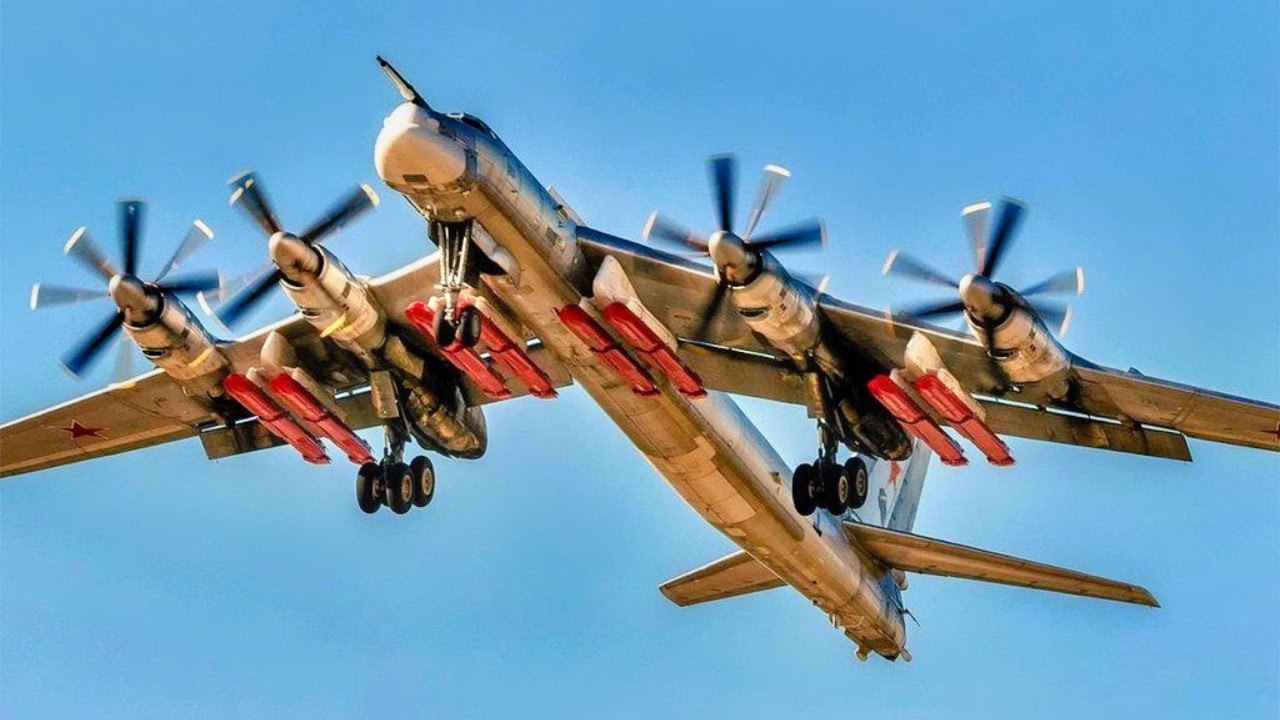
Tu-95 Bomber from Russia. Image Credit: Creative Commons.
Biography of Herbert Hoover
Herbert Hoover was born in West Branch, Iowa, in 1874. He helped his father in his blacksmith shop as a youth, and this activity forged a steely determination in his professional life. Hoover was an orphan at the age of 9. At the age of 11, he left Iowa for Oregon to live with a relative. At 14, he was a clerk at a real estate business. He wanted to be a mining engineer and attended Stanford University. Hoover managed sports teams and enjoyed early success as a campus leader.
Hoover graduated from Stanford in 1895. He spent 20 years as a miner and financier, becoming rich in those professions. Hoover was in London when World War I started.
“Yearning for an opportunity for public service, he immediately organized assistance for American travelers who were fleeing the war. A few weeks later, he established the Commission for Relief in Belgium to provide food for Belgian civilians trapped in the war zone,” according to the Hoover Presidential Library.
He then worked for the Woodrow Wilson administration. He later served as a humanitarian representative for war-torn Europe. Hoover became well-known as a can-do American, and the public admired his success in providing aid to people suffering. He served as Secretary of Commerce under President Warren Harding and later under President Calvin Coolidge.
Hoover saw that radio and aviation would change the world, and he was at the forefront of new technologies in these sectors.
In 1928, Hoover ran for president. He defeated Alfred E. Smith, the Democratic Governor of New York, by wide margins. Hoover served as a reformist at first and aimed to base his presidency on that of Teddy Roosevelt. But the Roaring Twenties made him take his eye off the ball, and he stumbled into the Stock Market Crash of 1929. He asked Congress for a tax cut, but did not achieve unemployment assistance for the needy.
By 1931, the economy was in shambles, and Hoover could not get any of his policy proposals enacted. By 1932, 10 million workers were unemployed. Hoover lost his re-election campaign to Franklin D. Roosevelt in 1932.
Hoover’s Foreign Policy Views Are Influential
Hoover’s quote about the difficulty of war and peace came much later, but he was able to articulate an important consideration in foreign policy-making. Casualties would often define a war for many Americans, and it was not a desirable outcome to see young men die in combat. This would be prescient for future wars in Korea and Vietnam.
Hoover may have endured a difficult, if not failed, presidency, but he knew that a president had enormous power in foreign policy-making. The decision to conduct a military intervention is not easy, and Hoover realized that more wars were on the horizon for a country that would later become a world power.
No older leader wants to see a younger generation haunted by conflict, and later presidents would be defined by their legacies regarding war and peace and its aftermath. It was for this decision that Hoover’s remarks affected so many presidencies as they wrestled with whether to use armed forces during crises.
About the Author: Brent M. Eastwood
Author of now over 3,000 articles on defense issues, Brent M. Eastwood, PhD is the author of Don’t Turn Your Back On the World: a Conservative Foreign Policy and Humans, Machines, and Data: Future Trends in Warfare plus two other books. Brent was the founder and CEO of a tech firm that predicted world events using artificial intelligence. He served as a legislative fellow for US Senator Tim Scott and advised the senator on defense and foreign policy issues. He has taught at American University, George Washington University, and George Mason University. Brent is a former US Army Infantry officer. He can be followed on X @BMEastwood.