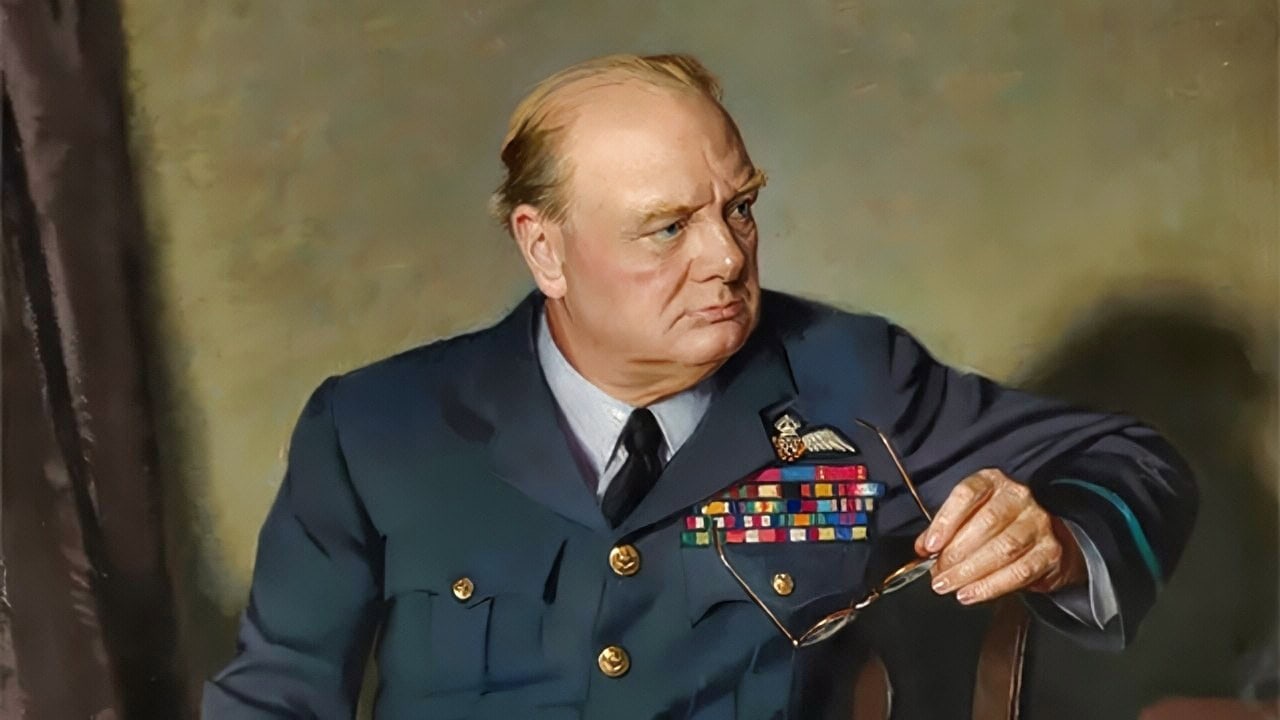
Summary and Key Points: Winston Churchill’s transition from a controversial First Lord of the Admiralty to the “glue” of the Allied war effort remains the most pivotal arc in modern history.
-Born into aristocracy but forged in the trenches and war reporting of the Boer War, Churchill combined independent temperament with a mastery of the English language.
-Despite the Gallipoli failure, his 1940 appointment as Prime Minister provided the resolve necessary to survive the Battle of Britain.
-From his “Iron Curtain” warnings to his Nobel Prize-winning histories, Churchill’s stubborn refusal to surrender defined the 20th-century standard for statesmanship and global strategic autonomy.
Winston Churchill Money Quote of the Day
“In finance, everything that is agreeable is unsound and everything that is sound is disagreeable.” – Winston Churchill
Winston Churchill is one of the most influential figures of WWII.
Many historians consider him the glue that held Britain together during one of its lowest points in modern history.
He was known for his brash personality, sharp wit, and a stubborn attitude that was unwilling to compromise or surrender. While he was not the easiest to work with, he was undoubtedly the statesman England needed for its darkest hour.
Early Life
Winston Leonard Spencer Churchill was born on November 30, 1874, at Blenheim Palace in Oxfordshire, England. His lineage placed him at the intersection of aristocracy, politics, and imperial heritage.
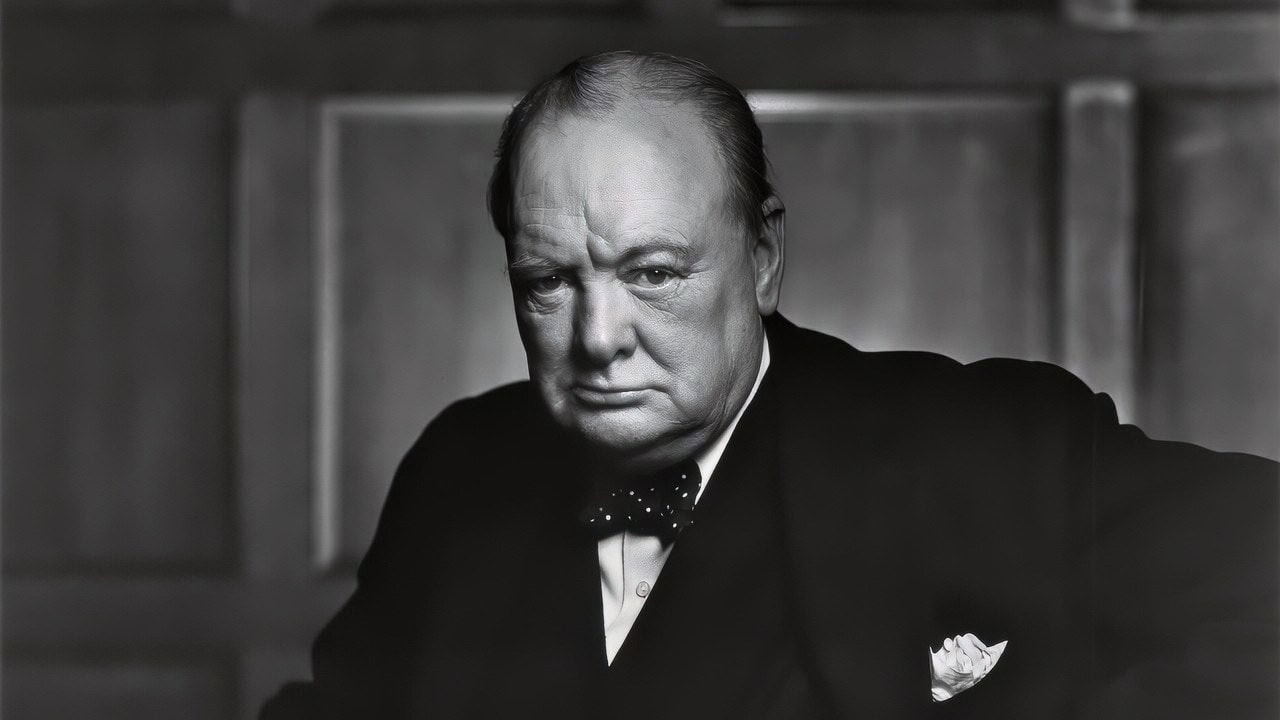
Sir Winston Churchill. Image Credit: Creative Commons.
His father, Lord Randolph Churchill, was a prominent Conservative politician and Chancellor of the Exchequer, while his mother, Jennie Jerome, was an American socialite whose energy, charm, and connections helped shape her son’s early opportunities. Despite this luxurious background, Churchill’s childhood was marked by emotional distance from his parents and a sense of self-reliance that would define the rest of his life.
As a young boy, Churchill was known for his independent temperament and struggled with subjects that did not interest him.
Yet he showed early promise in history and language and developed a lifelong love of the English language. After several attempts, he was admitted to the Royal Military Academy Sandhurst, where he thrived academically, graduating in 8th place and earning a commission in the 4th Queen’s Own Hussars.
Military Career and Writing
Churchill’s early adulthood combined the roles of soldier, reporter, and adventurer. His first military postings included Cuba, India, Sudan, and South Africa, in which the British Empire was deeply entangled. His dispatches as a war correspondent published in newspapers such as The Daily Telegraph and The Morning Post brought him public attention.
His participation in the Malakand campaign on the Northwest Frontier of India and the Battle of Omdurman in Sudan gave him firsthand experience of warfare and imperial politics. These experiences were later chronicled in books such as The Story of the Malakand Field Force and The River War, which helped establish his reputation as both a writer and a soldier.
In 1899, while covering the Second Boer War, Churchill was captured during an ambush and imprisoned in Pretoria. His dramatic escape, in which he scaled fences, hid in a coal mine, and traveled hundreds of miles to freedom, made headline news and turned him into a national celebrity. This fame provided him with a platform for entry into British politics.
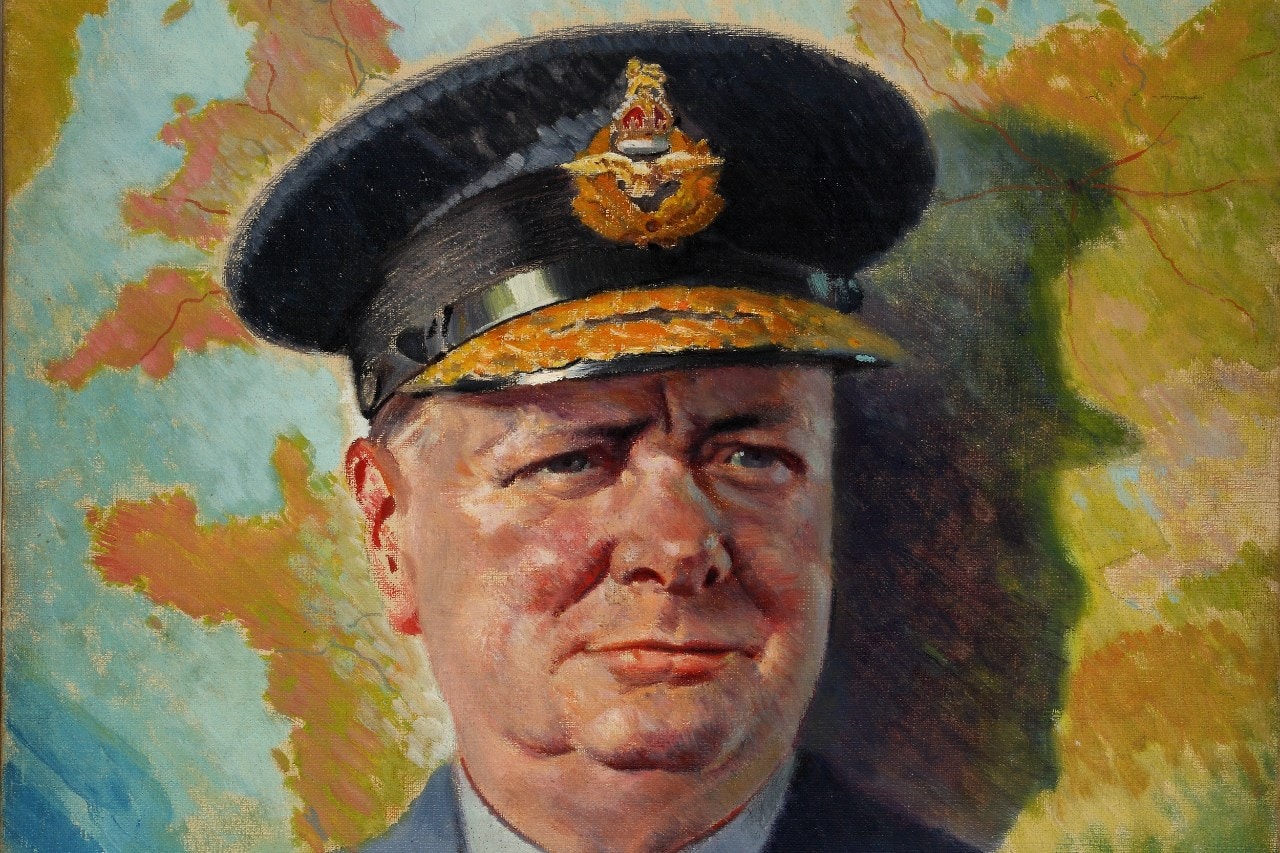
Winston Churchill. Image Credit: Creative Commons.
Rise in Politics
In 1911, Churchill was appointed First Lord of the Admiralty, placing him in charge of the Royal Navy. He anticipated the growing threat from Germany and invested in modernizing the fleet, including the development of dreadnought battleships and naval aviation.
However, Churchill’s reputation suffered following the Gallipoli campaign of 1915 during World War I, a failed military operation he supported that resulted in heavy Allied casualties. The backlash forced him to resign from the Admiralty.
Never one to remain sidelined, Churchill joined the army on the Western Front, commanding the 6th Battalion of the Royal Scots Fusiliers. After returning to government, he served in several roles, eventually becoming Minister of Munitions and later Secretary of State for War and Air. Despite controversy, his energy and administrative skill kept him at the center of national affairs.
World War II and Leadership
When World War II began in 1939, Churchill was brought back into government as First Lord of the Admiralty. He argued for intervention in Norway to prevent Germany’s occupation of the country. After the disastrous early months of the War, the government of England was on the verge of collapse, with all faith in Nevile Chamberlain gone.
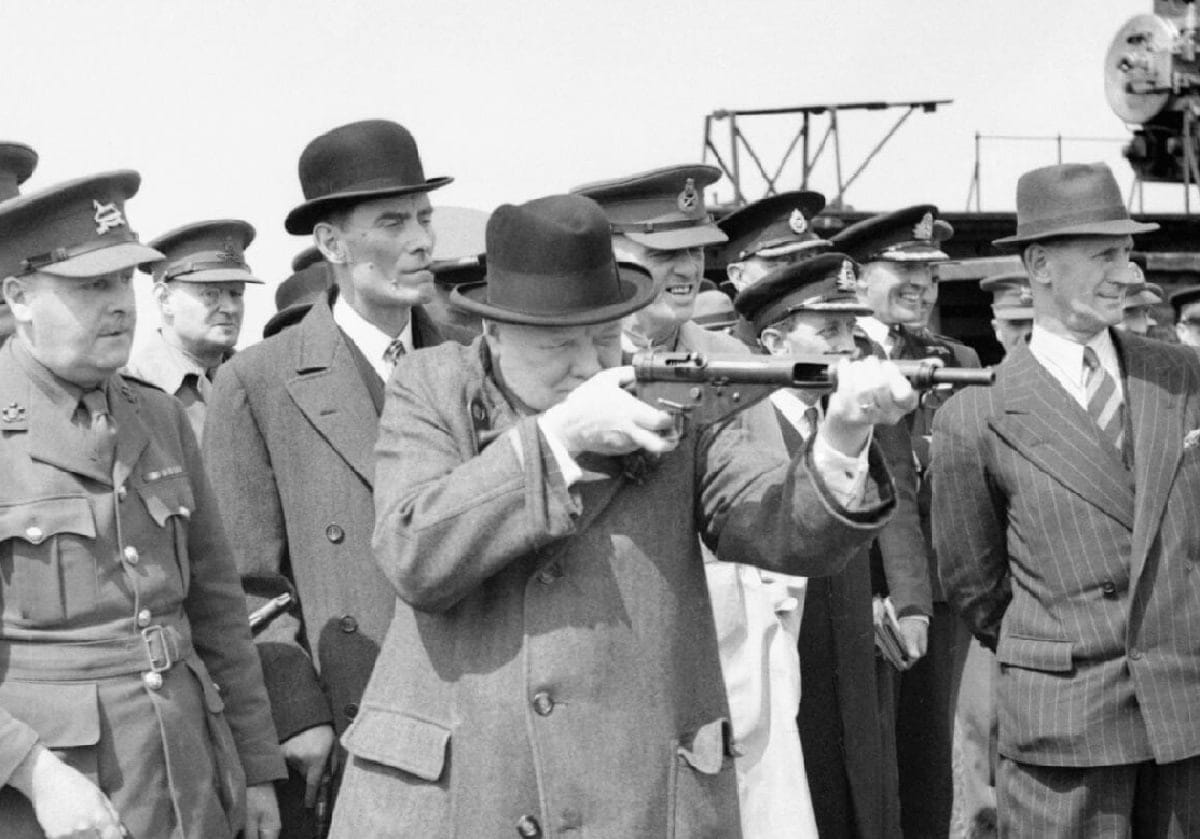
Winston Churchill. Image: Creative Commons.
With resignation his only option, Chamberlain faced only two: Lord Halifax and Churchill. Despite everyone’s reservations about Churchill, he was admittedly the only one qualified for the position, as Lord Halifax would himself admit. Churchill was appointed Prime Minister on May 10, 1940, at one of Britain’s darkest moments.
World War II was the highlight of Winston Churchill’s career. To adequately cover his time as Prime Minister during the War would require a book’s worth of writing. Churchill was instrumental in restoring and preserving Britain’s will to fight.
His resolve during the Battle of Britain, his refusal to negotiate with Hitler, and his ability to form a tight alliance with the United States and the Soviet Union (even though he vehemently hated communism) were crucial to sustaining the war effort.
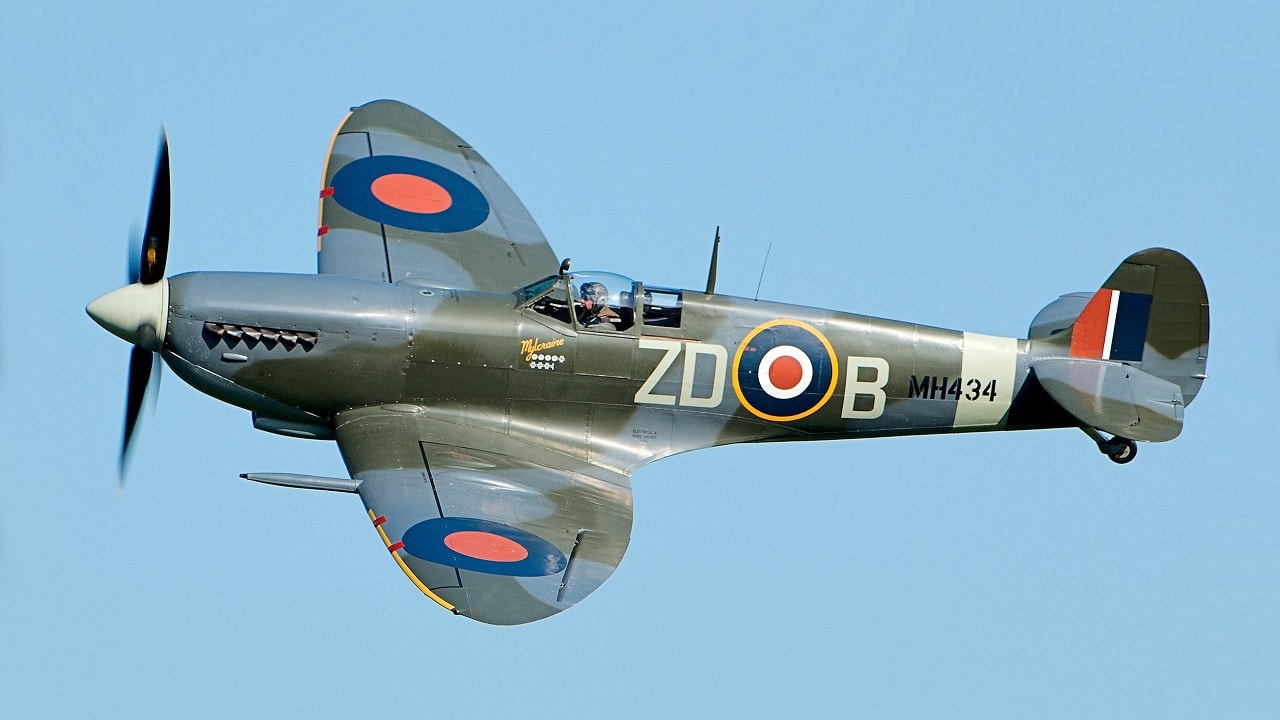
Spitfire MH434 at the Shuttleworth Collection Season Premiere Airshow 2018. Image Credit: Creative Commons.
His relationship with Franklin D. Roosevelt, in particular, became a cornerstone of Allied cooperation.
Postwar Career and Later Life
Despite his wartime popularity, Churchill and his Conservative Party were voted out of office in the general election of 1945.
As Leader of the Opposition, he continued to exert influence on world politics. In 1946, he delivered his famous “Iron Curtain” speech in Fulton, Missouri, warning of Soviet expansionism and signaling the beginning of the Cold War.
Churchill returned to power in 1951, serving again as Prime Minister until 1955.
His second term was more focused on foreign policy and preserving Britain’s global role, though declining health increasingly limited his effectiveness. He retired in 1955 but remained a Member of Parliament until 1964.
Churchill continued writing in his later years, producing his monumental multi-volume histories, including The Second World War and A History of the English-Speaking Peoples, which further cemented his reputation as one of the twentieth century’s great historians.
In 1953, he was awarded the Nobel Prize in Literature for his mastery of historical and biographical writing.
Winston Churchill died on January 24, 1965, exactly seventy years after the death of his father. His state funeral was attended by leaders from around the world and watched by millions.
About the Author: Isaac Seitz
Isaac Seitz, a Defense Columnist, graduated from Patrick Henry College’s Strategic Intelligence and National Security program. He has also studied Russian at Middlebury Language Schools and has worked as an intelligence Analyst in the private sector.