
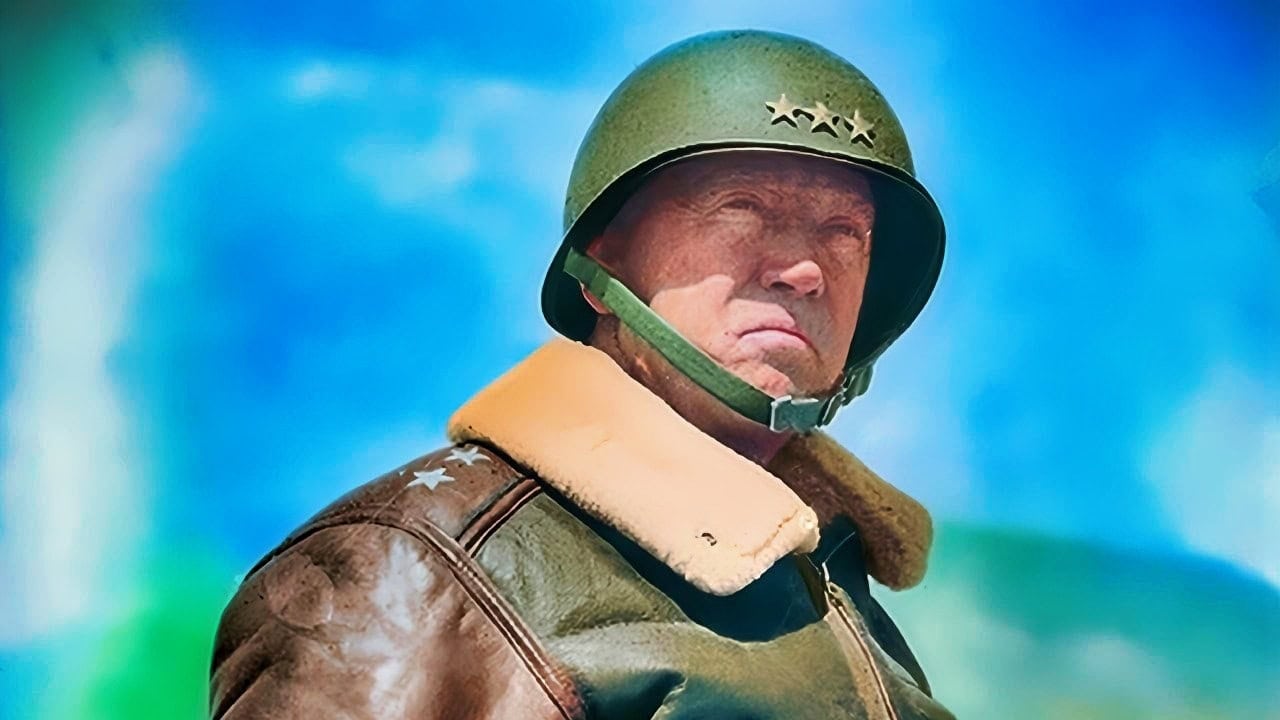
Summary and Key Points: ‘Wars may be fought with weapons, but they are won by men,’ George Patton wrote in the Cavalry Journal in 1933. Unlike many of his famous lines, which his men passed along from his speeches, this one has a direct source. Historians now believe the man behind it had dyslexia, as evidenced by telltale quirks in his spelling and punctuation. He never called attention to it, and it went unexamined until the 1980s. That changed with Martin Blumenson’s Patton: The Man Behind the Legend and, a decade later, Carlo D’Este’s Patton: A Genius for War, which documented it with his family’s support.
Patton Overcame Armies and Personal Challenges Many Forget
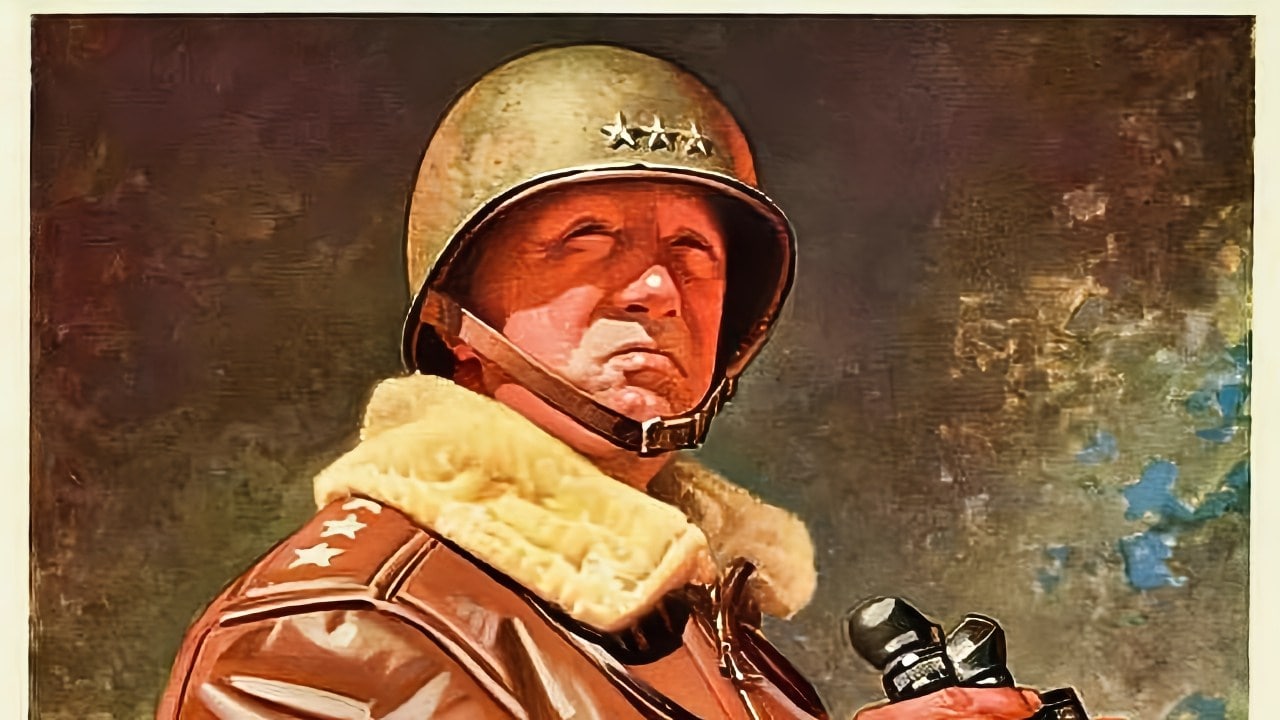
General George Patton. Image Credit: Creative Commons.
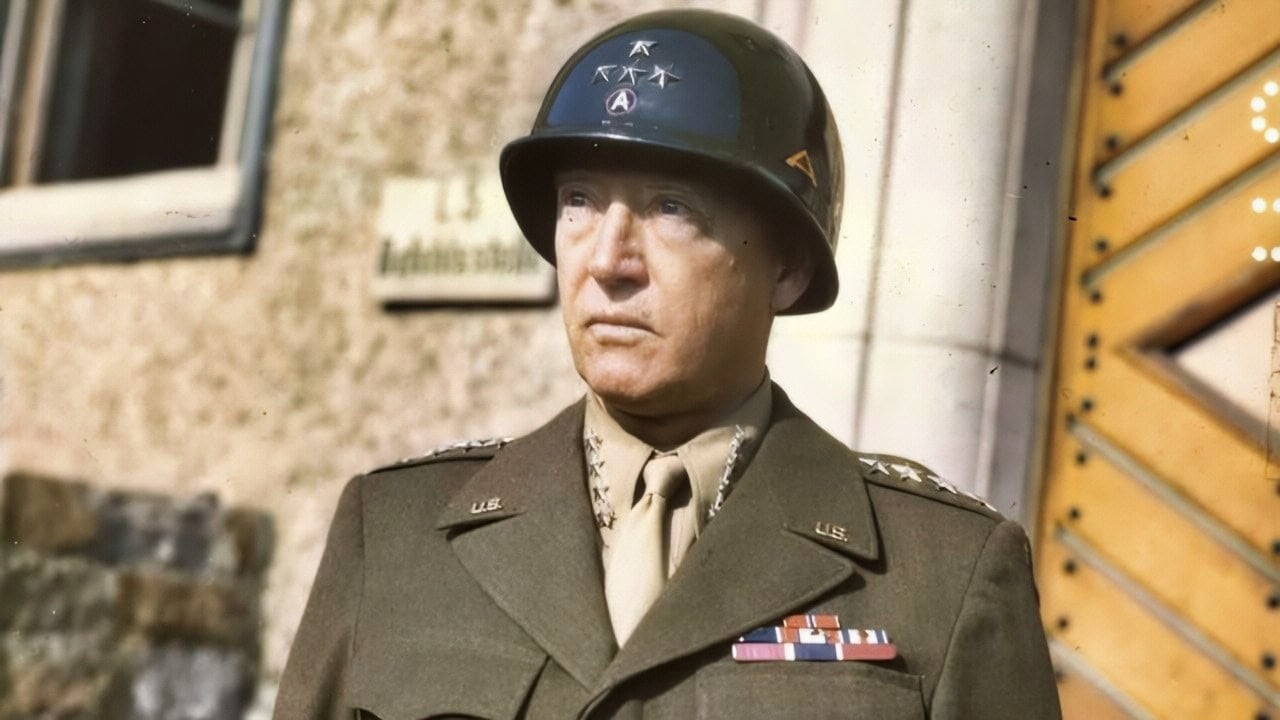
General George Patton U.S. Army Photo

U.S. Army General George Patton. Image Credit: Creative Commons.
“Wars may be fought with weapons, but they are won by men.” – Gen. George Patton
Gen. George Patton was known for his legendary battlefield victories, his famed pre-battle speeches, and his outsized persona, later enhanced by Hollywood.
But in recent years, something else has been widely analyzed about the general: That he overcame dyslexia.
According to a University of Michigan account, Patton suffered from “severe dyslexia,” which hurt his grades during his time at school, including during his time at the Virginia Military Institute and later West Point.
A Warfare History Network account, written by Glen Jeansonne, Frank C. Haney, and David Luhrssen and published in 2008, examined how dyslexia shaped Patton’s life and his work as a general.
Dyslexia wasn’t widely diagnosed until the 1920s, when Patton was already an adult and a military officer, so he would not have received such a diagnosis as a child.
The Warfare History Network account did not, however, say that Patton was “aided by the dyslexic’s need to strive hard to overcome all impediments.”
That account noted that it wasn’t until the 1980s, four decades after Patton’s death in 1945, that historians began to look at how Patton’s dyslexia affected his life.
The 1970 movie Patton did not delve into his dyslexia.
Patton’s Secret
According to the Warfare History Network, dyslexia wasn’t a major part of Patton’s story for decades.
“Patton, who was always concerned about shaping his public image according to his own lights, did not care to call attention to his dyslexia; nor did those who wrote about his swashbuckling exploits as a tank commander in the aftermath of World War II care to investigate the subject, despite such red flags as the frequent symptomatic idiosyncrasies in his spelling and punctuation,” that account says.
The Warfare History Network also notes that Patton may have also had attention deficit disorder (ADD), although he would not likely have been diagnosed as such at the time.
Furthermore, most of Patton’s famous quotations come from his speeches, which his men often shared orally, rather than in writing.
“The Man Behind the Legend”
The dyslexia topic came to the forefront in 1985, when Martin Blumenson published his biography, Patton: The Man Behind the Legend. A decade later, historian Carlo D’Este examined it further in his biography, Patton: A Genius for War: The Definitive Portrait of the Complex and Misunderstood American Warrior.
Both authors presented evidence that Patton had the condition.
“The fact that Patton had dyslexia is supported by his family and documented by both Blumenson and D’Este,” the Warfare History Network account said. “That Patton also had ADD will probably remain a matter of conjecture and speculation, although in his public life he exhibited many of the disorder’s behavioral symptoms.”
That account notes that Patton’s dyslexia certainly does not reflect negatively on his intelligence.
“Historians now agree Patton in all likelihood suffered from a degree of dyslexia at a time when the diagnosis and treatment of learning disorders was in its infancy,” A U.S. Air Forces Central article about the topic says.
“In Patton’s day, those with dyslexia and other learning disorders were simply labeled as ‘feebleminded’ or ‘simpletons’ and thus relegated at best to a life of menial labor. Patton, however, refused to entertain the idea that he was somehow destined for anything other than greatness.”
The Warfare History Network account concluded that Patton benefited from unique circumstances.
“George Patton’s unique upbringing was the correct formula for bringing out the best in a dyslexic person. It provided the only way for him to become a historic figure of his stature,” the account said. “It would have been far more likely, given the extent of his disability, that Patton would become anonymous and marginal.”
The Quote
“Wars may be fought with weapons, but they are won by men,” the general once said.
Unlike many Patton quotes, this one has a direct source: Cavalry Journal, in 1933. “It is the spirit of the men who follow and of the man who leads that gains that victory,” the quote continues.
The quotation suggests that leadership and strategy can be decisive in war, even more than the quality of weaponry.
This aligns with Patton’s established views.
About the Author: Stephen Silver
Stephen Silver is an award-winning journalist, essayist, and film critic, and contributor to the Philadelphia Inquirer, the Jewish Telegraphic Agency, Broad Street Review, and Splice Today. The co-founder of the Philadelphia Film Critics Circle, Stephen lives in suburban Philadelphia with his wife and two sons. For over a decade, Stephen has authored thousands of articles that focus on politics, national security, technology, and the economy. Follow him on X (formerly Twitter) at @StephenSilver, and subscribe to his Substack newsletter.