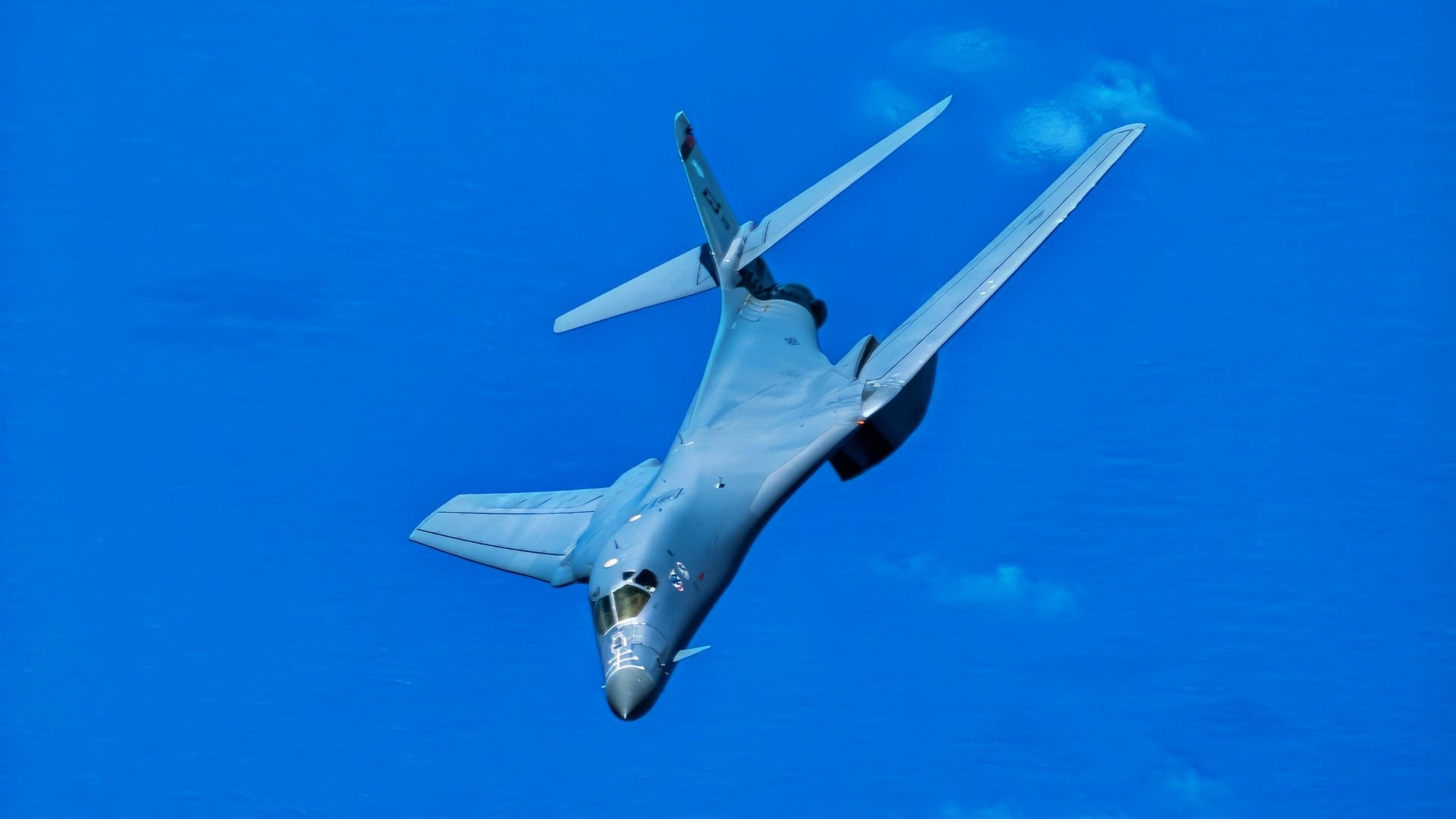
While neoconservatives in Washington and Tel Aviv pat themselves on the back for purportedly annihilating Iran’s air defense network, the Iranians are telling a different story.
Yes, the US and Israeli air forces damaged the Iranian air defenses and conducted sweeping–devastating–air attacks on the Iranians for around six months.
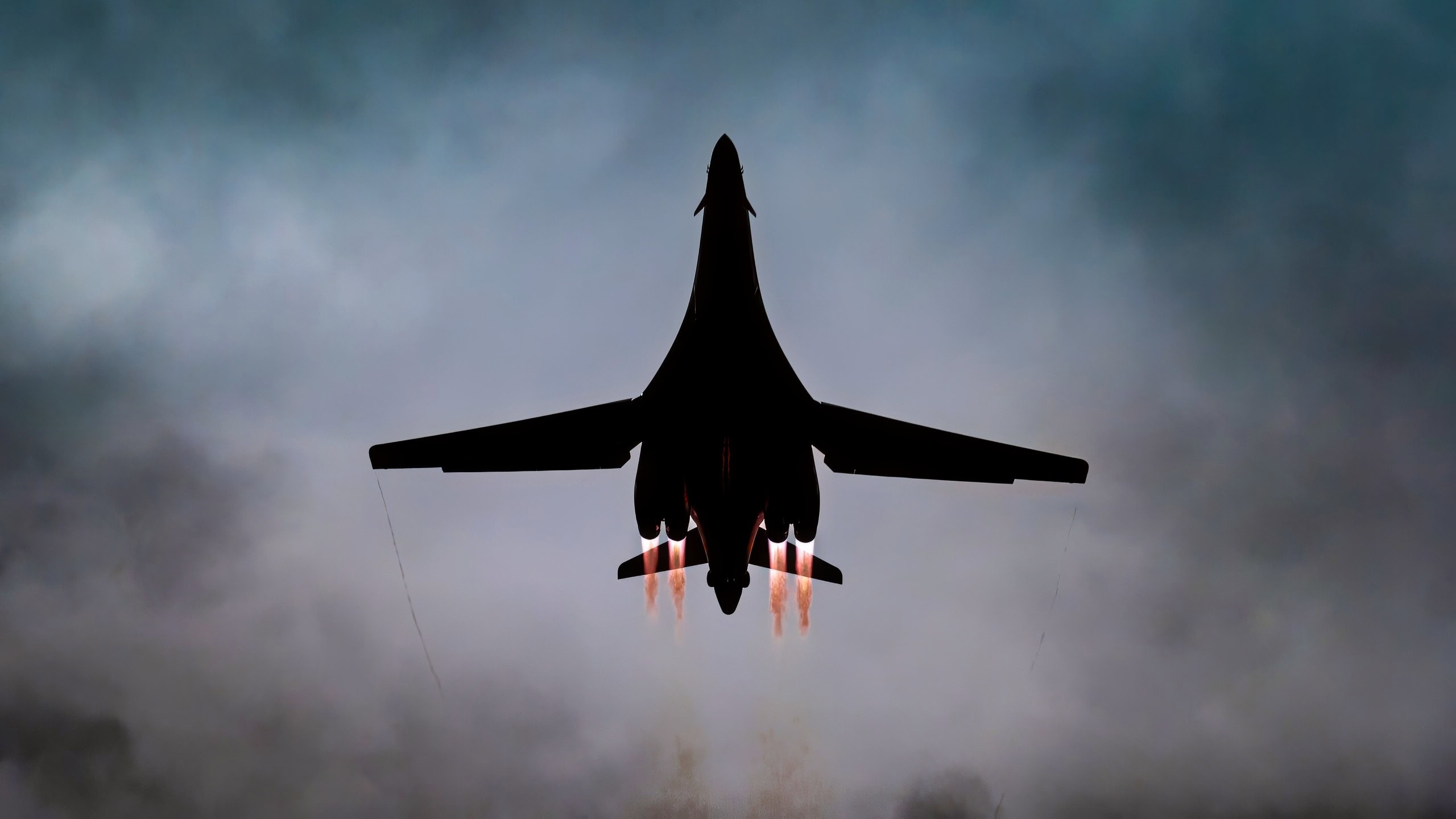
A B-1B Lancer assigned to the 9th Expeditionary Bomb Squadron takes off at RAF Fairford, United Kingdom, to participate in a Bomber Task Force Europe mission, Oct. 27, 2021. “Bombers enhance our ability to address dynamic threats and counter adversary actions in the region as an effective joint force,” said Gen. Jeff Harrigian, U.S. Air Forces in Europe – Air Forces Africa commander. Operations and engagements with NATO allies and global partners demonstrate the shared commitment to global security and stability. (U.S. Air Force photo by Senior Airman Colin Hollowell)
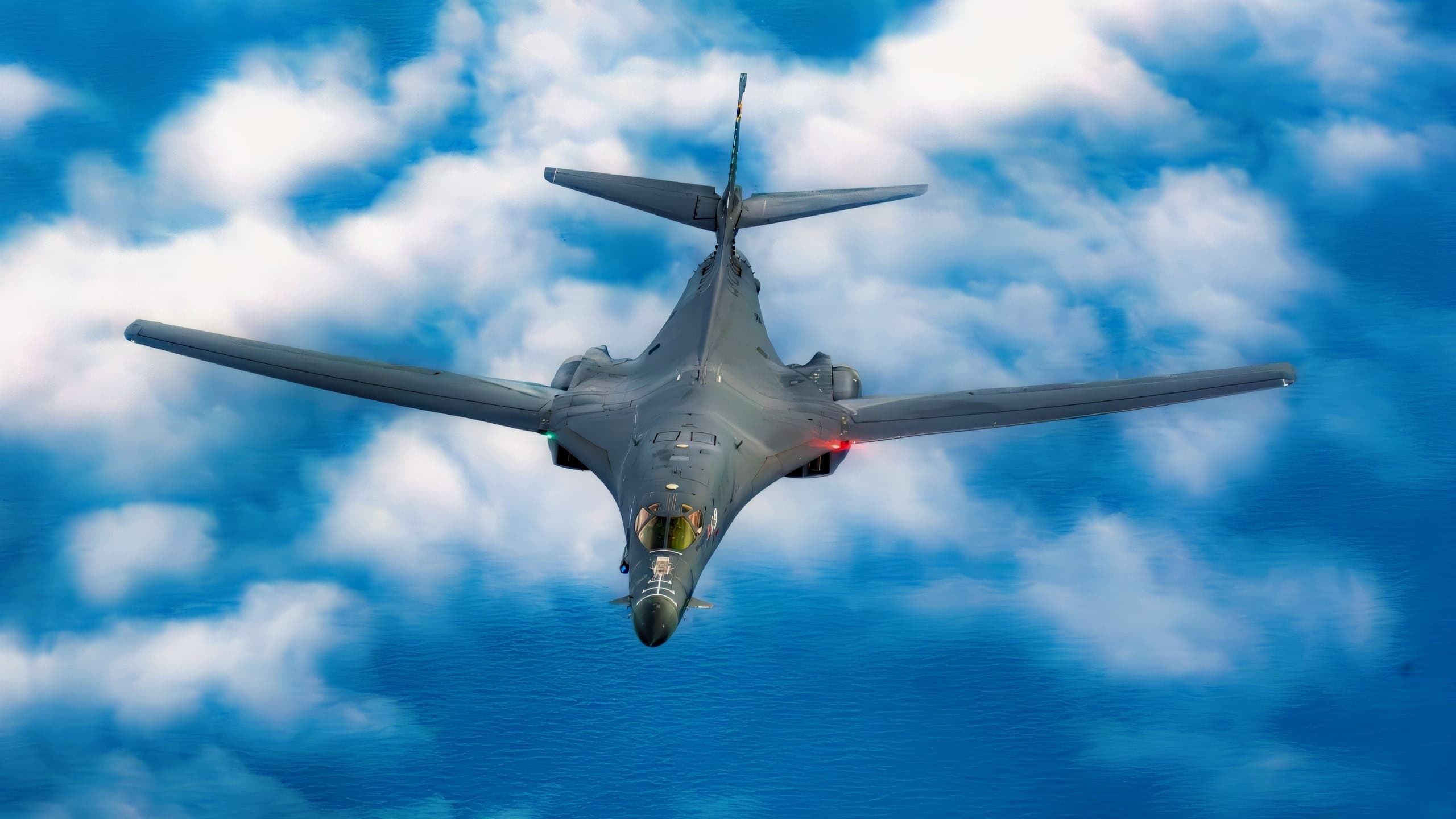
A U.S. Air Force B-1B Lancer prepares to refuel behind a KC-135 Stratotanker during a bomber air demonstration over the U.S. Southern Command area of responsibility Oct. 27, 2025.
The demonstration showcased Southern Command’s ability to quickly mobilize and enable the rapid establishment of credible, combat-ready forces with effective and overwhelming force.(U.S. Air Force photo by Airman 1st Class Daniel Harrell)
But Western forces have failed to completely destroy Iran’s air defenses.
And now the Iranians are adapting to the US and Israeli style of air war that they’ve been subjected to.
Background
Iran entered the war with one of the largest collections of surface-to-air missiles (SAMs), radars, and short-range air defense weapons in the Middle East.
It was a polyglot collection of systems, too.
Russian-made S-300s and Tor-M1s operated alongside the domestically produced Bavar-373 and Sayyad systems (among many others).
Iran intended for this network to create a layered protection around Tehran, Iran’s purported nuclear facilities, military installations, and other key targets.
US B-52 Stratofortress, B-1B Lancers, and B-2 Spirit long-range stealth bombers operated against Iranian targets, while fighters, drones, and even long-range missiles repeatedly struck Iran’s military infrastructure.
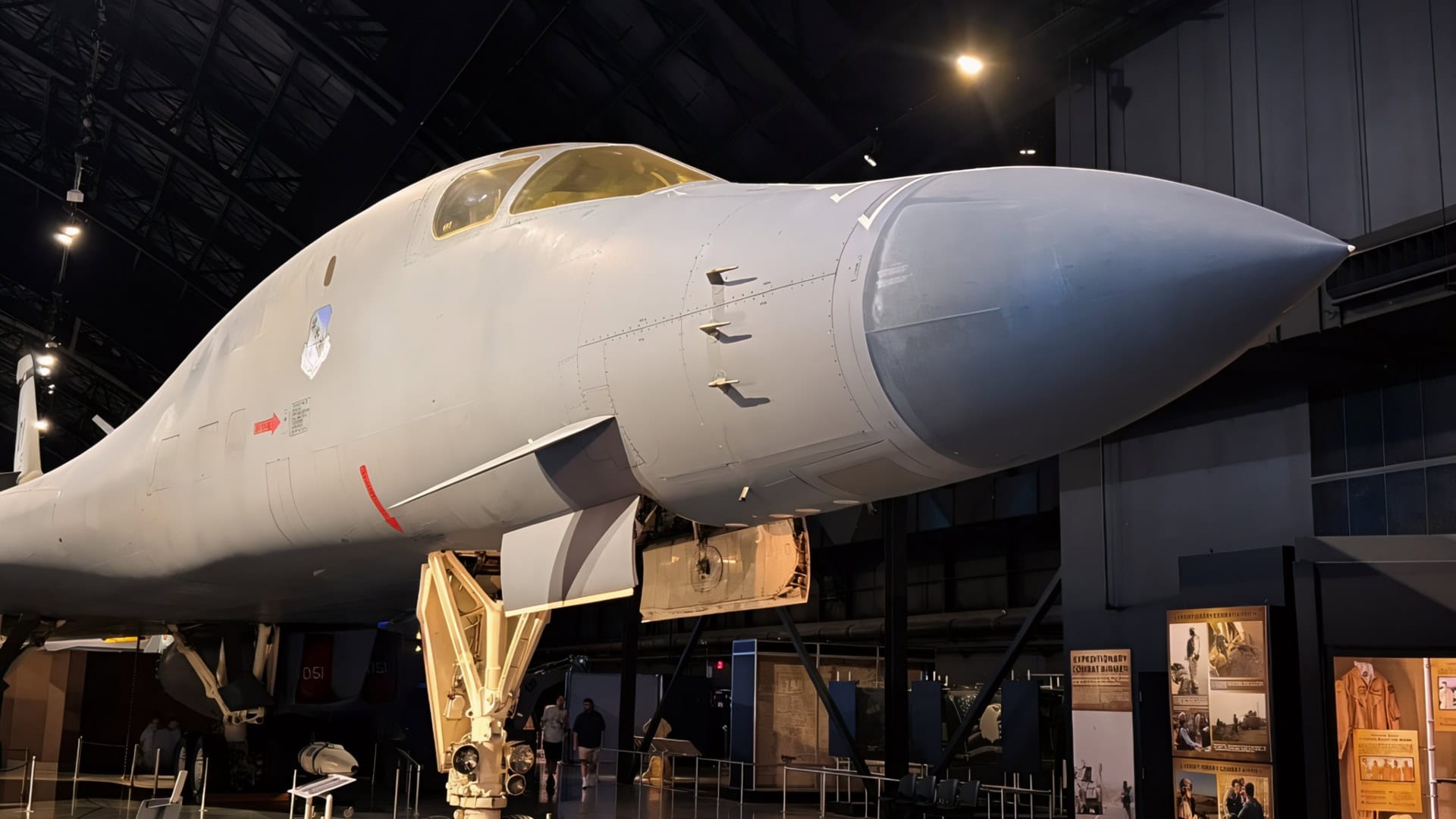
B-1B Lancer Bomber 19FortyFive Photoshoot Photo from National Museum of the U.S. Air Force
Iran’s air defenses failed to prevent the Americans and Israel from establishing air superiority over large chunks of the country.
But the US and Israel failed to eliminate the air defenses. Indeed, there remain vast swathes of the country that the US and Israeli air forces refuse to fly into under present conditions.
So, the surviving Iranian air defenses continue negatively impacting American plans for the air war.
The Air Defenses
At the upper level of Iran’s air defense arsenal is the Bavar-373.
This system is essentially the same as the Russian S-300, but it is domestically produced and tailored to Iran’s specific air defense needs.
It can attack aircraft (and other airborne systems) at long distances.
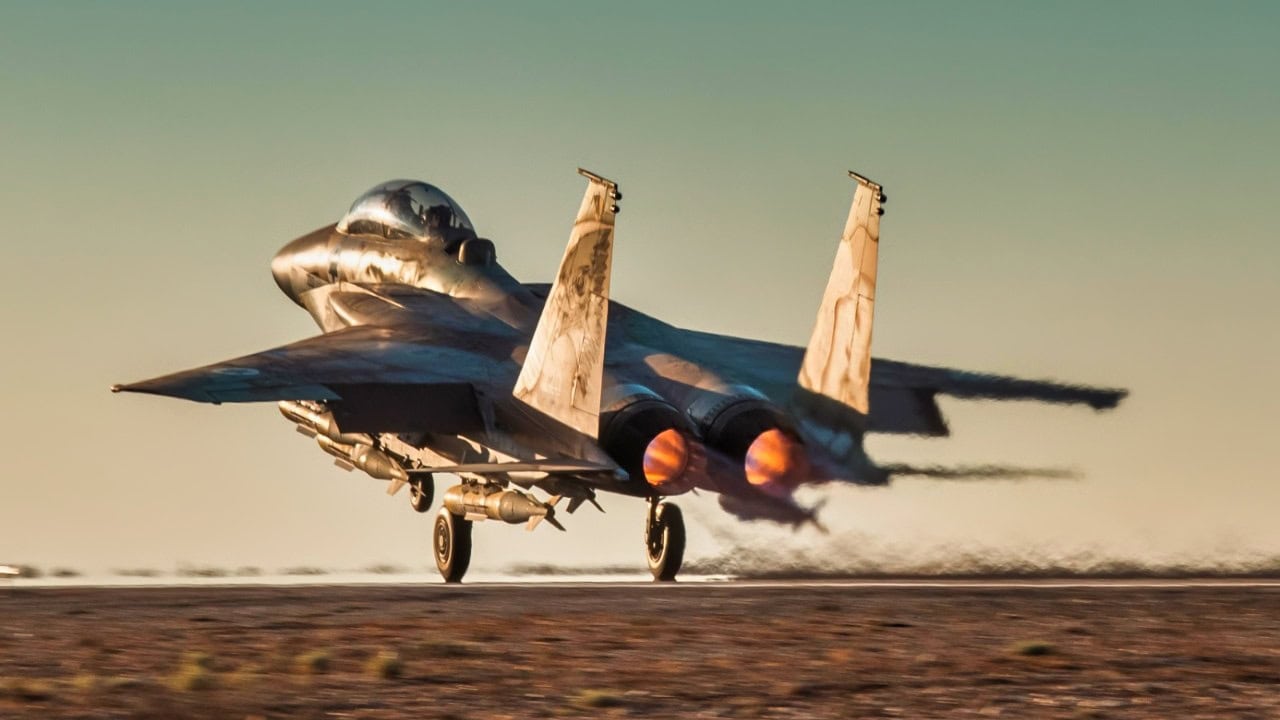
F-15I Ra’am. Image Credit: IDF.
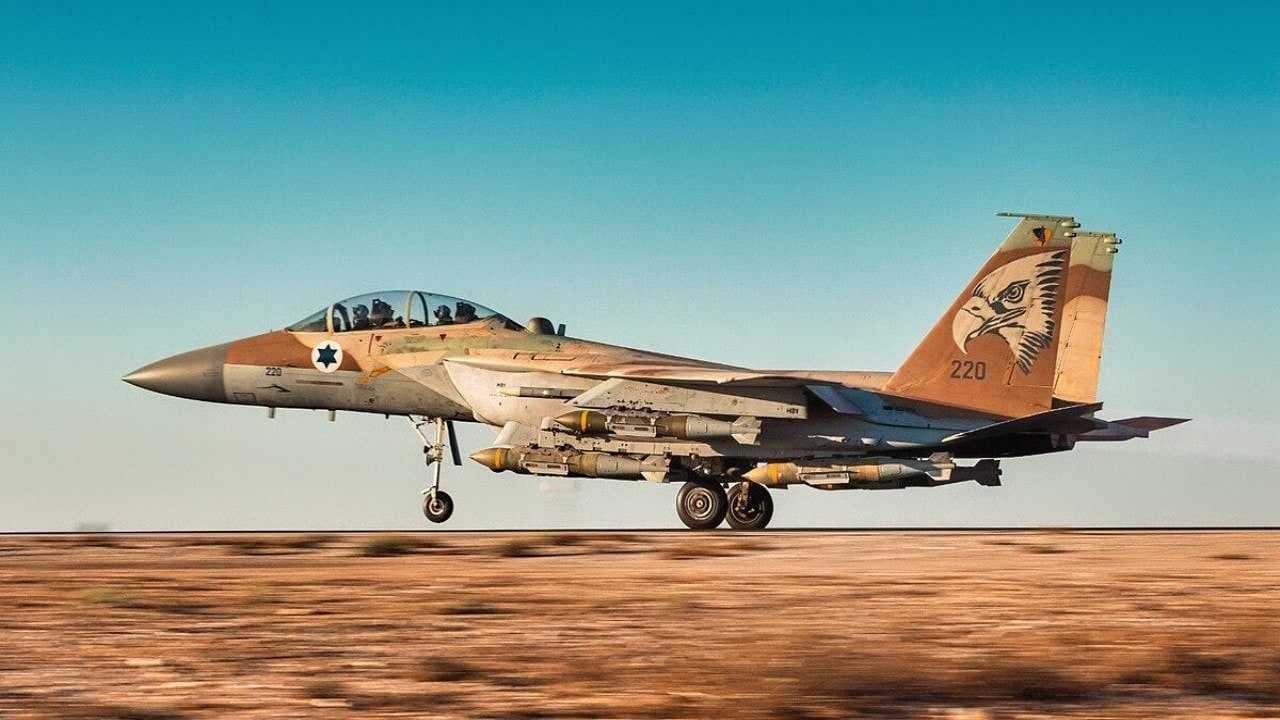
F-15I Ra’am Israeli Air Force.
Iranian officials insist that the newest versions of the Bavar-373 are comparable to other advanced, Western air defense systems.
However, these claims have never been independently verified.
Iran also has access to Russia’s S-300PMU-2. That gives Tehran a significant, modern long-range SAM system backed by phased-array radar.
Iran has connected the Bavar-373 and the S-300PMU-2 during field exercises, including using Russian radar and launch components as backups for the indigenous system.
Then there’s the Iranian medium-range defenses.
The Khordad family is the most important.
In fact, Iran’s Khordad system was responsible for downing a US Navy RQ-4 Global Hawk surveillance drone back in 2019.
And the newer Khordad system employs powerful Sayyad missiles that Tehran claims can detect enemy aircraft, cruise missiles, and drones–and engage them from longer ranges.
The Talash and Raad systems, along with shorter-range defenses like the Russian Tor-M1s and Iranian- and Chinese-made systems, complement Iran’s air defenses.
Yet, the initial American and Israeli attacks highlighted the weaknesses of Iran’s pre-war air defenses.
They destroyed critical radars, command centers, missile batteries–including S-300s–and launchers.
Meanwhile, American and Israeli air forces targeted fixed or semi-fixed radar installations that were very vulnerable because once they were activated to track US and Israeli warplanes, they effectively became targets for the US and Israeli air forces.
Iran’s mountainous geography also hampered the radar network that undergirds the country’s layered air defense system.
Because the Iranians installed their radars on the mountains, the Americans and Israelis had an easier time identifying them and destroying them.
Overall, this led to the degradation of Iran’s integrated air defense network.
Clearly, though, the Americans’ and Israelis’ unwillingness to venture beyond the southwestern reaches of the Islamic Republic highlights how serious a threat to Western forces the Iranian air defense network remains.
Adapting to the American Way of War
The adaptation to the American and Israeli way of air warfare is already underway in Tehran.
Rather than rebuilding what was lost as before, the Iranians are making critical adjustments to their reconstruction efforts.
The Iranians are increasingly favoring more dispersed, decentralized, and mobile air defense systems that are relatively cheap compared to the country’s original air defenses.
Indeed, this is on display in other areas of Iran’s grand strategy.
Consider Iran’s Kheibar Shekan “Castle Breaker” ballistic missile.
That system, like the proposed upgrades to Iran’s air defenses, utilizes mobility, maneuverability, and changing trajectories to complicate the US missile defenses charged with protecting sensitive US facilities throughout the region that have fallen under increasing Iranian attack.
Rather than trying to match the American system-for-system, Tehran is instead trying to outmaneuver US forces both offensively and defensively.
Toward that end, Iran claimed in May that a previously unknown air defense system, the Arash-e Kamangir, had downed an American MQ-9 Reaper unmanned aerial vehicle (UAV) in the Strait of Hormuz.
According to Iranian sources, the Arash-e Kamangir can detect targets that would otherwise be undetectable.
Meanwhile, some analysts suggest that this system is more than just another air defense platform.
They fear it may be part of the new concealed, disaggregated, cheap but highly lethal “systems of systems” that the Iranians appear interested in.
In keeping with the times, too, the Iranians are apparently integrating increasingly advanced artificial intelligence (AI) and automation into their air defense network.
The goal of integrating these systems is to speed up the process by which sensors mark targets and assign weapons to attack incoming enemy planes, drones, or cruise missiles.
No Air Dominance
What you’re seeing in Iran is US air superiority, not dominance. B-52s and B-1Bs do not need to fly directly over heavily defended enemy targets to launch long-range weapons from hundreds of miles away.
The B-2 Spirit, thanks to its stealth, can penetrate Iranian airspace much better than can other US warplanes and bombers.
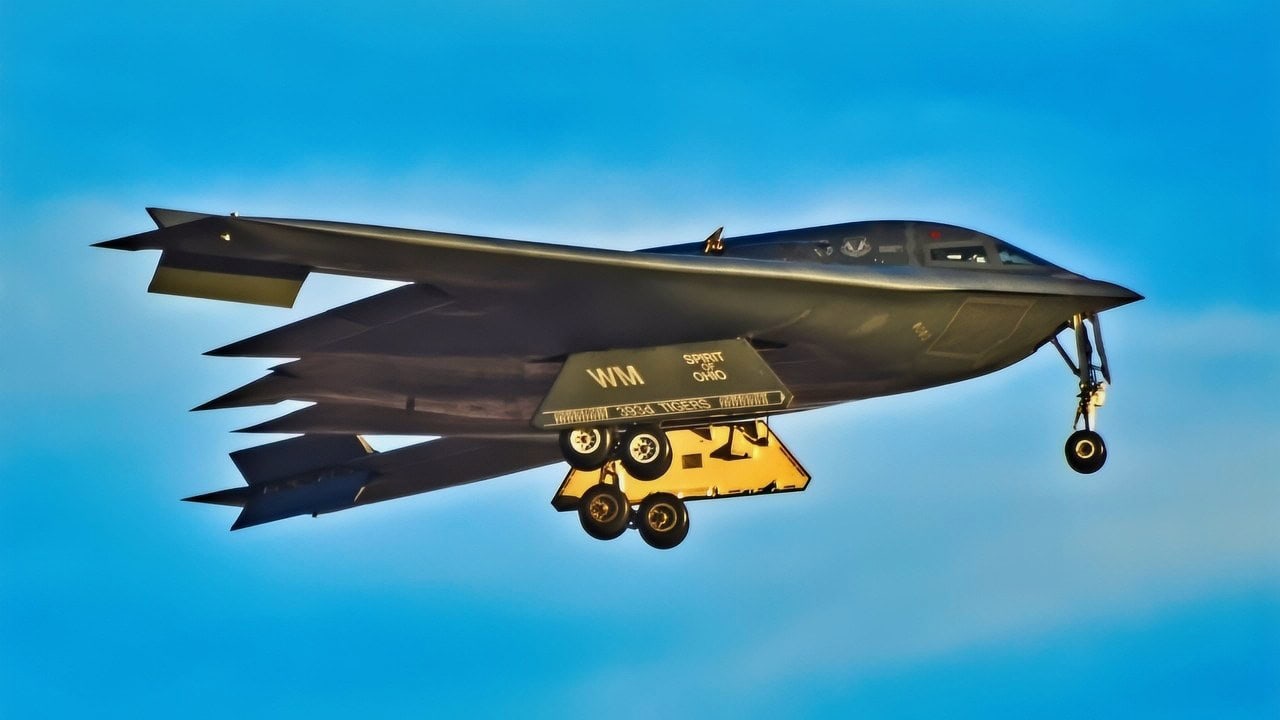
B-2A Spirit Stealth Bomber. Image Credit: Creative Commons.
Nevertheless, the Americans refuse to fully fly over Iran beyond the southern and western regions because of the presence of serious air defenses.
In other words, the Americans (and Israelis) have a degree of superiority over a sliver of the country. They do not have total control or air dominance.
And the Iranians are adapting through greater mobility, dispersed sensors, disaggregated missile launchers, and systems capable of enabling deeper penetration by Western air forces at a cost far higher than many leaders in those Western states are willing to accept.
Again, victory for Iran is not defeat of the United States in battle. It is surviving long enough for the Americans to burn themselves out or become distracted. That has been the Iranian strategy from the start. It’s working.
About the author: Brandon J. Weichert
Brandon J. Weichert is the Senior National Security Editor at 19FortyFive.com. He also manages The Weichert Brief on Substack. Weichert also hosts “National Security Talk” on Rumble. He is the author of four bestselling national security books, the most recent of which is A Disaster of Our Own Making: How the West Lost Ukraine (Encounter Books). Follow him via Twitter/X @WeTheBrandon.