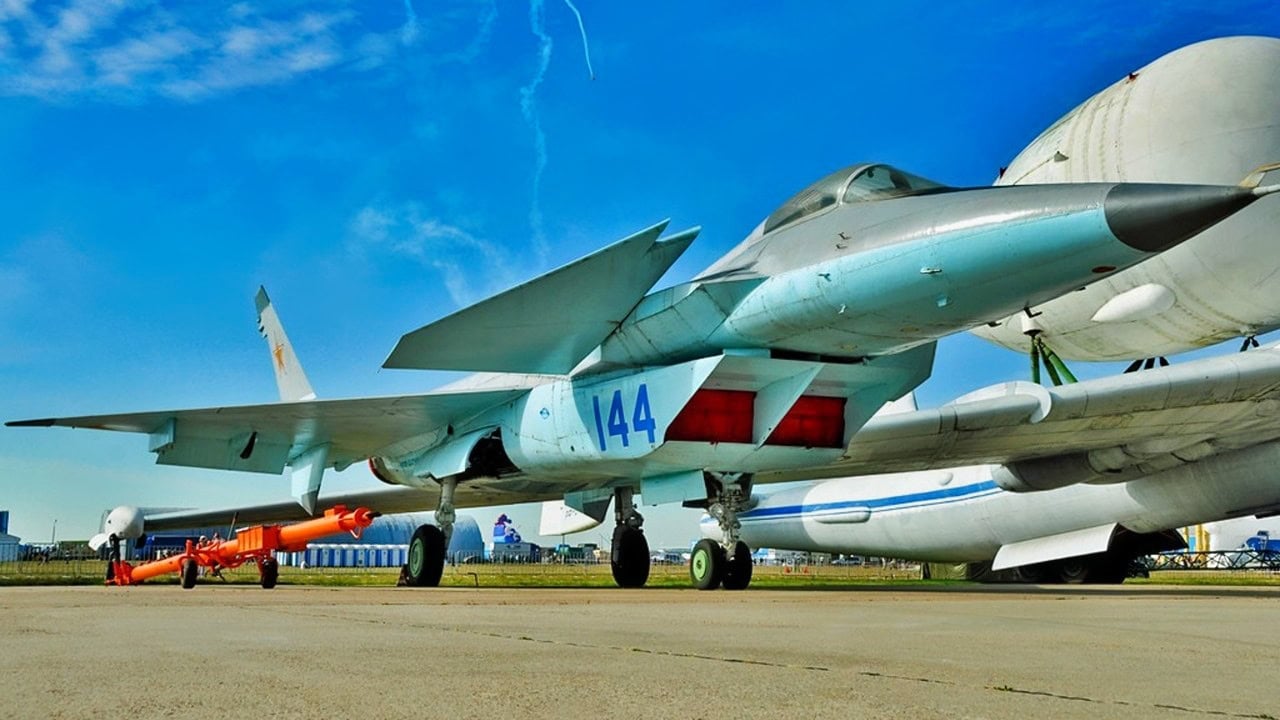
Summary and Key Points: On April 27, 2000, the MiG 1.44 landed after a 22-minute flight and never flew again. Counting its first flight that February, Mikoyan’s answer to the F-22 Raptor had logged 40 minutes in the air, 17 years after work on the program began. The engineering was not the problem. Post-Soviet Russia could not afford to develop, build, and maintain a fleet of advanced stealth fighters, and when Moscow tried again, it turned to Sukhoi instead. That decision produced the Su-57 Felon, the stealth fighter Russia flies today.
The MiG-1.44 Was Never the F-22 Raptor
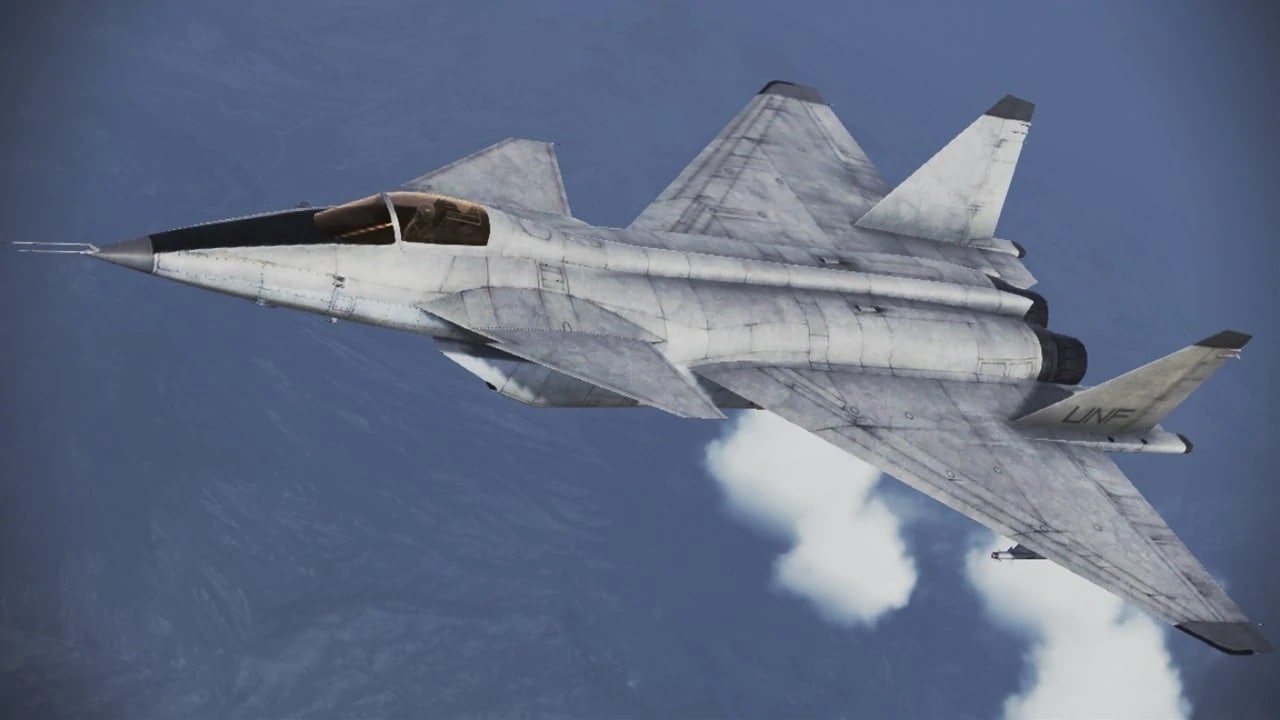
MiG 1.44 computer generated image of possible configuration.
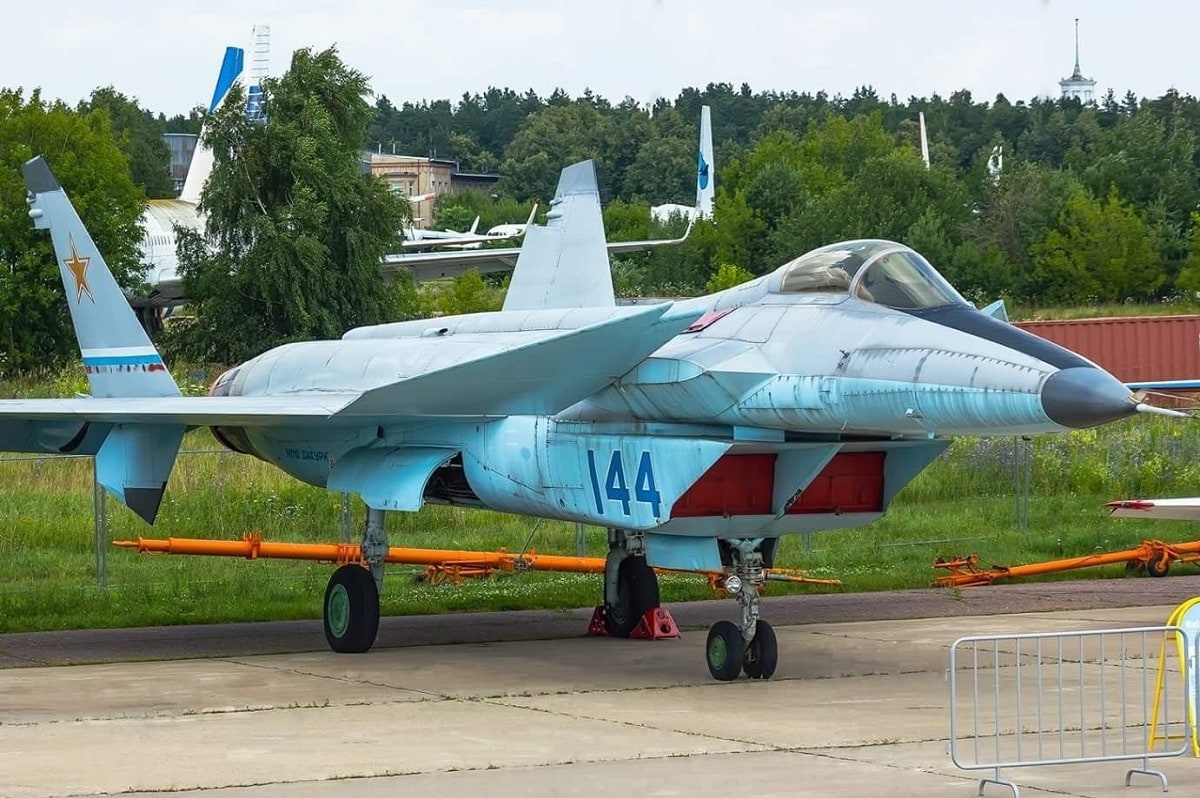
Image: Creative Commons.
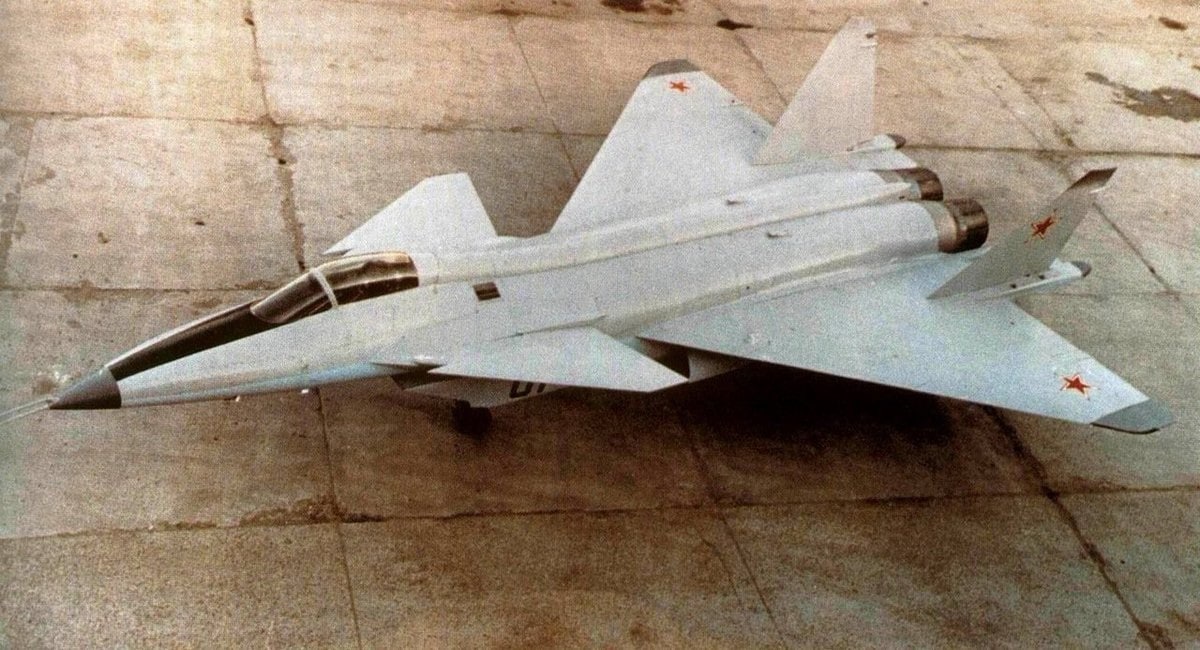
MiG 1.44. Image: Creative Commons.
In the early 1980s, the Soviet Union was in the throes of the Cold War against the United States.
It was “morning in America” under President Ronald Reagan, and the US was engaged in one of the greatest defense buildups in its modern history.
The Soviet Union, meanwhile, struggled to keep up as its economy was in freefall and its military was bogged down in a quagmire in Afghanistan.
To stay competitive with the United States military’s advancing technologies, the Soviets began work on the Multifunctional Frontline Fighter (MFI).
Working At the End of Empire and the MiG-1.44
The legendary Soviet design bureau Mikoyan began work in 1983 on replacements for the Su-27 and MiG-29.
At the same time, the Americans were developing their fifth-generation stealth warplane under the Advanced Tactical Fighter (ATF) program.
That competition ultimately produced the Lockheed YF-22 and the Northrop YF-23, with the Lockheed plane winning.
Like the American ATF program, the Soviet MFI program was ambitious.
The Soviet Air Force wanted a next-generation warplane that could combine supercruise, advanced sensors, reduced radar (and infrared) signatures, all with exceptional maneuverability.
The Mikoyan prototype for the MFI was designated MiG-1.42. However, the flying technology demonstrator was designated MiG-1.44.
Whereas the American ATF program produced the Lockheed F-22 Raptor, one of the most iconic and advanced warplanes flying unfriendly skies today, the MFI program became a reminder of the Soviet Union’s rapid decline and collapse.
The MiG-1.44’s development spanned 20 years. When the Soviet state evaporated in 1991, MFI funding went with it. The resulting MiG-1.44 flew only twice, before disappearing.
And the MiG-1.44 was humongous. At 72 feet long and roughly 56 feet across, it weighed more than 80,000 pounds at maximum takeoff weight.
Mikoyan built the plane around a large delta-wing design.
Engineers then added prominent canards ahead of the wings.
Two widely spaced vertical stabilizers were toward the rear of the MiG-1.44 airframe.
Two AL-41F afterburning turbofan engines powered this unique warplane. Mikoyan also designed the plane with thrust-vectoring engines.
The maximum speed was projected to exceed Mach 2, and the fighter was to sustain supersonic flight without afterburners.
What’s more, the MiG-1.44 designers wanted to incorporate reduced-observable features along with internal weapons bays.
Just as Mikoyan’s next-generation fighter should have been moving toward flight testing, though, the Soviet Union collapsed.
Russia inherited much of the Soviet military-industrial complex, but it lacked the financial wherewithal to sustain that industrial base and military.
In the early 1990s, defense spending collapsed.
The MFI program became one of the casualties of that implosion.
Although the MiG-1.44 was mostly assembled by mid-decade, its development slowed dramatically.
By 1997, the MiG-1.44 was canceled because of its exorbitant development and maintenance costs. Russia ended the program before the plane ever took flight.
Yet Mikoyan kept working on the demonstrator—even publicly unveiling it in January 1999.
She Flew For Less Than An Hour
A year later, it flew for 18 minutes.
Test pilot Vladimir Gorbunov took the MiG-1.44 on its maiden flight and stayed below 325 knots while keeping the landing gear down.
The aircraft climbed to 3,300 feet and circled the airfield twice.
This was simply a demonstration that the MiG-1.44 could fly.
It was very bare-bones.
Given what the program had endured since the collapse of the Soviet Union, making that bird fly was a feat in itself for the men and women involved.
The MiG-1.44 flew once more on April 27, 2000, remaining airborne for 22 minutes.
After that, the flight-test program was discontinued.
The total flight time between the two tests was less than an hour.
From an engineering perspective, however, there was nothing wrong with the MiG-1.44.
Russia could not afford the enormous investment required to turn that demonstrator into a system capable of reliably competing with the US Air Force’s F-22 Raptor.
It wasn’t just about making the bird fly or even building multiple units.
Moscow had to maintain this advanced bir — and keep it upgraded over a long time. When the MiG-1.44 took to the skies, the Russians were trying to prevent themselves from collapsing as a nation-state.
“What If?”
Plus, Mikoyan itself was losing its standing within the Russian combat aircraft industry.
Sukhoi, its rival design bureau, was coming to dominate the post-Soviet combat aircraft sector.
When Moscow wanted another bite at the fifth-generation warplane apple, the Russian government turned to Sukhoi rather than Mikoyan.
That deal produced the Su-57 Felon.
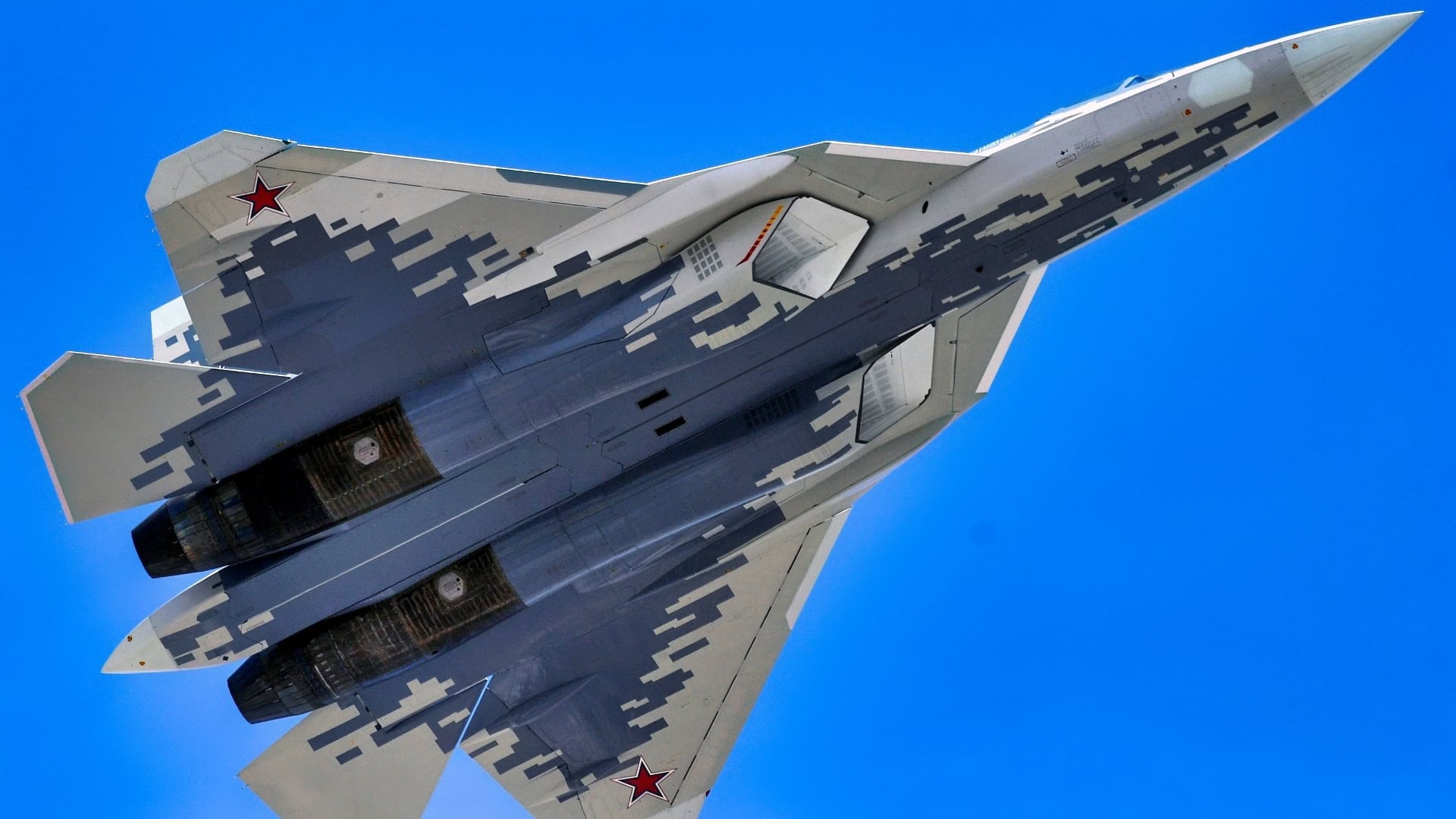
Su-57 Felon from Russia. Image Credit: Creative Commons.
The MiG-1.44 had no future. But it was the Soviet answer to what, at the time of its inception, was the still-gestating F-22 Raptor.
Had the USSR not collapsed, or had its economic conditions been different by the early 1980s, it is a fascinating “what if” to ponder what the MiG-1.44 might have become.
About the Author: Brandon J. Weichert
Brandon J. Weichert is the Senior National Security Editor at 19FortyFive.com. He also manages The Weichert Brief on Substack. Weichert also hosts “National Security Talk” on Rumble. He is the author of four bestselling national security books, most recently A Disaster of Our Own Making: How the West Lost Ukraine (Encounter Books). Follow him via Twitter/X @WeTheBrandon.