
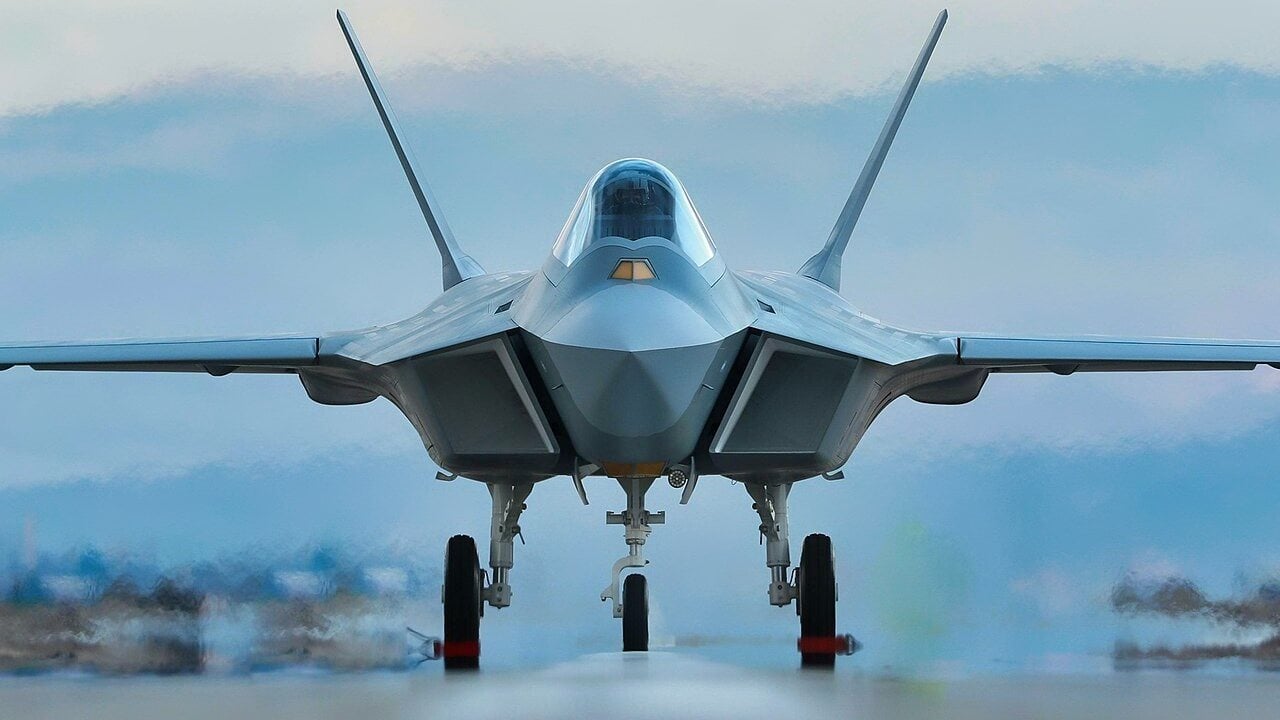
Summary and Key Points: Turkey built a fifth-generation fighter to reduce dependence on the United States, and it uses 2 American engines. Ankara was expelled from the F-35 program in 2019 after buying the Russian S-400 air defense system, and responded by accelerating the development of the aircraft that became the TAI Kaan — intended to be the first fifth-generation fighter produced anywhere outside the United States, China, or Russia. It is powered by 2 General Electric F110 afterburning turbofans, each producing roughly 29,000 pounds of thrust, built in America. That is not just an engineering choice. Military engine exports require US government authorization, and so do transfers of controlled American technology to a third country — which means every Kaan Turkey builds, and every Kaan Turkey wants to sell, passes through Washington.
TAI Kaan Stealth Fighter: Turkey’s Own F-35? Not Exactly
Turkey’s TAI Kaan is meant to mark the country’s arrival as an independent producer of advanced combat aircraft.
Indeed, the platform would be Turkey’s first domestically produced fifth-generation fighter, and the world’s first produced outside of the US, China, or Russia.
The symbolism of the Turkish program seems especially powerful after Turkey was removed from the F-35 program in 2019 following Ankara’s acquisition of Russia’s S-400 air defense system.
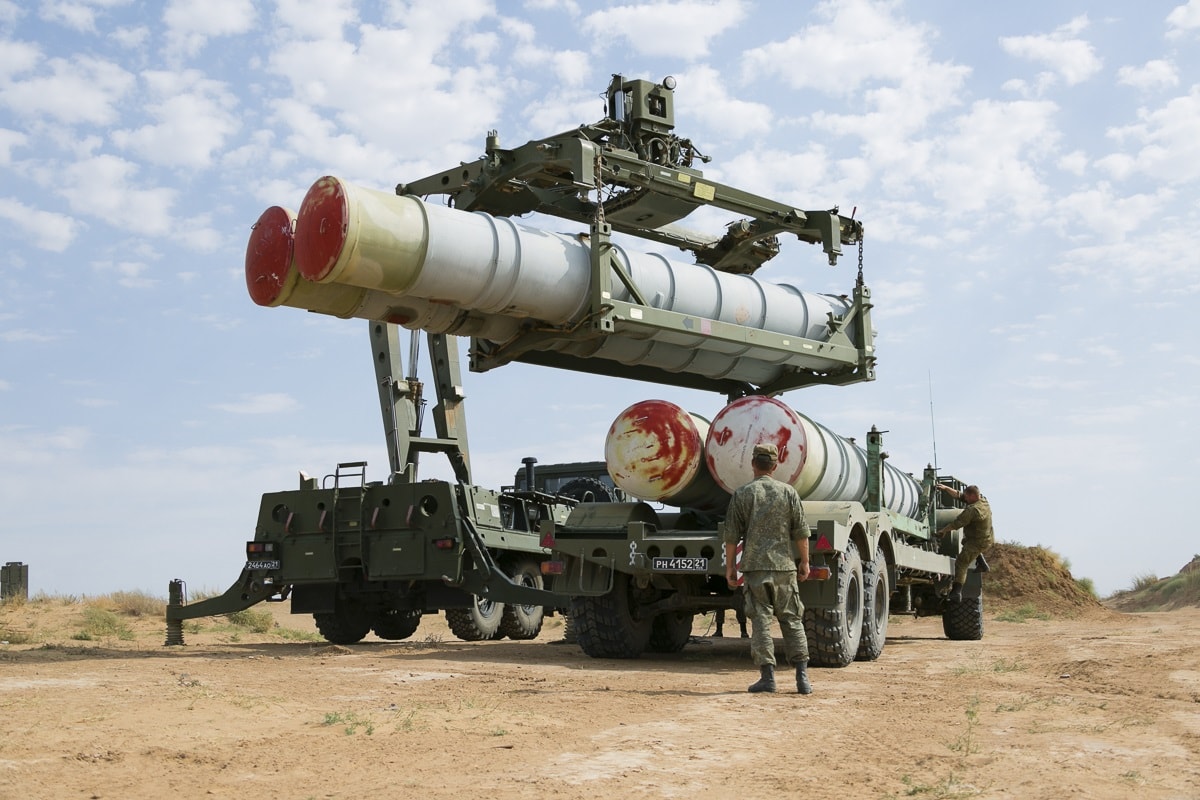
Russia’s S-400 Air Defense System. Image: Russian Military.
But rather than remain dependent on foreign fighters, Turkey accelerated its own indigenous program.
The Kaan, in theory, is intended to provide Turkey with high-end capabilities including low observability, internal weapons carriage, advanced AESA radar, modern electronic warfare, sensor fusion, networked combat capability, and modern weapons.
But undergirding the entire effort is a profound irony: Turkey’s fighter is dependent on two General Electric F110 afterburning turbofan engines.
So while Turkey wants the Kaan to gain independence from Washington, it’s Washington that supplies the engine that makes the Kaan fly.
From the TF-X
Originally known as the TF-X, Kaan emerged from Turkey’s effort to develop a domestically produced successor to its large F-16 fleet.
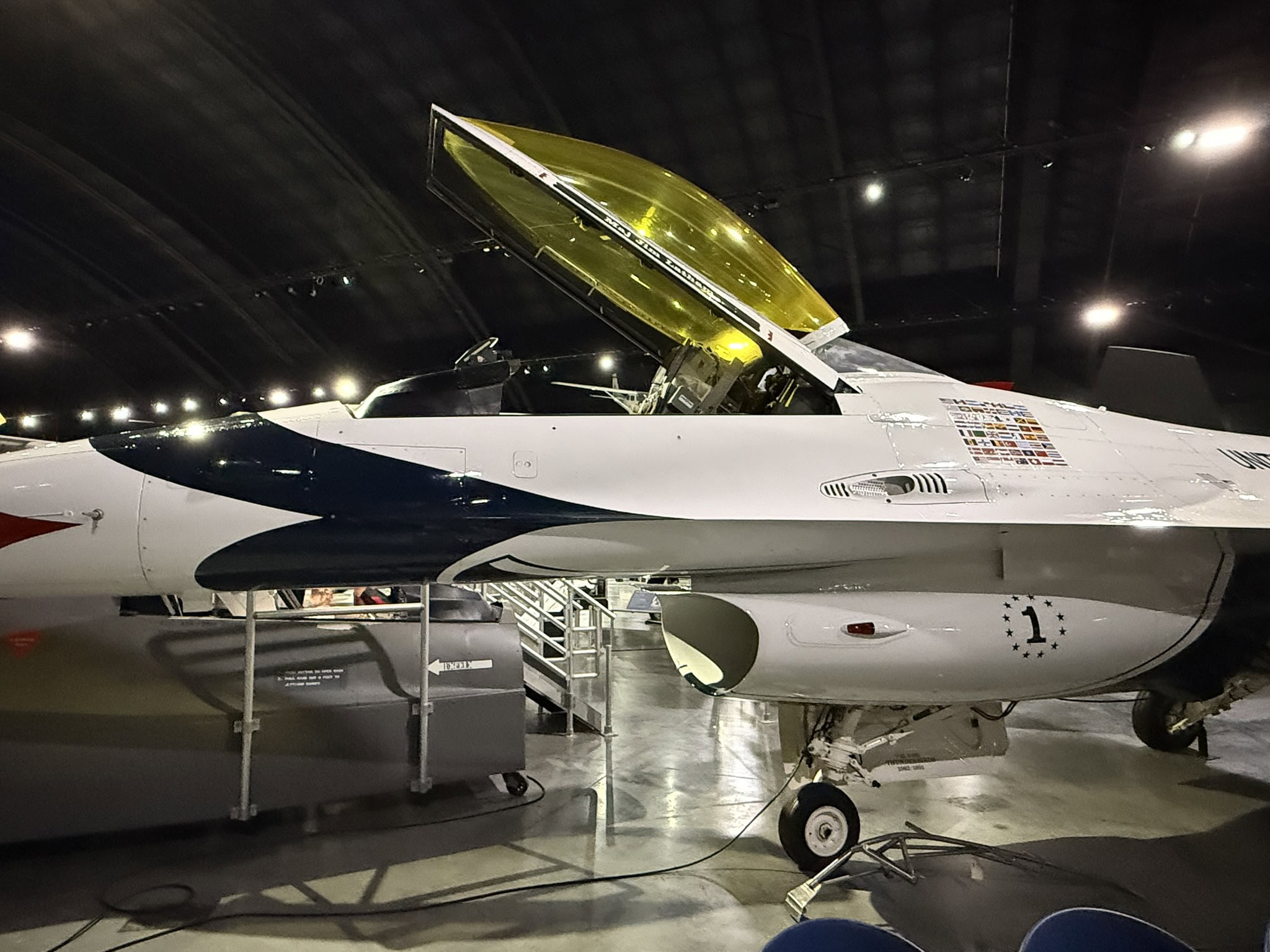
F-16 Fighter. 19FortyFive.com Image from the National Museum of the U.S. Air Force.
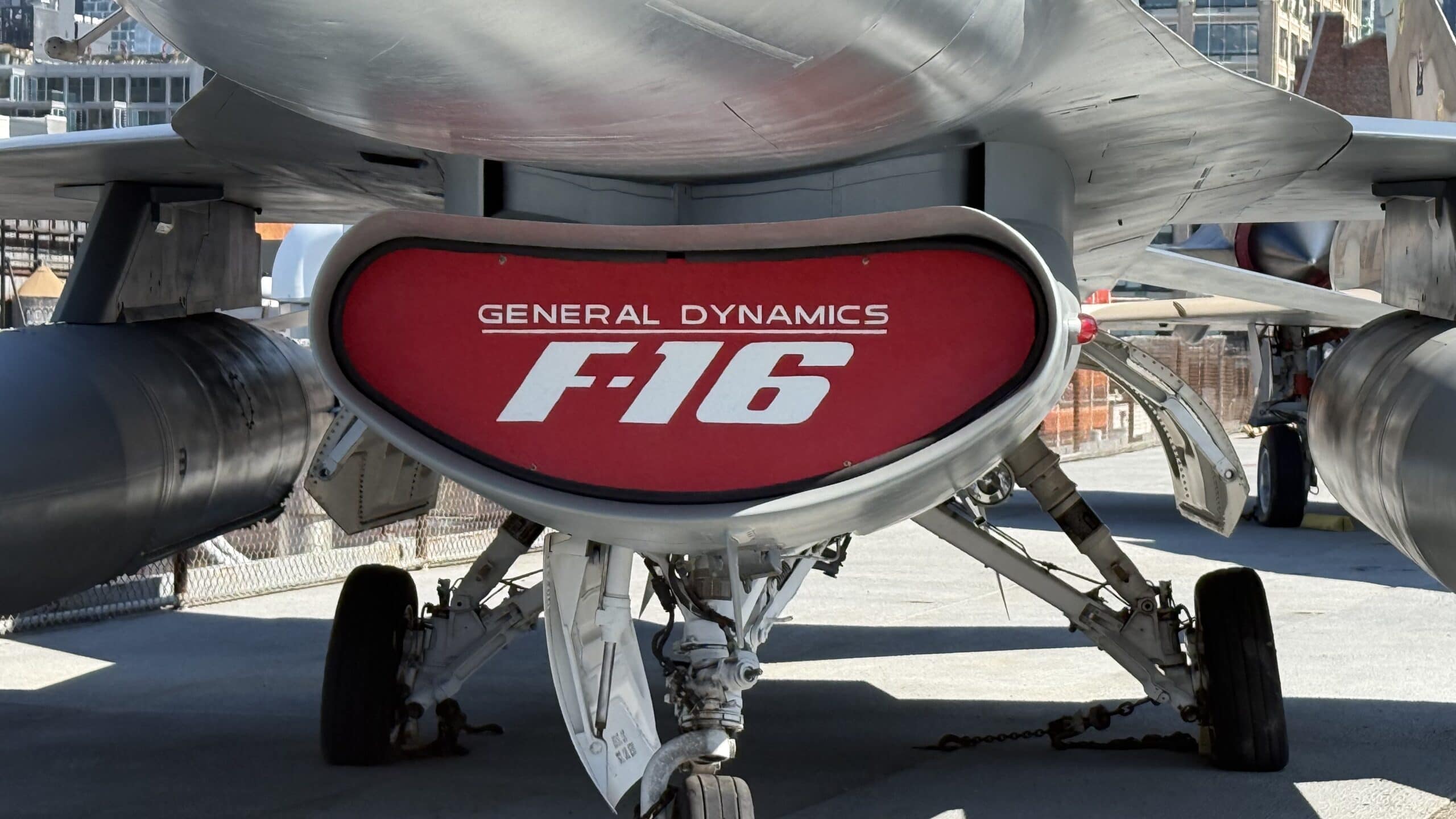
F-16 On Flight Deck of USS Intrepid. 19FortyFive.com Image.
The first prototype made its maiden flight in February 2024, with a second flight following in May. The program has since moved forward with additional prototypes.
The ambition here is real; Turkey doesn’t just want an experimental demonstrator—it wants the Kaan to enter serial production and operational service.
But while Turkey is currently tied to the F110, it plans to transition to an indigenous propulsion system.
Turkey also hopes to export the Kaan.
Last year, Indonesia agreed to acquire 48 Kaans, an enormous vote of confidence in an aircraft that is still in development.
The F110 Core
Kaan’s dependence on the US seems counterintuitive to the program’s goals.
But at least the dependence comes with world-class capability; the GE F110 is one of the most successful modern fighter engines.
Variants can be found in aircraft including the F-16, F-15, and Japan’s F-2.
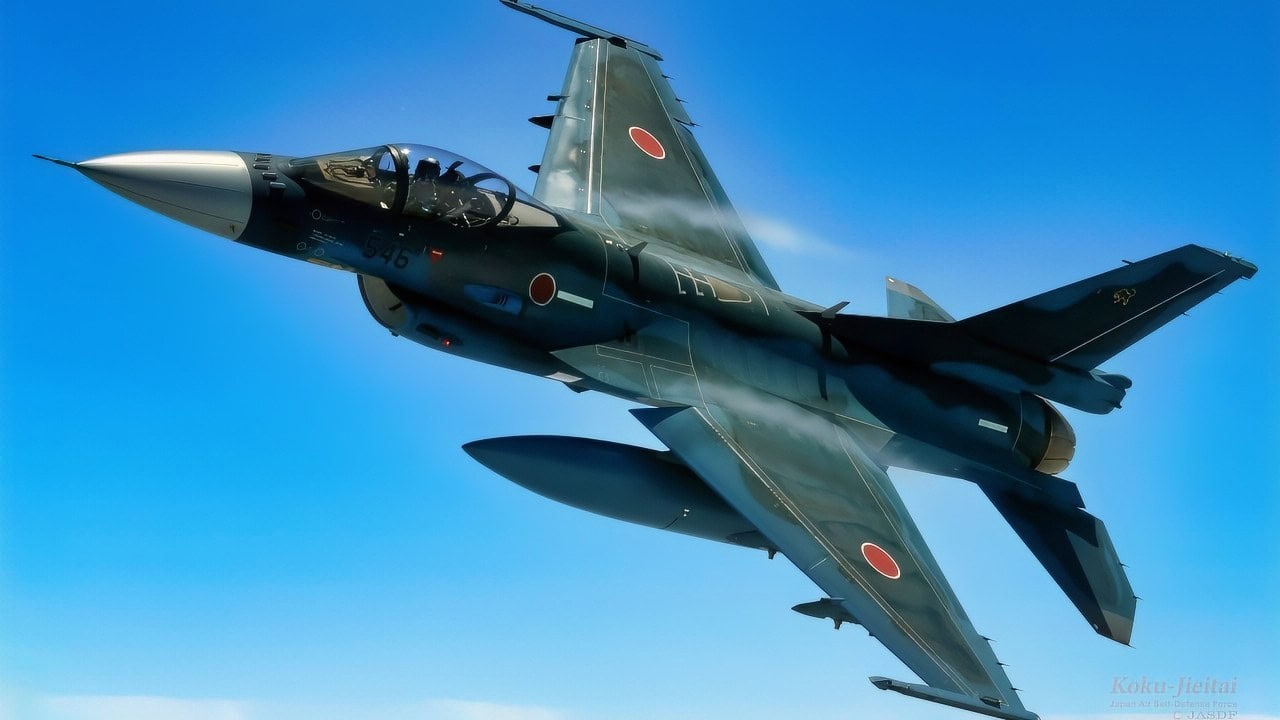
Mitsubishi F-2 Fighter for Japan.
The engine produces roughly 29,000 pounds of afterburning thrust.
The Kaan, with its twin-engine configuration, therefore benefits from incredible thrust while also reducing the development risks of creating a new jet engine from scratch.
Developing a high-performance fighter turbofan is difficult, especially when paired with a clean-sheet fighter program.
The combination of programs can be mutually retarding.
Instead, Turkey is using the mature F110 as a low-friction foundation, allowing the industry to focus more exclusively on fighter components and characteristics like flight controls, aerodynamics, avionics, weapons integration, sensors, and low observability.
Bad Politics
But while the F110 makes sense from an engineering standpoint, the engine carries political complications.
The engine continues to give Washington leverage over a program envisioned to end that leverage.
Military engine exports require US government authorization, meaning every single Kaan produced depends on US approval.
Similarly, transfers of controlled American defense technology to third countries, such as Indonesia, require authorization.
This adds another step before Turkey can export: US approval, meaning Turkey can’t treat the Kaan as a sovereign product it can sell wherever it wants.
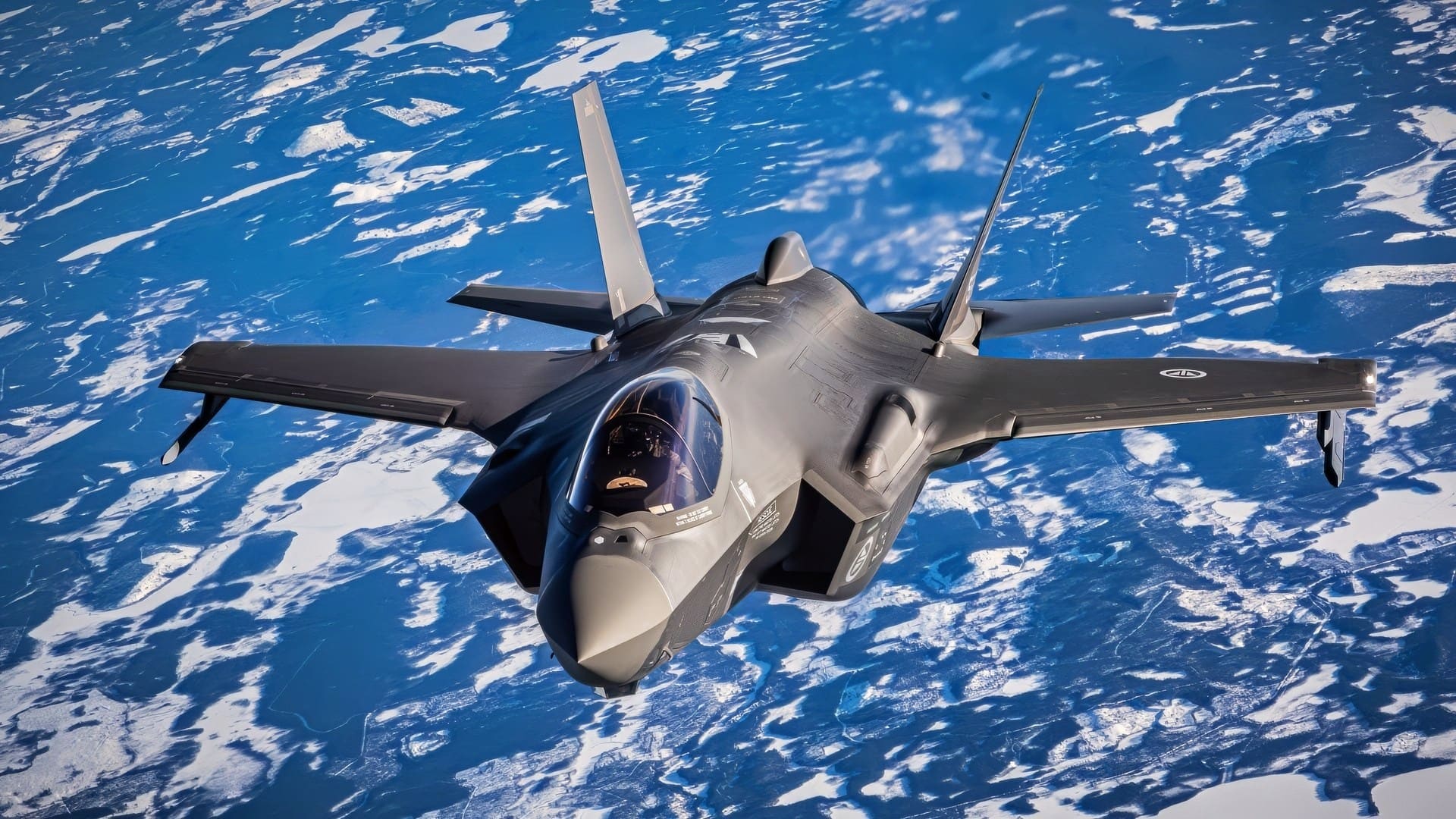
A Norwegian F-35 Lightning II closes the gap to receive fuel from a KC-135 Stratotanker assigned to the 101st Air Refueling Wing during Nordic Response 24, March 11, 2024. The MAINEiacs are staged at RAF Mildenhall, England, to take part in the Norwegian-led exercise taking place in Norway, Sweden and Finland. Exercises like NR24 solidify operational and tactical relationships, synchronize tactics, techniques, and procedures, and strengthen bonds among U.S., Norwegian, Allied, and partner forces.
Turkey must also look to Washington to sustain the engine.
Fighters consume spare parts, replacements, maintenance equipment, and technical support.
Engines are one of the most maintenance-intensive components on an aircraft.
Any rupture between the US and Turkey would significantly complicate Turkey’s ability to maintain the Kaan.
Just look at Iran’s fleet of American fighters, procured in the 1970s before the relationship ruptured.
Iran has spent almost fifty years sustaining the fighters on cannibalized and improvised parts. Turkey wants to avoid a similar situation.
Building the Engine
But building a jet engine isn’t a quick fix that Turkey can just solve tomorrow.
Modern jet engines produce enormous power—yet at the same time they must remain compact, lightweight, fuel-efficient, reliable, and controllable across huge temperature and airflow changes.
Critical technologies involved include advanced nickel superalloys, single-crystal turbine blades, sophisticated cooling passages, thermal-barrier coatings, high-pressure compressors, and FADEC digital engine controls.
Building an engine is a massive undertaking. So for now, the Kaan program will remain tied to the US, the world’s leader in jet fighter engine development.
About the Author: Harrison Kass
Harrison Kass is a writer and attorney focused on national security, technology, and political culture. His work has appeared in Tablet, City Journal, The Hill, The Spectator, and The Cipher Brief. He holds a JD from the University of Oregon and a master’s in Global & Joint Program Studies from NYU. More at harrisonkass.com.