
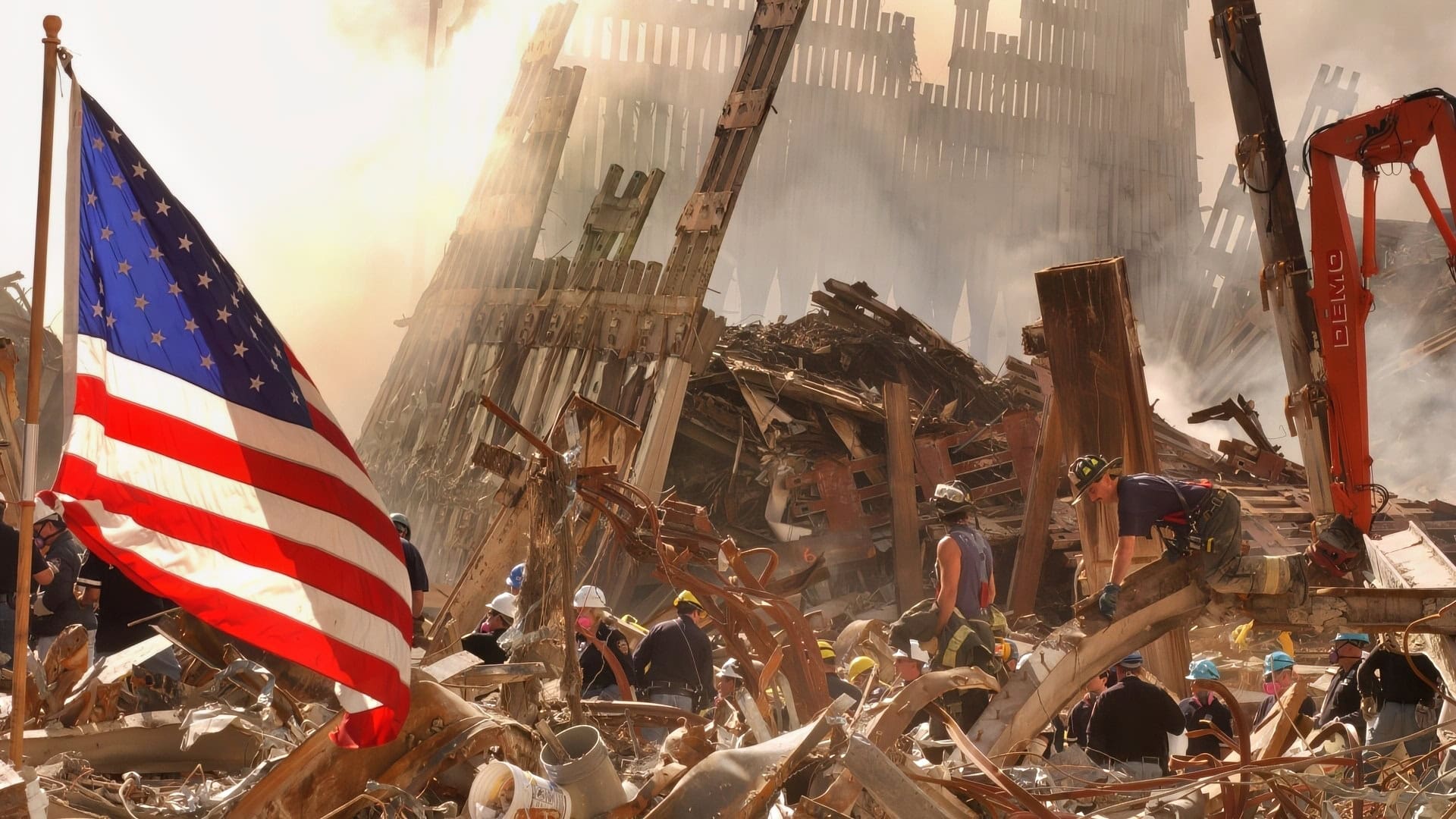
Following the 9/11 attacks on New York City and Washington, DC, a bipartisan commission met to examine the evolution of the plot, U.S. political choices, and the missed opportunities to intercept it.
Changes and Missed Opportunities
A quarter-century later, the same perfect storm of suffocating bureaucracy, political correctness, and diplomatic wishful thinking continues.
The Al Qaeda attacks were a wake-up call to the potency of ideology as a motivator for terror.
Prior to 9/11, many diplomats and social scientists assumed that grievance motivated terror.
The problem was poverty, lack of education, or the indignity of “occupation,” they argued. President George W. Bush sought to sidestep the issue with his “Global War on Terrorism,” effectively declaring war on a tactic rather than an idea.
The creation of the Office of the Director of National Intelligence, meanwhile, slowed the flow of intelligence rather than addressing fundamental flaws in the process.
The September 11 attacks forced Americans to reckon with their own false assumptions.
The 9/11 hijackers were neither impoverished nor did they live under occupation, unless analysts want to count Hejaz and Asir as occupied by Saudis.
An onerous bureaucracy prevented information about Saudi flight students uninterested in landing, and both the White House and the State Department sought to shield the Saudis from inquiry or criticism.
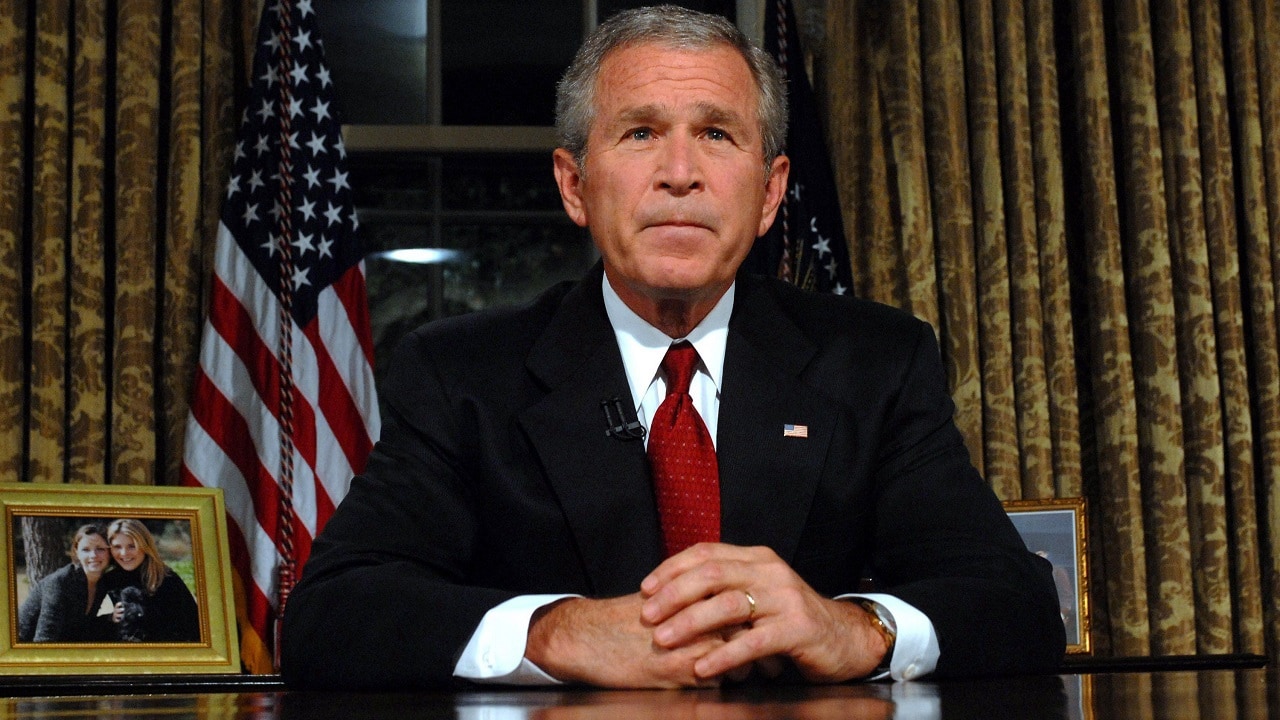
George W. Bush. Image Credit: White House.
Today, the same pattern returns.
President Barack Obama embraced the findings of favored academics who insisted any focus on Islam as a motivator was Islamophobic.
The irony of this effort at politically correct revisionism was that within the Middle East, policymakers had no such sensitivity; they understood that the problem was a debate within Islam. Simply put, theology matters.
The Saudi Challenge
Meanwhile, as a generation of diplomats praises Saudi reforms, reality intercedes.
Saudi authorities cracked down on domestic radicalism not because of 9/11, but rather when they suffered blowback.
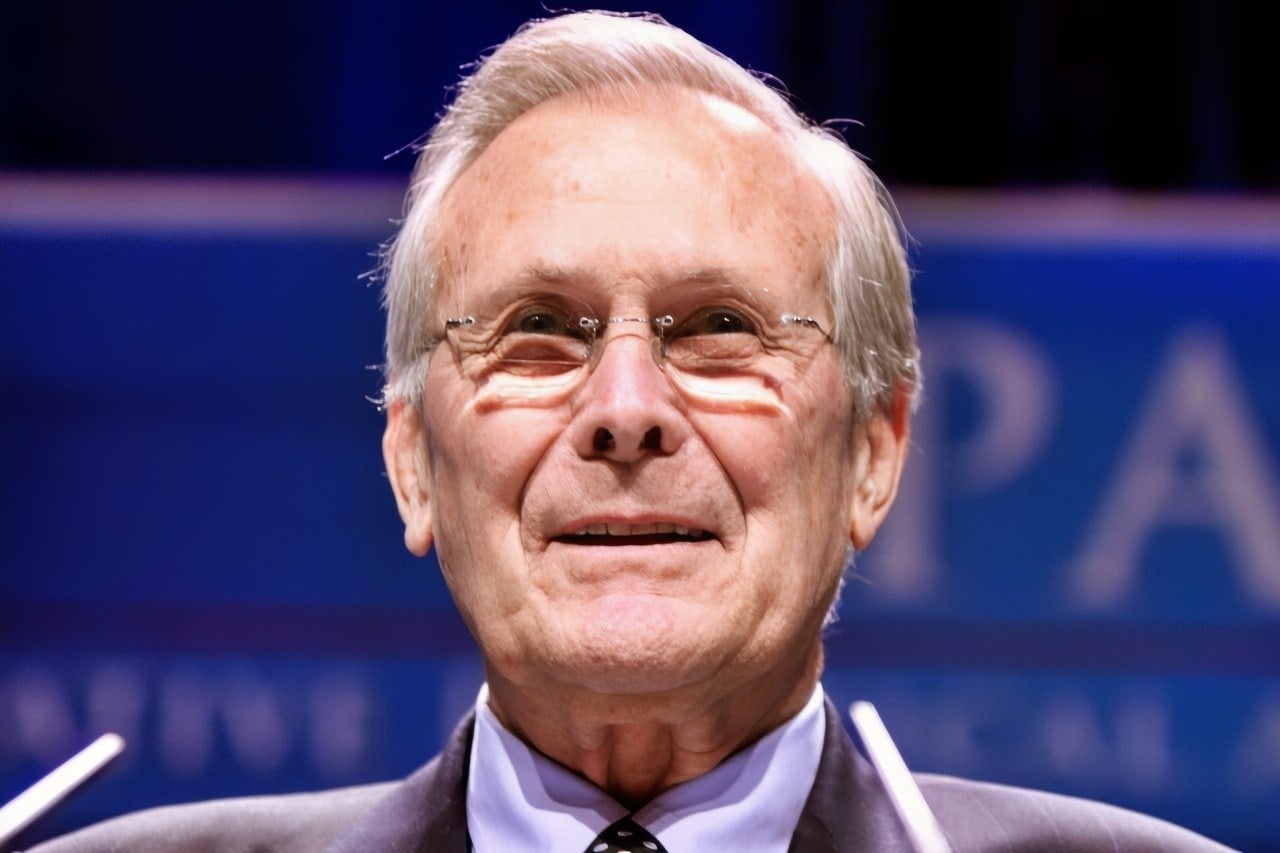
Donald Rumsfeld. Image Credit: Creative Commons.
While the West celebrates Crown Prince Muhammad bin Salman’s reforms, they ignore the double game he plays on the Muslim Brotherhood.
Like Saudi leaders before him, he seeks to co-opt extremists with a devil’s bargain that they wage their jihad only for export.
Bin Salman’s sponsorship of the Mecca Pact, a Sunni NATO, consisting so far of Saudi Arabia, Turkey, and Pakistan, with Bangladesh, Egypt, and Syria waiting in the wings to join, suggests Saudi Arabia is less a sincere partner than the cornerstone of a new “Axis of Ikhwan.”
The same pattern exists in Turkey and Pakistan. Turkey is a NATO member, and Pakistan is a Major Non-NATO ally.
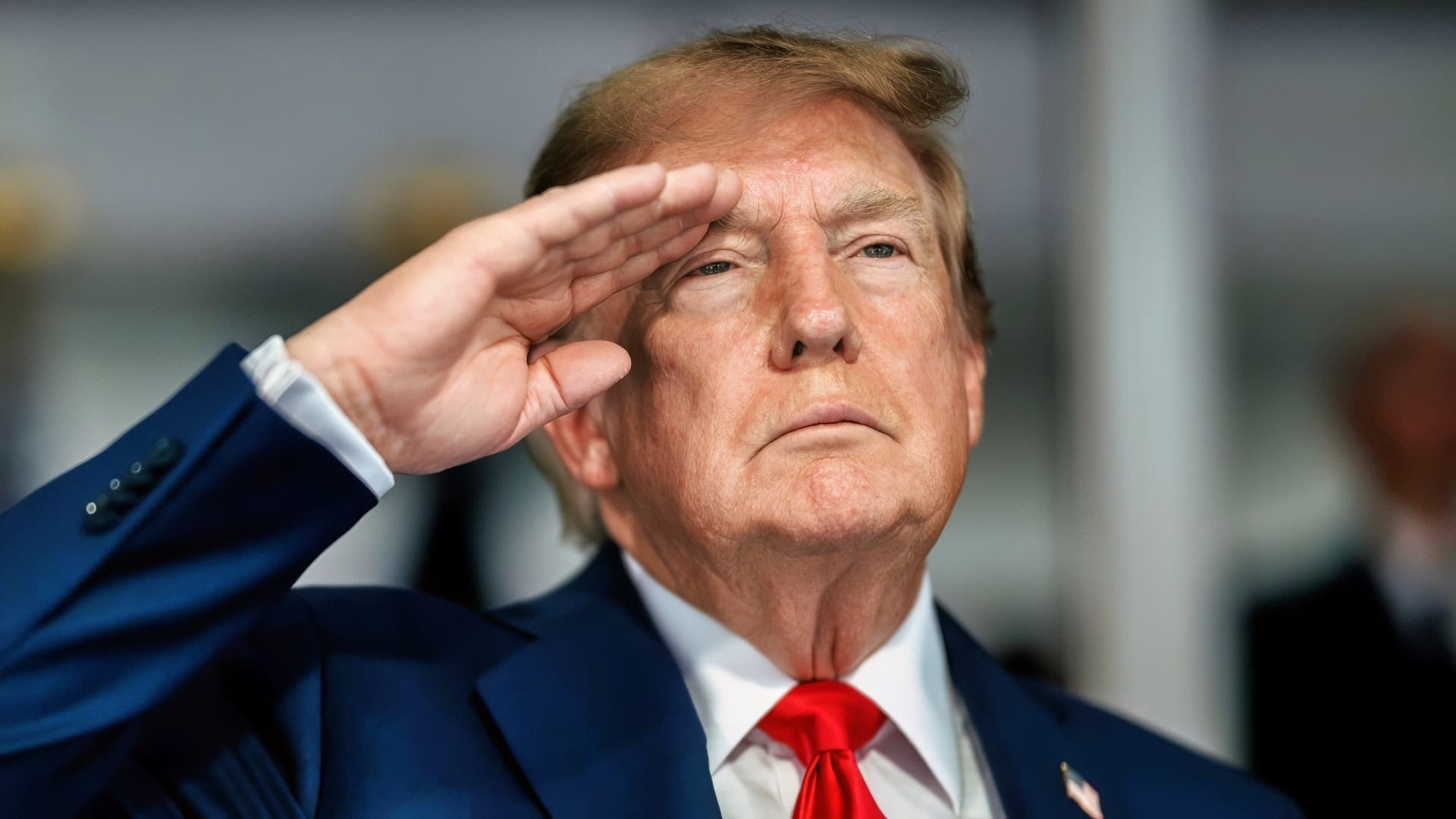
President Donald J. Trump and First Lady Melania Trump during the National Anthem before the start of the Freedom 250 Grand Prix Race in Washington, D.C., Sunday, August 23, 2026. (Official White House Photo by Daniel Torok)
President Donald Trump promotes both, even as their terror support and anti-Americanism are undeniable.
President Recep Tayyip Erdogan openly embraces Hamas and more covertly supports both the Taliban and the Islamic State.
Businessman and U.S. Ambassador Tom Barrack’s apologetics for Turkey and Erdogan negate any meaningful ability to hold Turkey to account or convince its leadership to stop undermining regional and U.S. security.
Pakistan, likewise, played a double game with the Taliban, sheltered Bin Laden, and continues to support an array of terrorist groups, nominally geared to India but just as antagonistic to the United States.
As Trump dines with Pakistani Field Marshal Asim Munir, the murderers of Americans in the Mumbai attacks roam free.
Today, cultivating close ties with Turkish and Pakistani leaders despite their statements and actions would be akin to Franklin Roosevelt doing business and socializing with leaders in Berlin, Rome and Tokyo, and deliberately ignoring not only their worldview but also their efforts to implement it with violence.
In Syria, too, wishful thinking dominates.
Trump ordered the rehabilitation of Ahmad al-Sharaa, despite his years leading an al-Qaeda affiliate.
A business suit and a trimmed beard do not, however, equal reform or remorse.
Even if al-Sharaa is sincere, those in the movement that props him up in power are not.
Bangladesh, too, may soon become a hotbed for anti-American radicalism. Both the Biden and Trump administrations stood aside as Pakistani intelligence hijacked a student protest movement that culminated in the ouster of more secular leader Sheik Hasina, the daughter of the country’s founder.
Nobel Laureate Muhammad Yunus took temporary control, arresting secular journalists and members of Sheik Hasina’s Awami League, while releasing unrepentant terrorists from prison.
In tightly constrained elections that denied the Awami League the ability to compete, Tarique Rahman’s Bangladesh Nationalist Party took over, but maintained the Awami League ban.
That Rahman canceled a trip to India, but met Erdogan, shows he too seeks to move Bangladesh into the Islamist camp.
What a New 9/11 Could Look Like
The next 9/11 could involve not only Saudi students or businessmen, but just as easily Turkish, Pakistani, Syrian, or Bangladeshi officials using their diplomatic pouches to evade detection as they move contraband.
Perhaps the most disturbing change over the past 25 years is the legitimization and justification among intellectual circles of the drivers of 9/11.
Rather than acknowledge the terrorists’ ideology as a constant and recognize that the grievances to which they hook their most recent declarations are cynical, elite universities and the journalists and analysts they produce embrace moral equivalency, blaming U.S. foreign policy, India, or Israel.
While Qataris are not likely themselves willing to become suicide bombers, Qatar’s government is happy to finance those who will.
Whereas Americans unified briefly after 9/11, today terrorists recognize that America’s political mood is so poisonous that a major attack could drive Americans apart rather than bring them together.
Perhaps as Americans mark a somber anniversary, that is the most disturbing change over the past quarter-century.
About the Author: Dr. Michael Rubin
Michael Rubin is director of policy analysis at the Middle East Forum and a distinguished fellow at India’s Usanas Foundation. A former Pentagon official, Dr. Rubin was a senior fellow at the American Enterprise Institute for more than two decades. He has lived in post-revolution Iran, Yemen, and both pre- and postwar Iraq. Opinions expressed here are the author’s own.