
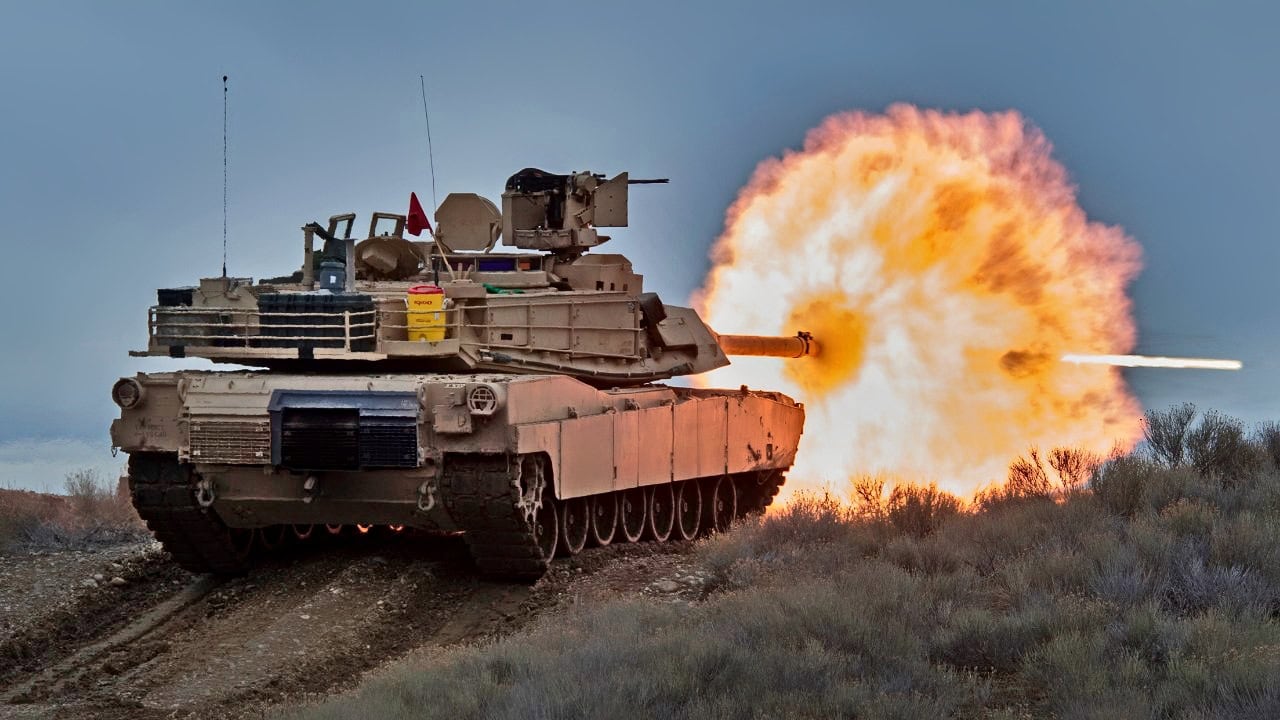
Key Points and Summary: The concept of a U.S. invasion of Canada is a far-fetched fantasy rooted in speculative fiction and thought experiments.
-While the U.S. has overwhelming military superiority, history, geography, and Canadian national identity make occupation implausible.
-Resistance would be fierce, particularly in Quebec, where nationalism runs deep.
-Economically and strategically, a conflict would harm both nations, which are deeply integrated through trade, defense (NORAD), and shared values. Canada’s defense lies in pragmatic investment in Arctic and maritime security, ensuring its sovereignty without relying on fictional scenarios.
-The U.S.-Canada alliance remains a cornerstone of North American stability—an invasion belongs in the realm of satire.
Could the U.S. Invade Canada? A Thought Experiment Debunked
The idea of an American invasion of Canada has long been the stuff of speculative fiction, military thought experiments, and satirical what-if scenarios.
Despite a history of fantasizing about such a possibility on the part of some Americans—from 19th-century expansionists to contemporary pop culture—the reality is that this notion is absurdly implausible. The modern geopolitical, economic, and military ties between the two countries render any such scenario not only unfeasible but entirely self-defeating.
More importantly, Canadian national identity—deeply rooted in its history, values, and distinct political culture—would render any attempted conquest an exercise in futility.
At face value, the United States possesses overwhelming military superiority. With the world’s most powerful armed forces, advanced logistics, and extensive strategic assets, Washington could theoretically achieve rapid territorial gains in a hypothetical invasion.
However, military capability alone does not equate to strategic success. History has repeatedly demonstrated that superior forces can falter when faced with logistical challenges, determined resistance, and the complexities of occupation.
The War of 1812 serves as a historical example—despite superior numbers and resources, American forces were unable to successfully annex Canadian territory, facing fierce resistance from British, Indigenous, and Canadian militias. More importantly, the idea that the U.S. would ever have the political or strategic incentive to invade its closest ally today is nothing short of farcical.
A U.S. invasion of Canada would likely be swift in its opening phase. American forces could rapidly seize key transportation hubs, government centers, and military installations. Major population centers such as Toronto, Vancouver, and Montreal could fall under control within days, given the sheer asymmetry in military capability.
The U.S. would also dominate airspace and sea lanes, leveraging its technological and logistical advantages to neutralize Canadian defenses.
But this is where any fantasy collapses under the weight of reality.
The challenge would not be in initial conquest, but in long-term occupation and governance. Canada’s vast geography, extreme weather conditions, and deeply ingrained national identity would make any occupation costly and unsustainable.
Canadian resistance would not just be military but cultural—Canadians see themselves as distinct from Americans, fiercely valuing their independent institutions, bilingual identity, and political traditions. Quebec, in particular, would present a unique challenge.
With its strong Francophone identity, historical grievances, and deep-seated nationalism, Quebec would undoubtedly lead one of the most fervent resistance movements against American rule.
The province has a long tradition of asserting its autonomy within Canada, and any foreign attempt to impose governance would be met with unyielding opposition, further exacerbating the difficulties of an occupation.
Moreover, the premise of such an invasion ignores the broader question of American strategic interests. Canada is not an adversary, nor does it present a security threat to the United States. The two nations are deeply integrated economically, socially, and militarily, making any potential conflict self-defeating.
The U.S. relies on Canada for key trade routes, energy resources, and continental defense cooperation under NORAD. Disrupting these ties would undermine Washington’s strategic interests far more than any hypothetical benefits gained from military control.
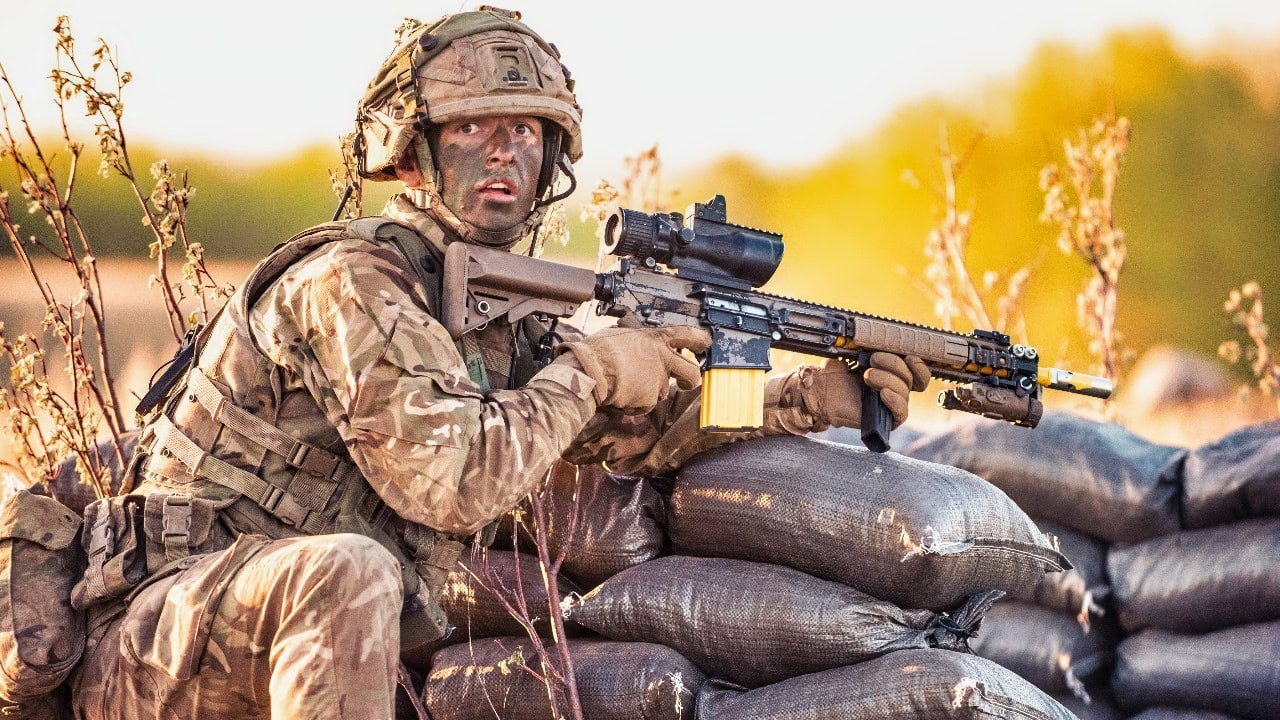
Canadian and British forces work together during a defensive battle simulation at first light on May 15, 2023, during Ex MAPLE RESOLVE in Wainwright, AB. Anti-tank weapons played a key role in the battle.
No rational policymaker in Washington would entertain such an idea beyond the realm of fiction.
From Canada’s perspective, this thought experiment serves more as an amusing reminder of American eccentricity than as a real security concern. While a conventional American attack remains an impossibility, Canada cannot take its defense for granted.
The country’s geographic position affords natural advantages, but these must be reinforced with robust military capabilities, secure infrastructure, and resilient supply chains. Canada’s longstanding underinvestment in defense, particularly in Arctic and maritime security, remains a liability that should be addressed—not out of fear of American aggression, but to ensure national resilience in an increasingly contested global landscape.
Ultimately, the real lesson of this scenario is not about the feasibility of an invasion, but rather about the strength of Canadian national identity as a deterrent in itself. Canada must take its defense responsibilities seriously, not in response to American fantasies, but to ensure that its sovereignty is never in question.
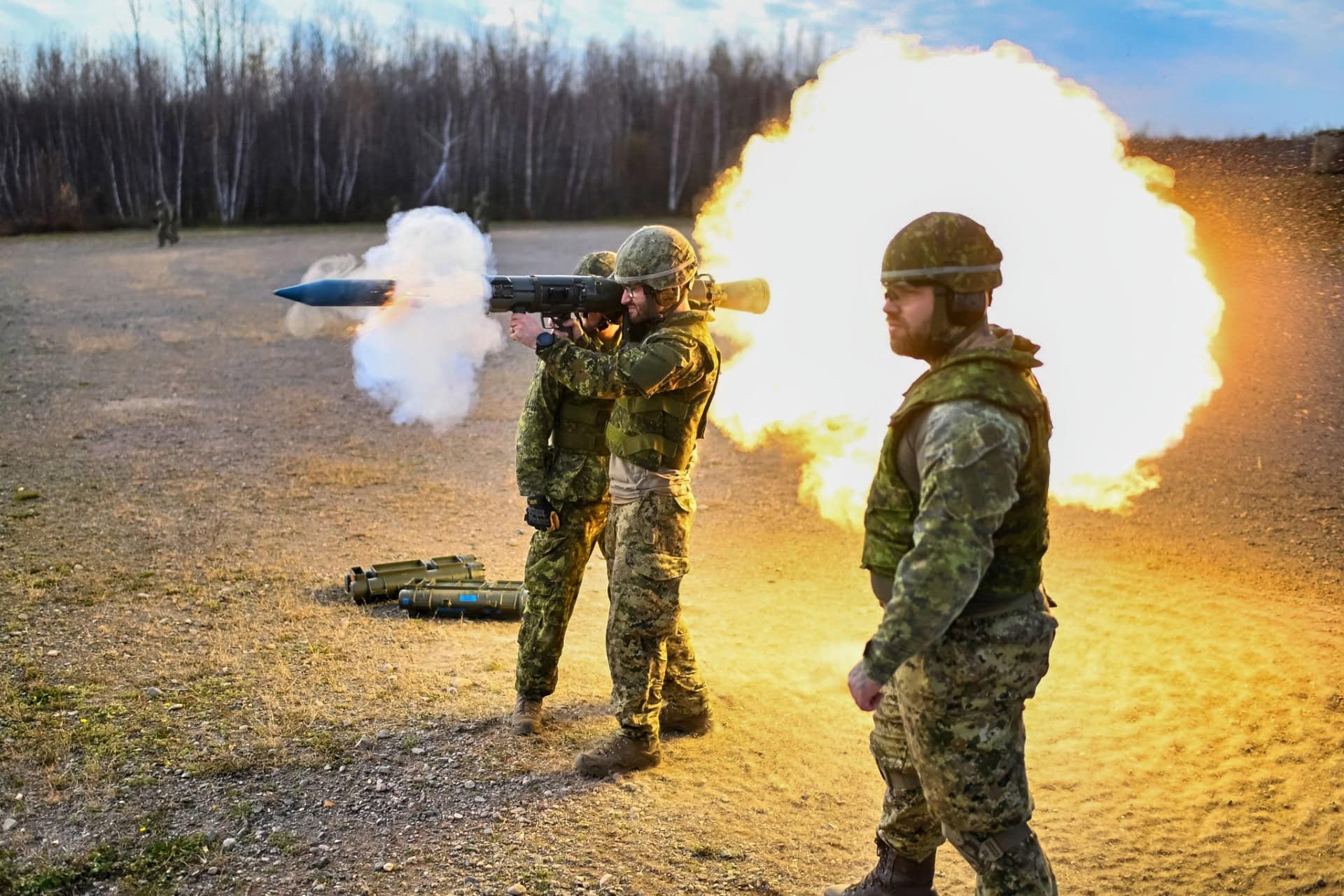
Student of the Advance Small Arms Instructor (ASAI) conducted a range with M-203 grenade luncher, C16 Automatic Grenade Luncher, C6 light machine gun and Carl Gustav 84mm anti-tank. These photos were taken at the Infantry School, 5th Canadian Division Support Base (5 CDSB) Gagetown, New Brunswick, on 31 October 2024.
Photo by: Corporal Dave Michaud
20241031GN50I063D
@2024 DND-MDN Canada
America vs. Canada: A War That Will Never Occur
Whether deterring conventional threats, securing critical regions like the Arctic, or strengthening military-industrial cooperation with allies, Canada’s best defense is a pragmatic, well-resourced grand strategy that prioritizes its national interests above all else
The prospect of a U.S. invasion of Canada belongs firmly in the realm of fiction—exactly where it should stay.
About the Author: Andrew Latham
Andrew Latham is a non-resident fellow at Defense Priorities and a professor of international relations and political theory at Macalester College in Saint Paul, MN. Andrew is now a Contributing Editor to 19FortyFive.