
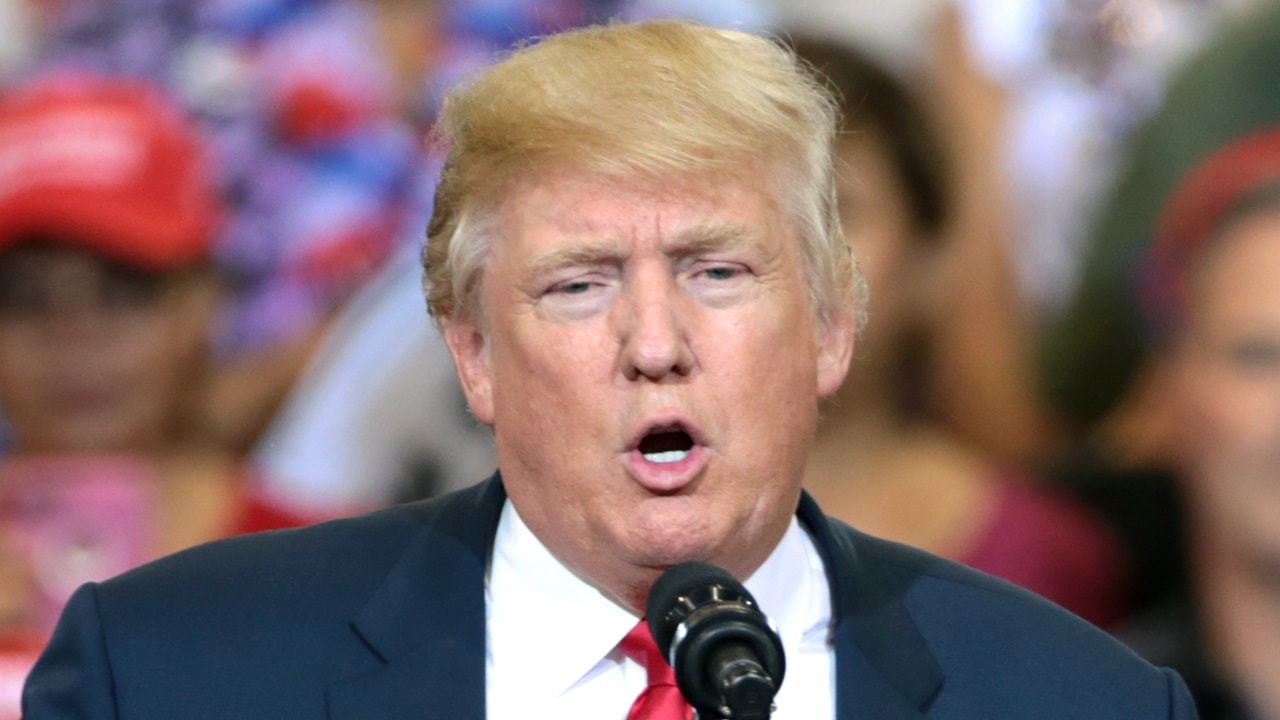
Summary and Key Points: The U.S. Supreme Court has ruled that President Trump’s use of IEEPA to levy tariffs exceeds his constitutional authority, returning the power of the purse to Congress.
-This decision strips the White House of the “flexible” tariff threats that underpinned major economic deals with foreign governments.
-In response, a defiant President Trump has threatened to utilize Section 122, which allows for a temporary 10% across-the-board tariff for 150 days.
-However, legal experts and trade partners note that this alternative lacks the coercive precision of IEEPA, leaving U.S. foreign policy in a state of “foreseeable mess” ahead of the fall midterms.
6-3 Shockwave: Why the Supreme Court Just Ended Trump’s “Flexible” Tariff Strategy
By a 6-3 decision, the US Supreme Court has frozen President Trump’s authority to impose tariffs under the International Emergency Economic Powers Act (IEEPA), the legal instrument that the Trump administration has used to conduct a wide range of economic diplomacy.
The Court stated unequivocally that Trump’s actions violate the statute and clearly exceed the constitutional authority of the President in terms of levying tariffs.
What Happens Now? President Trump Is Not Happy
For his part, the President is defiant, arguing that the Supreme Court decision resulted from the lawless corruption of several of the Justices (the President provided no evidence for these allegations).
President Trump declared that he would re-establish the tariffs through Section 122, an alternative authority that allows the establishment of a temporary (150 day) 10% tariff across the board. This rate is below (sometimes substantially below) the rates negotiated in several of President Trump’s economic “deals” negotiated with foreign governments.
A Chaos Bomb for U.S. Foreign Policy Thanks to Tariffs
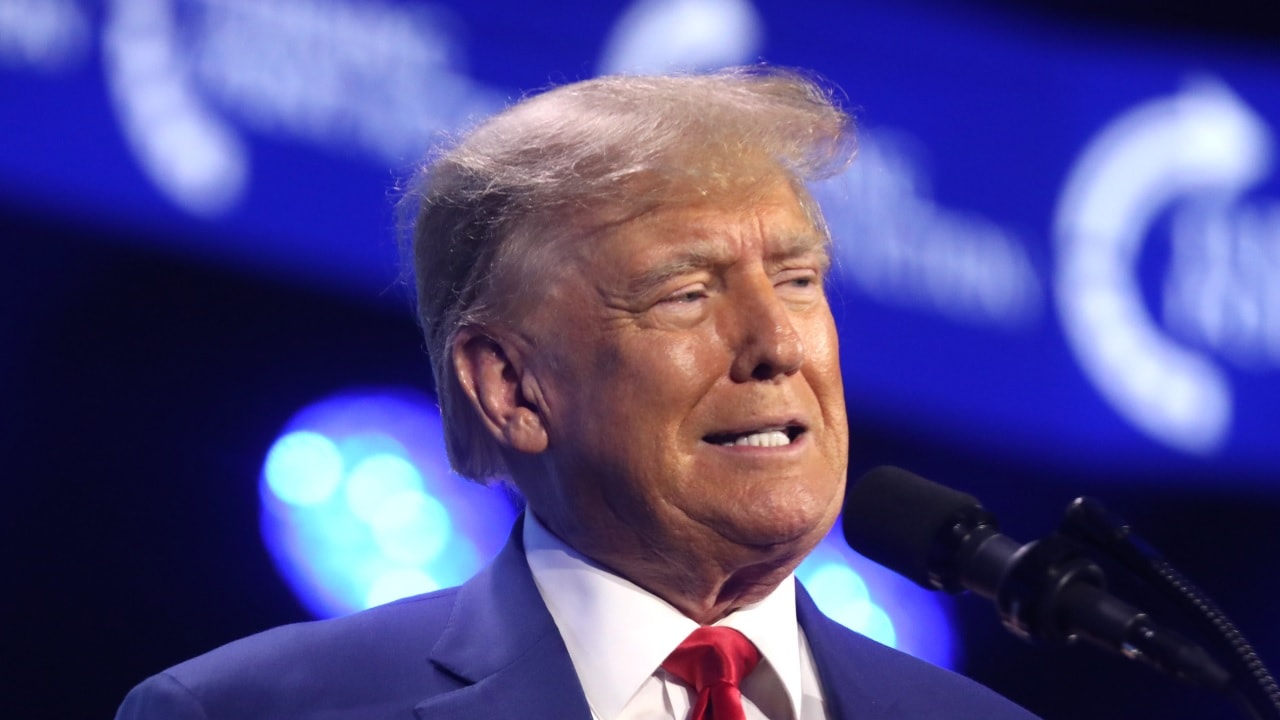
Former President of the United States Donald Trump speaking with attendees at the 2023 Turning Point Action Conference at the Palm Beach County Convention Center in West Palm Beach, Florida.
This decision has thrown US foreign policy into chaos.
President Trump has used tariffs and the threat of tariffs on a wide range of issues, well beyond questions of trade and economic statecraft.
Indeed, tariff threats underpin much of the administration’s foreign policy thinking.
Internal Trump administration thinking on the Supreme Court decision is difficult to discern.
Legal experts within the administration could not have been surprised by the outcome, as dispassionate legal authorities have made clear over the past year that IEEPA did not convey anything near the authority over tariffs that the Trump administration asserted.
The administration has explored alternative authorities without tipping its hand regarding the outcome of this case.
But there are reasons why the administration leaned into this particular tariff authority.
Almost every other authority is starkly limited in terms of targets, sectors, or processes, meaning that no other tariff authority gives the Trump administration the authority to use tariffs as a tool of coercive foreign policy.
Section 301 tariffs, for example, require an extended investigation of the discriminatory practices employed by specific countries and can be imposed only in proportion to the harm.
This means that they cannot, for example, be used to convince Thailand and Cambodia to stop fighting one another, or to convince Brazil to drop its prosecution of former President Jair Bolsonaro.
Coercive diplomacy requires the flexibility to raise or lower tariffs depending on the target’s behavior. Sections 122 and 301 (giving the President broad authority to establish specific tariffs) lack that kind of flexibility, and it is unlikely that the administration can derive the needed flexibility from other statutes.
Moreover, the Supreme Court’s decision suggested that it would have a dim view of further claims of executive authority over tariff policy.
The US Constitution grants the US Congress clear authority over tariffs and revenue. Trump’s GOP controls Congress, but the prospects of Congress granting Trump tariff authority similar to what he has claimed over the past year are approximately zero.
Tariffs are unpopular in the United States as a whole and also within the GOP congressional caucus. Moreover, political polls suggest that the GOP will suffer significant defeats in the fall midterms, making the prospect of additional grants of authority to the administration effectively hopeless.
Trump’s Foreign Policy Approach Under Siege Now
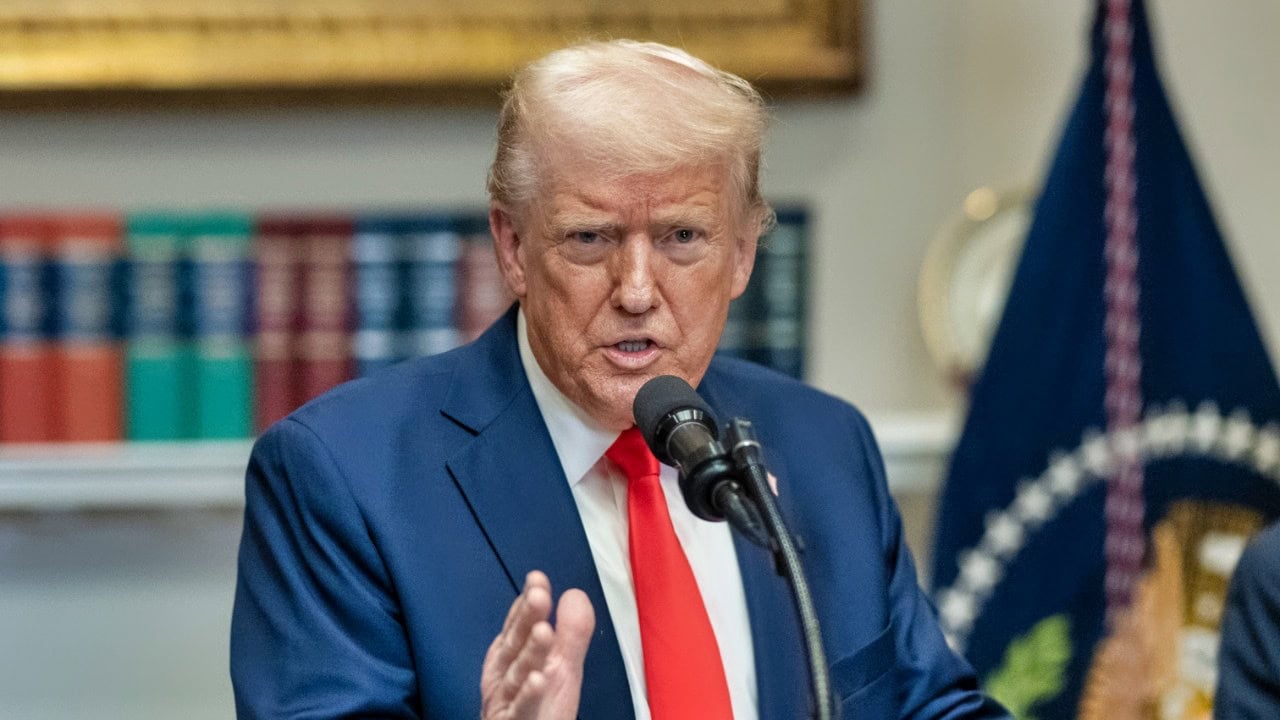
President Donald J. Trump makes an investment announcement, Monday, March 3, 2025, in the Roosevelt Room of the White House. (Official White House Photo by Molly Riley.)
This is a catastrophe for the Trump administration’s foreign policy approach.
From the beginning, the focus on tariffs was destructive, both to the US economy and to the relationships America has carefully built with trade partners over the past 80 years.
But failing to understand the policy’s legal precarity is even worse. Productive economic relationships depend upon stable expectations of behavior on the part of the major partners.
Trump disrupted that expectation with his tariff mania. The Supreme Court has disrupted it once again.
Now, America’s trade partners have to look forward to months of legal wrangling over the size and extent of tariffs, all while trying to construct rational trade policies. Moreover, the trade “deals” touted by the Trump administration were almost universally based on the threat of flexible tariffs.
Now, the partners in those deals have little incentive to continue cooperating; Trump cannot be relied upon to either raise or lower tariffs in accordance with policy.
This is a foreseeable mess, and the administration should have been better prepared to deal with it.
About the Author: Dr. Robert Farley
Dr. Robert Farley has taught security and diplomacy courses at the Patterson School since 2005. He received his BS from the University of Oregon in 1997, and his Ph. D. from the University of Washington in 2004. Dr. Farley is the author of Grounded: The Case for Abolishing the United States Air Force (University Press of Kentucky, 2014), the Battleship Book (Wildside, 2016), Patents for Power: Intellectual Property Law and the Diffusion of Military Technology (University of Chicago, 2020), and most recently Waging War with Gold: National Security and the Finance Domain Across the Ages (Lynne Rienner, 2023). He has contributed extensively to a number of journals and magazines, including the National Interest, the Diplomat: APAC, World Politics Review, and the American Prospect. Dr. Farley is also a founder and senior editor of Lawyers, Guns and Money.