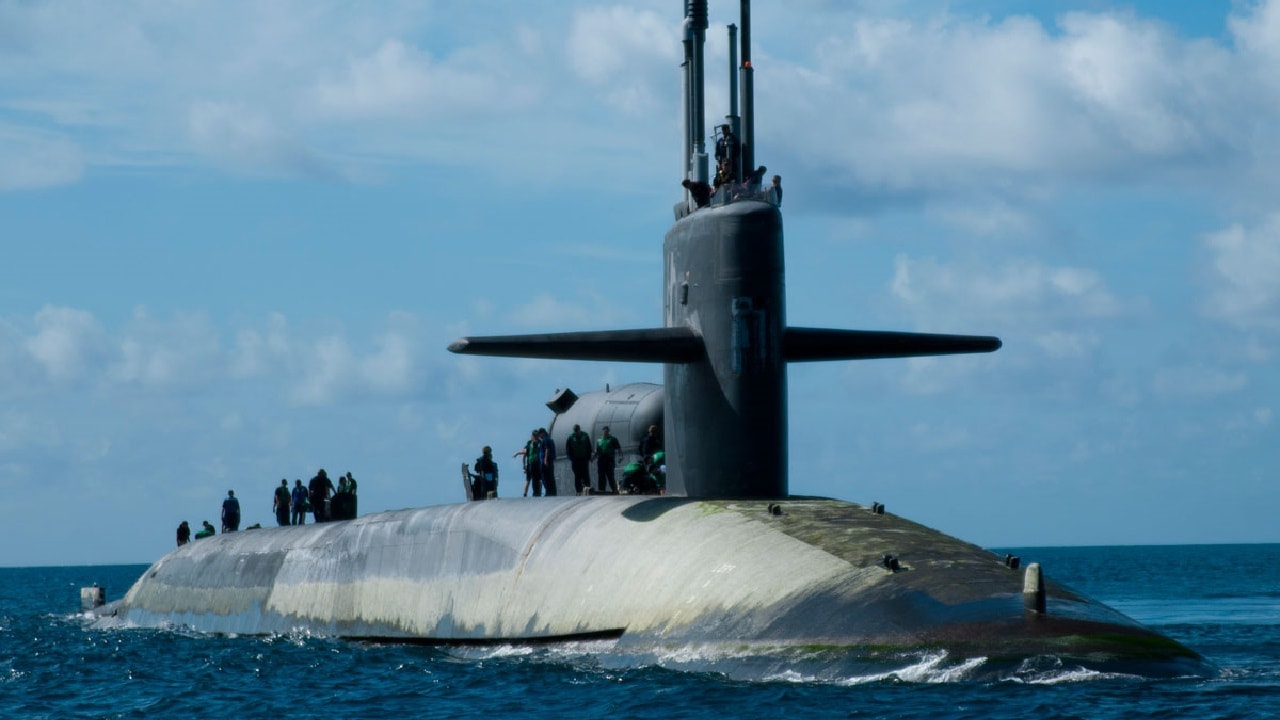
Synopsis: Kris Osborn, President of Warrior Maven and former Pentagon expert, evaluates the “massive collective firepower” loss as the USS Ohio, USS Georgia, USS Michigan, and USS Florida prepare for retirement between 2026 and 2028.
-Each SSGN carries 154 Tomahawk missiles, providing unmatched land-attack support for campaigns like Operation Epic Fury.
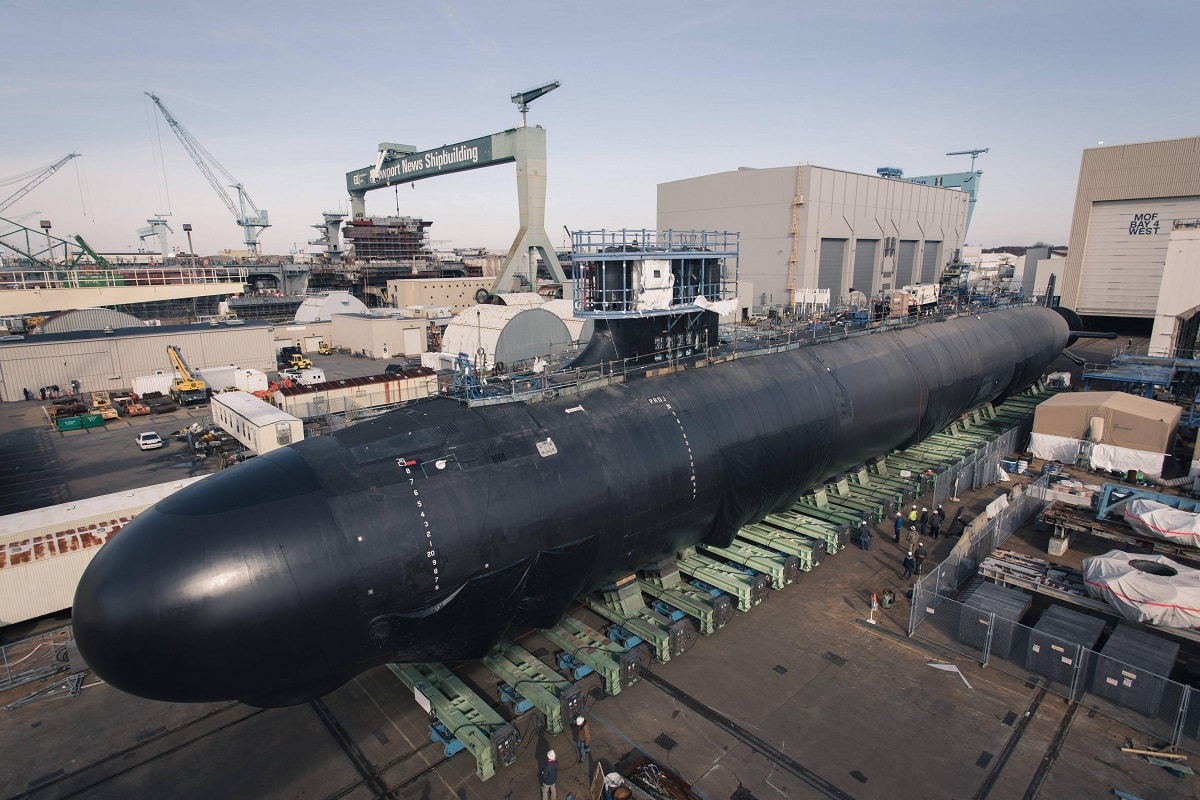
U.S. Navy Virginia-class Submarine.
-This report analyzes the Navy’s transition to the Block V Virginia-class, which utilizes an 80-foot Virginia Payload Module (VPM) to carry 28 additional missiles.
-Osborn concludes that while the Virginia-class improves sensor integration, the Navy must accelerate production to maintain undersea mass in the Pacific.
The 154-Tomahawk Farewell: Why the USS Ohio-Class SSGN Retirement Creates a Firepower Gap
A U.S. Navy guided missile submarine (SSGN) is a lethal war machine that stretches the length of two football fields and can carry as many as 154 Tomahawk missiles.
The undersea war platform’s massive firepower brings land-attack support to any military campaign.
However, these boats and their firepower will be retiring in the coming years, and the Navy is aggressively scrambling to replace the SSGNs with the Block V Virginia-class submarines—attack submarines built with an extra 80-foot section to carry 28 additional Tomahawks per boat, bringing their total firepower to 40 Tomahawks.
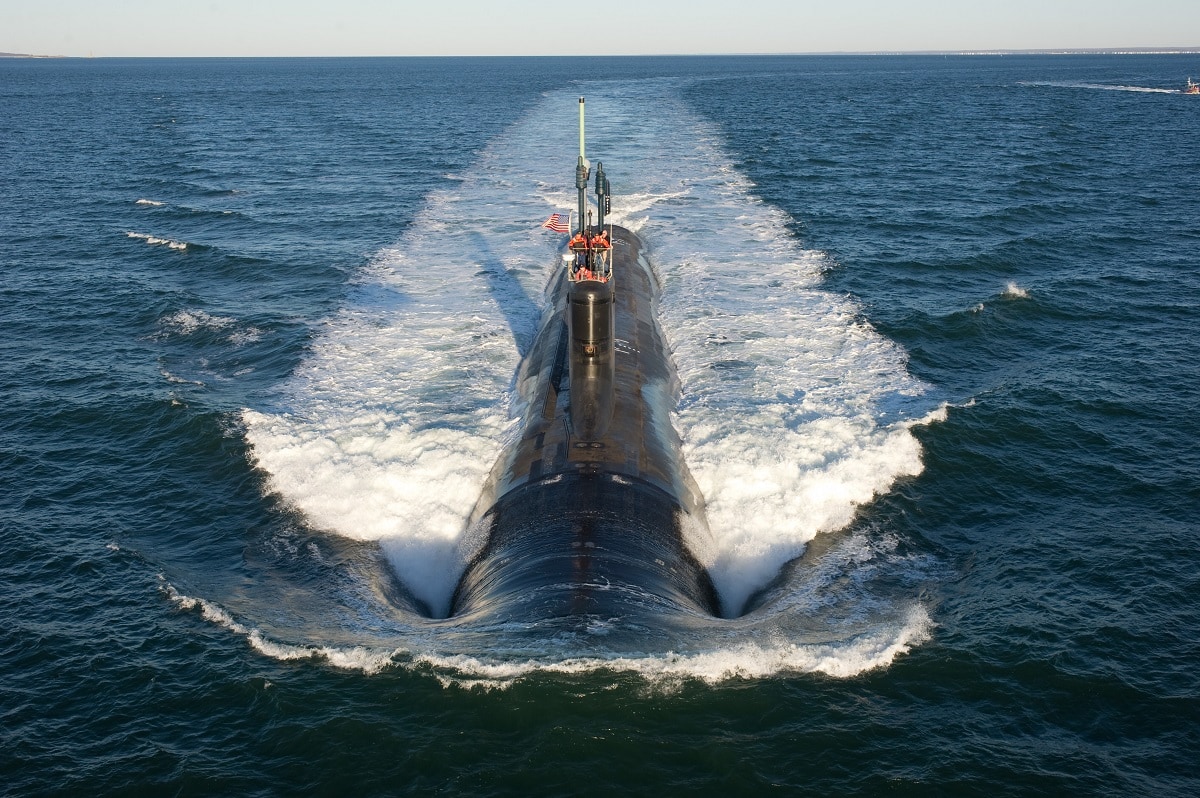
The Virginia-class attack submarine Pre-Commissioning Unit Mississippi (SSN 782) conducts alpha trials in the Atlantic Ocean. (U.S. Navy photo courtesy of General Dynamics Electric Boat)
The Navy is moving fast to accelerate production and delivery of these boats.
154 Tomahawks Each
The SSGNs are the USS Ohio, USS Georgia, USS Michigan, and USS Florida.
These heavily armed boats are slated to retire from 2026 to 2028. The Ohio-class submarines have already operated years beyond their intended service life, but their anticipated retirement means the Navy is setting aside a massive amount of collective firepower.
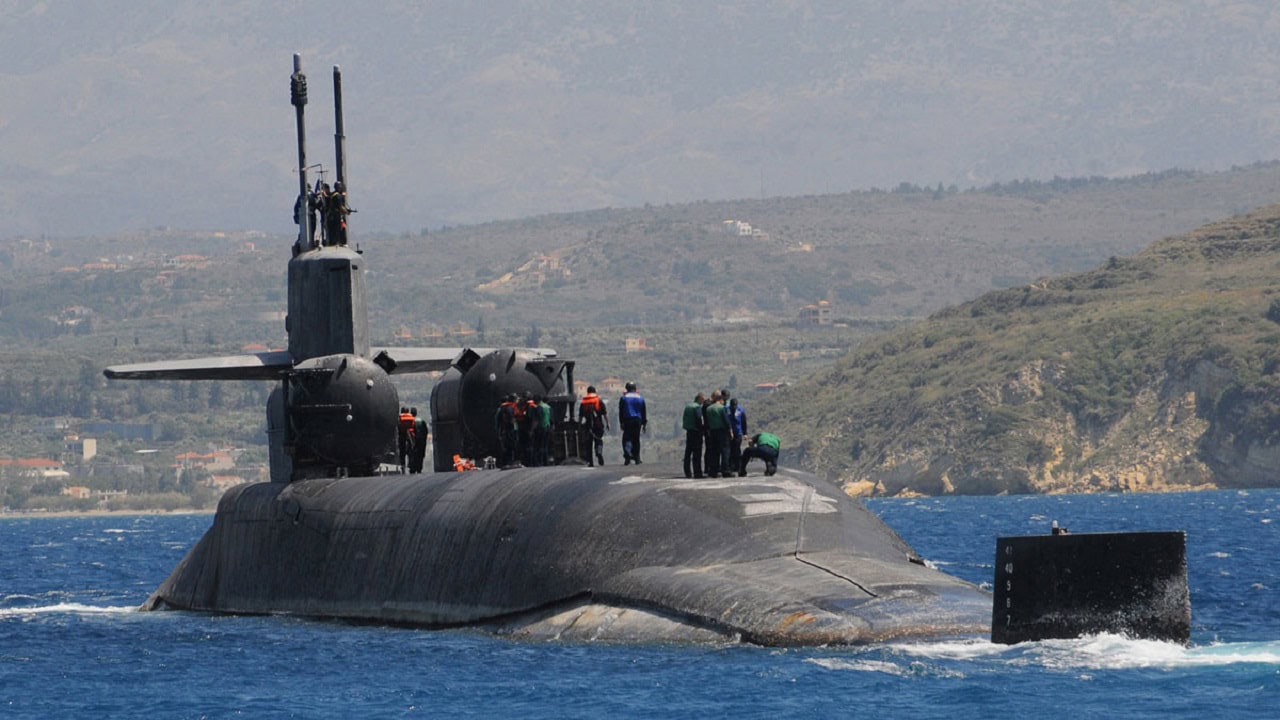
Ohio-Class SSGN. Image Credit: U.S. Navy.
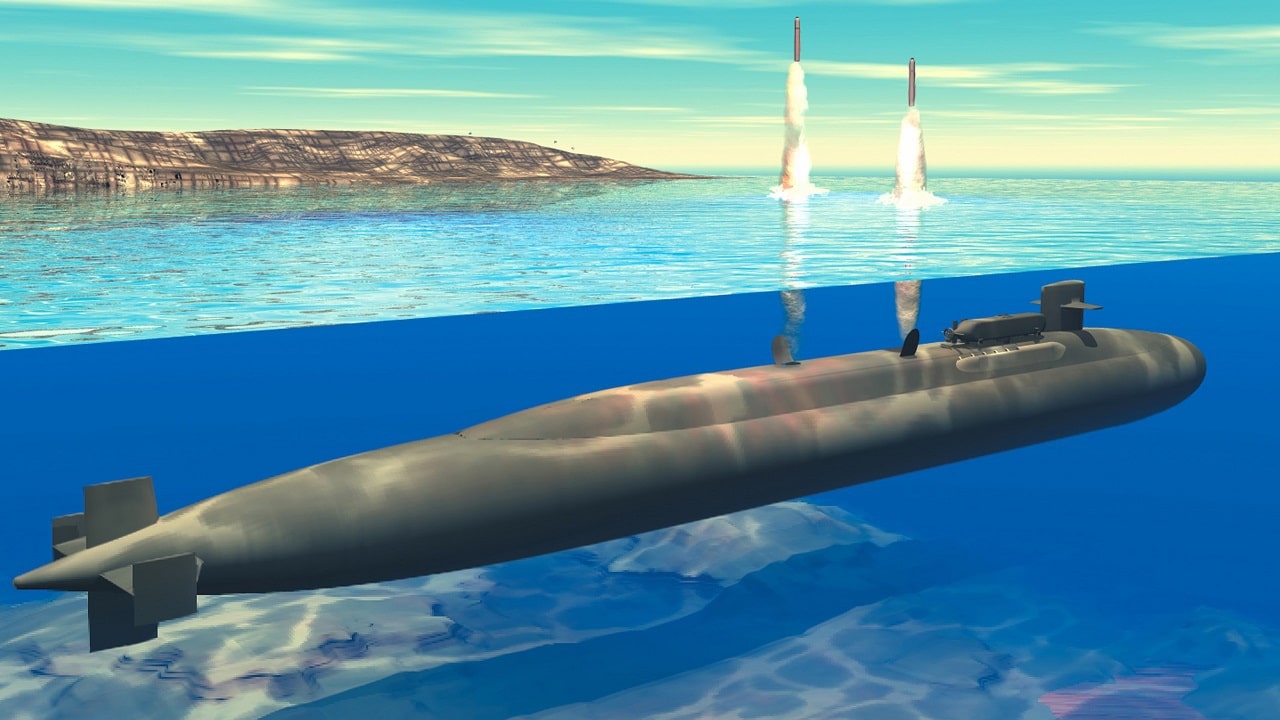
Artist’s concept of an Ohio-class SSGN launching Tomahawk Land Attack Missiles.
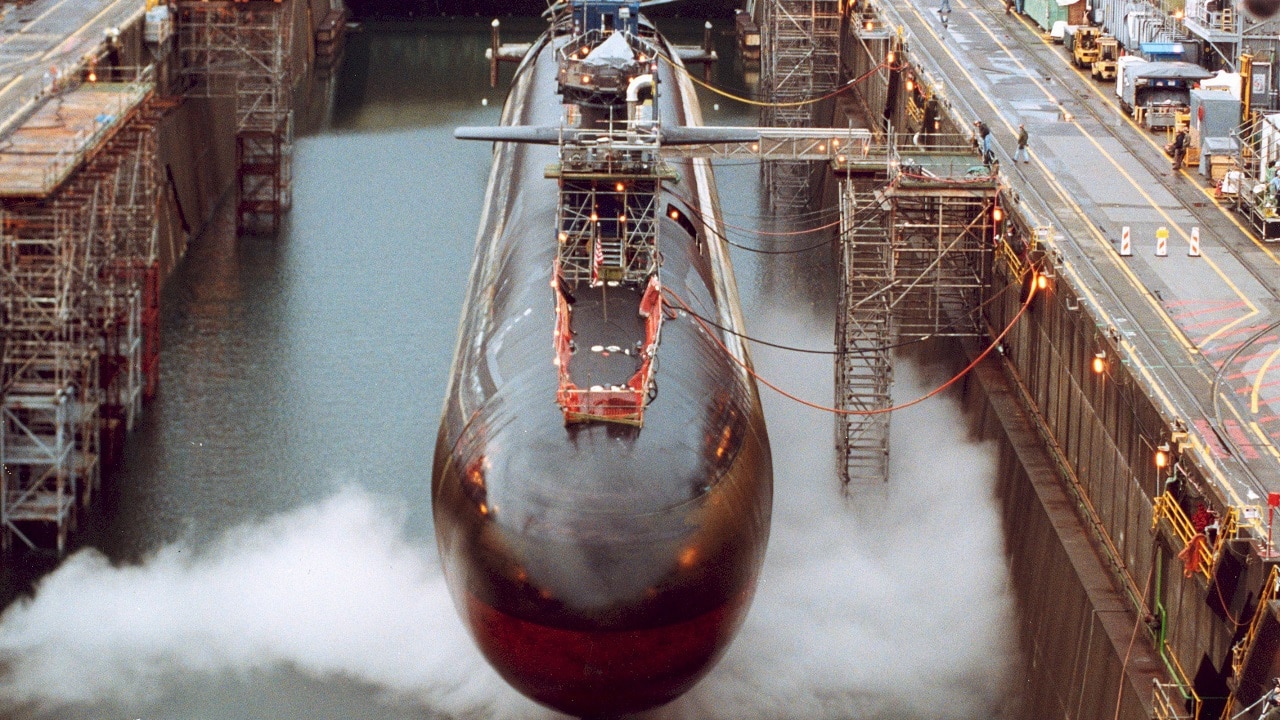
Puget Sound Naval Shipyard, Wash. (Aug. 14, 2003) — USS Ohio (SSGN 726) is in dry dock undergoing a conversion from a Ballistic Missile Submarine (SSBN) to a Guided Missile Submarine (SSGN) designation. Ohio has been out of service since Oct. 29, 2002 for conversion to SSGN at Puget Sound Naval Shipyard. Four Ohio-class strategic missile submarines, USS Ohio (SSBN 726), USS Michigan (SSBN 727) USS Florida (SSBN 728), and USS Georgia (SSBN 729) have been selected for transformation into a new platform, designated SSGN. The SSGNs will have the capability to support and launch up to 154 Tomahawk missiles, a significant increase in capacity compared to other platforms. The 22 missile tubes also will provide the capability to carry other payloads, such as unmanned underwater vehicles (UUVs), unmanned aerial vehicles (UAVs) and Special Forces equipment. This new platform will also have the capability to carry and support more than 66 Navy SEALs (Sea, Air and Land) and insert them clandestinely into potential conflict areas. U.S. Navy file photo. (RELEASED)
SSGNs have proven extremely valuable during key military campaigns, such as the attack on Libya in 2011 and the Gulf War. Their ability to unleash mass precision fires at the beginning of a military campaign has proven decisive.
Tomahawk weapons are often among the first to strike in a military operation.
The Tomahawks can destroy fixed infrastructure, command and control areas, bunkers, leadership locations, and force concentrations without putting attackers at risk. Tomahawks can travel as far as 900 miles at speeds greater than 550 miles per hour.
Block IV Tomahawks have a loitering Intelligence, Surveillance, and Reconnaissance function and a two-way datalink enabling them to receive new information in flight and readjust. While capable of precision strikes, they are critical in any effort to mass firepower, given the sheer volume with which they can be deployed by an SSGN.
Beyond the Tomahawk
While the Tomahawk has achieved tremendous breakthroughs in range, data networking, and precision targeting, there will likely always be a need for mass firepower in a great power conflict.
Perhaps enemy air defenses can be targeted from the ocean; battlefield surveillance identifies weapons storage facilities; or force concentration targets are found.
Support Special Operations
Mission longevity has also been a key factor for SSGNs, as they are capable of remaining at sea for continuous missions of nearly two years if needed.
The USS Florida, for example, traveled nearly 70,000 miles over 700 days. This dwell time means a submarine is able to sustain undersea operations, increasing survivability and improving mission prospects.
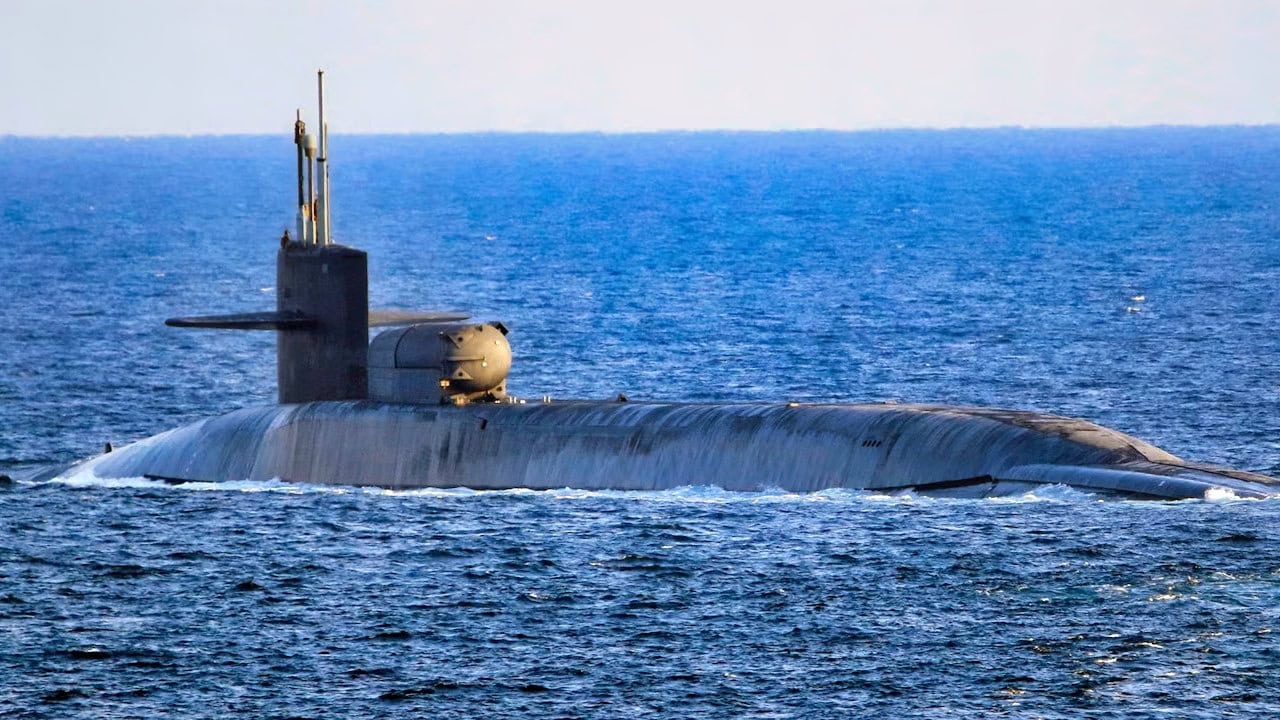
Ohio-Class SSGN Submarine U.S. Navy.
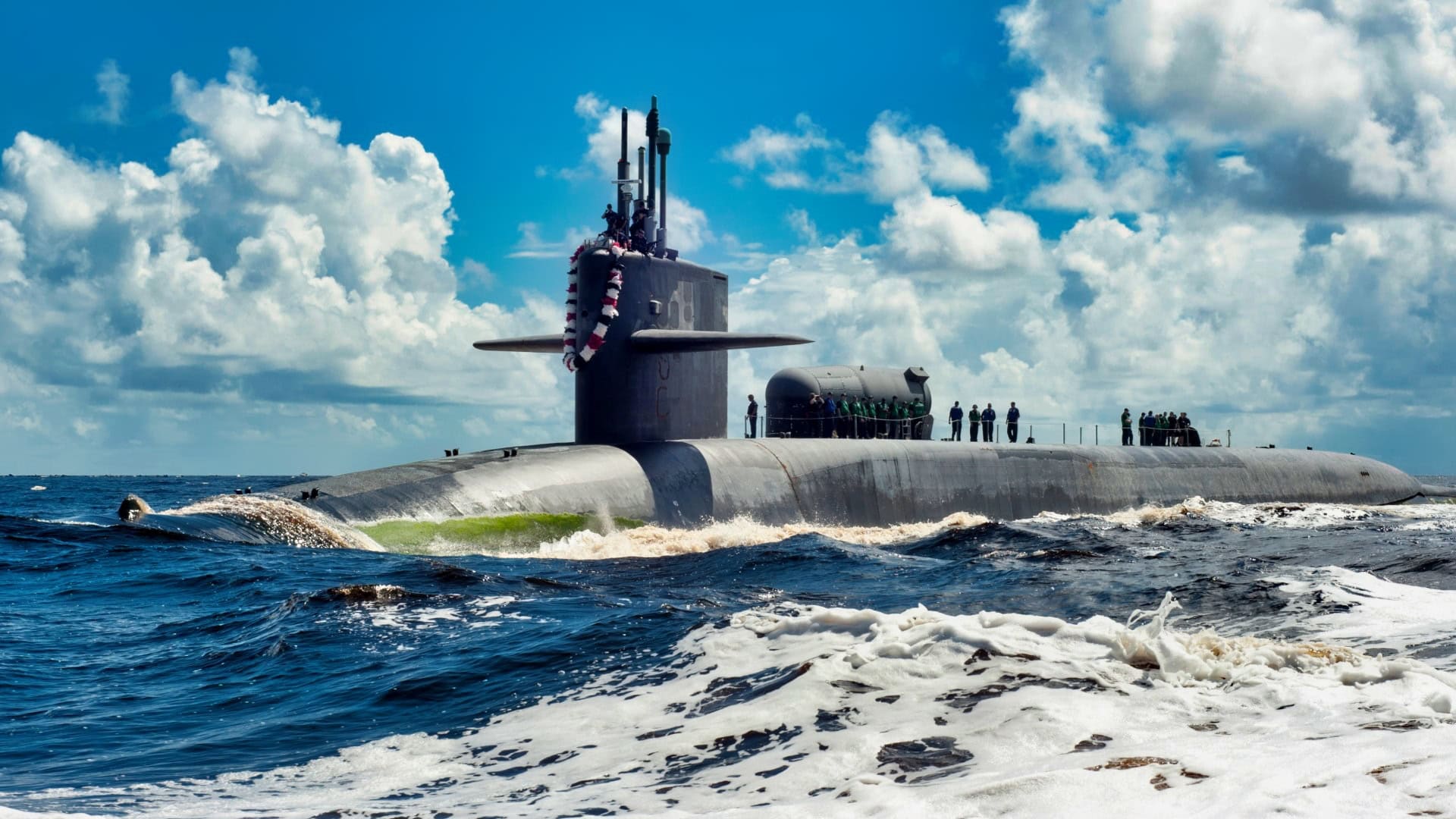
FERNANDINA BEACH, Fla. – The Ohio-class guided missile submarine USS Georgia (SSGN 729) transits the Saint Marys River July 15. Georgia returned to Kings Bay after spending more than a year forward deployed. (U.S. Navy photo by Mass Communication Specialist 1st Class(SW) James Kimber)
This is important in areas such as the Pacific, where vast maritime geography might require extended deployments.
A boat that does not need to return to port can remain underwater in strategically vital locations and be positioned to support clandestine undersea surveillance and attack operations.
Further, the SSGNs can carry and deploy groups of special operations forces to conduct covert missions that begin with stealthy, surprise undersea attacks or reconnaissance operations.
About the Author: Kris Osborn, Warrior Maven President
Kris Osborn is the President of Warrior Maven – Center for Military Modernization. Osborn previously served at the Pentagon as a highly qualified expert in the Office of the Assistant Secretary of the Army—Acquisition, Logistics & Technology. Osborn has also worked as an anchor and on-air military specialist at national TV networks. He has appeared as a guest military expert on Fox News, MSNBC, The Military Channel, and The History Channel. He also has a Masters Degree in Comparative Literature from Columbia University.